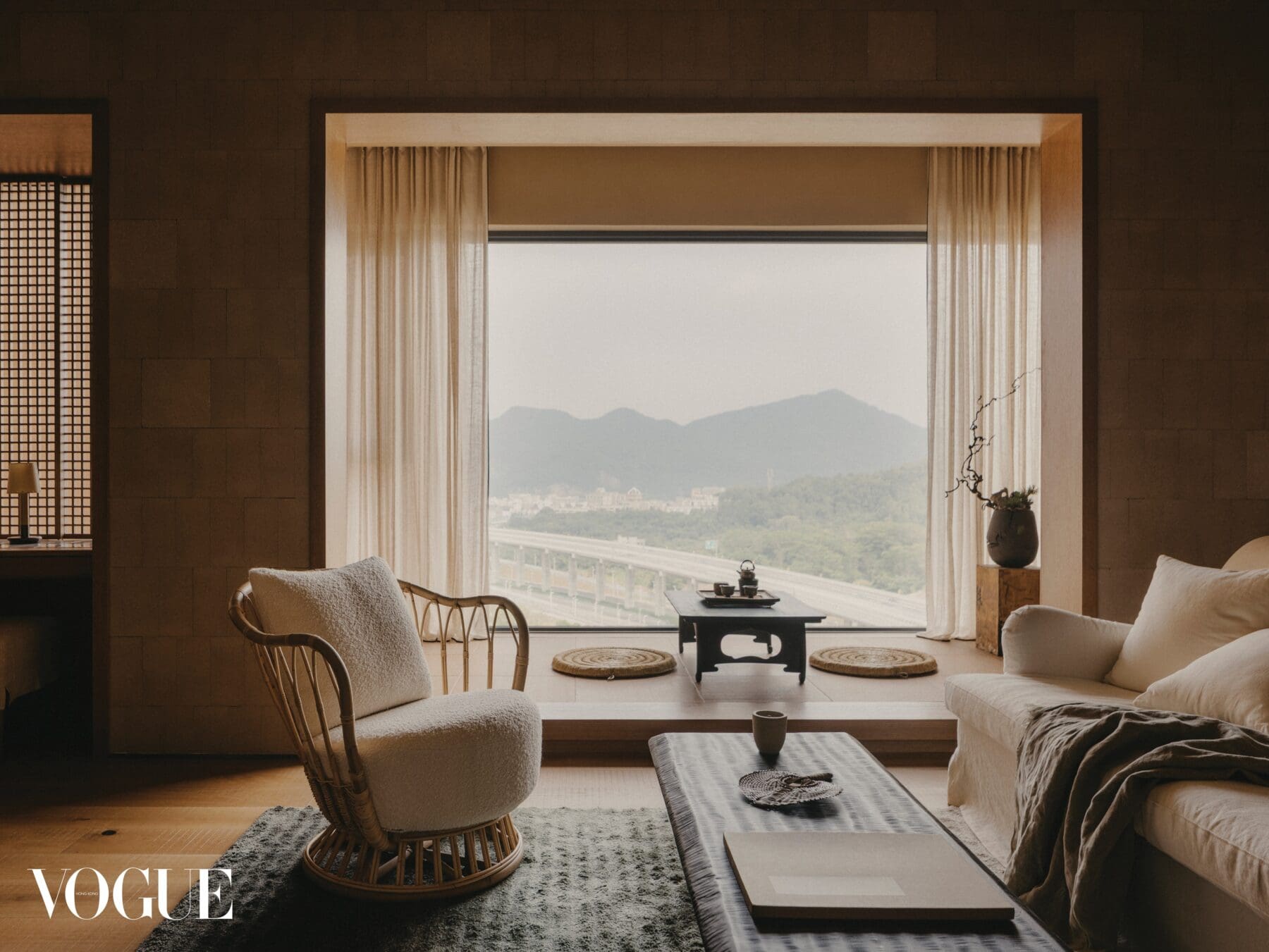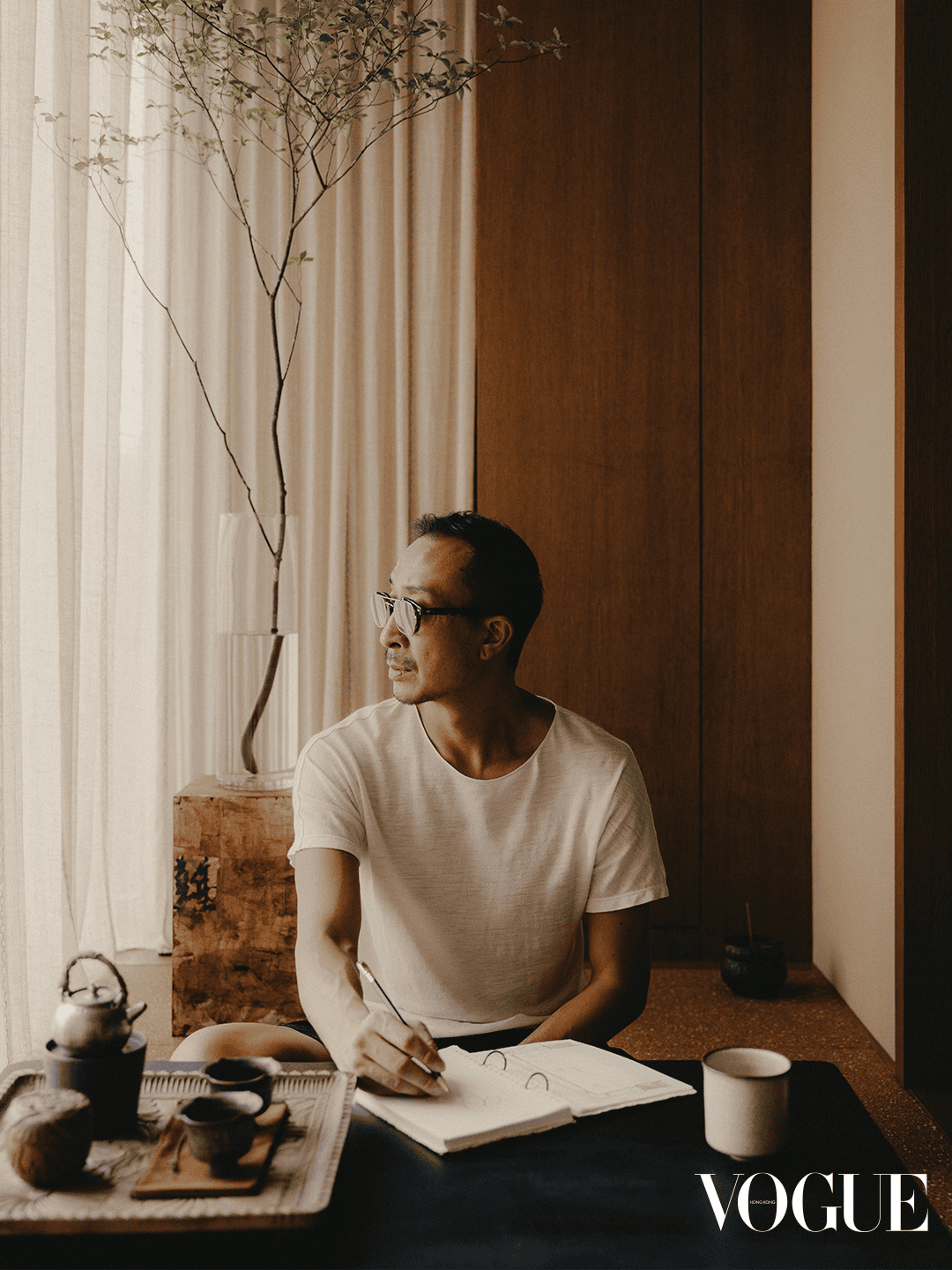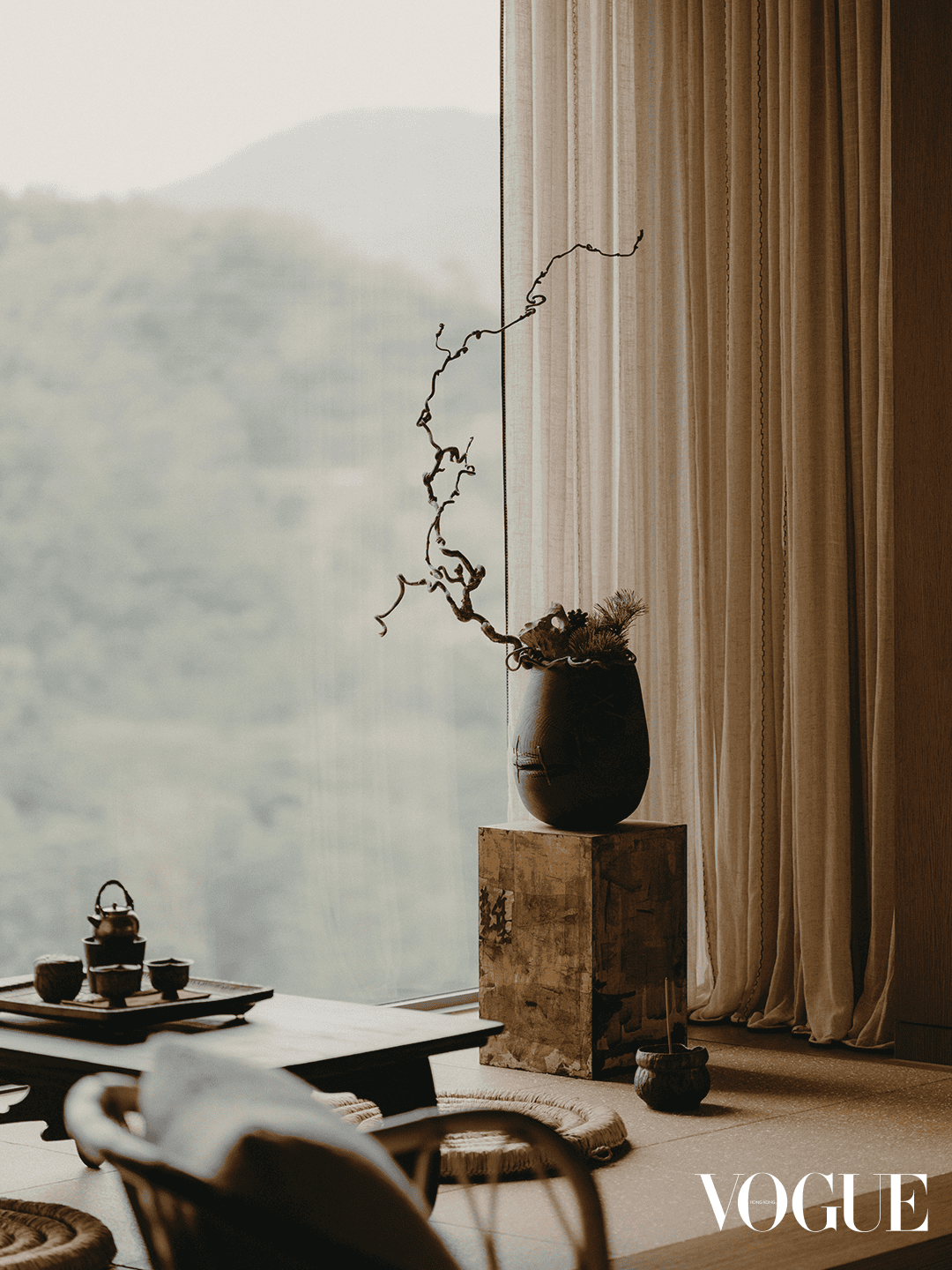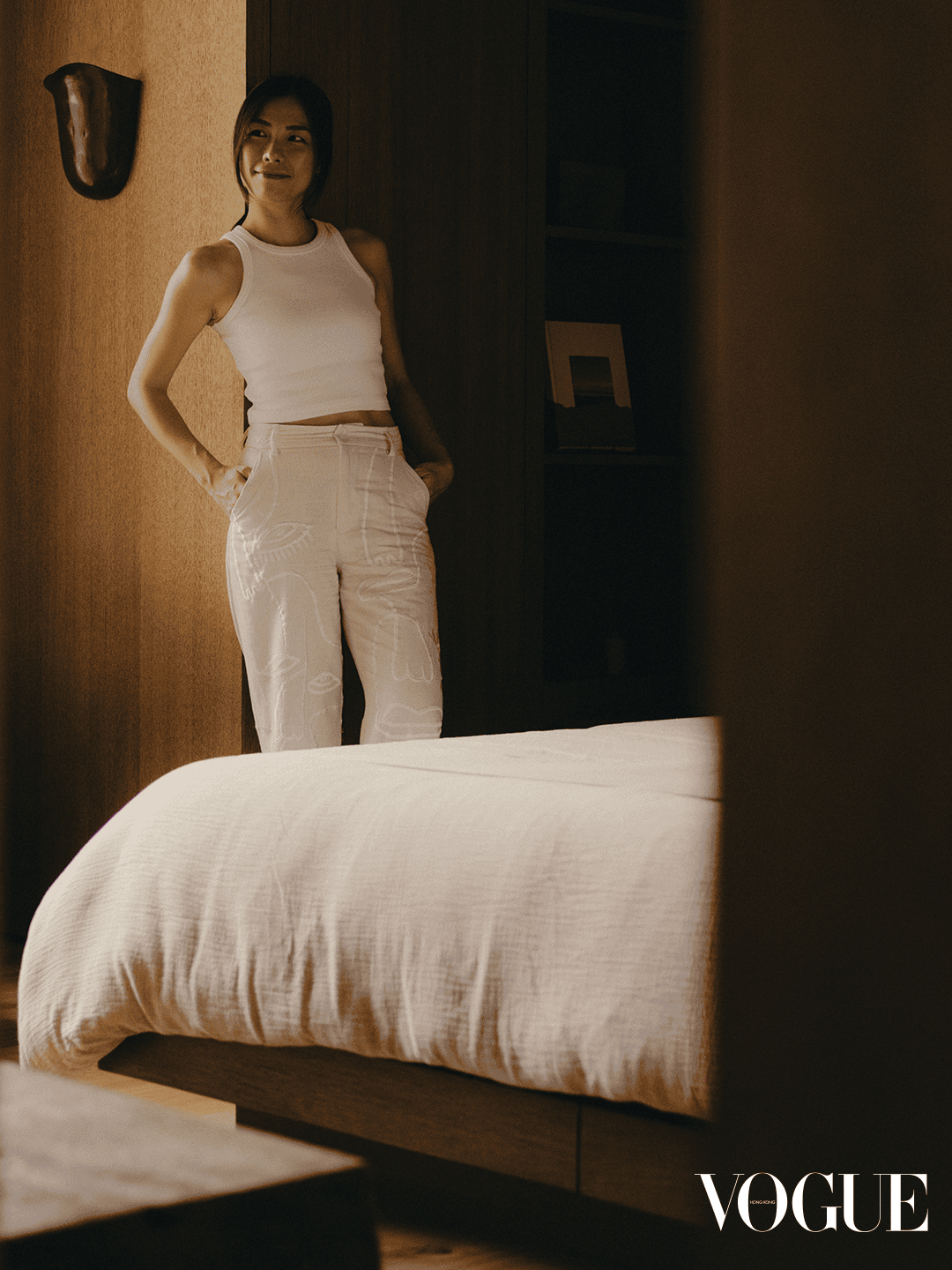


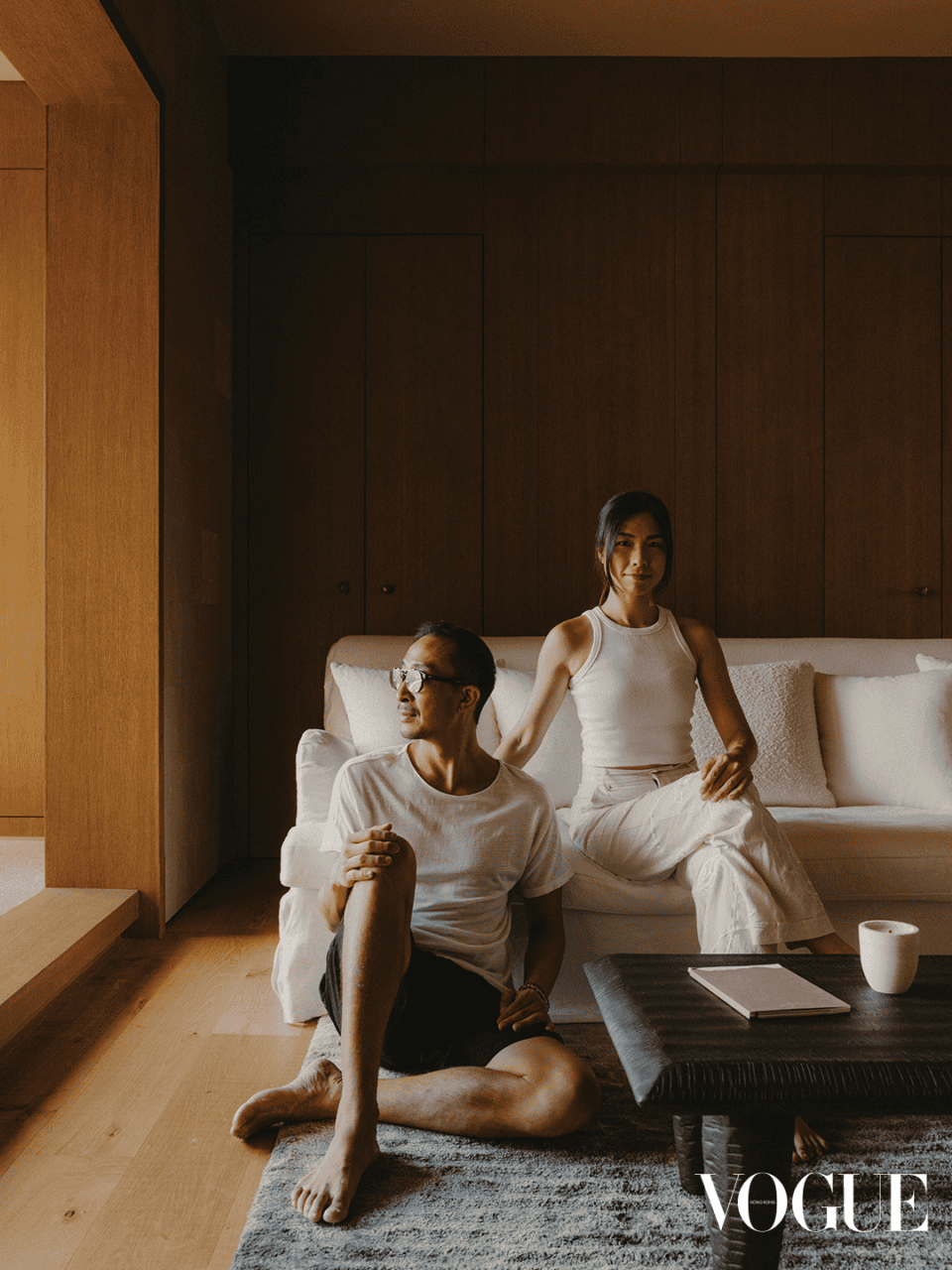
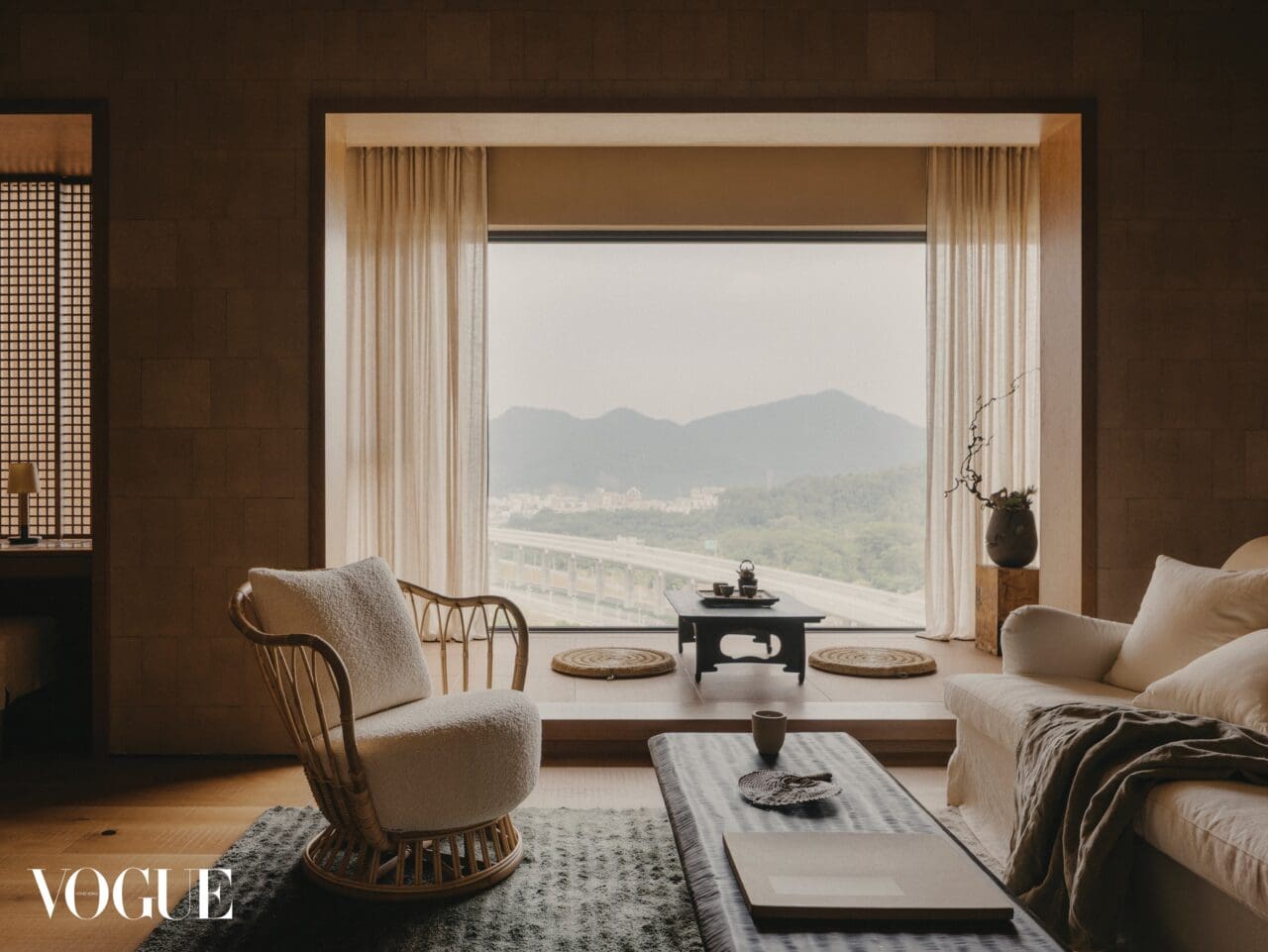
Some homes are built. Others are found. For Alex and OJ, co-founders of the lifestyle brand Soil, the apartment they discovered in the summer of 2023 was never really a decision. “We did not choose it. It chose us,” they say. Standing at the five-metre window, with Wugui Mountain filling the frame—green, quiet, unmoved—they felt it reminded them of Tibet. “Not the harshness, but the stillness. That view was the only luxury we needed.” Everything else was just walls waiting to become a vessel, and they knew within minutes. “The apartment was empty, but it already held something. We simply agreed to be held by it.”
That instinct to receive rather than impose shaped everything that followed. The design emerged intuitively, like running and breathing—a discipline of patience learned on their 21-day pilgrimage as monks. “Soil does not force the seed. It waits,” they explain. “We learned this in Tibet—that forcing creates resistance, and resistance creates noise. So we stopped planning and started listening.” For months they bought nothing, waiting for the “this is it” moment for every object, texture, and artisan, and pausing whenever a decision felt heavy. The home taught them its own rhythm. “Our only discipline was patience. That is not a design method. It is a way of being.”
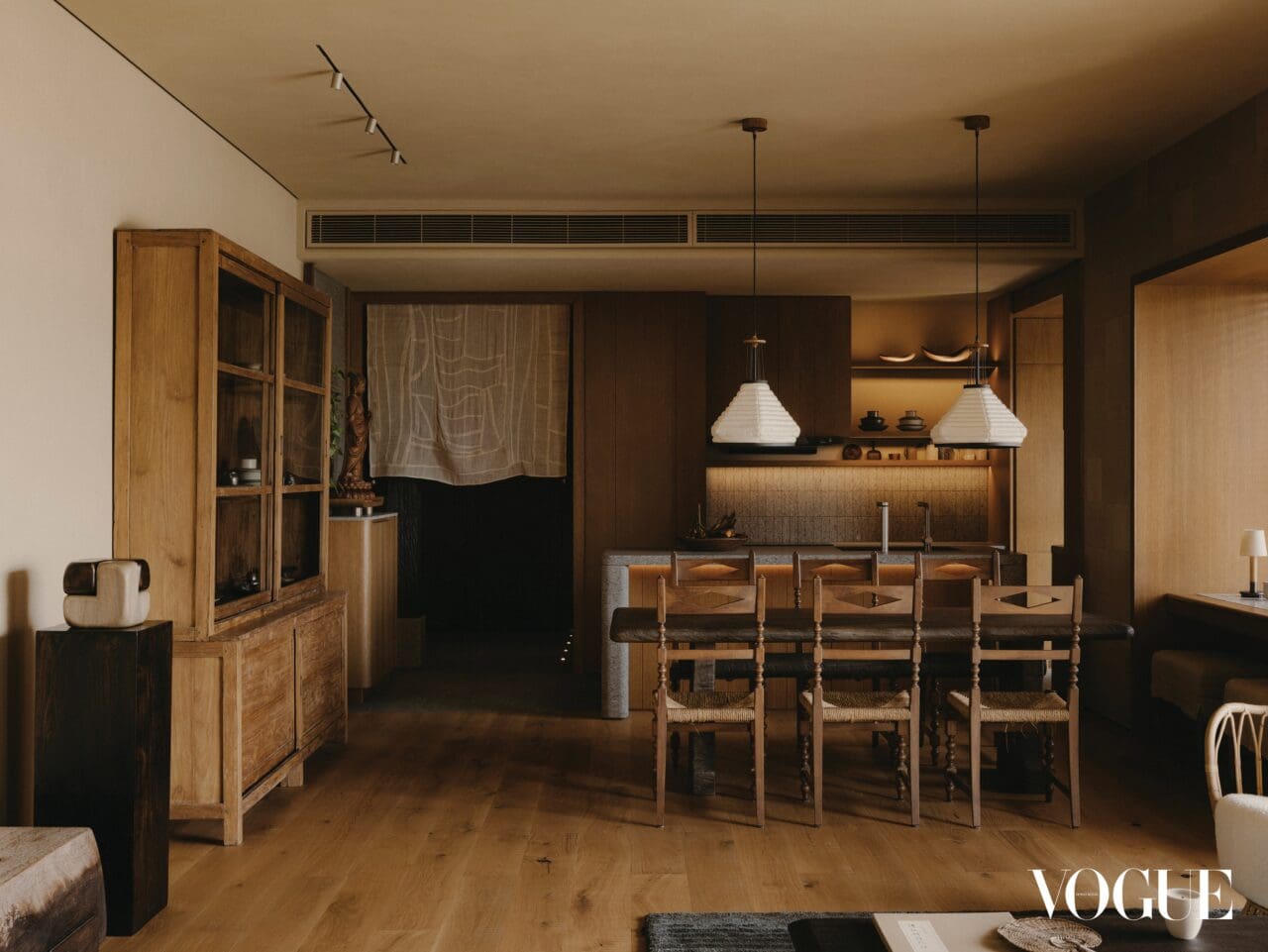
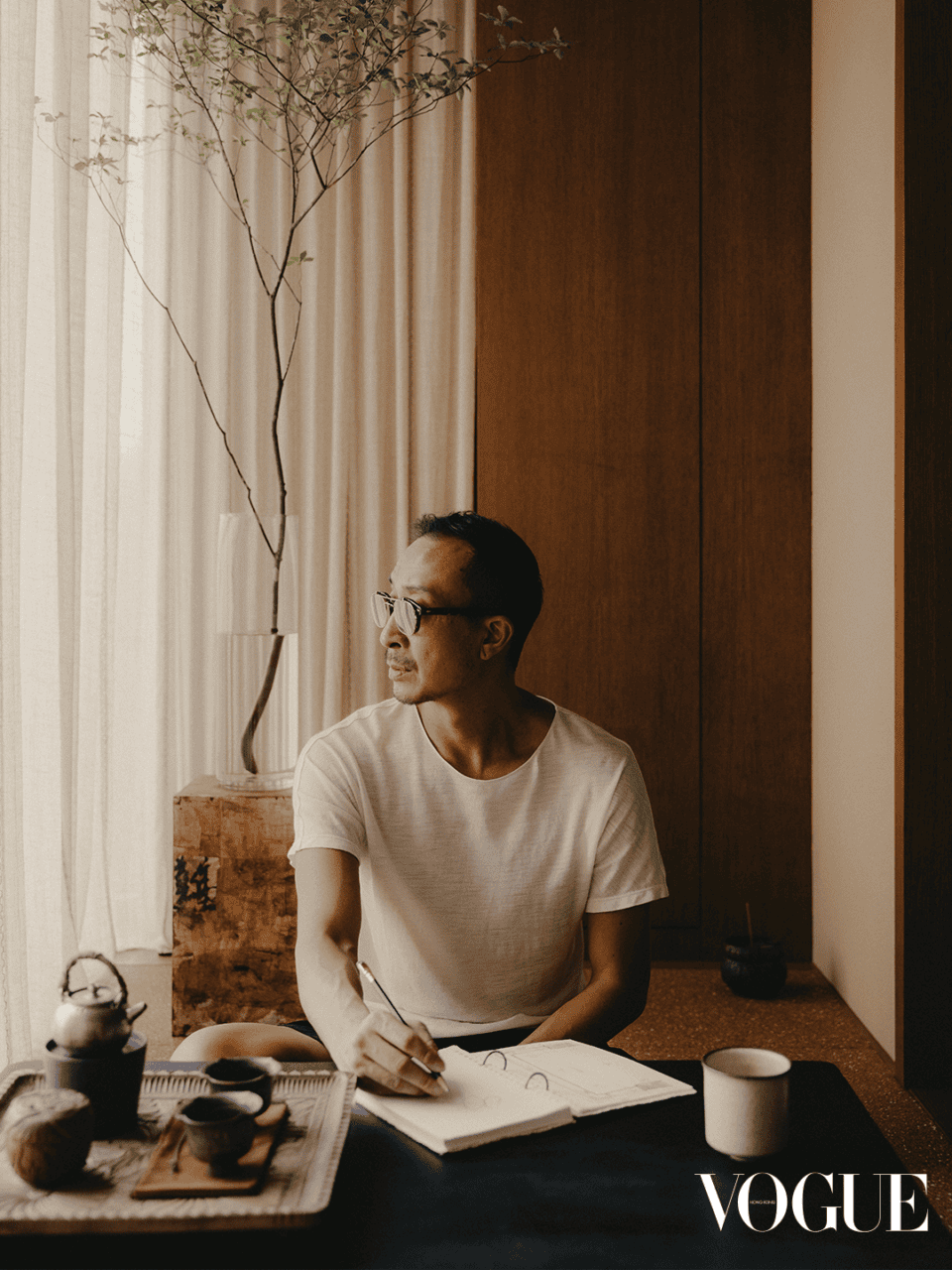
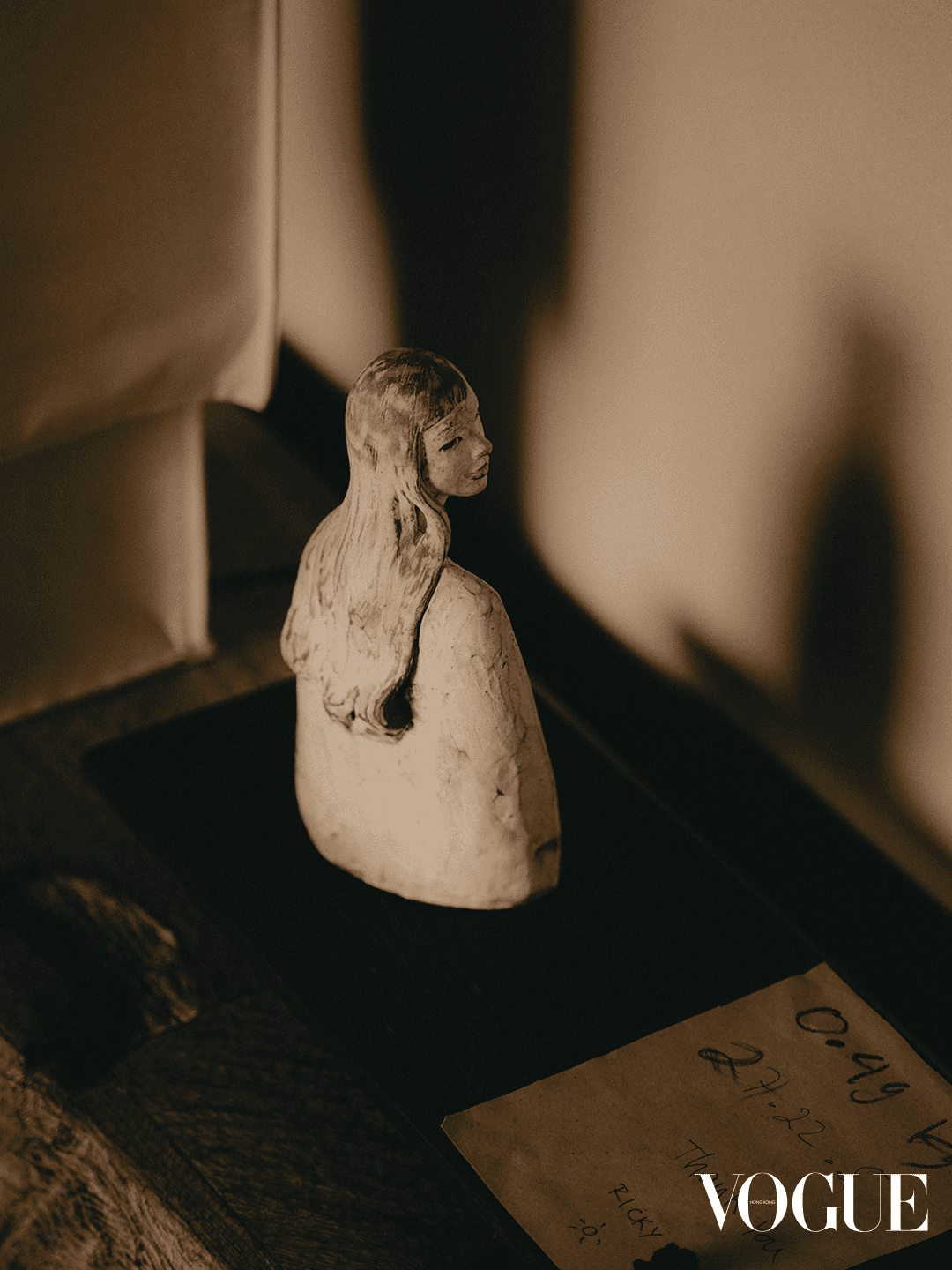
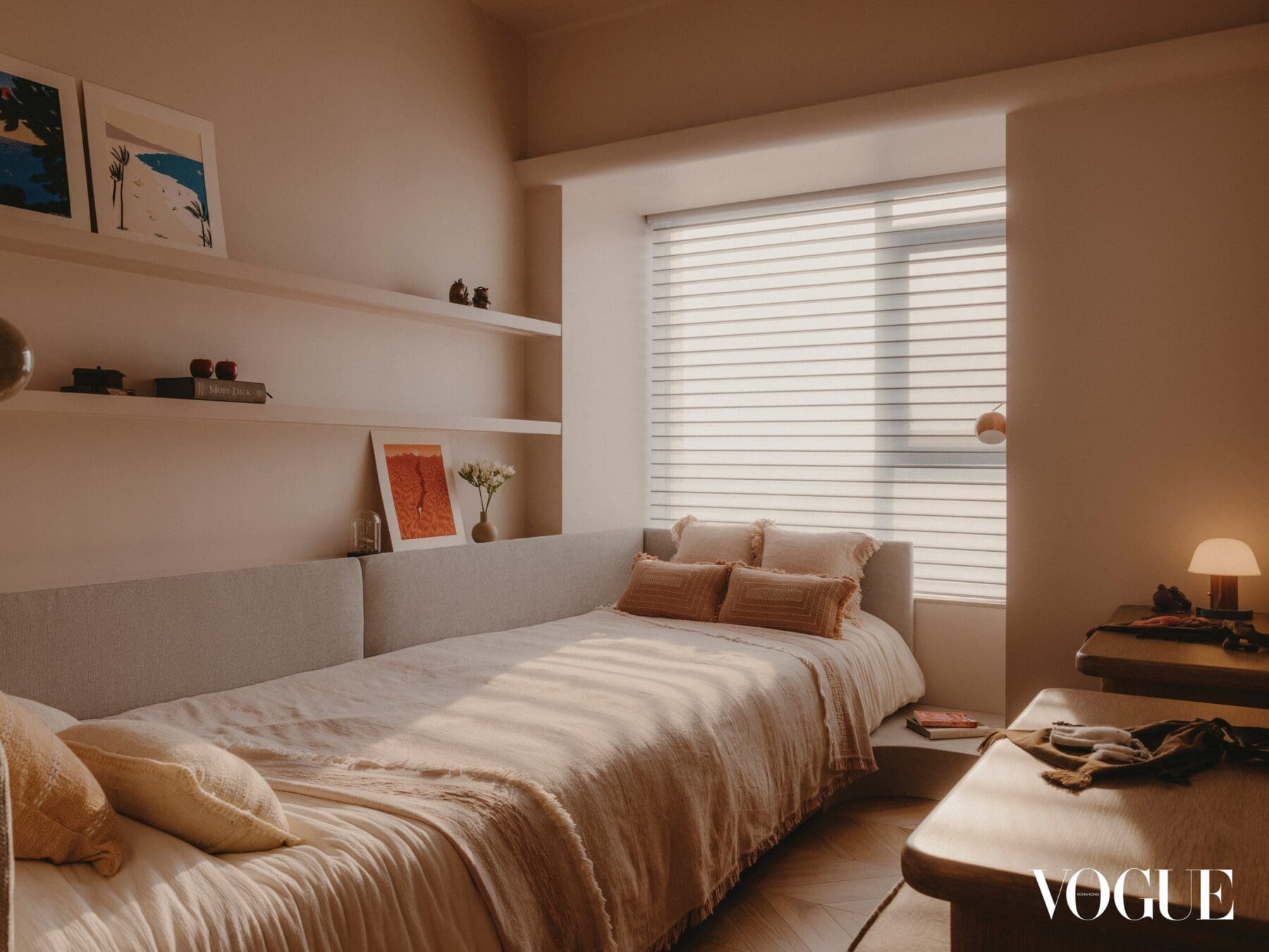
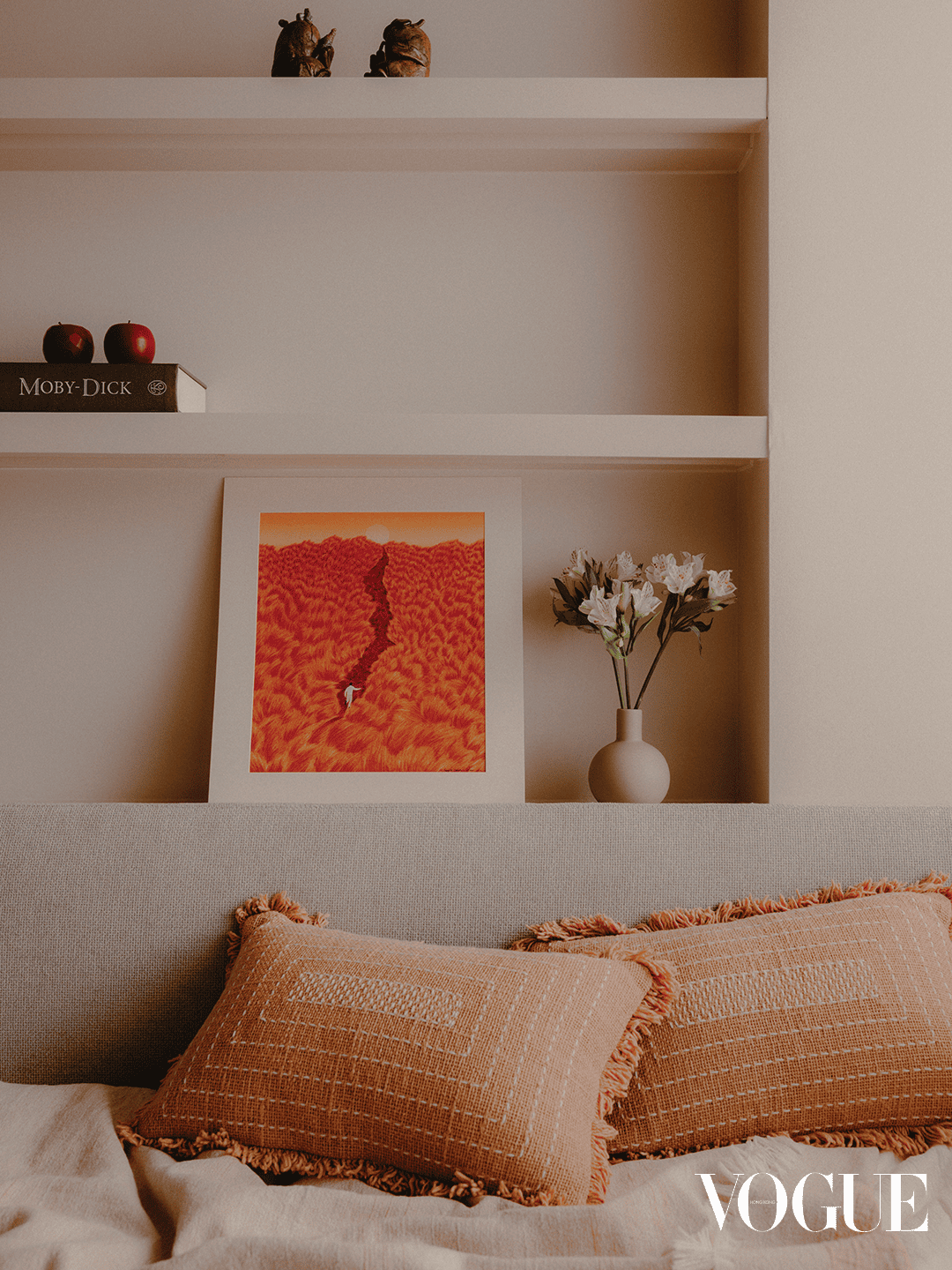
A home built by two people is always a dialogue, yet theirs rarely felt like negotiation. “We felt like two people remembering the same thing,” they say of the period after Tibet, when their minds and souls drew closer. Before the pilgrimage, life had been “chaos—three children, work piling up, days moving faster than we could breathe,” and the reset sharpened their senses and taught them to listen together. Most decisions, they insist, were not compromises but recognitions. Where they did differ was the children’s rooms: Alex wanted muted earth tones, OJ wanted blush, orange, and peach. They paused, and then understood something simple. “The children are not us. They are their own soil,” they say, and so each was given a palette of their own. “That is not compromise. That is growth.”
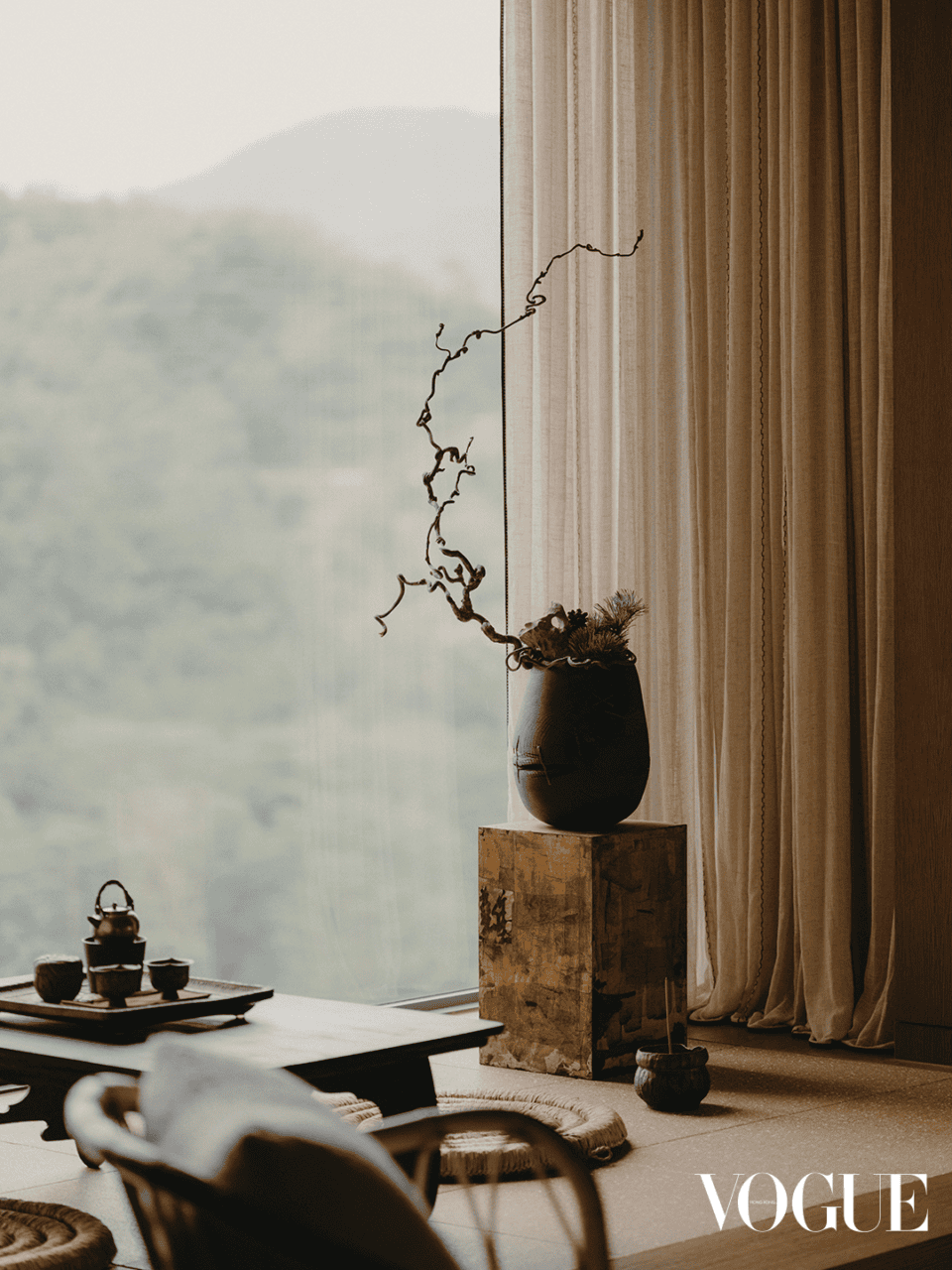
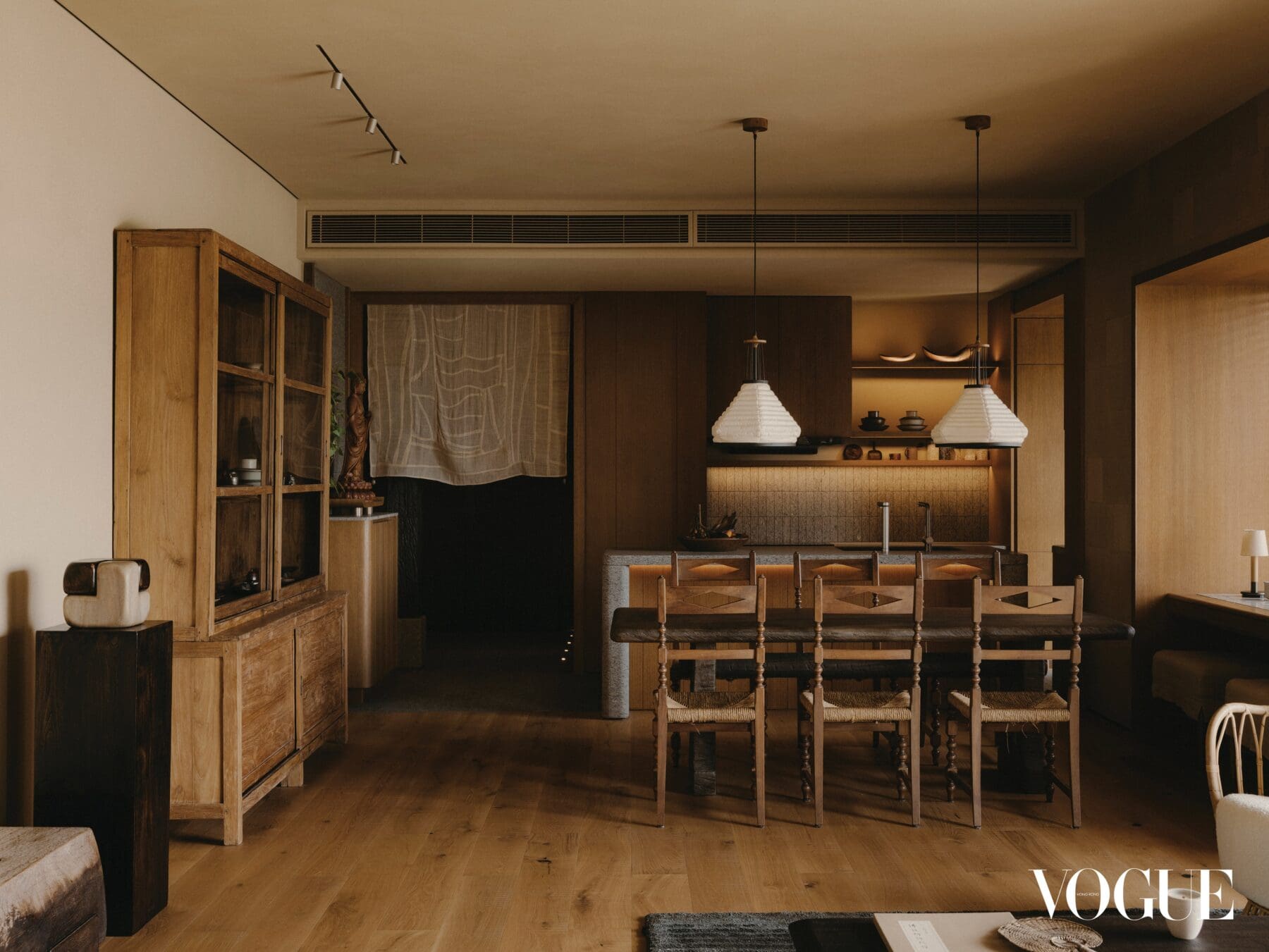
Of all the pieces gathered on their global quest—a Suar wood table from Bali, French antique rattan chairs found in Chengdu—it is the Meiji-era temple desk that holds the deepest meaning. Once a writing desk in a Buddhist temple, it now sits on their meditation platform, facing the mountain. “It has already lived a life of contemplation. It does not need us. We are simply its second chapter,” they say. To write on it or share tea there is to feel connected to every hand that touched it before—not nostalgia, they stress, but continuity. The object becomes a quiet lesson in impermanence. “We are temporary. They will outlast us. That is humbling. That is home.”
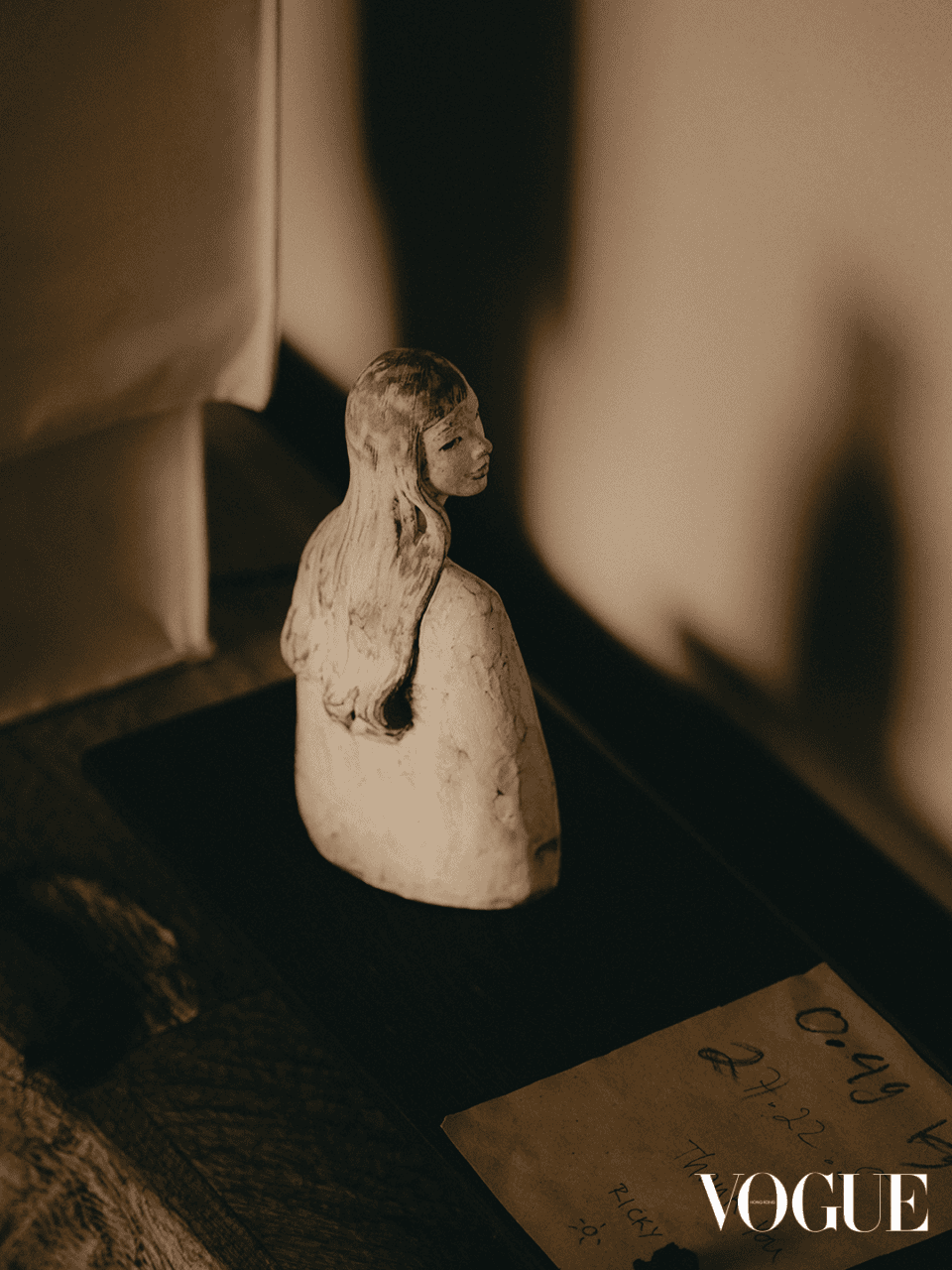
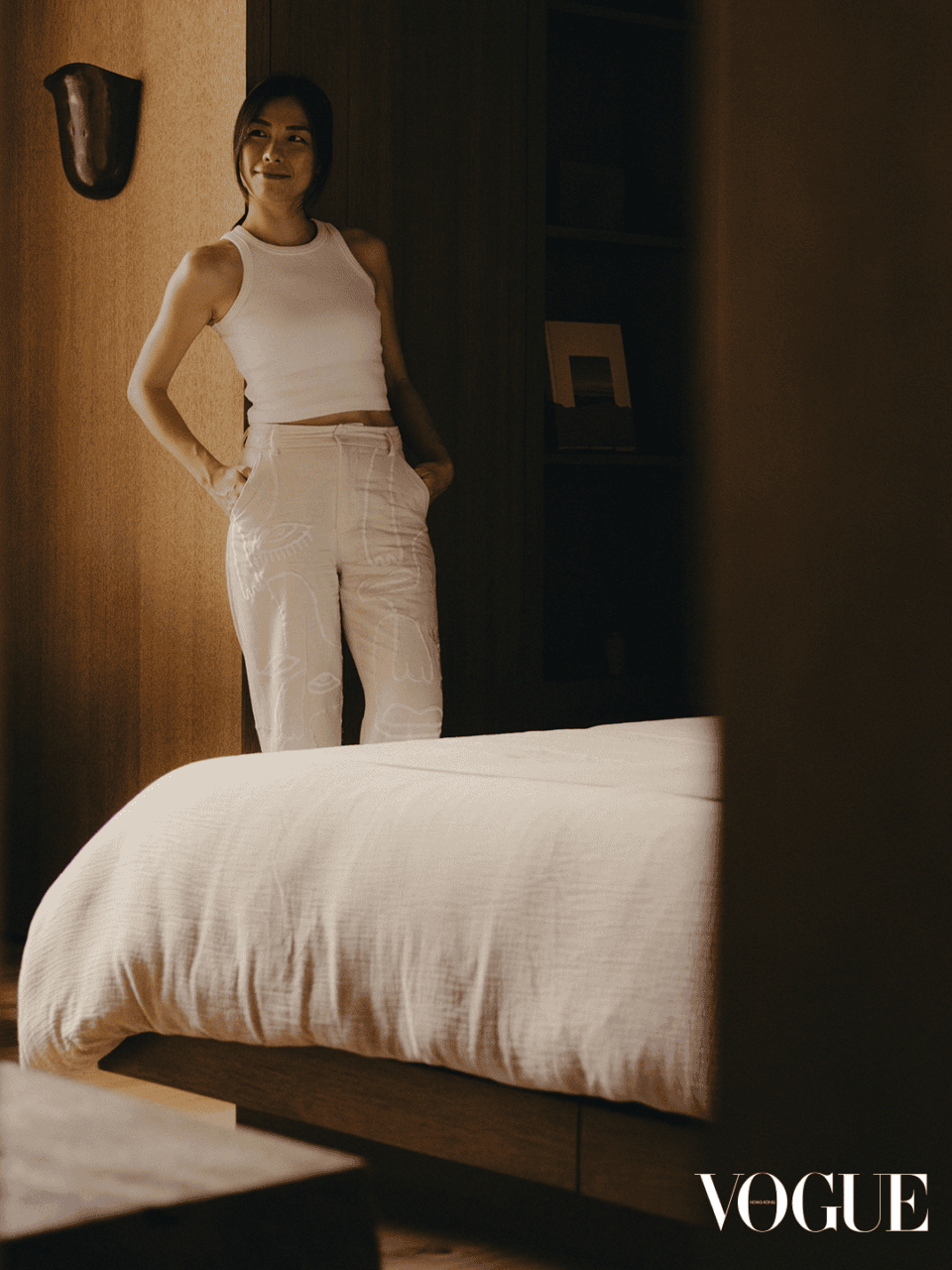
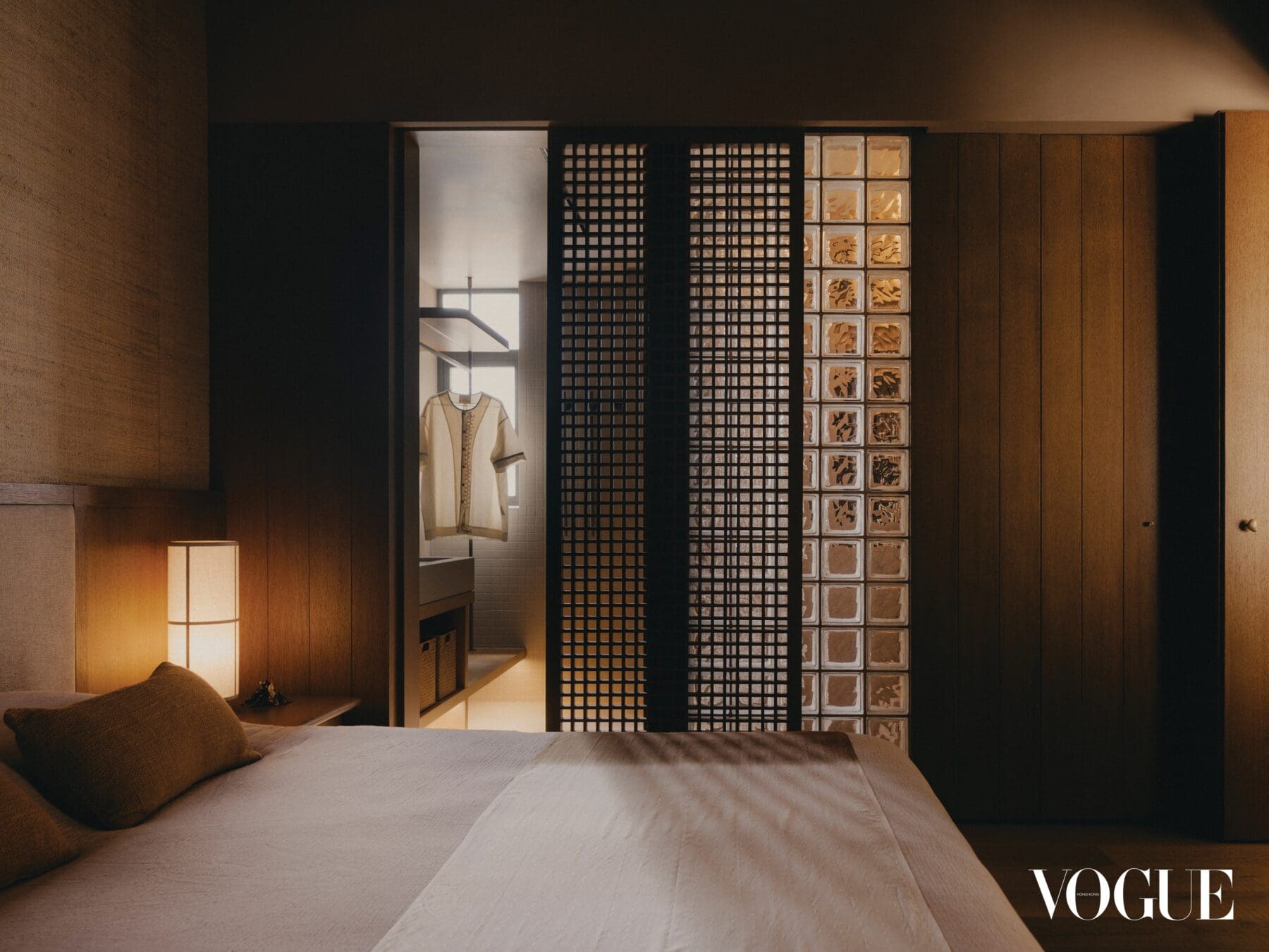
So much of the house lives in texture, scent, and sound that it rewards closed eyes. “Softness beneath bare feet. The cool grainy touch of clay walls. The scent of incense curling from the entry. The faint sweetness of Balinese teak,” they offer—and above all, “the sound of breath—not the city.” A breeze moves through the five-metre window, and there is silence, though not an empty one. “Full silence. The kind that holds you.” More than held, they want visitors to feel slowed. “After the dark passage, something shifts. They exhale,” they say. The design and objects do not perform but orchestrate quietly, each finding its own place to give the room its energy of slowness, stillness, and calm.
Their favourite moment asks for nothing at all. It comes in the morning, before the children wake, when they sit on the meditation platform as the mountain glows grey-blue and the sun rises behind it, “slowly, like it has nowhere to be.” They drink tea from the Meiji desk and say nothing. “That is the memory. Nothing. Everything.”
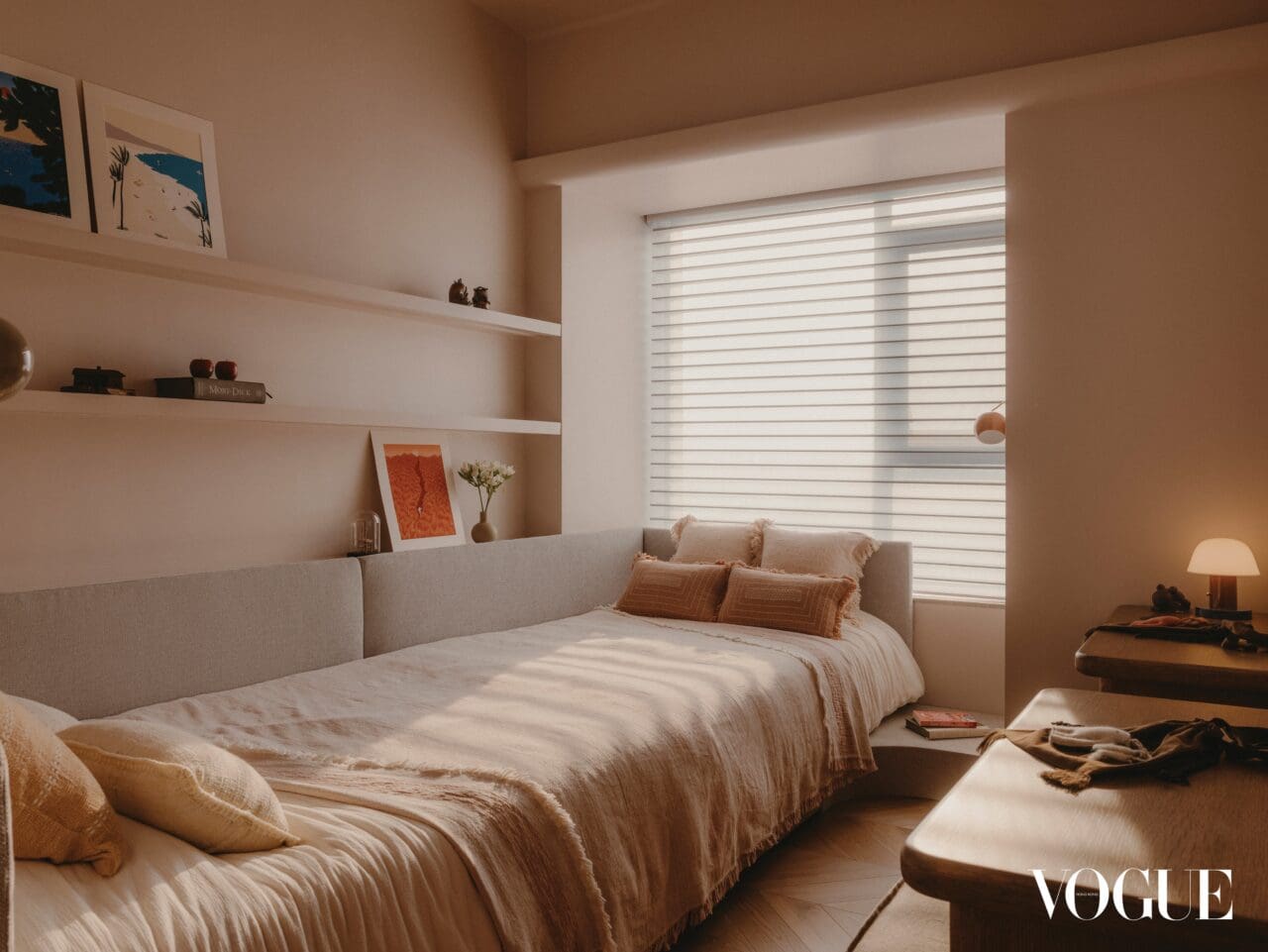
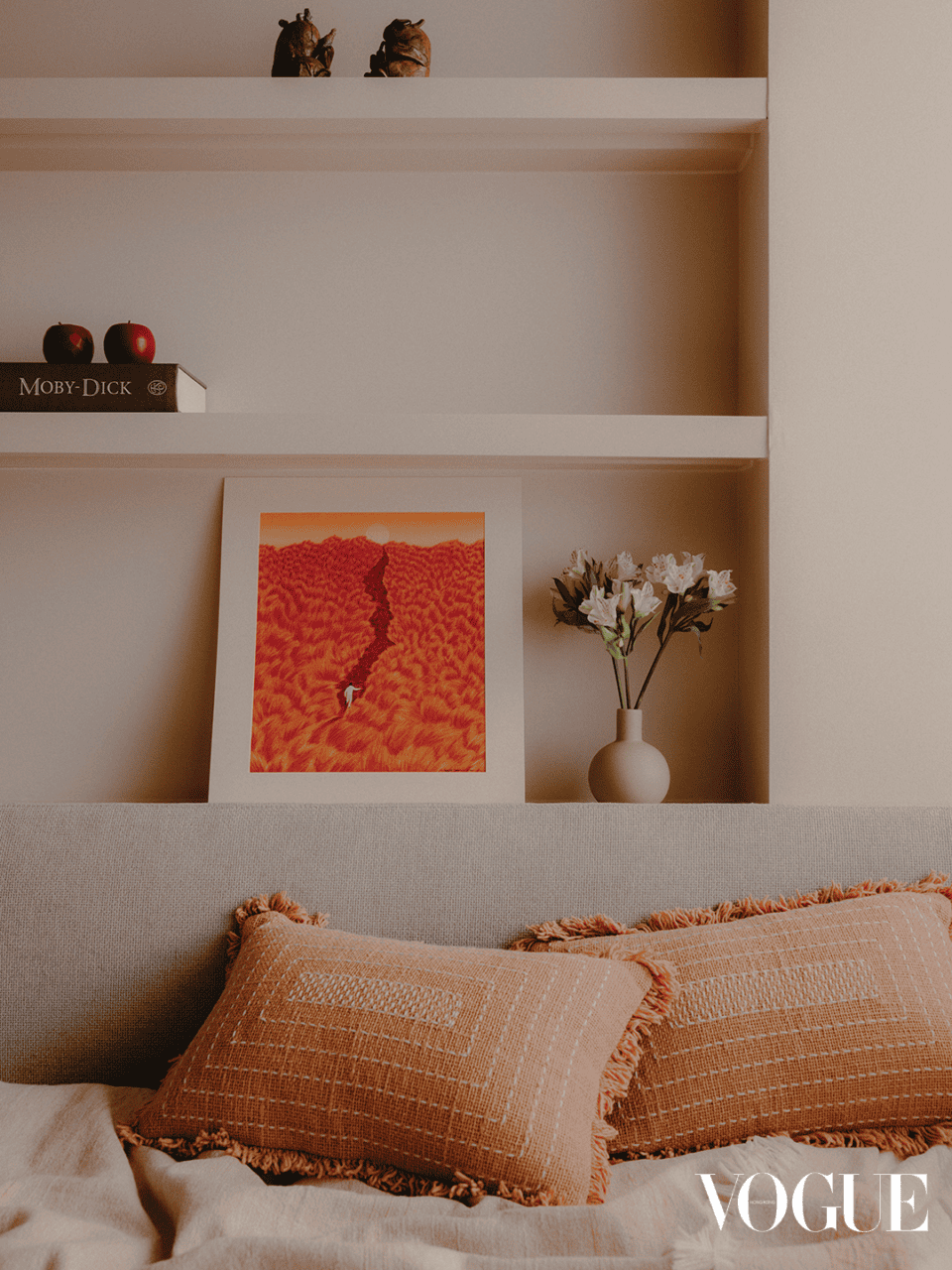
That philosophy resists the idea of a permanent monument. They describe the house instead as a footprint, echoing the Tibetan notion of a trace-less return. “Home is not a place. It is a condition. A state of breath,” they say. Like soil, it “receives what falls, transforms it, gives it back. It holds without possessing”—not a monument but a living layer. In Tibet they learned that footprints in snow melt and disappear, and they find this beautiful rather than sad. “It means we are part of something larger than memory. This house will outlive us, then it will fade. That is honest.” Home, finally, is not what they keep but what they tend and then release—”a trace-less return. Quietly, without asking to be remembered.”
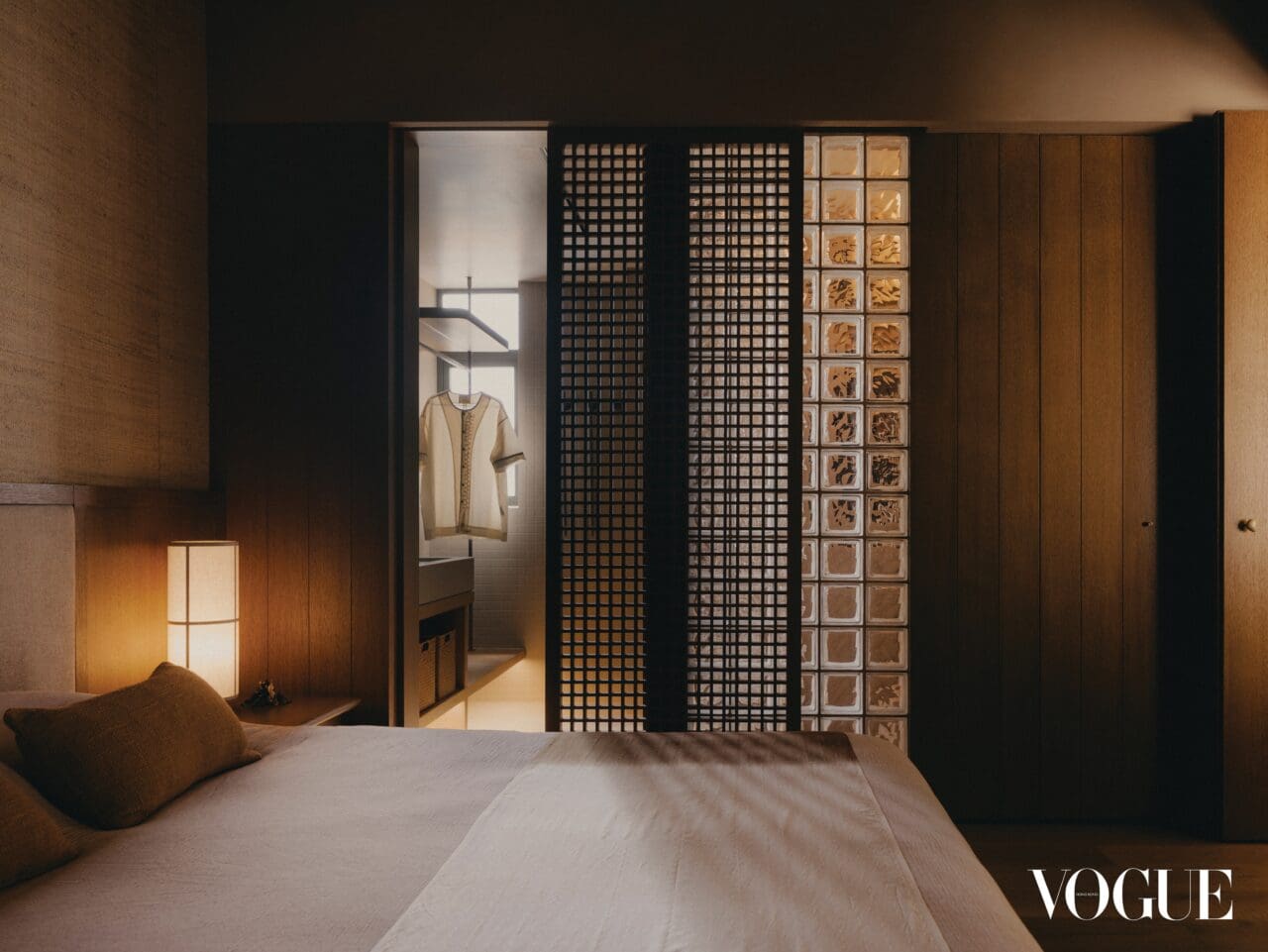
Across its chapters, their understanding of home has quietly transformed. The pilgrimage was the first—shedding—when they shaved their heads and left everything, believing home was something they had lost. The second chapter is building, though not in the old way, for they came to realise home was never lost but waiting all along, “in the soil, in the mountain, in the act of slowing down.” Soil itself grew from that journey into something larger than a brand—”a practice. A reminder. A quiet rebellion against burnout.” Home, they say, evolved from a place they return to into a rhythm they return to: personally, “the way we meet each other”; as co-founders, “the way we work: slowly, intentionally, with soul.” And they are in no hurry to arrive. “We are still learning. We will always be learning. That is the point.”
Photography: Studio Periphery
Editor
Kaitlyn Lai