

Few places bridge Eastern heritage and Western sensibilities quite like Hong Kong—and for Yuja Wang, that harmony is intensely personal. The city isn’t merely a favourite tour stop; it’s a place she almost called home. “I love being in Hong Kong. In fact, I almost moved there, but then the pandemic happened and that dream didn’t come true,” explains Wang. “Hong Kong still feels a little like the home I nearly had.”
In September 2009, Wang made her Hong Kong debut with Premiere Performances at the historic City Hall Concert Hall in Central. It had been two years since her breakthrough performance with the Boston Symphony Orchestra in 2007, and mere months since the release of her solo debut recording with Deutsche Grammophon, Sonatas & Etudes. At just 22 years old, Wang was already operating at the pinnacle of the classical world. It’s a perch she hasn’t left since.
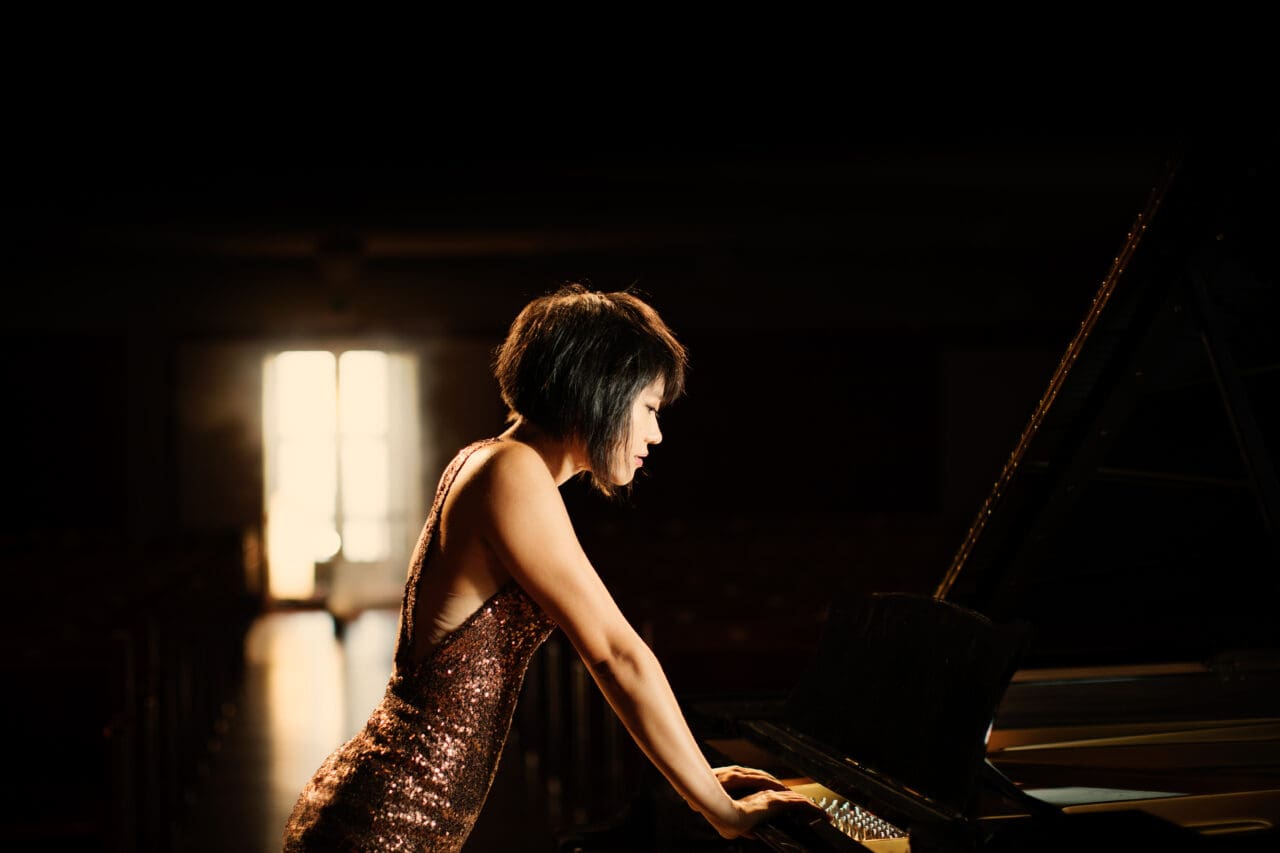
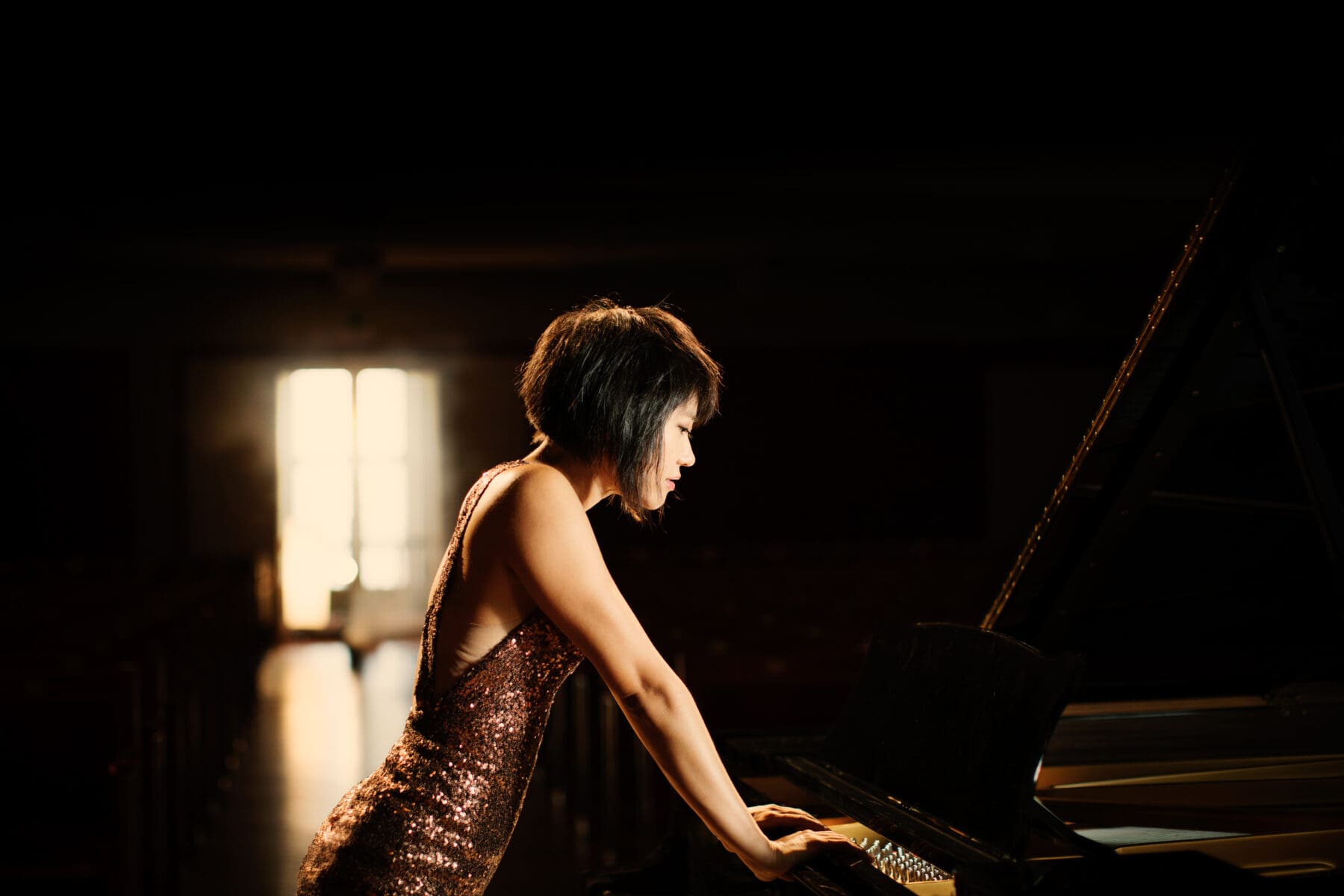
Photo: Julia Wesely. Courtesy of Premiere Performances
In the years since her first Hong Kong performance, Wang has won numerous awards including two Grammys—one for Best Orchestral Performance and the other for Best Instrumental Solo—and delivered otherworldly renditions of classical works to audiences in every corner of the globe. This year, she returns to our home city for Premiere Performance’s 20th Anniversary Season, taking over the Hong Kong Cultural Centre Concert Hall on November 9 and 10. “Seventeen years is a long time. I was a very different person and pianist then,” Wang muses. “It feels wonderful to come back to the people who brought me to Hong Kong for the first time, and to start this whole Asia tour here with the Mahler Chamber Orchestra.”
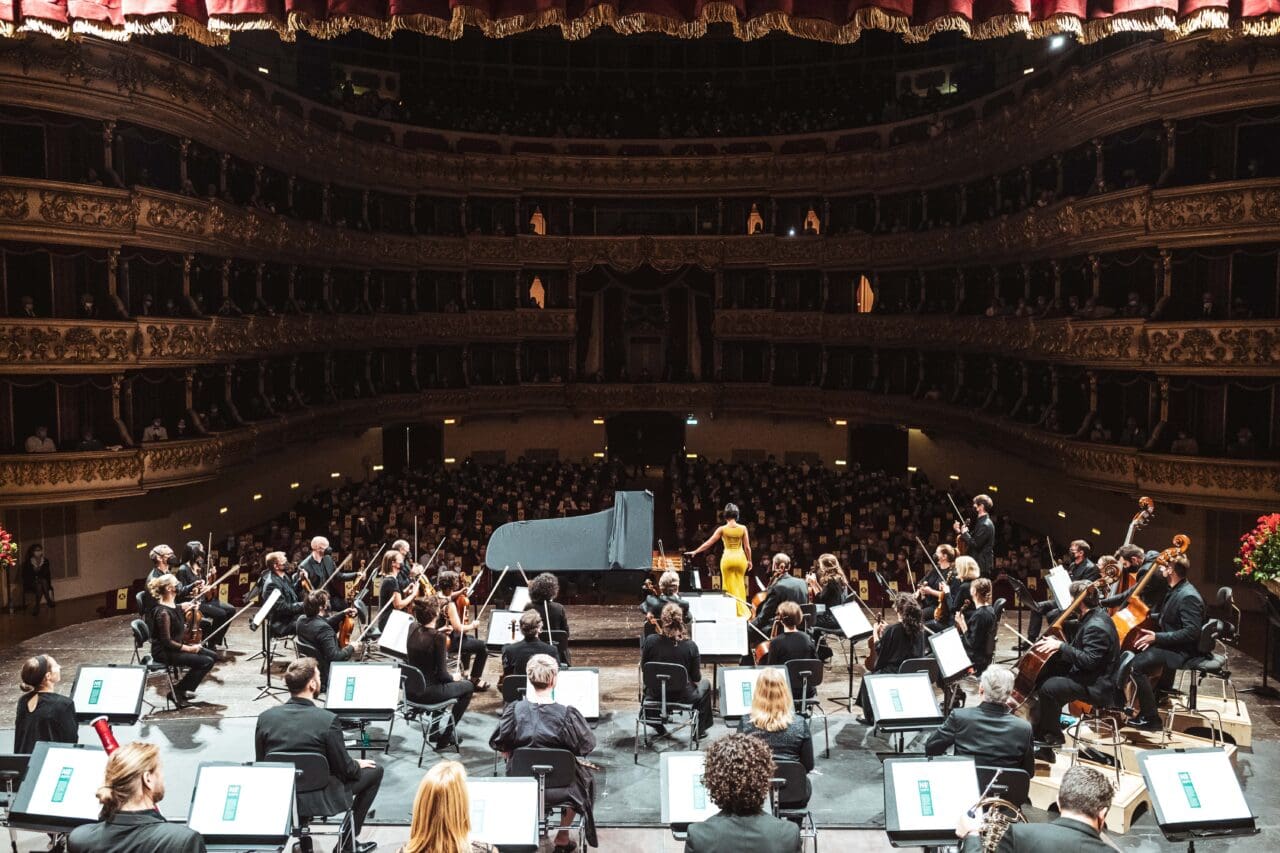
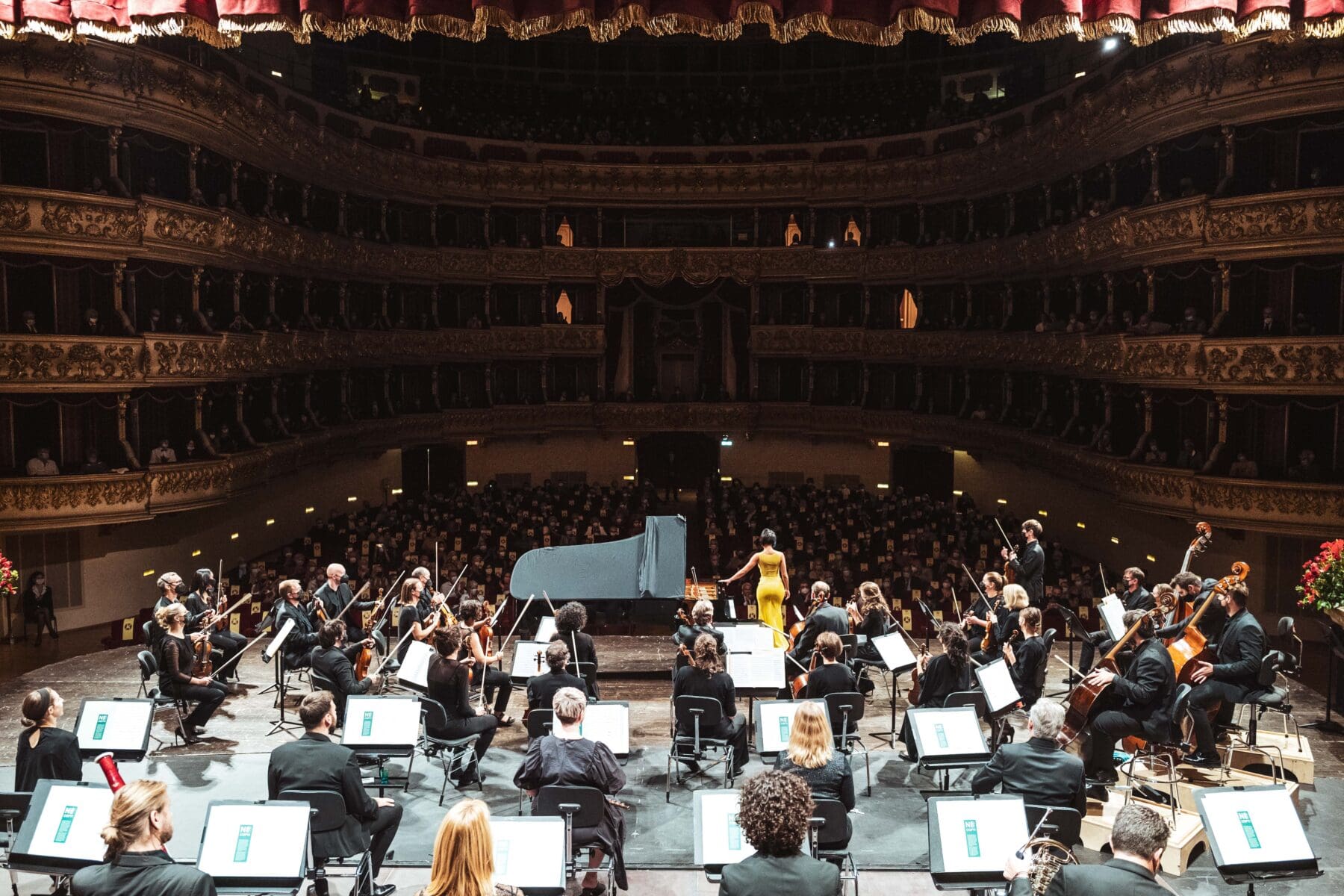
Wang was appointed Artistic Partner of the Mahler Chamber Orchestra in June 2023, embarking on an inaugural tour of the partnership the following year. But her relationship with the renowned orchestra dates much further back. It was with them that she created her first orchestral recording for Deutsche Grammaphon, and with them that she ventured into the art of conducting. “There’s a real lineage there and I’m very honoured to keep it alive,” she shares. “As Artistic Partner, I can explore more adventurous repertoire with this group of musicians than almost anywhere else. It’s simply a different energy: they play like chamber musicians, and they listen.”
If leading an orchestra requires an almost outward telepathy, sitting down at the pianoforte demands an entirely solitary reckoning. Because even from the heights of Wang’s freewheeling artistry, the instrument remains a humbling master. “I still sometimes feel I haven’t mastered the instrument. You have to earn it again every time you sit down. That’s the beauty and the curse of being a pianist, every single day.” Preparing for the stage requires total alignment, spiritually, emotionally, physically, and mentally. Having played the piano since she was six, Wang is constantly adapting to what her body demands of her in order to give everything on the stage. But that’s not to say experience makes playing the piano easier—it simply heightens your awareness and your expectations. “It gets harder!” Wang exclaims. “And I don’t think ‘easier’ is anyone’s goal or inspiration. The more you know, the more you hear, and the more you want from yourself.”
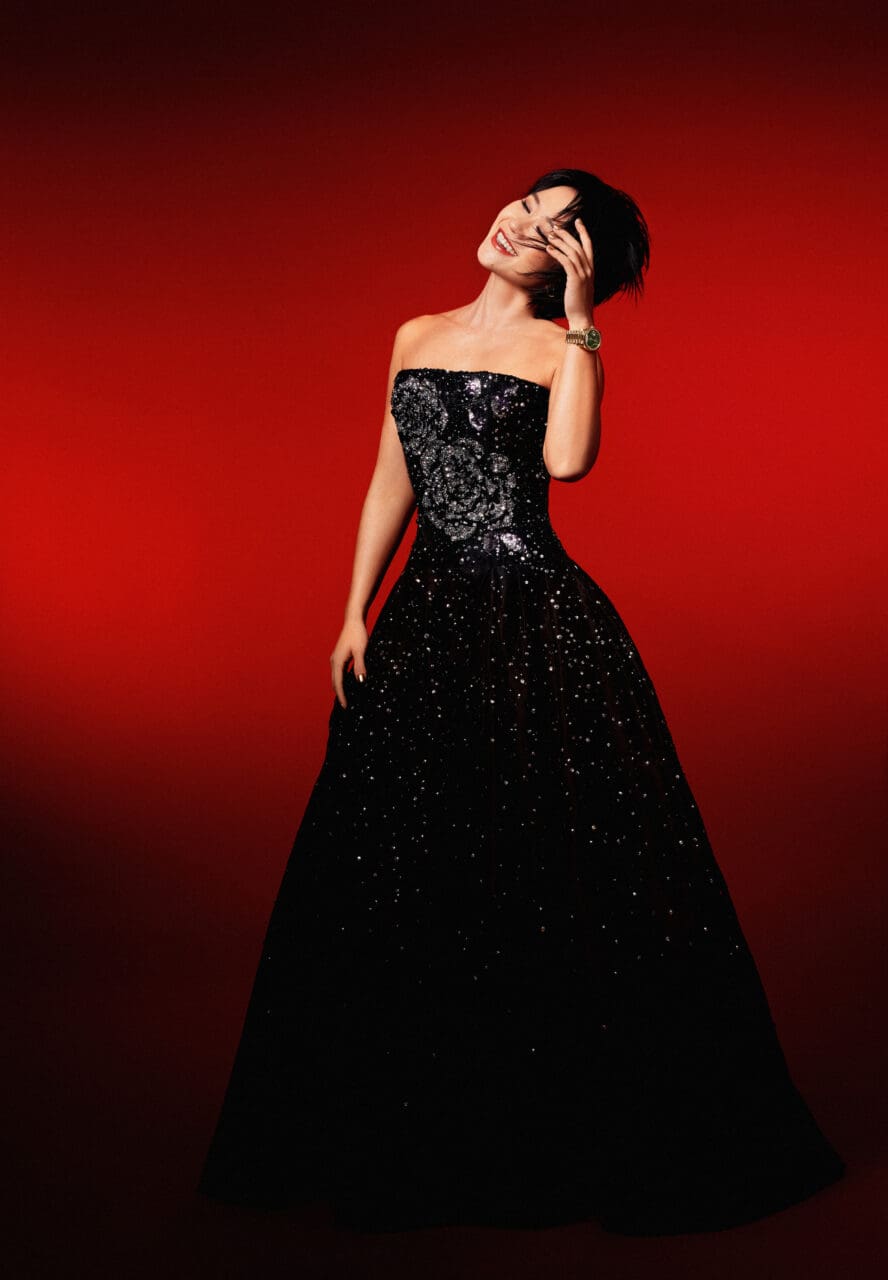
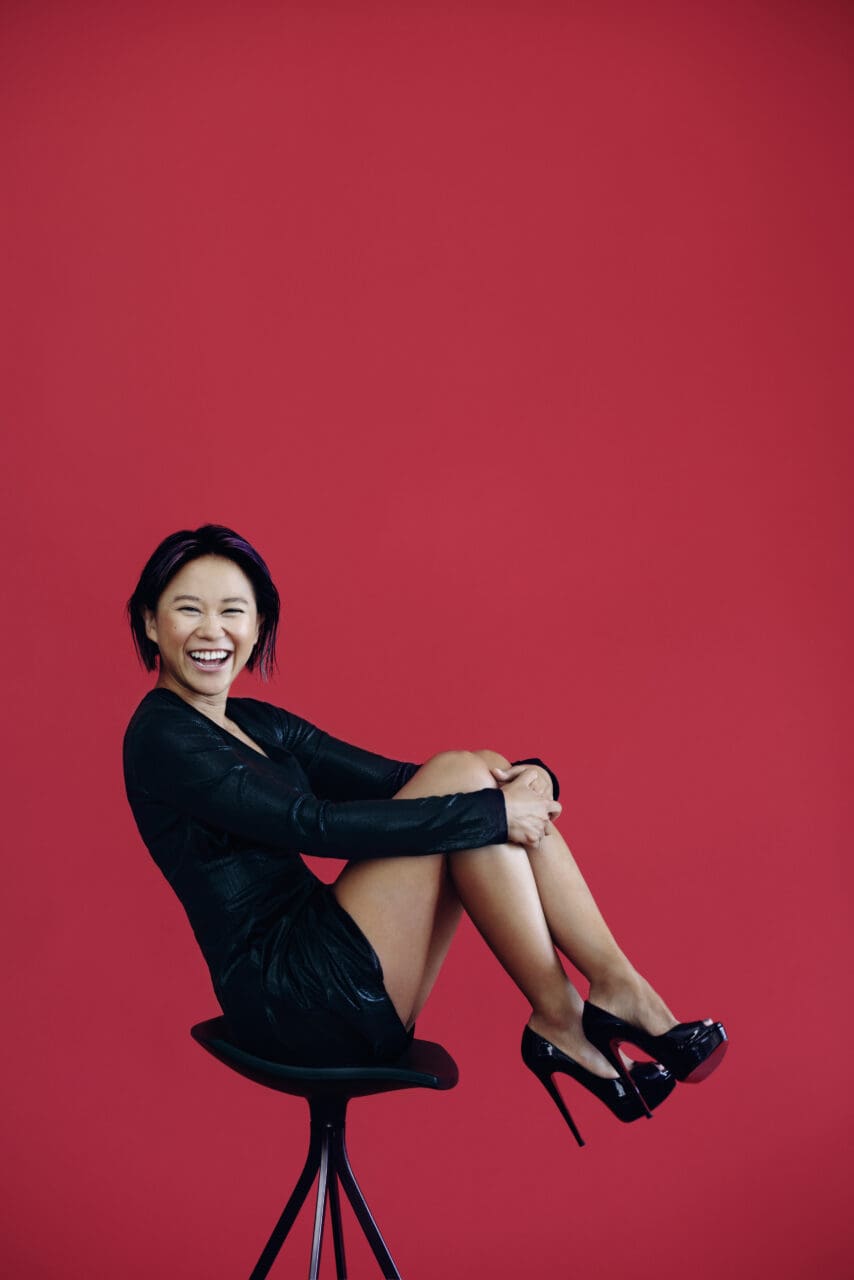
Photo: Wel Lai / Beijing Youth Weekly 1. Courtesy of Premiere Performances
Wang’s upcoming Hong Kong performance marks the beginning of her Asia tour. “We built two programmes for the tour that show two sides of the orchestra and of me, and they alternate from city to city,” she shares. Wang will kick off her first night in Hong Kong with two Brahms concertos. Among her varied repertoire, she describes it as the kind of grounding music that “doesn’t let you be on autopilot: you can’t fake it”. There’s a common misconception that these pieces feel weighted and heavy, but Wang feels differently. “For me there’s a lilt to it, more like Schubert: a lightness, a floating, meditative quality.” On the second night, the mood of the theatre shifts with works by Prokofiev, Mozart, and Kapustin’s jazz-infused Fourth Piano Concerto, where quirky modulations and gleeful finales explore sonic wit and play.
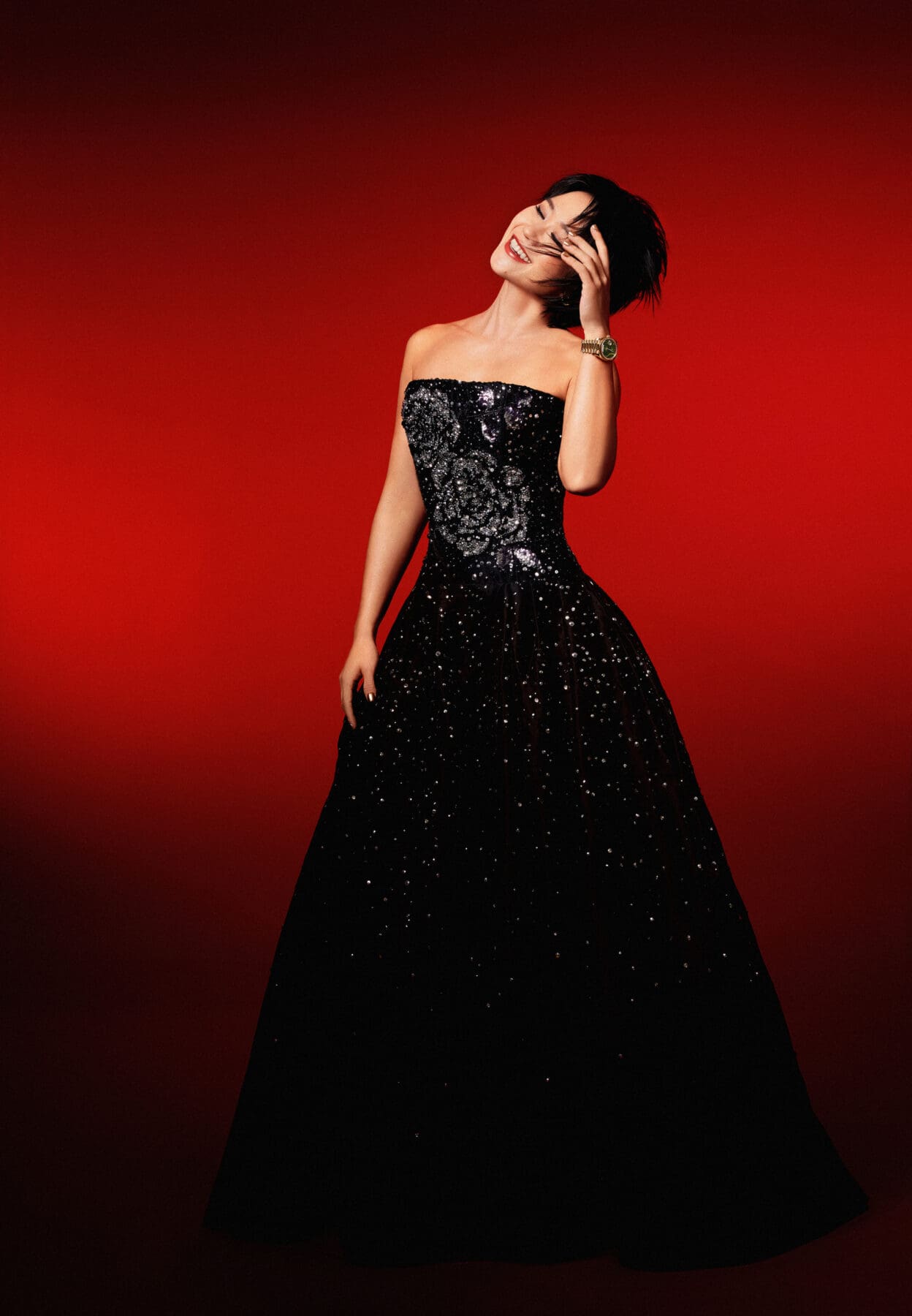
And as for her outfit? Wang admits that clothing is the last thing on her mind throughout this tour but offers what could be a tantalising clue. “If I think of Brahms visually, I see something regal, profound and velvety,” she says. “You’ll have to come and see!”
Editor
Alyanna Raissa J. PayosCredit
Lead image: Julia Wesely. Courtesy of Premiere Performances.