

The landscape of luxury hospitality is undergoing a profound transformation. Discerning global travellers no longer seek predictable uniformity; instead, they demand authentic narratives and architectural integrity. Across Asia, a wave of new properties is redefining luxury through cultural immersion, where heritage, landscape, and local traditions shape every moment of the stay.
Rooted in Ritual
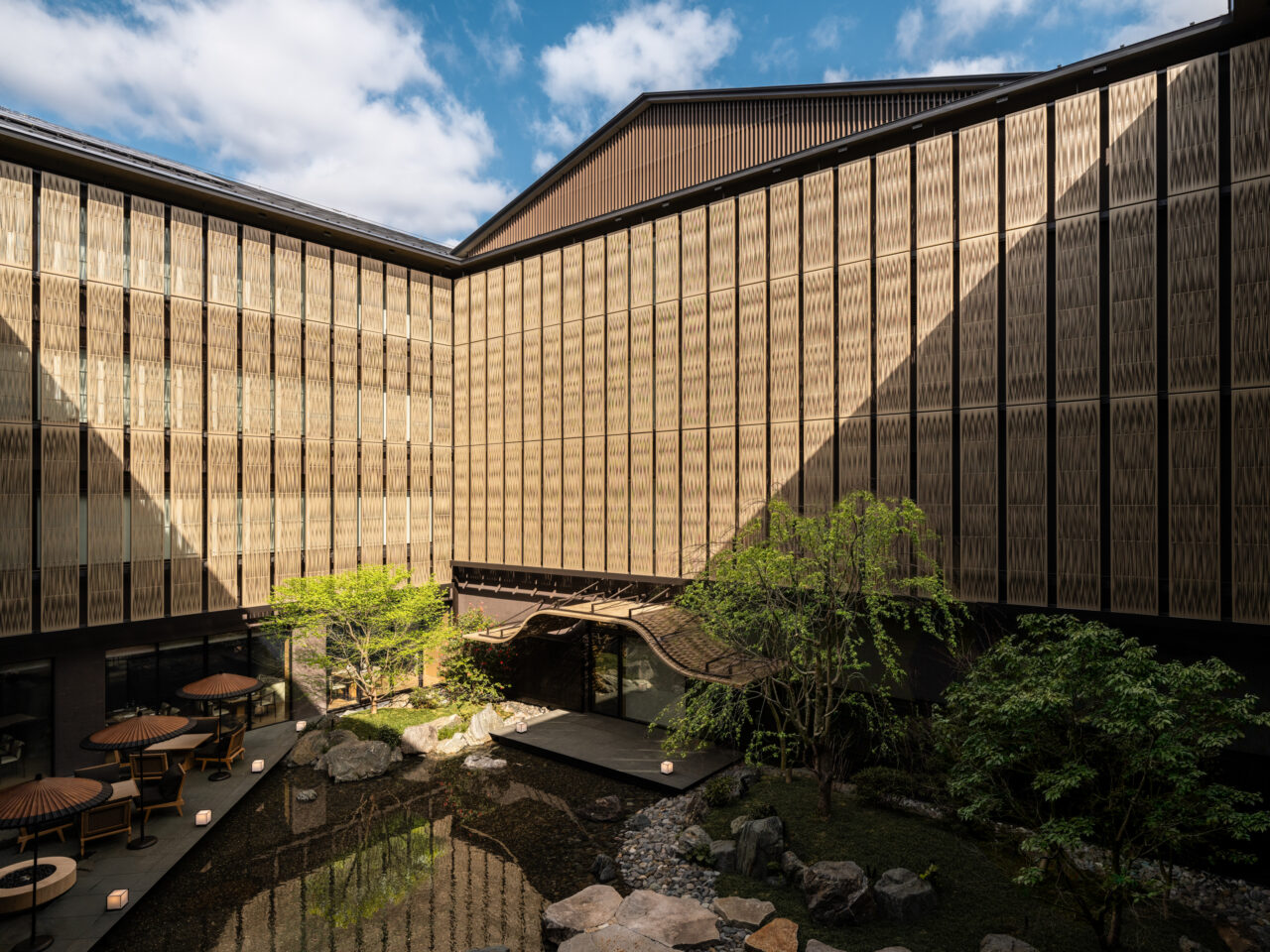
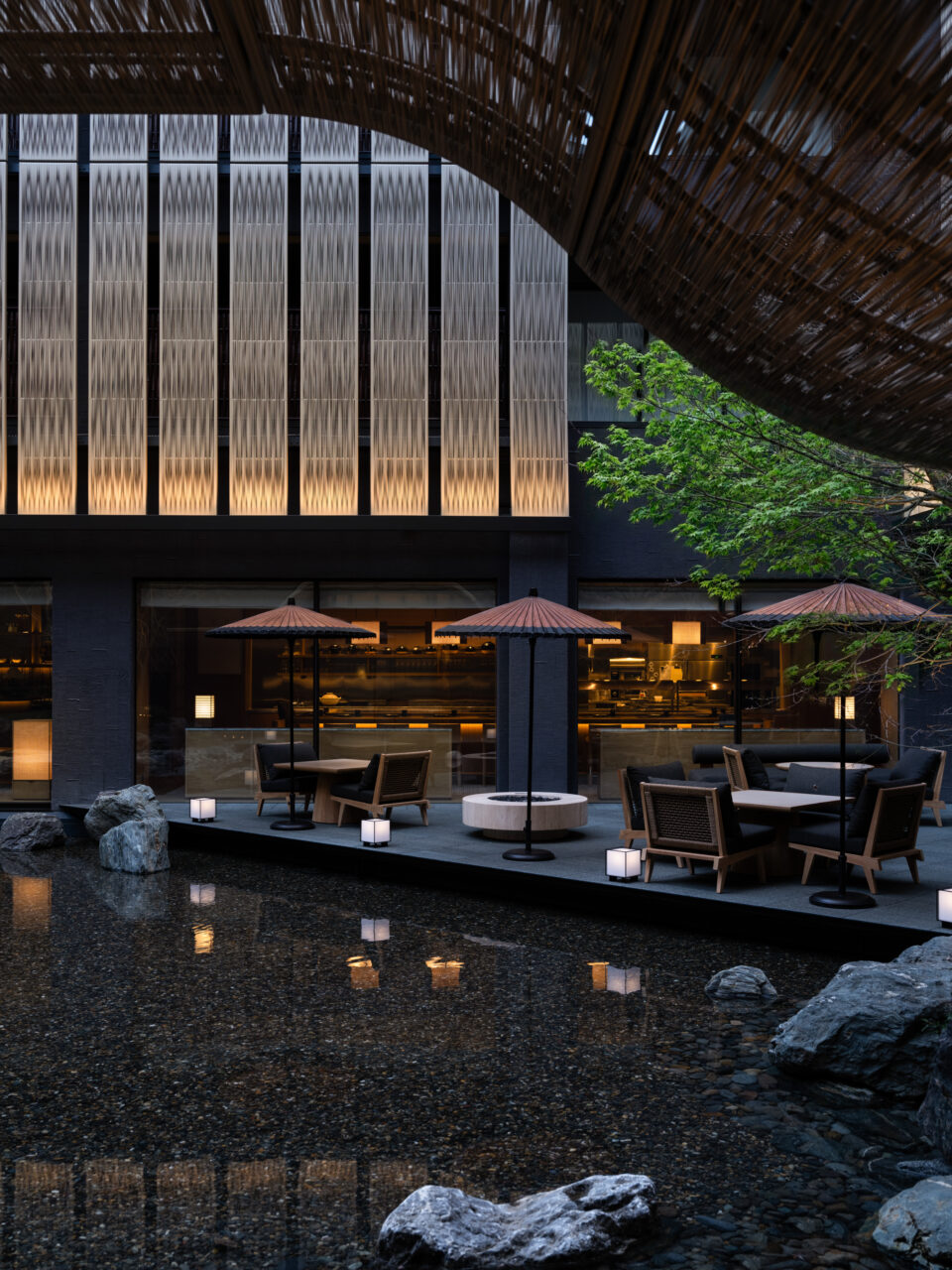
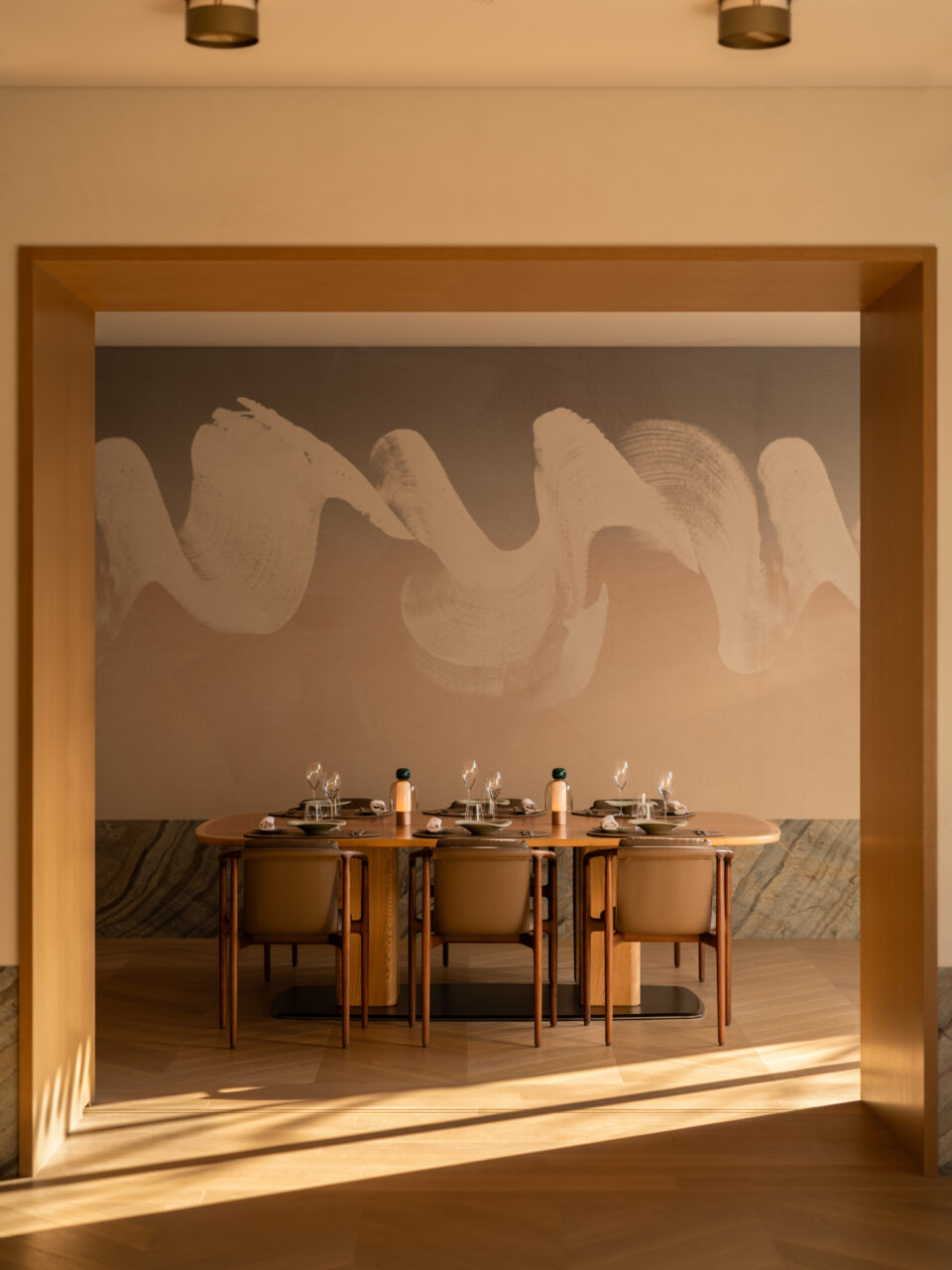
True indulgence is increasingly measured by exclusive access to living cultural traditions. This philosophy is perfectly captured by Capella Kyoto, nestled in the historic Miyagawa-cho district—one of the city’s five preserved geisha quarters and steps from Kenninji, Kyoto’s oldest Zen temple. Opening on the grounds of a former elementary school, the property has been reimagined by Brewin Design Office as a contemporary interpretation of a traditional machiya townhouse. The design journey begins with a choreographed arrival through a narrow Gion-style passageway lined with shoji screens, where the sound of a hidden waterfall gradually slows one’s pace. This calibrated progression culminates in a modern airlock framing a sculptural reimagination of the shimenawa—a sacred rope marking the transition from the everyday to the contemplative—before opening into a cloistered tsuboniwa courtyard garden at the property’s heart.
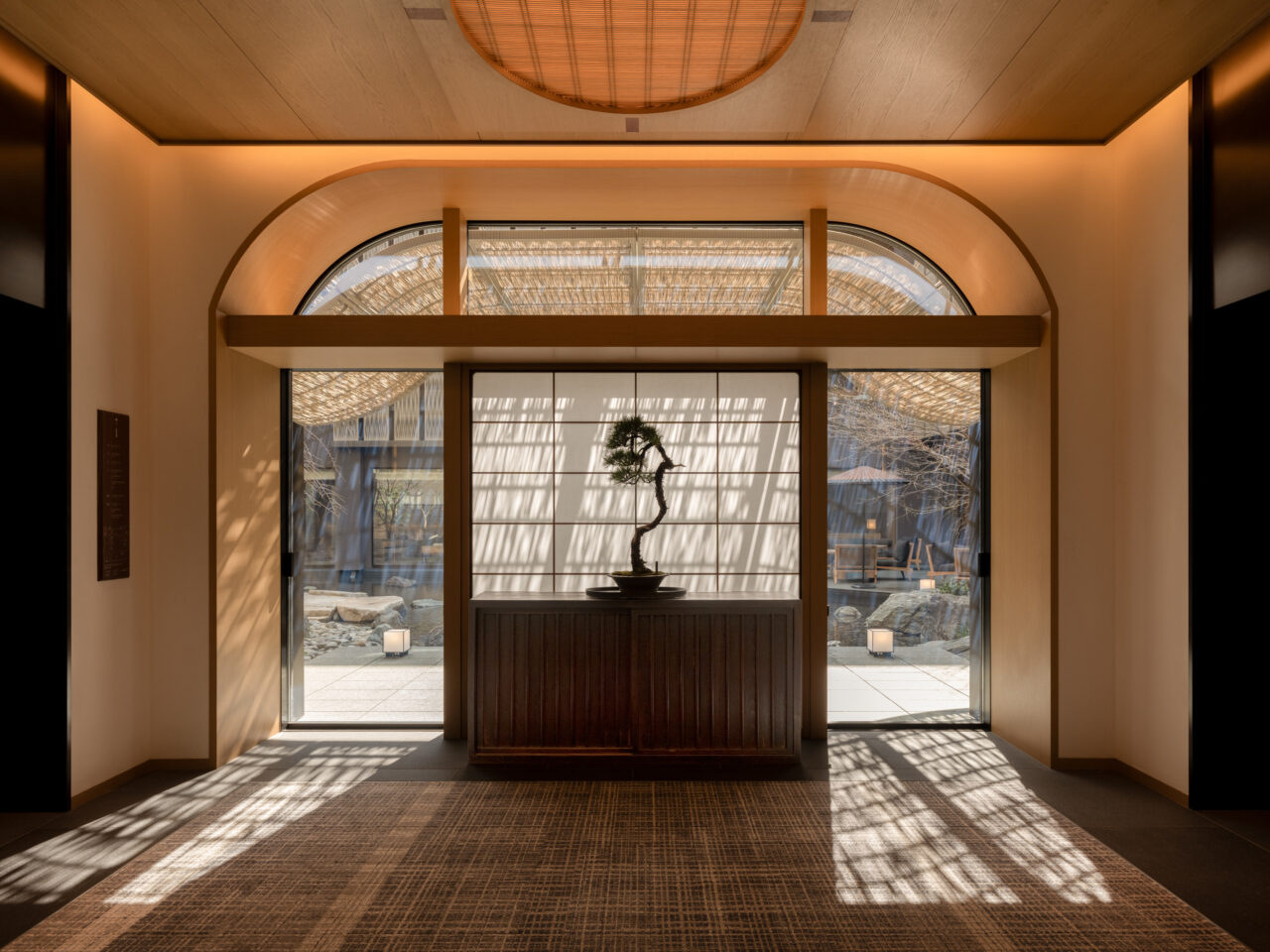
Every surface tells a story of Kyoto’s mastery through restraint. Hand-applied earthen plaster walls, carved timber joinery influenced by chōba tansu merchant chests, and authentic shoji panels create a rhythm of textures that reward close observation. The 89 rooms and suites act as private sanctuaries centred on the Japanese ritual of bathing, with deep stone tubs anchoring each space. Beyond accommodation, the property features restaurants that evoke the intimate ambience of an ochaya tea house and incorporate reclaimed wood from the former school, while the Artist-in-Residence programme ensures that traditional artisans and modern creatives continually intersect throughout the hotel’s spaces.
This profound focus on ritual finds its rural counterpart at Azuma Farm Koiwai, where 130 years of agricultural heritage have transformed barren volcanic land into 3,000 hectares of lush pastures and diverse forests in Iwate Prefecture. This inaugural property under the newly launched Azuma Farm brand occupies an eight-hectare section of the historic Koiwai Farm, surrounded by verdant trees and offering sweeping views of Mount Iwate. The property represents a wholly separate vision from its sister brand Azumi, shaped instead by a deep appreciation for Japan’s forests, mountains, and agrarian traditions.


Here, the philosophy of “Farm Life”—a way of living centered on harmony with land, seasons, food, and community—shapes every aspect of the retreat. Guests are invited to experience the symbiosis between humans and nature through curated activities that celebrate the Tohoku region’s distinctive culture. The property also serves as a gateway to regional artisans, culinary traditions, and multi-destination journeys throughout northeastern Japan. With legendary hotelier Adrian Zecha guiding the brand’s development alongside East Japan Railway Company, Azuma Farm Koiwai promises an elevated farm-stay experience that complements rather than parallels the coastal sensibility of Azumi, offering a contemplative escape just 25 minutes from Morioka Station.

The New Golden Mile


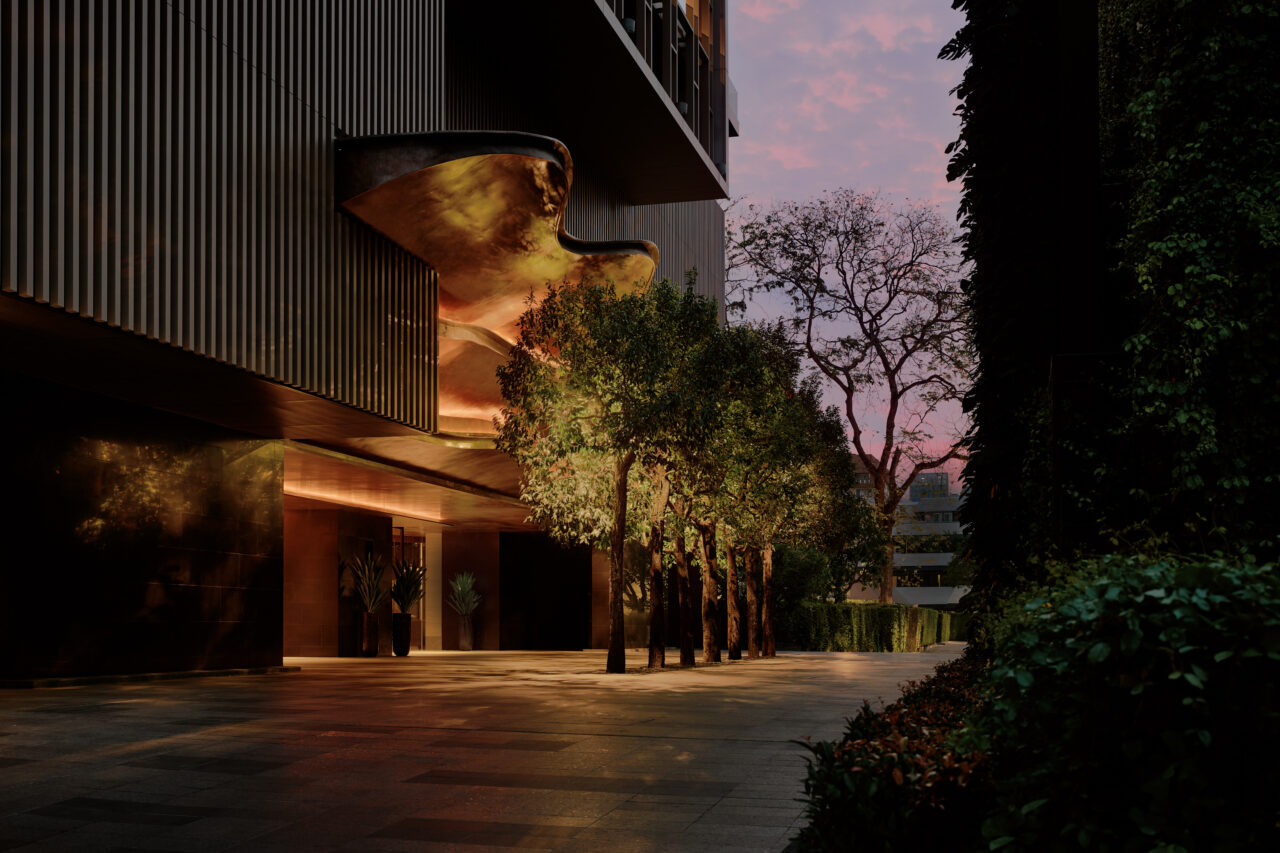
Bangkok’s Wireless Road has emerged as the city’s new golden mile for luxury hospitality, with two landmark properties redefining urban sophistication through radical approaches to heritage and place. Andaz One Bangkok rises as part of One Bangkok—the largest holistically integrated district at the heart of the city, comprising workplaces, retail zones, luxury residences, hotels, art and culture spaces, and a world-class entertainment arena. Located on historic Wireless Road, once home to Thailand’s first radio telegraph station, the hotel sits beside Lumphini Park, offering sweeping views of the city’s most iconic expanse of urban greenery.

Designed by Thailand’s leading interior design firm PIA, Andaz One Bangkok functions as a “Vertical Neighbourhood” that mirrors Bangkok’s diversity, with each area unveiling a new facet of the city much like wandering through its diverse sois. The 244 rooms and suites range from 38 to 197 square meters, featuring vibrant yet refined interiors where bold contemporary design meets authentic Thai soul. Key design references include the Thai mid-century movement, seen in the arches and curves of historic landmarks like Vidyu Palace, while striking neighbourhood photography and bespoke works by celebrated Thai female artists infuse the space with warmth and identity. Three distinct dining venues—including Jǐng for casual Chinese cuisine, the al fresco Andaz Terrace, and the 23rd-floor Mediterranean restaurant Piscari—create a culinary journey that spans from sunlit suppers to lively evenings with hidden speakeasy surprises.
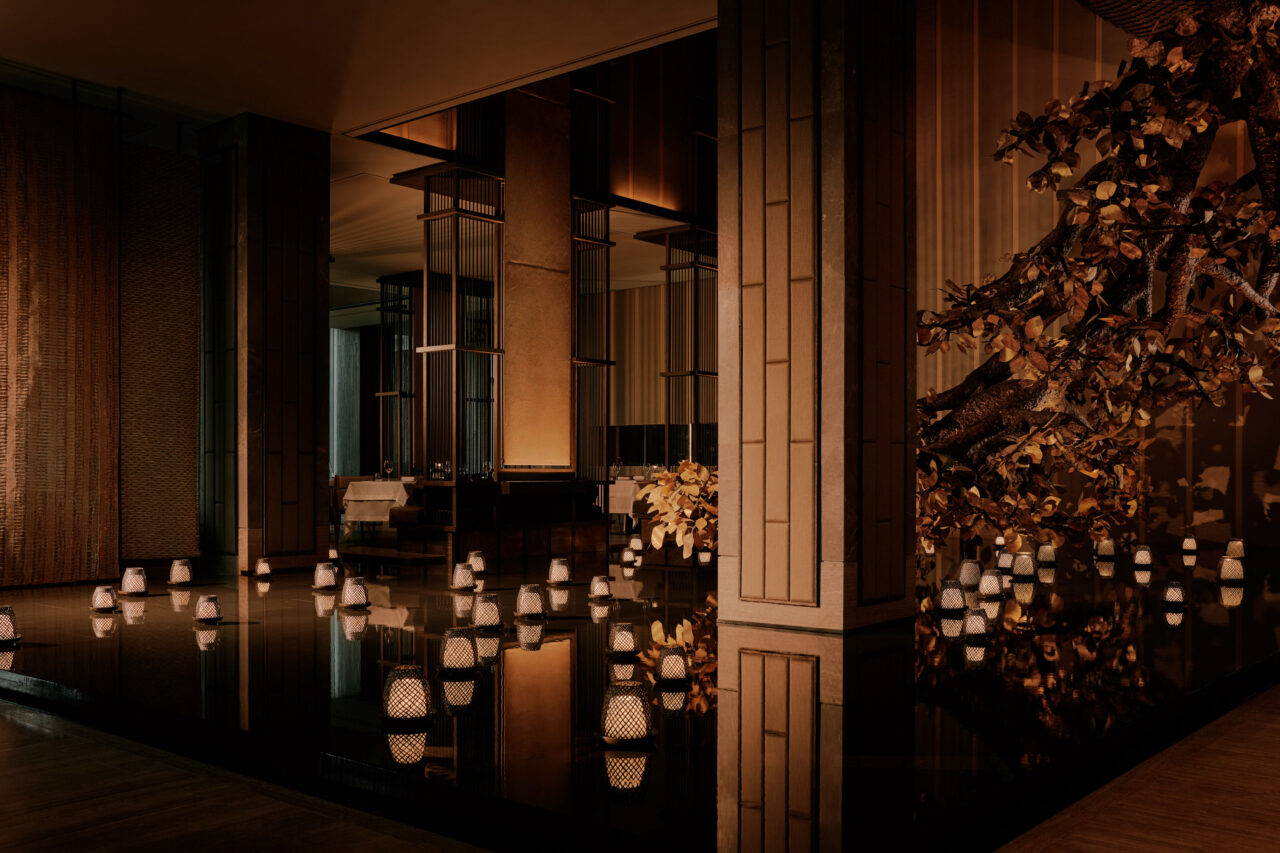
Just down the corridor, Aman Nai Lert Bangkok represents a homecoming for the brand, joining Amanpuri as Aman’s second property in Thailand after 37 years. The hotel occupies what was once barren land transformed through generations of careful stewardship by the prominent Nai Lert family, whose estate dates back to 1915. The 36-storey tower, designed to ensure an immersive experience of the Thai capital while remaining perfectly placed for quiet escape, houses 52 suites and 34 branded residences alongside a global Aman Club spanning 1,500 square meters.
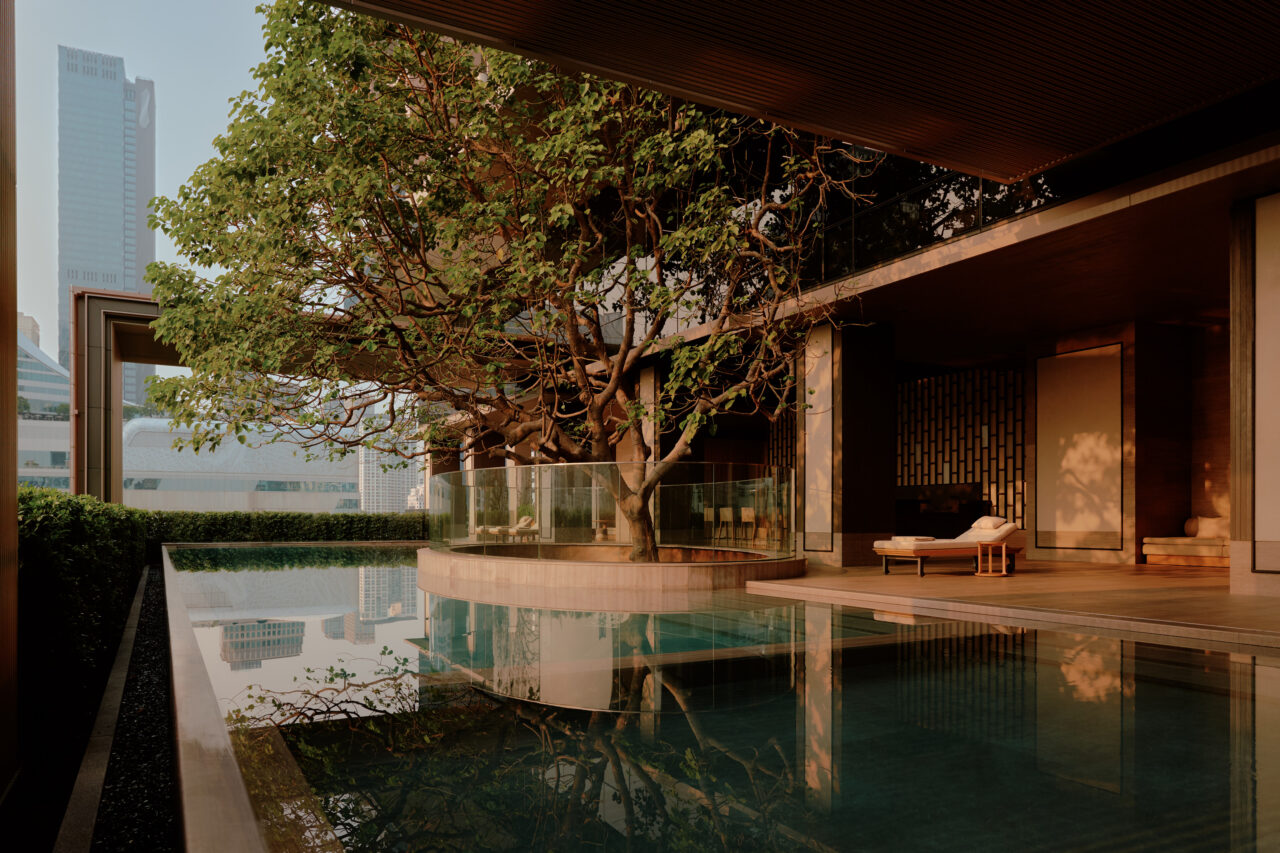
The property’s design draws deeply on the cultural narrative of its location, with spaces that honour both nature and light through a timeless yet contemporary retreat. History was key to the park’s Heritage Home, built by Phraya Bhakdinorasreth “Nai Lert,” a visionary entrepreneur who helped shape modern Bangkok. The ninth floor features an installation of 3,000 spinning tops forming the Thai numeral one (๑), symbolising greatness that speaks to the Nai Lert legacy, while the 1872 bar showcases Chiang Mai artisans’ carved wood panels framing handcrafted leather clouds in a tribute to traditional Thai shadow puppetry. With venues ranging from Arva’s Italian cuisine beneath towering trees to the Pool bar’s refreshing drinks under light fare by the park’s verdant canopy, plus a 19th-floor space dedicated to Aman Club Founders with two new restaurant concepts, Aman Nai Lert Bangkok offers an unparalleled urban expression of the holistic Aman wellness philosophy through its spa featuring Medical Wellness by Hertitude Clinic.


Living Heritage

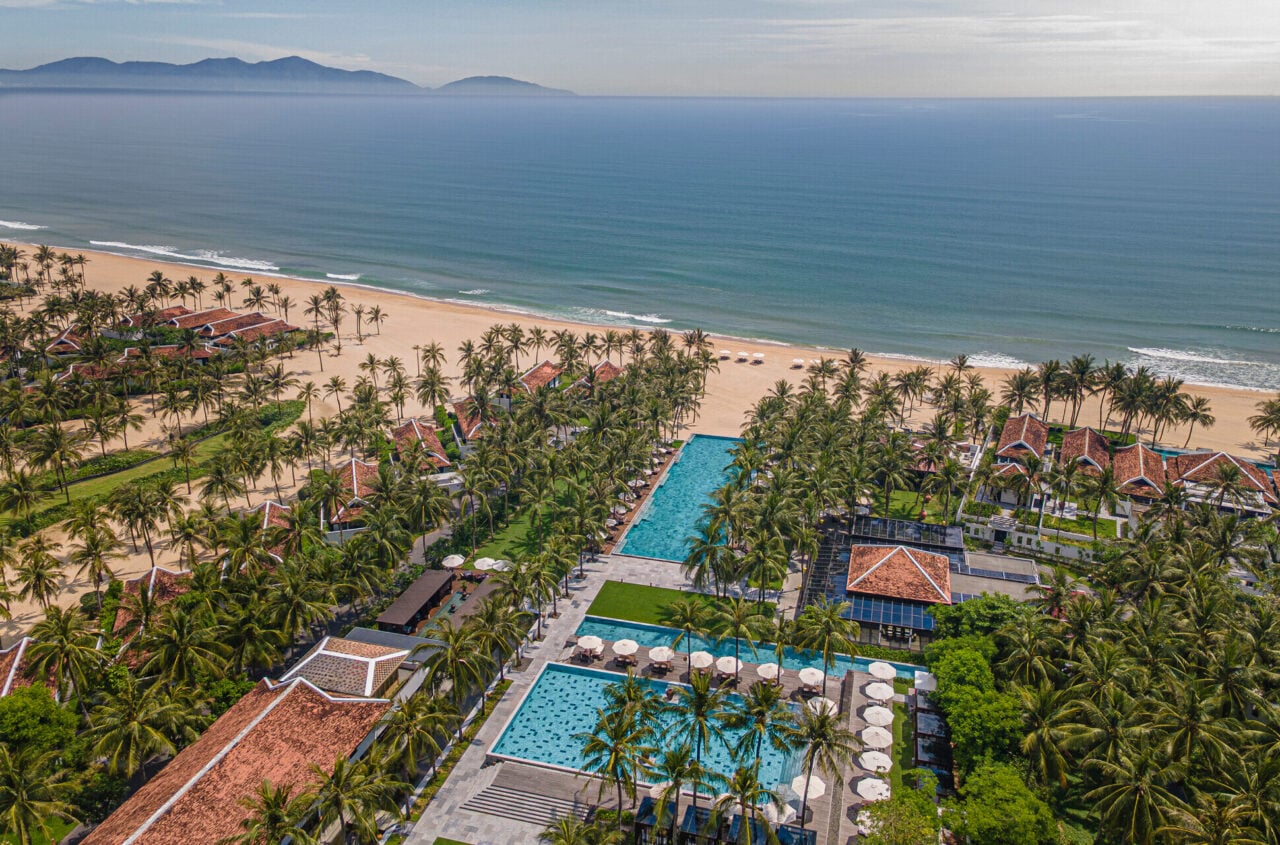
The newly transformed Four Seasons Resort The Nam Hai demonstrates how luxury hospitality can become an act of preservation, weaving itself into the fabric of Vietnam’s cultural heartland. Located 30 kilometres south of Da Nang along a kilometre-long stretch of Ha My beach—one of Forbes’ “best beaches in the world”—the resort serves as a gateway to three extraordinary UNESCO World Heritage sites: the lantern-strewn streets of Hoi An Ancient Town, the Imperial City of Hue, and My Son Sanctuary. A former fishing village with its 19th-century temple preserved onsite, the resort’s centralised public areas are arranged around three tiers of infinity pools that cascade from reception down to the beach, flanked by loungers, towering palms, water features, and manicured gardens containing 4,500 palm trees.
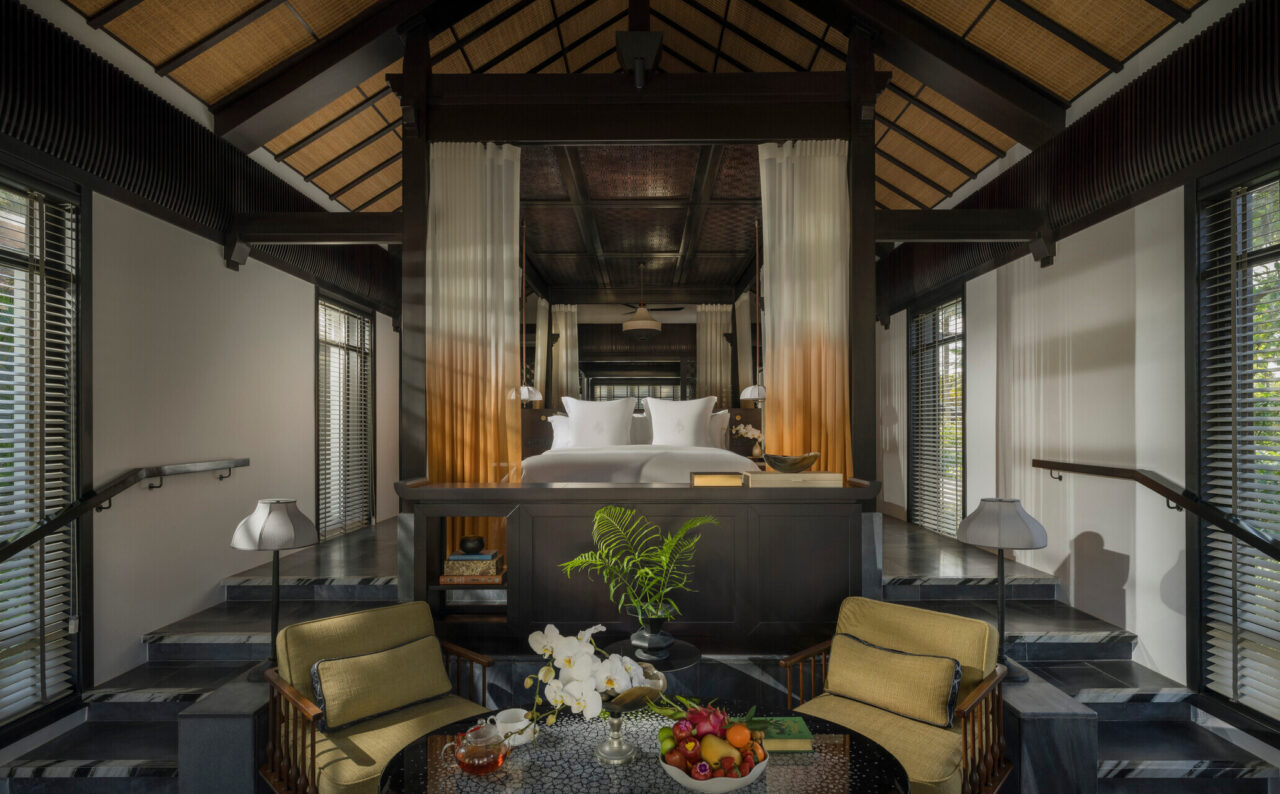

The property’s 100 sleek villas, reimagined by Hirsch Bedner Associates from Reda Amalou’s initial design, are set in five horseshoe-arced bays that perfectly balance indoor and outdoor spaces while optimising breezy beachside vistas in accordance with Phong Thuy (Feng Shui) principles. Inspired by the garden homes of the Imperial City of Hue, each villa features elevated sleeping platforms, sunset-toned drapery inspired by lantern lights, and luxurious outdoor rain showers. The design prioritises a perfect balance of contemporary artworks and local antiques, with 40 pool villas ranging from one to five bedrooms featuring large heated pools and separate living-dining pavilions that create private sanctuaries within the resort’s 35-acre landscape.


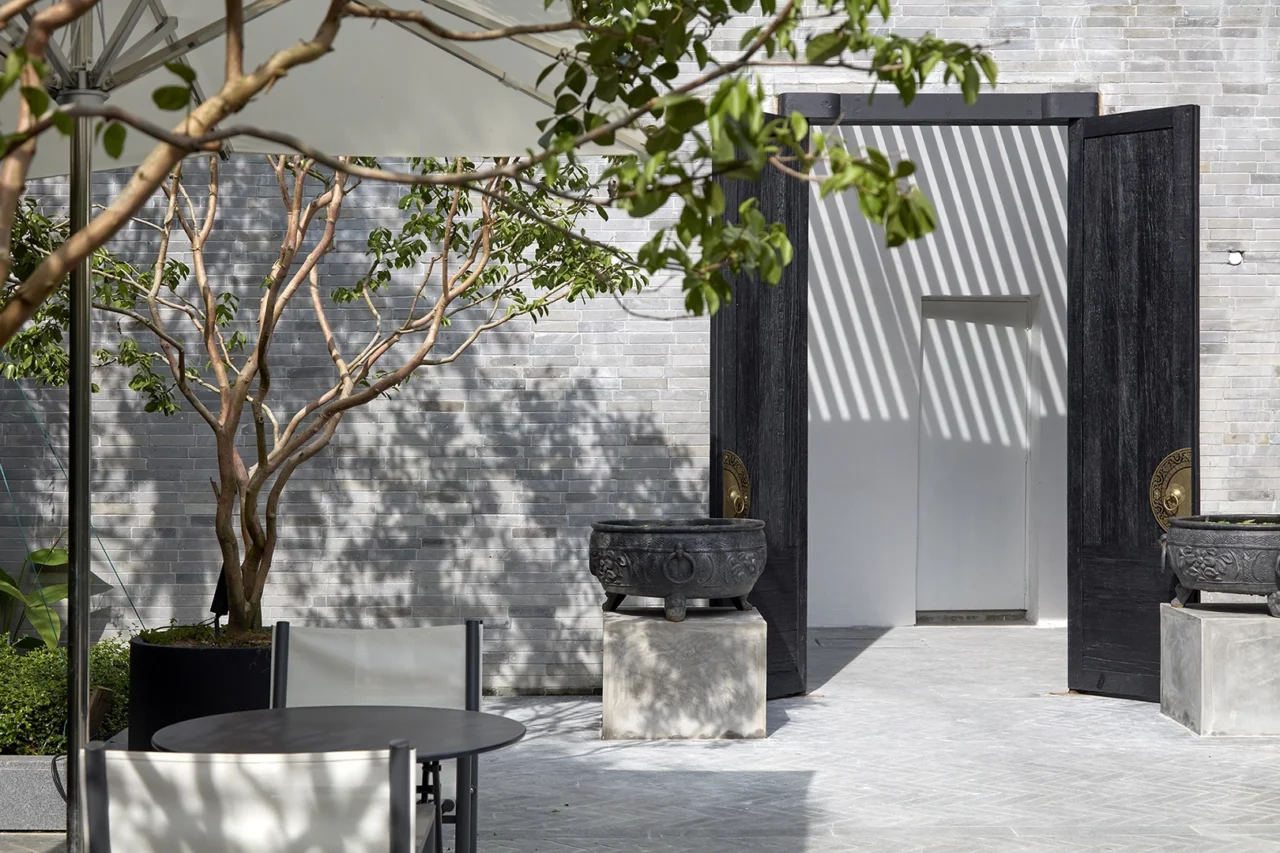
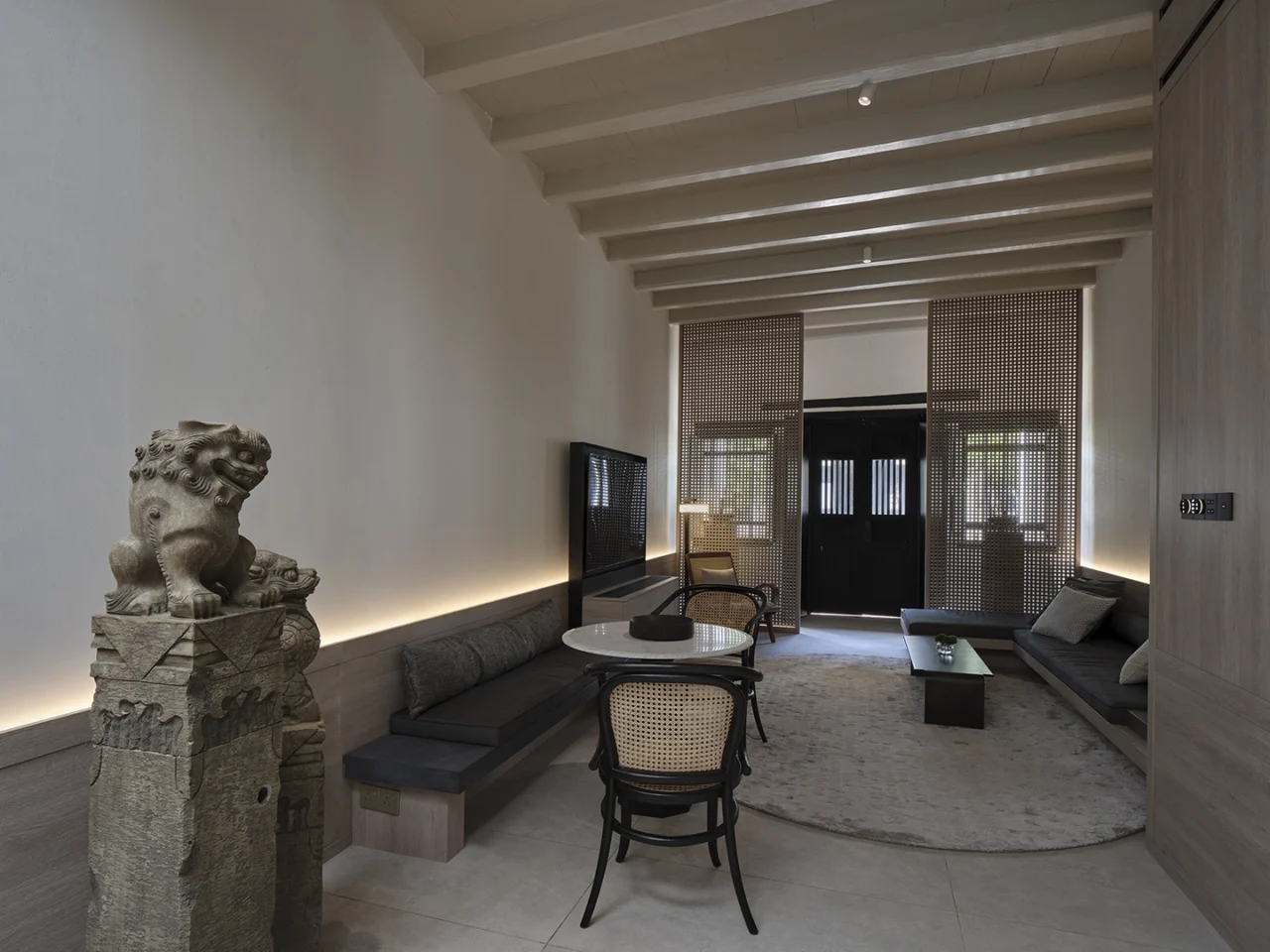
Across the Gulf of Thailand, Soori Penang represents the most intimate expression of heritage hospitality—a deeply personal homecoming by Soo K. Chan, the award-winning architect and founder of SCDA Architects, who has transformed his childhood home into a luxury boutique hotel. Located in the heart of George Town’s UNESCO World Heritage Site, beside the ornate Khoo Kongsi Temple—the ancestral home of Chan’s maternal clan—the property comprises 15 meticulously restored early-20th-century shophouses, where the architect once lived within the historic compound. This full-circle return has created something far more profound than mere accommodation: it’s a living tribute to memory, place, and the multicultural heritage of Penang.
Each of the 15 suites centres around private air wells and granite pools that capture the sensory memory of tropical downpours, while authentic Peranakan tilework, locally sourced timber carving, and commissioned murals by regional artists tell tangible stories of tradition. Through “Journeys by Soori,” guests gain rare access to the island’s hidden treasures—heritage trail walks, visits to traditional workshops, hands-on craft sessions with local masters, and gastronomic tours that connect directly to George Town’s heartbeat. As part of the global Soori Collection alongside properties in Bali and New York, Soori Penang stands as a testament to the brand’s ethos of authentic experiences shaped by place, people, and design, offering guests the extraordinary opportunity to discover George Town through the eyes of one who knows it best.
By honouring the architectural blueprints of the past while embracing contemporary luxury, these properties demonstrate that the ultimate expression of travel isn’t found in escaping a destination, but in surrendering completely to its soul. These establishments in Asia represent a new paradigm in which the true measure of luxury lies not in isolation from place but in profound connection to it.
Editor
Kaitlyn LaiCredit
Lead Image: Four Seasons