

The brand name itself reveals Wu’s philosophy. “The ‘+’ in Form + Moment is the inseparable bridge where physical form and temporal moment meet and become one,” Wu explains. “Form is the enduring structure, lines, planes, and materials that give permanence. Moment is the temporal, emotional dimension: memories evoked, pauses created, connections sparked. Without one, the other is incomplete.”

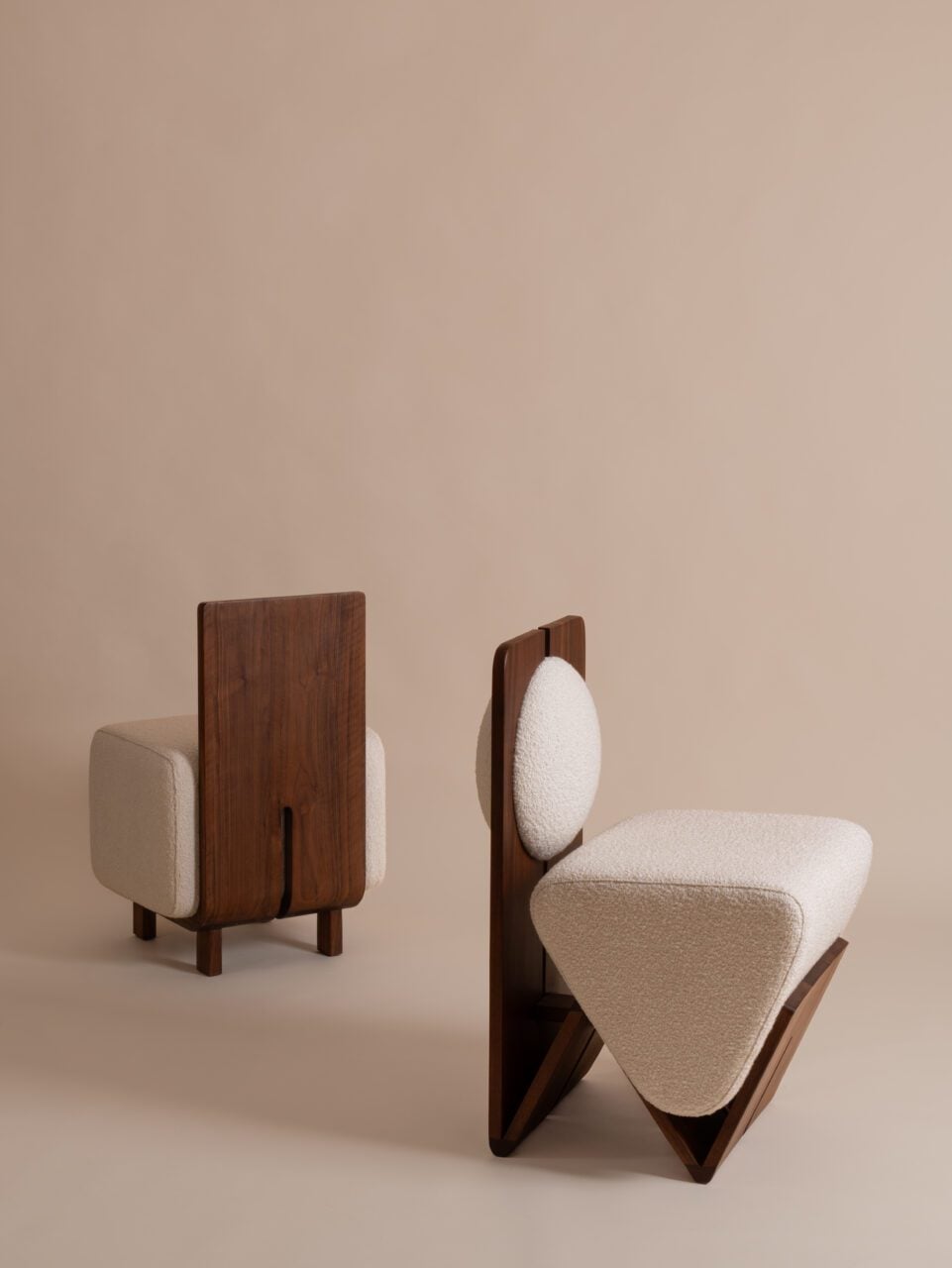
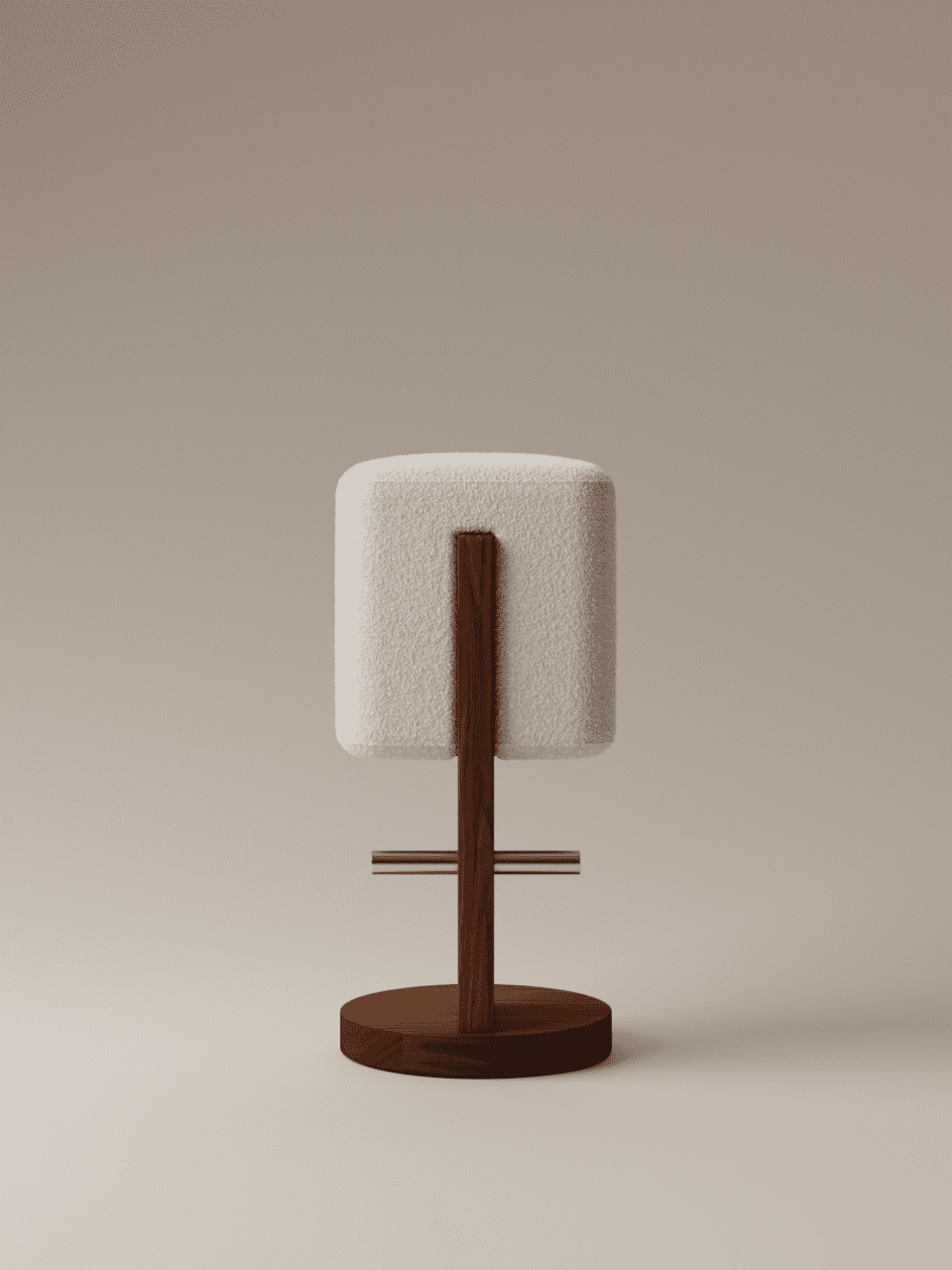
This intersection drives the debut Moment 2.5 collection, where each piece hovers in what Wu calls the “liminal space” between two and three dimensions. Drawing from origami’s transformative folds, cubic and triangular cushions rest on interlocking wooden frames that seem to unfold from flatness into comfort. The “2.5” marks that precise threshold where “2D flatness gains just enough depth to feel human, relatable, and alive.”
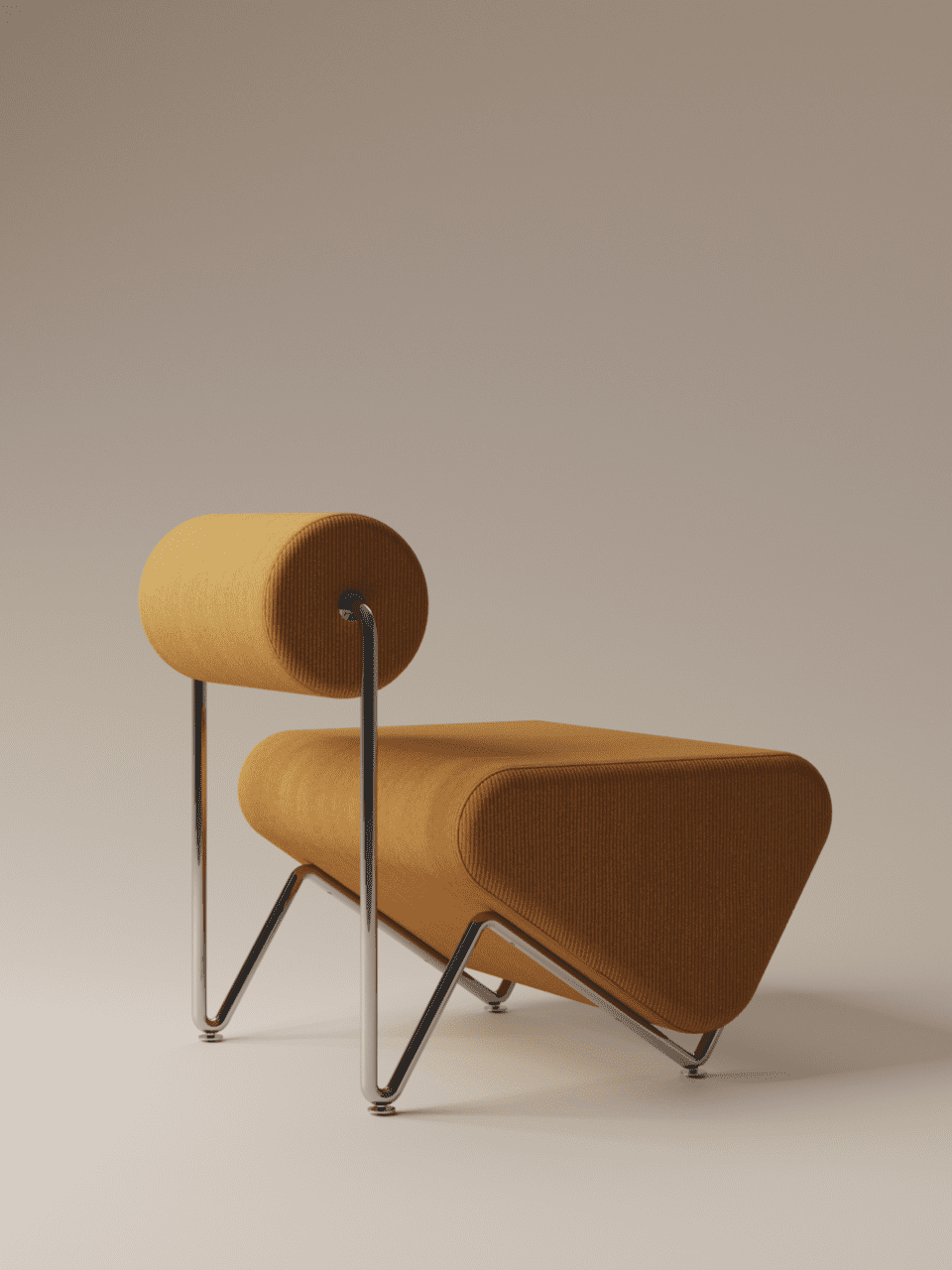
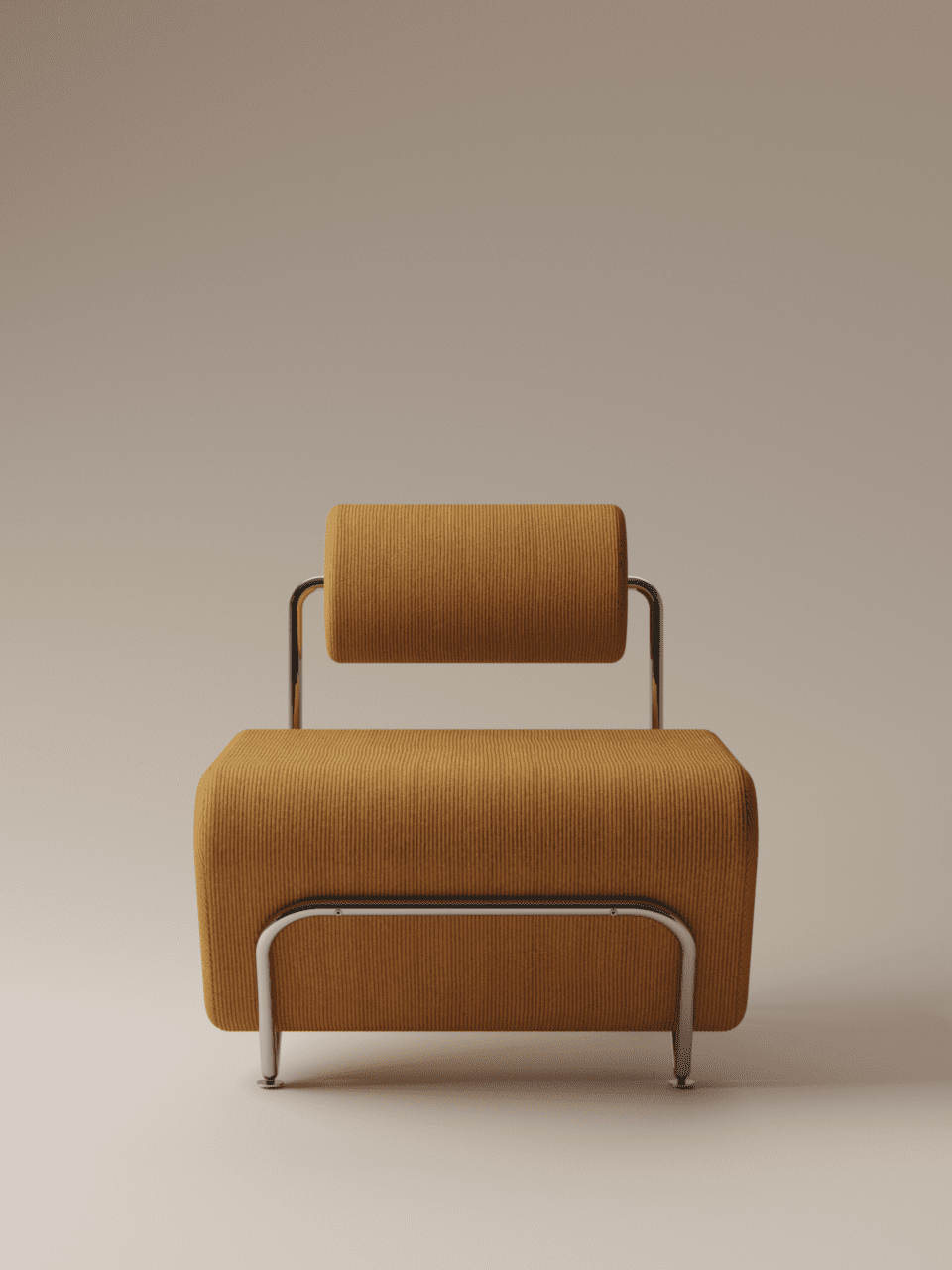
Wu’s design journey began unexpectedly at age nine, crafting wooden boxes from ice cream sticks that had classmates lining up with their snack money. When old friends recalled those boxes decades later, Wu realised that well-made objects hold memories long after they’re created. This revelation shapes everything at Form + Moment. The Trolley Lounge Chair evokes childhood supermarket rides. The Ice Cream Barstool playfully reimagines a frozen treat. These aren’t literal translations but emotional echoes—designs capturing feelings rather than forms.
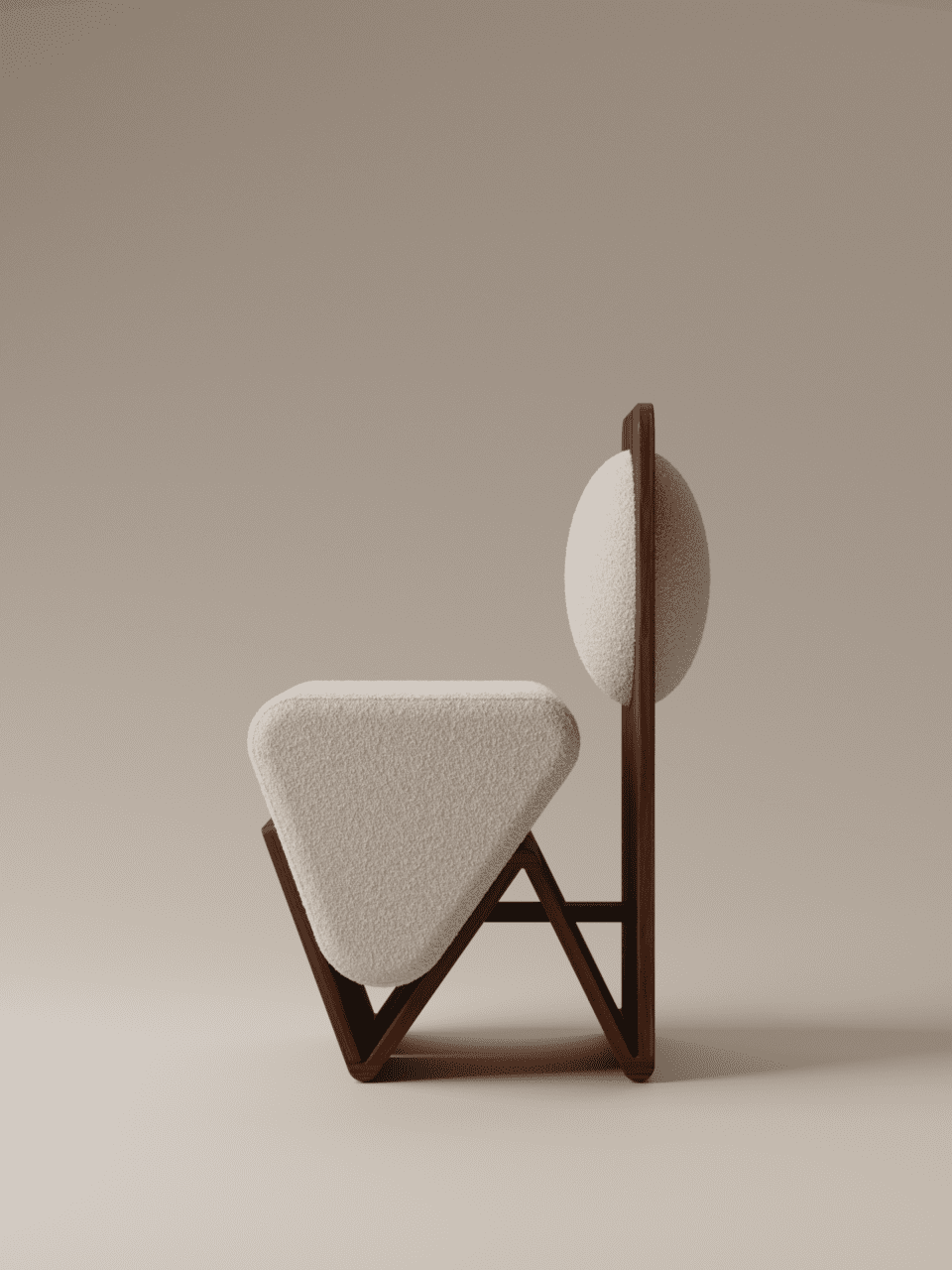
Take the W Chair, whose walnut frame folds into the shape of its namesake letter. “If viewed only as a backrest for the sitter, a shape that faces both front and back might seem illogical,” Wu notes. “But imagine a child running for a hug from behind, or a partner leaning in quietly. Suddenly, the form invites connection, transforming a single chair into a shared space.”
Wu’s creative process maintains a childlike spontaneity—ideas scribbled in the dark from bed, cardboard prototypes folded by hand. “If you only chase perfect ideas and fear going wrong, you lose the joy and excitement of exploring,” he says. The sweet spot reveals itself through instinct: when
he can imagine “a child glancing at it once and drawing it from memory— simple yet memorable.”

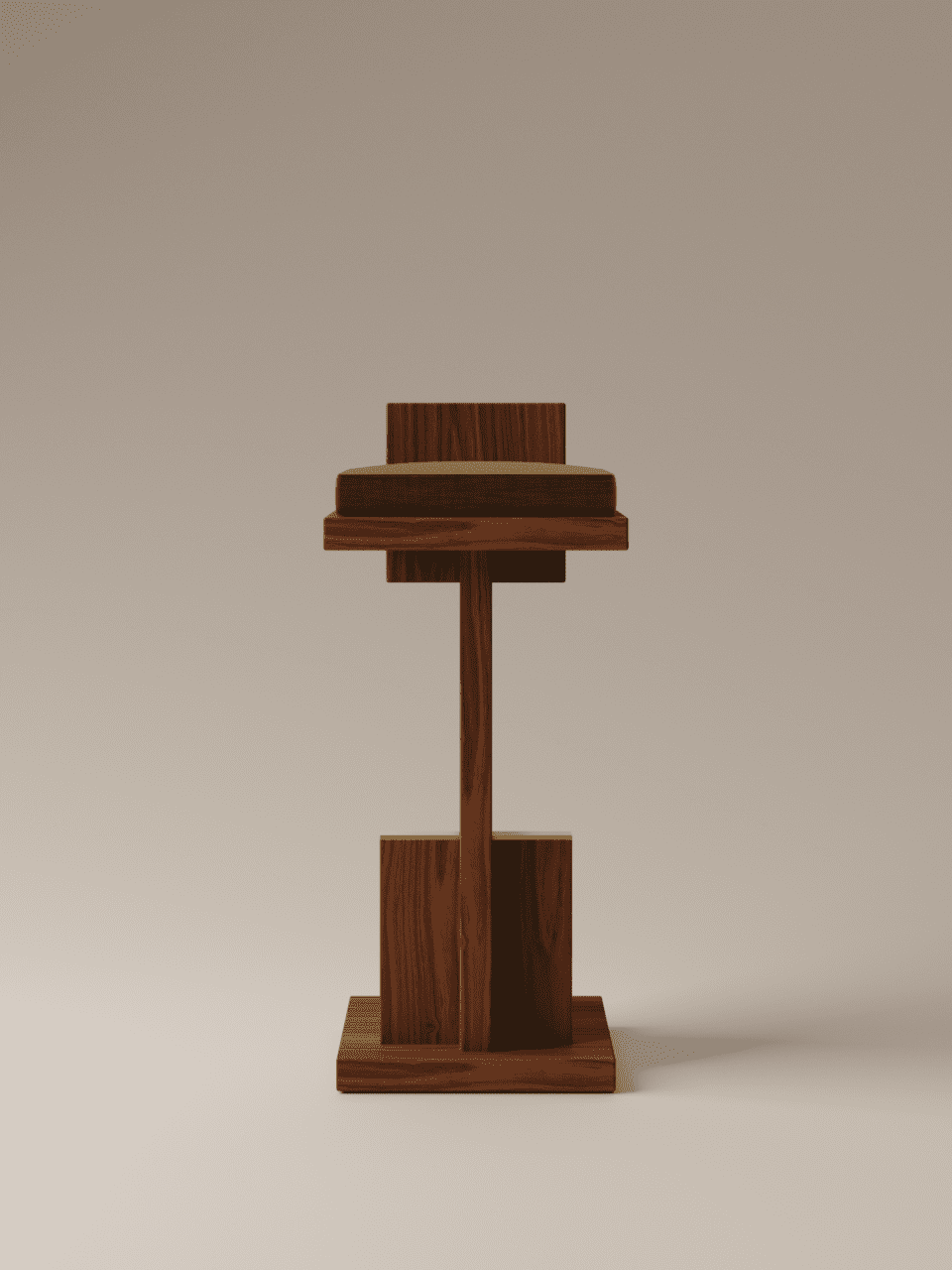
As a founder-led studio expanding beyond seating this year, Wu faces the challenge of scaling without losing intimacy. His secret? Preserving a particular way of seeing. “The joy isn’t locked in childhood; it’s a way of seeing that stays open at any age,” he reflects. “It’s about noticing the small, beautiful details in daily life.” In fast-paced Hong Kong, Wu’s furniture serves as “quiet anchors for conversations, late-night rituals, and cherished memories”. It’s in that 2.5-dimensional sweet spot—where form holds “not just space, but people and their stories”—that this all becomes possible.
Editor
Kaitlyn LaiCredit
Lead Image: Courtesy of Form + Moment