

For a city handed back and forth between empires, perpetually mid-negotiation about who it belongs to, it makes sense that its cinema became obsessed with the same questions: what do you hold onto when the ground keeps shifting, and who are you when home is a temporary arrangement? Out of that unease came something singular: Ann Hui and the Hong Kong New Wave turning cameras on refugees and domestic workers nobody else was filming, Johnnie To choreographing gunfights with the precision of a ballet master, Fruit Chan finding sly comedy in the city’s slums and back alleys. It is, against all odds, a wildly entertaining body of work built almost entirely out of anxiety.
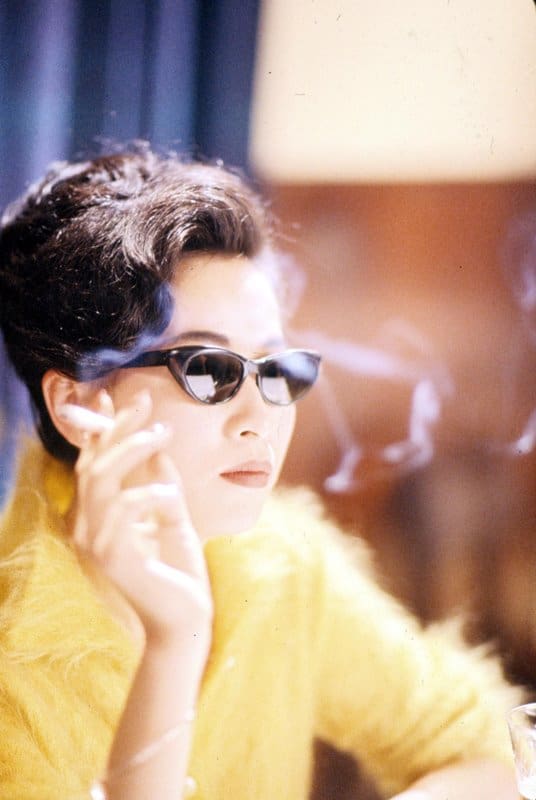
Full disclosure, because pretending otherwise would be dishonest: somewhere in the middle of all this sits Wong Kar-wai, a director I have exactly zero critical distance from. I will defend the man’s use of a slow zoom and a sad trumpet solo to the death. There is a very specific kind of person who watched In the Mood for Love once and has spent every year since chasing that particular ache, the cigarette smoke, the wallpaper, the longing that somehow feels better than actual happiness, and I regret to inform you that I am that person.
Venice, it turns out, has a similar weakness. Since the late 1980s, the festival has handed Hong Kong two Golden Lions, a Best Actress prize, a screenplay award, and one deeply overdue Lifetime Achievement honour, treating the city less like an occasional guest and more like a recurring main character. Below, in chronological order, are the films that made that case, and the directors —some household names, others due for a much bigger one — who built a small, humid city into one of world cinema’s most reliable overachievers.
The Story of Woo Viet (1981)
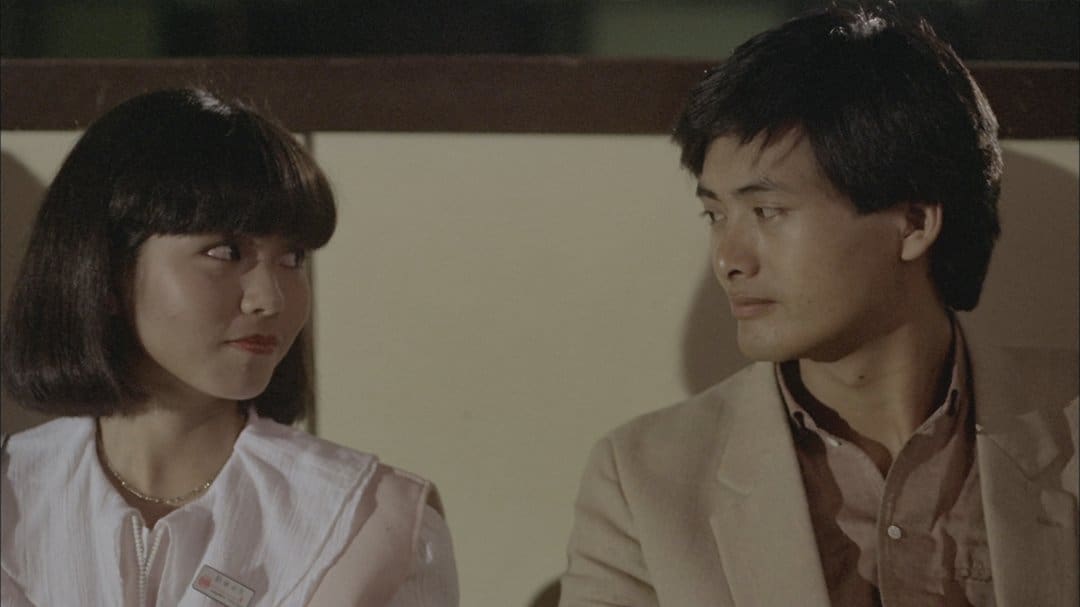
Chow Yun-fat, decades before he became the face of Hong Kong action cinema, plays a Vietnamese refugee drifting through the Philippines and eventually the United States, dragged into crime he never asked for while trying to protect the woman he loves. Directed by Ann Hui, this is an early entry in the Hong Kong New Wave and one of the clearest signals that Hui was less interested in genre thrills than in the human wreckage left behind by history, war, and borders — a theme she would, frankly, never let go of. No Venice hardware here, but it’s the earliest title on this list, and a useful reminder that Hui was doing the emotionally unglamorous work of refugee cinema long before it was a festival darling category.
A City of Sadness (1989)
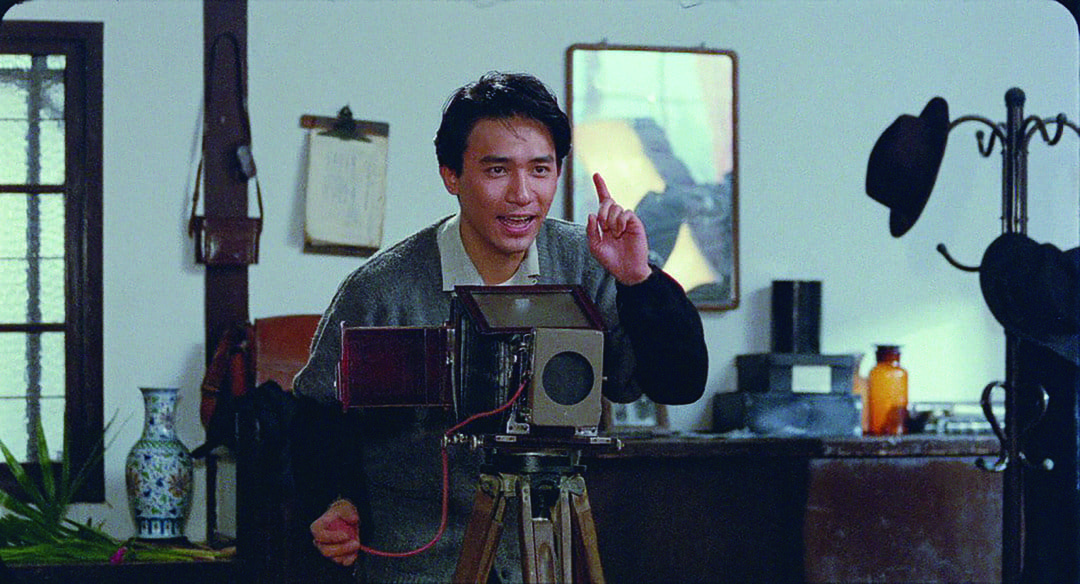
A multigenerational family saga set in Taiwan in the chaotic years following the end of Japanese colonial rule, culminating in the brutal 228 Incident, with Tony Leung as a deaf-mute photographer watching history happen to people who never had a say in it. Directed by Hou Hsiao-hsien (Taiwanese, though the film is inseparable from the Hong Kong star power of Tony Leung, whose performance remains one of the most quietly devastating of his career), it became the first Chinese-language film ever to win the Golden Lion. That win, in 1989, was a watershed moment, not just for the film but for the visibility of Chinese-language cinema on the world stage.
Days of Being Wild (1990)
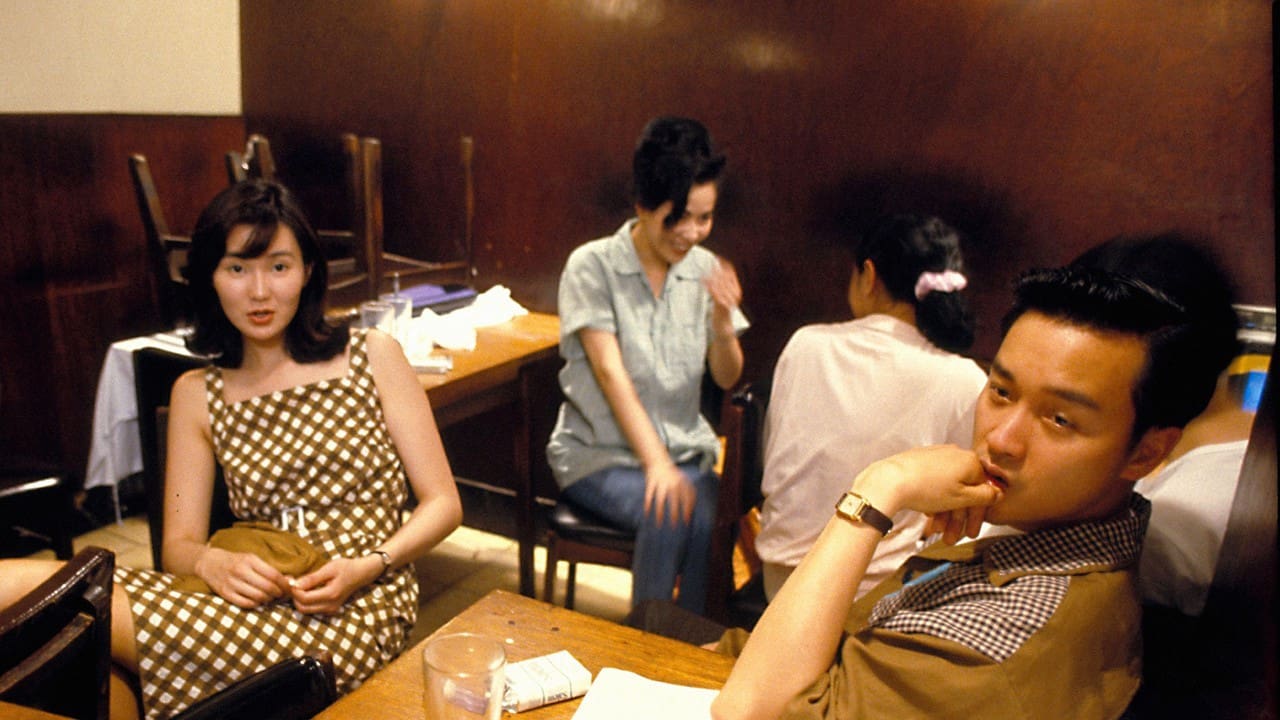
Would this really be an article about Hong Kong films without mentioning Wong Kar-wai at least once? A moody, mirror-obsessed playboy in 1960s Hong Kong breaks hearts, chases an absent mother figure, and generally embodies the kind of romantic self-destruction that would become a Wong Kar-wai signature, with Leslie Cheung, Maggie Cheung, and Andy Lau circling each other in various states of longing. This was Wong’s second feature, the first in what would eventually be understood as an unofficial trilogy with In the Mood for Love and 2046, shot by Christopher Doyle doing the neon-and-shadow thing that would later define an entire generation’s idea of what Hong Kong looks like on film. This one never screened in competition at Venice, but its influence on the festival’s later love affair with Wong Kar-wai is impossible to overstate. If you missed it the first (or fifth) time around, the timing couldn’t be better: a 4K restoration is back on the big screen at select Emperor Cinemas venues for select weeks this September, make sure to grab your tickets (and posters) before they sell out!
Ashes of Time (1994)
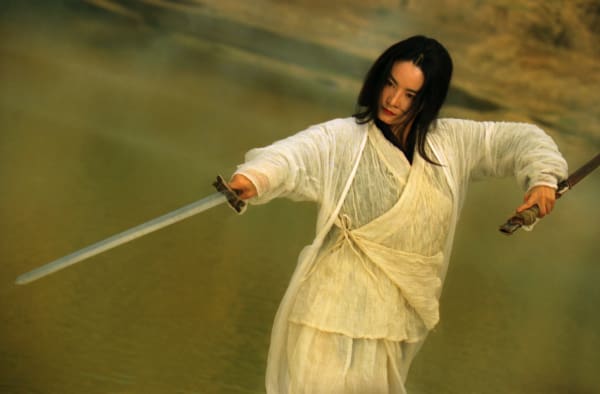
A wuxia film that treats sword fighting as an afterthought and heartbreak as the main event. Loosely inspired by Louis Cha’s The Legend of the Condor Heroes, it follows a jaded swordsman turned broker connecting assassins with clients in the desert, while everyone around him nurses old wounds and impossible loves. Another Wong Kar-wai and Christopher Doyle collaboration, starring Leslie Cheung, Maggie Cheung, Tony Leung (Chiu-wai and Ka-fai), Brigitte Lin, and Carina Lau. It was a notoriously difficult production, later revisited by Wong Kar-wai himself in a 2008 redux cut. At Venice, the film’s Golden Osella for Best Cinematography went to Christopher Doyle, proof that even a film about swordsmen can win on vibes alone.
Throw Down (2004)
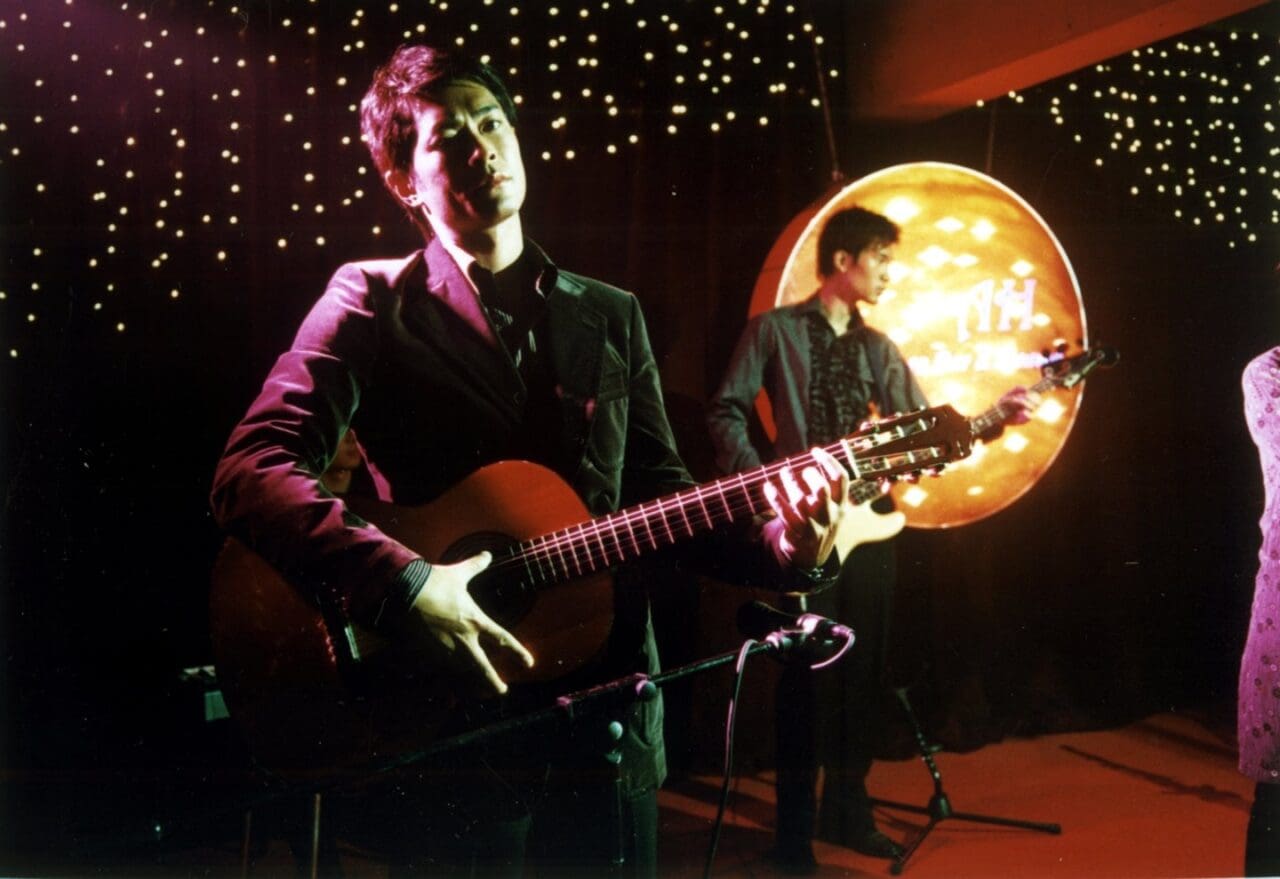
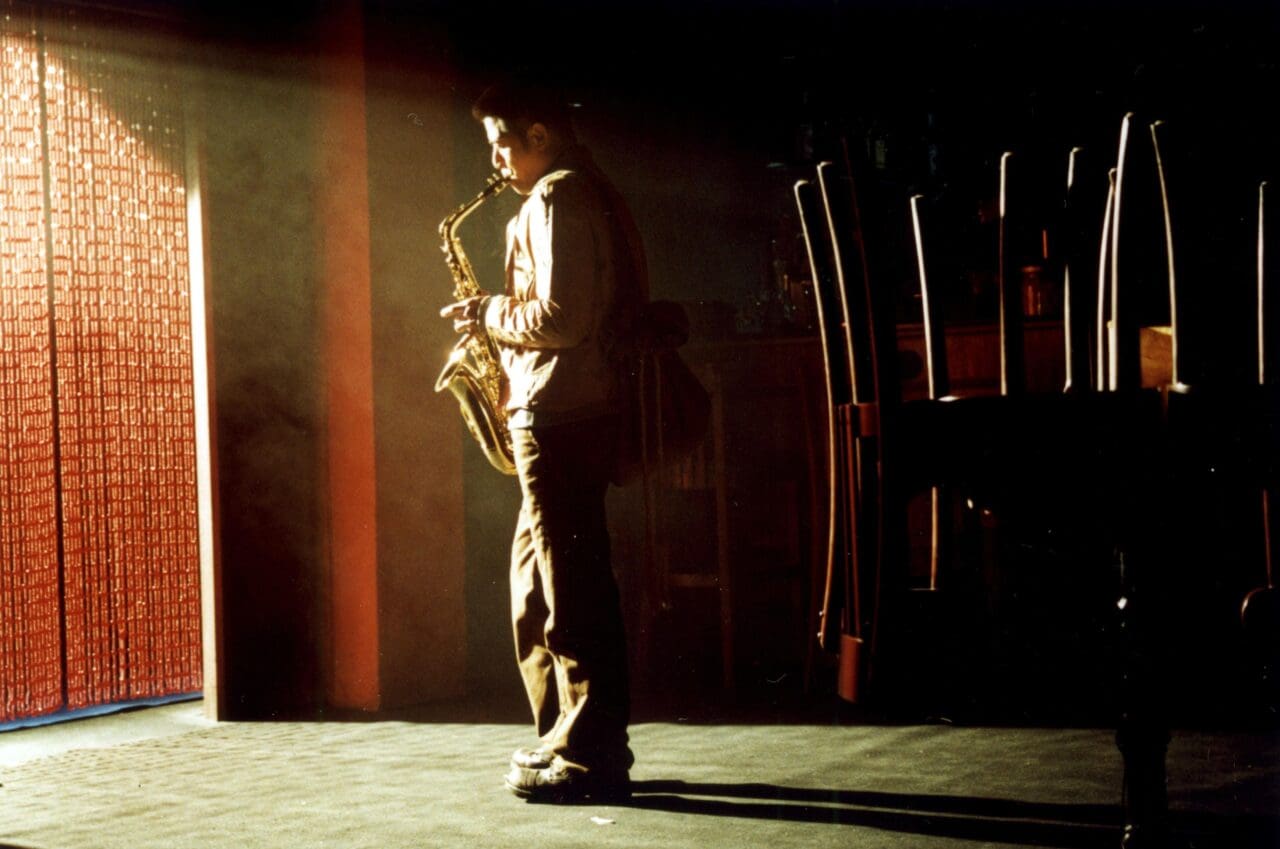
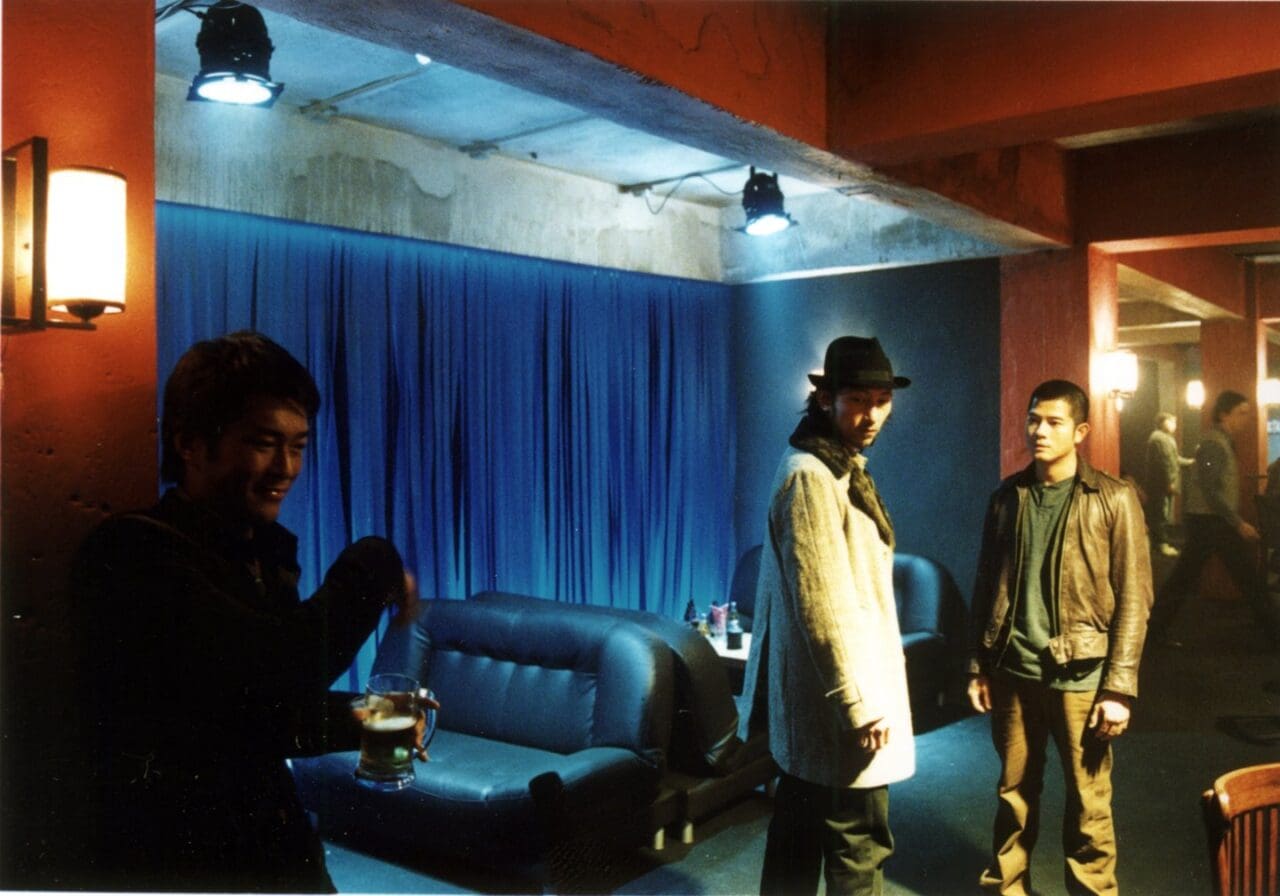
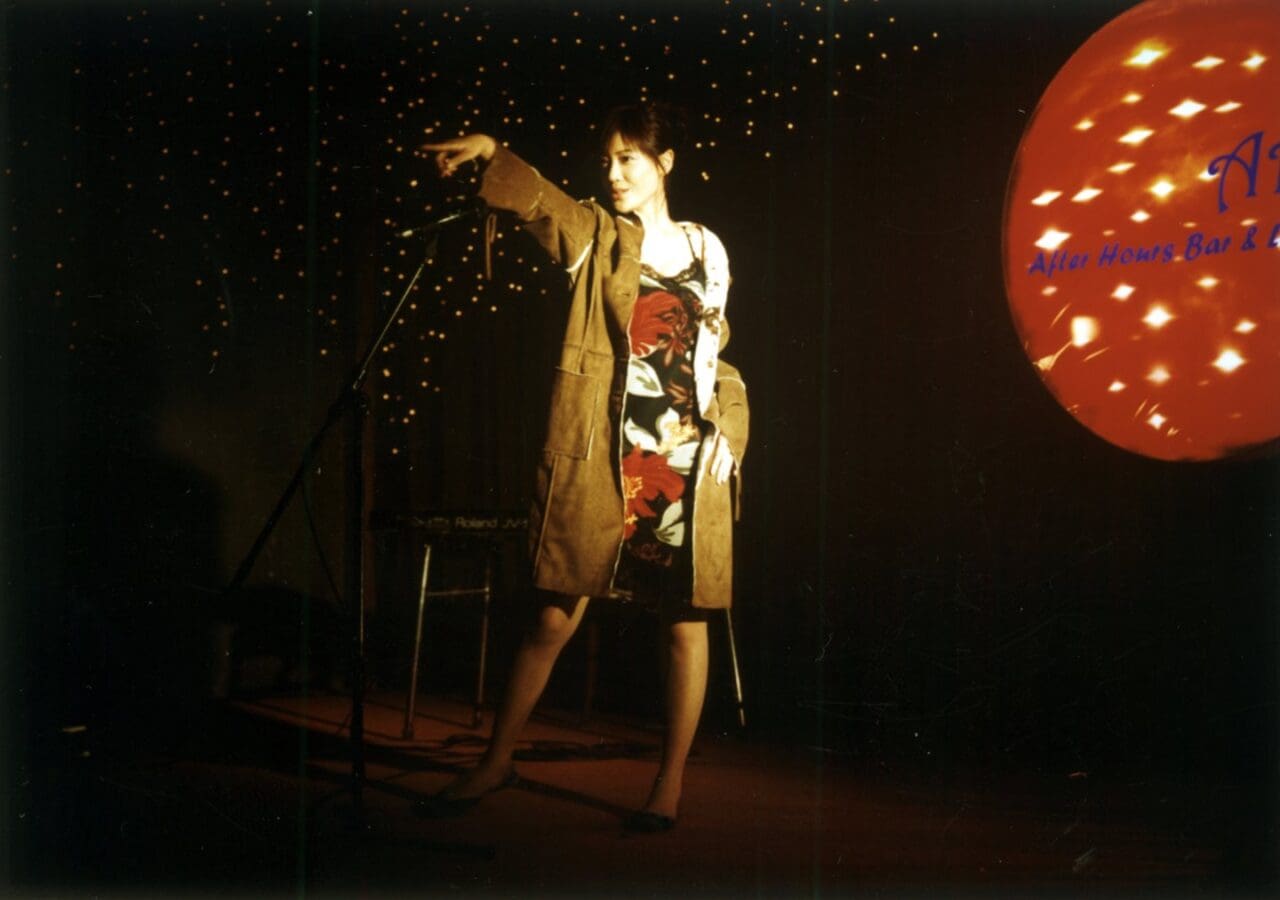
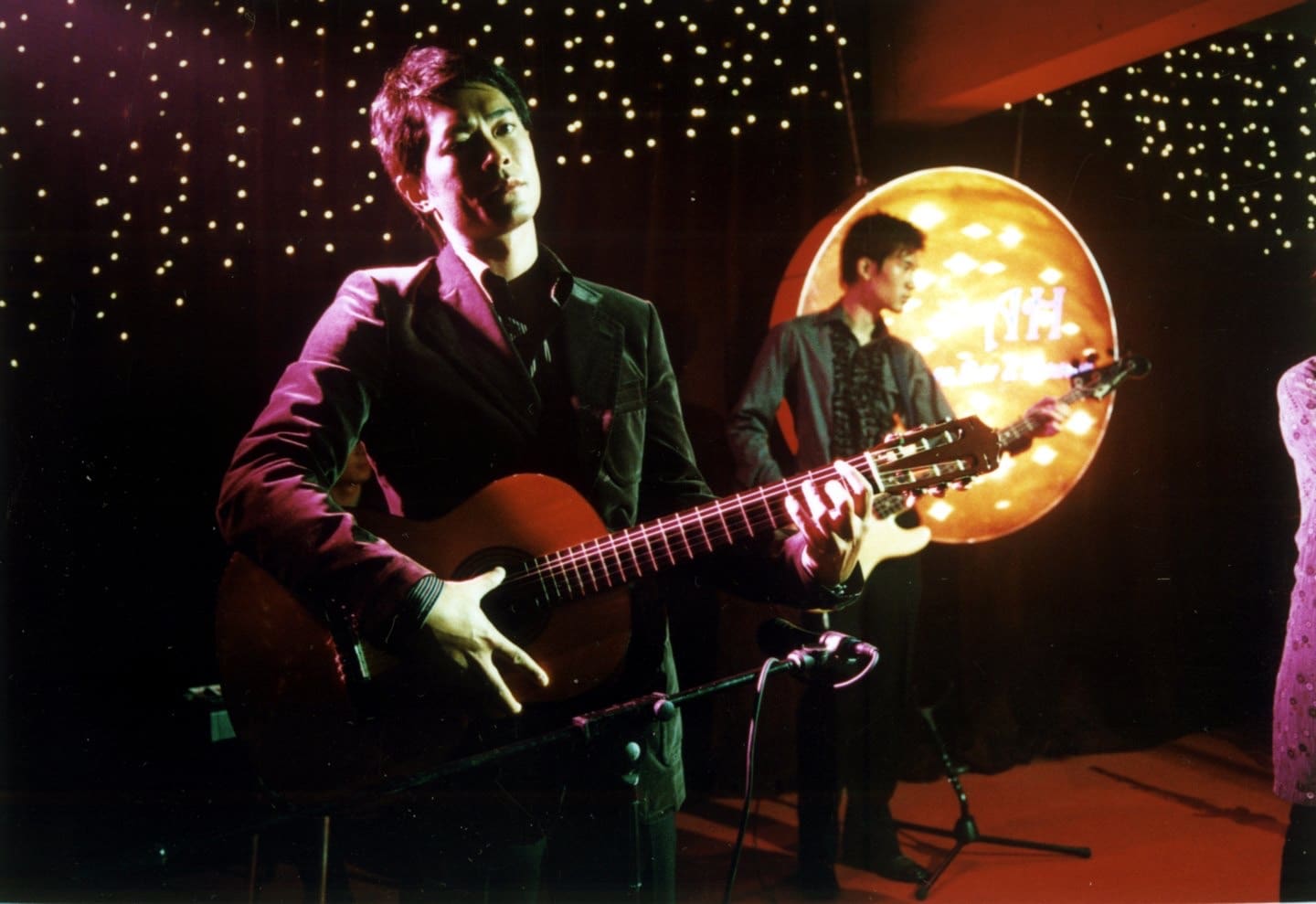
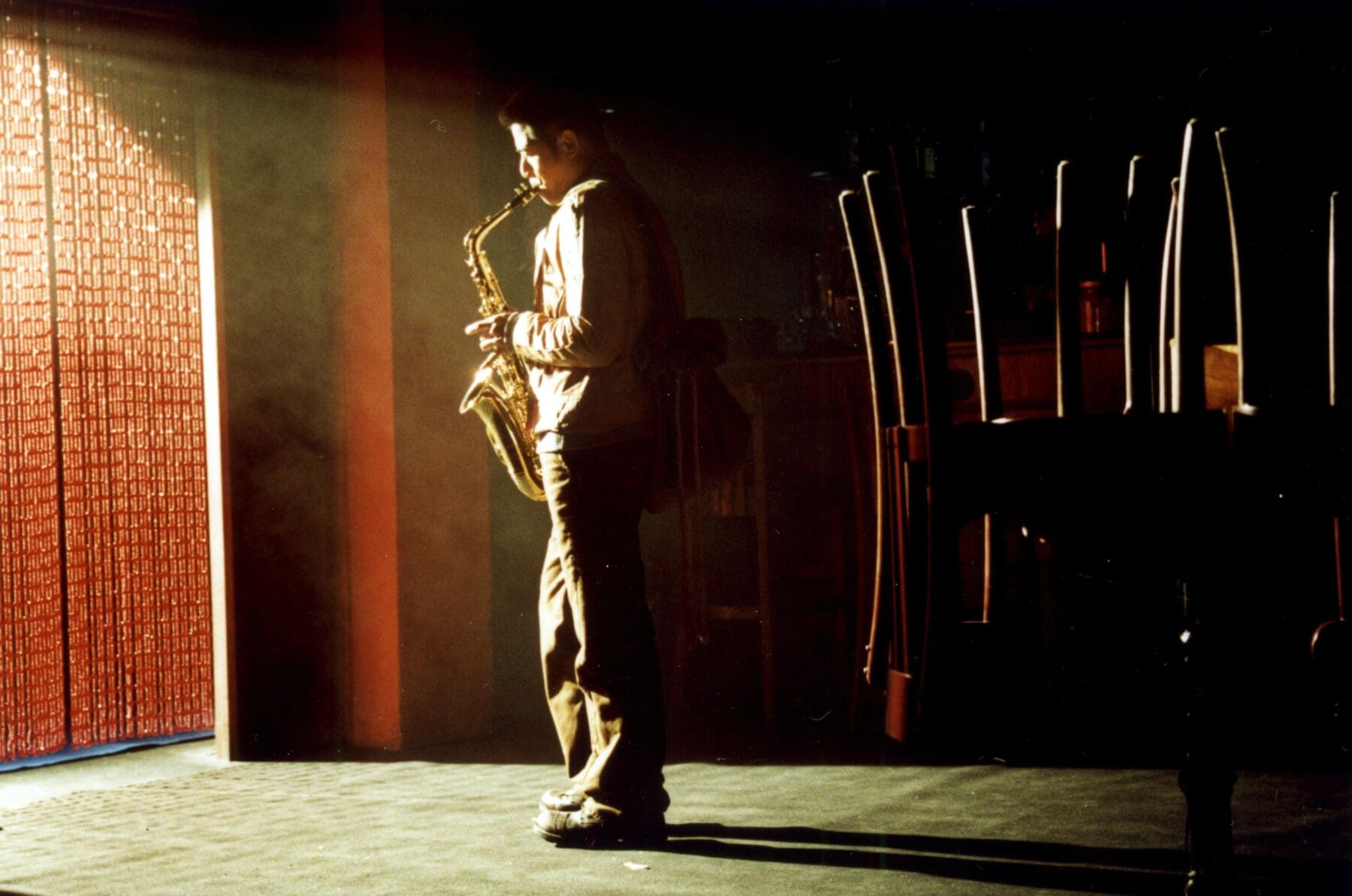
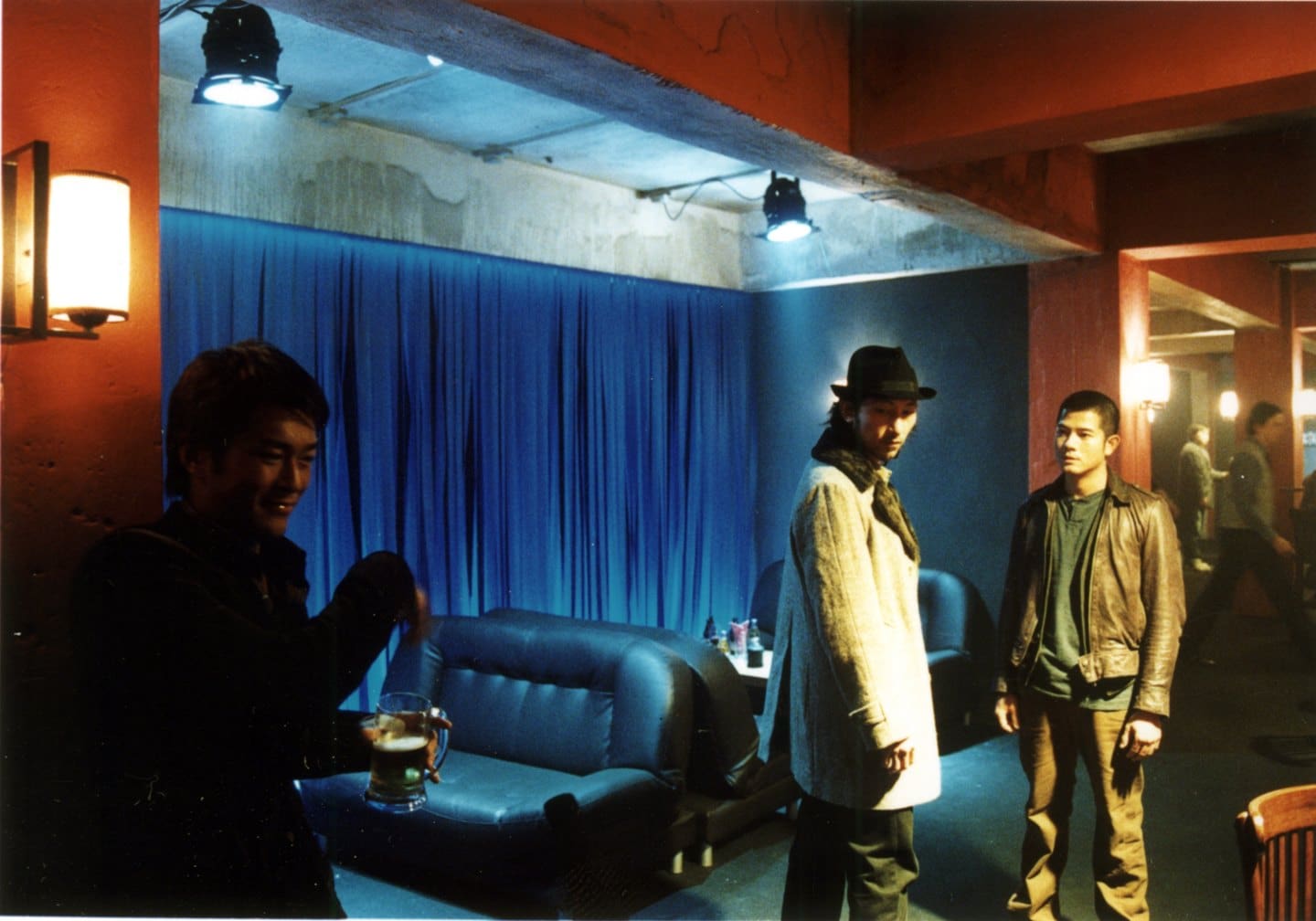
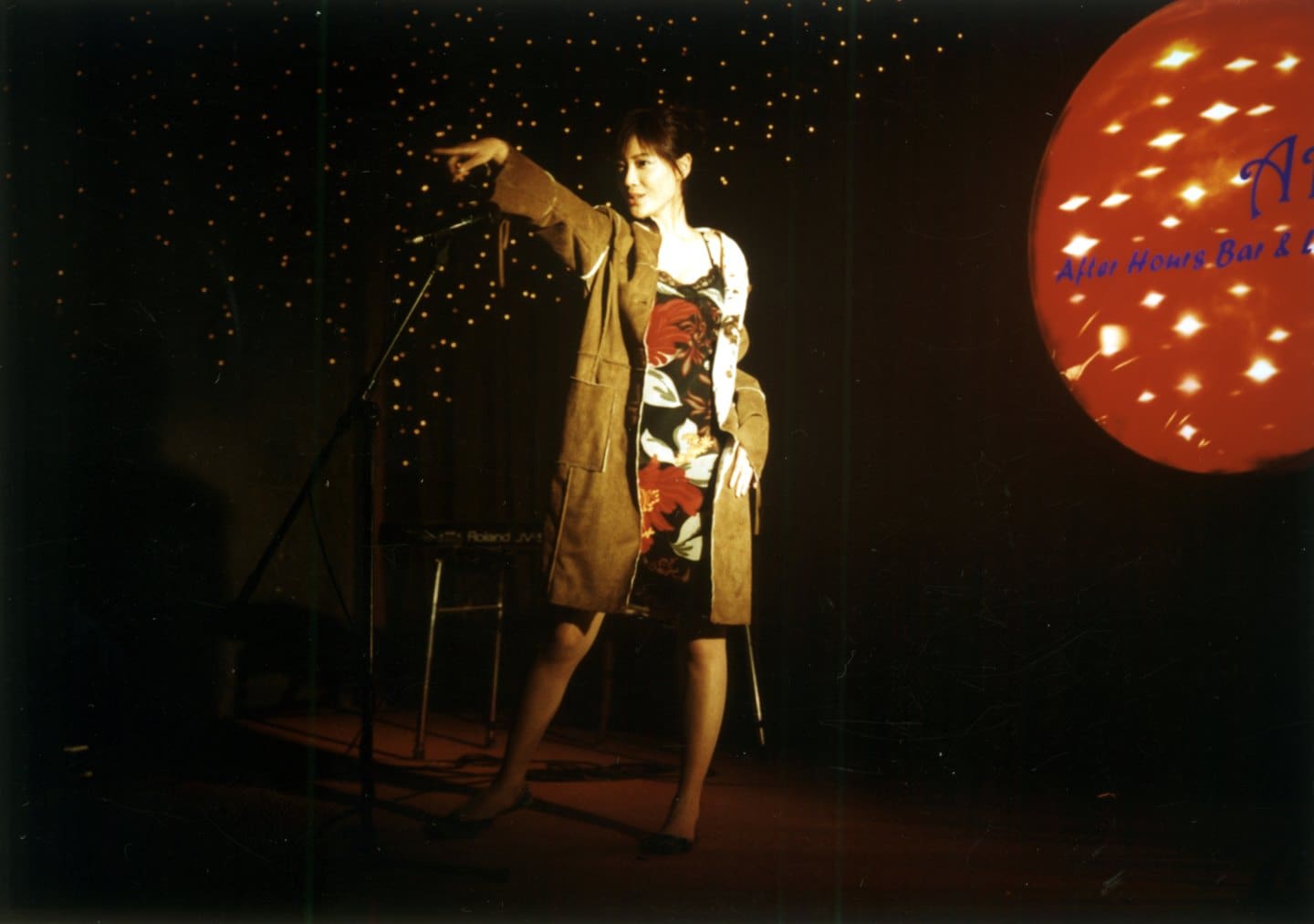
A washed-up former judo champion turned karaoke bar owner gets dragged back into the ring (sort of) by a stubborn young judo hopeful and an aspiring singer, in a loose, jazzy homage to Akira Kurosawa’s Sanshiro Sugata. Johnnie To, Hong Kong’s reigning master of stylish genre filmmaking, directs Louis Koo and Aaron Kwok in a film that’s structurally looser and more meditative than To’s crime thrillers, though no less confident. It never competed at Venice, but remains a beloved cult favourite among cinephiles who prefer their To films melancholic rather than trigger-happy.
A World Without Thieves (2004)
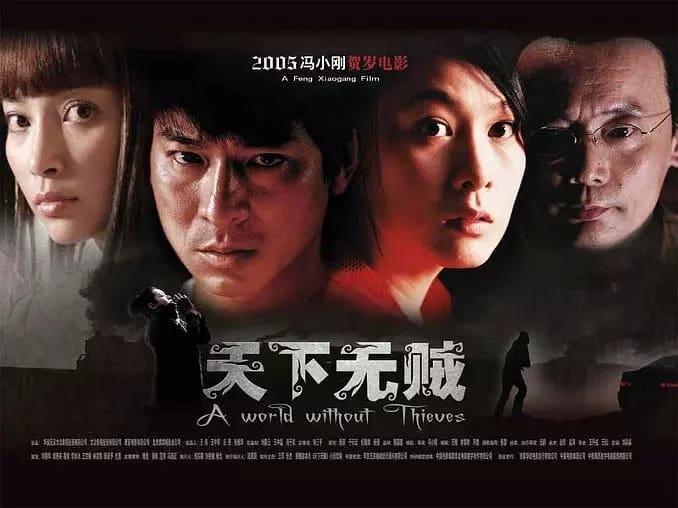
Two professional thieves, a couple, plan one last con before going straight. When a naive young migrant worker crosses their path, carrying his life savings from a rival gang of pickpockets, their consciences (and their competitive streaks) get tested instead. Directed by Feng Xiaogang, starring Andy Lau and Rene Liu, with Ge You stealing scenes as the rival gang leader, this is a mainland-Hong Kong co-production that leans more crowd-pleaser than art house, blending heist mechanics with surprisingly sincere sentimentality. It never competed at Venice, but was a massive box office success across Chinese-language markets and a title that helped cement the increasingly blurred lines between Hong Kong and mainland commercial cinema.
Exiled (2006)
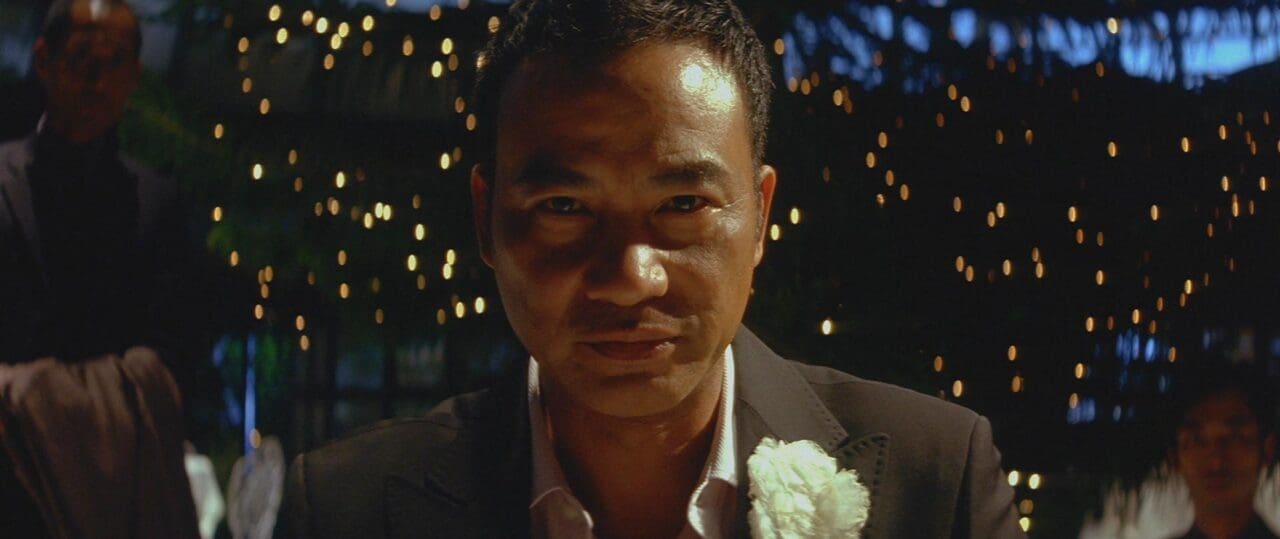
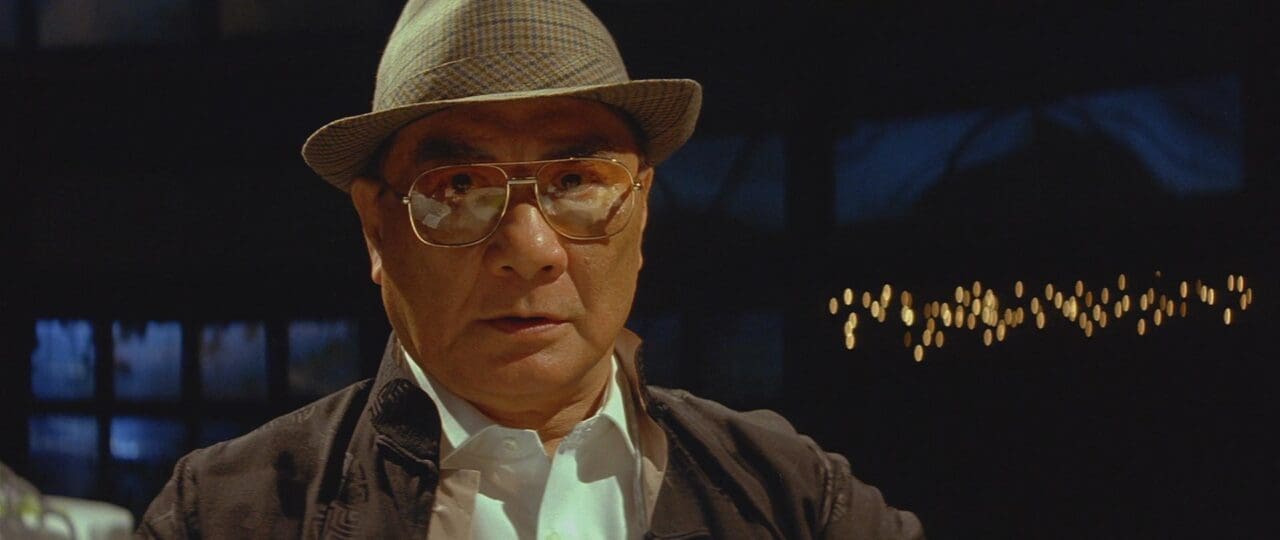
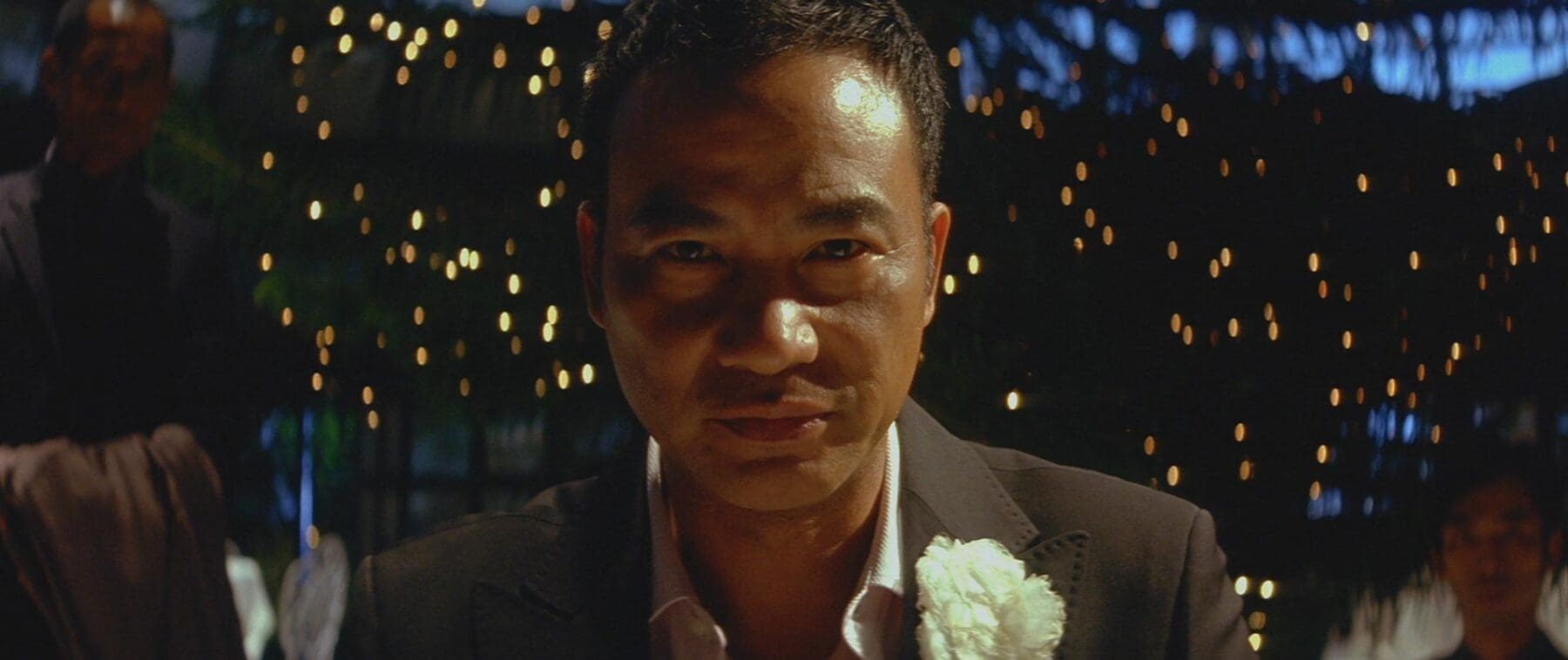
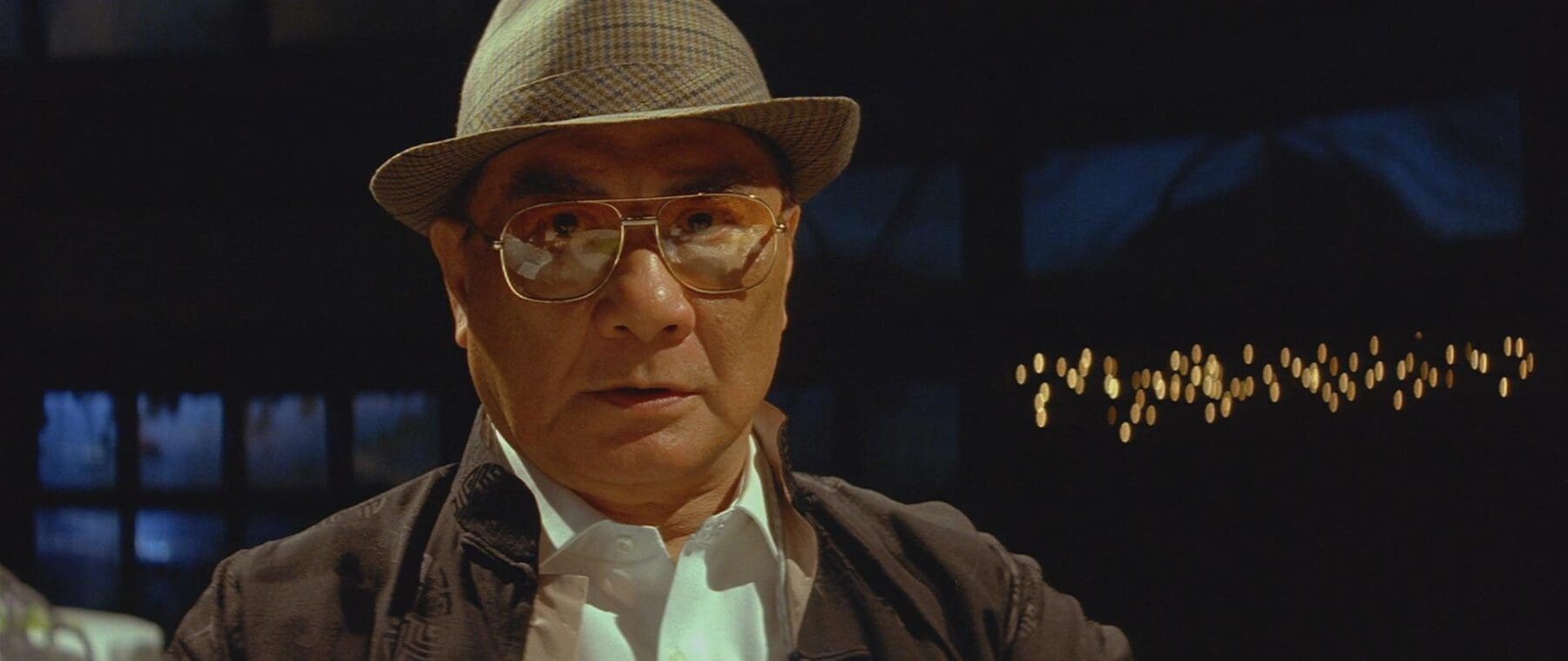
Five gunmen, old friends turned reluctant enemies, reunite in Macau in 1999, caught between loyalty, a hit job gone sideways, and a shared understanding that none of them are getting out of this alive, with gorgeously staged shootouts doing a lot of the emotional heavy lifting. Directed by Johnnie To, starring Anthony Wong, Francis Ng, Nick Cheung, and Josie Ho, this is frequently cited as To’s finest, a spiritual sequel to his earlier The Mission, with the gunplay operating almost like choreography in a musical. It is widely regarded as a genre high point and one of the clearest arguments for To as Hong Kong’s most consistently excellent living director.
Lust, Caution (2007)
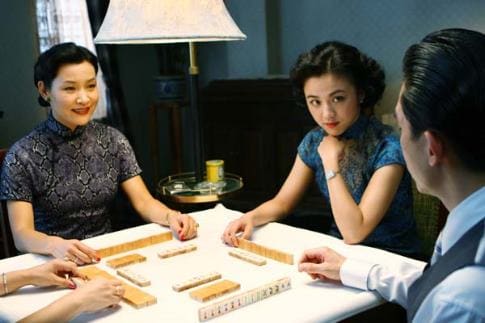
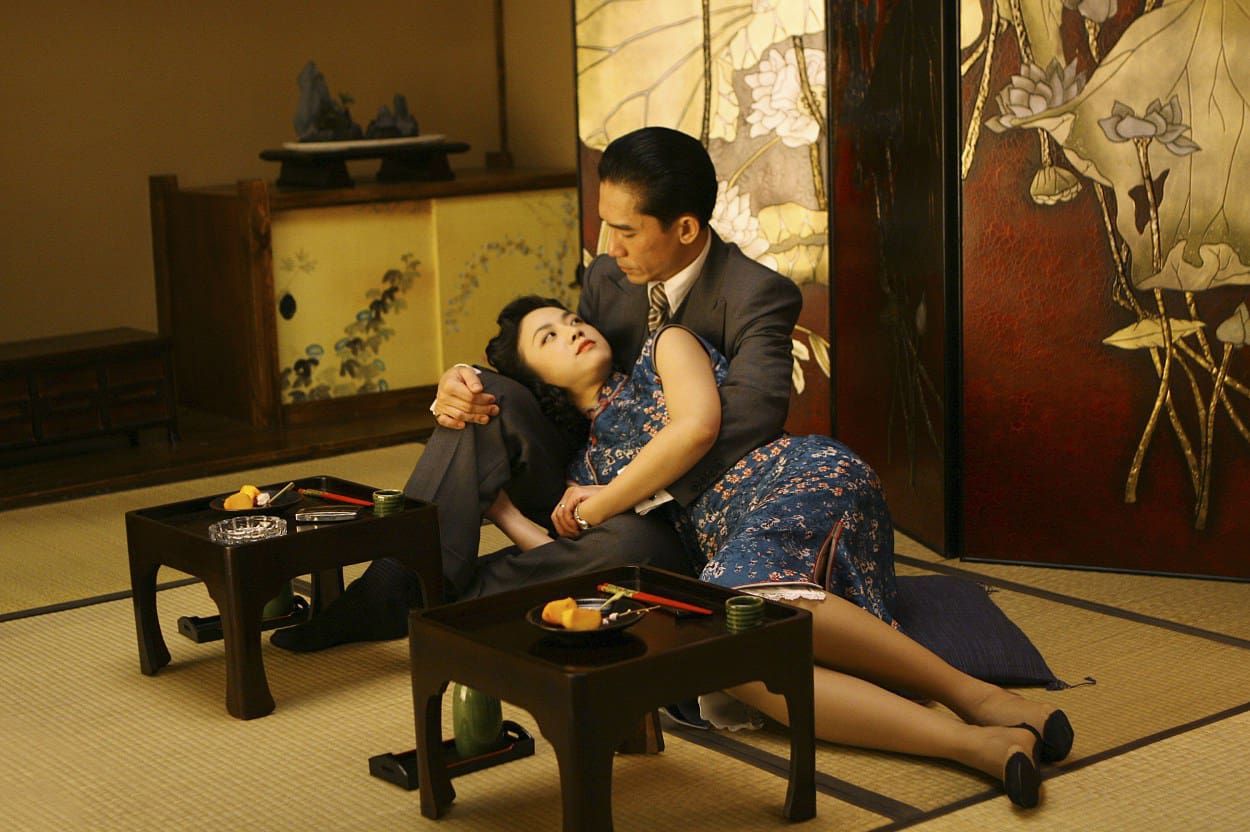
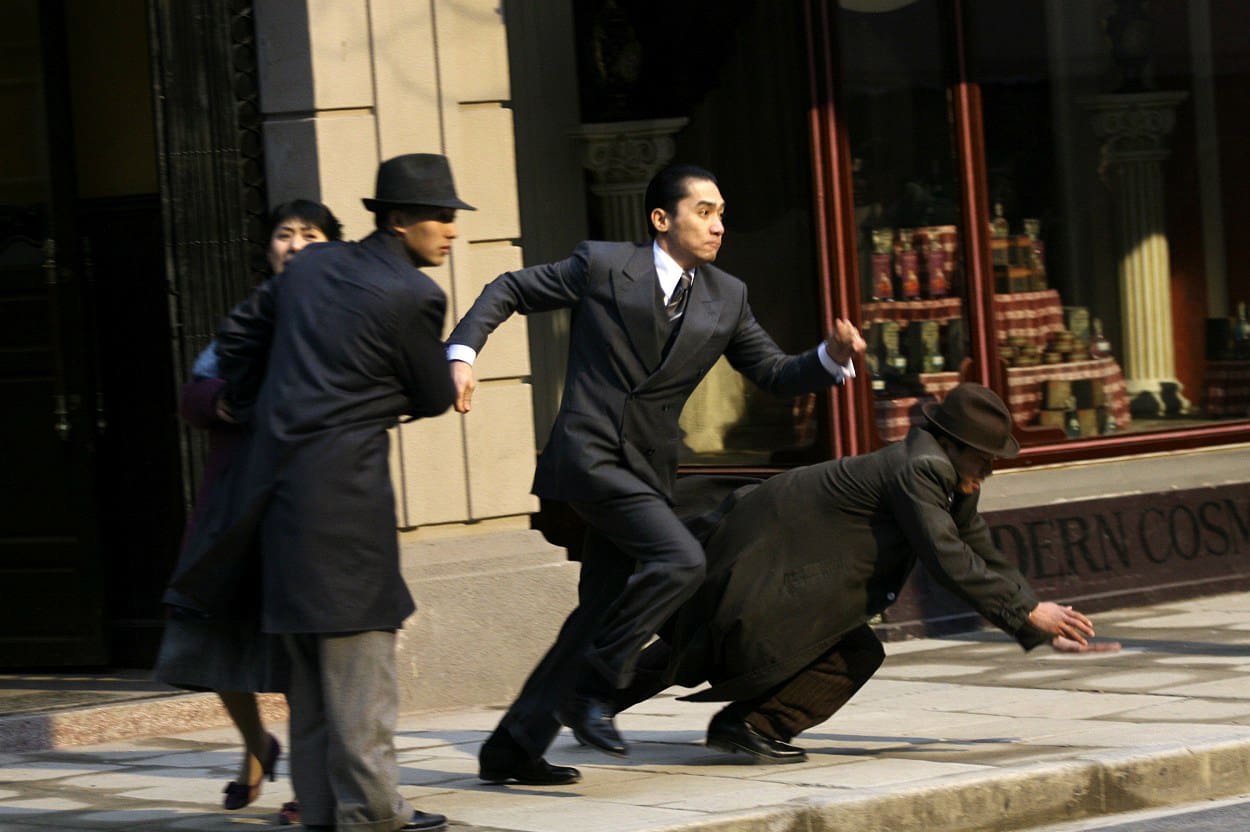
A university student turned reluctant spy infiltrates the life of a powerful collaborator official in Japanese-occupied Shanghai, tasked with seducing and assassinating him. What starts as an assignment curdles into something far more dangerous: real, consuming desire. Directed by Ang Lee, based on Eileen Chang’s novella, and starring Tony Leung Chiu-wai and newcomer Tang Wei — in a performance so raw it got her informally blacklisted in mainland China for a stretch — it’s explicit, controversial, and unforgettable. It won the Golden Lion in 2007, Ang Lee’s second (his first was Brokeback Mountain, though that one’s American), cementing him as one of the few directors Venice simply cannot quit.
Mad Detective (2007)
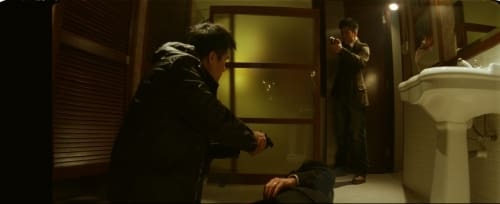
A brilliant but unhinged former detective, who sees people’s inner personalities as literal separate entities standing beside them, is recruited to help solve a missing persons case involving a corrupt cop with multiple hidden selves (as deranged as it sounds). Co-directed by Johnnie To and Wai Ka-fai, starring Sean Lau in a gloriously off-kilter performance and Andy On as the case’s central suspect. It was selected as Venice’s “surprise film” that year and screened in competition, a rare honour for a genre film this gleefully strange, though it went home without a prize.
A Simple Life (2011)
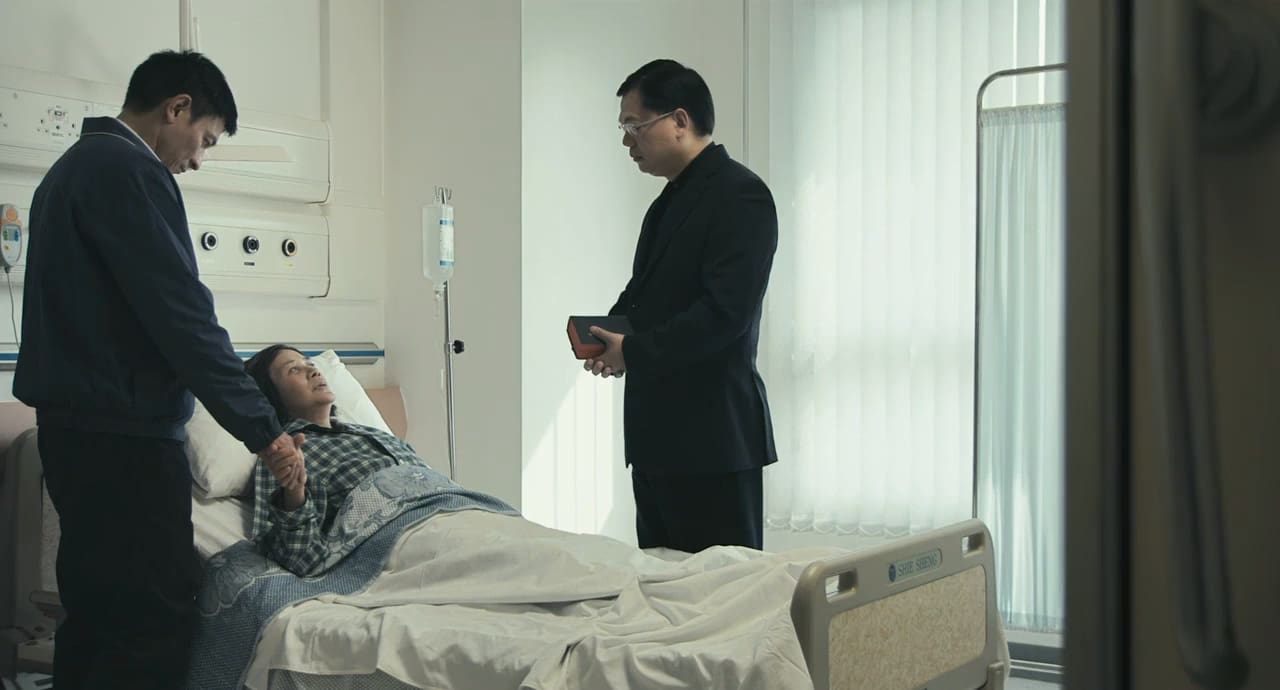
A devoted family servant, Ah Tao, has spent decades caring for the same family across generations. When she suffers a stroke, the youngest son she once raised steps in to care for her in return, in a deeply moving meditation on ageing, gratitude, and what family actually means. Directed by Ann Hui, starring Andy Lau and Deanie Ip, loosely based on a true story from producer Roger Lee’s own life, this is a film that trades melodrama for restraint. Deanie Ip won the Volpi Cup for Best Actress, an especially poignant win given the film is essentially a love letter to the unglamorous, underappreciated labour of care work.
Life Without Principle (2011)
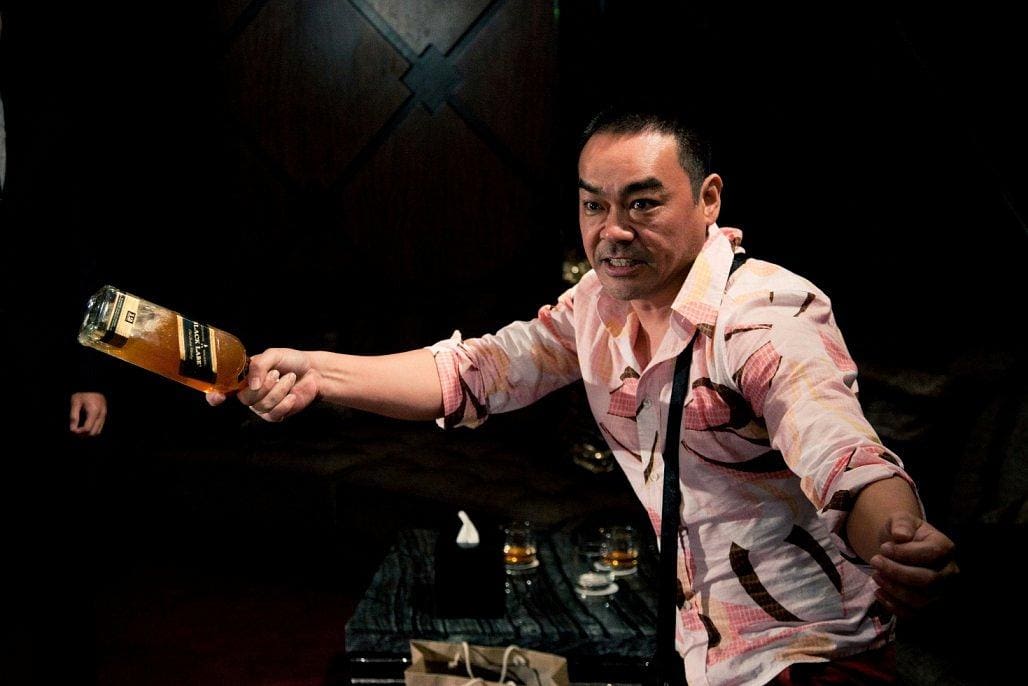
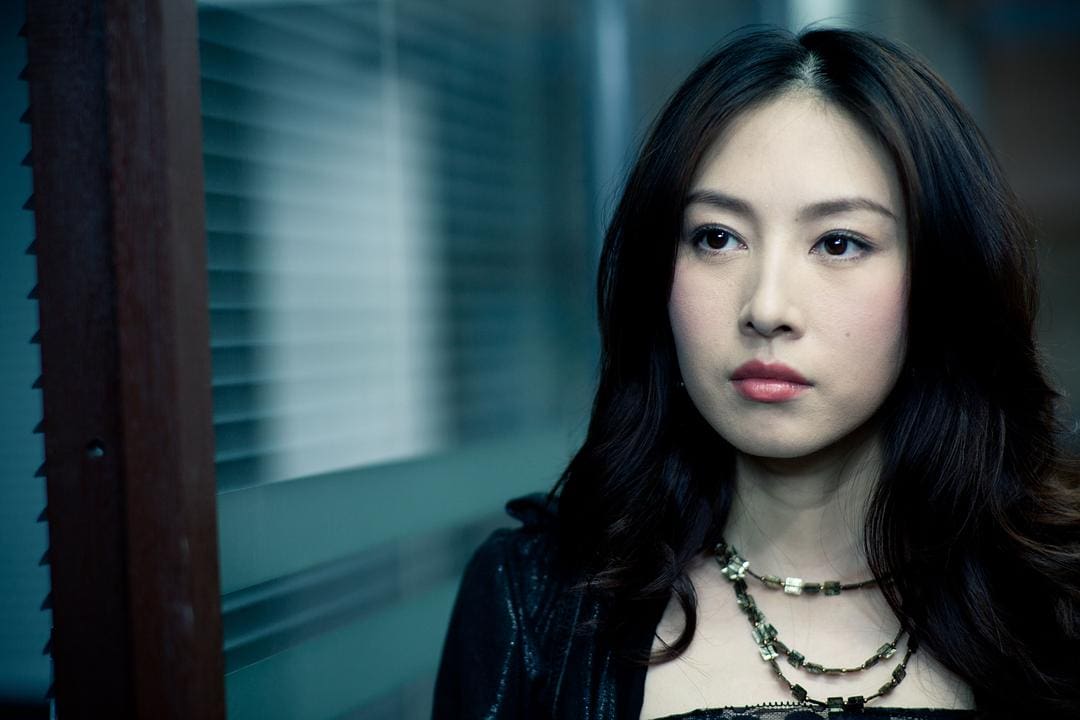
Three loosely connected stories: a bank employee under pressure to hit sales quotas, a low-level gangster trying to raise bail money for a friend, and a police inspector. They all collide during a single frantic day as the 2008 financial crisis ripples through Hong Kong’s streets and banks. Directed by Johnnie To, starring Richie Ren, Sean Lau, and Denise Ho, this is a rare film by To that trades bullets for spreadsheets, using the language of the crime thriller to talk about something arguably scarier: money. Despite not winning a trophy at Venice, it is a sharp, prescient piece of post-crisis filmmaking that holds up disturbingly well.
No. 7 Cherry Lane (2019)
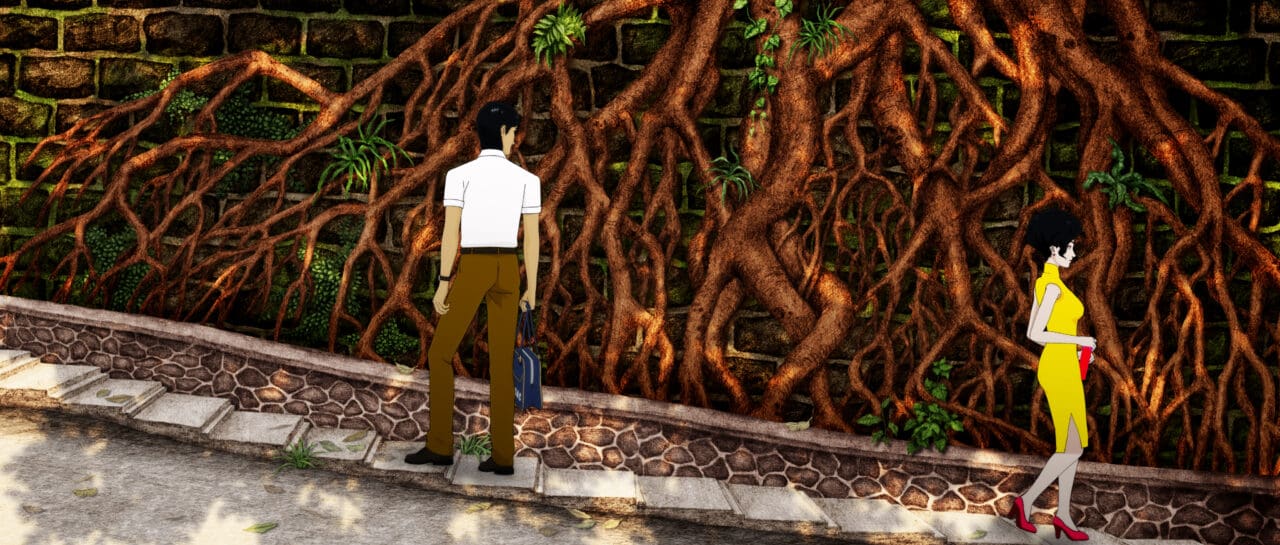
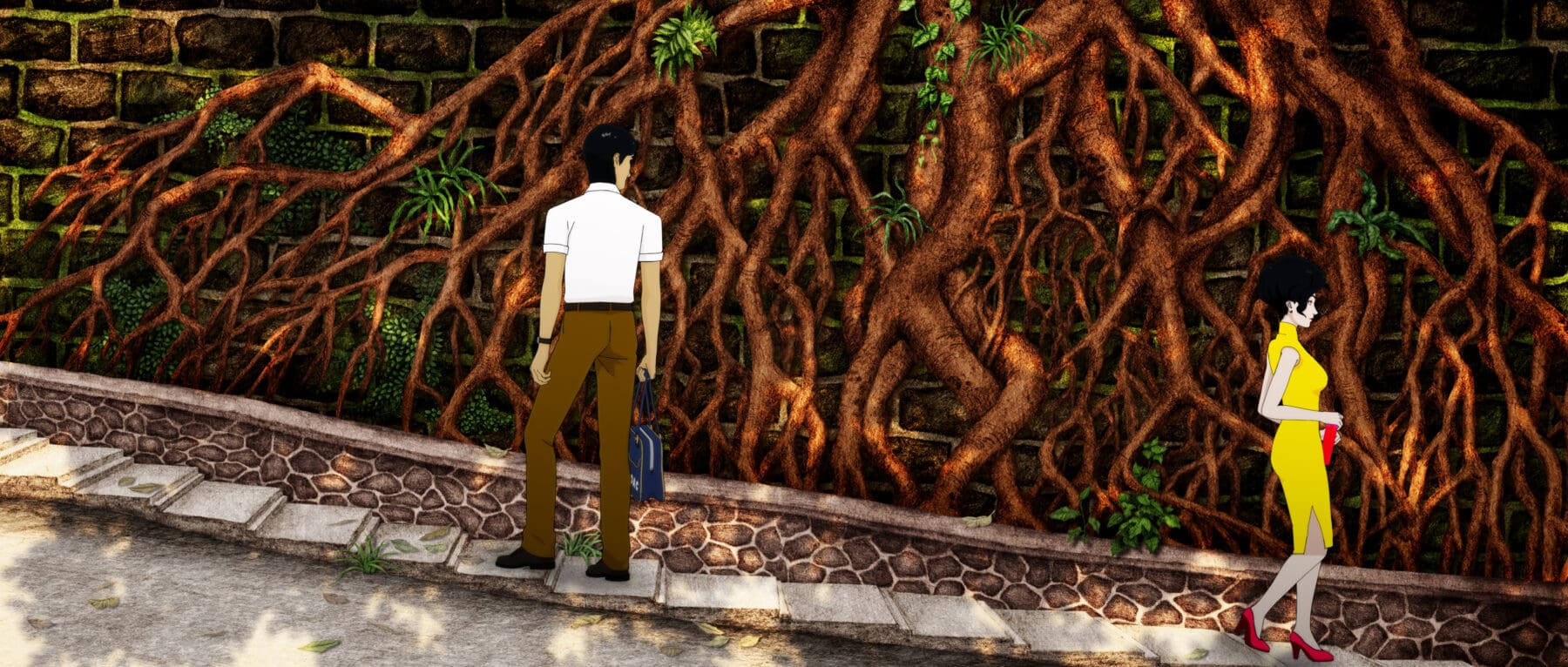
An animated fever dream set during the 1967 Hong Kong riots, following a university tutor drawn into a forbidden, tangled attraction to both his student and her mother — sensuous, strange, and steeped in cinephile references. Not your average animated feature. Written and directed by Yonfan, Hong Kong’s veteran provocateur, in his first feature after a decade away from filmmaking, with a voice cast that reads like Hong Kong cinema fantasy league: Sylvia Chang, Zhao Wei, Alex Lam, Daniel Wu, Ann Hui, Fruit Chan, and more. It won the Best Screenplay Award in 2019 and was selected to compete for the Golden Lion at the 76th Venice Film Festival, proof that Venice’s appetite for Hong Kong’s more experimental output hadn’t dulled one bit.
Love After Love (2020)
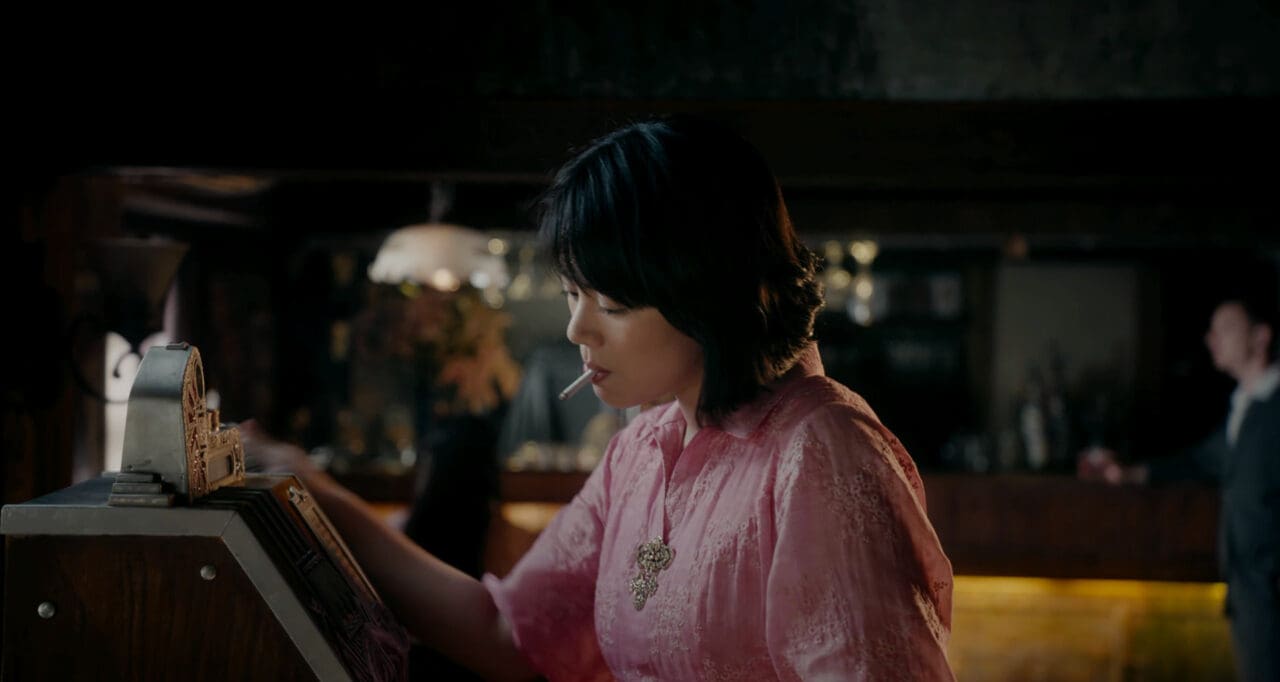
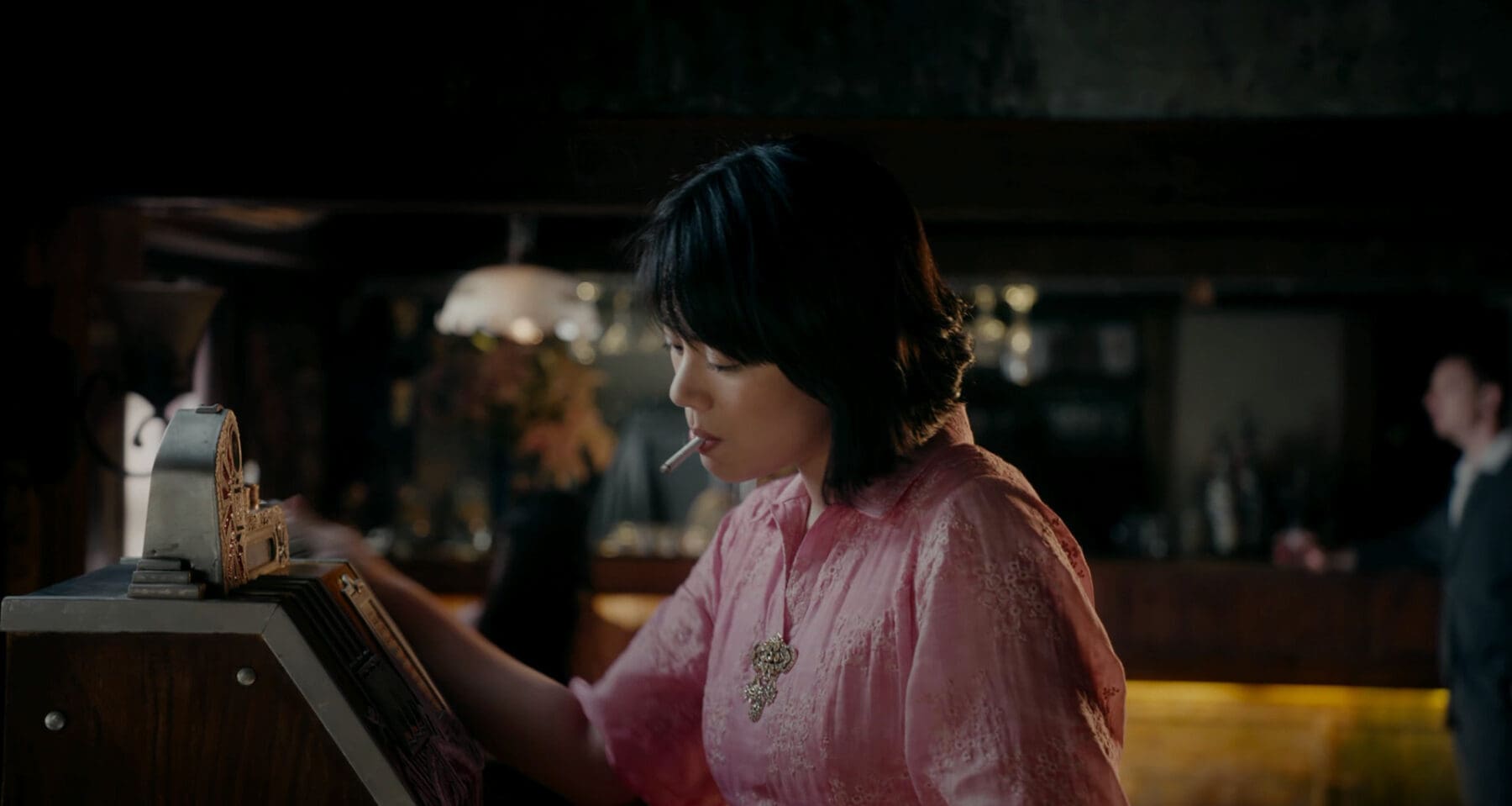
A young woman from Shanghai arrives in 1930s Hong Kong to live with her estranged, glamorously scandalous aunt, and finds herself gradually seduced by wealth, desire, and a charming, unreliable playboy, trading her innocence for a life she can’t quite control. Directed by Ann Hui, her third adaptation of an Eileen Chang work, starring Ma Sichun, Faye Yu, and Eddie Peng, with cinematography by Christopher Doyle and a score by Ryuichi Sakamoto, a genuinely stacked crew list. The film itself screened out of the competition, but Ann Hui was awarded the Golden Lion for Lifetime Achievement at the 77th Venice Film Festival, the first woman ever to receive the honour, a full-circle moment for a director whose first Venice appearance, nearly forty years earlier, was a quiet refugee drama with barely a hint of the acclaim to come.

Editor
Bianca LoCredit
Lead Image: IMDb