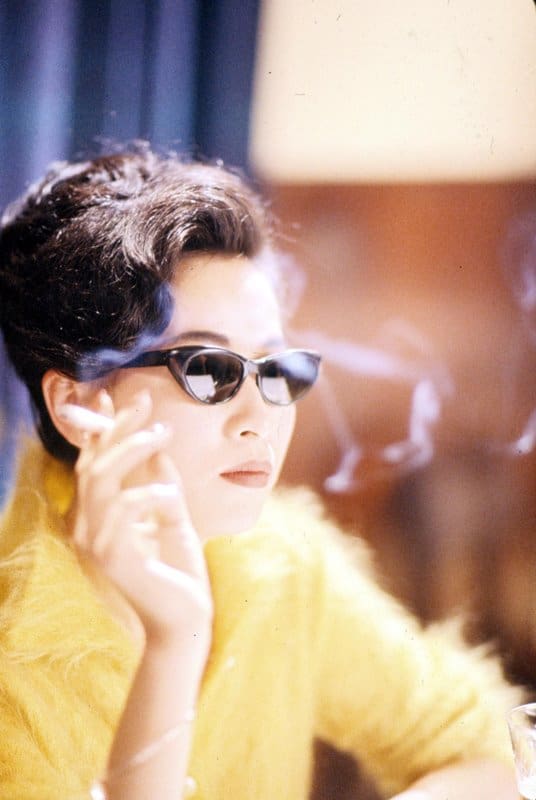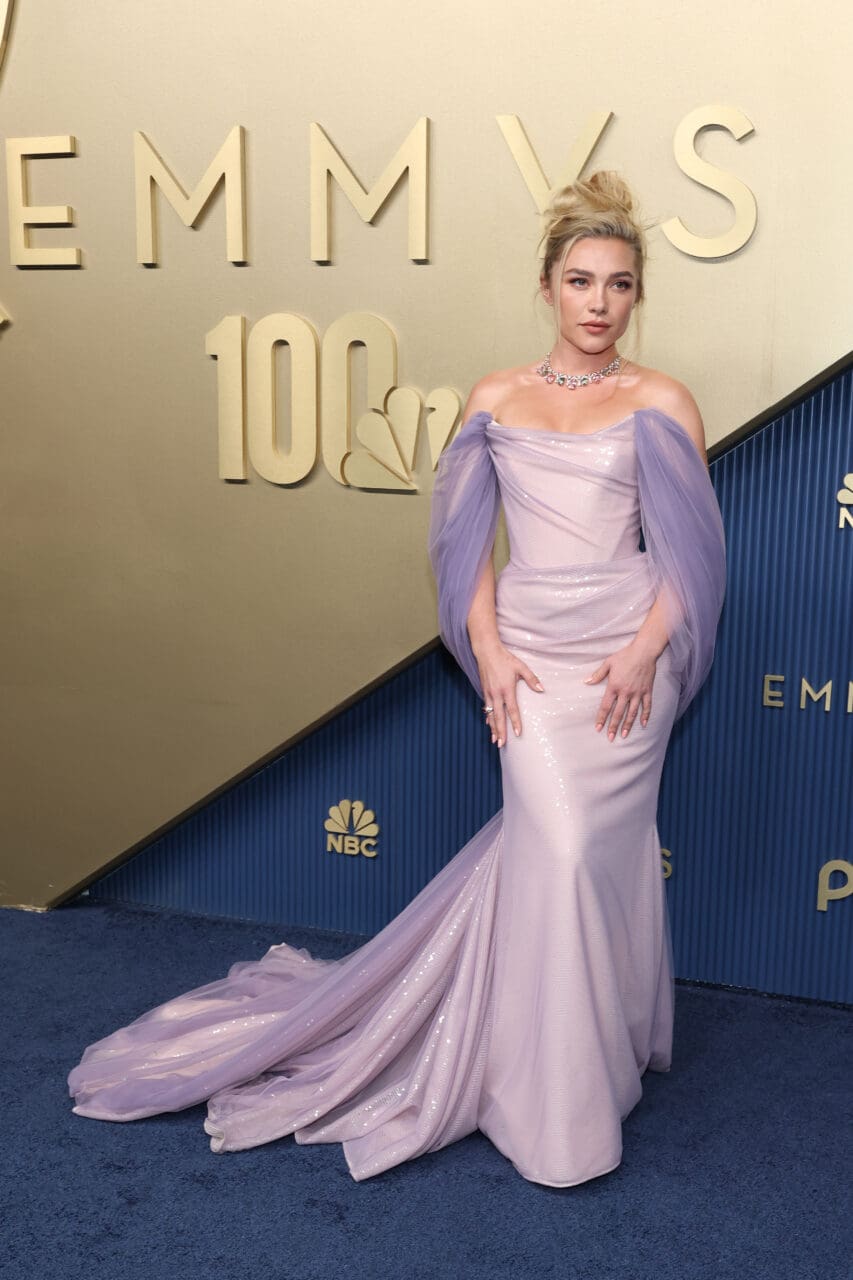


I have a theory that the best fashion inspiration is rarely found on a runway. Sometimes, it’s the fictional cool girl you’ve been thinking about for days, all because she wore one really good coat.
There are fashion films in the obvious sense —The Devil Wears Prada, Clueless, Cruella — the ones where clothes are practically part of the plot. Then there are films that let the clothes do their work in the background. A coat becomes a character trait, a swimsuit defines an entire summer mood, and a perfectly controlled colour palette tells you almost everything you need to know about the woman wearing it.
From Catherine Deneuve’s polished Parisian silhouette to Jane Birkin’s Riviera insouciance and Gwyneth Paltrow’s pared-back 90s looks, cinema has always known how to make clothes feel like a fantasy. Here are the films that make you want to pause the screen, zoom in on the outfit and quietly reconsider everything in your wardrobe. Call it fashion research, call it escapism — either way, I know what I’m rewatching tonight. Consider your Letterboxd officially under review.
1. Belle de Jour (1967)
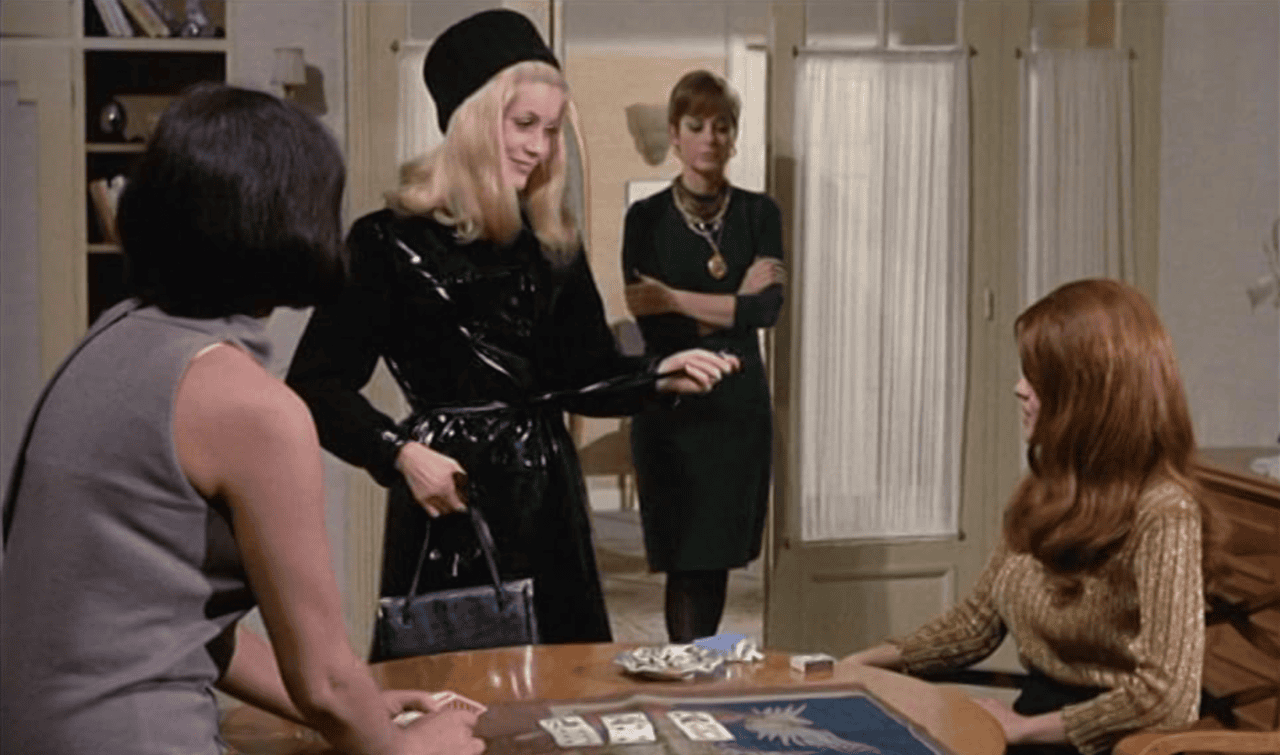
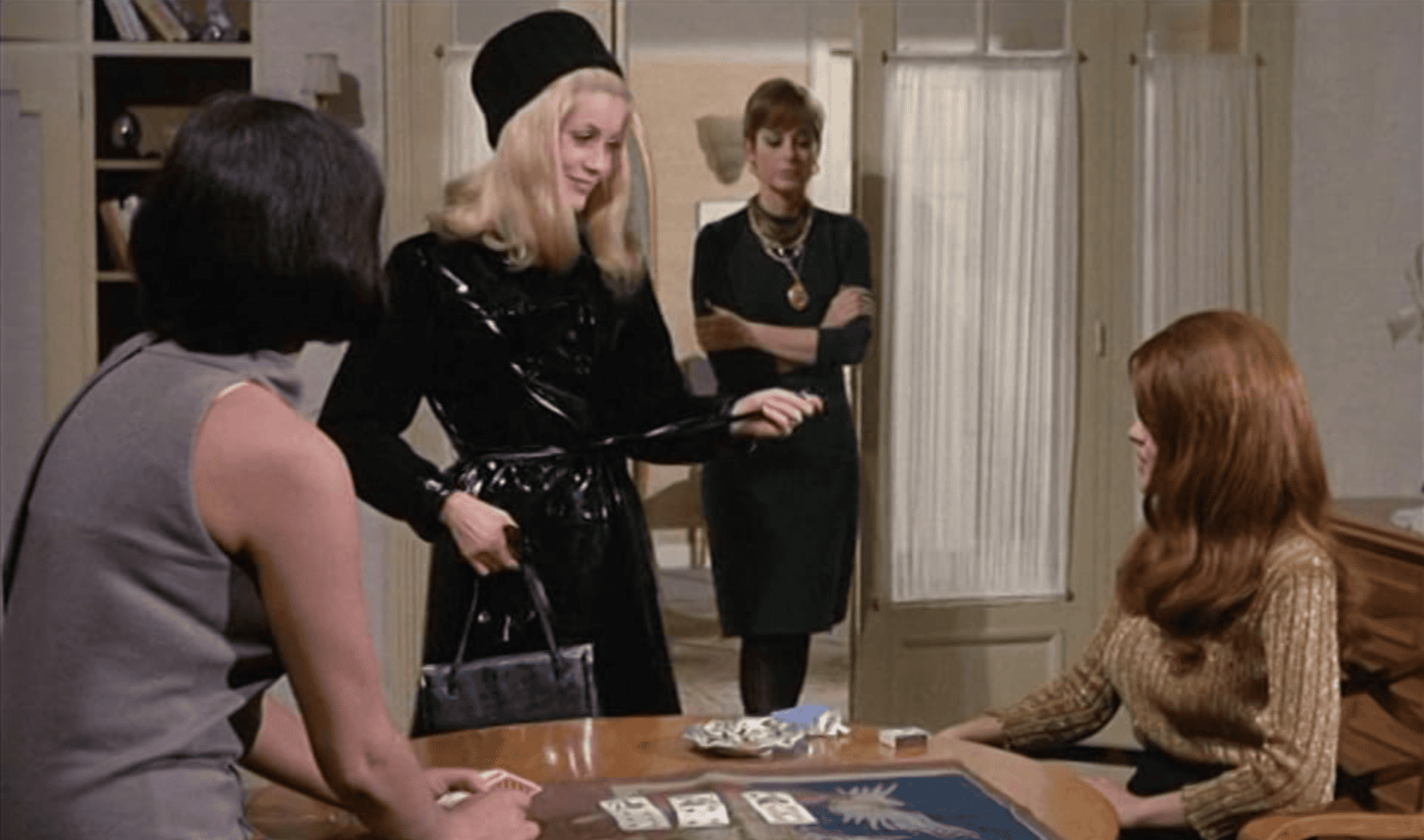
If your idea of getting dressed involves a black patent shoe, a proper coat and just the right amount of mystery, start right here. Luis Buñuel’s 1967 film follows Séverine (Catherine Deneuve), a bored Parisian housewife whose seemingly perfect life hides a more complicated secret . Designed by Yves Saint Laurent, her wardrobe reveals far more than she ever says aloud, turning every outfit into a clue. The YSL Parisienne is not simply beautiful; she is psychological.
Prim, polished and perfectly composed, she wears kitten heels, vinyl trench coats and buttoned-up silhouettes that make everything seem controlled and proper, which only lets the sensuality beneath it feel that much more powerful. It is the push and pull between restraint and desire that makes the wardrobe so unforgettable, as she looks like the picture of innocence while quietly living an entirely different fantasy. This might just be the proof that looking innocent and being innocent are two very different things. After all, the best looks always leave a little to the imagination.
2. La Piscine (1969)
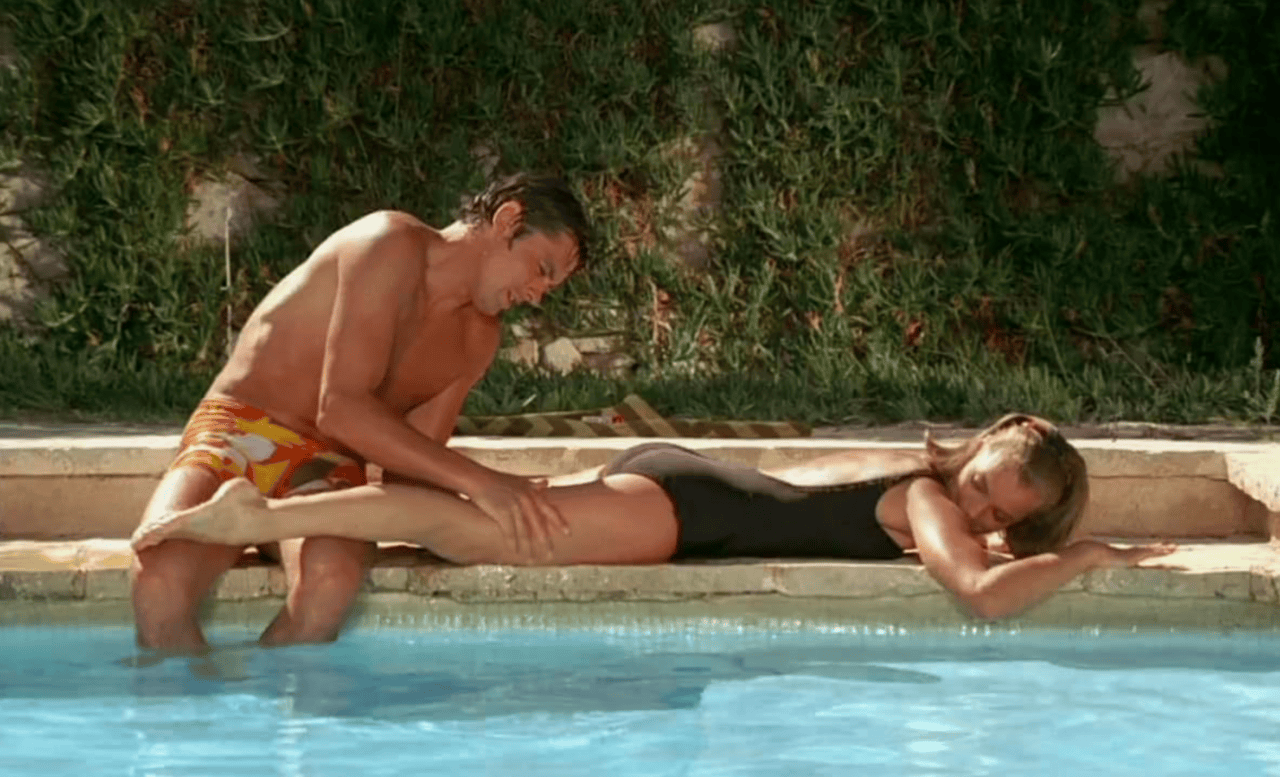
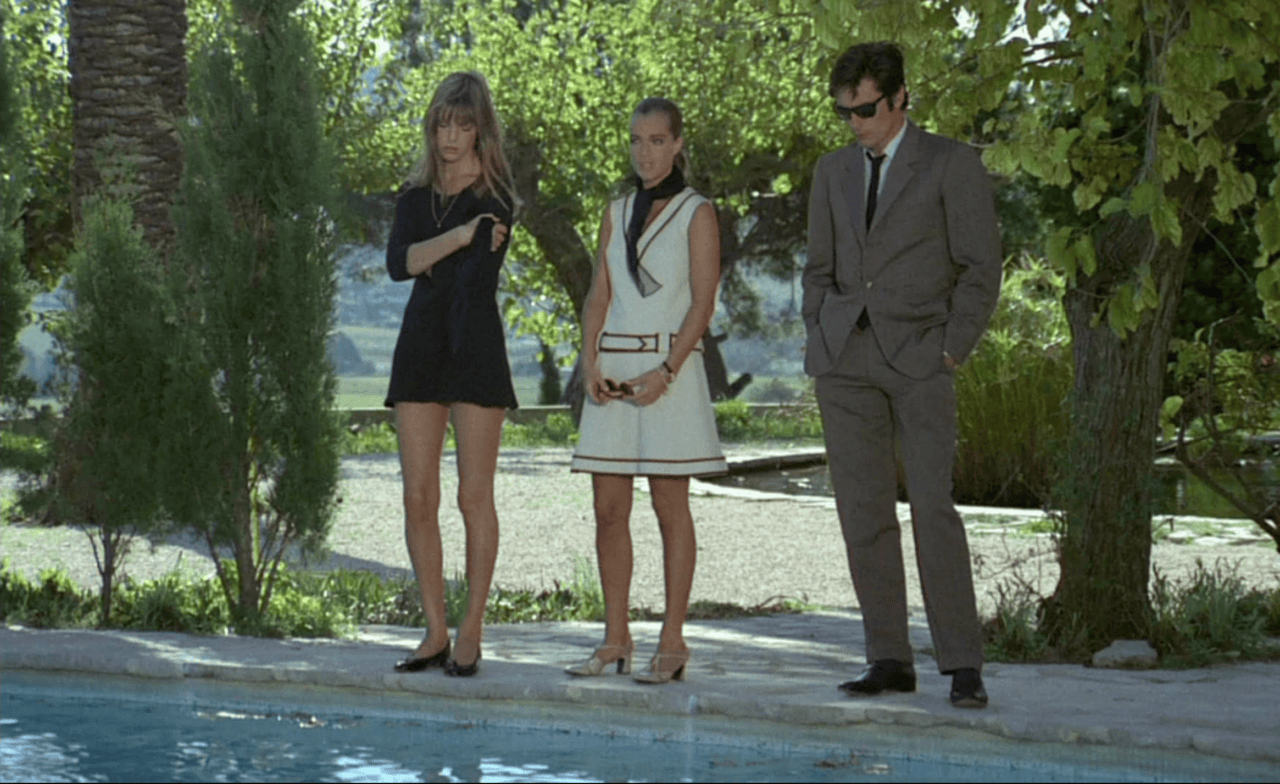
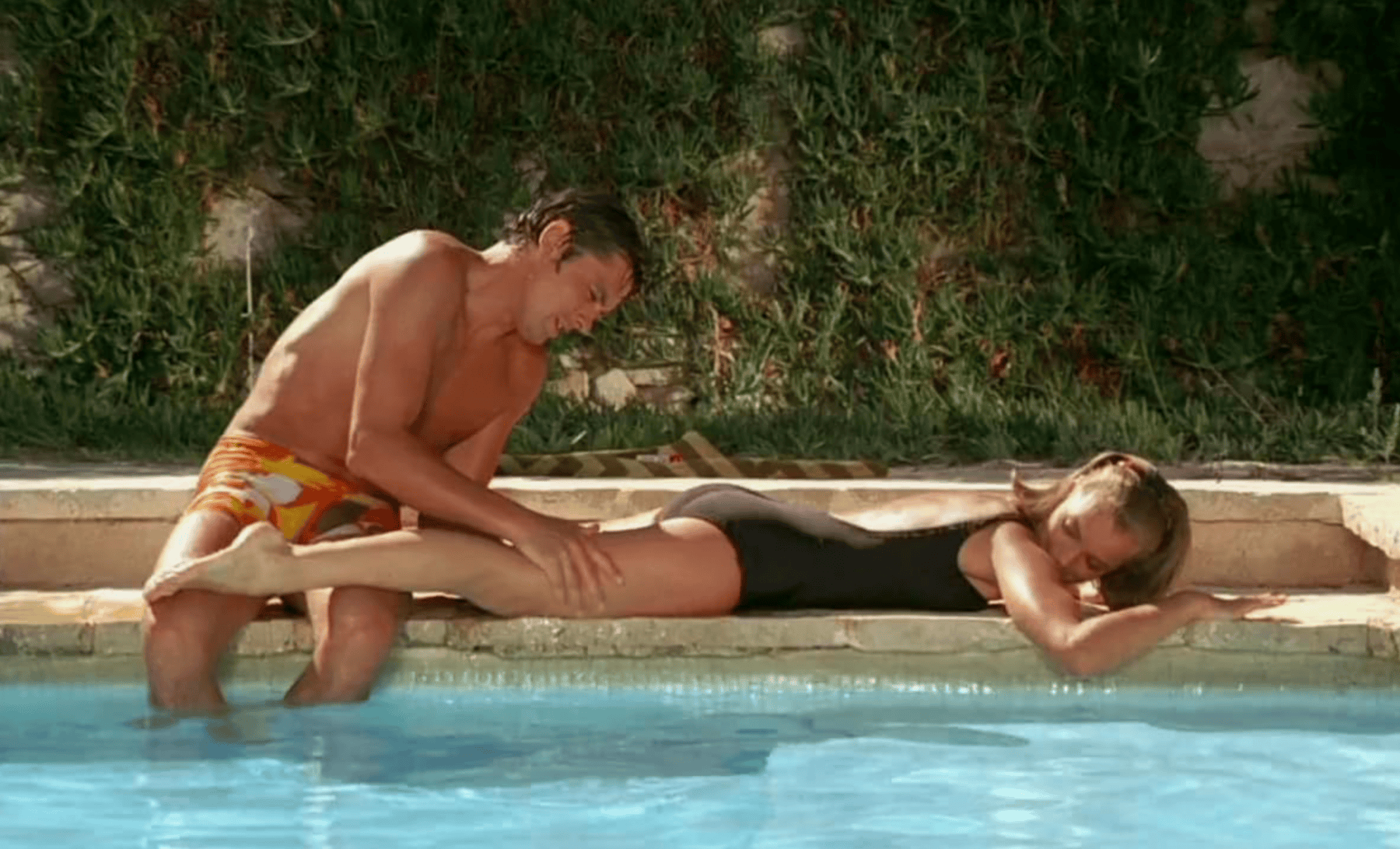
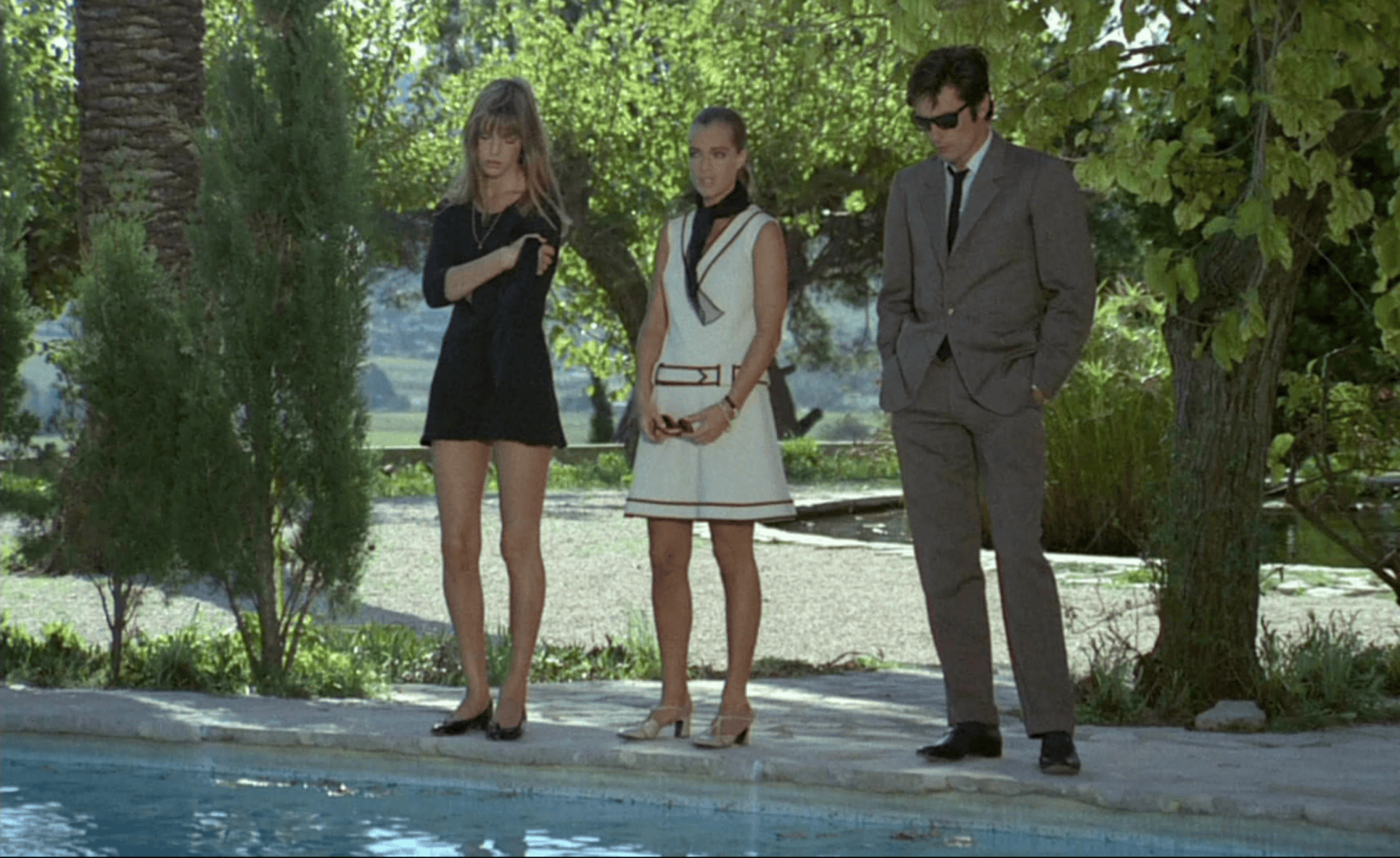
Be ready to pack your tiniest swimsuit, a crochet skirt and a one-way ticket to the South of France. Set against the sun-drenched backdrop of the French Riviera, Jacques Deray’s 1969 film is practically a masterclass in summer dressing for your next Euro-summer. This was Call Me by Your Name before Call Me by Your Name: the saturated colours, the sun-drenched pool, the simmering tension and, of course, Alain Delon. While Jane Birkin appears in the chicest looks by André Courrèges, Romy Schneider brings her own brand of sophisticated riviera glamour that makes every scene feel warmer. Together, they capture two very different versions of summer style: one youthful and undone, the other sleek and polished, but both conjuring the same feeling of salty air and sun-warmed skin.
Their costumes feel effortlessly carefree: swimsuits, bare legs, crochet, short silhouettes and pieces that look as though they were thrown on between dips in the pool. But beneath the apparent nonchalance is a very particular 60s fashion language. The sweet spot is to be sensual without being overworked, and polished without ever feeling fussy. In other words, this might just be the OG off-duty wardrobe for summer.
3. Charade (1963)
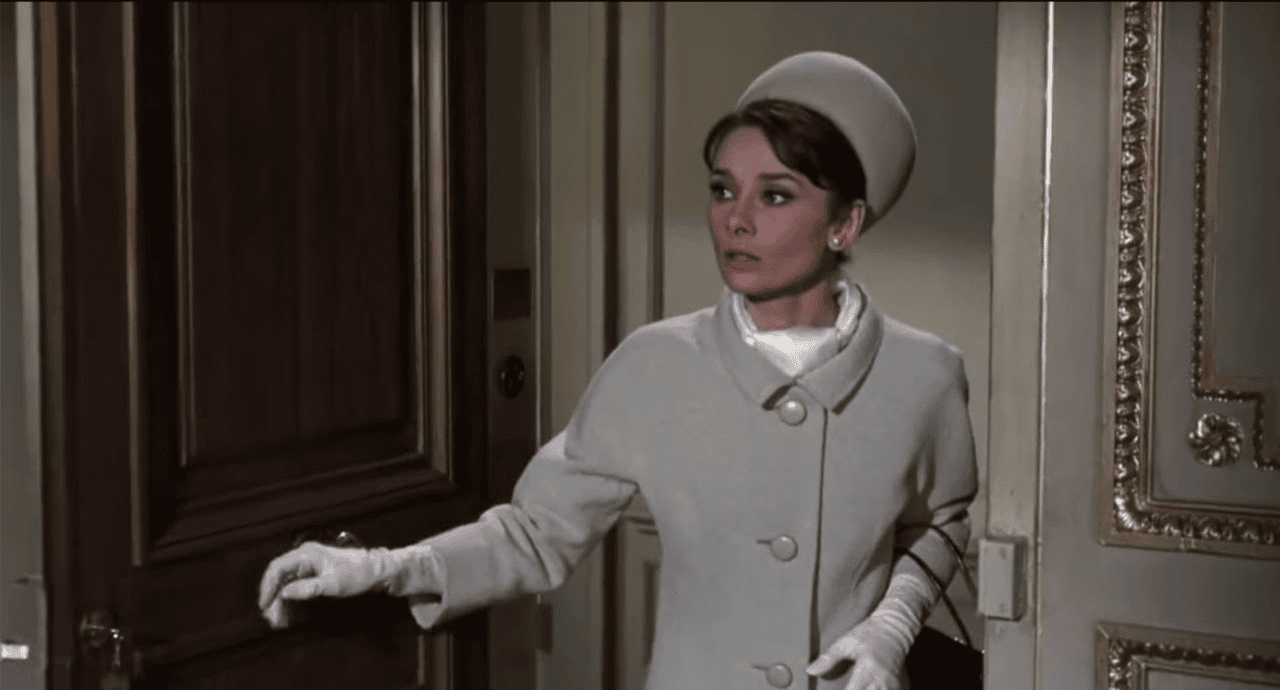
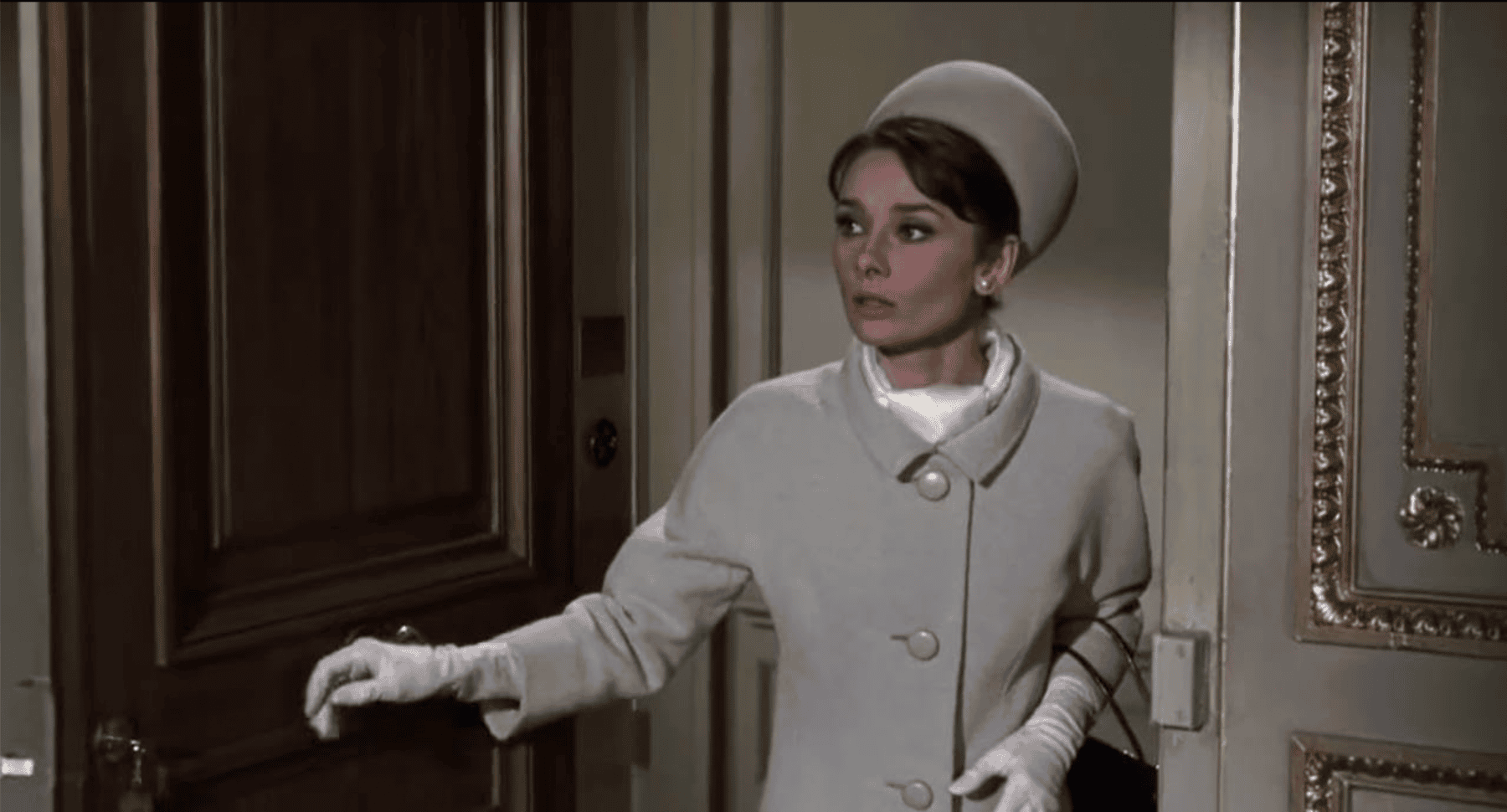
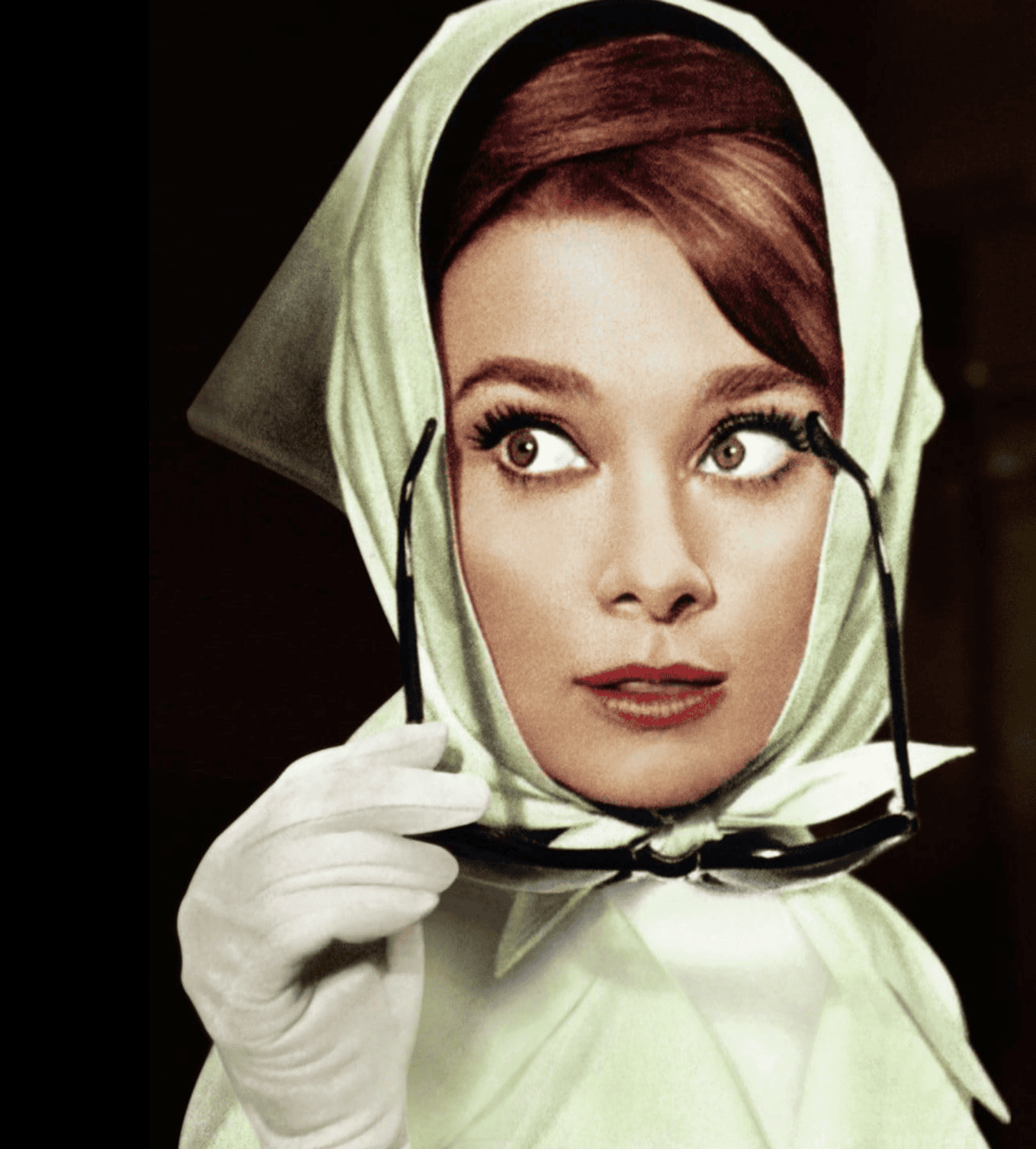
Audrey Hepburn and Hubert de Givenchy were a match made in fashion heaven, and Charade could very well be their ultimate screen romance. For me, it’s the kind of film that belongs on every winter watchlist. Charade pulls you in every direction possible, throwing you from one scene to the next until you have absolutely no idea who to trust. Somehow, you’re left feeling equally disoriented and amused, and that is exactly why I keep coming back to it. Starring alongside Cary Grant, Hepburn slips effortlessly into a wardrobe of Givenchy: precise, elegant, and entirely in control, even when the plot is anything but. Hepburn has long been a muse of Givenchy, and every coat, glove and headscarf seems to confirm why, making this legendary duo a part of fashion history.
Every detail of her cropped coats, gloves and beautifully cut separates feels deliberate but never fussy, looking as convincing on the streets of Paris as it does in a thriller. Often called the best Hitchcock film Hitchcock never made, Charade gets exactly the right dose of intrigue from the designer, whose precise tailoring only adds to the mystery. All I can say is, when in doubt, add Givenchy and a pair of sunglasses.
4. What a Way to Go! (1964)
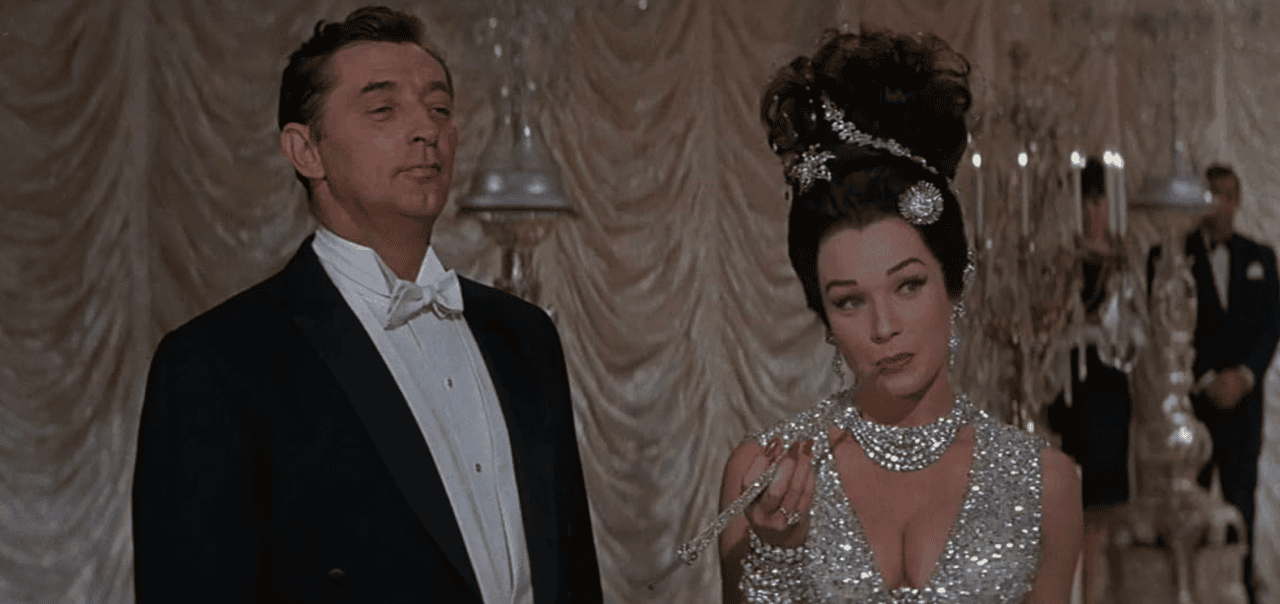
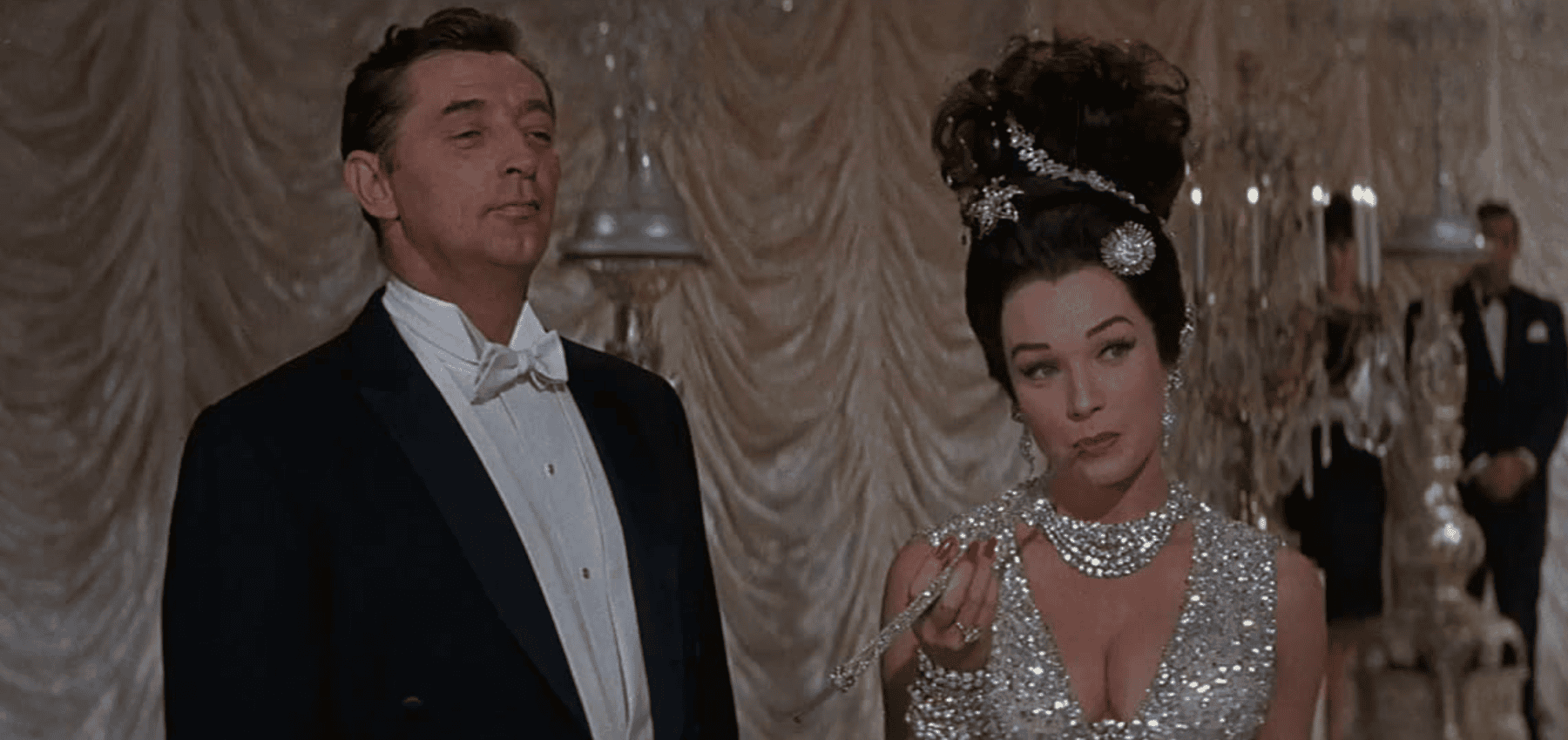
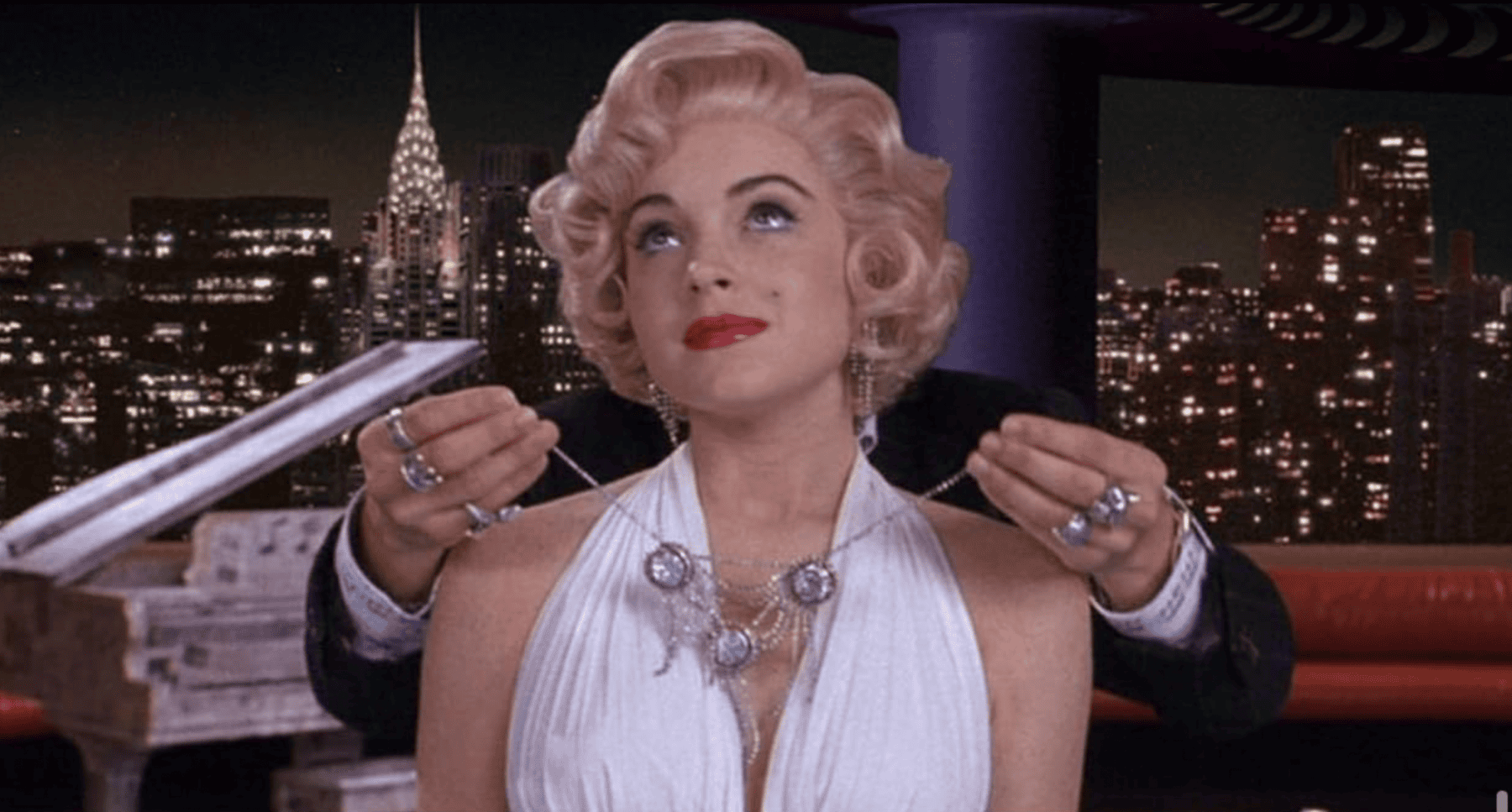
Minimalism never stood a chance against What a Way to Go!. Directed by J. Lee Thompson, the 1964 comedy follows Shirley MacLaine through a succession of increasingly extravagant marriages, and even more extravagant wardrobes. Costume legend Edith Head lets her imagination run wild, sending the wardrobe through an almost absurd parade of colour, texture and silhouette. Each outfit feels like a new chapter in the character’s fantasy life, with the clothes becoming bigger, brighter and more theatrical as the plot unfolds.
But behind all that glamour, What a Way to Go! is one big satire of the American Dream. Wealth, ambition and success are treated less like things to aspire to and more like an increasingly ridiculous spectacle. In a film that refuses to take excess too seriously, Edith Head’s creative vision fits right in.
This is fashion as pure spectacle at its finest: playful, theatrical and gloriously excessive. When too much is quite literally the point, you can never overdo it. There is no attempt to make the wardrobe practical or subtle, and thank goodness for that! After all, if you are going to make an entrance, you might as well commit.
5. Marie Antoinette (2006)
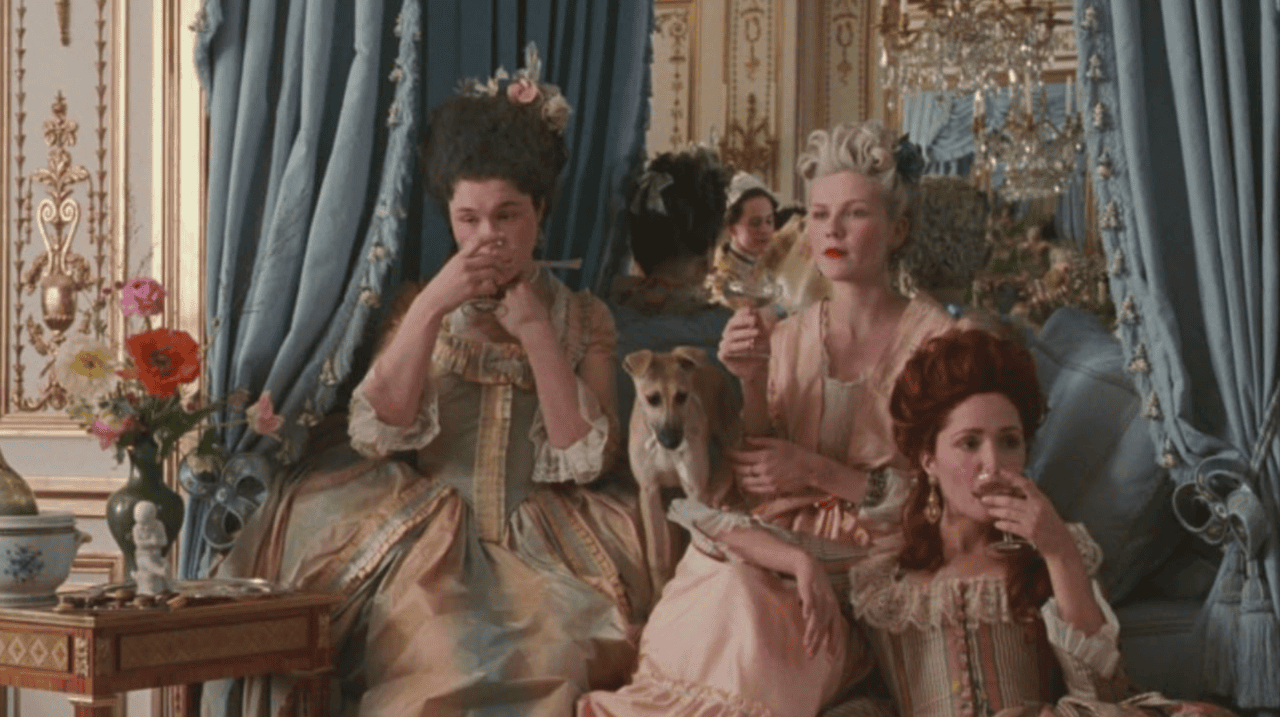
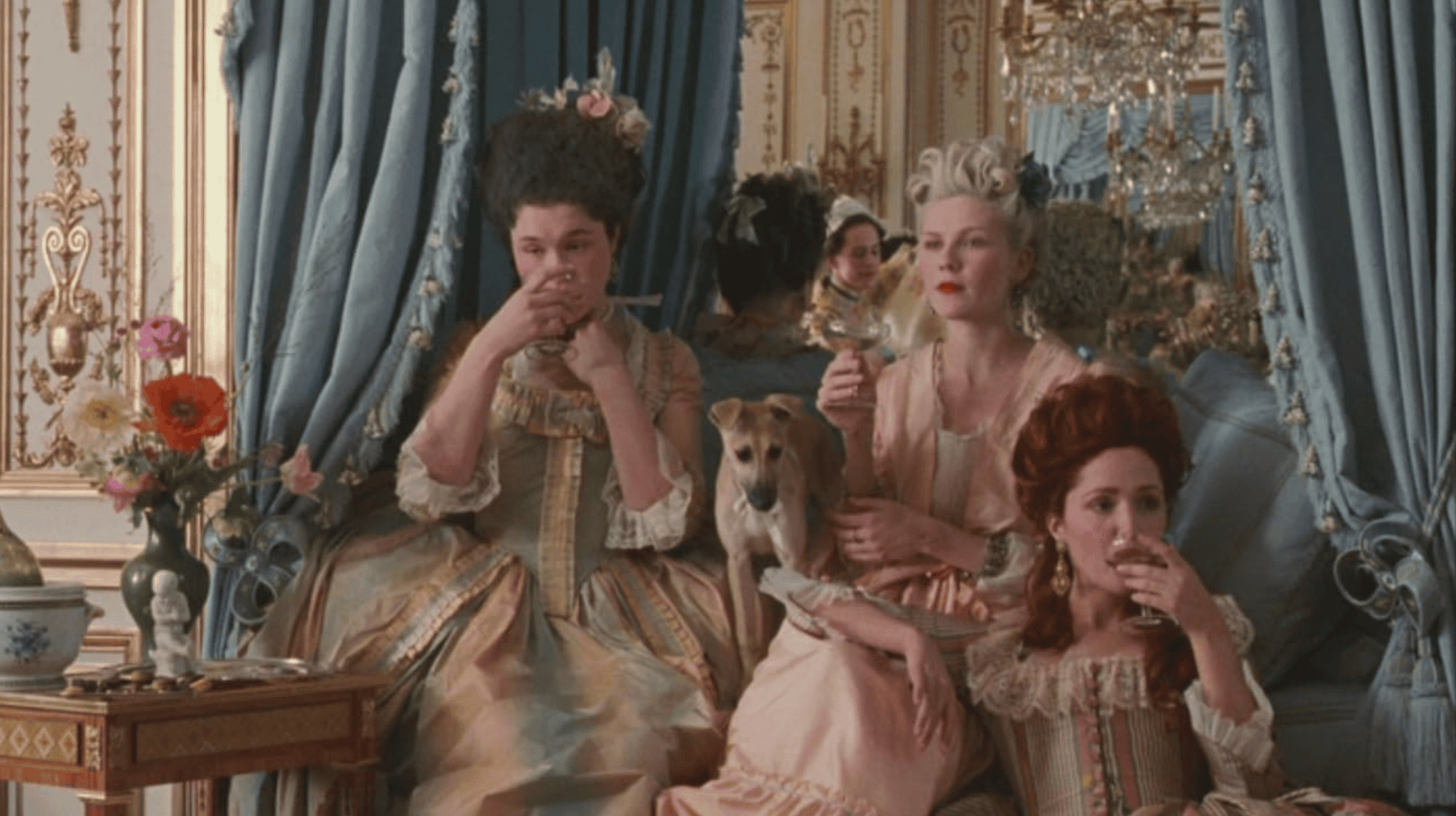
Cake, corsets, embellished gowns and Manolo Blahniks, need I say more? Marie Antoinette is history through a fashion-cool-girl lens, with Sofia Coppola turning the French court into a pastel dream of excess, romance and enough fabulous shoes to make a minimalist feel slightly unwell. The palette is sugary, but the mood is more complicated, capturing the loneliness and absurdity of a young woman being turned into a symbol. Under all that luxury is the uncomfortable reality of how quickly it can become a kind of confinement.
Coppola understood Versailles better than the historians did, or at least that’s how it feels. She was never trying to make a history documentary; this was her interpretation, driven by a desire to capture what it actually felt like to be in the palace. The suffocation of Versailles, the pressure of being watched and the loneliness of being a teenager in a world where everyone has an opinion of you all seep through the sugary surface. Even the modern soundtrack reinforces the point: beneath the corsets and crowns, Marie Antoinette was still a teenage girl trying to figure herself out.
Manolo Blahnik designed the delicate shoes, Fred Leighton supplied millions of dollars’ worth of fine jewellery and the costumes were designed to feel more dreamlike than documentary. Rather than offering a strict historical recreation, the film imagines the 18th century through Coppola’s modern fantasy of it. Every detail is heightened, softened and made much more delicious. For anyone who believes there is no such thing as too many ribbons, bows or frills, this one’s for you.
6. 3 Women (1977)
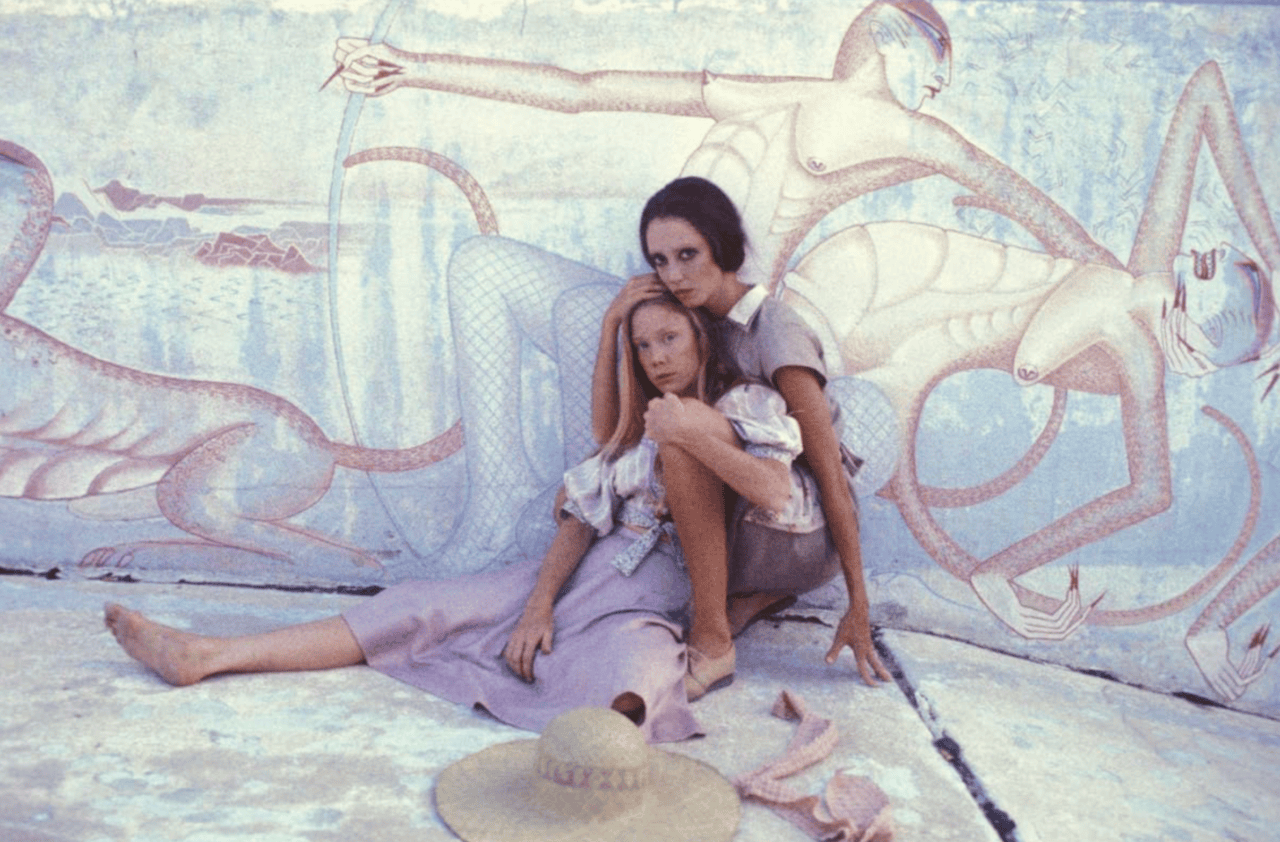
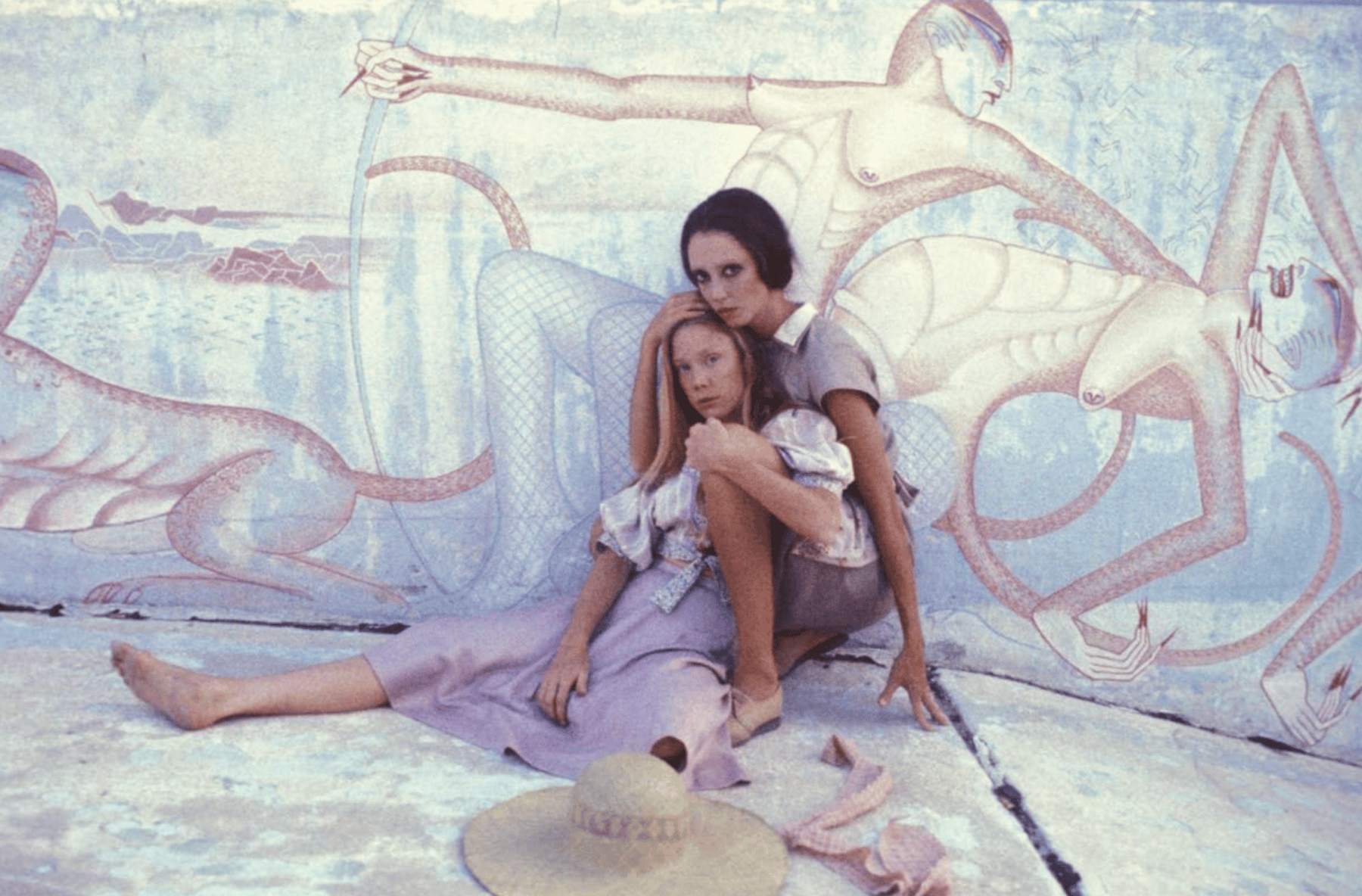
Not every fashion film needs an it-girl; sometimes, it just needs a strange colour palette and an identity crisis. Millie (Shelley Duvall) and Pinky (Sissy Spacek) begin as two distinct women, but their identities gradually overlap as Robert Altman’s surreal 1977 drama unfolds. The film creates a hazy, dreamlike universe where colour, costume and character become almost impossible to separate. For Duvall’s character in particular, the wardrobe feels like a projection of an ideal: eclectic, kitschy and unmistakably 70s. It is the ultimate weird girl closet in the best way possible. As identities begin to blur, the clothes seem to have an identity crisis of their own.
With pastels, patterns and carefully coordinated looks establishing the film’s strange visual universe, the shifting identities of its characters make clothing feel less like decoration and more like a way of imagining a different self. It leaves us with the most important question of all: who do you want to be, and what would she wear? Maybe, ultimately, clothes reveal less about who someone is and more about who she wishes she could be.
7. Sliding Doors (1998)
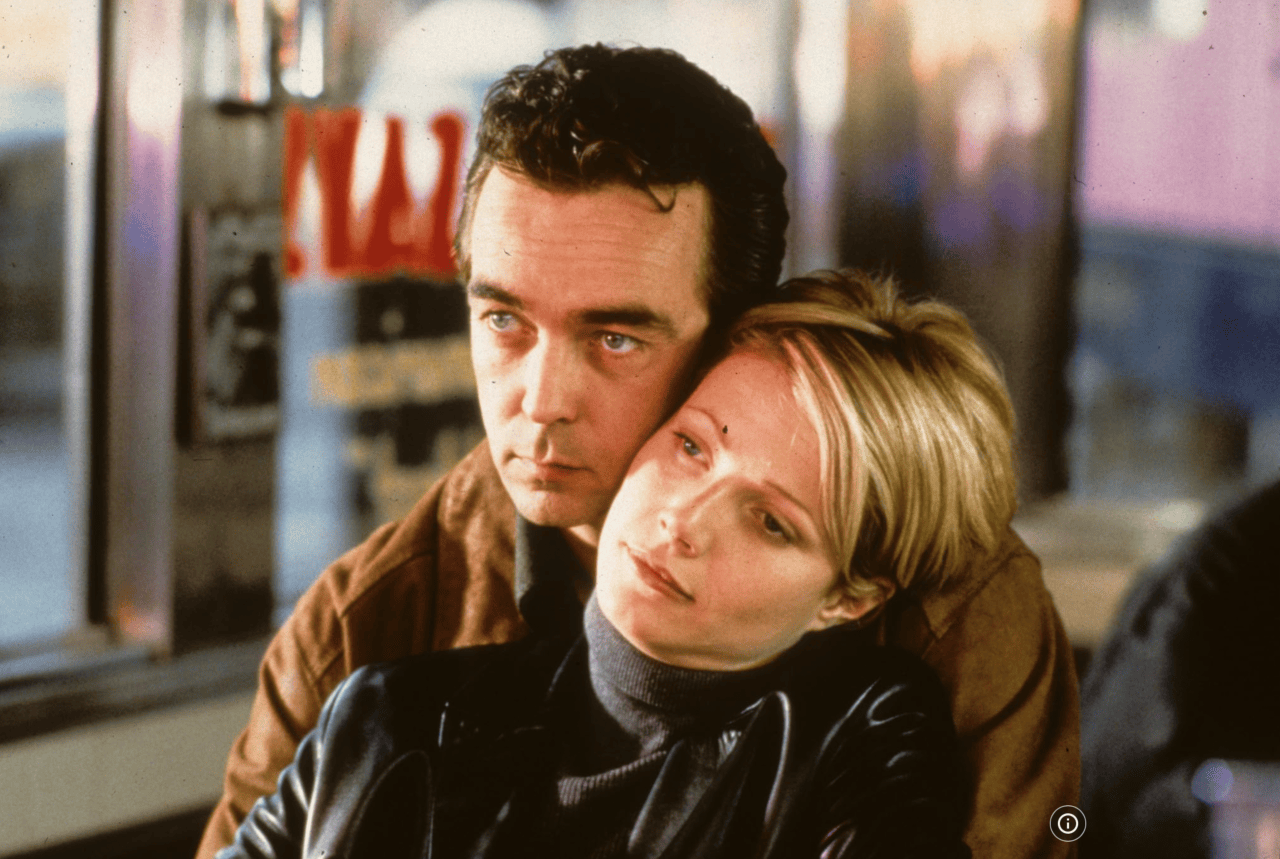
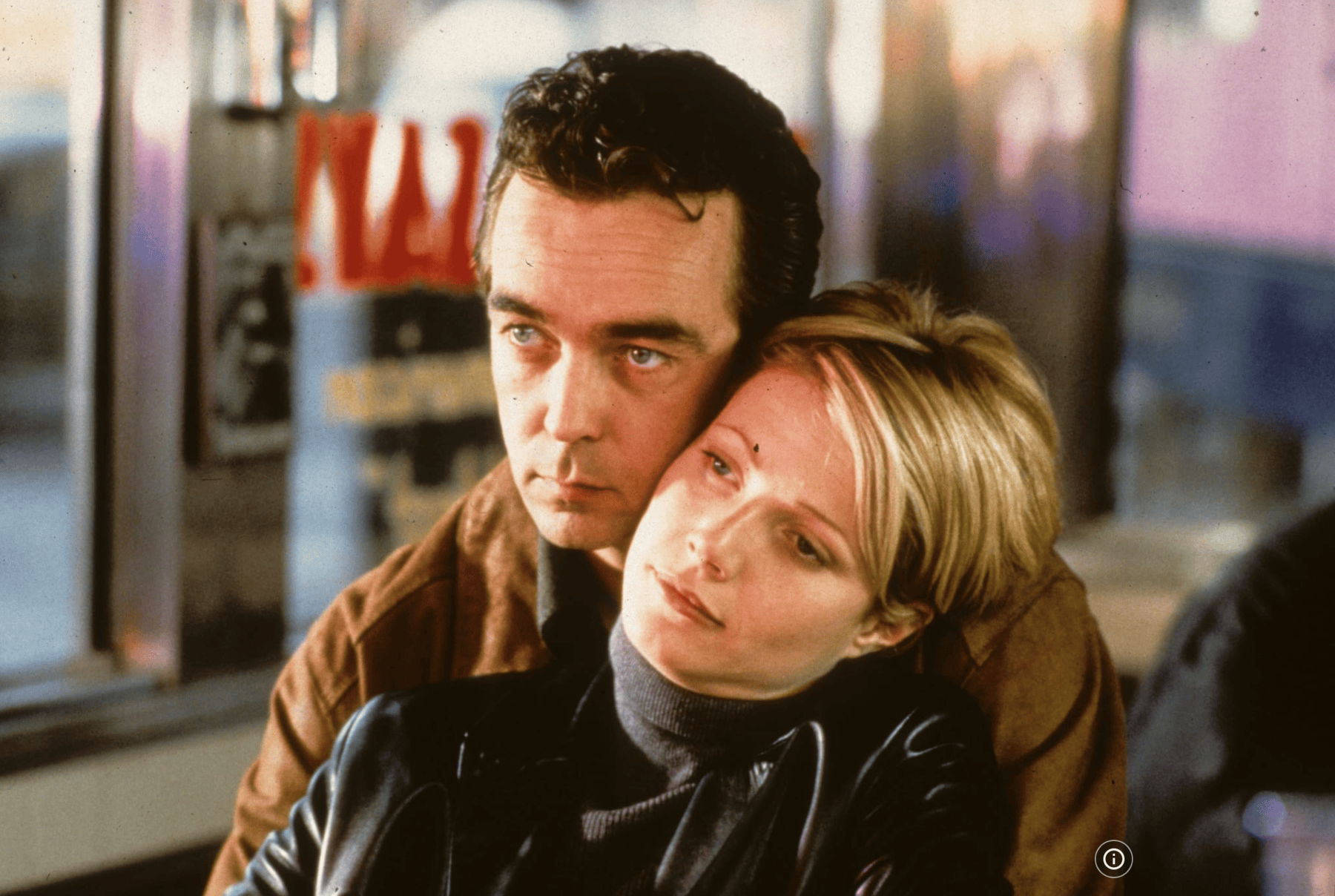
After all that colour, excess and maximalism, it’s time to strip things back. Before “quiet luxury” became a buzzword, there was Gwyneth Paltrow in Calvin Klein, making the case for 90s minimalism long before we gave it a trendy name. Peter Howitt’s 1998 romantic drama splits Paltrow’s character, Helen, into two parallel lives after she catches and misses the same train, with each version of Helen having her own wardrobe. The clothes become a subtle way of telling the two stories apart: a change in silhouette, styling or even a tiny detail can hint at confidence, circumstance and where a life might be headed.
Clean lines, simple dresses, sleek tailoring and pared-back separates capture the Calvin Klein-era minimalism that defined the decade. It is restrained, elegant and quietly memorable, with the kind of simplicity that is much harder to achieve than it looks. But the real lesson is in what’s missing: no unnecessary embellishment, no complicated styling, nothing fighting for attention. Sliding Doors is a useful reminder that minimalism doesn’t have to mean boring. In fact, there is something particularly chic about an outfit that looks like you barely thought about it, even if making it look that way takes quite a bit of thought. Perhaps that’s the real trick to 90s minimalism: putting in the effort without ever letting it show.
8. Confessions of a Teenage Drama Queen (2004)
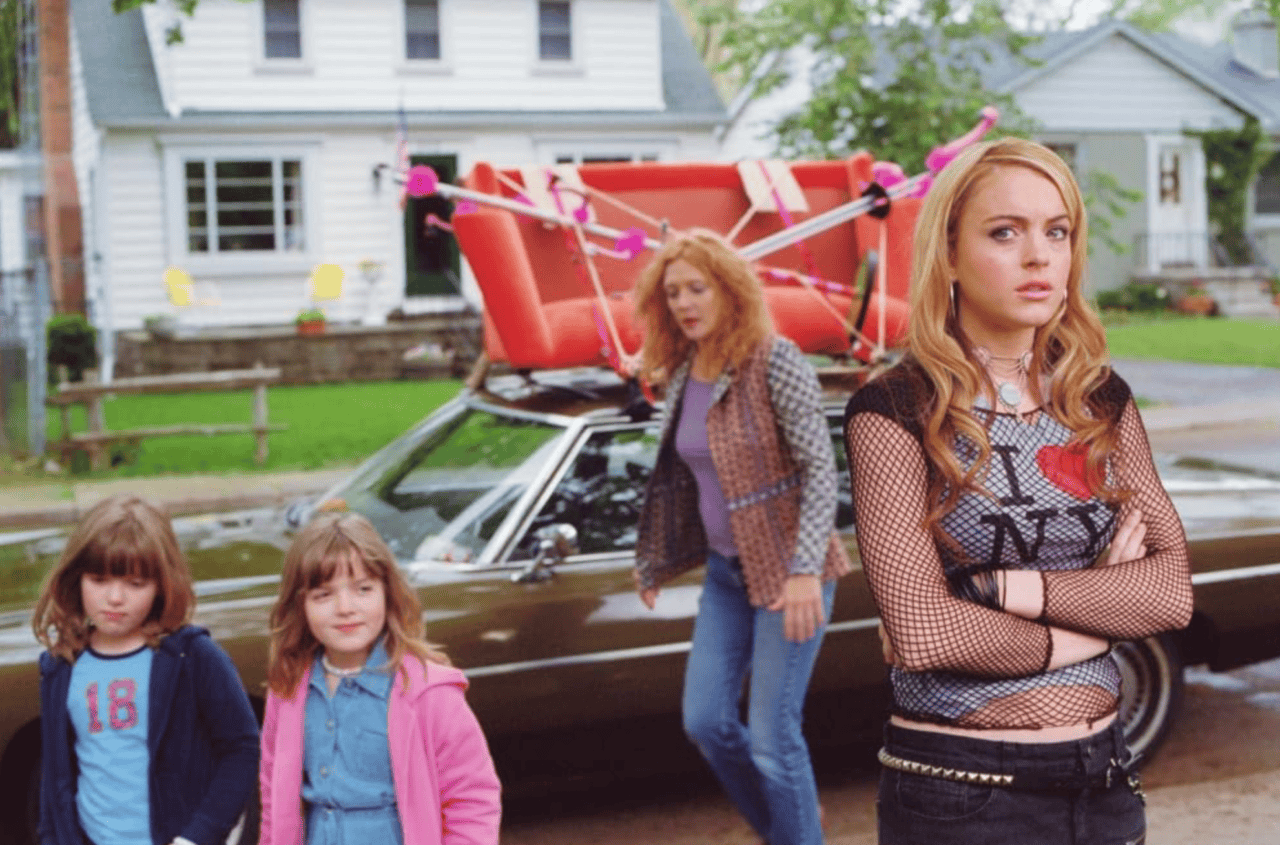
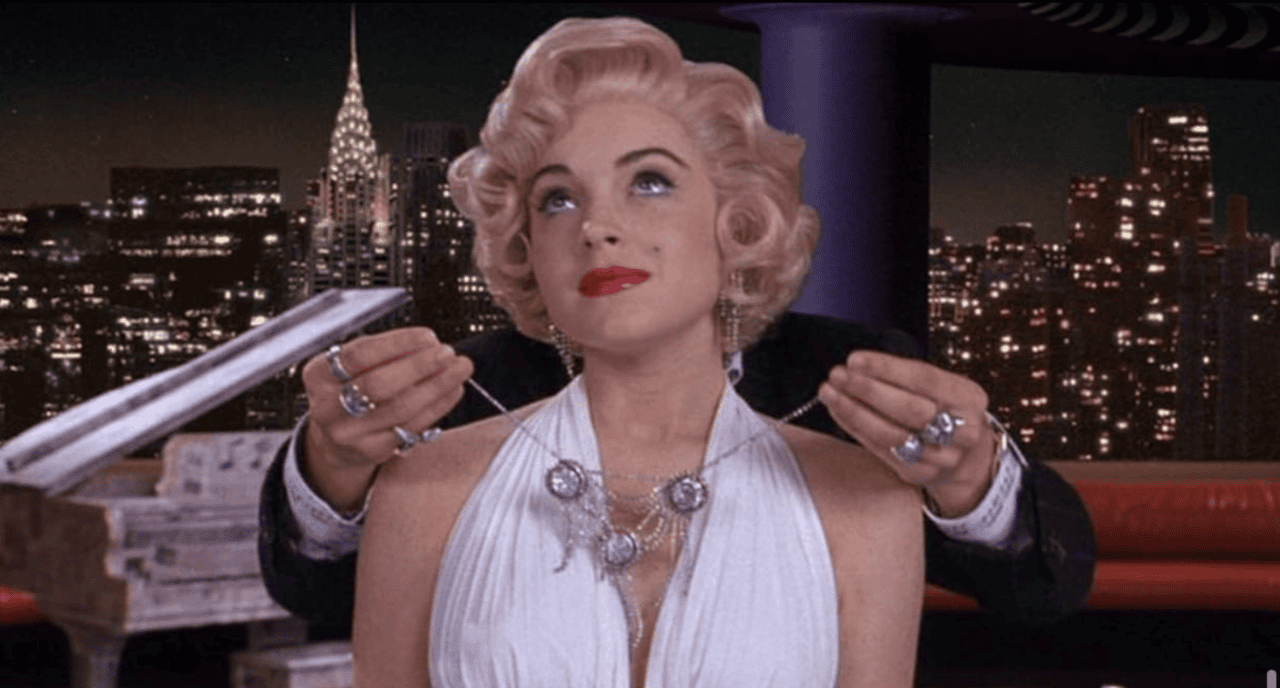
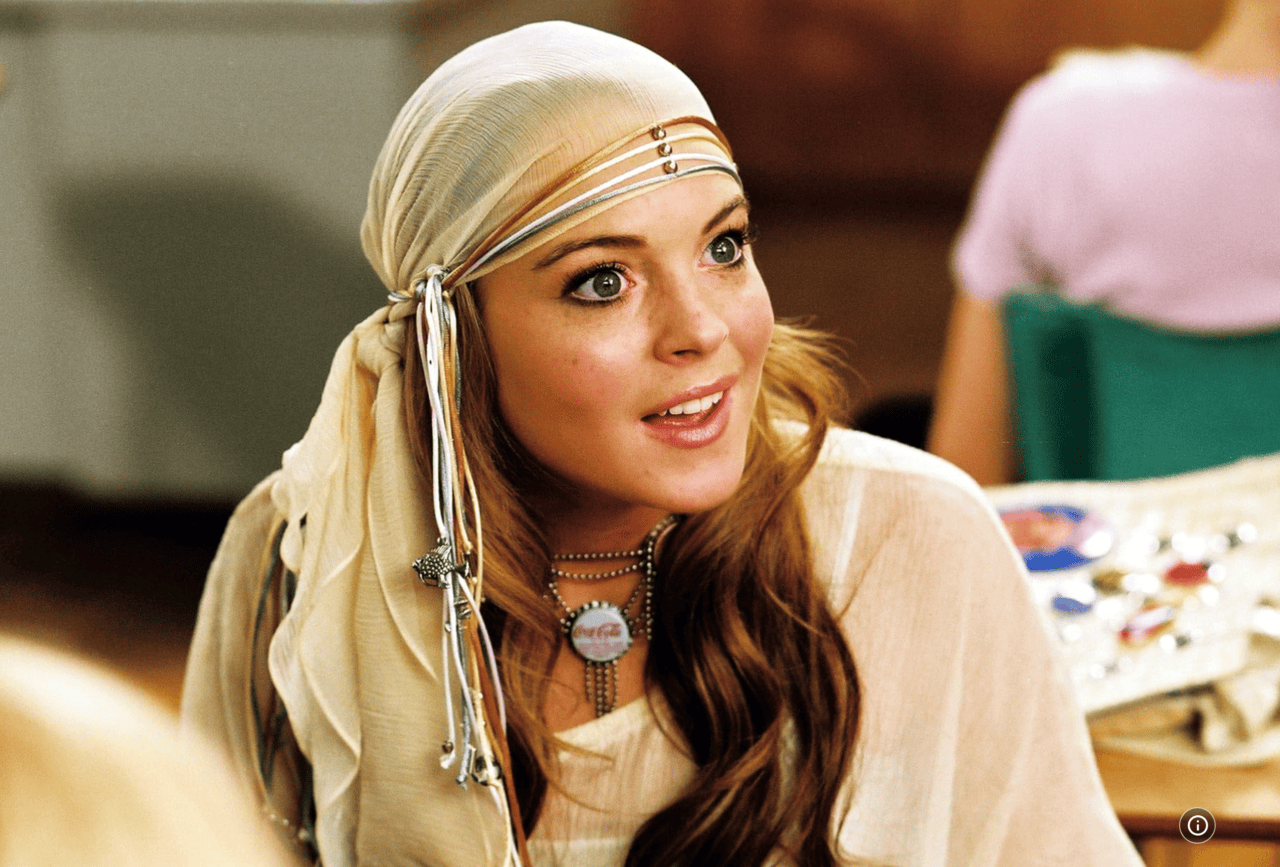
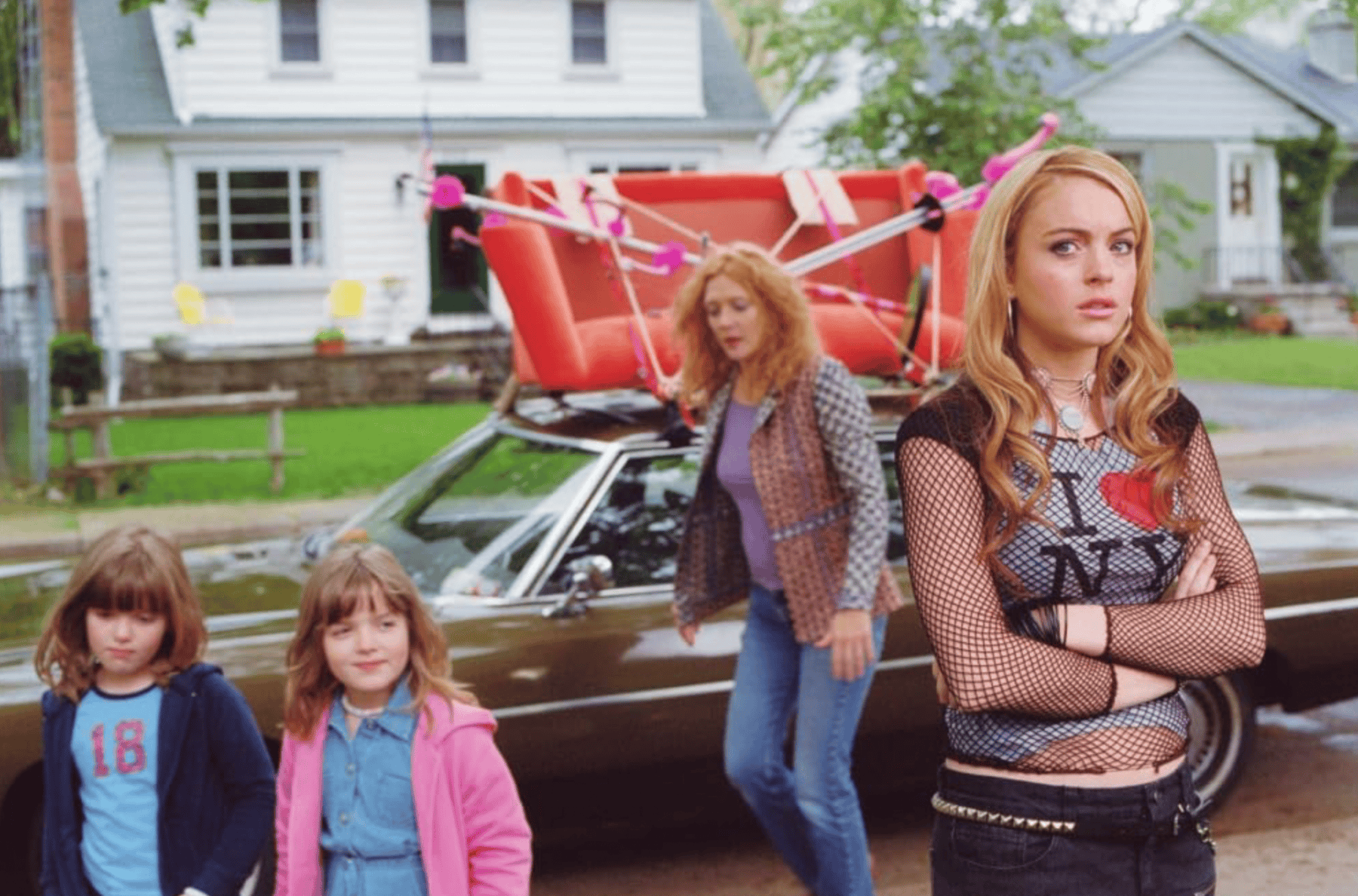
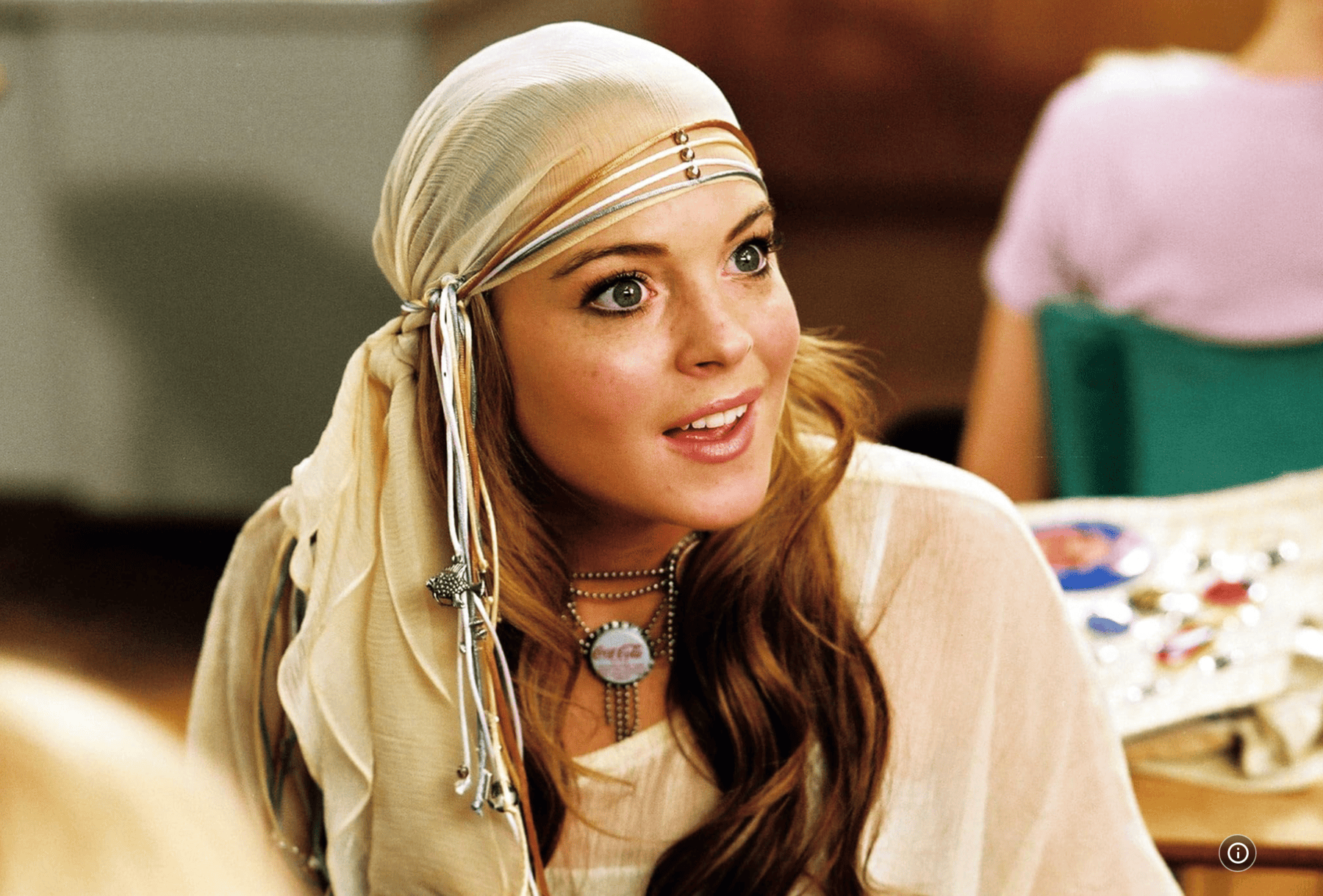
If Sliding Doors taught us the art of restraint, Lola had other ideas. Confessions of a Teenage Drama Queen is unapologetically main-character syndrome in film form, with a closet to match. For Lola, getting dressed is less about looking polished and more about playing a part, where every outfit gives another chance to become the girl in her head. Played by Lindsay Lohan, she is convinced that she is destined for a life far more glamorous than suburban New Jersey, and her wardrobe is already dressing for it. Every outfit is a paparazzi moment, even when the biggest event of the day is just school.
The teenage girl’s wardrobe is built from layered jewellery, mini skirts, bold accessories and absolutely no interest in subtlety. She dresses as though every day is an audition for her future life, and we should all probably be taking notes. (Law of Attraction, am I right?) Perhaps that is what makes the outfits so fun. Lola romanticises everything, from her clothes to her future, but the film gradually reveals that life rarely unfolds quite as perfectly as she imagines it will. Still, that’s no reason not to romanticise it anyway. Her taste may be debatable, but the confidence is undeniable. It is maximalism in its most youthful version: optimistic, chaotic and entirely committed to the bit. I have to admit, I still find myself thinking about Lola’s bottle-top choker months after watching the film. If that isn’t the definition of early 2000s inventive fashion, I don’t know what is. Every fashion cool girl starts somewhere, and for some, that might just be in front of a mirror, wearing something her mother absolutely hates.
Editor
Noella LeeCredit
Lead Image: IMDb