


‘I want to talk to you about love.’
Not the kind drenched in syrupy grand gestures or sealed with a guaranteed happily-ever-after, where fate arrives with yellow cabs, airport sprints, and a boombox held aloft outside a bedroom window. But the kind that begins with a glance and leaves you wondering what, exactly, just happened. For years, romance was reassuringly simple: The camera pulls back, the music swells, they stare into each other’s eyes, and the credits roll.
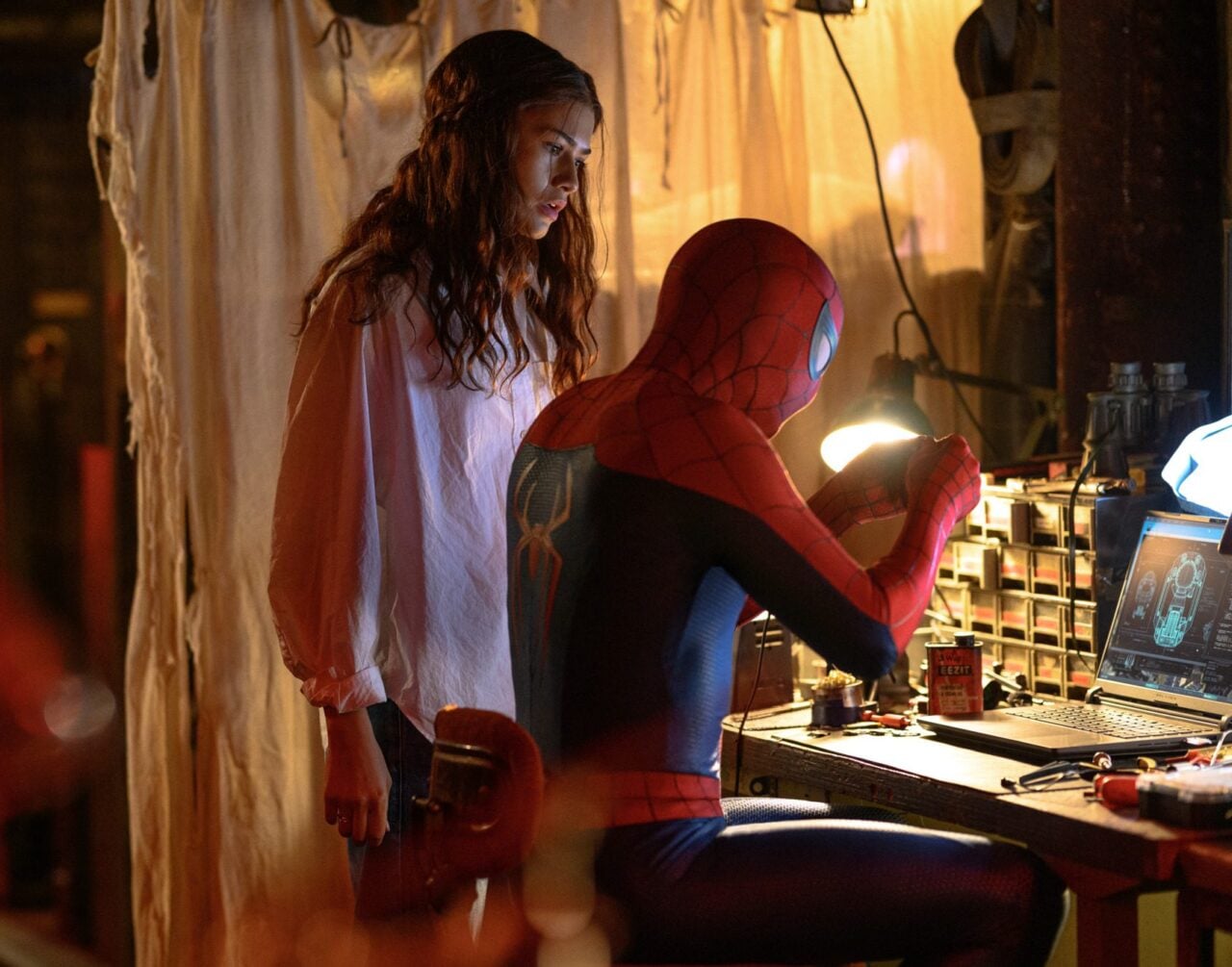
The kiss used to be the finale, and everyone went home happy. Now, the camera lingers after the kiss, staying for the awkward conversations, the wrong timing and the person who walks away. From the bubblegum bliss of Clueless to the seductive power games of Challengers, romance has evolved into something far messier and far more honest. Sometimes, the couple breaks up. Sometimes, they never become a couple at all. And sometimes, the love is real, but the relationship isn’t.
So when did the movies stop giving us the happy ending we were once promised?
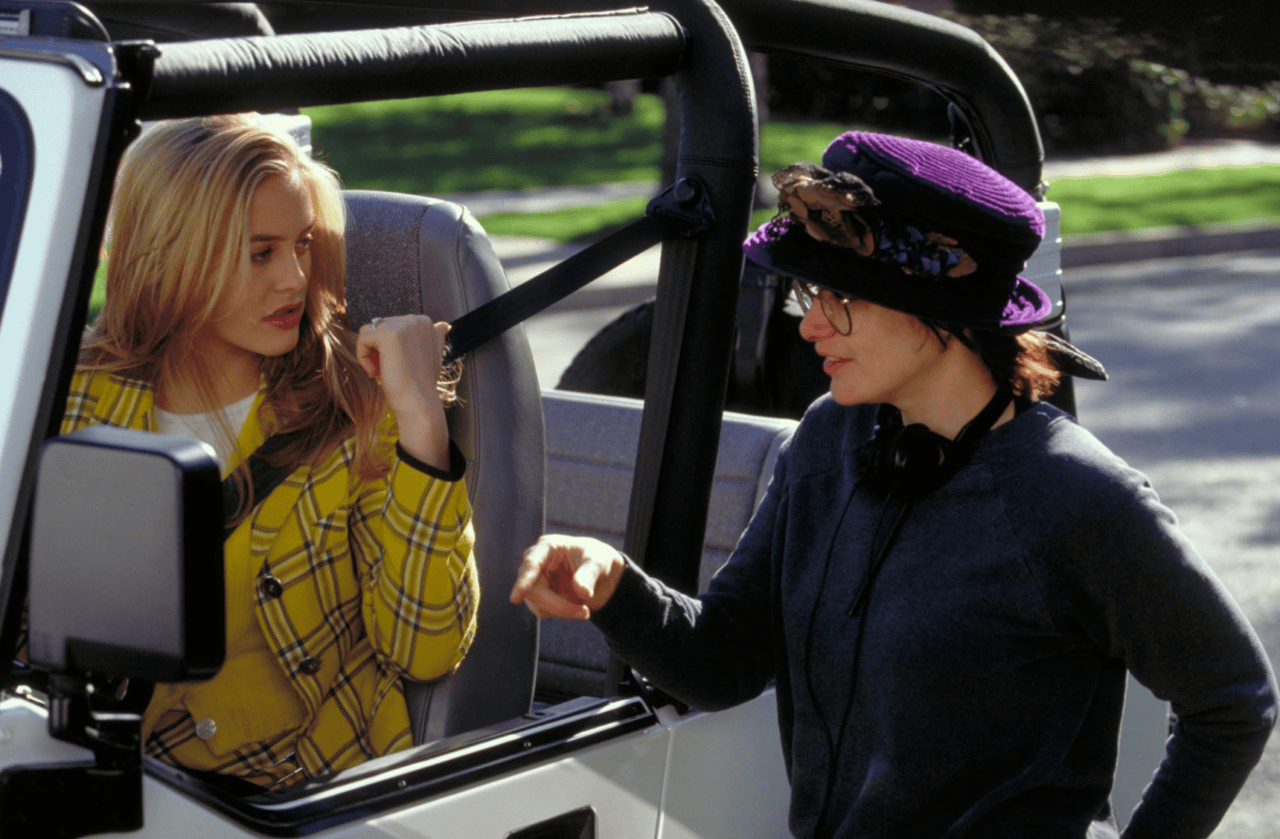
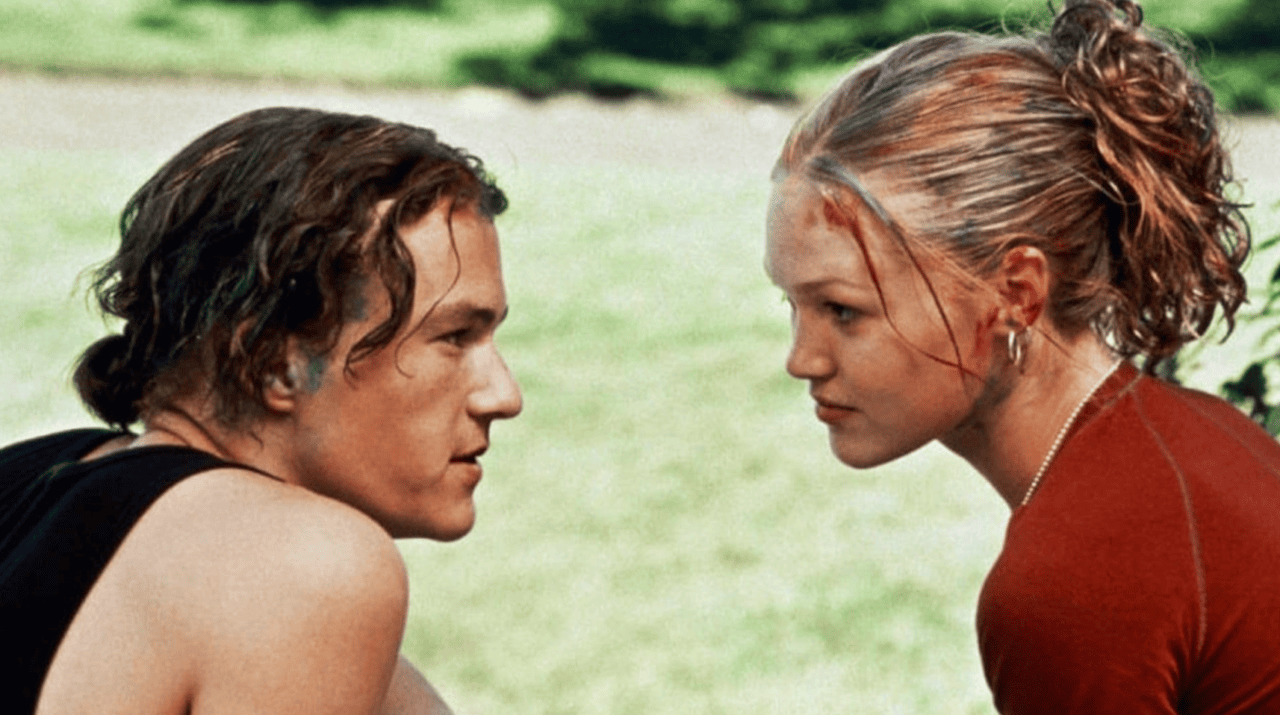
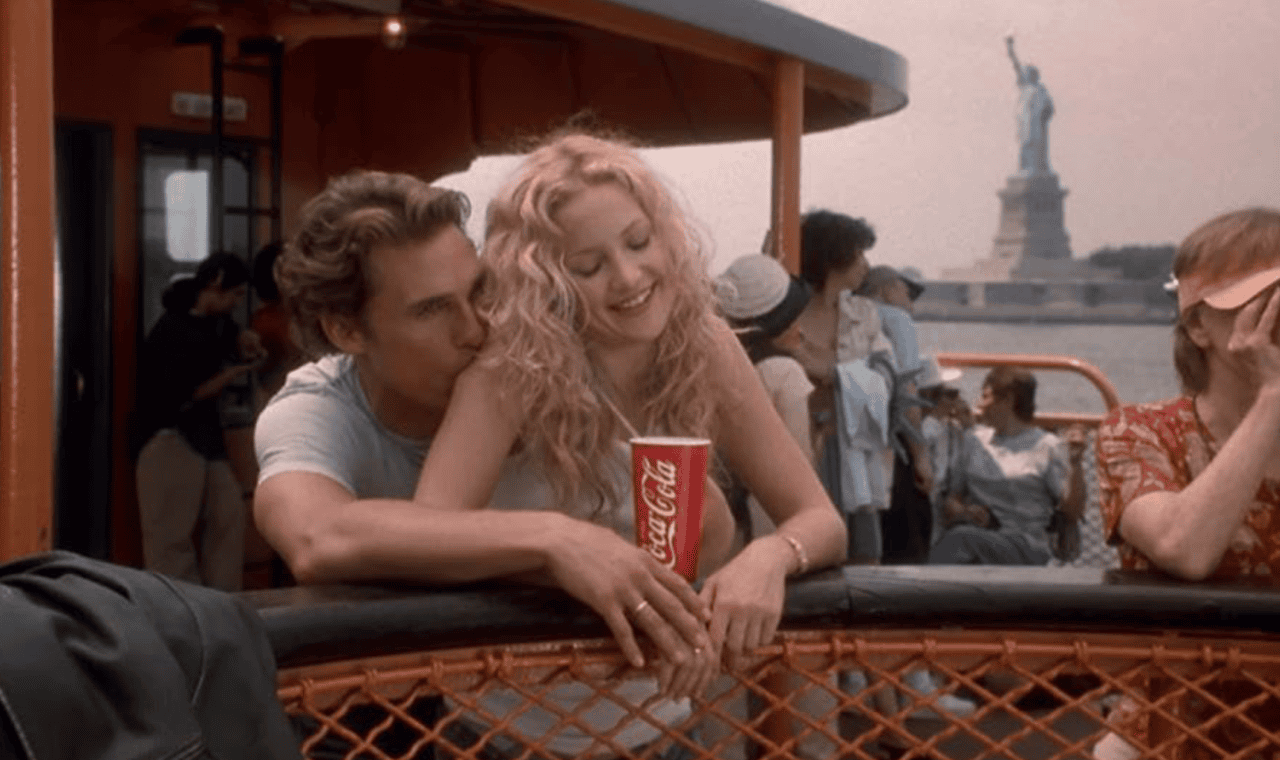
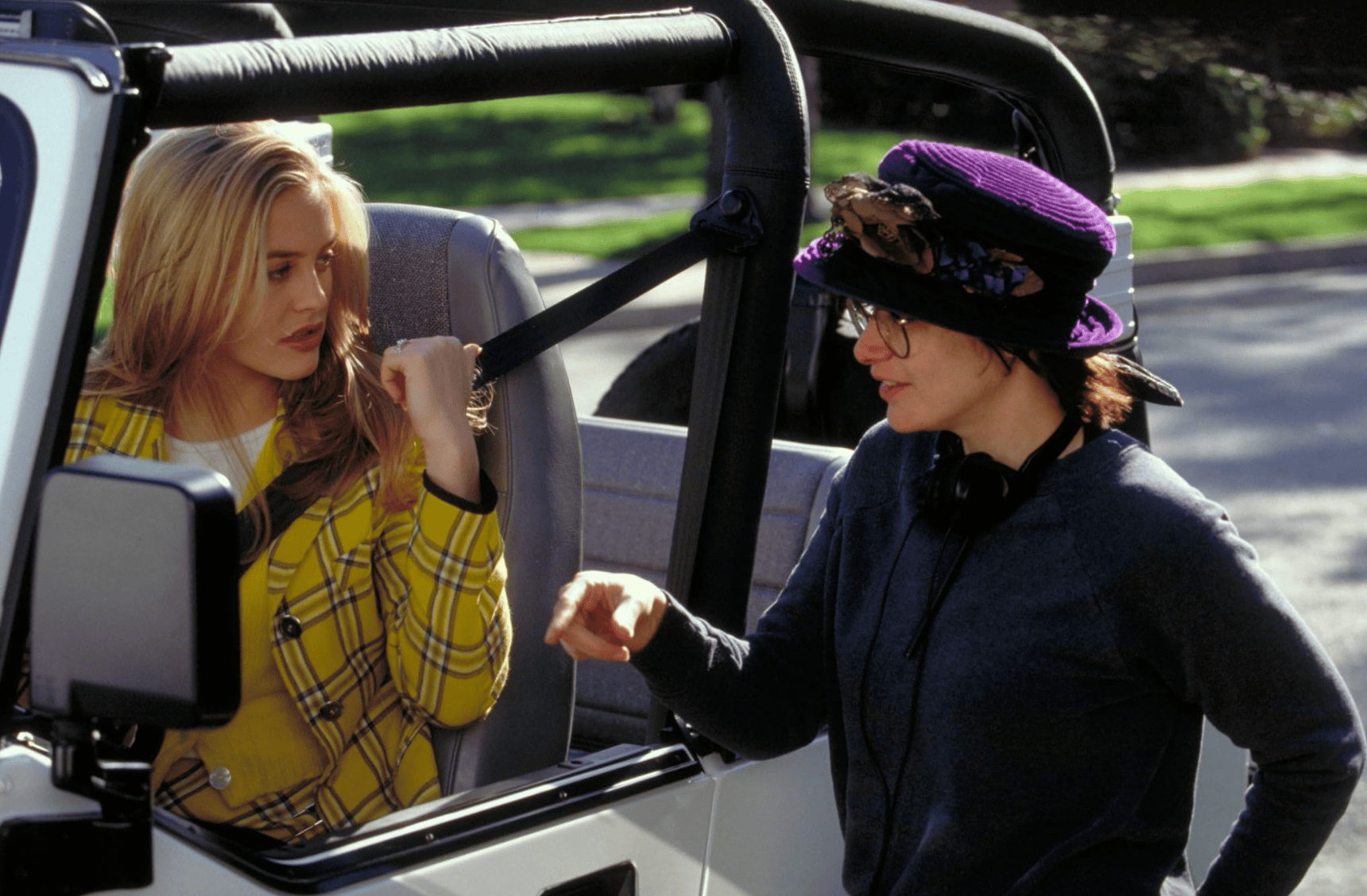
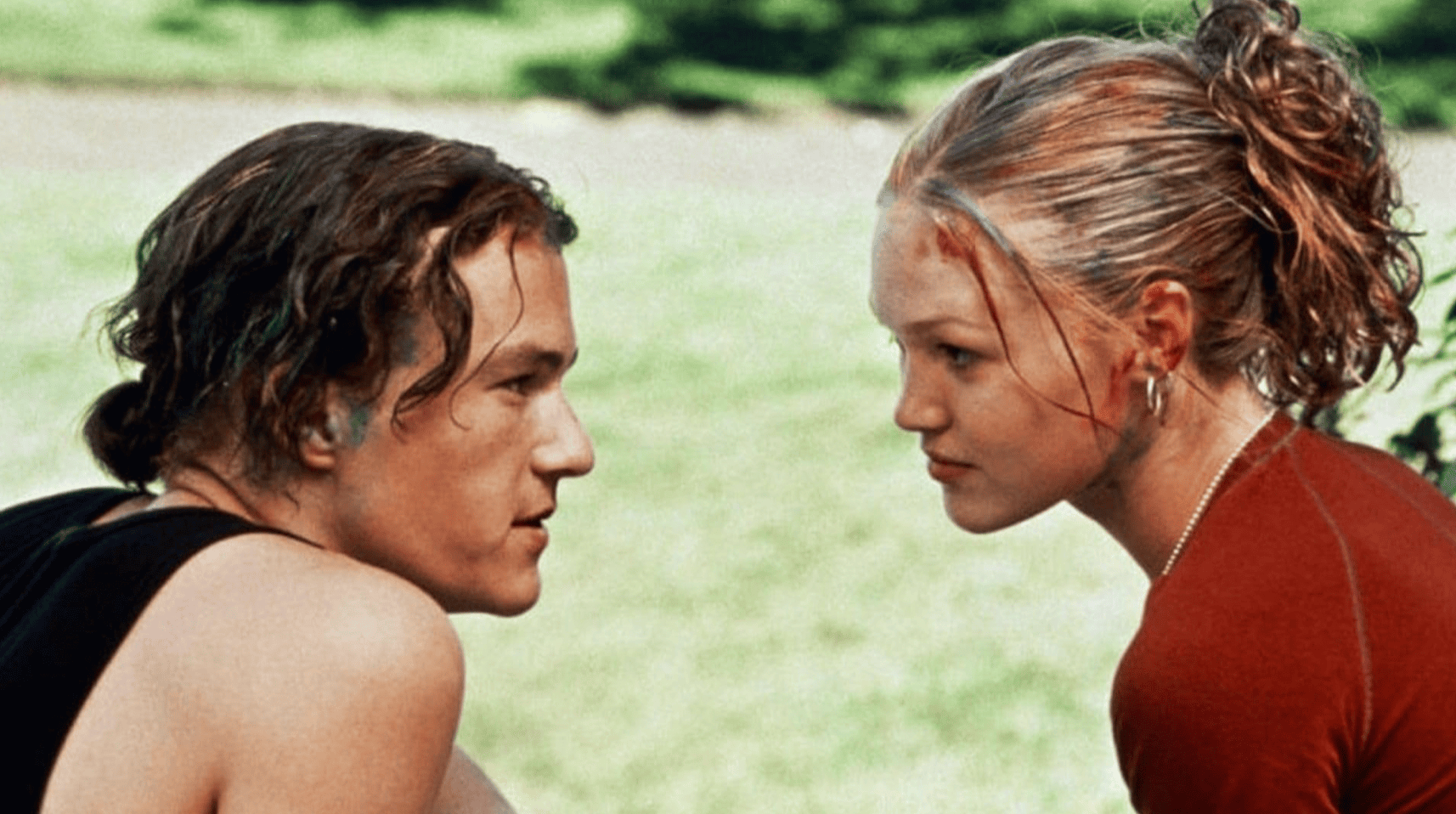
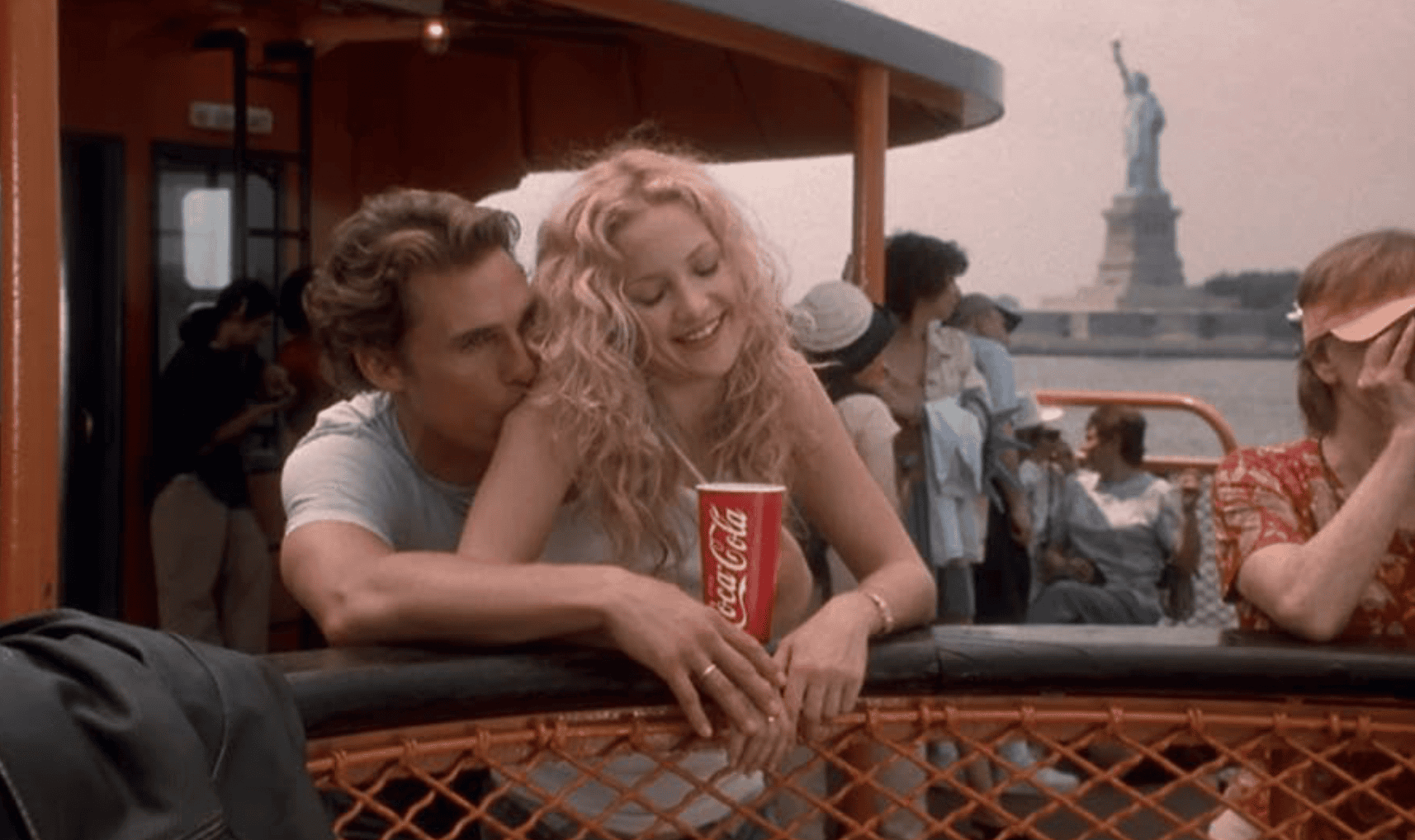
Once upon a time, love seemed blissfully simple. Rewind the film a few decades, and the camera finds Cher Horowitz strutting in her yellow plaid suit, Patrick Verona serenading on the bleachers, Andie Anderson racing through New York City. Different characters, different wardrobes, but always the same destination. By the end, the two people who were clearly meant to be together would always figure it out, usually accompanied by a killer soundtrack and some form of grand gesture.
The late 90s and early 2000s gave us romance wrapped in a particularly glossy fantasy: vibrant visuals, hyper-heterosexual chemistry, and chalant men who had never heard of playing it cool. The obstacles were rarely anything to worry about. They were simply there to complicate the journey, not the destination. And that was the comfort of it: love wasn’t simply part of the happy ending. It was the guaranteed happy ending. For two hours, you could forget about the fact that real life rarely comes with a soundtrack cue. The couple got together, the credits rolled, and we were free to go home and believe in it.
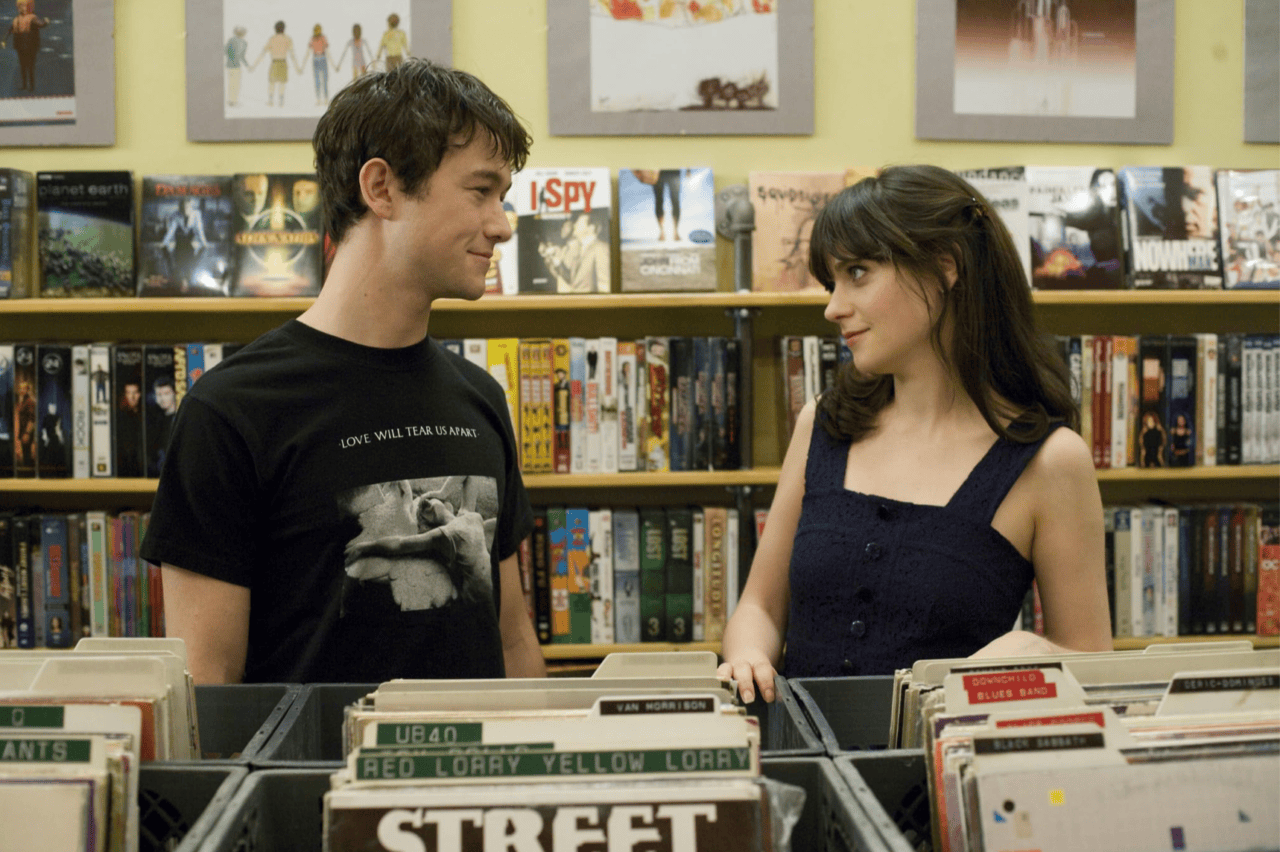
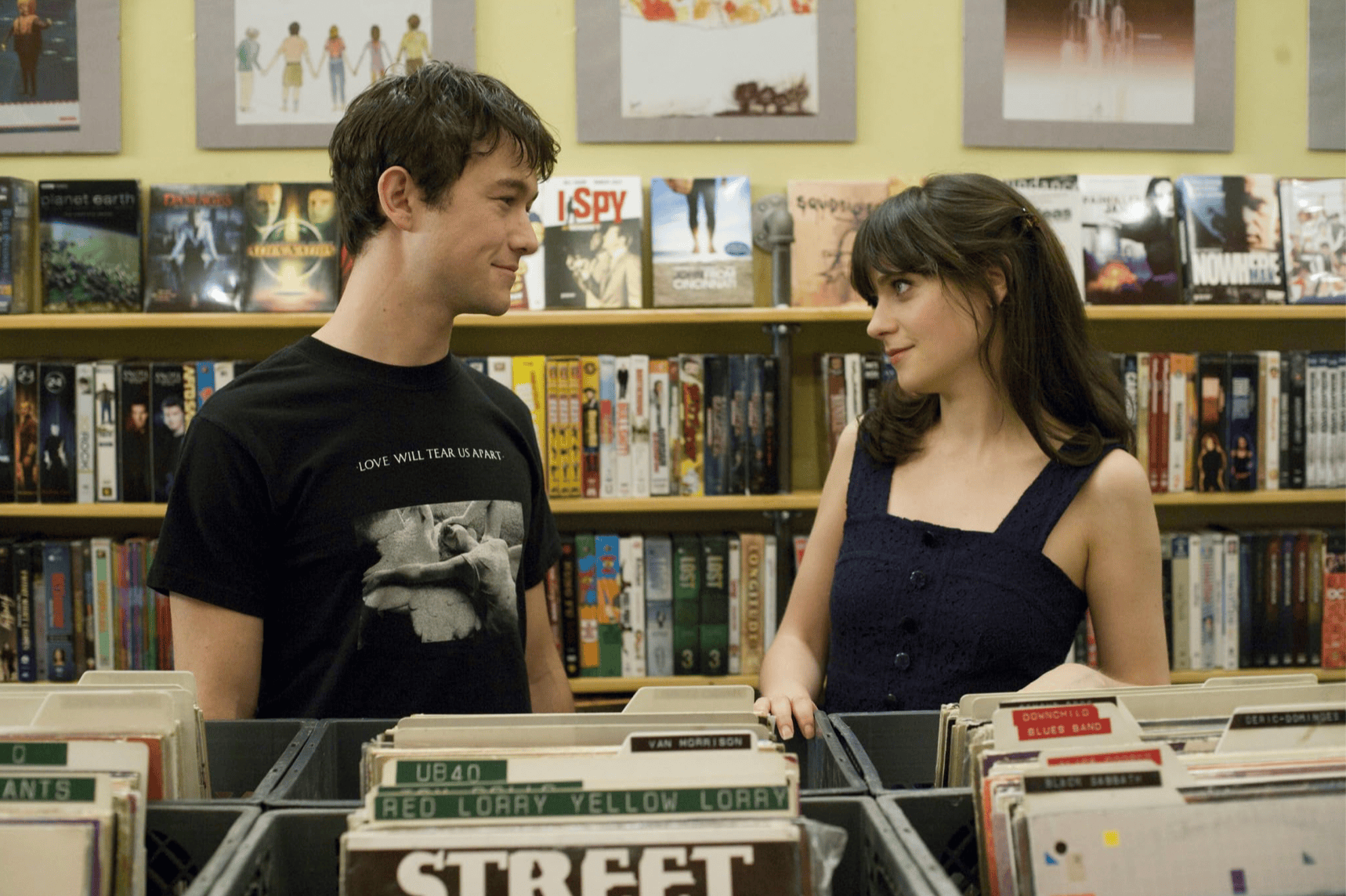
But somewhere between all those dramatic airport chases and rain-soaked love confessions, the genre caught feelings for chaos and became much more complicated. Friends with Benefits and Love, Rosie still gave us the familiar ingredients: attractive people, questionable decisions and an alarming inability to communicate. But suddenly, getting together wasn’t quite so guaranteed. Then came 500 Days of Summer, which took that uncertainty and ran with it. Tom meets Summer and promptly decides she is the love of his life. His person, his fate, his soundtrack moment. The only problem? Summer has never quite seen it the same way.
I’m willing to bet you’ve had the debate with a friend – or, perhaps more strategically, with a guy as an ice-breaker: was Tom the problem, or was Summer? The film never gives us a neat answer, which is exactly what makes the debate so interesting.
For the first time, the obstacle wasn’t some external force keeping two people apart. The obstacle was the relationship itself.
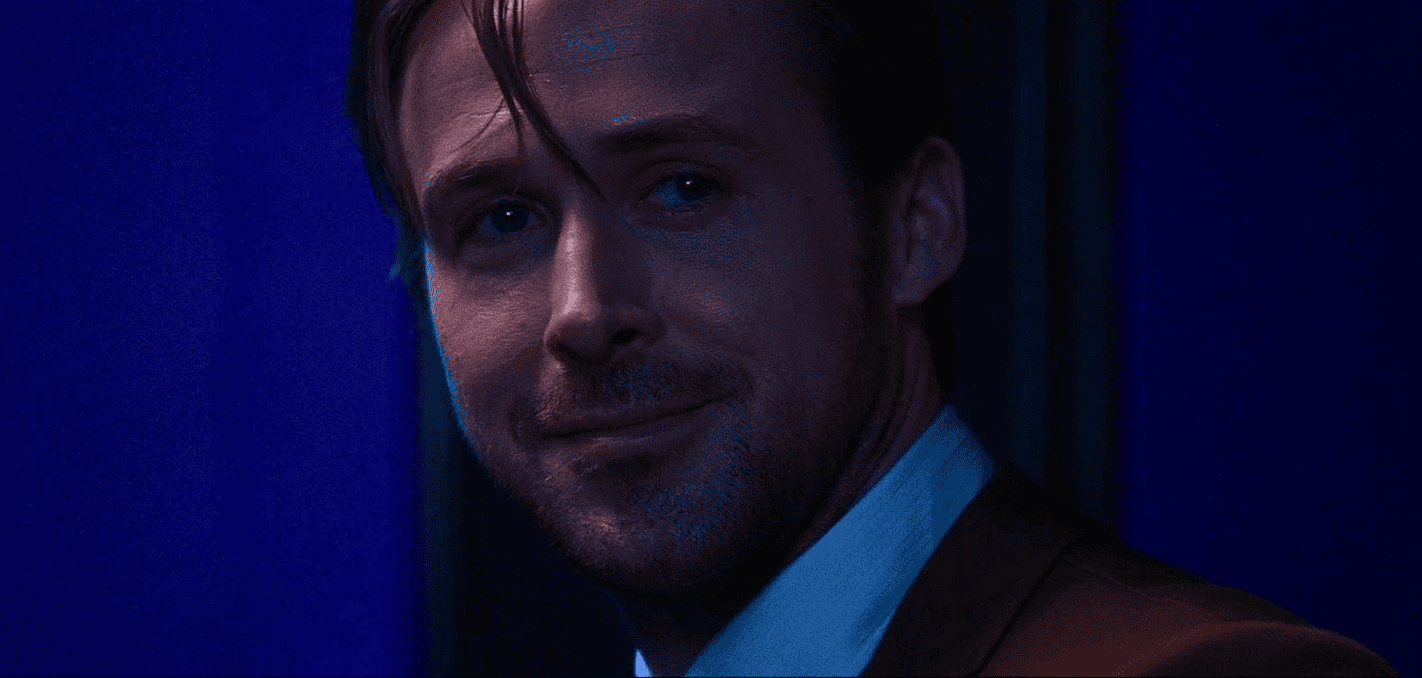
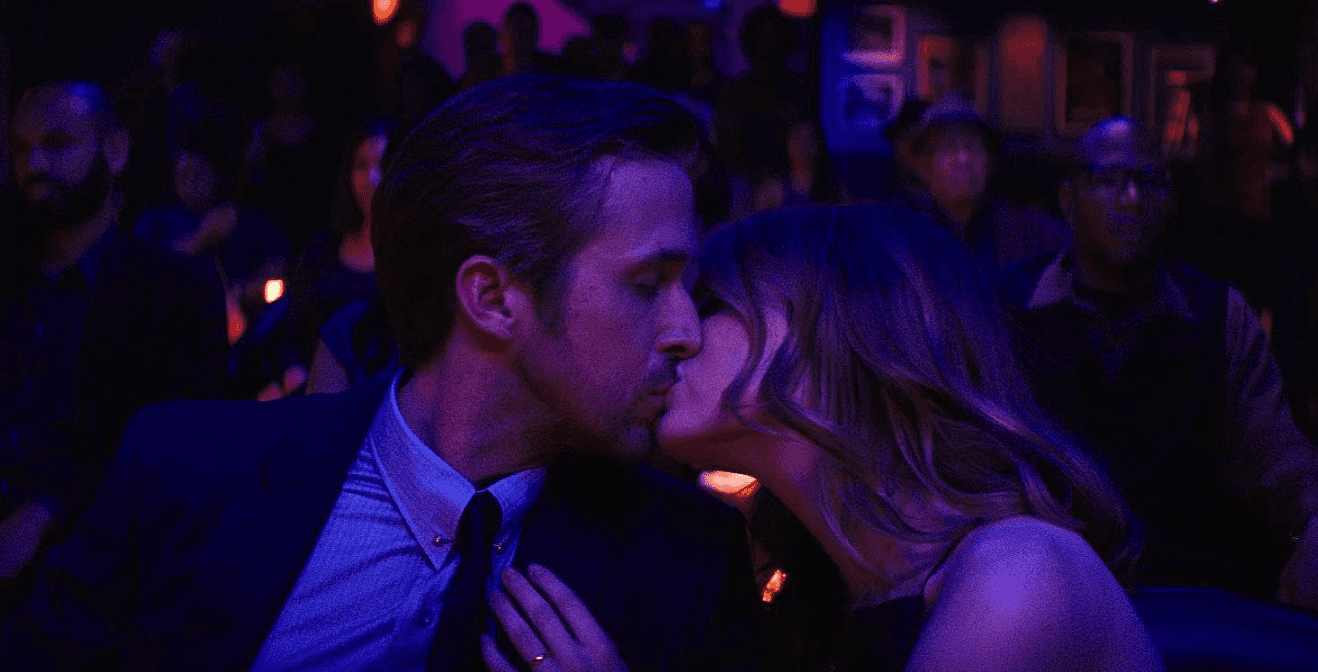
If Tom and Summer showed us what happens when two people want different things, La La Land asks us to consider something considerably harder to accept: what happens when they want the same things, love each other, and still can’t make it work?
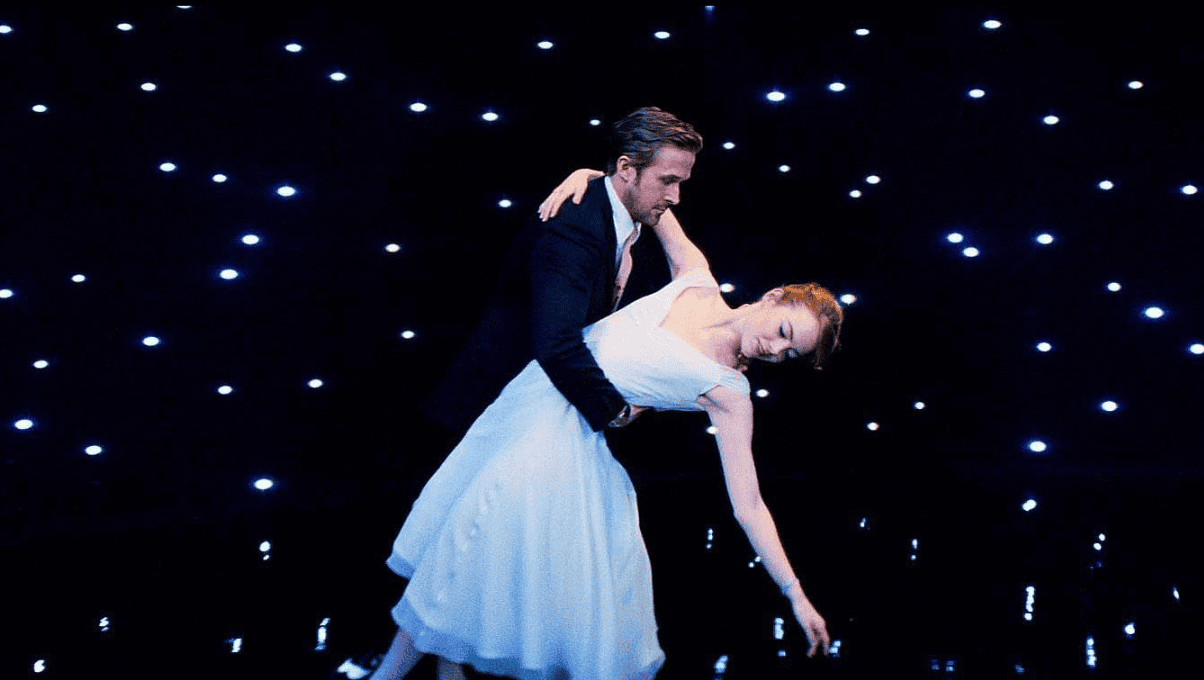
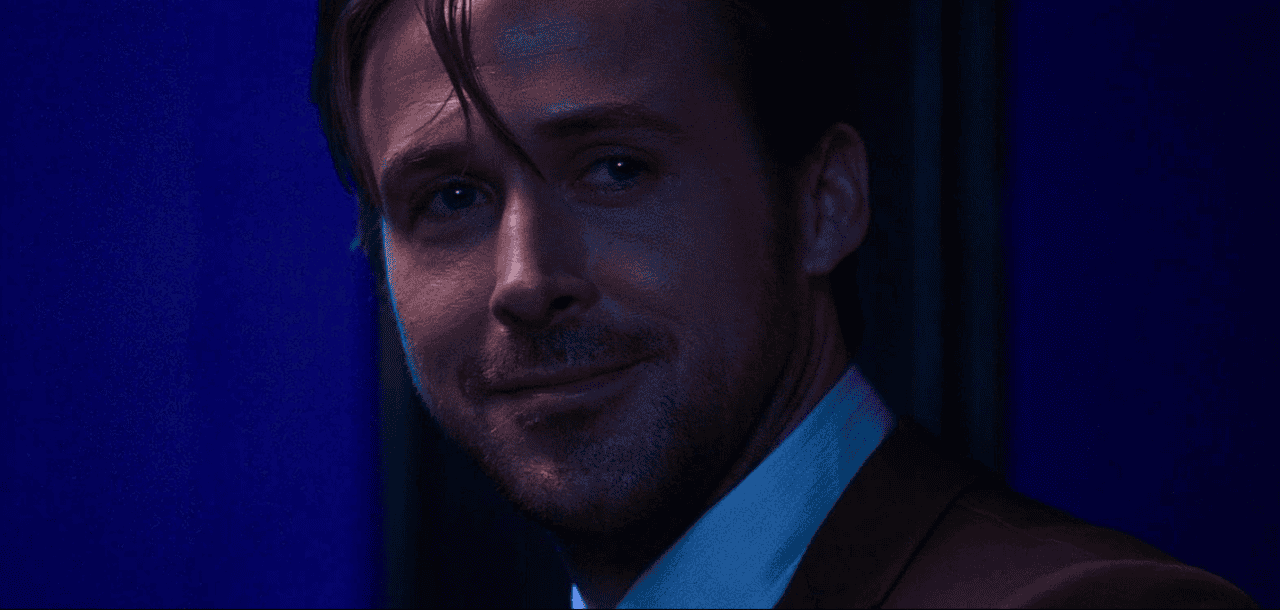
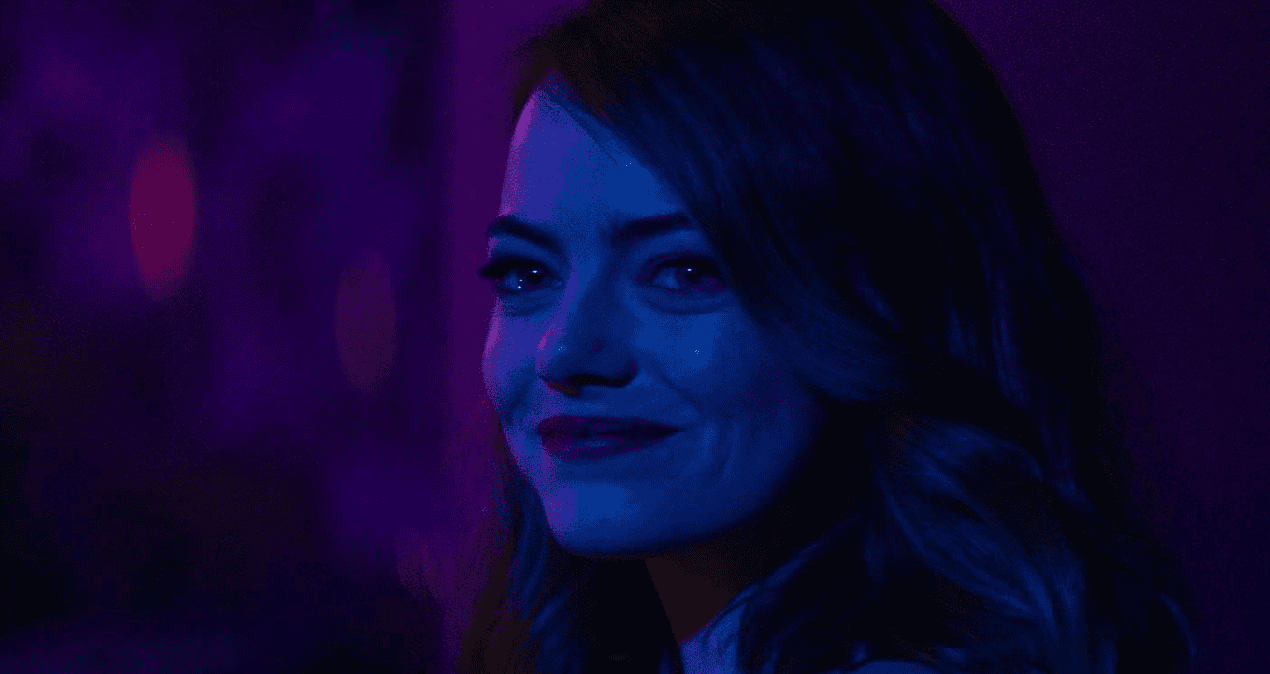
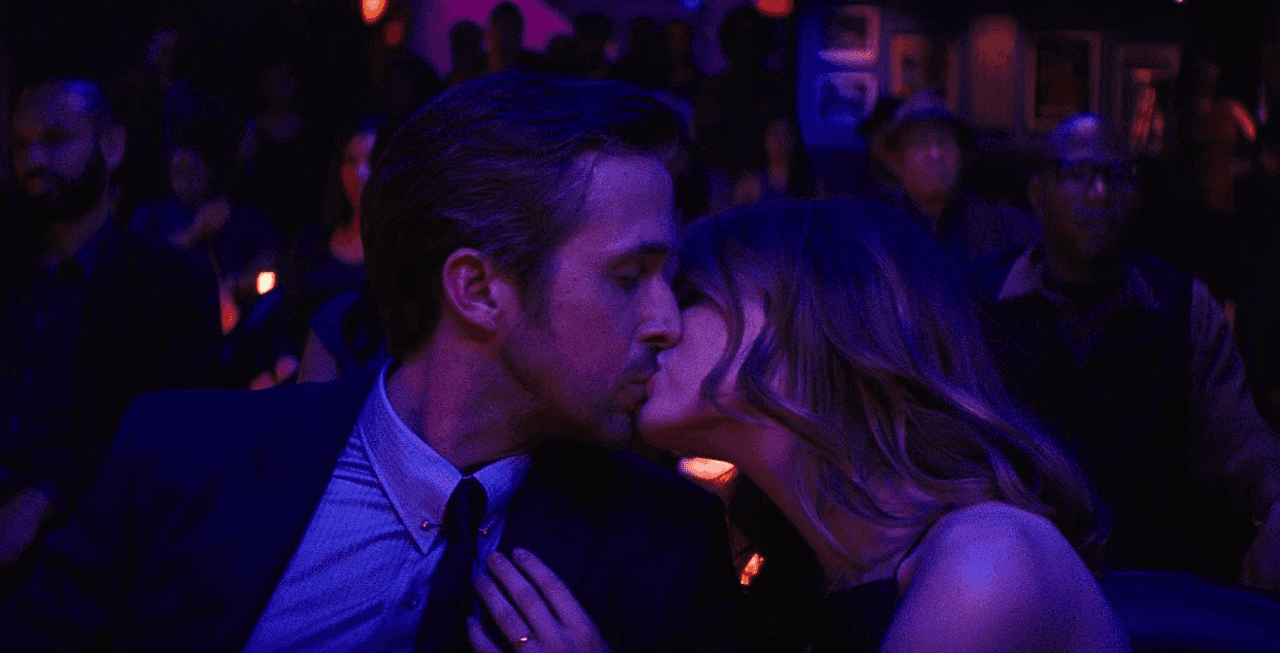
Satin dresses, jazz melodies and starry skies: for a while, Mia and Sebastian make ambition and romance look suspiciously easy. They believe in each other’s dreams and seem to find the perfect balance between wanting each other and wanting more from life. Then reality, rather inconveniently, catches up. But there is no grand misunderstanding to clear up, no betrayal, not even a villain waiting in the wings to take the blame. It was a love that fit them perfectly, just not the lives they were trying to build. By the end, there is no reunion waiting for them, no second chance. And after spending two hours watching them fall in love, the film simply gives us a glimpse of the life they could’ve had instead: just one look across the jazz club and the quiet realisation that they both remember what might have been.
For a genre built on the idea that love conquers everything standing in its way, this was a fairly brutal proposition. Yet, La La Land doesn’t ask us to decide who was right. It asks whether getting the person is really the only way a love story can work out. Although Mia and Sebastian don’t end up together, their relationship still shapes the lives they go on to build. A happy ending sometimes just means having something that was worth wanting in the first place, and knowing that, for a while, you were exactly what each other needed.
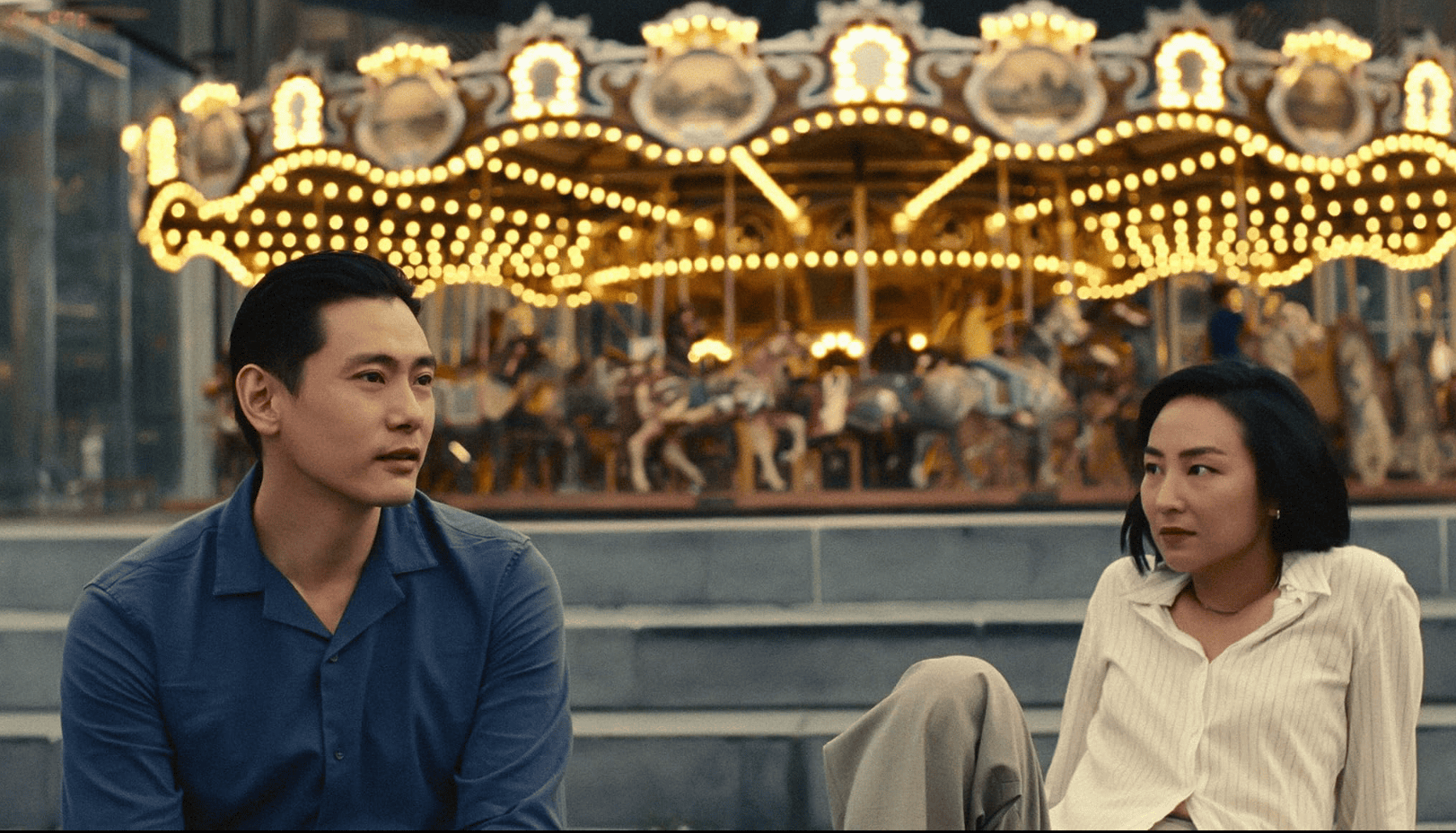
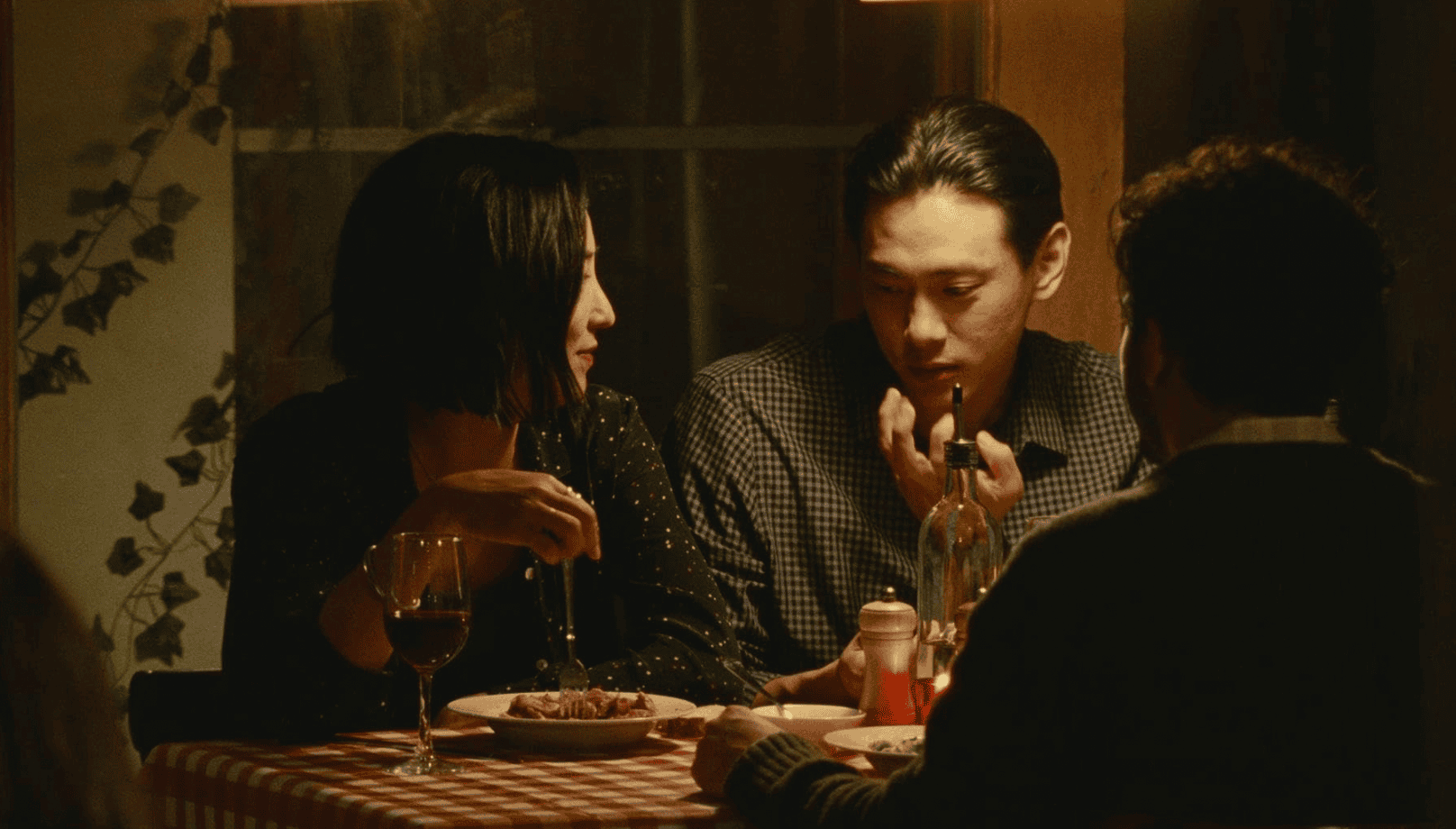
On the other hand, there is something strangely beautiful and romantic about a love story that never quite becomes one. Past Lives makes a romance out of the almost, a space between what happened and what might’ve happened if the timing, the circumstances, or the lives involved had been slightly different. Nora and Haesung meet as children, lose touch, find each other again years later, and spend just enough time together to wonder what their lives might have looked like side by side. They have the history and the chemistry, but somehow, timing is never quite on their side.
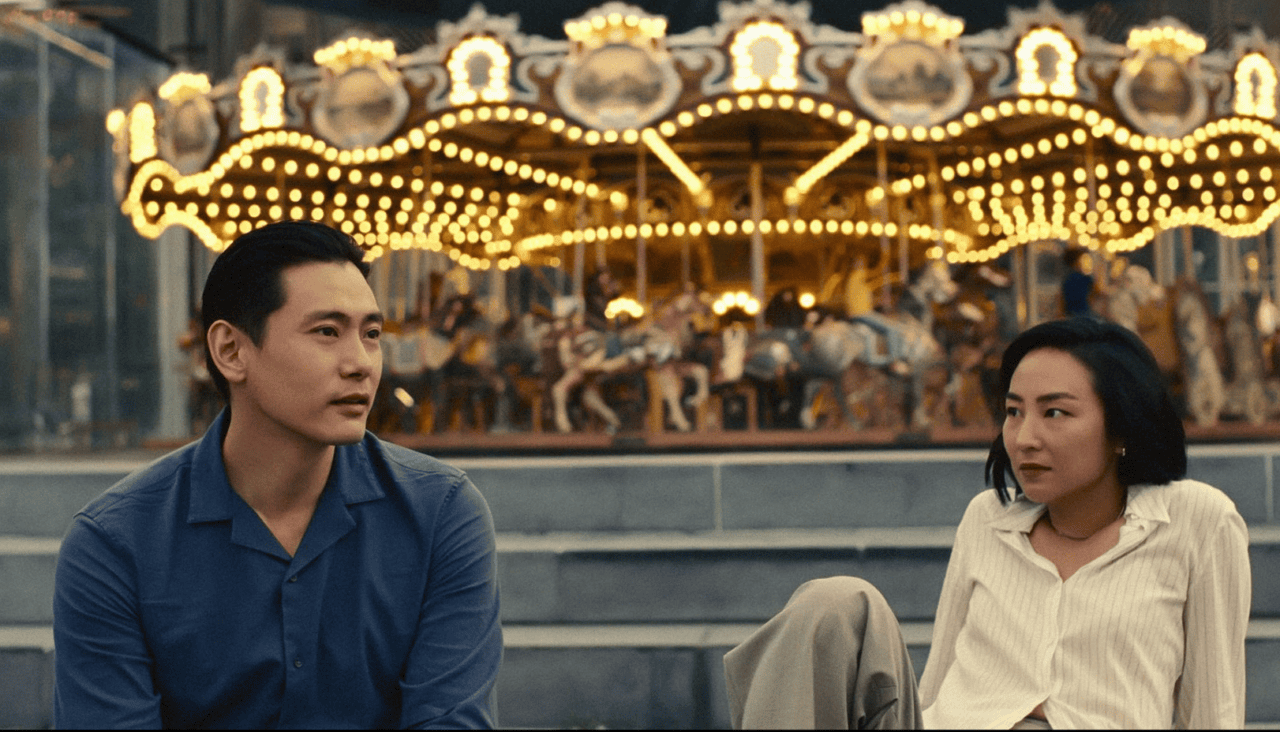
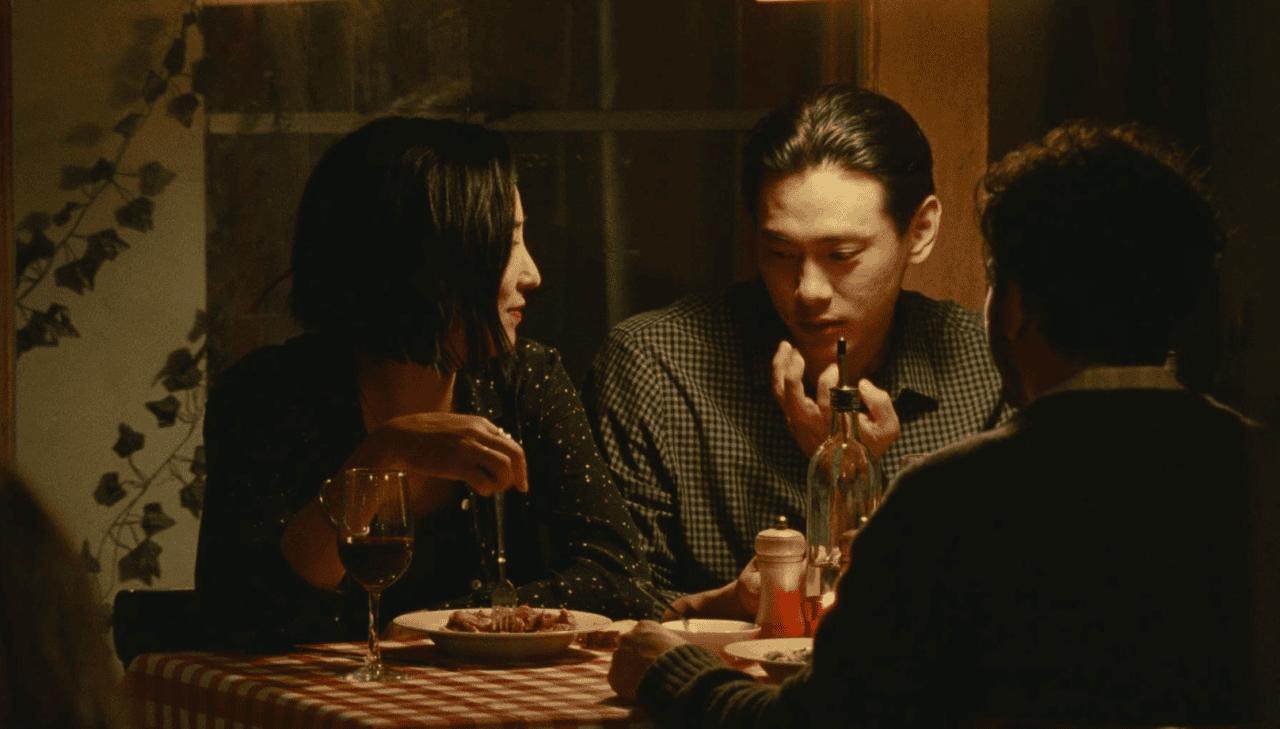
The frustrating thing is that, again, nobody is really at fault. Nora hasn’t made some terrible romantic mistake by leaving, and Haesung isn’t secretly her one true love waiting in the background. He is simply a reminder of another life that could have been hers, one that exists vividly enough to feel real, but not quite enough to be lived.
And maybe that’s exactly what makes Past Lives feel so modern. It understands something we’ve become increasingly comfortable with: that the almost can have a life of its own. Somewhere along the way, we started giving names to all the stages that used to be considered merely the prelude. You’re talking, then seeing each other, then perhaps there’s a soft launch – a hand in the corner of an Instagram story, a strategically cropped photograph – before the hard launch, should it ever make an appearance. The situationship occupies that hazy space in between: chemistry, intimacy, late nights, and just enough ambiguity to keep it interesting.
We’ve simply fallen in love with the messier side of romance: the almosts, the missed timings, the people who changed us without necessarily staying. Not every connection needs a name, a label or a neat ending to have been real. Some are meant to become relationships; others are simply meant to become part of the story.
Once romance stopped being the only prize worth winning, the women at the centre of these stories became considerably more interesting. As the music softens, Barbie takes off her heels, not to run into Ken’s arms, but to step into the unknown. Gerwig herself described the film as ultimately being “about being human” – and Barbie’s ending reflects exactly that: she chooses a life she has never experienced over the perfect existence she was designed for. Romance, for once, is not the reward.
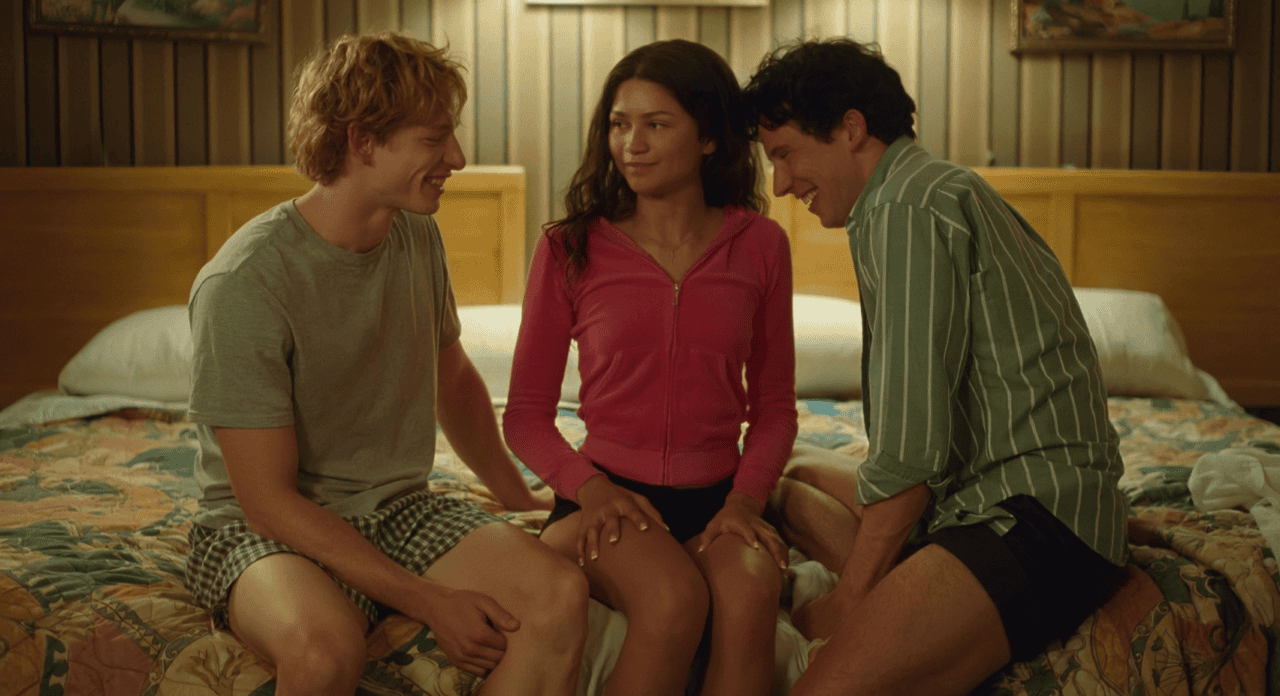
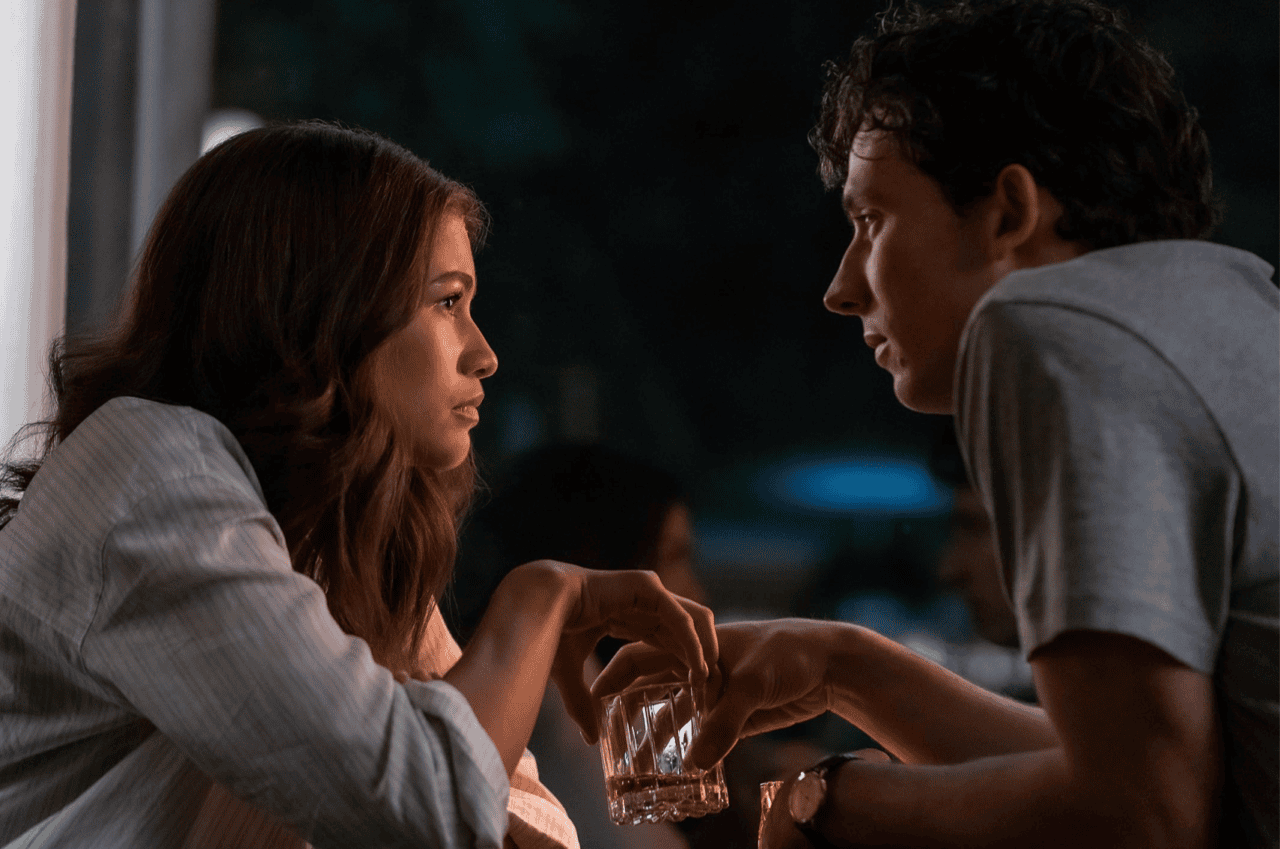
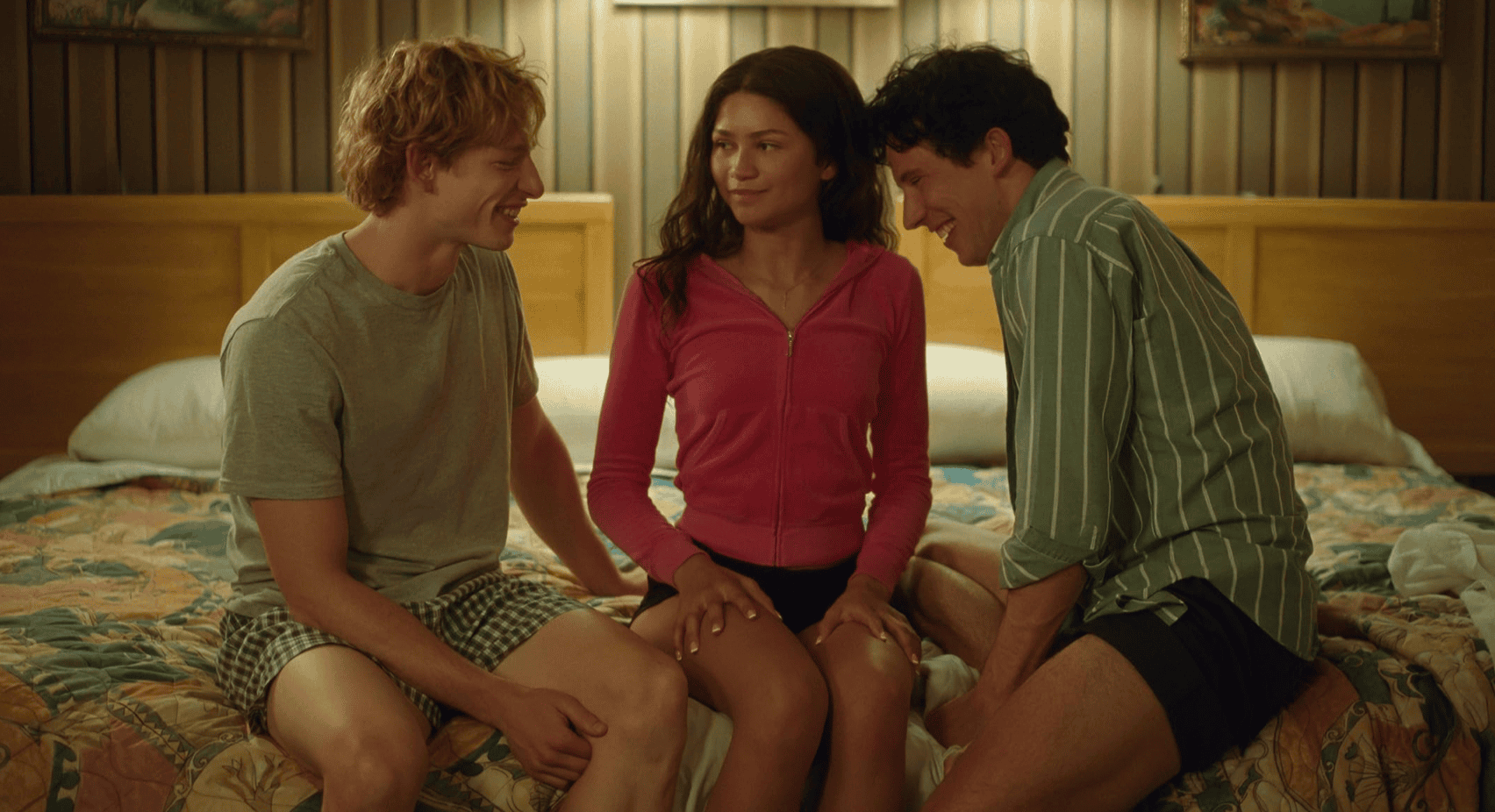
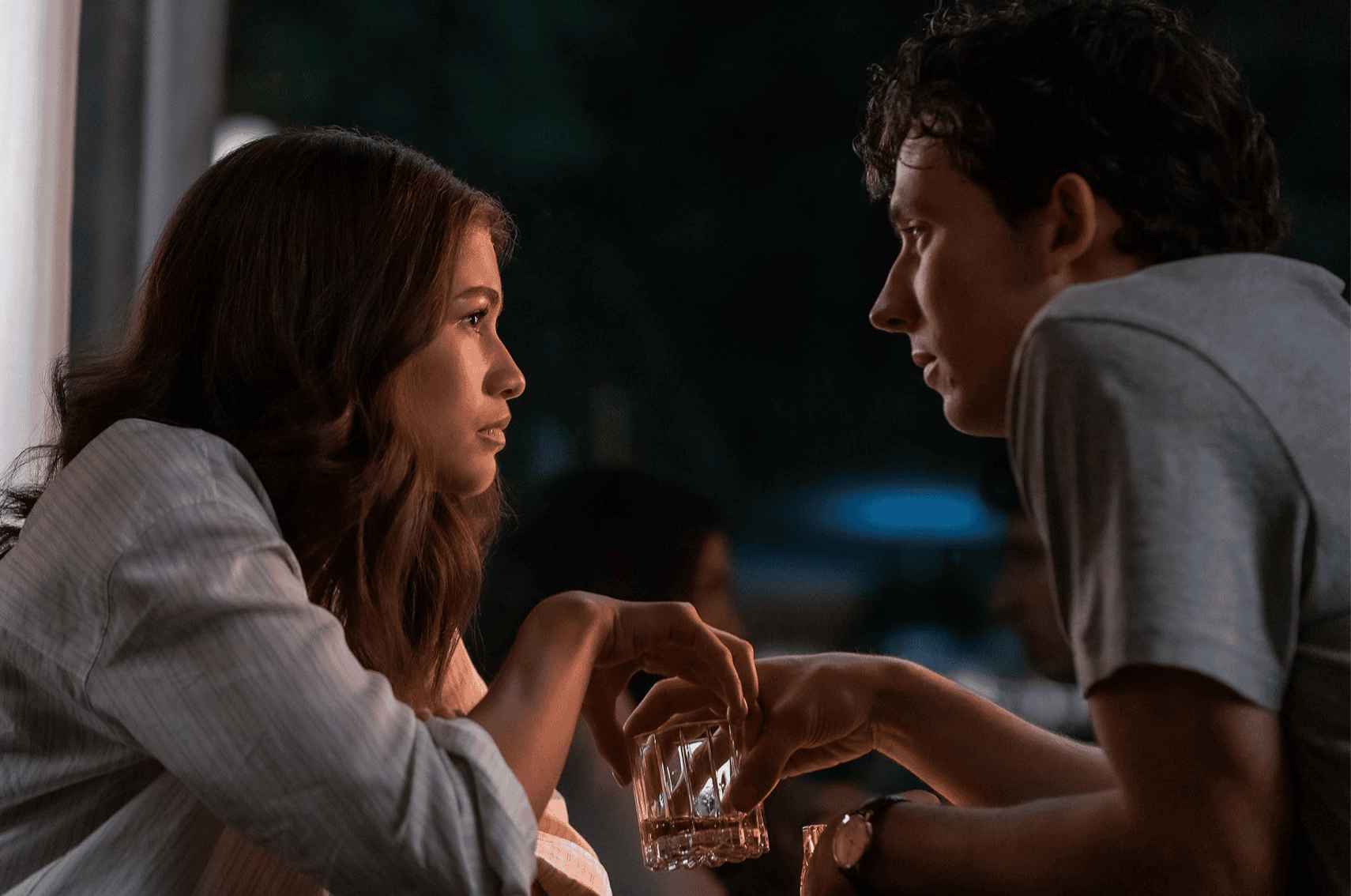
Challengers takes that freedom somewhere far more chaotic, where romance feels almost too neat a word for what is happening between Tashi, Art and Patrick. The love triangle in Challengers is less about sweet words than the intensity of a stare across the tennis court, a tension that barely needs dialogue. Where desire becomes strategy and competition becomes intimacy, the line between love and power gets increasingly blurry. But Tashi isn’t just choosing between two men; she’s navigating ambition, attraction and control all at once. Sometimes it’s even hard to tell whether she’s chasing love, control or simply the feeling of having both.
Perhaps even “choosing yourself” has become its own kind of script for modern romance. We may have traded the wedding and the grand gesture for self-discovery, healing and carefully curated independence – a different kind of ending, but an ending nonetheless. And if we’ve simply replaced one formula with another, have we truly changed the story? Maybe the point isn’t to find a new version of the perfect ending, but to leave a little more room for stories that don’t need to be resolved quite so neatly.
Romance is messier than it ever was, but that hardly makes it any less romantic. If anything, there is something more beautiful about not knowing where a story is going to land. There are the lovers who change us, the ones who stay and the ones who leave us wondering what might have happened. So bring on the romance: the chemistry, the bad decisions, the unbearable tension and the endings that stay with us long after the credits roll. Keep the couples who make it and the ones who don’t. Really, the best part of romance has always been the ride – and never knowing exactly where it will take you.