

The 1990s were the heyday of Japanese popular culture in Hong Kong. From anime and TV dramas to fashion and music, Japanese influence was ubiquitous. But you wouldn’t have only been able to witness it with your eyes. For the first time, you would have been able to taste it everywhere. Chain restaurants Genki Sushi and Ajisen Ramen opening successively in 1995 and 1996 tell the story of Japanese culture cementing its mainstream status in this city. Among the plethora of Japanese dining options in Hong Kong now, here are the newcomers making noise in the culinary scene lately.
Gyu+Bar by Miyoshi
A purveyor of fruitwood-smoked feasts in the heart of Causeway Bay, Gyu+Bar by Miyoshi specialises in open-flame wood-fire cooking. Premium beef is at the centre of the menu, which is crafted by Tsutomu Ito of wagyu kaiseki restaurant, Niku no Takumi Miyoshi, in Kyoto. At this new Japanese-French bistro, Kyoto-born female chef Ayumi Matsuda has a mastery over the custom-built lava rock kiln, loaded with edible-grade lychee wood that reaches a glowing 500°C or above. “We believe fire isn’t just a cooking method—it’s a way to return to the true essence of the ingredients. By using carefully selected lychee wood in a custom lava-rock kiln, we create layered smoky aromas that enhance rather than overpower,” Chef Matsuda shares.
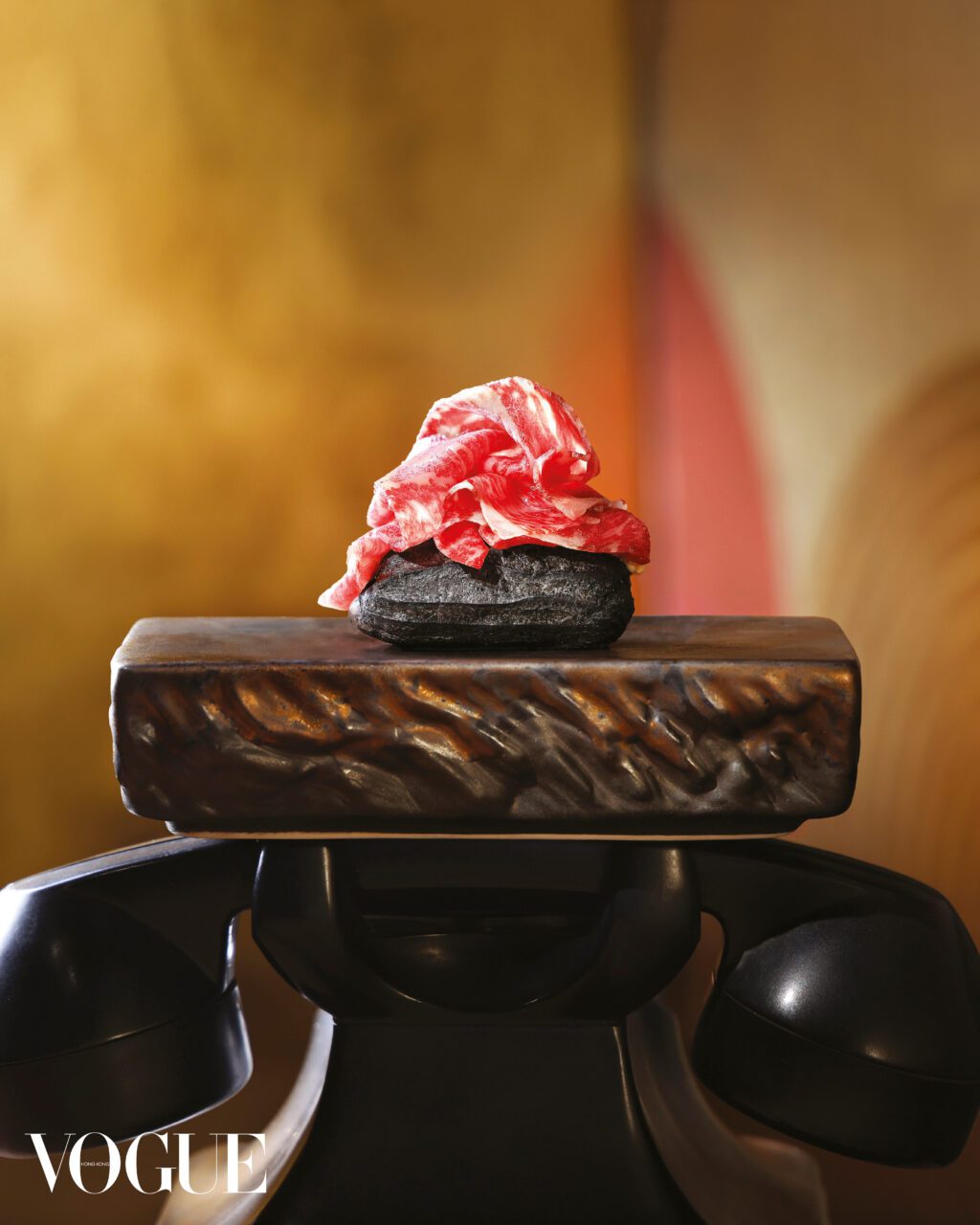
The shiraoi breasola with charcoal is a symphony of textures. Boasting prominent marbling and naturally fruity flavours, the thinly sliced Hokkaido shiraoi wagyu bresaola tenderly melts in the mouth. It’s contrasted with a crispy charcoal choux puff, and complemented by a silky miso-cauliflower purée, finished with toasted sesame and dried shallots for a slight crunch. “While this particular dish is served cold, it sits within our broader wood-fire philosophy—every element is handled with the same precision and restraint we apply at the grill. No heavy seasoning; the ingredient itself does the talking,” Chef Matsuda says.
Shop No. 401-404, 4/F, Lee Garden One, 33 Hysan Ave, Causeway Bay; @gyubarbymiyoshi
Torikaze
“One skewer, one lifetime”, and one of the hardest tables to book in Hong Kong—Tokyo’s legendary yakitori joint landed in late October and immediately established itself as the place to be. The original location, Torishiki ICHIMON, was opened by Chef Yoshiteru Ikegawa in 2007, guided by Yakitori-dō (“the Way of Yakitori”)—reflecting a dedication towards the profound craft of yakitori, and a bigger mission to elevate the culinary speciality. Now, in Hong Kong, one round of service is equivalent to three to four nights of service in Tokyo.
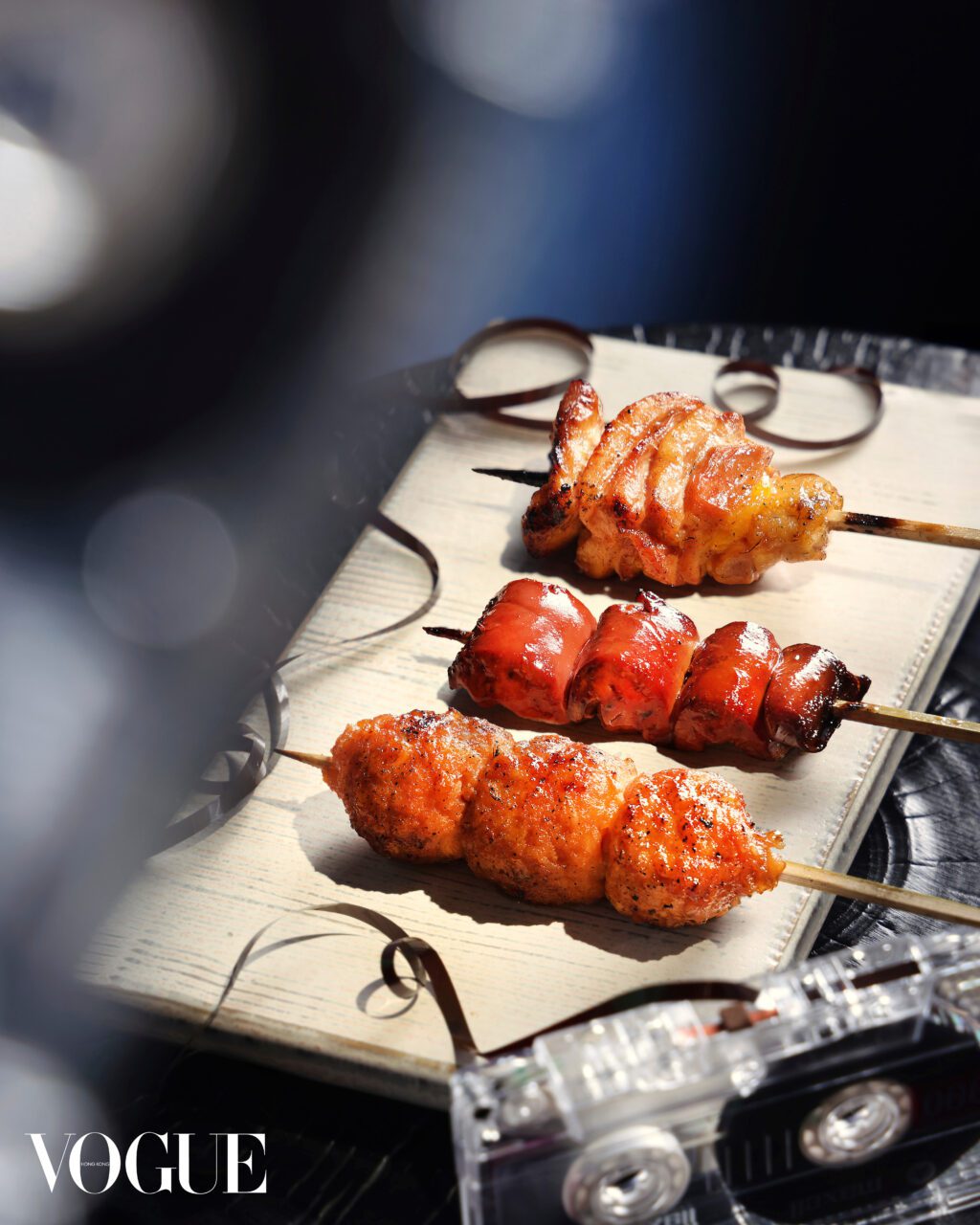
Smoke, heat, and timing are the name of the game, and Chef Yoshiteru Ikegawa’s protégé, Chef Ryo Matsui, is holding down the fort. Each skewer is grilled in close proximity over Kishu binchotan (white charcoal) imported from Wakayama, which burns hotter than normal charcoal, making it possible to grill ingredients to the core. The liver, thigh, and meatball are signatures of the restaurant. Grilled until 90% cooked through, the thigh is thinly sliced but packed close together, giving the skewer a layered mouthfeel. Meanwhile, the fresh liver is skewered and distanced, such that each can be grilled until medium rare, resulting in a creamy consistency. All three skewers are seasoned with salt and dipped in different amounts of the same house sauce, comprising soy sauce, salt, and granulated sugar. The sauce was brought over from the original store, which has been meticulously tended to for the past 17 years.
43-45/F, FORTY-FIVE, Gloucester Tower, Landmark, 15 Queen’s Road Central, Central, Hong Kong; @torikaze.hk
Ramenya Shima
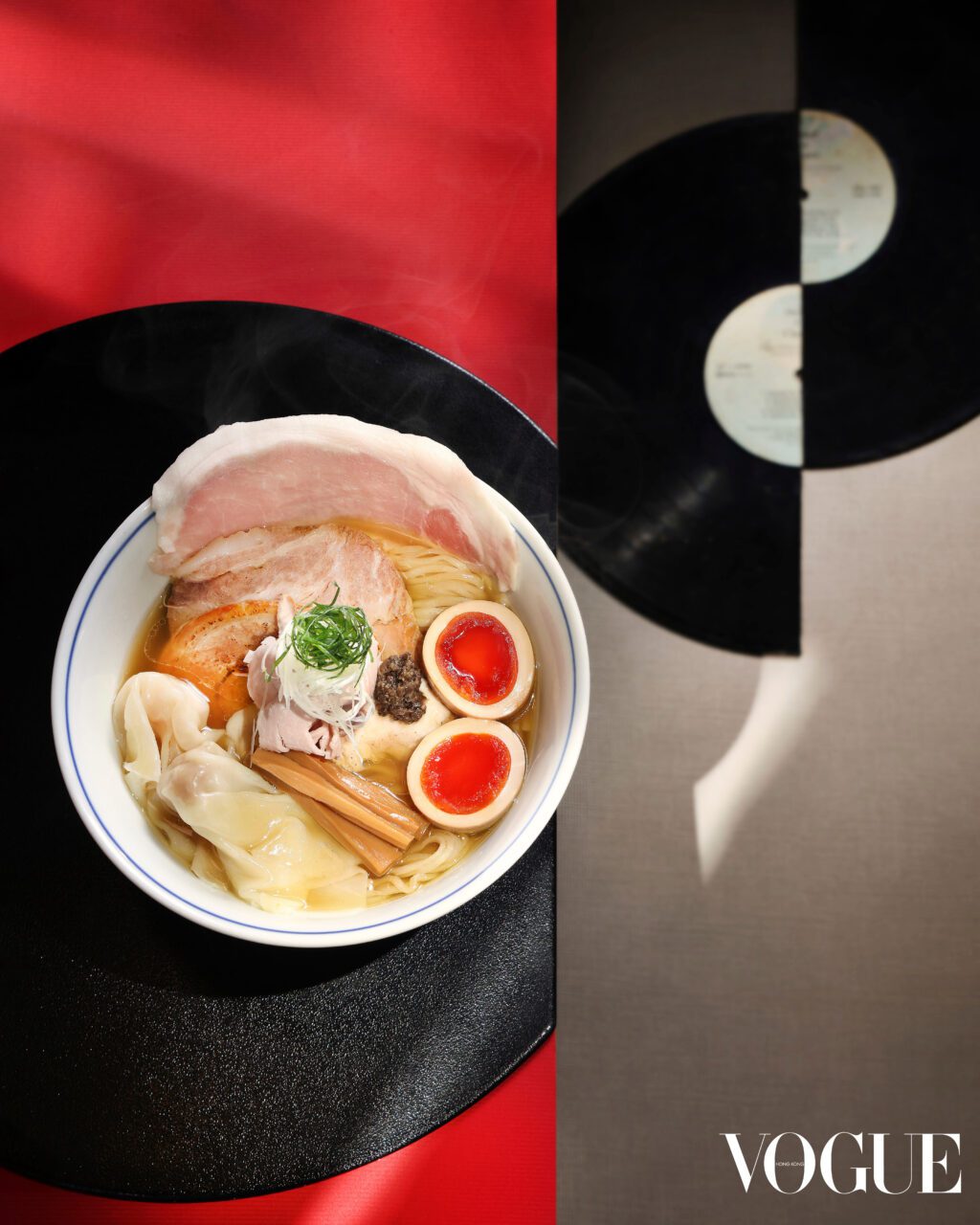
Ramenya Shima plants their flag in Hong Kong’s bursting ramen scene with an exceptional reputation, having made their name as one of “Tokyo’s Great Three Ramen Restaurants”. Limited to 180 bowls of ramen per day, the acclaimed restaurant has attracted lines snaking around its shopfront since opening in March. With the Hong Kong outpost being Ramenya Shima’s first overseas launch, Chef-founder Hiroshi Morishima is not bullheaded about rules. Instead, he’s willing to adapt. “Rather than imposing a rigid Japanese style, I want to adjust and evolve so that Ramenya Shima can be loved by the people of Hong Kong for many years to come and become a natural part of their dining tables,” Chef Morishima expresses.
The foundation of every ramen is its broth, and this alone incorporates almost 30 ingredients. Chef Morishima does his tanrei-style broth three ways: the Shoyu (soy sauce), White Shoyu with white‑truffle oil and black‑truffle paste, and Shio (salt). The shoyu is made primarily from wheat, giving the broth an amber colour. “Each ingredient is added at the precise moment when its dashi (broth) reaches its peak extraction, working backwards from the final flavour profile,” Chef Morishima says. One bowl of Ultimate Ramen satiates every craving. It includes grilled pork belly, tender slow-cooked chicken chasu, slow-cooked pork loin chashu, braised pork chuk roll chashu, smoked pork chashu, shrimp wontons, pork wontons and soft-boiled egg. Each ingredient is seasoned differently, exemplifying their maxim of “small quantity, many varieties”.
Shop 1, G/F, Sugar+, 25-31 Sugar Street Causeway Bay; @ramenya_shima.hk
Photography: Samantha Sin
Styling: Ella Wong
Editor
Karrie Lam