

Whatever life is made of, mine always seems to find its way back to Wuthering Heights.
But for the very first time, I approach it not as an A Level student or a snobby English major, but as an equally snobby film critic — all thanks to Emerald Fennell’s adaptation of Emily Brontë’s novel. Released on what’s supposed to be the most romantic day of the year, it comes with a single warning: this isn’t the genre of romance to be besotted with, should sanity or survival mean anything to you at all.
The film and the novel are far from identical, neither in plot nor in focus — but I reckon that’s something to be celebrated. Fennell’s adaptation spares us the labour of navigating multiple unreliable narrators (R.I.P. Lockwood), plunging straight into the infernal world of the Heights, Thrushcross Grange, Gimmerton, and crucially, five long miles of moorland in between.
As promised, here are 20 thoughts I had while watching Wuthering Heights, in no particular order:
1. That’s one hell of a strawberry!
Envy was when I saw Cathy taking a bite of that suspiciously large strawberry. Naturally, I wondered: where does one even acquire such a specimen? I would’ve gladly swapped my popcorn for even a fraction of that luscious fruit. Imagine my devastation, then, when I later discovered the strawberry was entirely made of modelling chocolate, with pips made from hand-dyed sesame seeds! Either way, it adds a nice touch of whimsy to an otherwise gut-wrenching film.
2. Where am I supposed to look???!
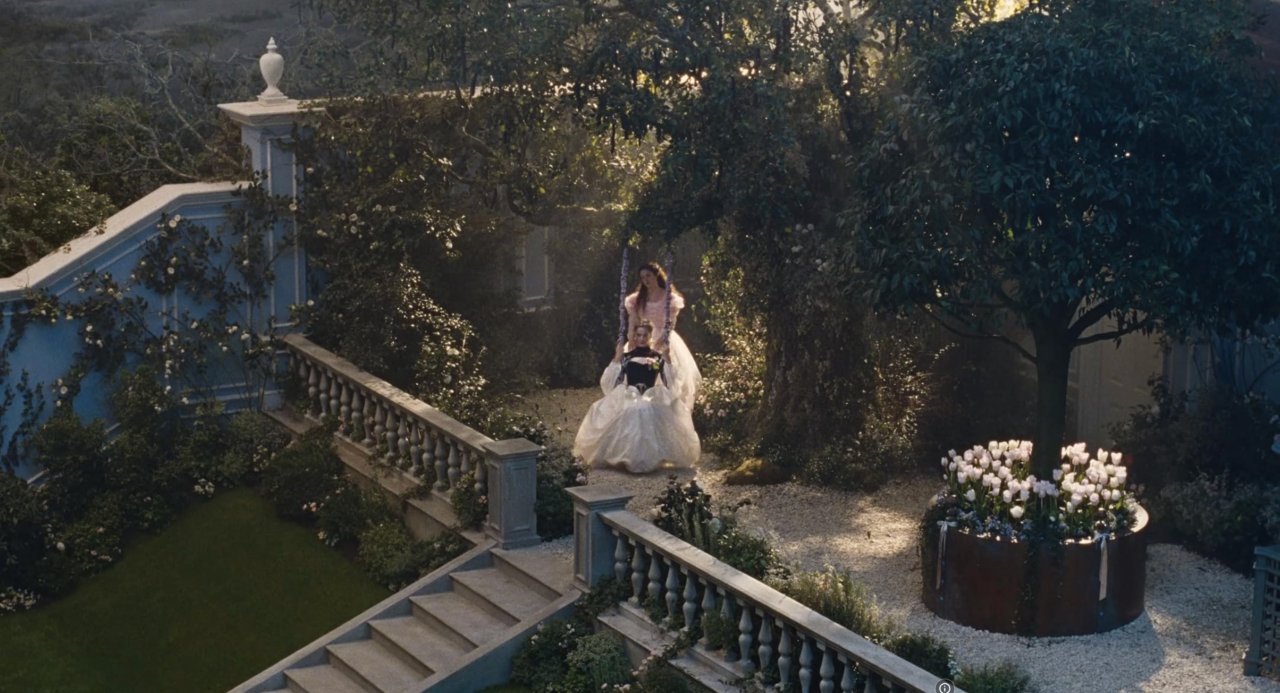
The ethereality of the swing scene is unmatched. I hardly knew where to rest my gaze: the botanical backdrop? The velvet swing ropes? Or jealousy embodied in its purest form? The mise-en-scène feels unmistakably redolent of the Rococo painting, The Swing by Jean-Honoré Fragonard. Though who would expect such emotional chaos to be the undercurrent of this idyllic scene? The push-and-pull motion of the swing almost mimics the wavering of Cathy’s heart — and when the feigned stoicism on her face finally melts into a snarl, that speaks for itself: the answer is always Heathcliff.
3. Sex and the City? No—Sex and the Moors
There’s little I desire more than to deliver an earnest piece. As such, I’ve managed to shy away from most discourse surrounding the new Wuthering Heights adaptation. After all, when has media discussion not fallen victim to the contagion effect?
There was, however, one viral consensus that I was unable to unlearn, something along the lines of the film being 140 minutes of straight sex. Certainly, these characters aren’t so prim and proper; they do run around like wild rabbits. Yet looking back, it’s always the giant strawberry that comes to mind; the phallic scrapbook, the freckle on the wall, but hardly the racy scenes themselves. I do believe commentary is what the mind chooses to fixate on, for the most part.
Whether the eroticisation of Wuthering Heights is excessive isn’t quite for me to decide, but I do think it serves a purpose: it speaks for what remained unvoiced for centuries. It wasn’t socially acceptable for Brontë to portray her characters as much more than eunuchs, but that doesn’t mean the chemistry wasn’t there.
4. Pretty privilege is no myth
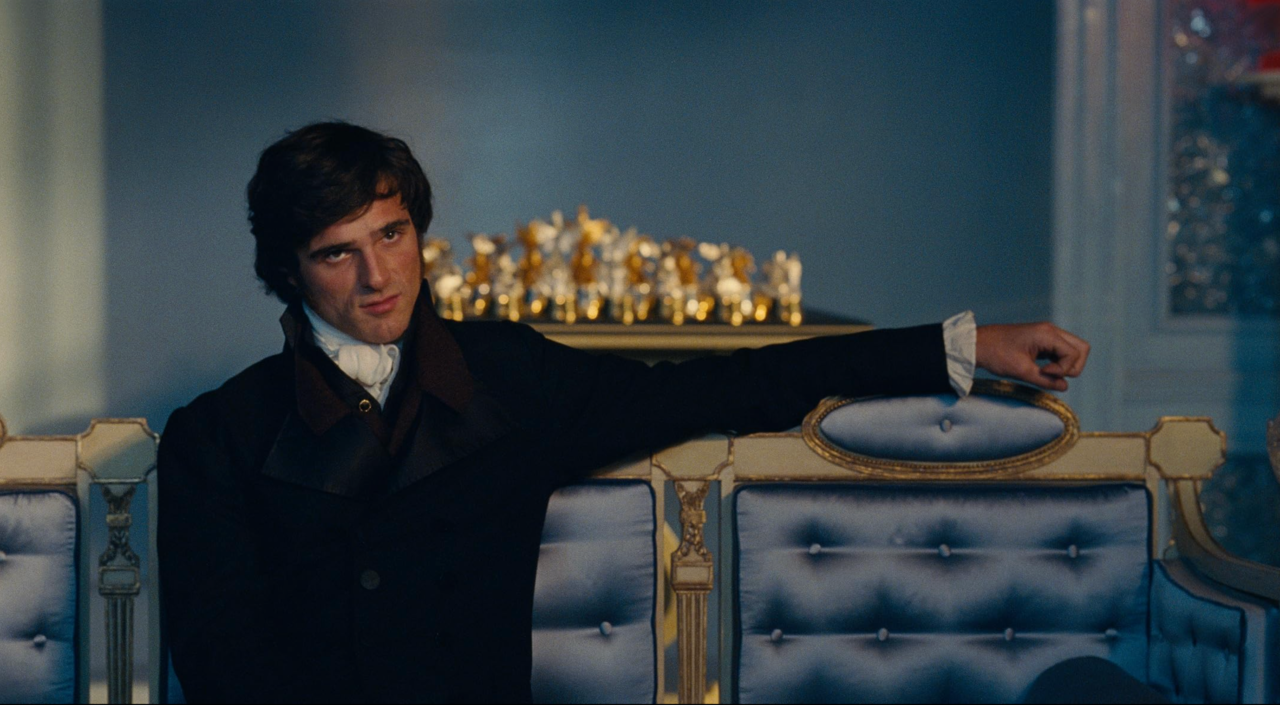
Hollywood heartthrob Jacob Elordi is no stranger to turning heads. Previously starring in The Kissing Booth, Euphoria and Saltburn, the Australian actor has garnered as much clout for his striking looks as for his roles.
In Wuthering Heights, Heathcliff seduces Isabella Linton for the sole documented purpose of ‘tormenting Cathy’ — and her consent, even after he promises to treat her ‘abominably’, only further proves his pretty privilege. But honestly, can we blame her?
Lovebombers, take notes: look good enough, and you can break hearts just by existing.
5. I don’t think we should be joking about domestic abuse
Indeed, Heathcliff has undergone a glow-up and somehow turned rich — but since when was it okay to portray domestic abuse in a mocking light? Perhaps the mockery was unintended, but the image of Isabella crawling under Heathcliff’s command certainly isn’t well-received. I was rather taken aback by the eruption of laughter that followed; it was easily the most upsetting moment in the entire film. See what a narc does to an impressionable young woman!
6. Madness or seasonal depression?
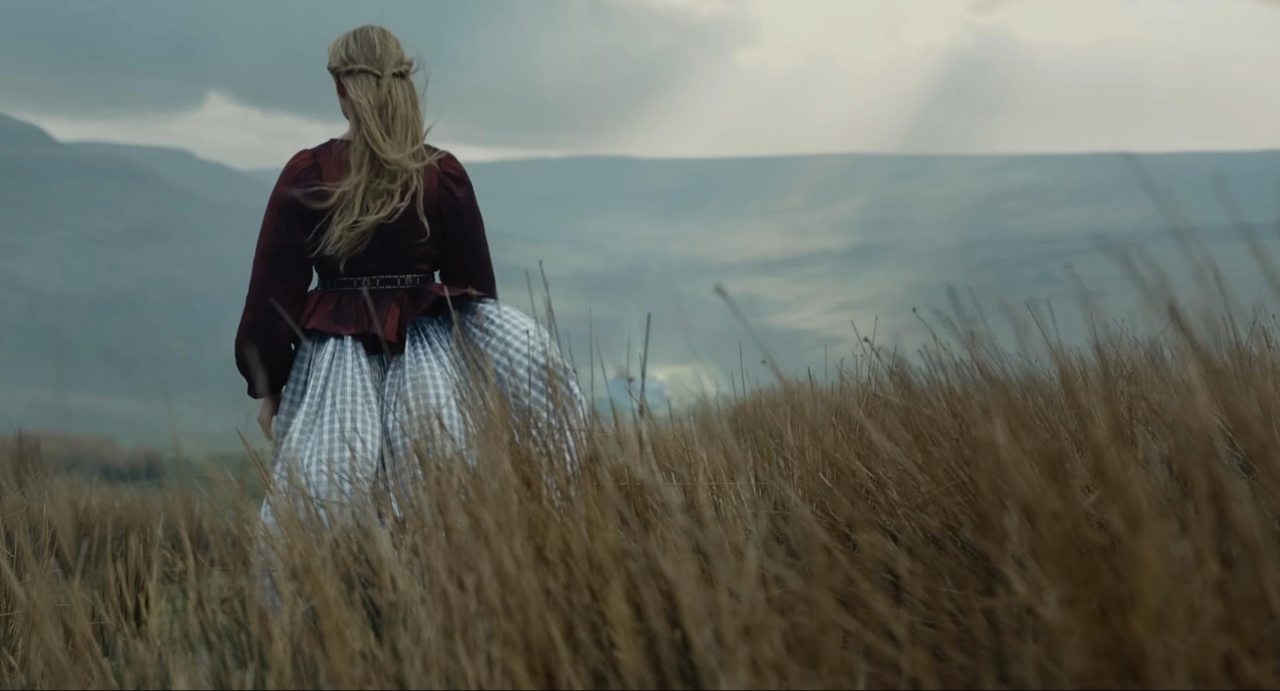
In Wuthering Heights, the weather makes an antagonist in and of itself. The film offers little room for silence, for the Northern winds never fail to make themselves heard. Permanent gloom and ceaseless downpour are neither charming in theory nor in practice, which made me wonder: might Cathy’s melancholy be climate-induced? But then again, I don’t suppose any meteorological cause could justify cheating on one’s husband.
7. Are we sure that’s a grange and not a boutique?
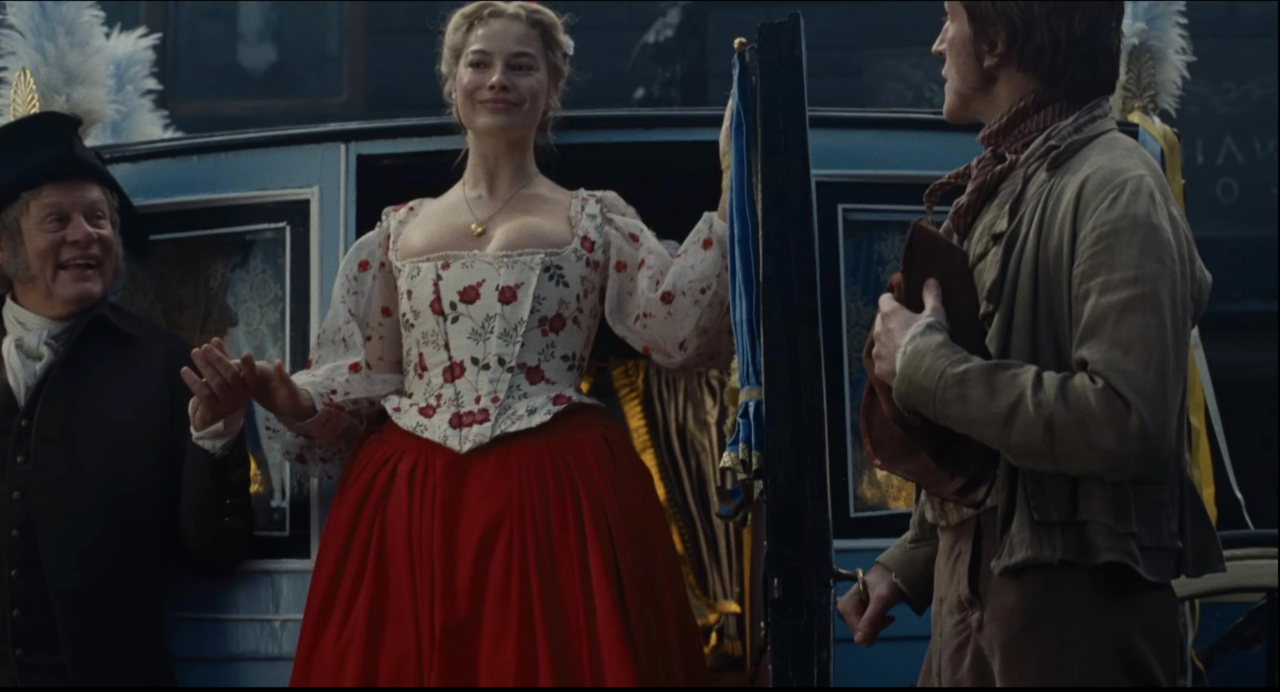
Naturally, Cathy re-emerges as a changed woman after six indulgent weeks at Thrushcross Grange. It is a moment of uncontested significance — a notion that’s endured centuries of literary criticism. Still, what costume designer Jacqueline Durran does here somehow goes above and beyond. Among other things, its capacity for storytelling is what makes the dress so remarkable.
The way its structured bodice erupts into a cascade of crimson is both arresting and thematic. It’s essentially Cathy’s mortal dilemma etched onto a garment. The delicate upper half — floral, waist-cinching and billowy on the sleeves — evokes the simultaneous comfort and constraint of genteel life. From waist down, however, the dress darkens into foreshadowing and becomes almost painful to behold. The red — does it signal passion, coming-of-age, or inevitable demise?
8. Textual accuracy is there, only subtle
Respectfully, those who chastise the film for not adhering to the plot might want to touch some grass. Fennell may have rewritten Cathy Jr. as a miscarriage, omitted Lockwood’s existence, and effaced Heathcliff and Isabella’s progeny — all the while retaining Brontë’s phraseology. Having read the book one too many times, noticing even the slightest parallels was unexpectedly cathartic. Unrevenged, infernal, dog in the manger… all of these I once had to dissect in class. Fennell clearly knows the book, and it’s on you if you don’t recognise that.
9. Never say no to maximalist jewellery
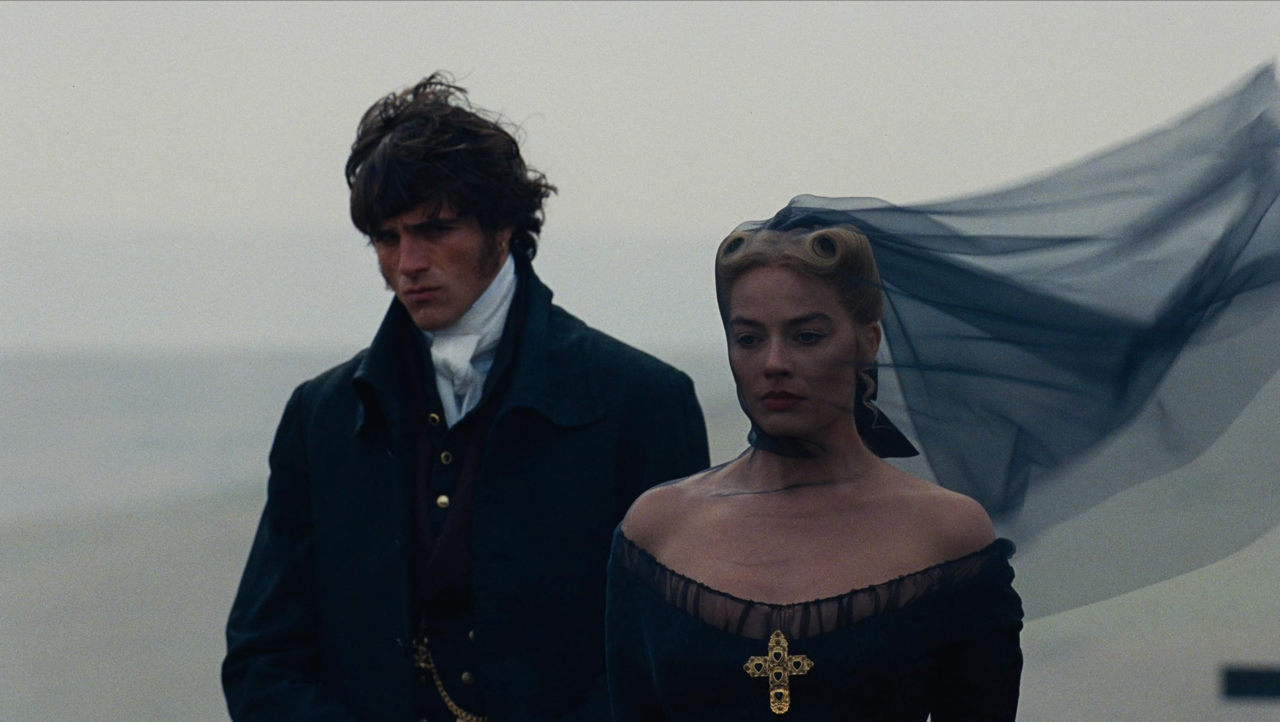
Cathy moves in with the Lintons, and suddenly all she wears are bejewelled crosses and layers upon layers of chunky pearls. But no one’s complaining.
The crosses effect a niche amalgam of gothic and couture. These necklaces and brooches (quite possibly inspired by the designs of Christian Lacroix) aren’t just arbitrary. We all recall Cathy weeping on the floor after accepting the marriage proposal — the part where she insists heaven isn’t her home, right? The crosses gesture toward a kind of wayward religiosity that’s at once abiding and iconoclastic.
Cathy might be bound to Edgar legally and by divine law, but spiritually she remains half-savage, hardy, and free.
10. That’s not very Victorian
I’m no historical pedant, but I couldn’t help noticing that some of the costumes hardly attempt to look Victorian. It’s no surprise that with Cathy’s union to Edgar comes the benefit of a closet upgrade — and a pretty anachronistic one, too, I daresay. But then I began to wonder whether that might be intentional. I refer here, in particular, to the wedding night look that resembles pink cellophane. The lavishness appears almost theatrical, especially when paired with the sullenness of the bride in turmoil. This is money can’t buy happiness at its core — something not even language can fully explain.
11. A 35-year-old playing a teenage girl—but somehow it works
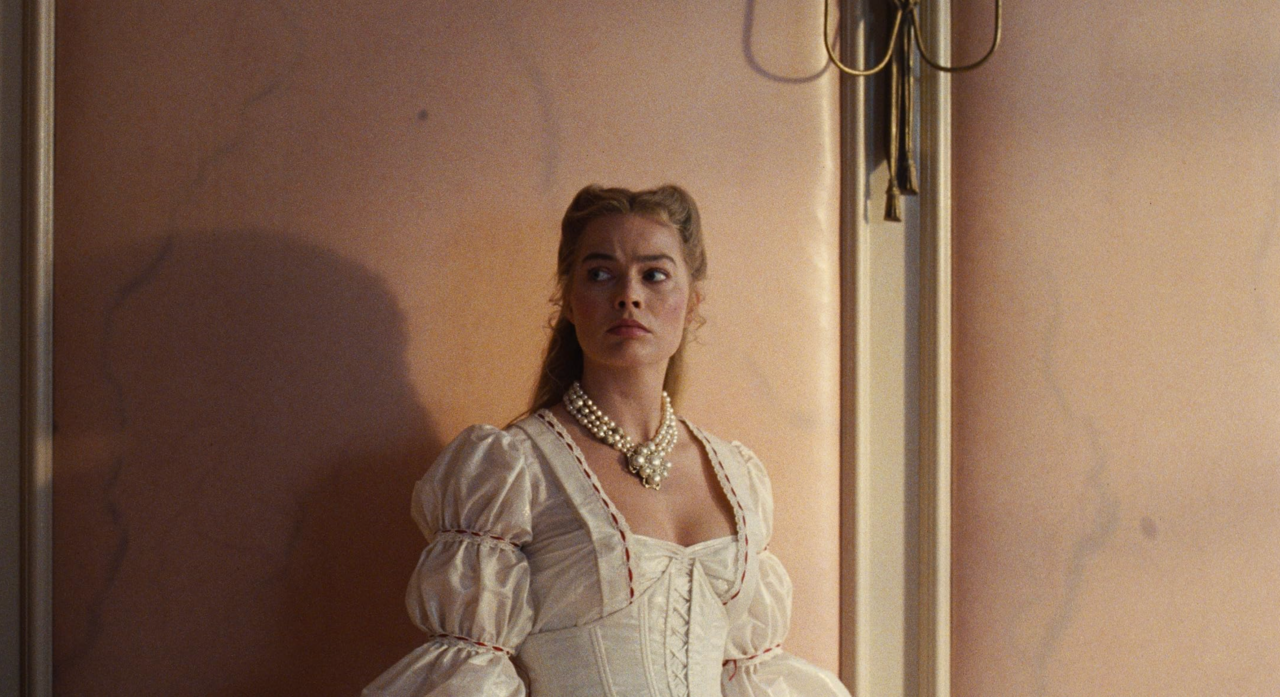
Much of the backlash against the casting of Cathy Earnshaw is grounded in age: Margot Robbie is in her mid-thirties; Cathy is barely nineteen when she dies. I had my own doubts, too. Yet the styling on set comfortably eliminates what could’ve turned into a logistical distraction. It accomplishes an effortless, almost neotenous look, emphasising blush placement and matte textures. What ultimately seals the deal, though, is Robbie’s own performance. Cathy is petulant, headstrong, irrational and erratic all at once — and Robbie brings every nuance to life.
12. Their accents kind of confuse me…
We’d assume from the endearing early scene where young Cathy teaches young Heathcliff to read — albeit with little to no patience — that she is the source of his literacy. So it really did come as a surprise that Robbie and Elordi adopt markedly different accents in the film. Cathy enunciates in a Southern English dialect; Heathcliff’s, by contrast, is distinctly Yorkshire. This is no big deal, of course. Something about it just felt like a broken promise.
13. Did she just stick her finger into the fish’s mouth?
It is a truth universally acknowledged that Wuthering Heights is a work of passion and paroxysms — but this may be where it crosses the line.
Sike. Grotesqueness aside, the scene is something of a cinematic masterpiece. Set against the backdrop of a sumptuous, rose-hued dinner, Cathy — clearly unimpressed by the surrounding opulence — slips her index finger inside the mouth of a dead, gelatinous fish. Aspic, as it turns out, was adopted by medieval chefs as a means of preserving meat and preventing the spread of bacteria. This moment is disarming in its surrealism, precisely because it stages the palpable tension between the civil and the primal.
14. Music does a lot of the work
Charli XCX and Wuthering Heights are two names I never would’ve imagined side by side. I tried, but genuinely struggled to place “Boom Clap” or BRAT within the context of the Yorkshire moors. So it came as a relief (and no surprise) that Charli XCX once again proves herself incredibly versatile. The soundtrack is indispensable to the overall production, for it accomplishes something both rare and hard to articulate: as we approach the end of the tragedy, the instrumentals seem to pulse with a strange awakening — as though life finds itself through death.
Oddly enough, it makes sense. As Brontë’s star-crossed lovers are doomed to separation, it leaves death as their final site of union.
15. “Let me in—let me in! I’m come home—I’d lost my way on the moor!”
Perhaps what I most looked forward to seeing was how Fennell might execute the ghost scene — only for it to have gone missing completely! In the novel, Cathy’s spectre emerges before the window in the form of a child’s hand, frantically grasping at Lockwood’s wrist. So it was rather to my dismay that neither Lockwood nor his chaos-ridden stay at the Heights features in the adaptation. What does this imply, then? That Kate Bush’s 1978 banger “Wuthering Heights” is, simply and quite tragically, irrelevant here.
16. Leave Edgar be. He’s just a loverboy.
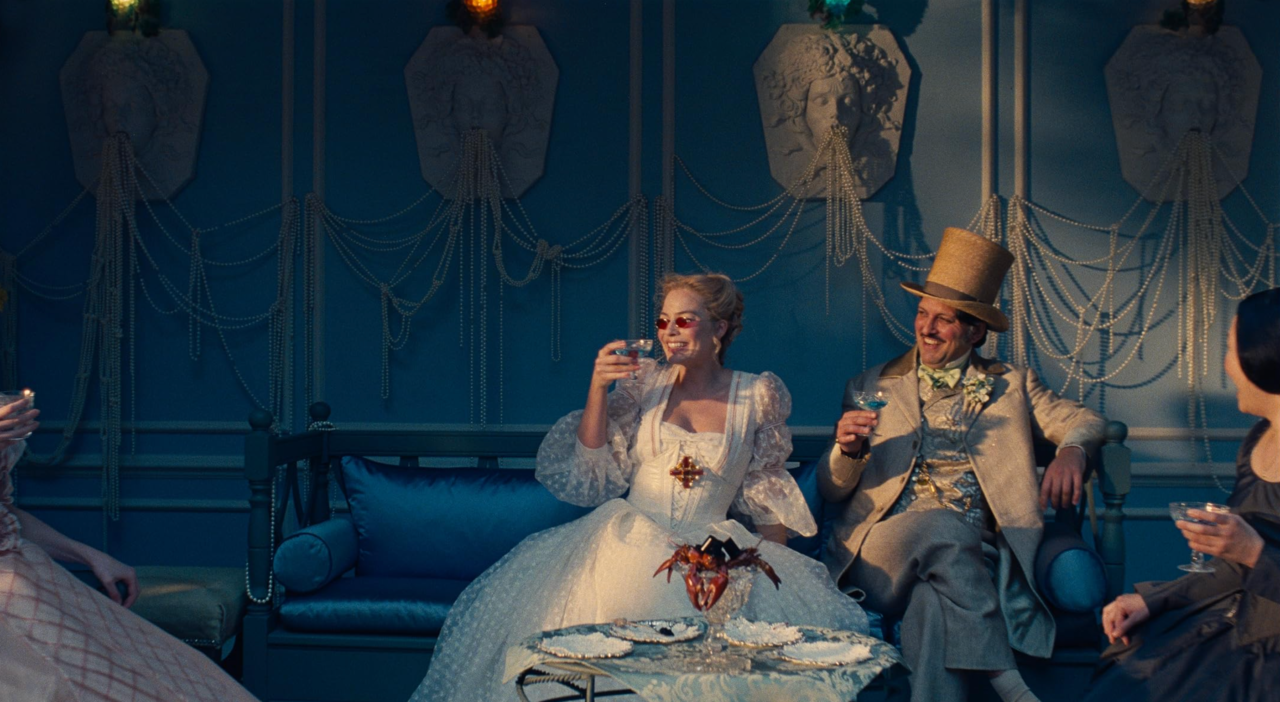
Contrary to popular belief, I’ve always been sympathetic toward Edgar Linton. True, he stands as the sole obstacle between Cathy and Heathcliff; his magnanimity and devotion to his wife are, however, honestly admirable. I mean, can you imagine hosting your husband’s ex at your family estate? No, you cannot. That’s unconditional love right there. Some might even go as far as to argue that Edgar is a catch (though I never said that).
17. Nelly Dean, you are a bad apple!
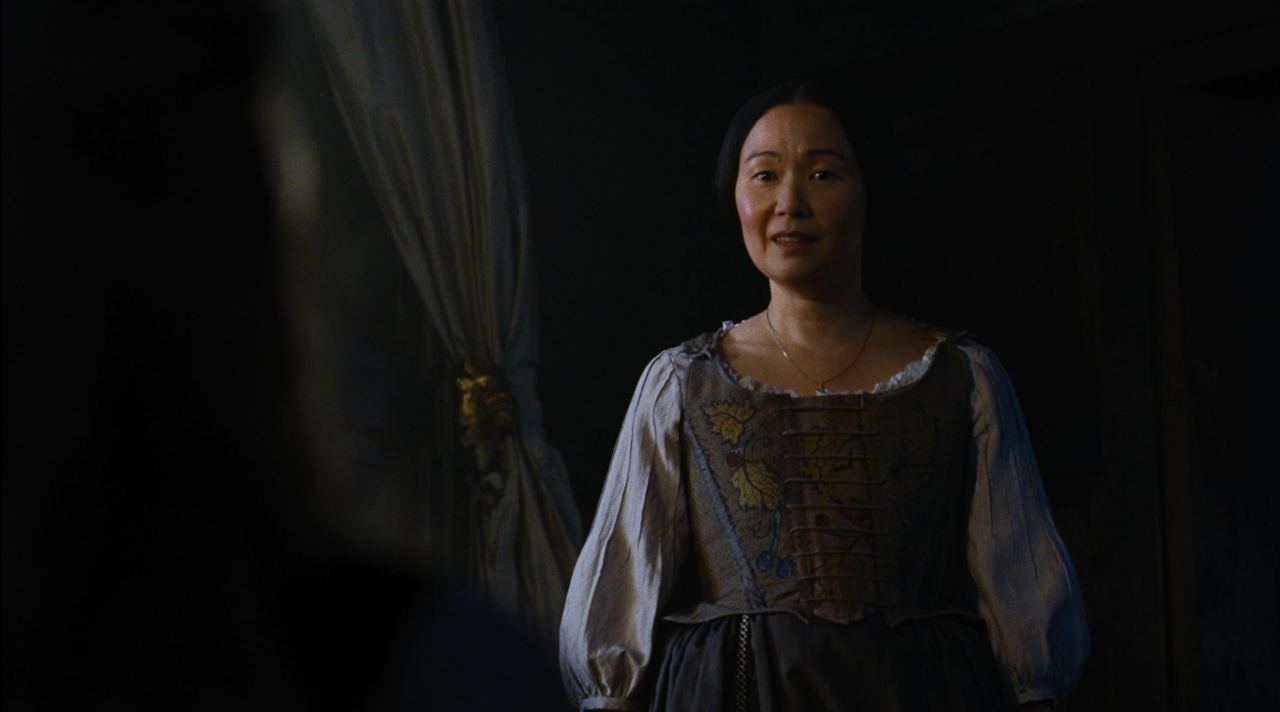
Far from the maternal, blabbering figure she embodies in the novel, Nelly emerges as the film’s most despised antagonist. She practically orchestrates Cathy’s downfall and repeatedly burns all correspondence from Isabella to oblivion. How much more malicious does one get?
Plus, don’t get me wrong: I love a good bit of diversity in film. But in a production where even the ethnically ambiguous anti-hero is played by a white actor, perhaps the one instance of Asian American representation (courtesy of Hong Chau) might’ve merited a more generous characterisation…
18. This does no justice to Heathcliff’s arc
What this adaptation gravely understates are the consequences of generational trauma. We know that Mr. Earnshaw’s gambling is the cause of poverty; we saw with our own eyes Cathy’s cumulative descent into madness. What childhood neglect does to Heathcliff is, surprisingly, fully omitted.
He ends up seizing both estates in the novel, toying with the children like pawns in his eternal revenge. Like it or not, it’s the only ending we’re offered in the circumstances given.
That being said, it is neither advisable nor rational to think of Heathcliff as a fictional love interest. Doing so in the modern dating pool may cause serious harm.
19. Holy analepsis
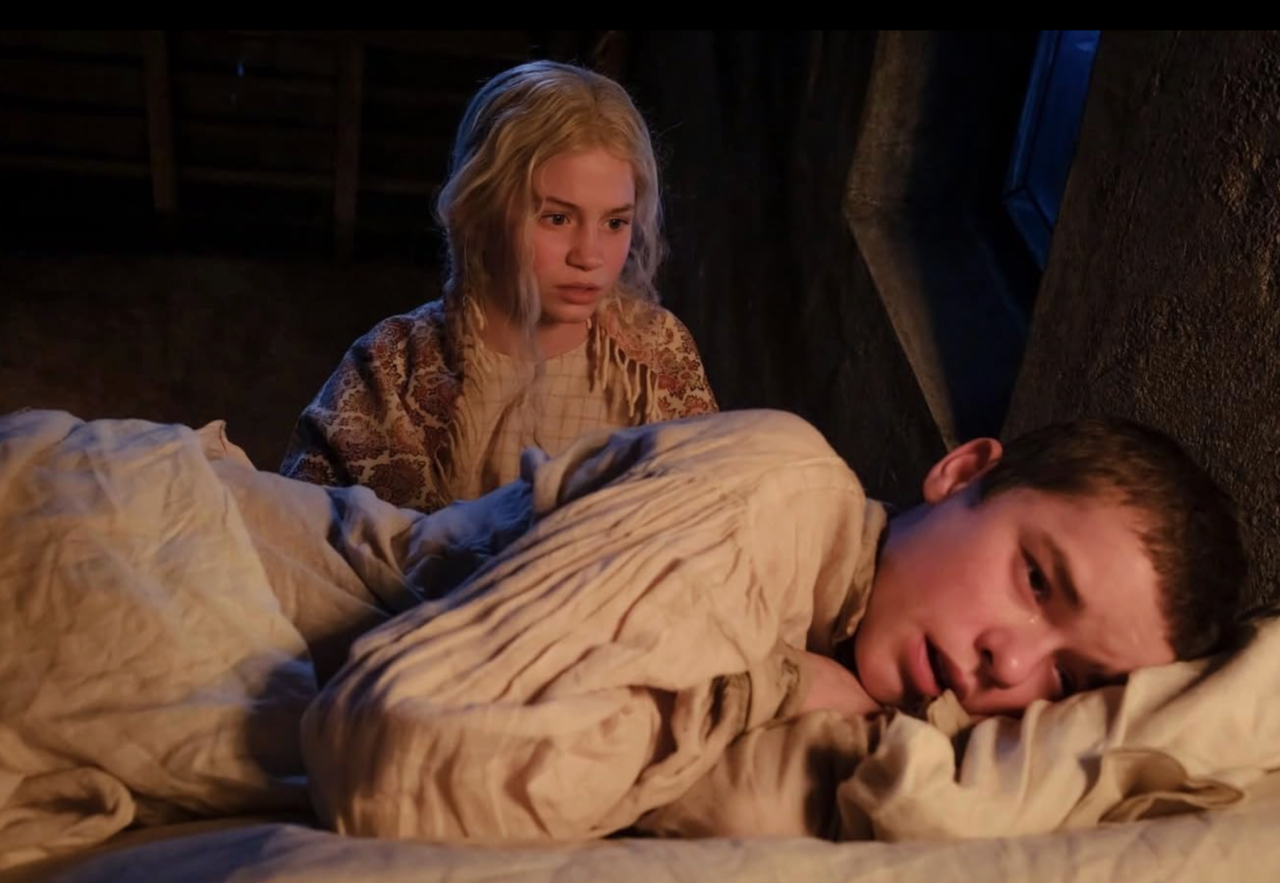
I am rarely moved by films, but that might be because I don’t tend to watch many. I try not to invite sadness into my life. But the part in the end where Heathcliff embraces a lifeless Cathy — the screen flickering between past and present, childhood and adulthood — left me in a bit of a sorry state. It is so easy to villainise a character for their words and actions, to fixate on the cruelty, and forget where it all began.
20. Bloody leeches!!!
Cathy on her deathbed is among the most haunting images I have beheld. Again, I wasn’t sure where to observe first. My eyes kept darting between the pallor of her skin and the ever-expanding pool of red below. That was before I spotted specks of black on the bedroom wall, arranged in terrifying symmetry. It took a moment before I clocked that those were leeches. They had all flocked to the pale wall, mistaking it for the decaying skin of Catherine, now deceased.
Bless, the poor girl can’t even die without having her freckle bitten off the wall!
Editor
Sophie LiCredit
Lead Image: IMDb