

For years, I’ve wrestled with sleep disturbances and a lack of deep, restorative rest—despite staying active and limiting myself to just one cup of coffee by noon. I’m far from alone: Approximately 10-30% of the global adult population experiences insomnia symptoms at any given time, with about 10% meeting the criteria for clinical insomnia disorder (lasting at least three months and causing daytime impairment). The World Sleep Society and studies in The Lancet estimate that over 50% of adults—or roughly 4 billion people—report inadequate sleep occasionally, while chronic poor sleep affects 1 in 3 worldwide.
So why are we increasingly obsessed with quality sleep? It all ties to our growing fascination with longevity. The path to a longer, healthier life—and even looking younger—starts with good rest. But what defines quality sleep? It’s 7-9 hours per night of uninterrupted, restorative slumber that repairs the body, regulates hormones, boosts immunity, and protects the brain. In contrast, poor sleep accelerates ageing and elevates mortality risk by 10-20%. Here’s how it fuels longevity:
- Cellular Repair: Deep sleep activates autophagy (a cellular cleanup process) and preserves telomeres (protective chromosome caps), effectively adding years to your biological clock.
- Hormonal and Metabolic Balance: It stabilises stress, appetite, and blood sugar hormones, slashing risks of obesity, diabetes, and heart disease.
- Immune Strength: Sleep enhances defences against infections and dampens chronic inflammation, potentially reducing illness-related deaths by up to 48%.
- Brain Protection: Overnight, it flushes out toxins like Alzheimer ‘s-linked plaques, cutting dementia risk by 20% and maintaining sharp cognition.
The evidence is compelling: Large-scale studies, such as the UK Biobank and a 2023 JAMA review, indicate that optimal sleep could prevent over 500,000 deaths annually worldwide—outpacing the benefits of diet or exercise alone. Prioritising it isn’t optional; it’s essential.
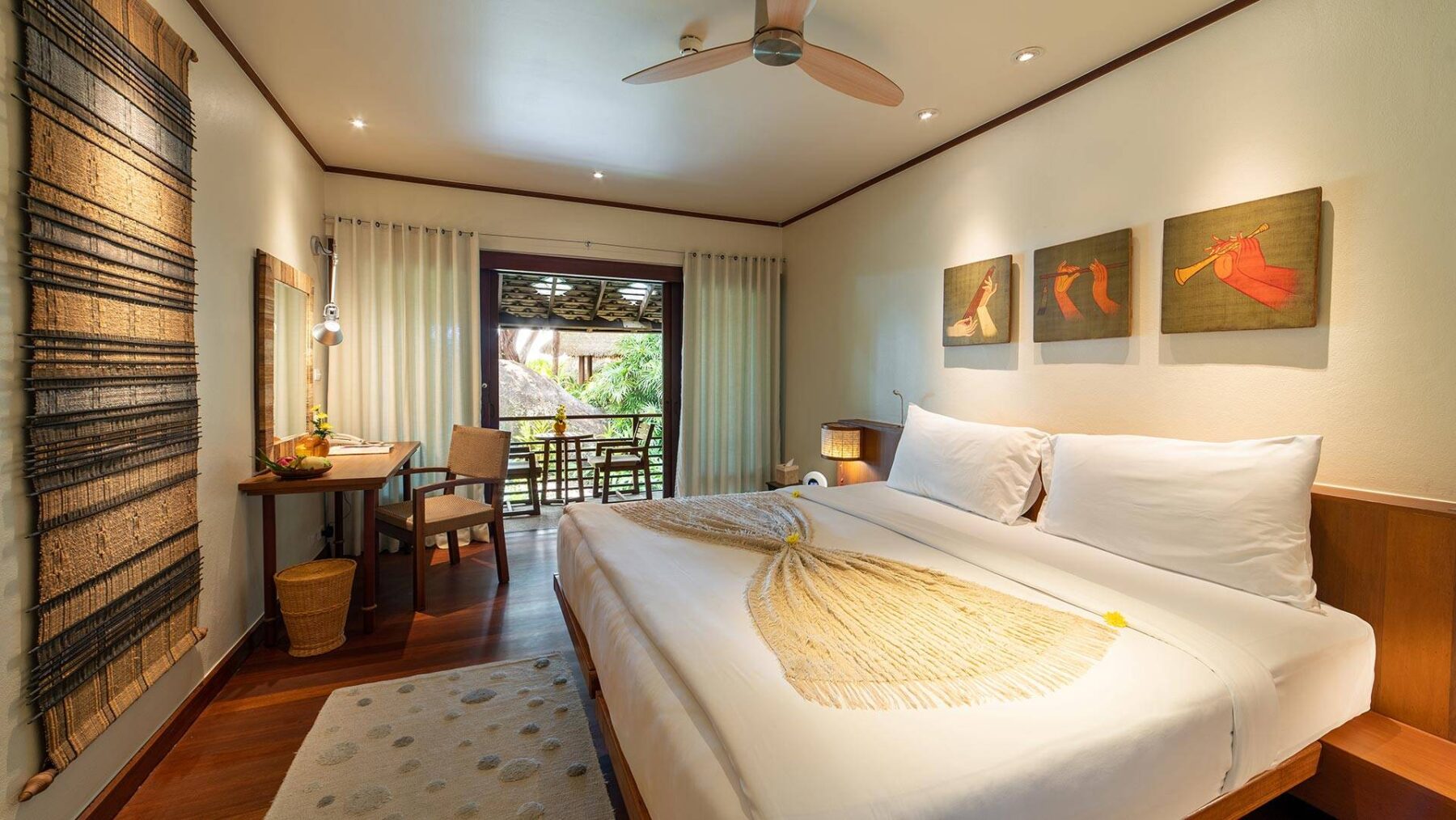
My own prolonged struggles—trouble falling asleep and staying asleep—finally drove me to Kamalaya Wellness Sanctuary in Koh Samui for a five-night sleep enhancement program. With few high-quality sleep retreats in Asia, I was determined to fix this once and for all. Digital detox was high on my list, as blue light from phones and computers disrupts melatonin and irritates sleep cycles. I’d even researched blue light glasses, but studies showed little evidence for their effectiveness—mostly a placebo at best.

A full digital detox felt daunting, as I’d never tried one before. But Kamalaya made it approachable: Phones are banned throughout the resort except in your room, where a simple box lets you store yours and access it only when needed. This gentle structure eased me in beautifully.
Upon arrival, I was delighted by a leaflet offering more than 10 pillow types to choose from—perfect for adjusting to a new environment. I met with a wellness consultant who delved into my lifestyle, supplements, diet, and goals. She noted my high-intensity endurance workouts and wondered if they were stressing my thyroid. She offered blood tests, but I shared recent results revealing subclinical hyperthyroidism: My thyroid was producing excess hormones (T4 and T3), which regulate metabolism and energy. Elevated levels rev up the nervous system, causing restlessness, weight loss, and disrupted sleep in up to 50% of cases—exacerbating fatigue and cardiovascular strain that indirectly shortens longevity.

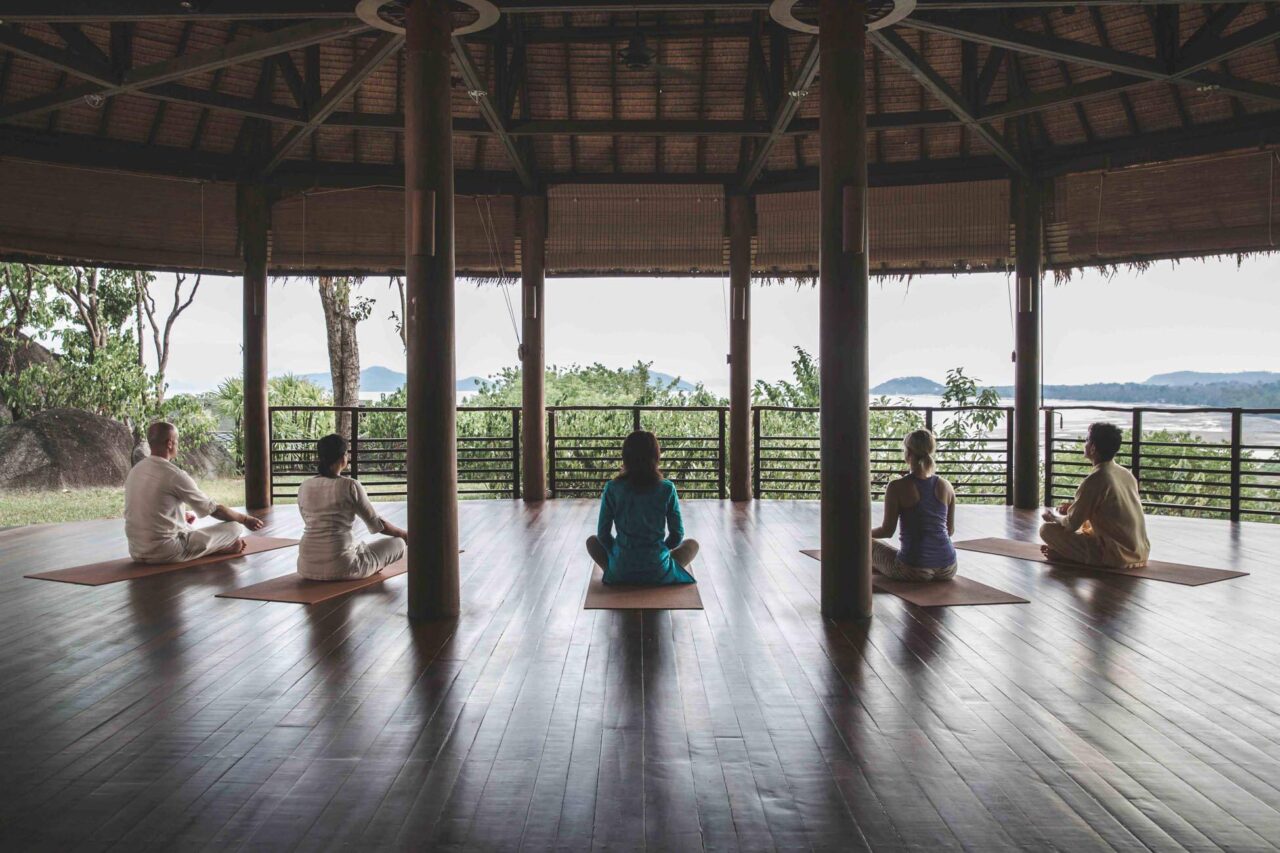
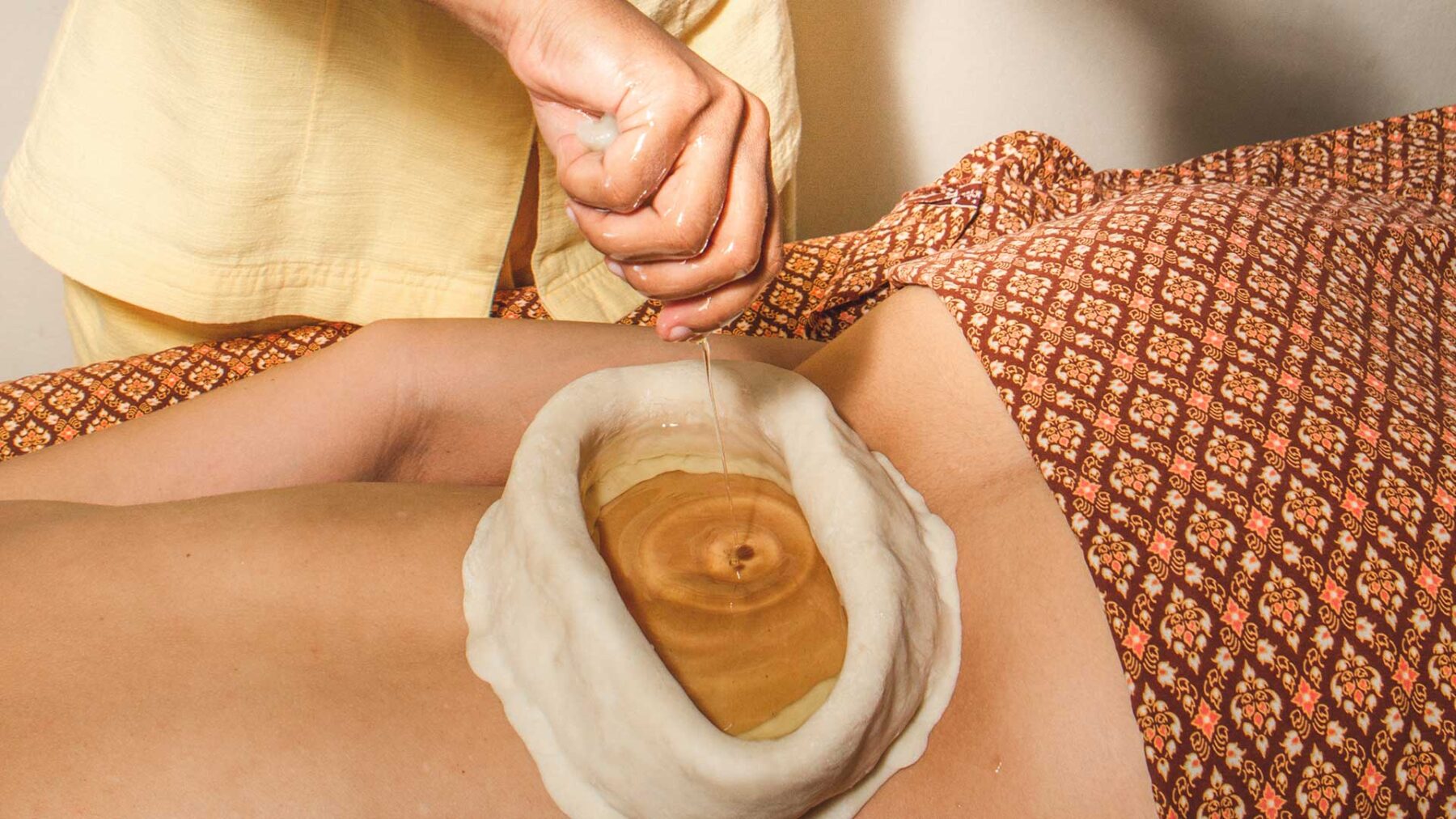
The good news? At a subclinical level, I could manage it through lifestyle changes without medication. I swapped intense triathlon training for calming alternatives like walking, yoga, and mindfulness practices—an epiphany, as I’d assumed hard workouts would help sleep, but they were counterproductive. During my stay, I incorporated daily yoga, meditation, qi gong, and hour-long walks, fostering a gentler rhythm.
Evenings became a soothing routine: Journaling, followed by listening to binaural beats on a Kamalaya-provided CD with stereo headphones, 90 minutes before bed. These frequencies—embedded under nature sounds like rain or ocean waves—target brain waves during wind-down. Alpha waves (8-14 Hz) emerge in this relaxed, eyes-closed state, bridging alert beta waves (12-30 Hz) to deeper calm. They promote mental ease, lower cortisol, and pave the way for sleep onset. I added aromatherapy essential oils to a room diffuser for physical and mental unwind, plus a recommended valerian supplement. The result? I fell into deep sleep like never before—waking refreshed after years of frustration.
Ditching devices amplified everything: I read four books in five days, free from doom-scrolling and social media. Beyond productivity, I felt calmer and more grounded. Social media harms sleep by spiking dopamine through notifications and likes, mimicking slot-machine wins that keep you hooked late at night—shifting you to stressed beta waves and delaying melatonin. To counter this, mute alerts or enforce curfews an hour before bed; it balances dopamine, restores evenings, and supports longevity through better recovery.

A highlight was Neuromodulation Therapy at the Cognitive House, which delivers gentle electrical stimulation to the vagus nerve via the outer ear, activating brainstem pathways. It reduces sleep disorders, anxiety, depression, and migraines while uplifting mood, sharpening focus, memory, and brain health by boosting GABA neurotransmitters. Post-session, I felt profoundly grounded and calm, sleeping like a baby that night.
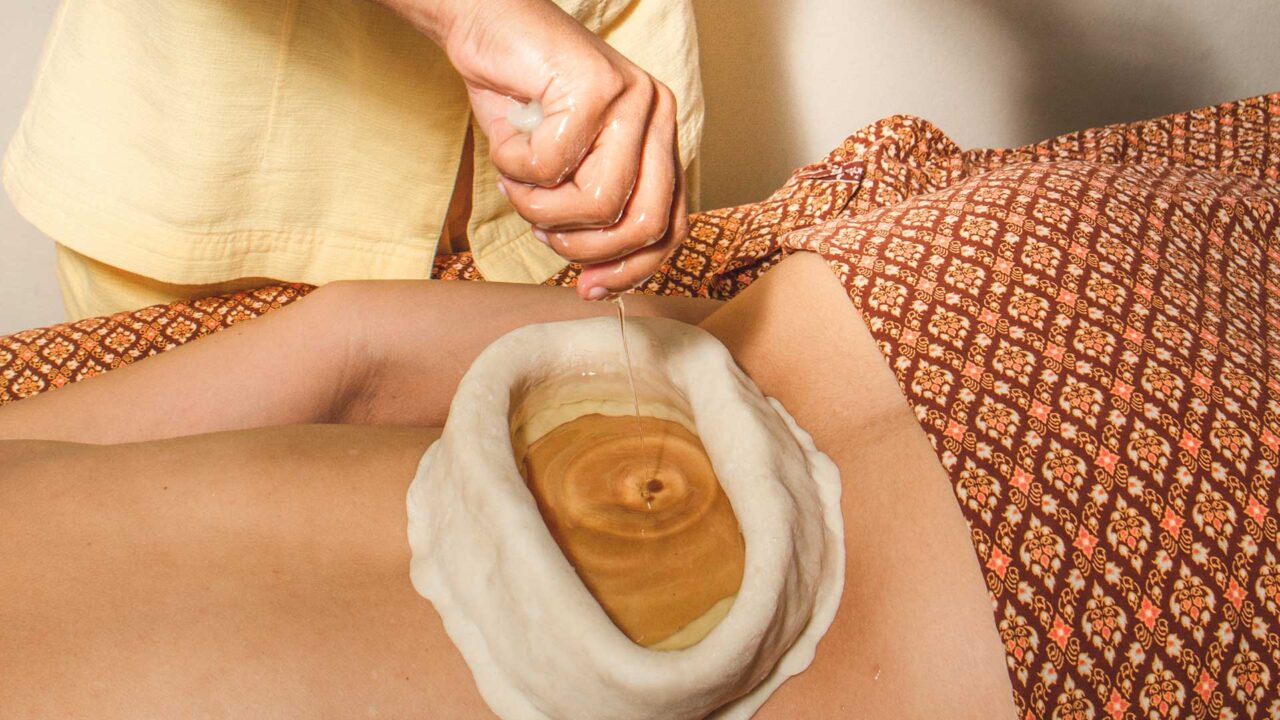
Shirodhara therapy was another gem—an ancient Ayurvedic practice pouring warm, medicated herbal oil steadily across the forehead’s “third eye” for 45 minutes. It left me deeply relaxed with newfound clarity, soothing my nervous system and enhancing sleep depth.
I also embraced Reiki, a Japanese energy healing technique where the practitioner channels “ki” (life force) through light hand placements to balance energy and promote self-healing. It felt like a warm, nurturing hug for the soul, easing emotional tension and inviting restful nights.

Finally, my Indian practitioner introduced candle meditation (trataka): Gazing at a beeswax flame 2-3 feet away in a dark room for 1-10 minutes, focusing on the tip without much blinking, then visualising it with eyes closed. It sharpened concentration, cleared mental chatter, and instilled a profound sense of calm—perfect for pre-sleep tranquillity. You can practice this at home whenever you feel overwhelmed and stressed.
Retreats aren’t a magic fix but a powerful catalyst for sustainable change. Blending ancient wisdom with modern insights proved essential for me, unlocking lasting, longevity-boosting rest and a much-needed reset from my fast-paced, chaotic city life. If you’re facing similar sleep struggles, start small. Below are some ways that have helped me achieve better quality sleep.
Apps for better sleep
Calm
Sleep Reset
Headspace
For customisable sound mixes and sleep cycles
BetterSleep
Sleep Cycle
Devices to track sleep
WHOOP 5.0
Oura Ring, Ultrahuman Ring
Apple Watch
Galaxy watch
Garmin watch
Technology to aid sleep
NeuroVIZR
Therabody SmartGoggles (second generation)
ZenoWell Vita – Activates Vagus Nerve and Paves the Way to Calm
Supplements
Nature Bounty- Sleep3
Valerian Root
Saffron
Magnesium Lycinate Glycinate
Editor
Antonia LiCredit
Images Courtesy of Antonia Li