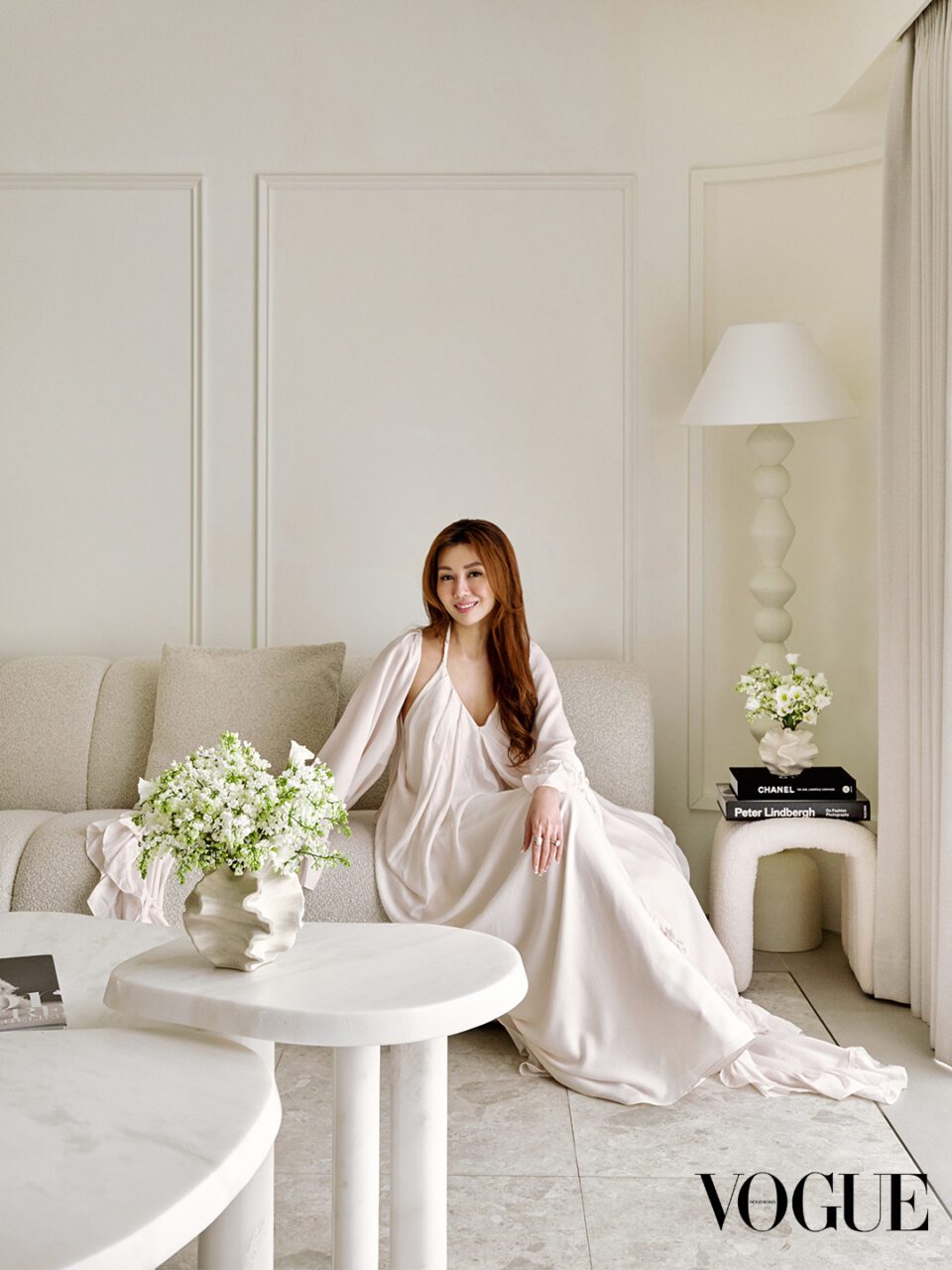



In our hyper-accelerated, digital world, we are constantly chasing the next moment, often forgetting to appreciate the beauty of the present. For me, wearing a watch has never been about keeping a schedule; it is about keeping a connection to human touch. Lately, my collecting journey has drawn me away from the uniform perfection of mainstream luxury and toward the quiet, soulful world of independent watchmakers. In a market where waitlists span years and secondary market prices routinely command eye-watering six- or seven-figure premiums at auction, it is clear that independent horology is no longer a niche secret—it is the absolute pinnacle of modern collecting.
When I look at an independent masterpiece, I don’t just see a dial—I see the thousands of hours of a master artisan’s life, hand-bevelled and mirror-polished just for me. It is a form of mechanical mindfulness, a reminder that the most beautiful things in life cannot be rushed.
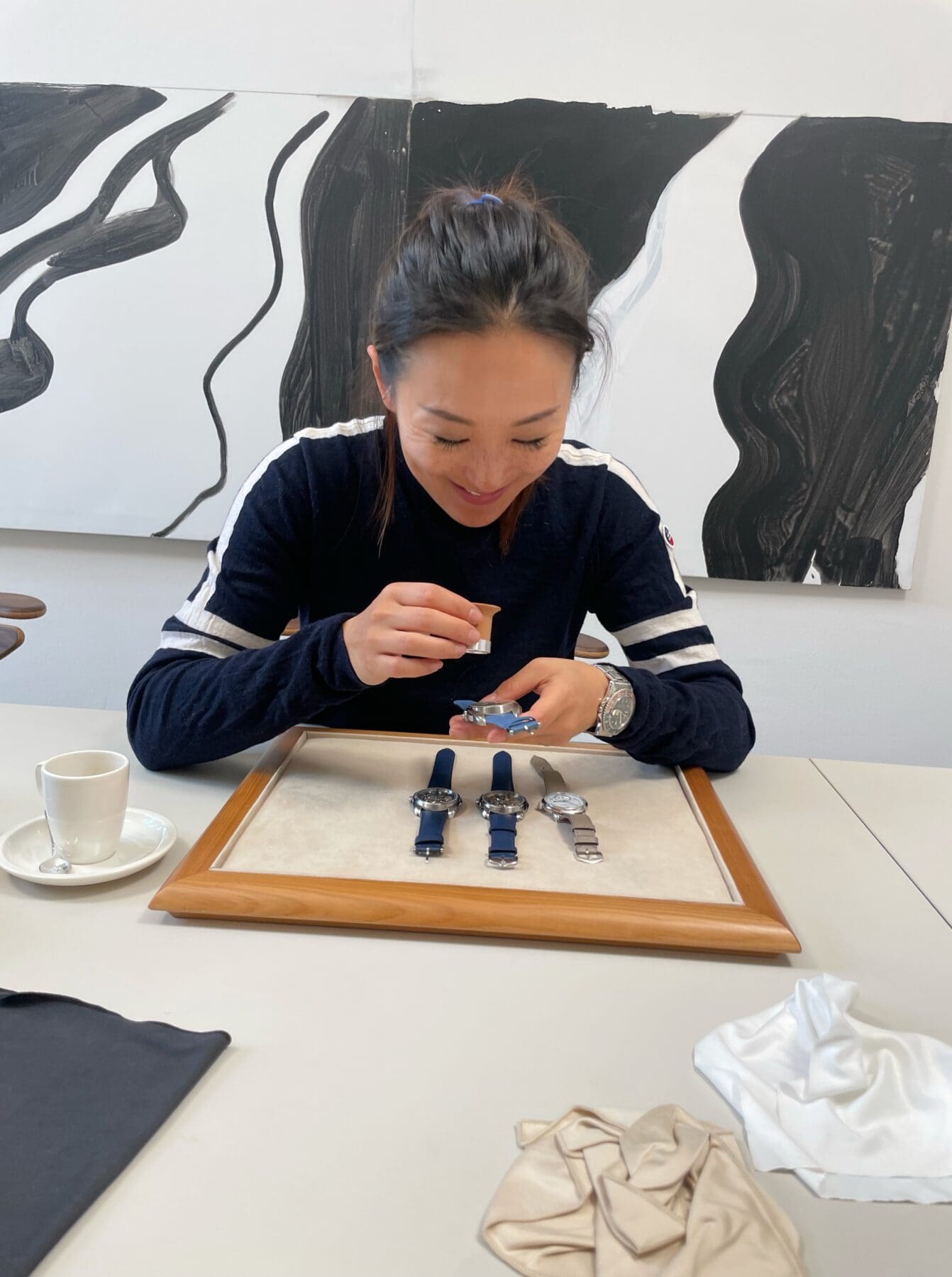
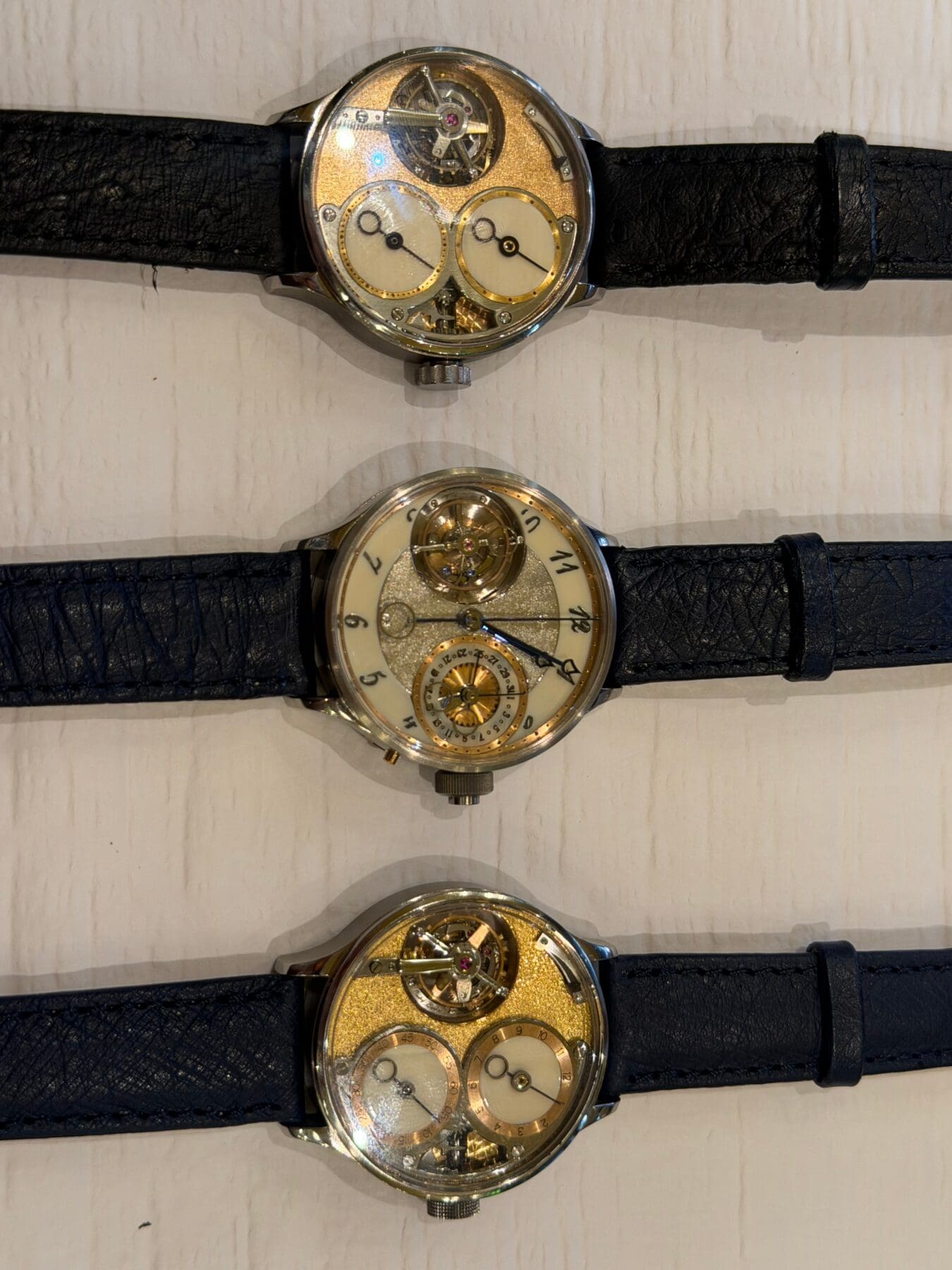
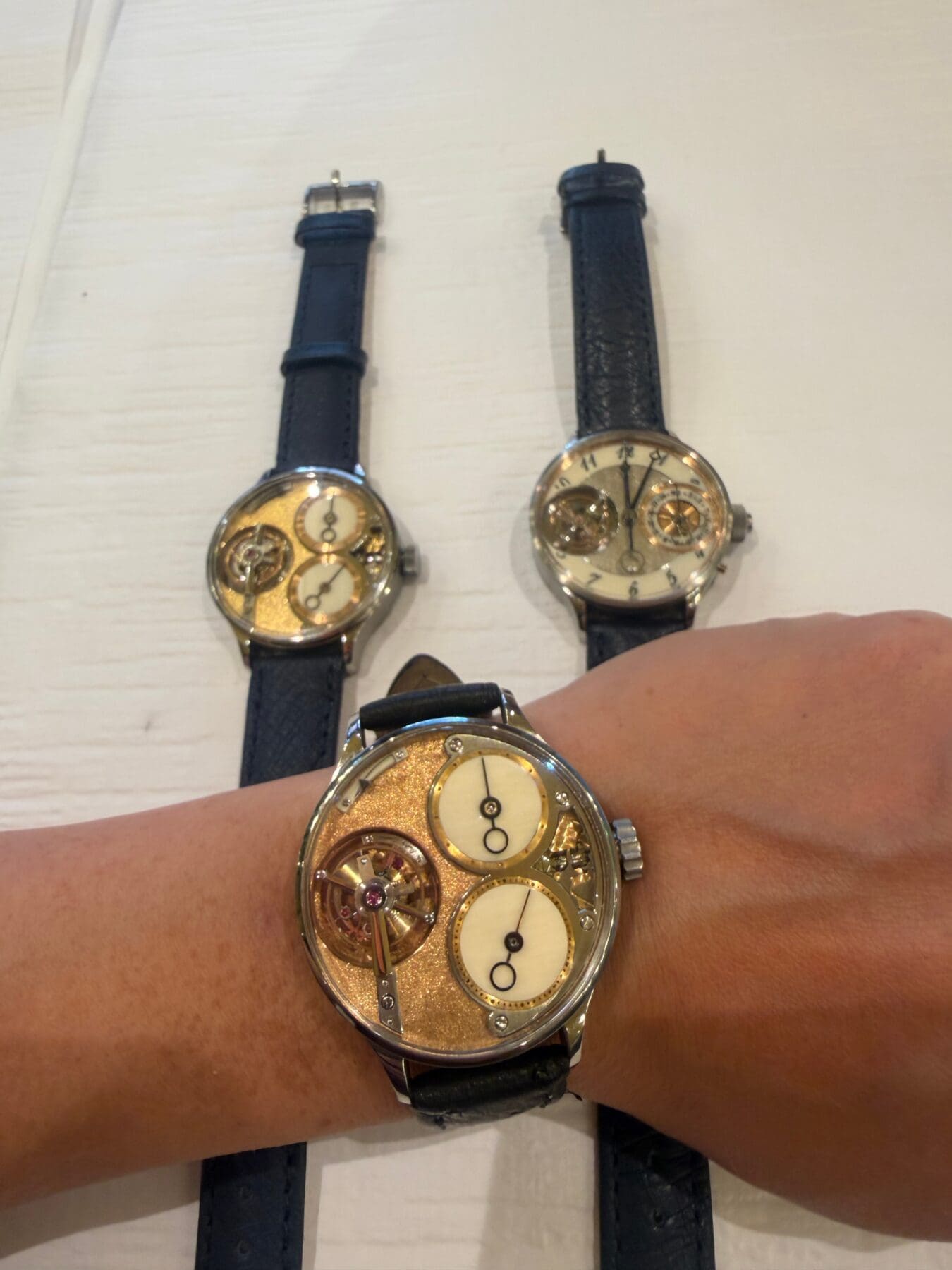
To understand the depth of this world is to know the creators who pour their lives into these miniature canvases. Looking back at the photos I have taken over the years with these masters, I don’t just see brilliant watchmakers—I see artists who have become part of my personal journey.
Here are the twelve masters whose work, stories, and dedication continue to define my appreciation for time:
1. Philippe Dufour: The Godfather of Finishing
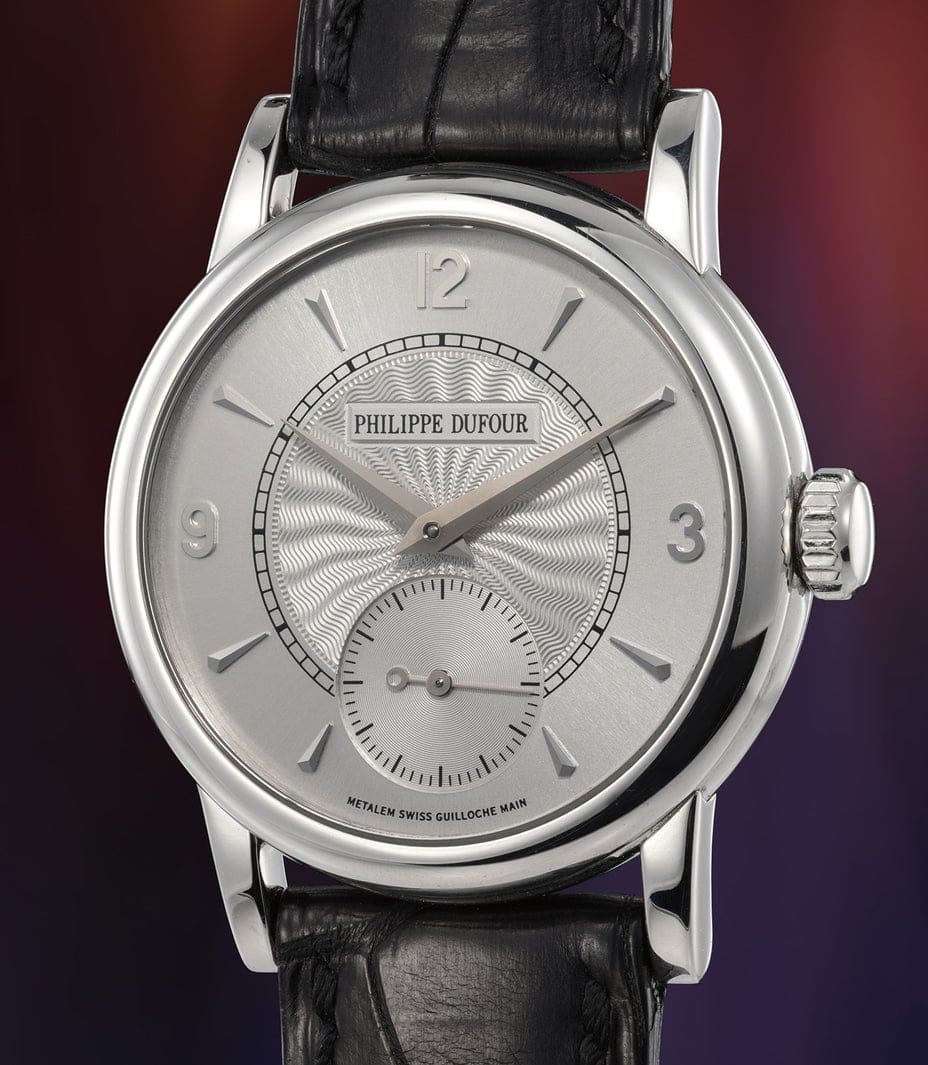
Annual Production: ~8 to 12 watches per year (historically 15 to 18 pieces per year during the peak of the Simplicity run)
Working out of his workshop in the Vallée de Joux, Philippe Dufour (born 1948) is the elder statesman and living legend of independent horology. He is the ultimate guardian of traditional Swiss watchmaking. Dufour is best known for the Simplicity—a time-only watch designed to showcase the absolute limit of human hand-finishing. His sweeping internal angles, perfect anglage (beveling), and mirror-polished screw heads set the global gold standard. To own a Dufour is to own the pinnacle of horological art, a testament to a lifetime spent chasing microscopic perfection.
2. François-Paul Journe: The Contemporary Alchemist
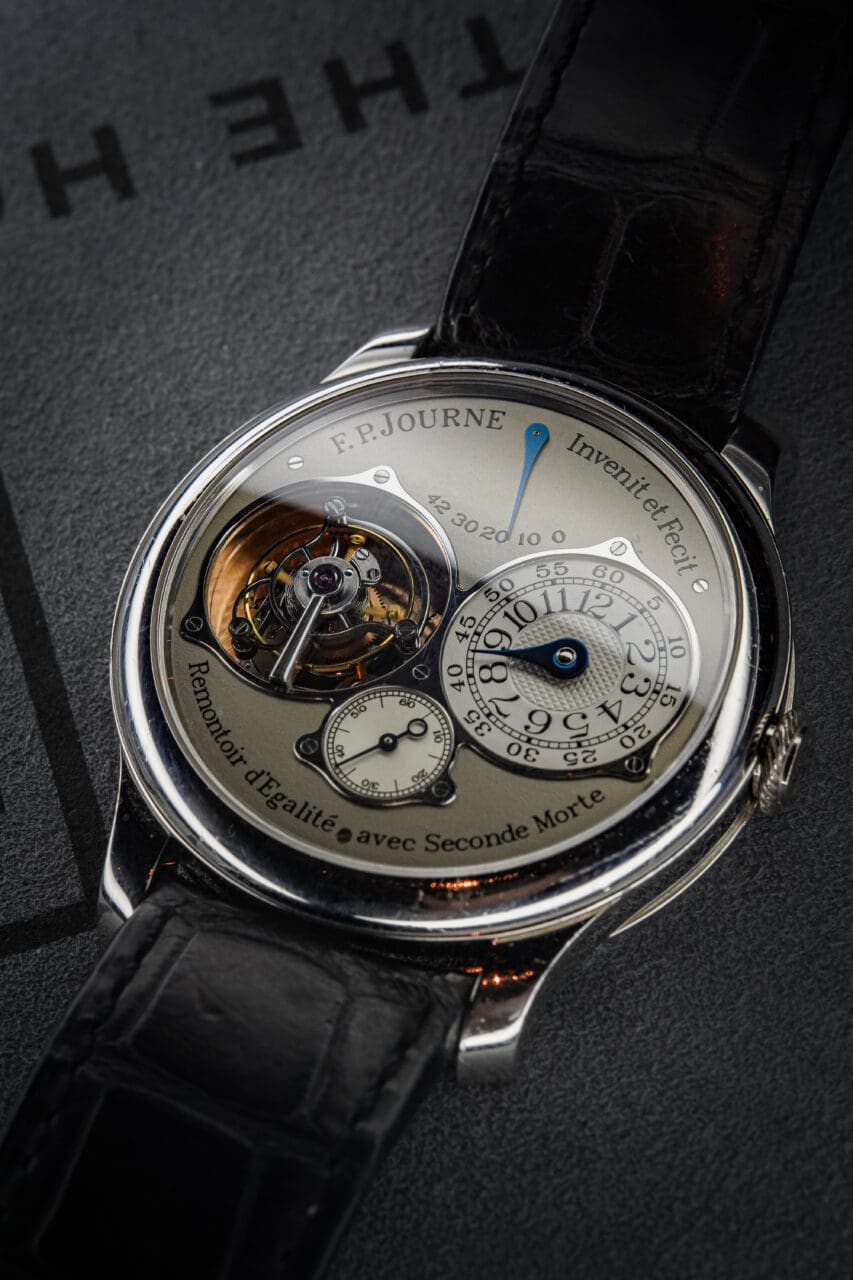
Annual Production: ~900 to 1,000 mechanical watches per year
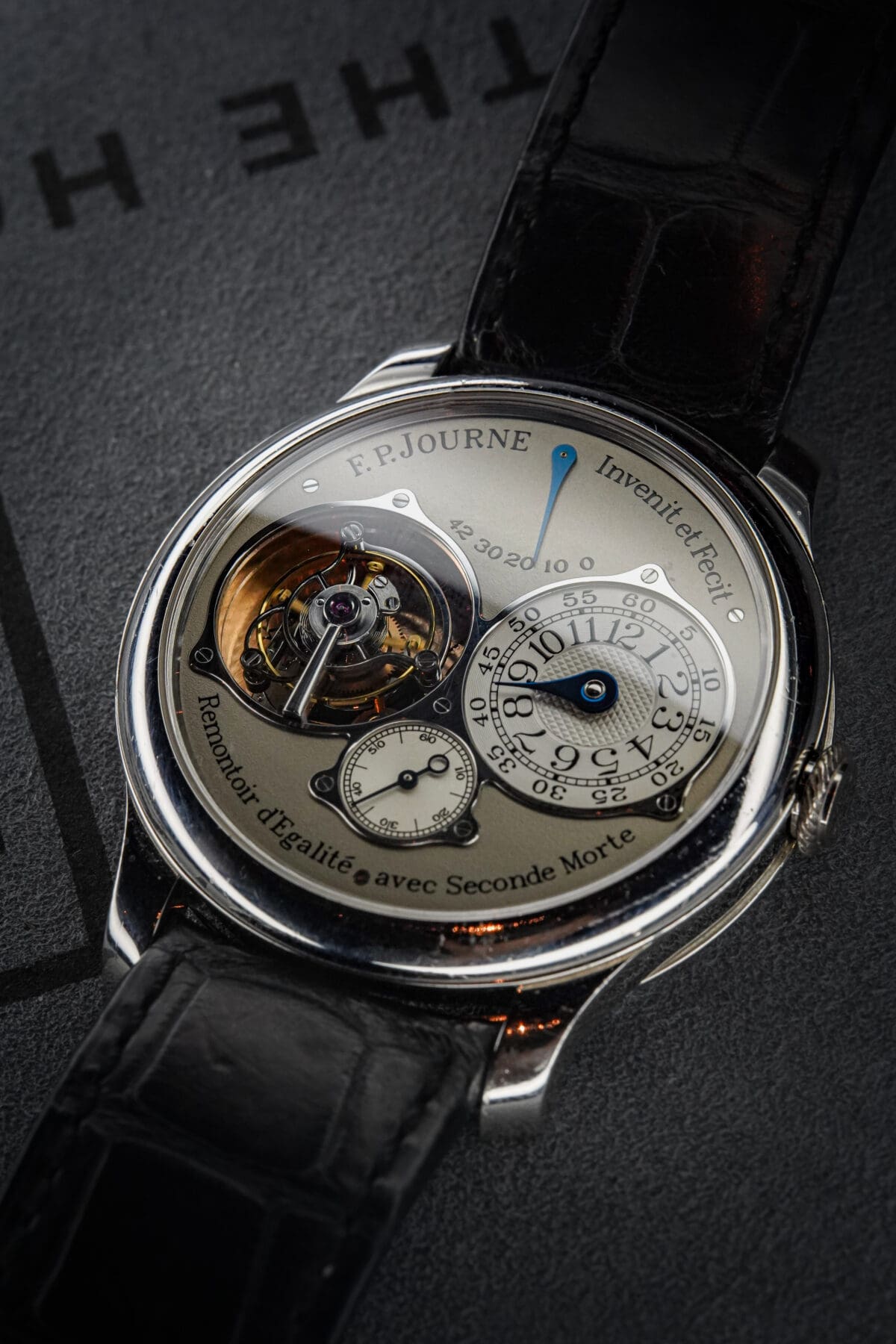
François-Paul Journe (born 1957) took the path of independence paved by Dufour and fused it with relentless mechanical invention. The link between the two masters is direct: in 1996, Journe saw Dufour’s dual-balance Duality and was inspired to conquer the physics of acoustic resonance, leading to his masterpiece, the Chronomètre à Résonance. While Dufour perfected the past, Journe re-engineered the future, crafting movements out of solid 18k rose gold and scaling his brand into a highly coveted, global powerhouse.
My own journey with Journe is deeply personal. As a fitness and wellness advocate, I was instantly drawn to the aluminum Centigraphe—the pioneer of the Line Sport category. Designed with the input of a Japanese triathlete, it represents an uncompromising spirit of endurance, rendering a high-horology movement in an ultra-light, 55-gram aluminum alloy built to withstand high-intensity shocks. I bought the watch before I had ever completed an Ironman 70.3, and it was the spark that started my intrigue. Visiting the manufacture in Geneva’s historic Plainpalais district and watching master watchmakers assemble rose-gold mainplates under microscopes was a spiritual experience. No pilgrimage, of course, is complete without dining at the Michelin-starred F.P. Journe Restaurant in Geneva, sharing a fine meal and discussing the future of timekeeping with fellow collectors.
3. Rexhep Rexhepi: The Modern Prodigy
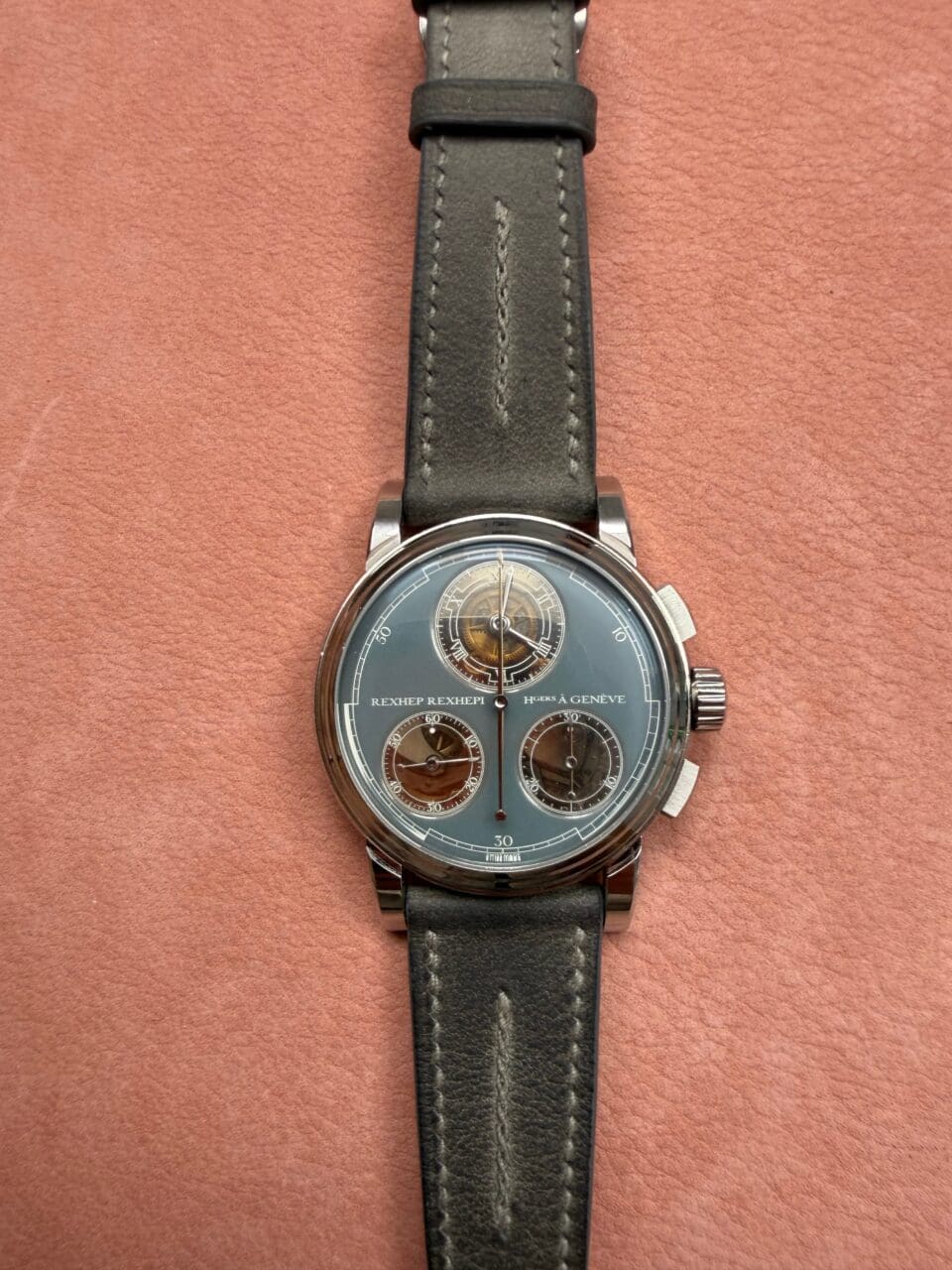
Annual Production: ~30 watches per year (across both Akrivia and Rexhep Rexhepi lines)
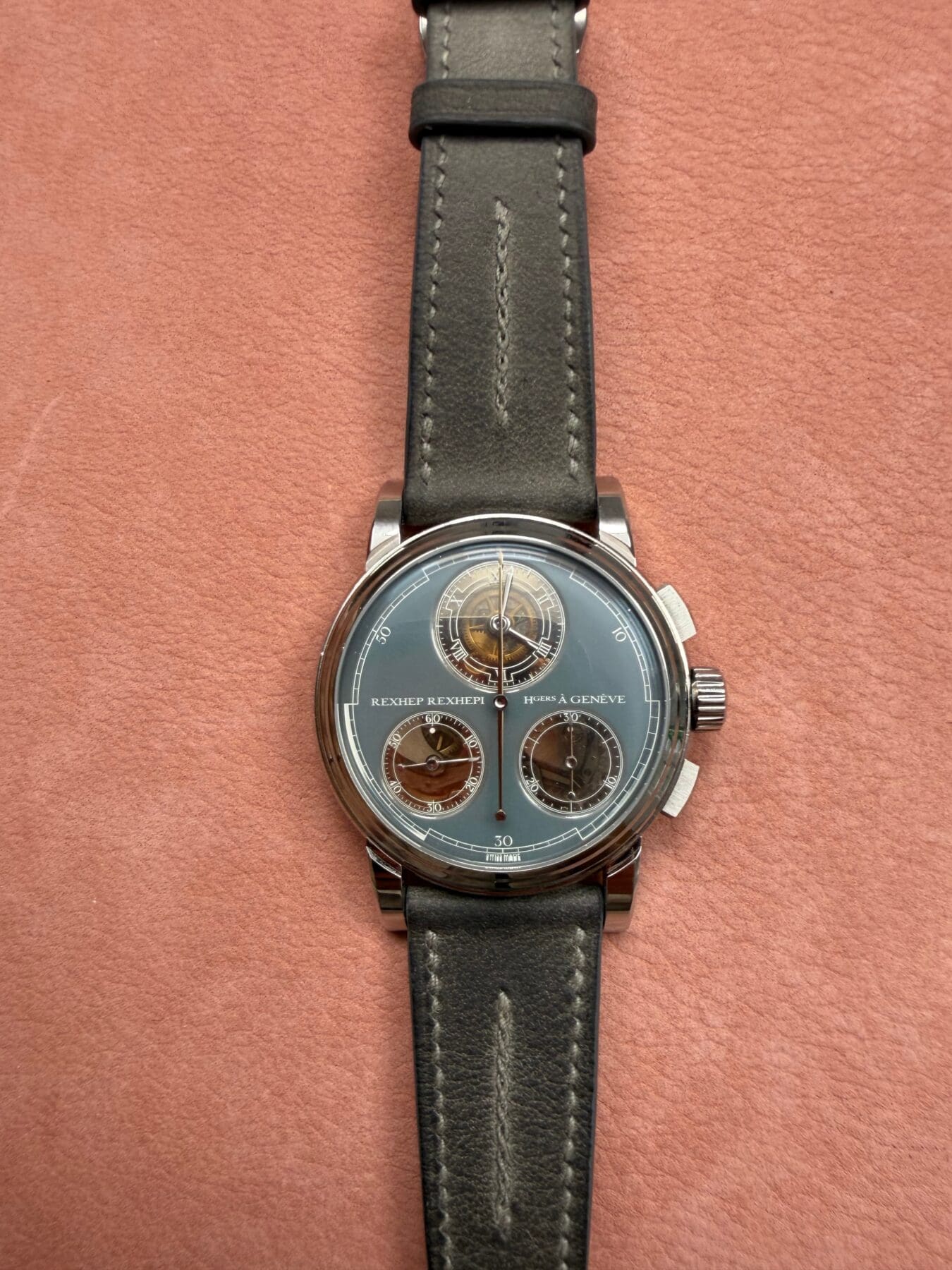
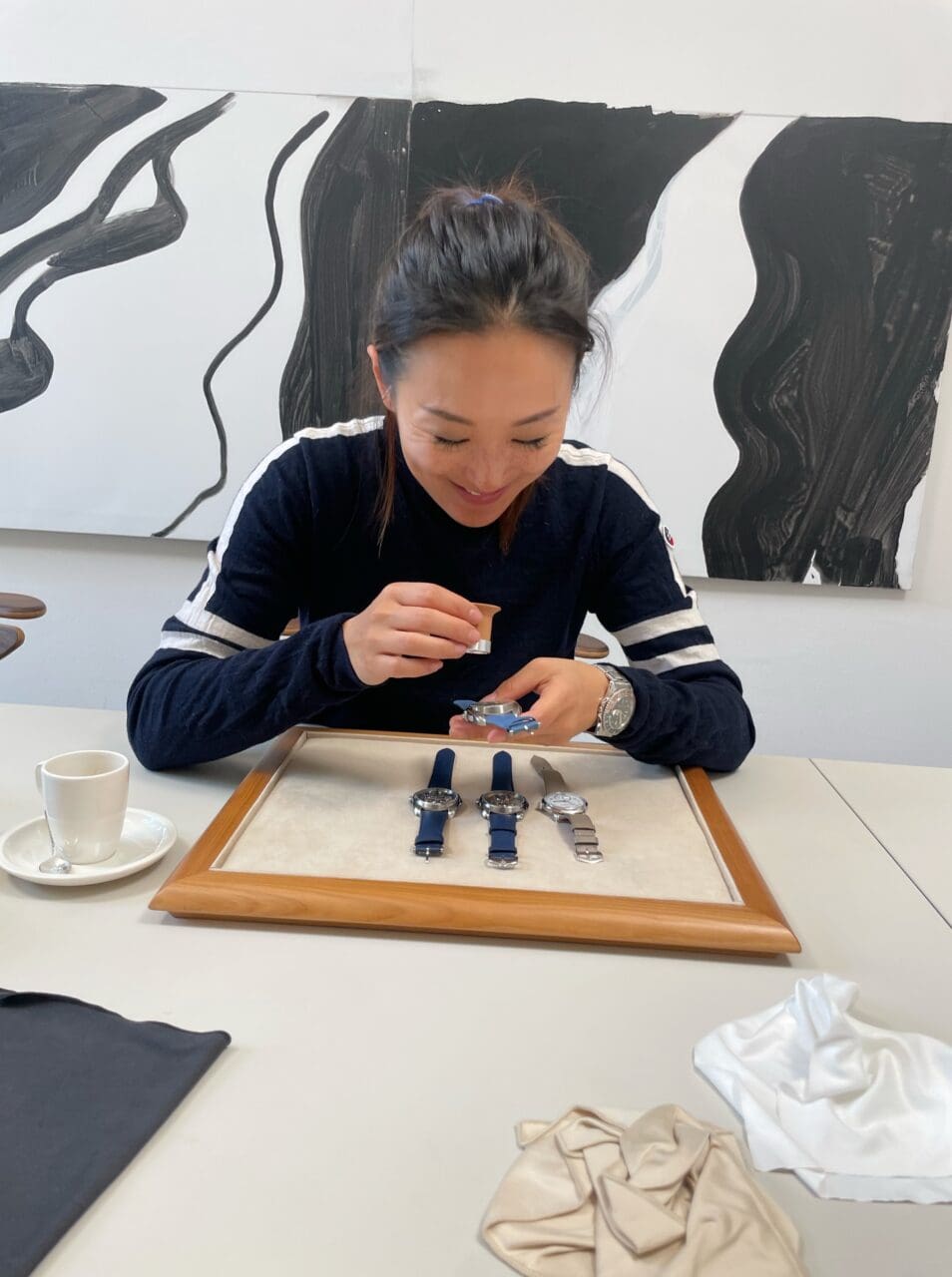
At just over 30 years old, Rexhep Rexhepi has emerged as the spiritual successor to the great masters. After a highly selective apprenticeship at Patek Philippe starting at age 14, Rexhepi honed his skills by working directly under François-Paul Journe before founding Akrivia in 2012. When looking at my photos with Rexhep, I am reminded of how he describes himself simply as a “purist”—a philosophy that shines through his flawless, symmetrical movement architecture and cases hand-forged by the legendary case maker Jean-Pierre Hagmann. Recently, his historic collaboration with Louis Vuitton to create the LVRR-01 Chronographe à Sonnerie marked the first time Louis Vuitton ever shared its watch dial logo with another brand, cementing Rexhepi’s status as high horology’s reigning wunderkind.
4. Kari Voutilainen: The Master of the Dial
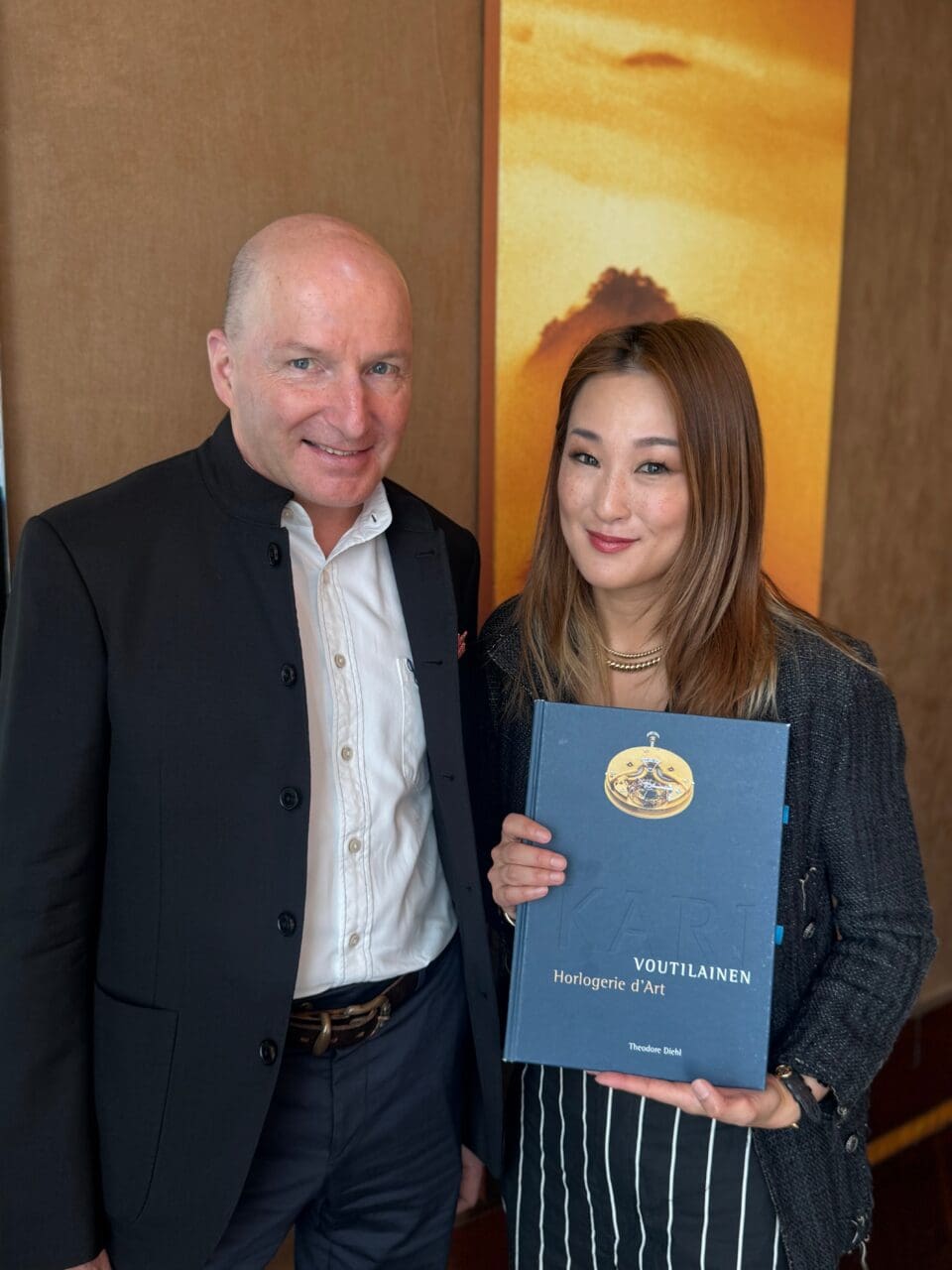
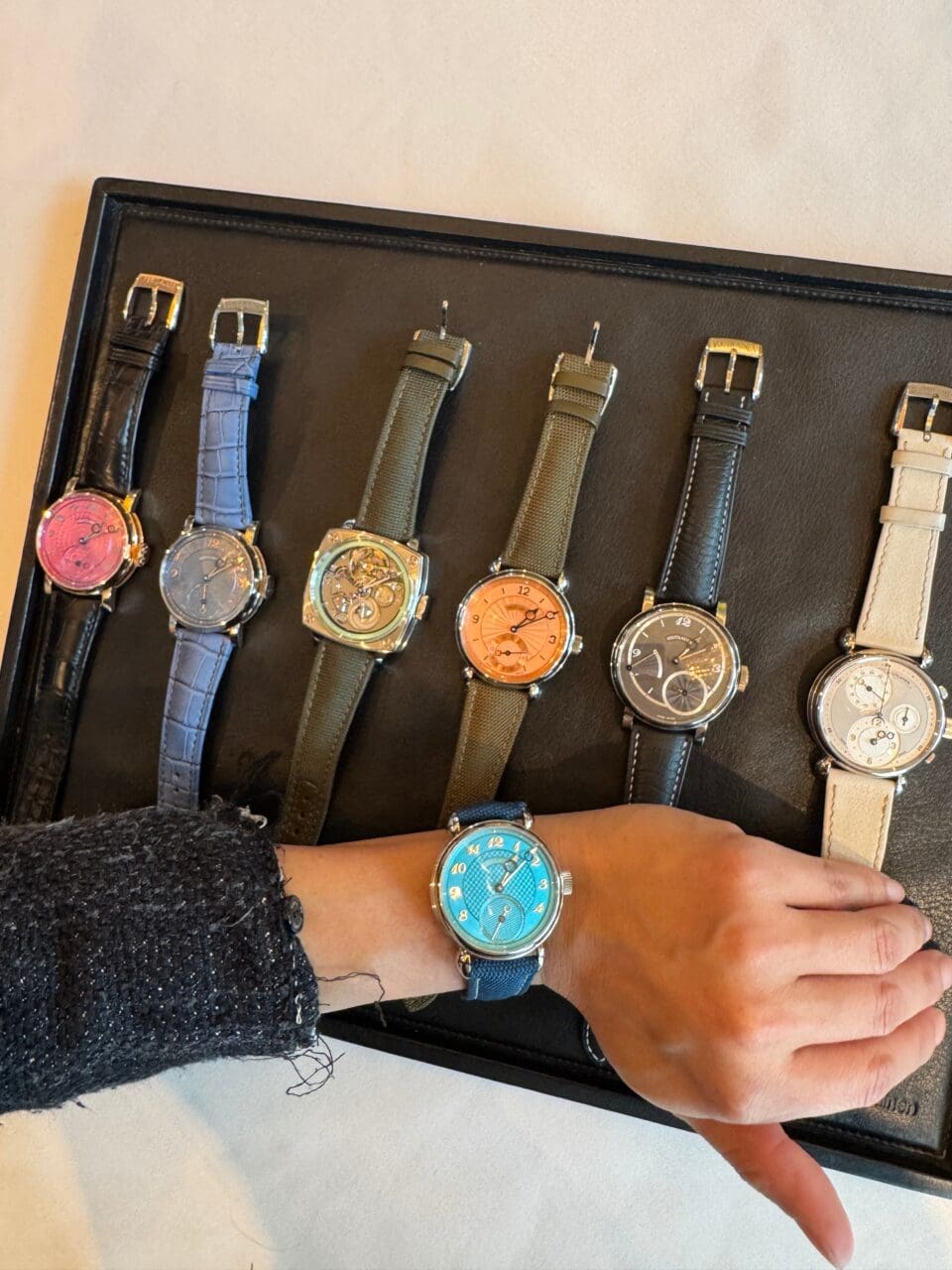
Annual Production: ~50 to 70 watches per year
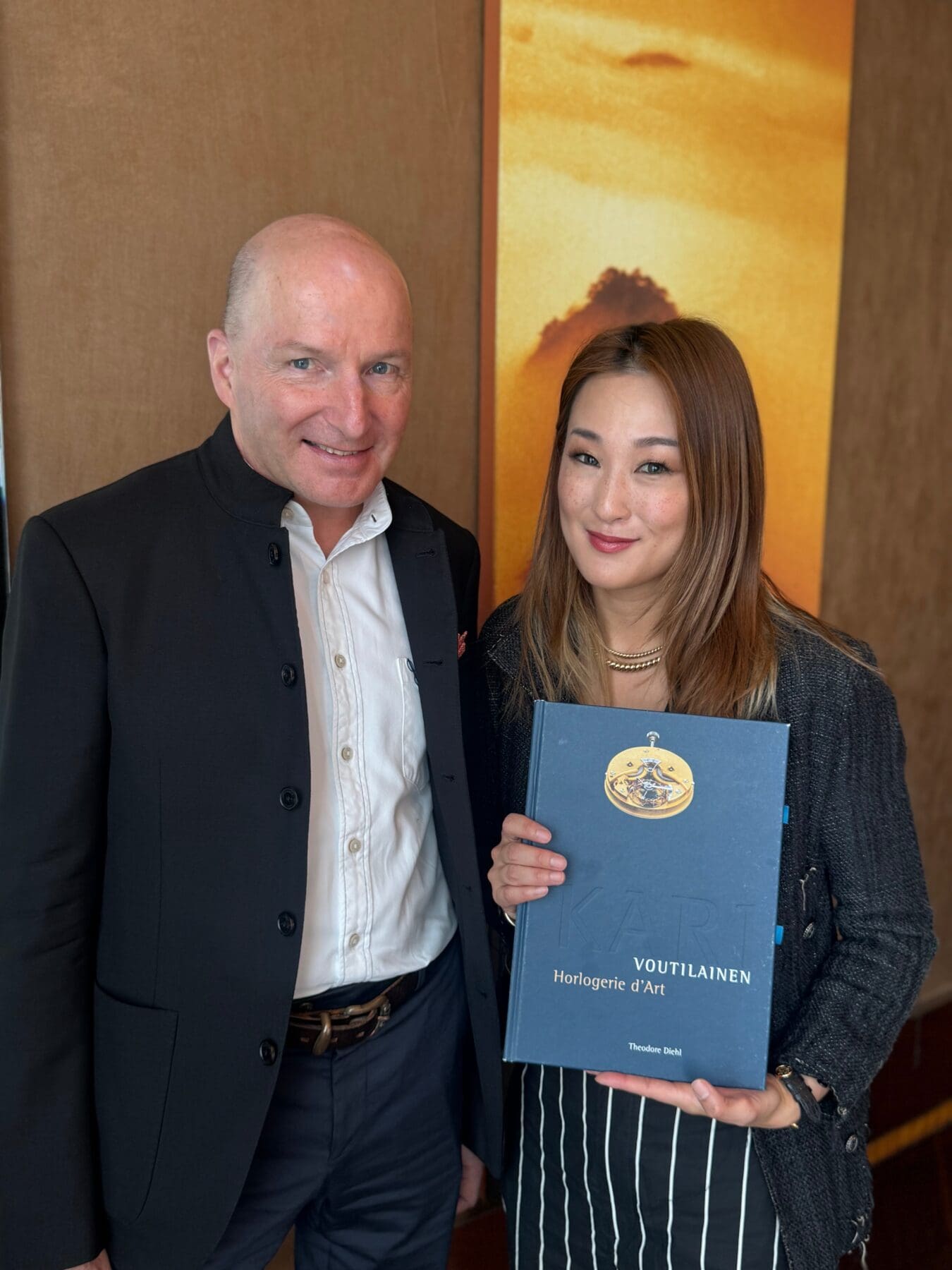
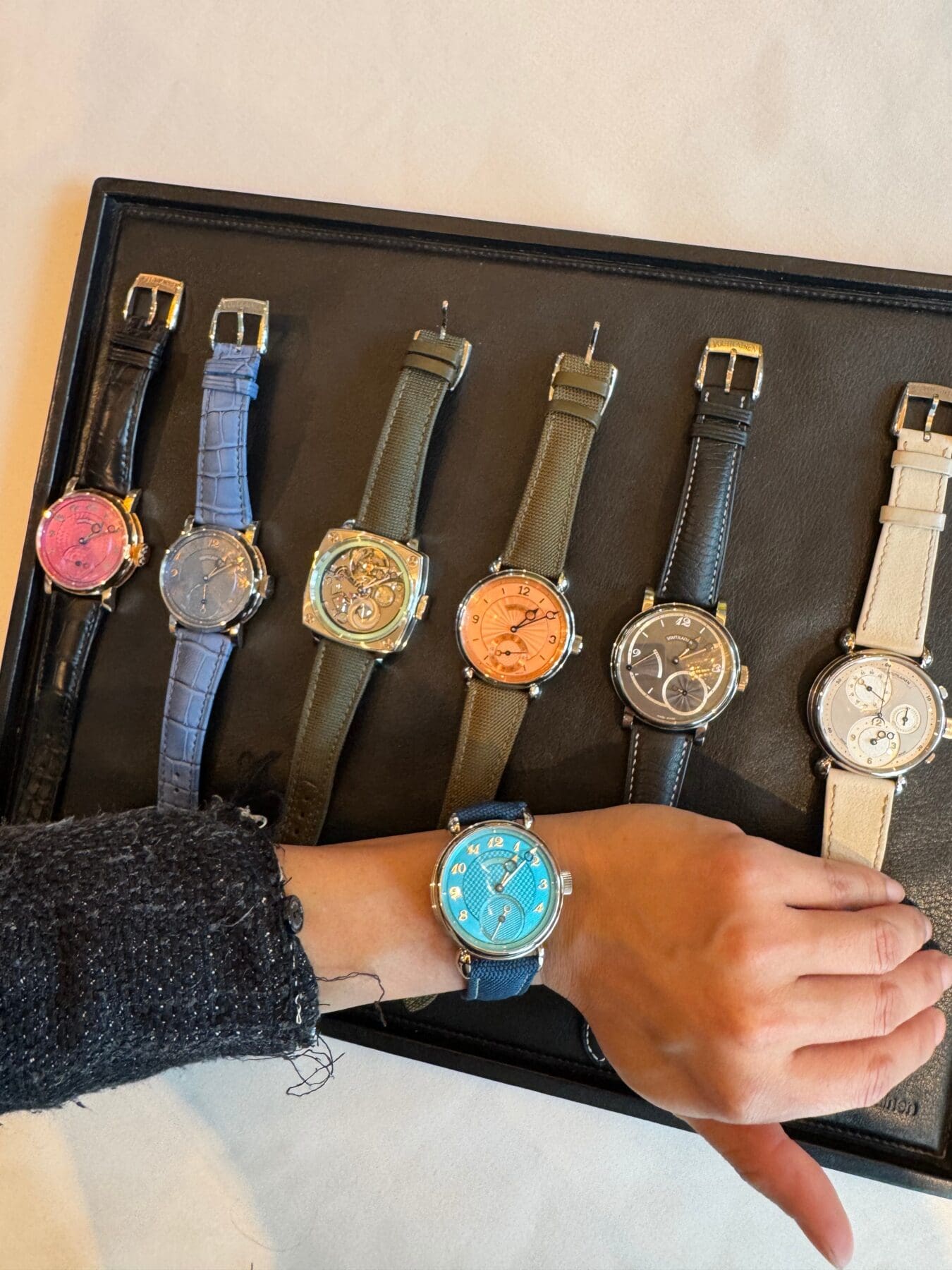
Operating out of his remote workshop in Môtiers, Switzerland, Finnish master Kari Voutilainen is synonymous with dial artistry. He is famous for his incredibly complex, hand-guilloché dials that utilize multiple patterns to play with light. His humble demeanor and absolute mastery of the craft make wearing his art feel deeply personal. Mechanically, his in-house movements feature a unique direct-impulse escapement with two escapement wheels, offering unparalleled chronometric efficiency.
5. Vianney Halter: The Steampunk Visionary

Annual Production: ~10 to 15 watches per year (historically up to 50 pieces per year during early production runs)
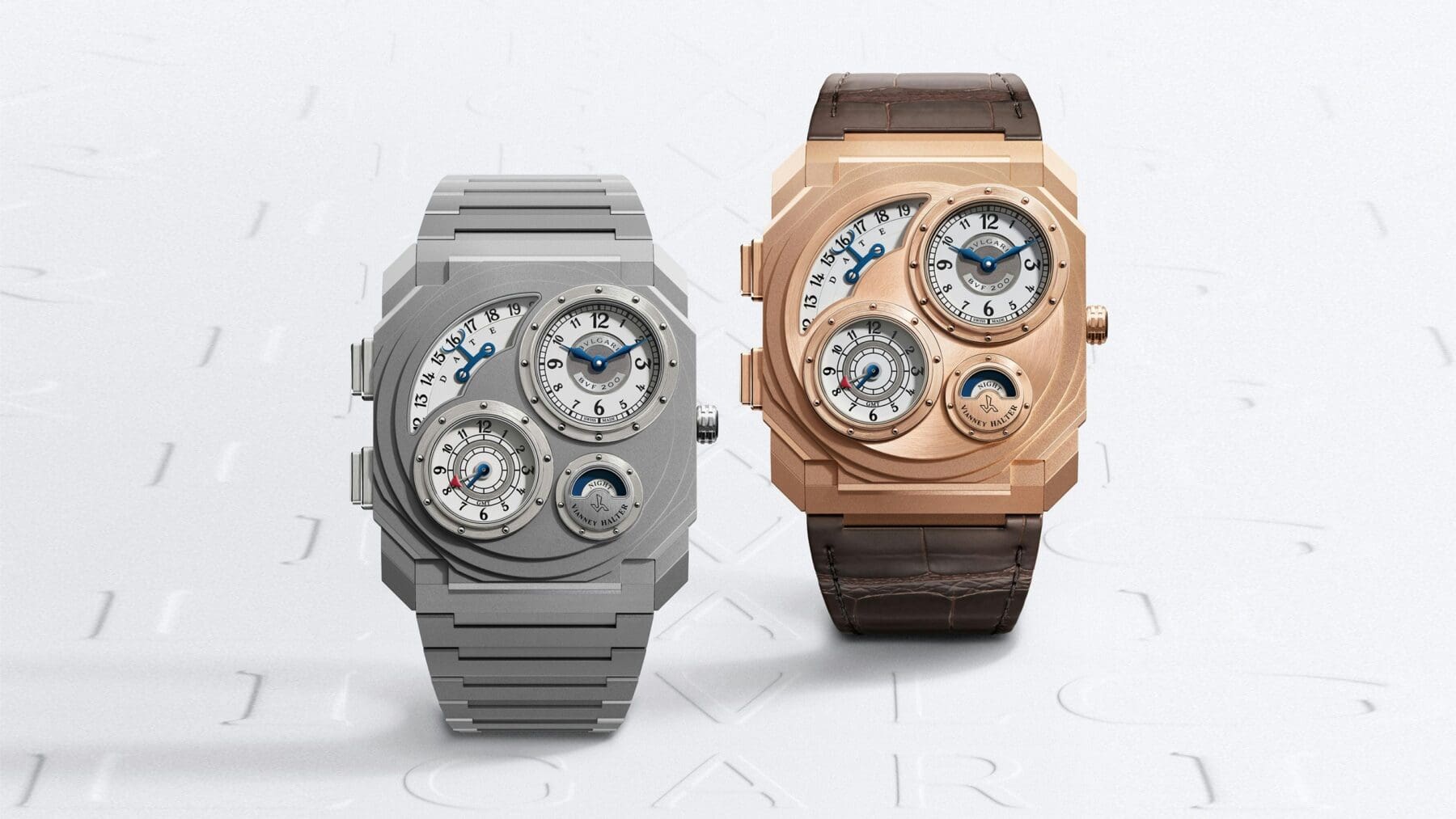
Vianney Halter (born 1963) is the mad scientist of independent horology, famous for his retro-futuristic, “steampunk” aesthetic heavily inspired by the sci-fi novels of Jules Verne. Alongside Dufour and Journe, Halter was a key figure in the modern independent renaissance of the late 1990s. His legendary Antiqua perpetual calendar completely redefined what a watch dial could look like. Recently, his collaboration with Bulgari—the Bulgari Octo Finissimo Dual Time × Vianney Halter—seamlessly fused Bulgari’s ultra-thin, sharp-edged geometric architecture with Halter’s signature retro-futuristic portholes.
6. Simon Brette: The Collaborative Sensation
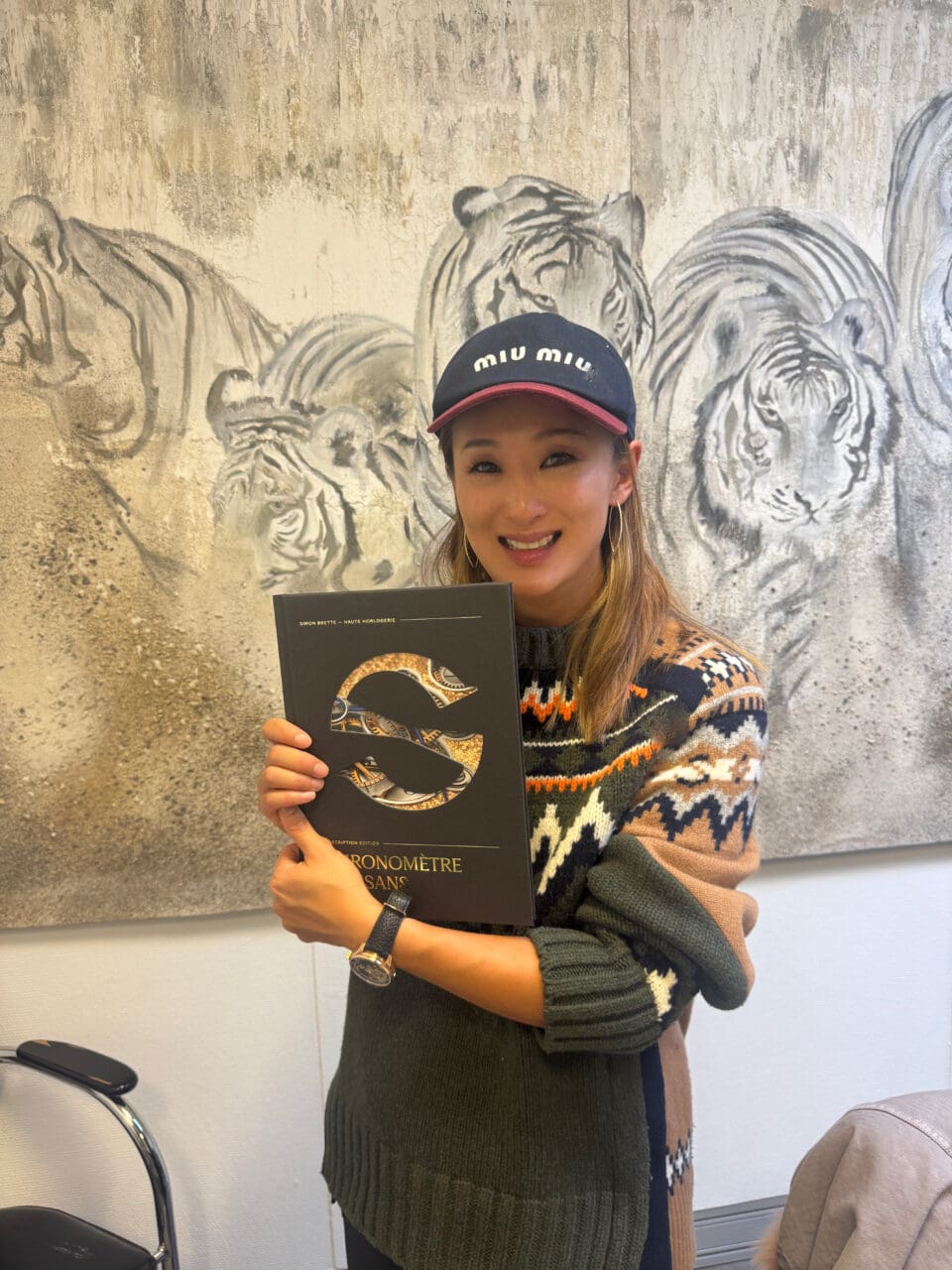
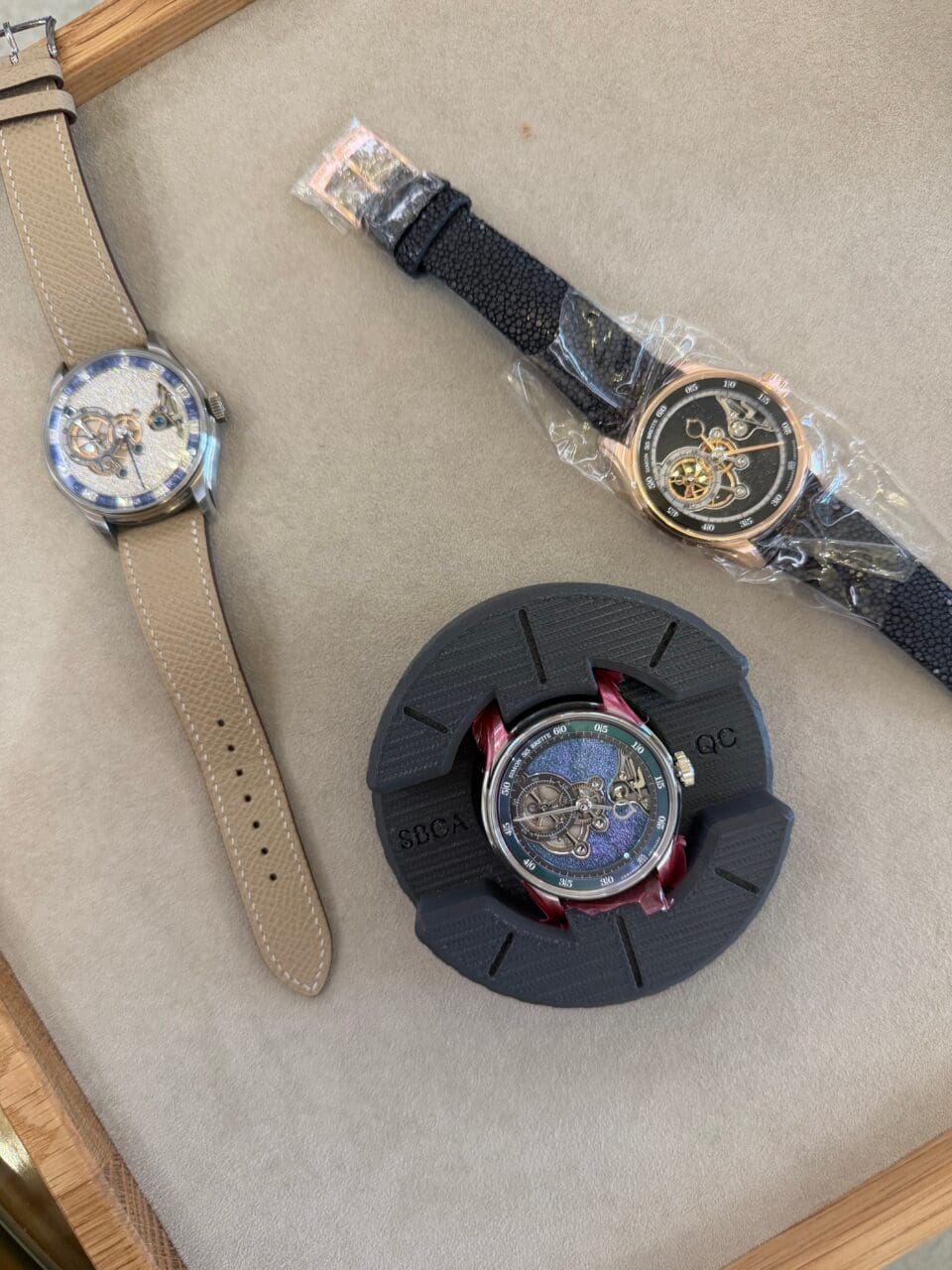
Annual Production: ~12 to 24 watches per year (currently scaling up to a strict cap of 48 pieces per year)
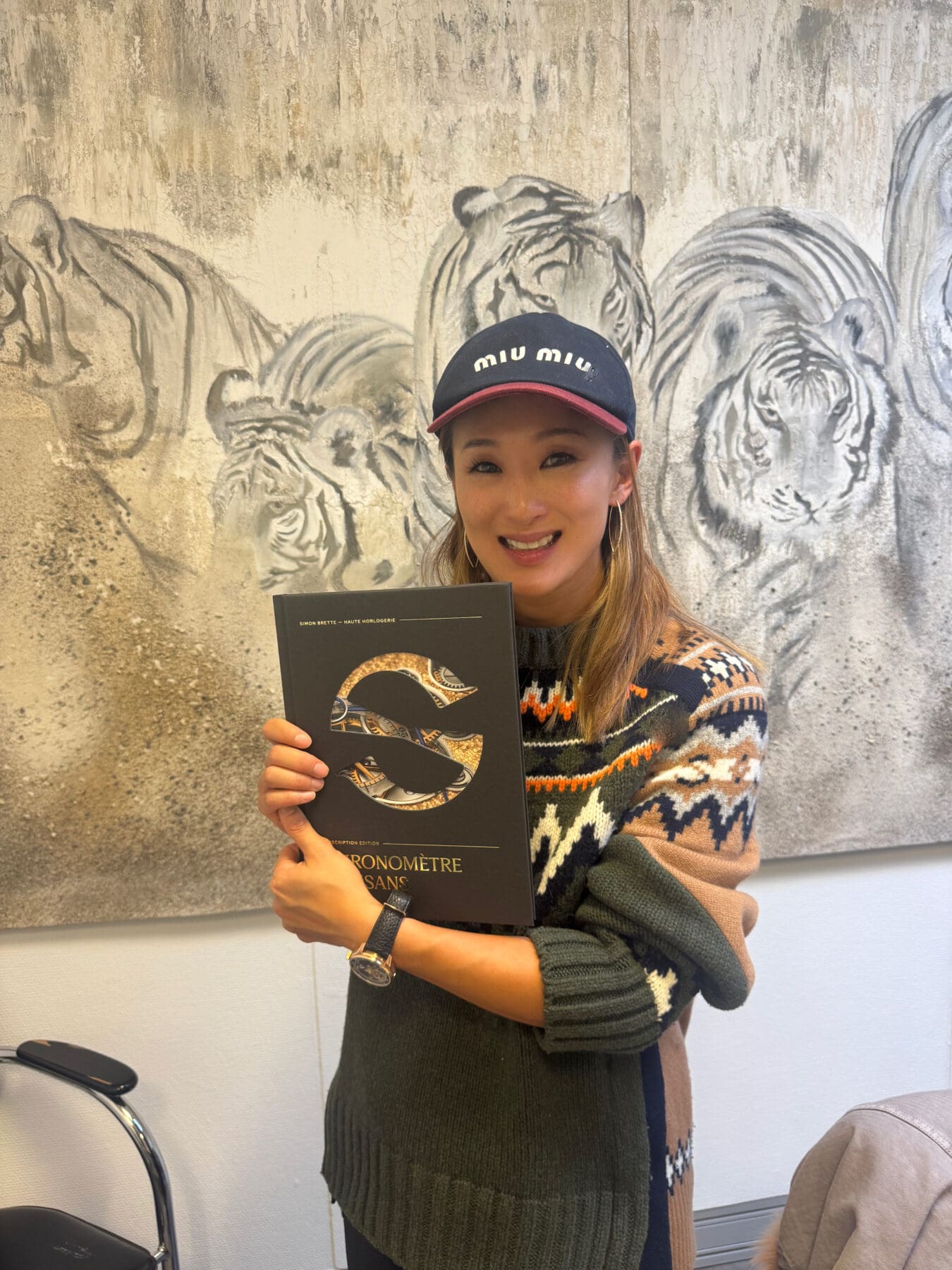
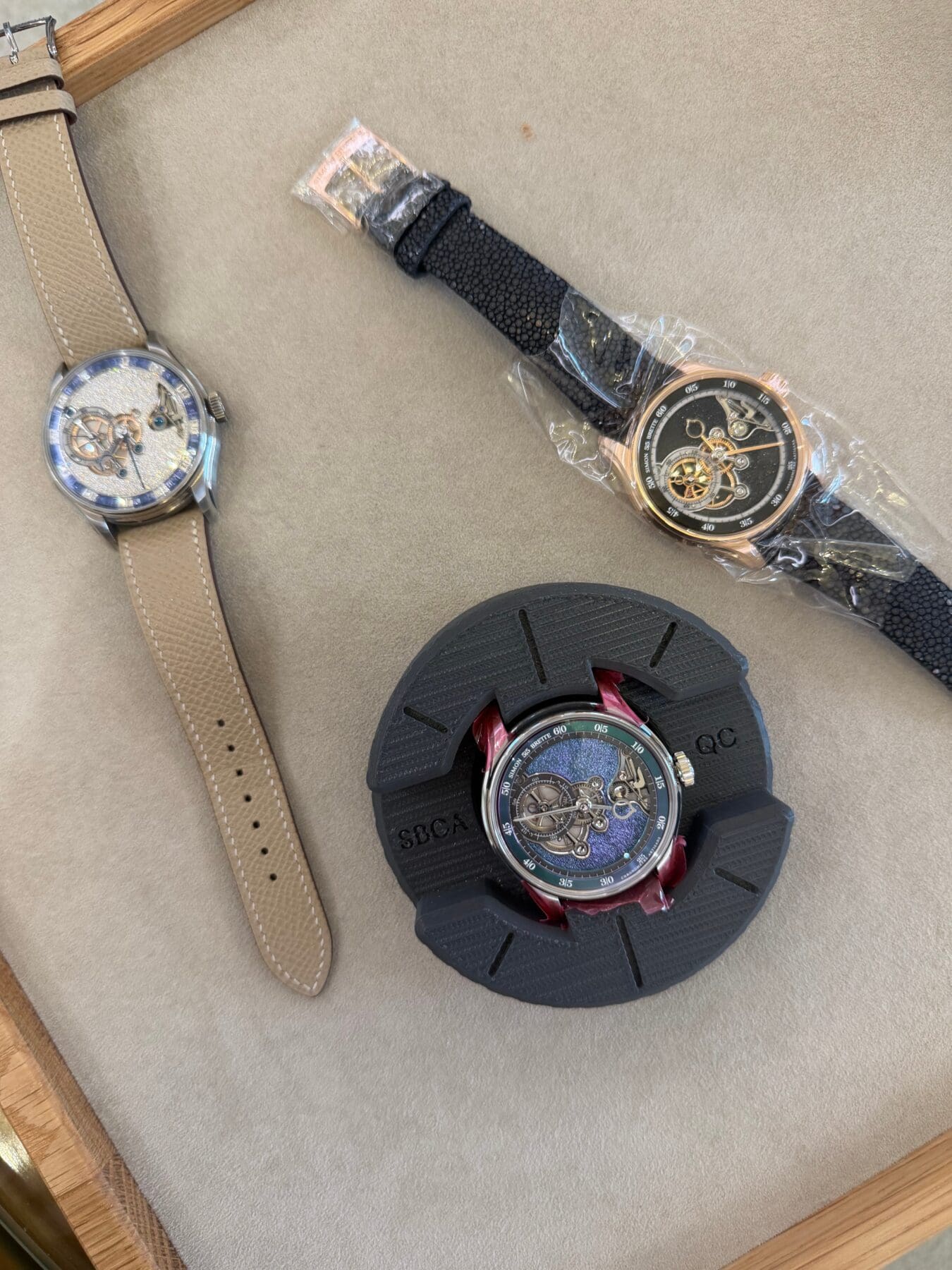
Meeting Simon Brette is always a highlight, and looking at our photos together brings back the wonderful stories he shared with me. The very first time we met, Simon told me that the Chronomètre Artisans was actually born during the sleepless, quiet nights of early parenthood following the birth of his daughter in 2021. He also shared that the gold “dovetail” joint set into the side of the caseband at 9 o’clock is a deeply sentimental tribute to his father’s carpentry craft. It has been absolutely amazing to watch Simon grow his team, which has expanded from just himself working from home to up to 13 people today.
During our chats, he also walked me through his spectacular new “Prisma Cobra” stainless steel bracelet. Simon told me that it took him a year of intense, singular focus to perfect (as part of a larger 2.5-year R&D process). Inspired by the fluid, overlapping scales of a serpent, the bracelet catches and plays with light through 1,238 meticulously polished and satin-finished surfaces. What makes it truly fantastic is the ergonomics—it features an incredibly clever, integrated mise à l’aise (self-adjustment) mechanism on the clasp, allowing it to adapt seamlessly to the wrist as your body moves throughout the day. It is haute horlogerie engineered for real life.
7. Petermann Bédat: The Young Masters of Complication
Annual Production: ~10 to 15 watches per year (historically, e.g., 54 total deadbeat seconds over 6 years; currently targeting up to 50 watches per year with their new time-only Reference 1825)
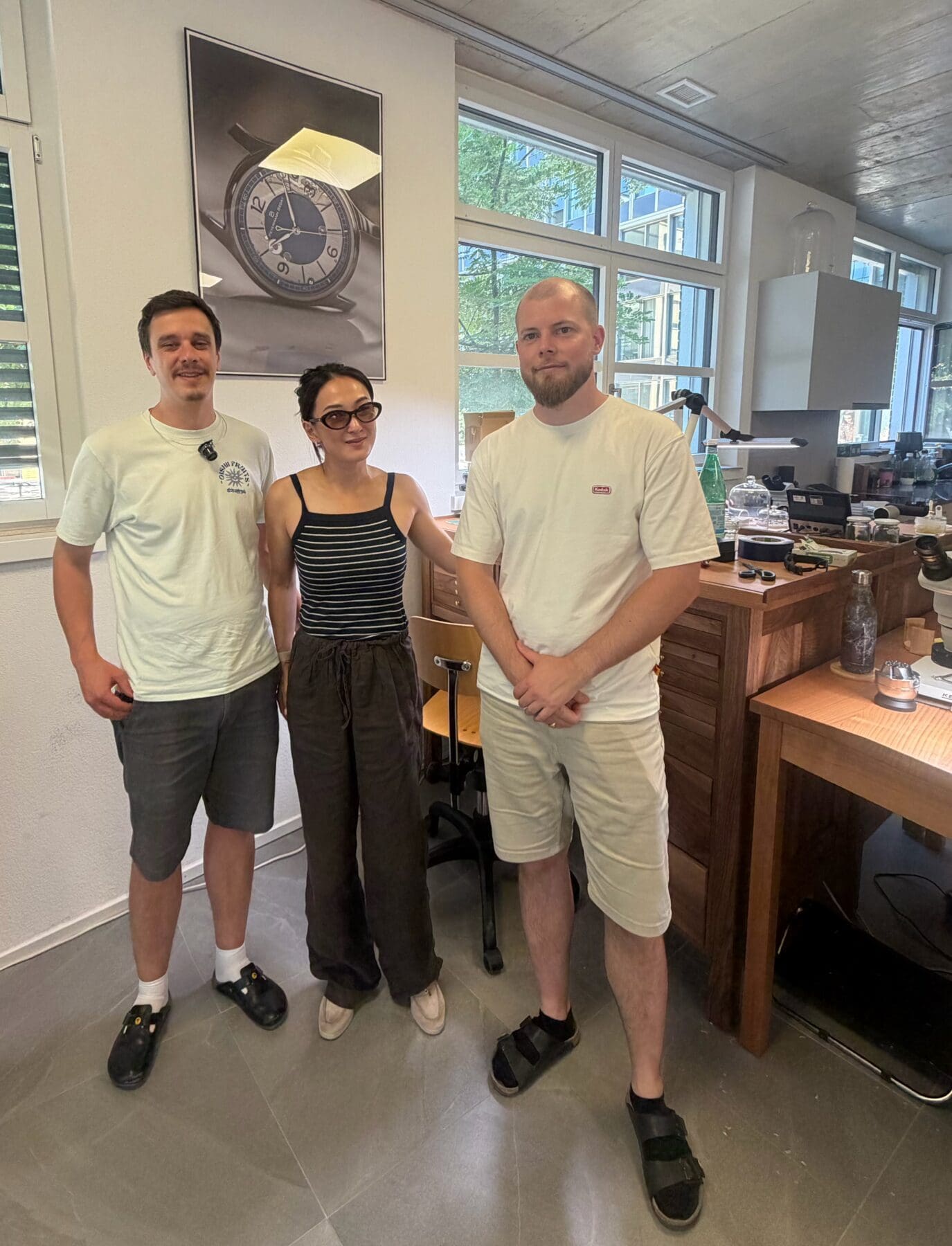
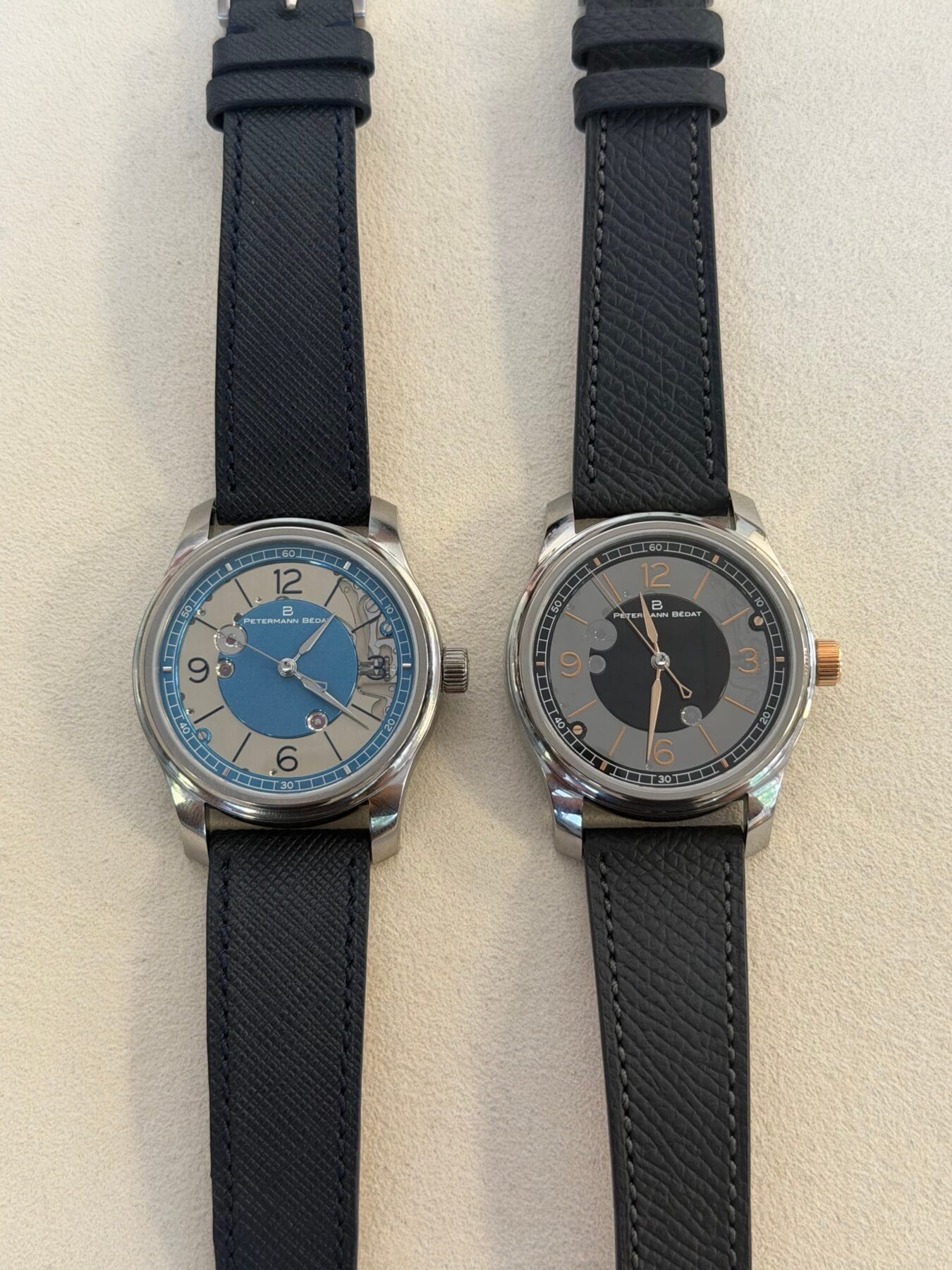
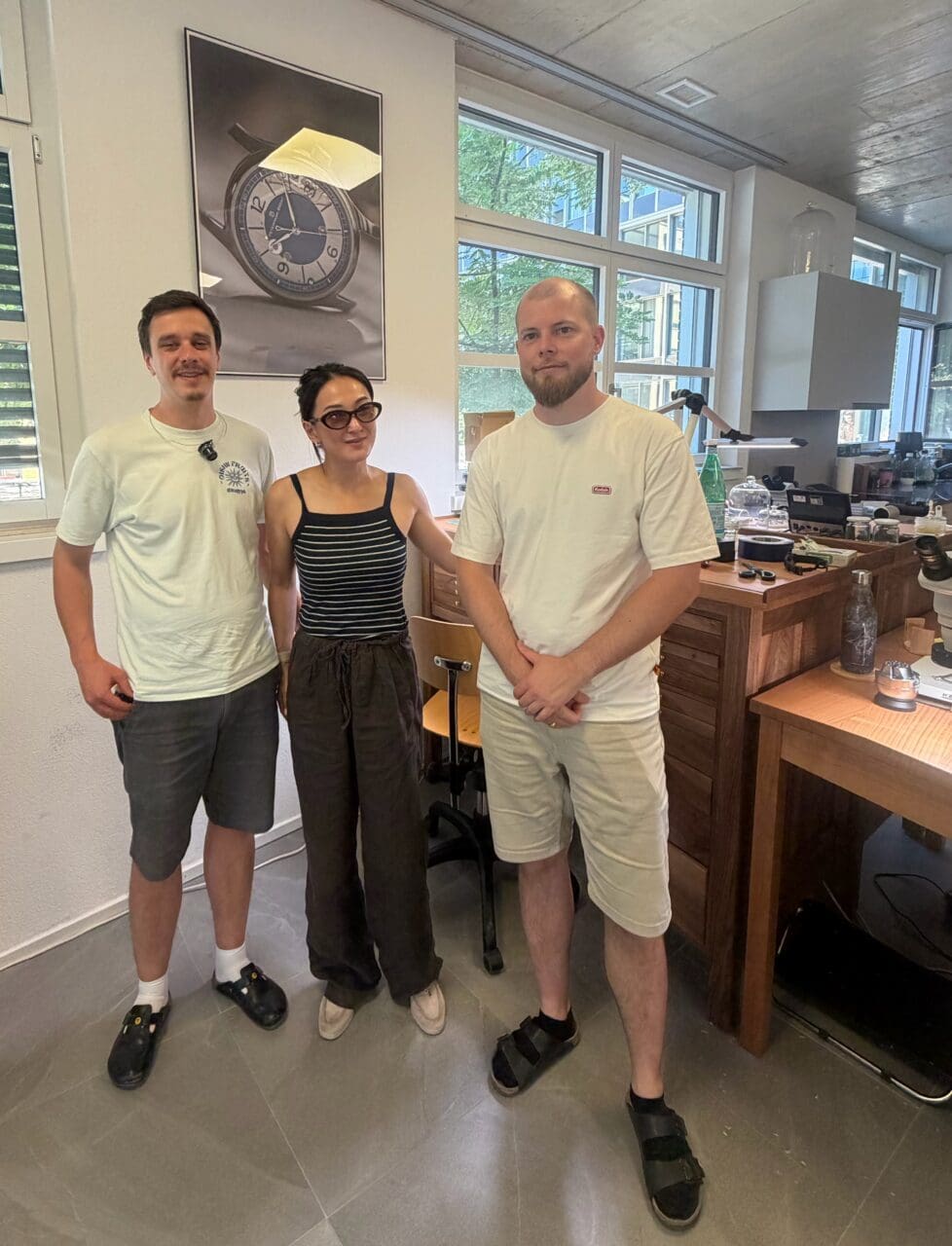
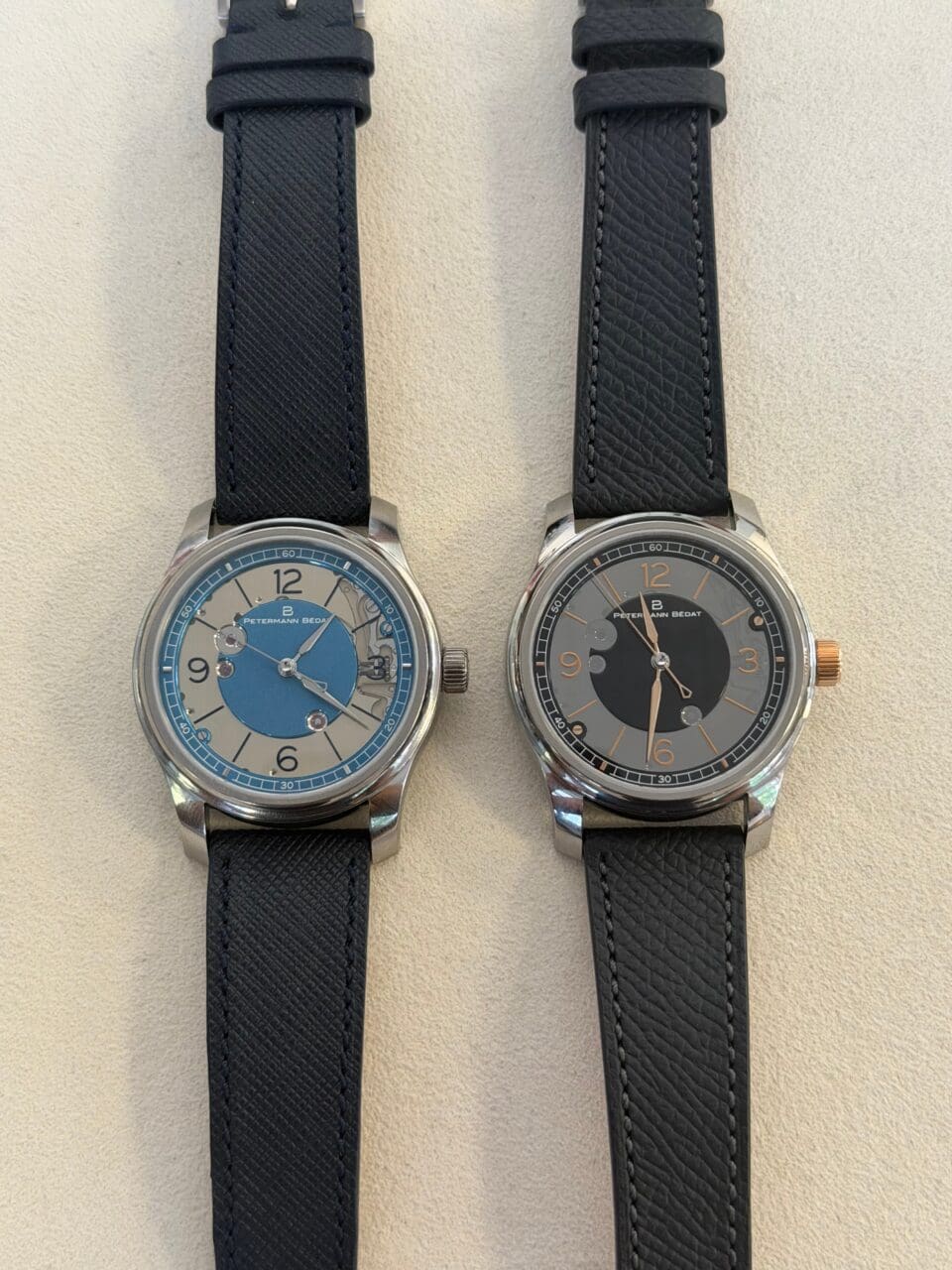
Having spent time with Gaël Petermann and Florian Bédat, I have seen firsthand the incredible, youthful energy they bring to traditional watchmaking. Based in Renens, Switzerland, the duo met during watchmaking school and have quickly risen to become some of the most respected names in independent horology. Their creations—most notably their deadbeat seconds watch and their breathtaking split-seconds chronograph—seamlessly marry classical, ultra-high-end finishing with a fresh, contemporary perspective. They are a brilliant, living testament to the fact that the future of classical Swiss watchmaking is in incredibly safe hands.
8. Sylvain Berneron: The Master of Asymmetry
Annual Production: ~24 watches per reference, per year (strictly capped at 24 pieces per reference over a 10-year span, with a long-term goal of reaching 600 total pieces per year across all collections by 2035)
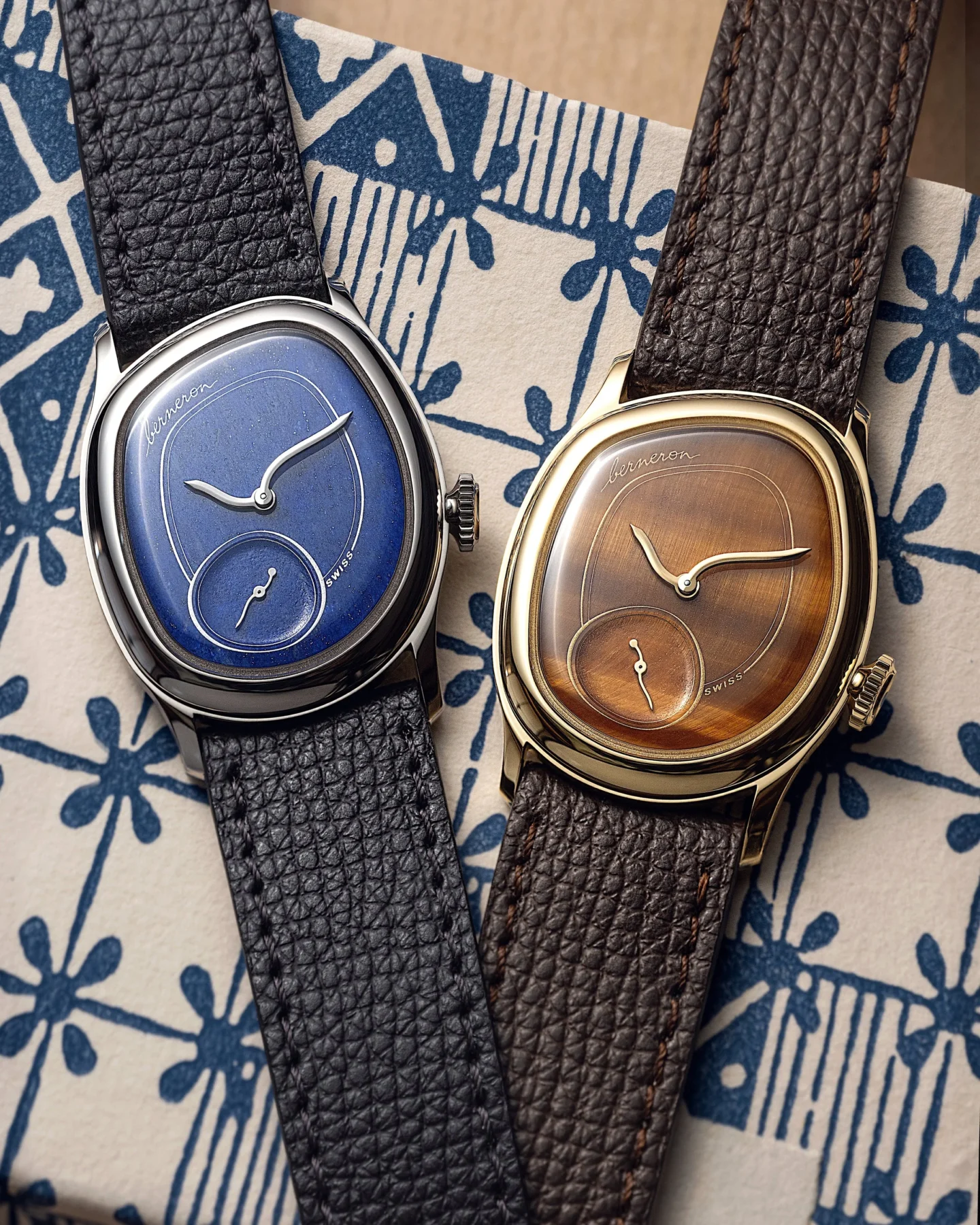
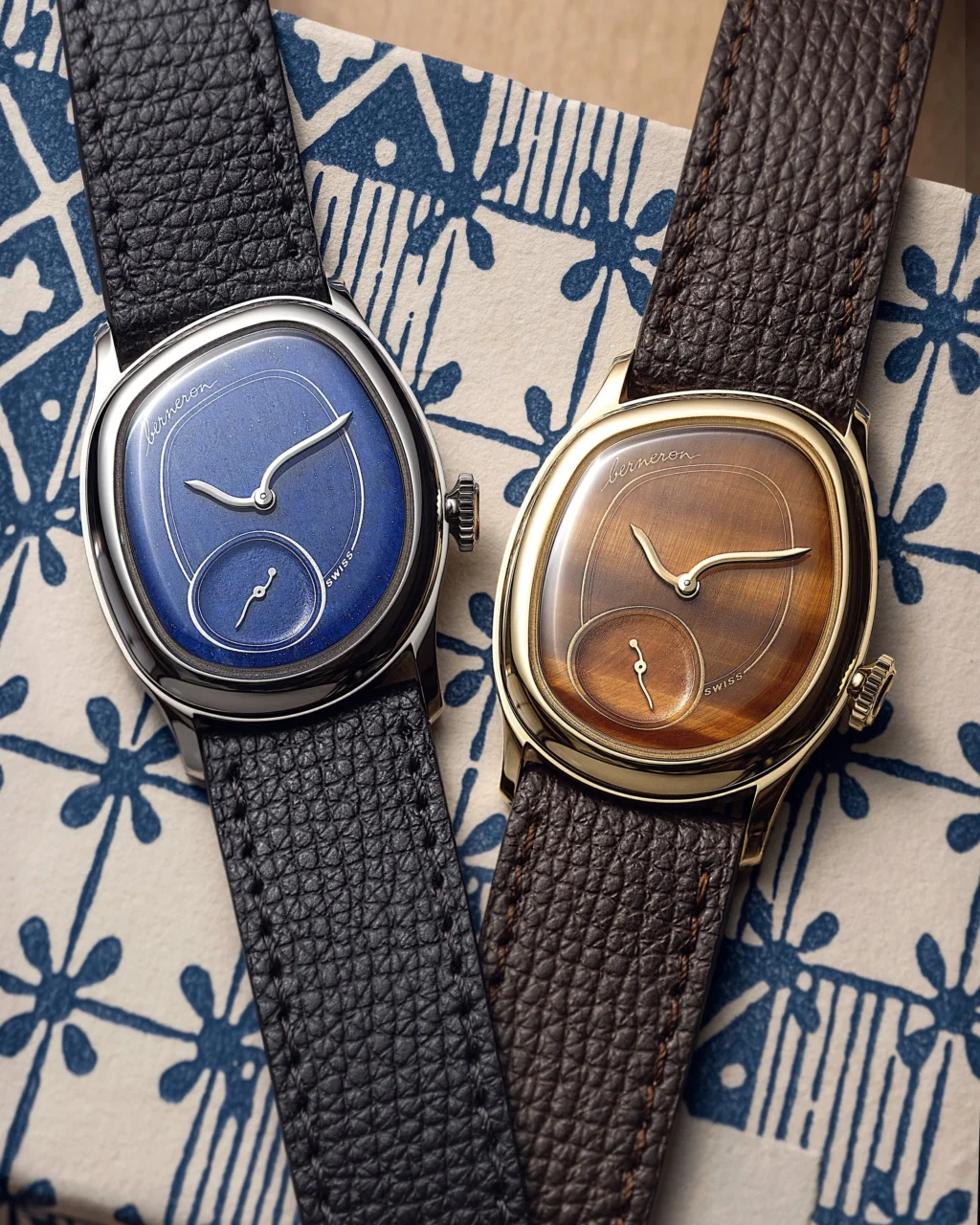
Sylvain Berneron is one of the most exciting names in modern watch design, bringing an organic, artistic fluidness to the wrist. His debut collection, the Mirage, is a masterclass in organic asymmetry inspired by the Fibonacci spiral. Crucially, Berneron refused to put a round movement inside a shaped watch; instead, he spent years developing the Calibre 233—and later, the ultra-thin Calibre 215—completely asymmetrical movements crafted entirely out of solid gold.
But where Berneron truly elevates his design language to pure wearable art is in his breathtaking use of stone dials for the Mirage 34. He has taken the natural, fluid lines of his cases and married them with the mesmerising, organic textures of the earth. Whether it is the deep, starry blue of Afghan Lapis Lazuli set in white gold, the warm, shimmering chatoyancy of South African Tiger’s Eye in yellow gold, or the incredibly rare, vibrant apple-green of Chrysoprase, these dials are absolute triumphs of lapidary art.
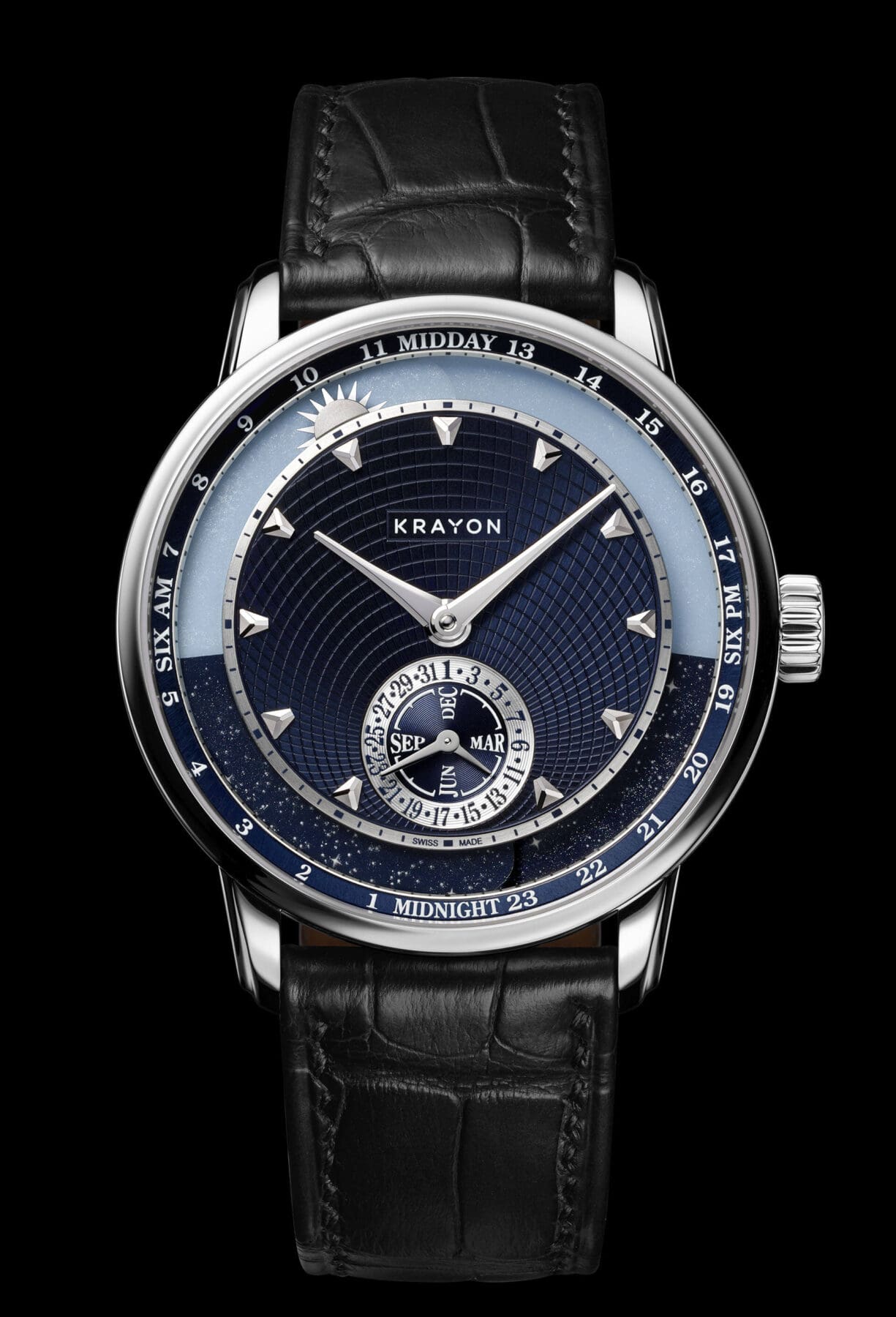
9. Krayon: The Mechanical Computer Born from the Sea
Annual Production: ~40 to 50 watches per year
As someone who holds an Open Water PADI license, I must confess that I find going anything beyond that quite intimidating; there is an inherent vulnerability to an environment where you cannot communicate verbally or even breathe on your own. Yet, this exact vulnerability is why I find underwater watches truly fascinating—they are mechanical lifelines engineered to conquer a world hostile to human life.
It was a simple diving excursion that unexpectedly birthed one of the most poetically complex breakthroughs in modern horology. Independent watchmaker Rémi Maillat and his wife, Fei, were out for an early morning dive when they mistimed the sunrise, forcing them to wait shivering in the coastal cold. Rather than accepting the frustration, Rémi channeled it into his workshop, treating the mechanical movement not just as a timekeeper, but as a miniature, non-electronic computer.
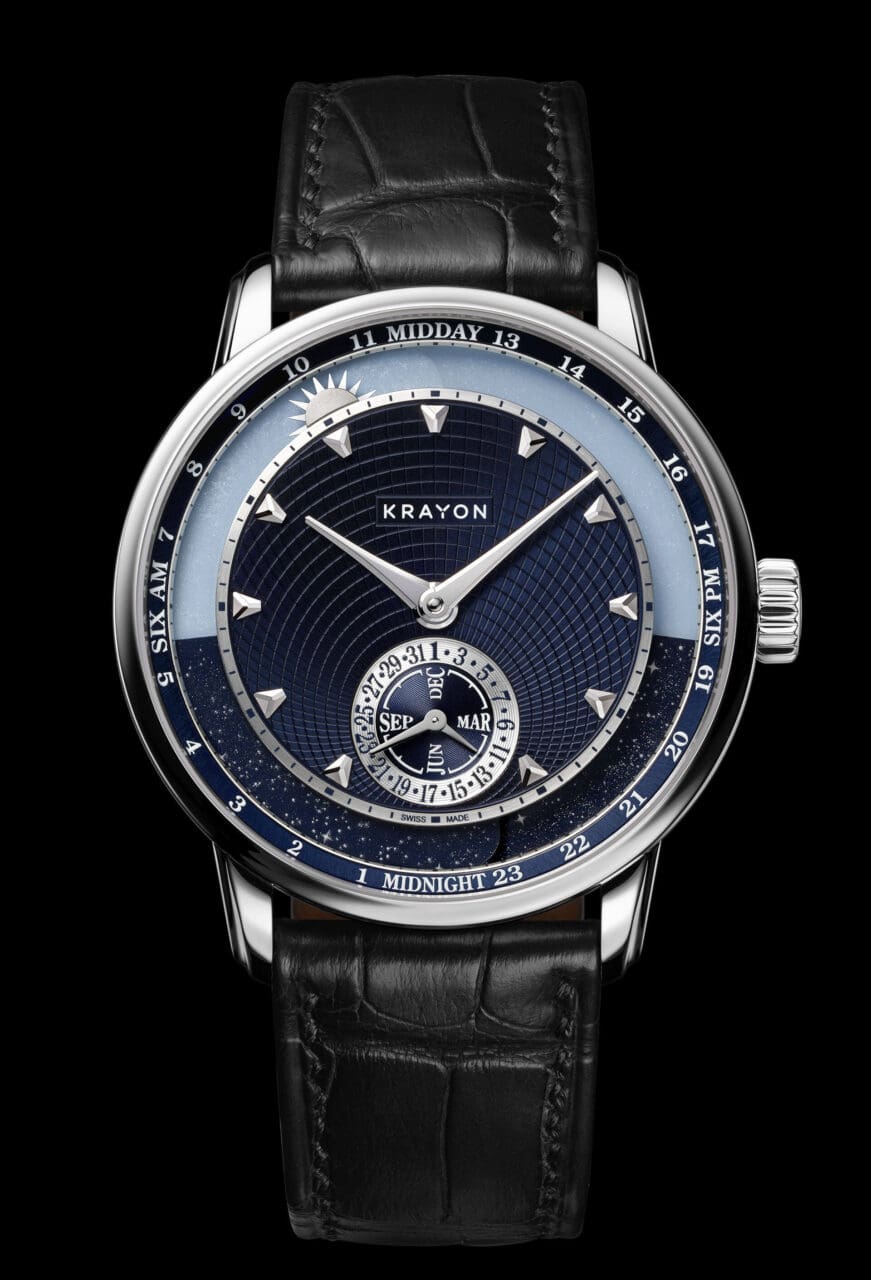
The result was a revolution in astronomical complications. In the Anywhere collection, the manual-wind Calibre C030 abandons rigid, traditional gear trains for an ultra-slim, 5mm architecture featuring an ingenious mechanical positioning system of racks, yokes, and toggles. It is custom-calibrated by a watchmaker to the exact coordinates of a single, deeply sentimental location on Earth—whether that is your home city or a favorite diving reef. Watching the movement’s overlapping sapphire disks continuously expand and contract to dictate the precise minute of dawn and dusk across a 24-hour track is mesmerizing. It transforms complex celestial mathematics into pure, wearable art, proving that the most profound mechanical innovations are often born from a simple desire to better connect with the natural world.
10. Hajime Asaoka: The Art Deco Visionary
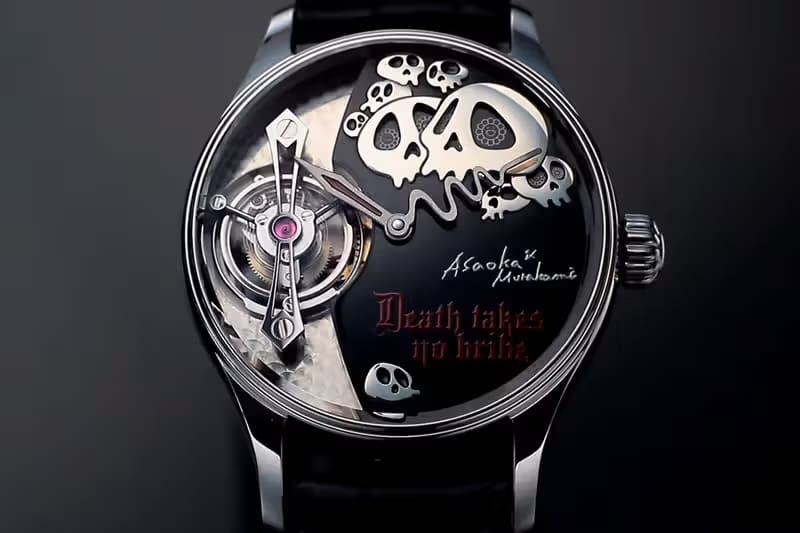
Annual Production: ~5 watches per year (eponymous bespoke line; his accessible sister brand Kurono Tokyo produces in the thousands)
A self-taught master watchmaker and designer from Tokyo, Hajime Asaoka is celebrated for his flawless, high-precision watchmaking that blends classic Art Deco aesthetics with cutting-edge Japanese manufacturing. I cherish the photos I have with Hajime; his unique design eye is unmatched. While his bespoke pieces are incredibly rare, his Kurono Tokyo line democratises his design language, offering beautifully designed watches at highly approachable price points through direct online drops. Beyond his own bench, Asaoka’s influence has acted as a massive catalyst for a broader movement, paving the way for a dynamic, new regional renaissance.
11. Théo Auffret: The Award-Winning Future (One to Watch)
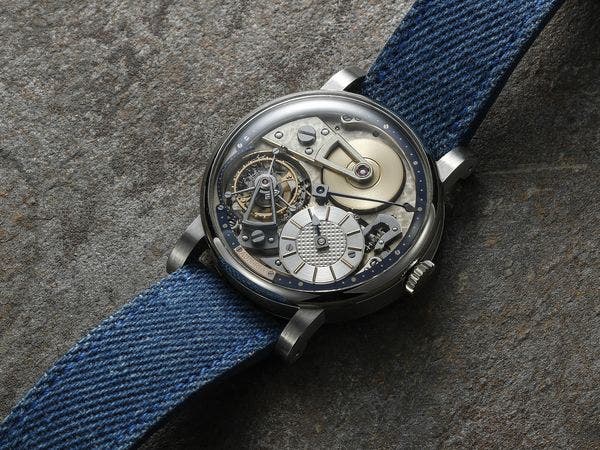
Annual Production: ~3 to 4 watches per year (for the flagship Tourbillon à Paris; currently around 10 pieces per year for the Giverny series)
Representing the exciting nouvelle vague (new wave) of young French watchmakers, Théo Auffret (born 1995) is an absolute “one to watch”. In 2018, at just 22 years old, Auffret won the prestigious F.P. Journe Young Talent Competition—an award created by Journe to support the next generation of independent watchmakers. In a beautiful twist of horological fate, Philippe Dufour actually sits on the selection jury for this prize, meaning Auffret’s talent was personally validated by both titans.
Auffret won the award for his prototype of the Tourbillon à Paris—an extraordinary, hand-crafted regulator tourbillon heavily influenced by his background in restoring antique clocks. Establishing his atelier in Paris to revive the historic French tradition of high-end watchmaking, Auffret uses a traditional “subscription” model (reminiscent of Breguet and Journe) to fund his work. His creations, like the Tourbillon Grand Sport, combine classical hand-craftsmanship with a striking, modern architectural edge.
12. Ondřej Berkus: The Self-Taught Genius (One to Watch)
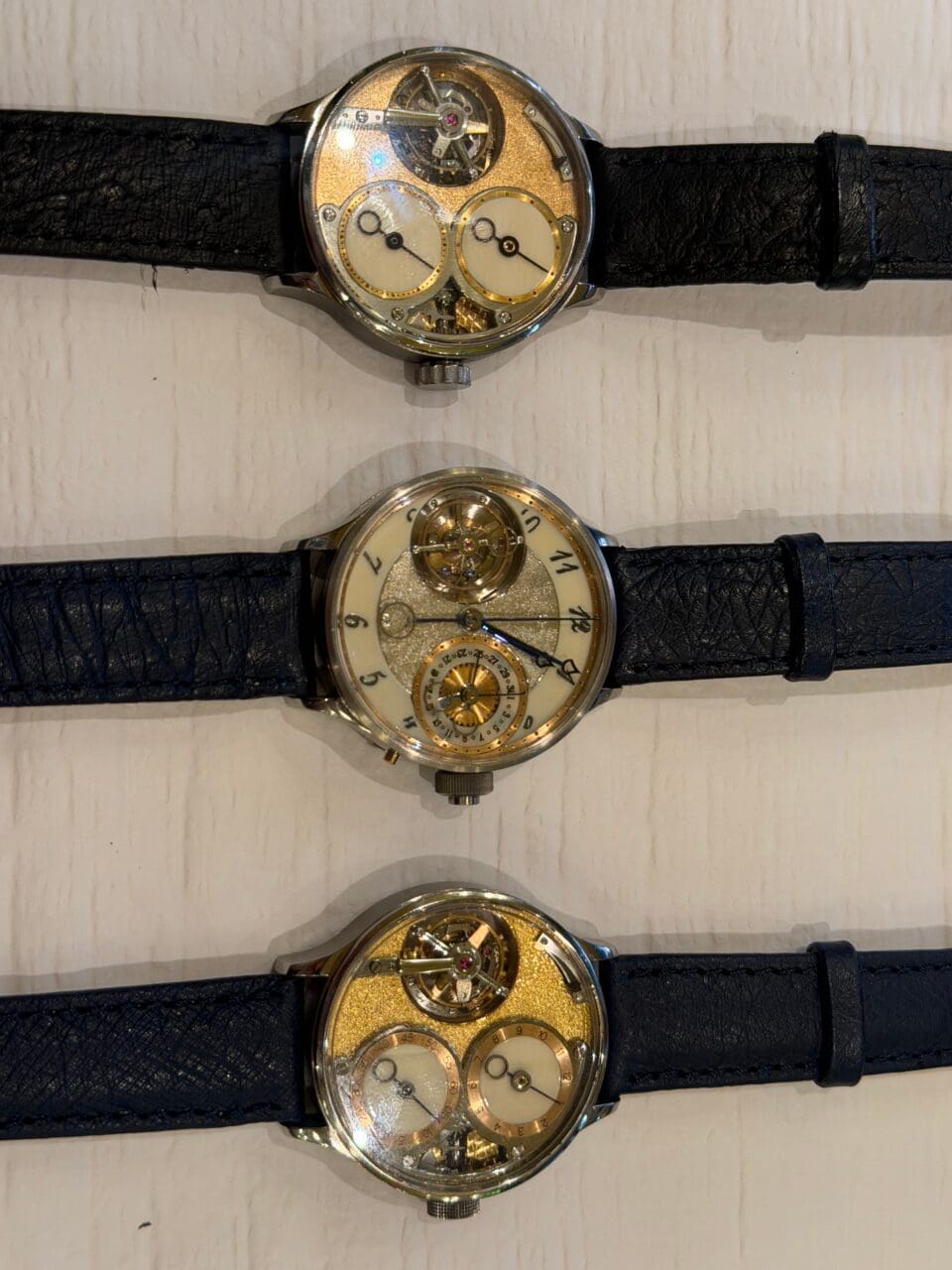
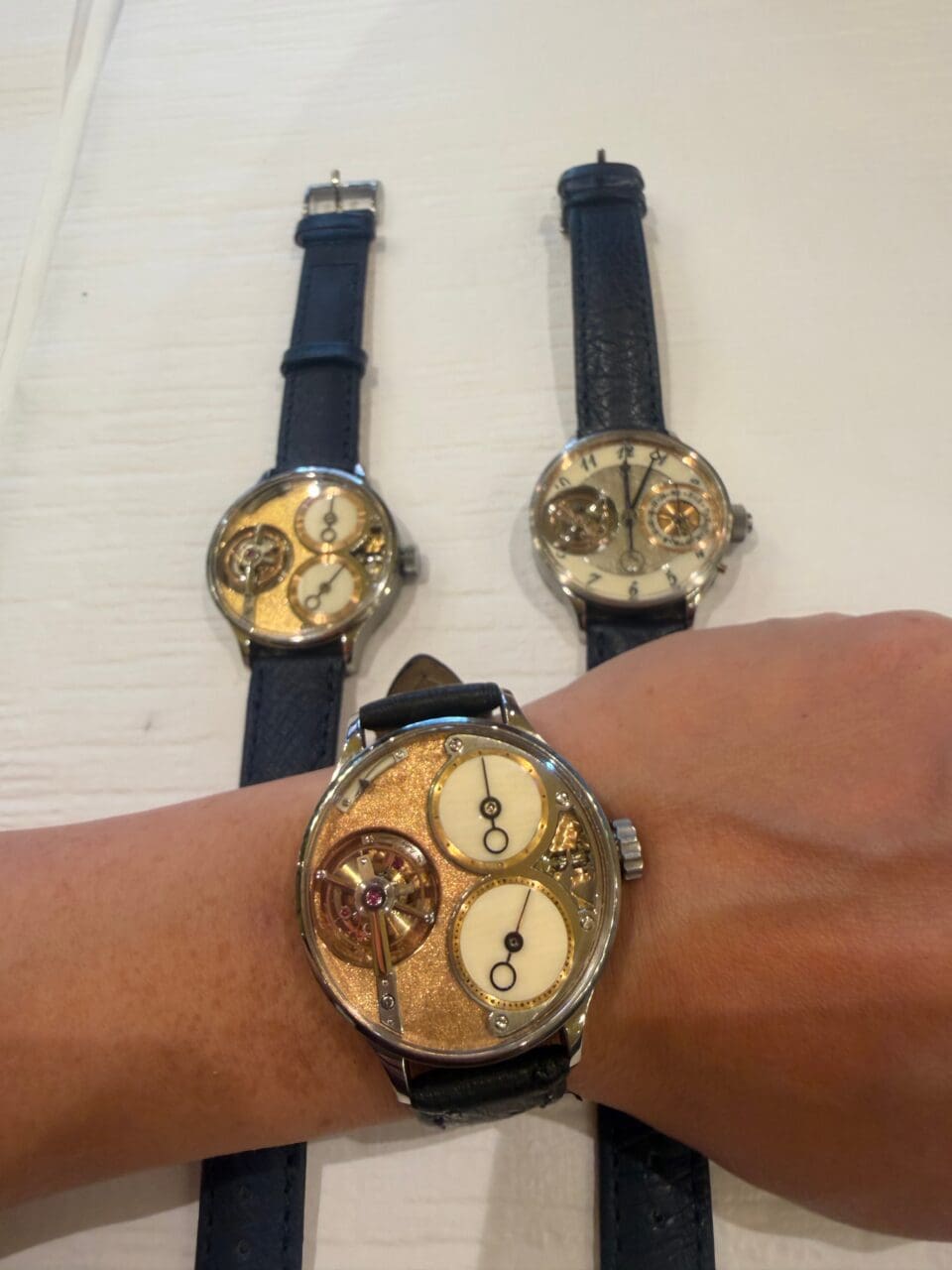
Annual Production: ~5 to 6 unique, bespoke watches per year
Another incredibly talented genius I’ve had the pleasure of meeting is Ondřej Berkus, and he is definitely one to watch. Based in the Czech Republic, Ondřej is a completely self-taught watchmaker who is equal parts artist and mad scientist.
Originally a custom knife maker, he transitioned to watchmaking because he felt knives lacked the “life” inherent to a ticking mechanical heartbeat. Working out of his workshop, he creates entirely bespoke, hand-crafted pieces utilizing wild, unconventional materials like meteorite, Damascus steel, and tantalum. Winding one of his watches is a highly tactile, mechanical experience—he even reworks the keyless works to make the winding action feel like a high-end machine. He is a breath of fresh air in the industry, bringing a rugged, soulful, and wonderfully rustic charm to independent horology.
Asian Independent Allied Vanguard
For decades, the independent watchmaking scene was dominated by Europe. Today, a massive cultural and creative shift is underway, spearheaded by a brilliant new wave of independent Asian artisans who are redefining haute horlogerie:
Fam al Hut (China)
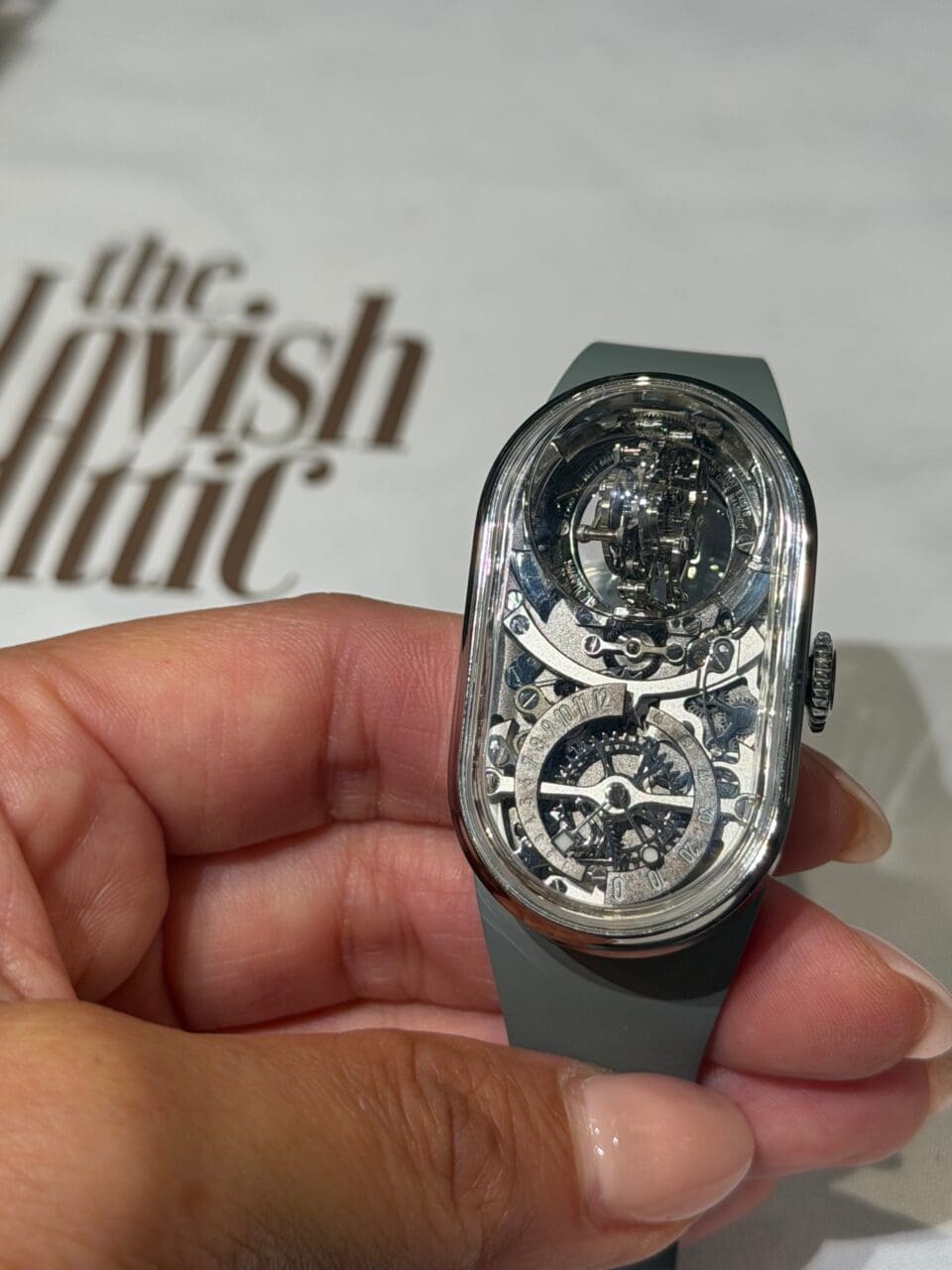
Annual Production: ~5 to 10 watches per year
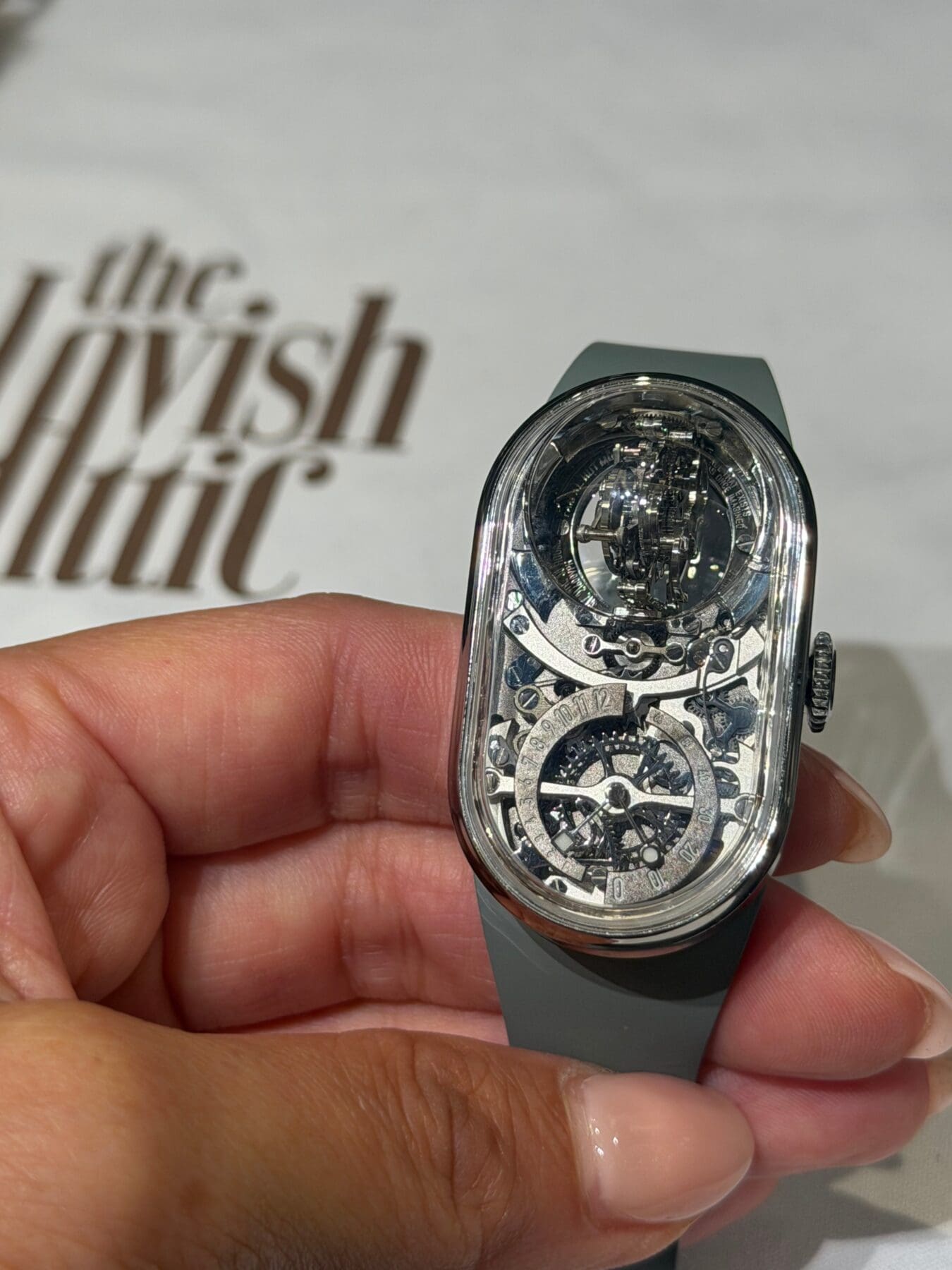
Based in Chongqing, China, and founded by Lukas Young and Xinyan Dai, this brand won the prestigious Audacity Prize at the GPHG. Their flagship creation, the Möbius, is a mechanical sculpture featuring a bi-axial tourbillon paired with jumping retrograde hours.
Masa & Co (Japan)
Annual Production: ~5 to 10 watches per year (strictly limited to 7 pieces for the 2027 production run of their flagship Kamon)
Founded by Masaharu Nakajima after three decades of restoring antique pocket watches at his Tokyo atelier, Masa’s Pastime, Masa & Co builds their own in-house movement (the MP-1). This low-beat manual caliber is engineered for ultimate longevity, reviving forgotten mechanisms like a stop-work barrel and a beryllium copper balance. They create stunning, low-volume watches like the Sohkoku and the Kamon—the latter featuring a pure copper dial traditionally treated in a chemical solution to produce a magnificent, deep patina, hand-engraved with intricate maple leaf motifs.
Metrical (Hong Kong)
Annual Production: Highly limited, numbered editions (typically limited to 99 pieces per reference)
Founded by visionary Hong Kong collector and designer Paul Li Man Hong, Metrical is a striking new voice in independent horology. Inspired by the classical elegance of 18th- and 19th-century pocket watches, Li Man Hong designs timepieces that serve as “visual symphonies” to capture the poetry of time. Their debut release, the Epiphany Origin, and its successor, the Epiphany Twilight, completely reimagine how we view the hours. Featuring a unique day-to-night display, a sun symbol tracks the hours from 6 AM to 6 PM across an artificial horizon before transforming into a crescent moon for the night, all swept by a single central minute hand. Expertly Swiss-made and powered by decorated Sellita movements, Metrical beautifully blends Eastern design philosophy with traditional Swiss craftsmanship.
Naoya Hida (Japan)
Annual Production: Fewer than 200 watches per year (typically around 75 to 125 pieces), with The Armoury as their exclusive international retail partner.
Famous for his restrained, mid-century vintage aesthetics, Naoya Hida produces a highly limited number of watches. His dials—made of German silver or Argentium silver—feature deeply hand-engraved Breguet numerals filled with rich, dark lacquer, offering an unmatched aura of quiet, elegant Japanese craftsmanship. His release, the NH Type 6A, marked the brand’s first-ever perpetual calendar, developed in collaboration with Habring² and Dubois Dépraz.
Otsuka Lotec (Japan)
Annual Production: Fewer than 200 watches per year (historically built just 15 to 70 watches a year as a solo endeavor)
Founded by former car designer Jiro Katayama, Otsuka Lotec is famous for its industrial, instrument-like aesthetics, jump hours, and retrograde displays. Operating under Hajime Asaoka’s Precision Watch Tokyo umbrella, Katayama recently shocked the industry with the No. 9. This rectangular powerhouse completely departs from his affordable, Miyota-based roots. It features an in-house developed tourbillon, jumping hours, “rewinding minutes” (retrograde by discs), a power reserve indicator, and a striking hour mechanism (sonnerie au passage) that hits a pipeline-shaped gong wrapping around the case with a crisp, industrial chime.
Part II: The Gatekeepers of Independence
Because these master watchmakers produce so few pieces, their retail partners do not operate like traditional stores. Instead, they act as educators, community curators, and the vital bridge connecting passionate collectors directly to the artisans.
Here are the five key distributors and galleries shaping the landscape of independent horology in Hong Kong and the wider region:
1. The Lavish Attic (Hong Kong)
The Philosophy: The Cozy Sanctuary for Outliers
Address: Shop 101, 1/F, Central Building, 1-3 Pedder Street, Central, Hong Kong
The Story: Founded in 2013 by watch aficionado Piano Chow, The Lavish Attic was born out of a desire to fill a massive gap in Hong Kong’s highly commercialized retail landscape. Located in the heart of Central, the boutique is beautifully designed to recreate the warm, nostalgic atmosphere of a private home attic—complete with plush leather couches, soft lighting, and music. Long before independent watchmaking achieved its current mainstream acclaim, Piano Chow was acting as a wholesale distributor for pioneering brands like Urwerk (since 2005) and H. Moser & Cie (since 2007). Today, The Lavish Attic is the exclusive official retailer for some of the most coveted independent names in the world (including Krayon, Ressence, Lang & Heyne, and Konstantin Chaykin), offering a relaxed, unpretentious sanctuary where collectors can gather, share stories, and explore horological boundaries.
2. Kinsmen (Hong Kong)
The Philosophy: The Chronicles of Rarity and Heritage
Address: Suite 1402-1403, Lippo Sun Plaza, 28 Canton Road, Tsim Sha Tsui, Hong Kong
The Story: Operating as an elite, by-appointment-only private showroom, Kinsmen has rapidly established itself as an intellectual powerhouse for the modern collector. Established by brothers Shoyo and Shoki Kawamura, Kinsmen is dedicated to sourcing, authenticating, and documenting the absolute peak of modern and vintage horological masterpieces—from ultra-rare vintage Patek Philippe references to the highly coveted creations of modern independent giants like F.P. Journe and Simon Brette. Through their beautifully researched editorial series, Chronicles, Kinsmen goes beyond simple retail, educating the community on the historical significance, case-making lineage, and mechanical nuances that make these rare pieces true works of art.
3. The 1916 Company (Hong Kong & Global)
The Philosophy: The Global Powerhouse of Collectible Horology
Address (Hong Kong Lounge): Suite 1402, 1 Duddell Street, Central, Hong Kong
The Story: Launched as a unified global brand merging WatchBox, Govberg, Radcliffe, and Hyde Park Jewellers, The 1916 Company represents the absolute vanguard of secondary market curation and collector education. Their private lounge in Central, Hong Kong, serves as a discreet, high-end destination for collectors seeking rare, historically significant, and independent timepieces from makers like De Bethune and H. Moser & Cie. By combining a massive, globally connected inventory with dedicated, personalised advisory services, they have created a seamless ecosystem that bridges the gap between classical retail and the dynamic pre-owned market.
4. Wristcheck (Hong Kong)
The Philosophy: The New Wave of Community and Transparency
Address: 28/F, The Cameron, 33 Cameron Road, Tsim Sha Tsui, Hong Kong
The Story: Founded in Hong Kong by prominent collector Austen Chu, Wristcheck has completely revolutionised the way a new generation of collectors interacts with horology. Operating from their state-of-the-art private showroom in Tsim Sha Tsui, Wristcheck brings unprecedented transparency, safety, and data-driven insights to both the pre-owned independent secondary market and direct brand partnerships. With an in-house team of Swiss-trained watchmakers and a vibrant, community-first approach, Wristcheck has democratized watch education, making the complex world of independent watchmaking accessible, exciting, and highly engaging for modern collectors worldwide.
The Hour Glass (Hong Kong)
The Philosophy: The Pioneer of Independent Horology
Address (Landmark Boutique): Shop G19-G20 & Shop 111, Landmark Atrium, 15 Queen’s Road Central, Central, Hong Kong
The Story: Established in 1979 in Singapore, The Hour Glass is globally recognised as one of the earliest and most influential champions of independent watchmaking. Decades before “indies” became an auction-room phenomenon, The Hour Glass was actively investing in and promoting the work of master watchmakers. Their prominent multi-level boutique in Landmark, Central, serves as a key hub for local collectors, showcasing some of the finest high-end watchmaking in the region. By hosting groundbreaking exhibitions and commissioning highly exclusive collaborative editions, they have fostered a deep, multi-generational collecting culture across the Asia-Pacific region.
Conclusion: The Path Forward for Collectors
Collecting independent watches requires patience, curiosity, and a willingness to learn. Because production numbers are so limited, building relationships with these five key galleries is the single most important step a collector can take. By visiting their showrooms, attending their exhibitions, and engaging with their specialists, you don’t just buy a watch—you become a patron of living horological art.
Editor
Antonia Li