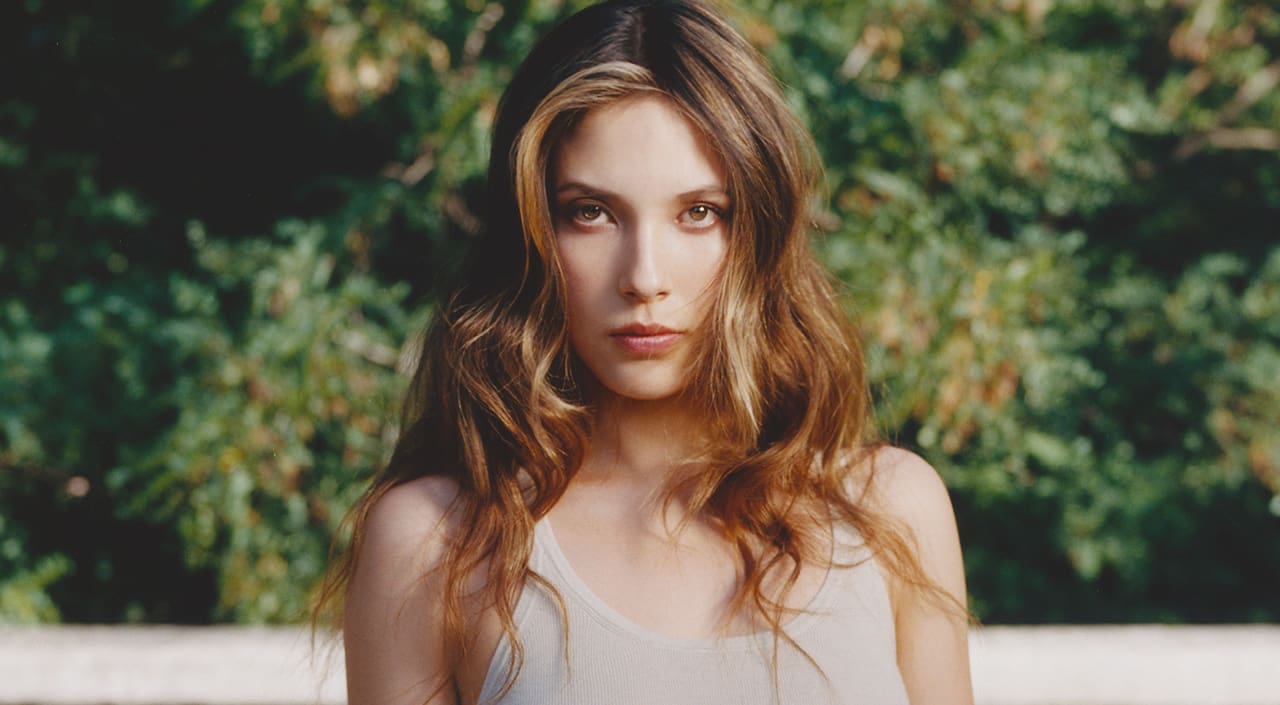


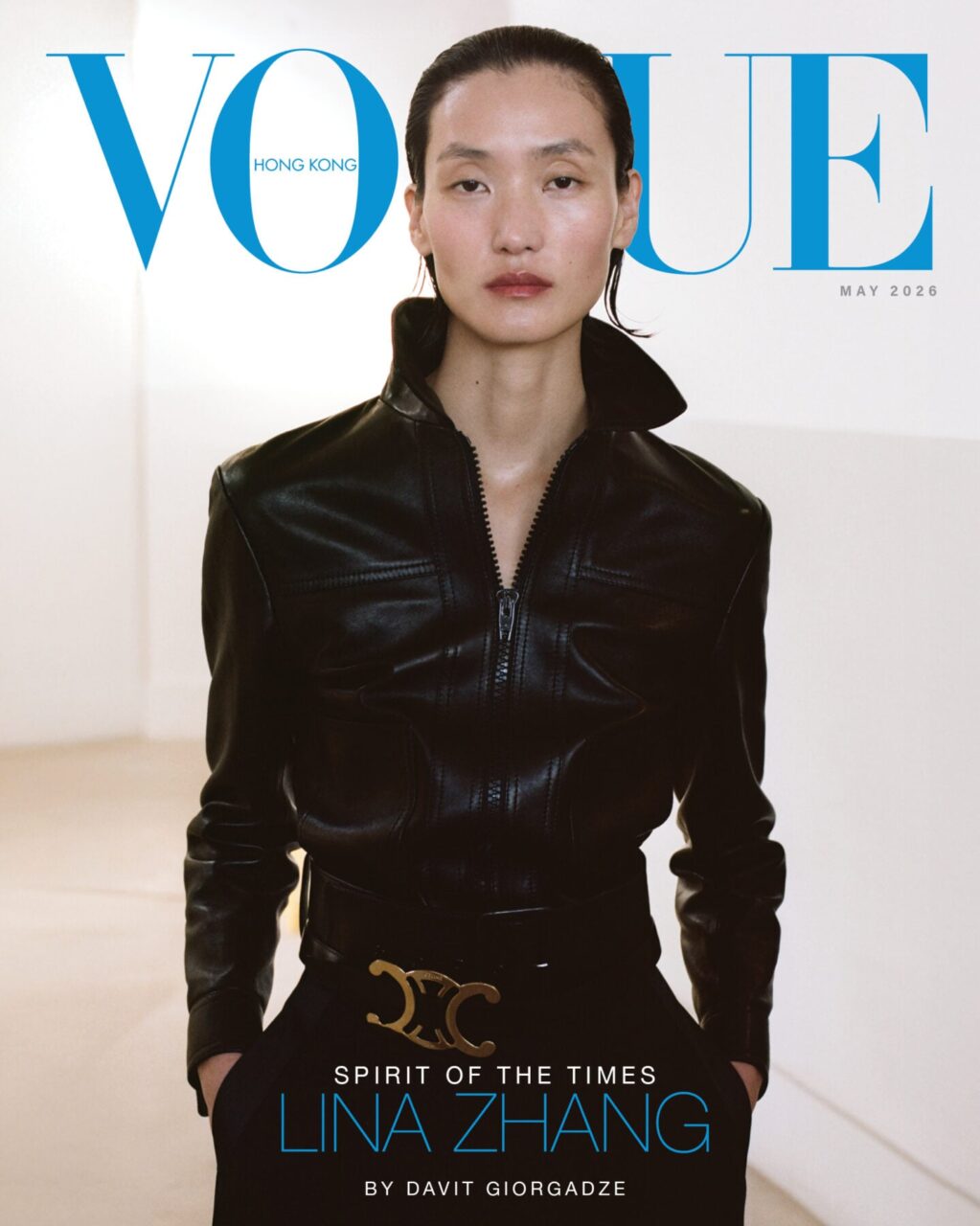

With her sculpted features and commanding presence, Lina Zhang has cemented her status as one of the most sought-after Asian faces in fashion. Since debuting on the global stage in 2011, she’s experienced a soaring rise. And after a six-year hiatus to focus on personal life, she made a triumphant comeback that owned the runways and continues to redefine beauty on her own terms.
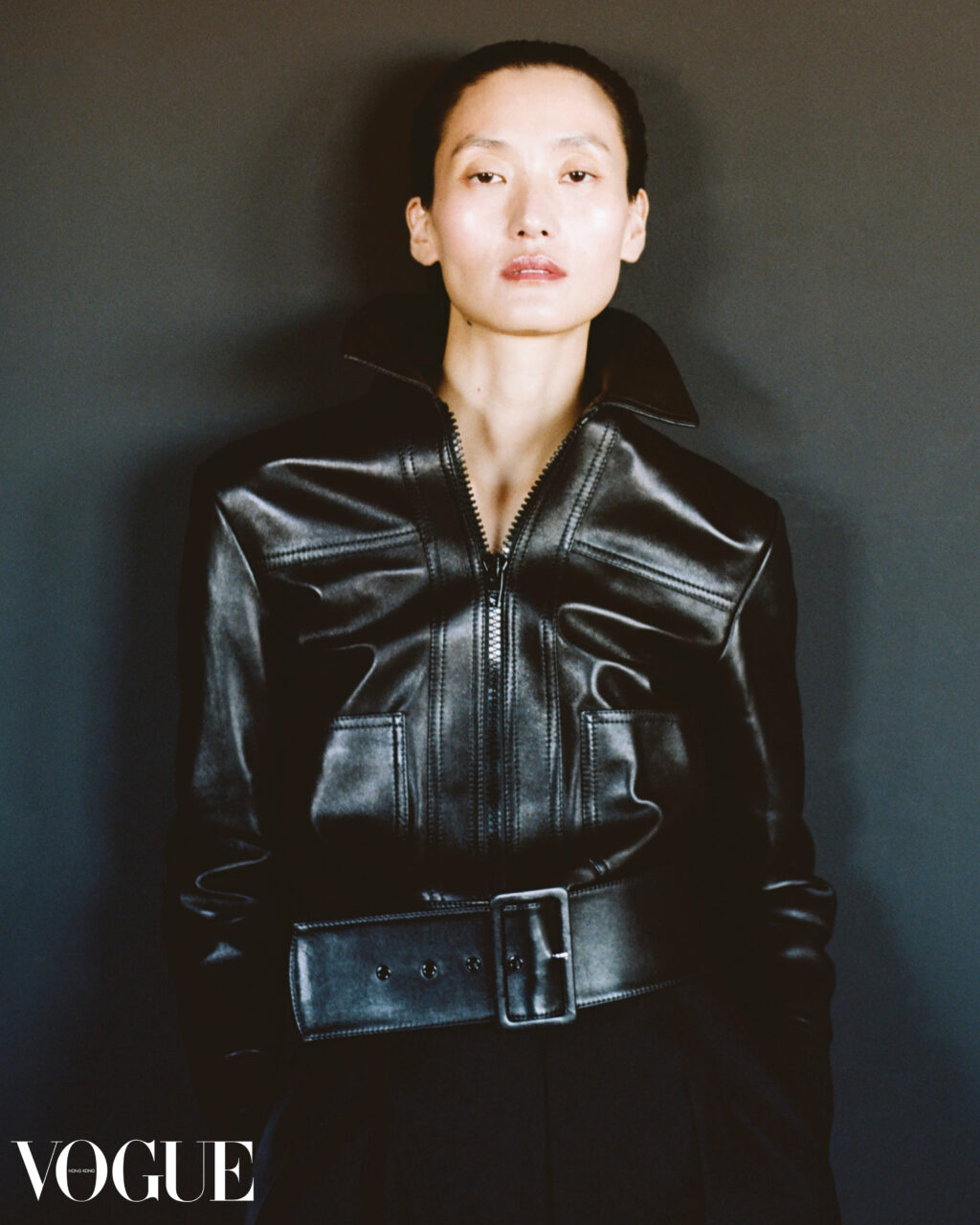
You walked your first international runway in 2011, dominated fashion weeks in 2012, then took a 6-year break for marriage and motherhood before returning to modelling. Would you divide your career into three phases?
I don’t really think of it as distinct phases. To me, what drives these different periods is that as times change, fashion has become more diverse, sustainable, and full of possibilities.
From the 90s to today, how has the narrative for Asian models in international fashion changed over these 30 years?
International fashion can now appreciate completely different individual beauty within the same cultural background. In that sense, there’s no specific transformation—each of us is irreplaceable, with our own unique personality and look.
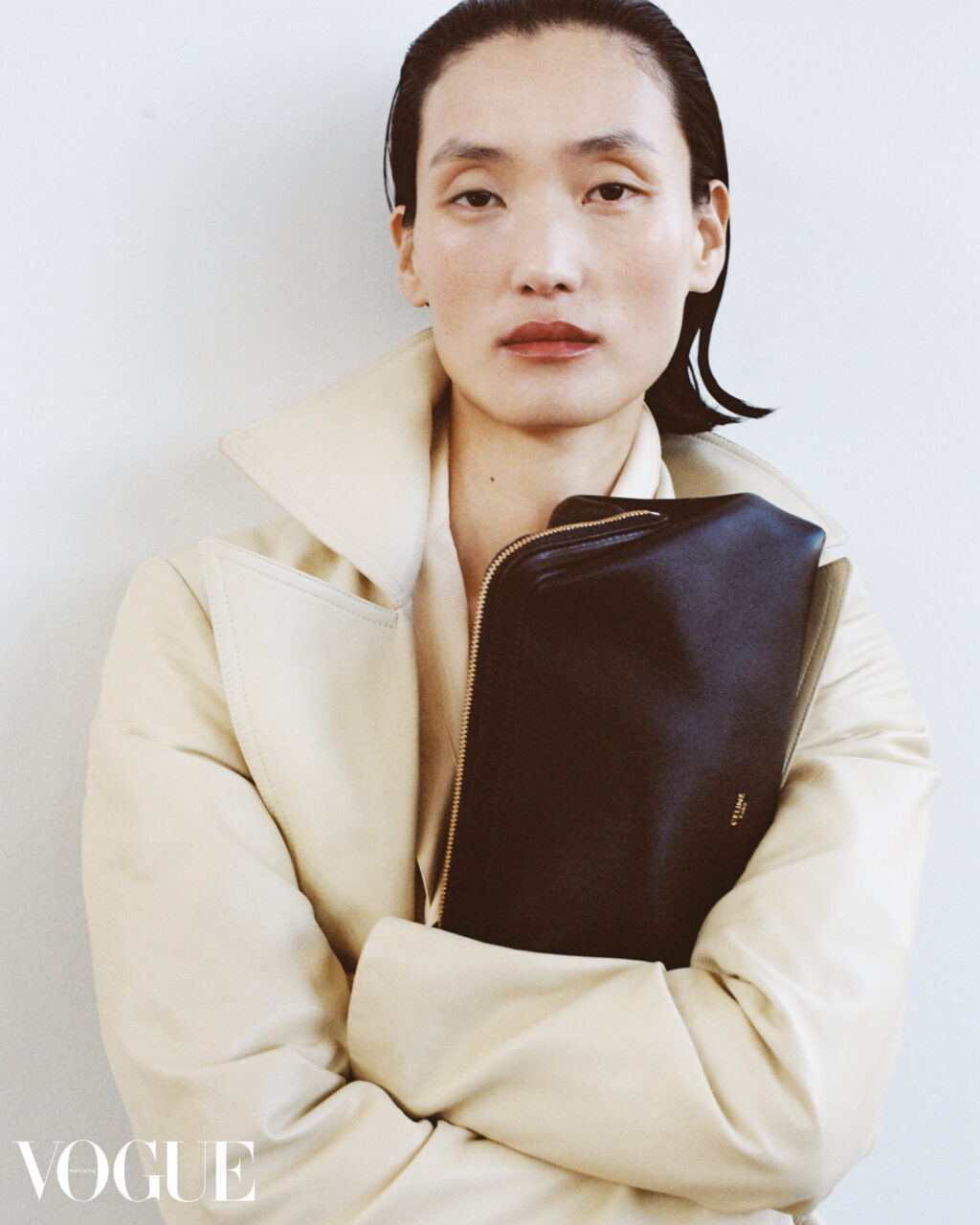
People often ask successful women how they balance career and family, but you don’t seem troubled by this. What’s your secret?
For me, it’s not a problem to be “solved” but a long-term state to navigate, so I try to appear composed and balanced. Honestly, this “completely untroubled balance” doesn’t exist. I’m constantly exploring this process and gradually establishing my own rhythm.
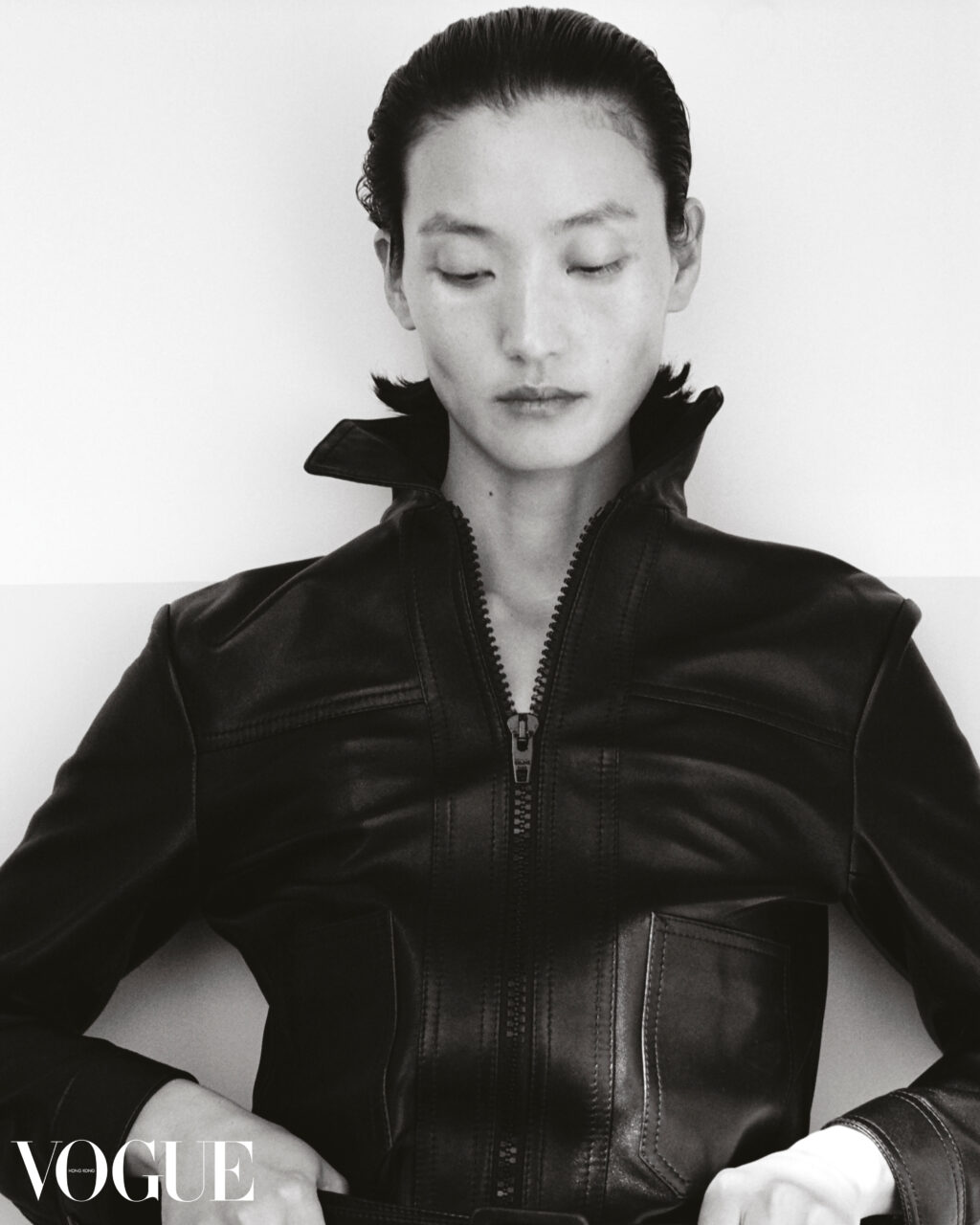
How has life changed since moving to the UK? What’s the biggest difference between modelling domestically versus internationally?
Life definitely changes with the environment—the kids have more school holidays, daily life isn’t as convenient, which has pushed us to become more hands-on and adjust our approach to handling things. As for modelling, the biggest difference between domestic and international work is probably in how style is defined.
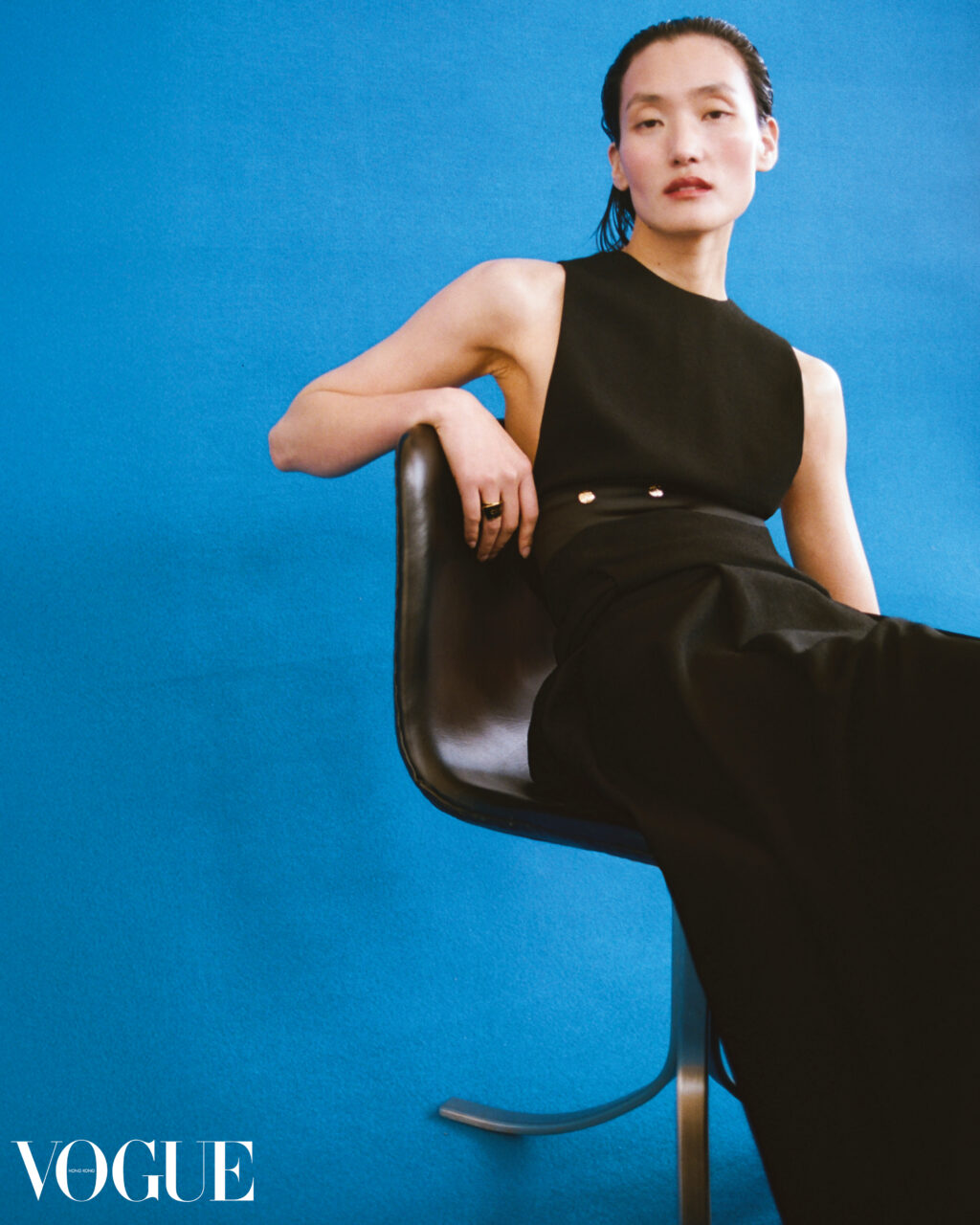
Modelling is often described as a profession of “being chosen.” What do you think is the true significance of supermodels in fashion? Is being “chosen” as passive as outsiders imagine?
The supermodels I mentioned earlier all have very different styles and characteristics. So, to me, a “supermodel” represents a unique style within the industry. Every profession has its passive and active aspects—it’s just the mode that differs. As models, we take control by treating every job seriously.
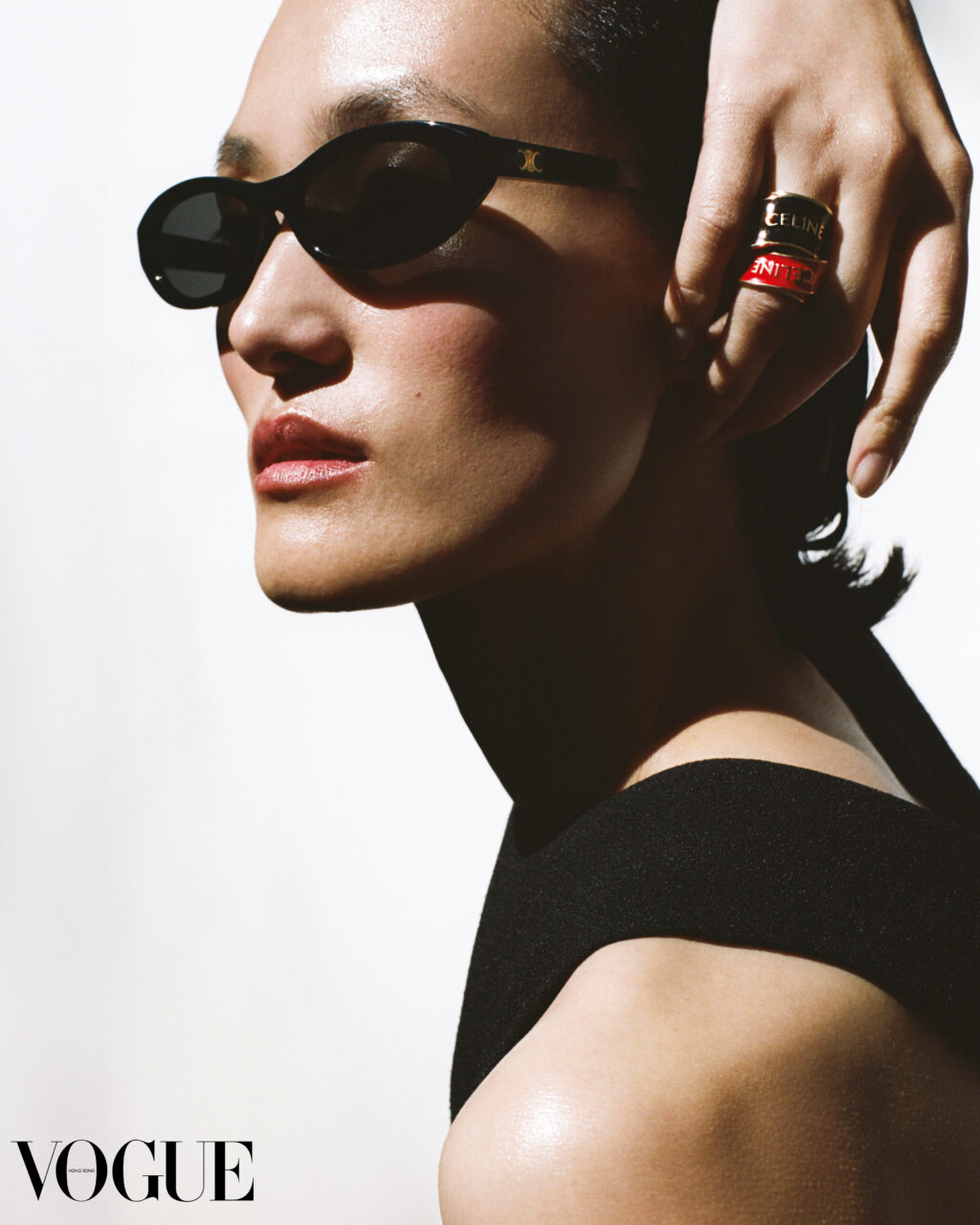
This issue’s theme is the 90s and the supermodel era. Did you follow those supermodels? Is there one you consider a benchmark?
I’ve always followed and appreciated each supermodel’s unique style, but I don’t use anyone as a benchmark because I want to develop my own.
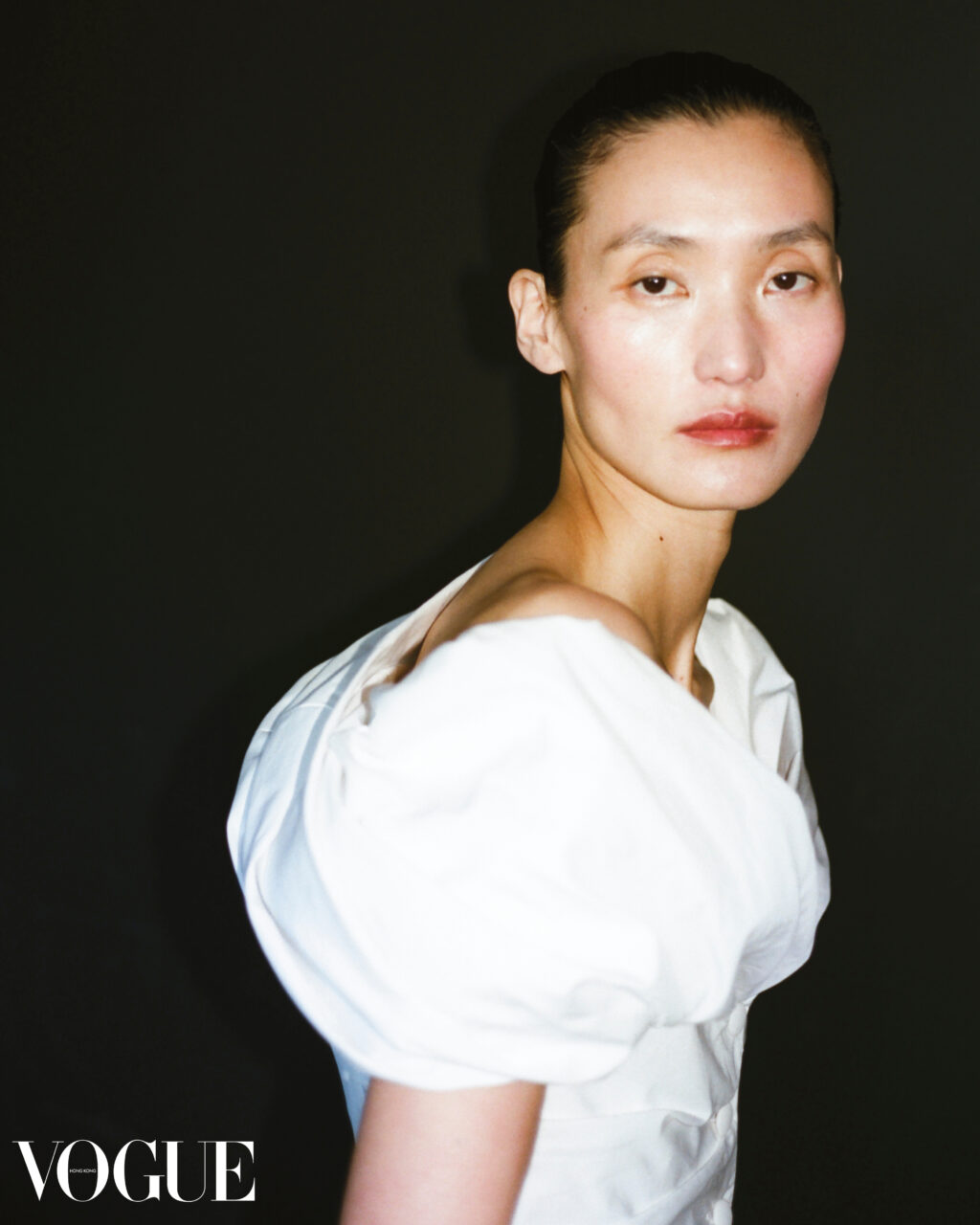
In today’s era, will we see another iconic supermodel who defines a generation? How do you understand the relationship between the era and its models?
We need to discuss this in the context of changing times. Today, social media has scattered public attention, and fashion and iconic status now reach more people. Fashion is all about ‘uniqueness’ and ‘conveying beauty.’ In this new era, everyone can transform and embody this essence, which is itself the very meaning of fashion’s existence.
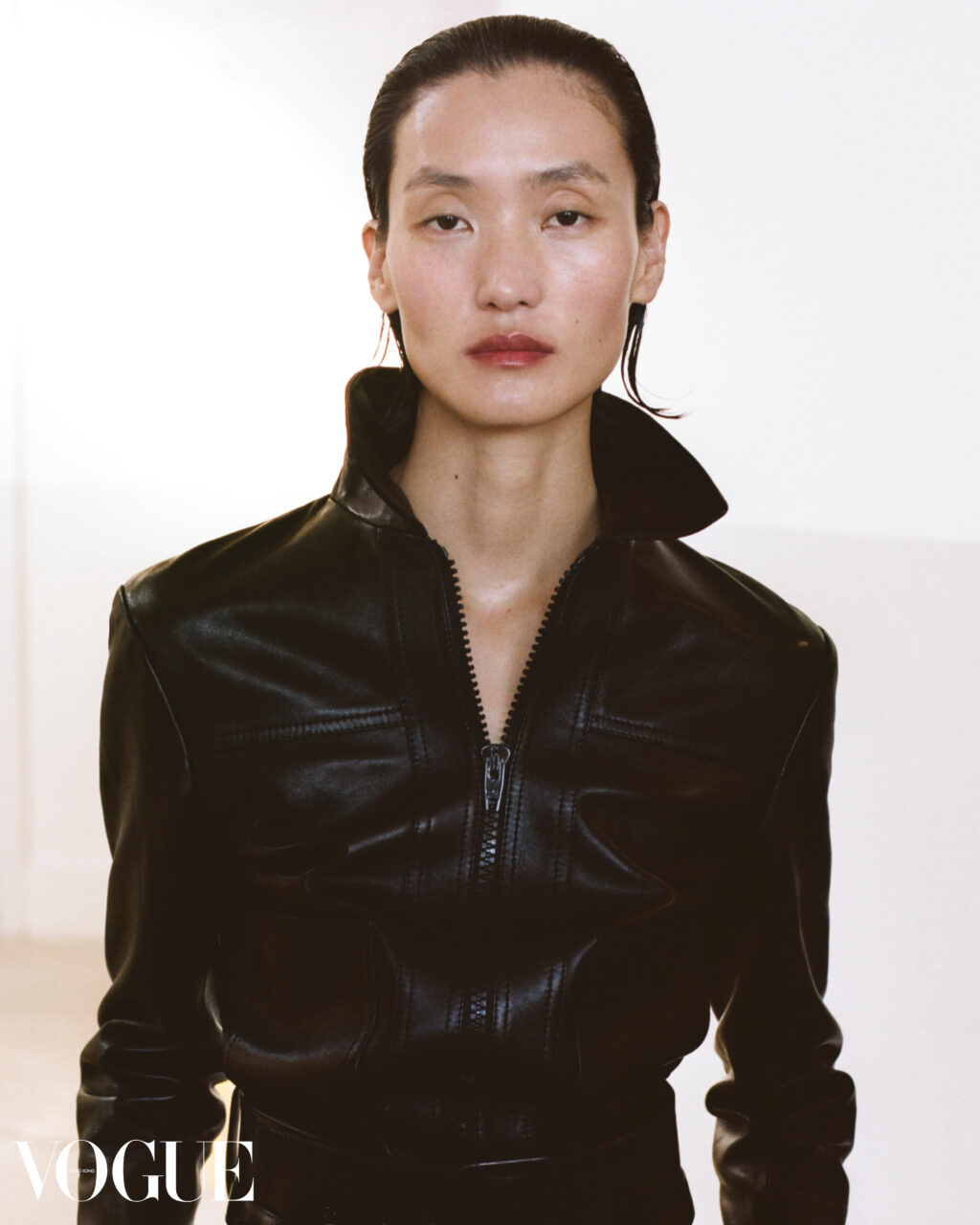
When you returned to the runway in 2018 with two children, fashion was embracing model diversity. Did you feel more confident or more challenged by the changed times? From starting your career during globalisation to today’s broader acceptance of model types—do you feel lucky?
If I weren’t lucky, I wouldn’t be answering this question as this issue’s cover star. But from when I first returned to the runway until recent years, despite being lucky and arguably confident, I still put enormous pressure on myself professionally. All these pressures and topics are interconnected, pointing to this journey. Like balancing family and career, being a model whilst being a mother, maintaining a model’s image, and facing ageing—these are ongoing, objective realities I need to face.
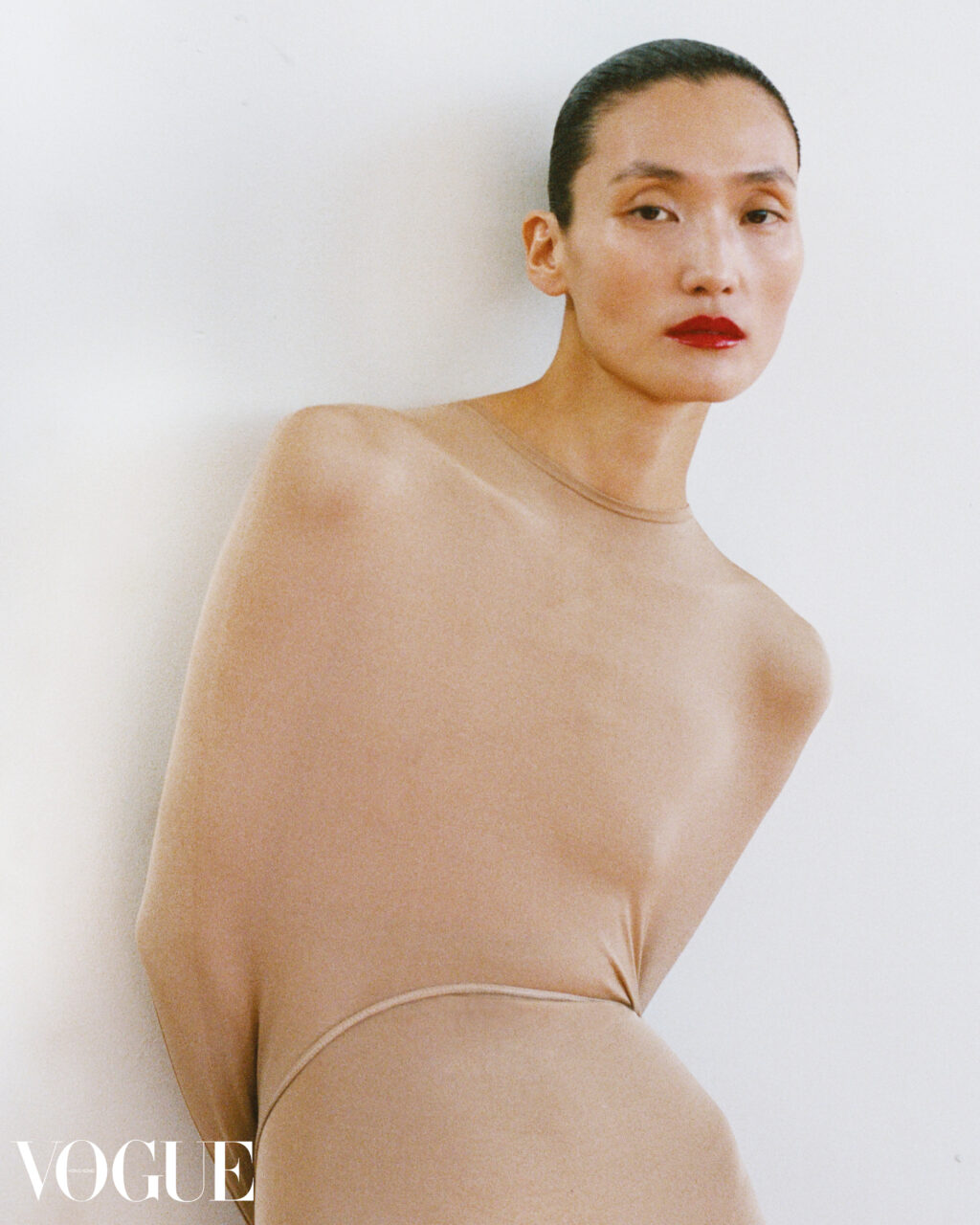
Social media has led more models to become content creators. How do you view this? Does it expand models’ influence to another dimension?
The self-media era has been developing for over 10 years now. If managed well, it can broaden a model’s career path, explore more professional development opportunities, and, to some extent, extend one’s career lifespan.
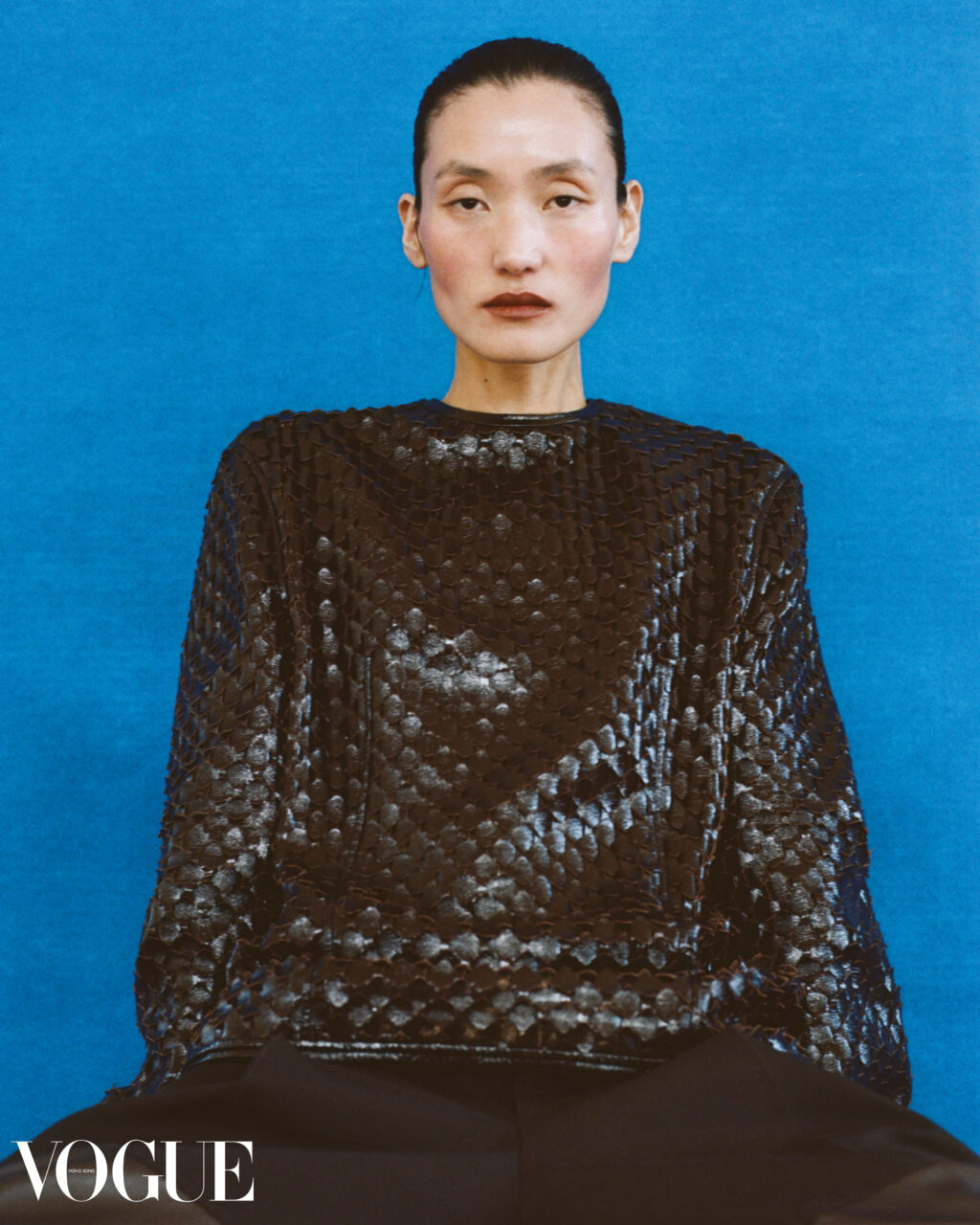
You’re a perfectionist, and this “perfection” once caused you pain. How do you define perfection now? Have you reached your idea of perfection?
Through this process, I’ve summarised the phrase that best describes me: imperfection is perfection.
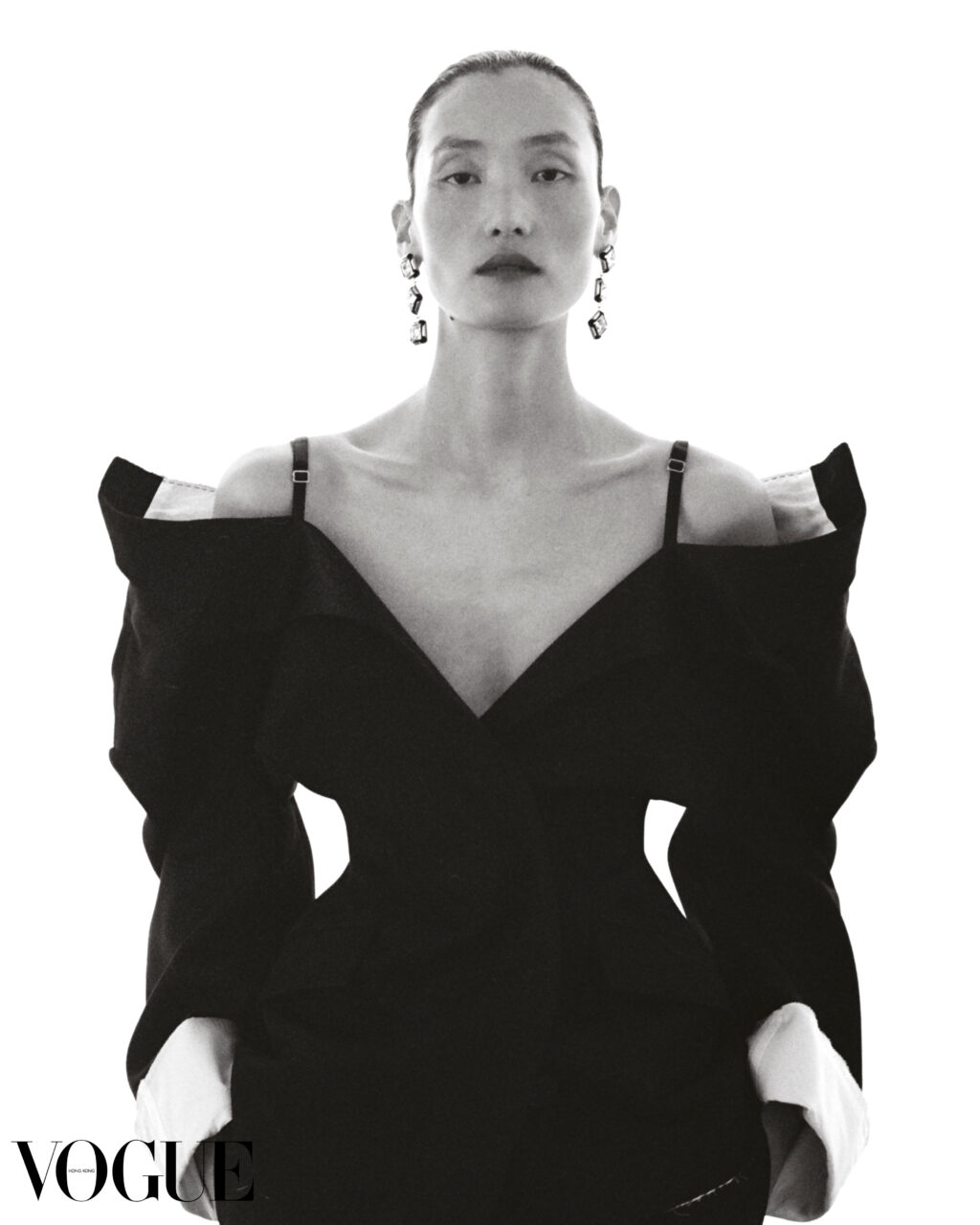
Looking back, how would you define those dark times?
As we grow, our internal perspective on problems changes. Now, I might see them as dramatic episodes, like scenes from a film. This “drama” actually suits my inner world.
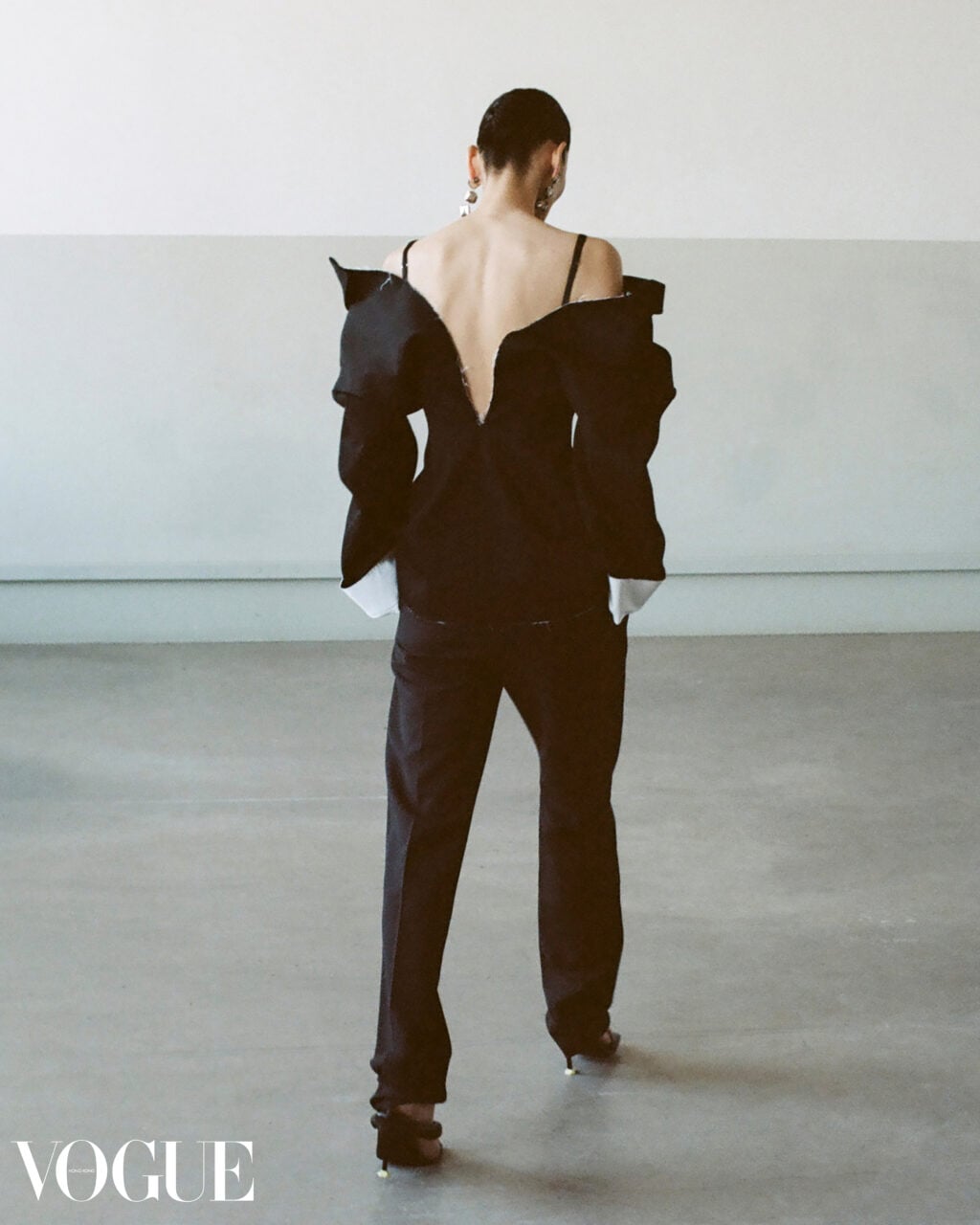
If you had to pause again to recharge, what would you want to do?
I can’t stop, so I recharge in other ways—like immersive travel or more outdoor sports.
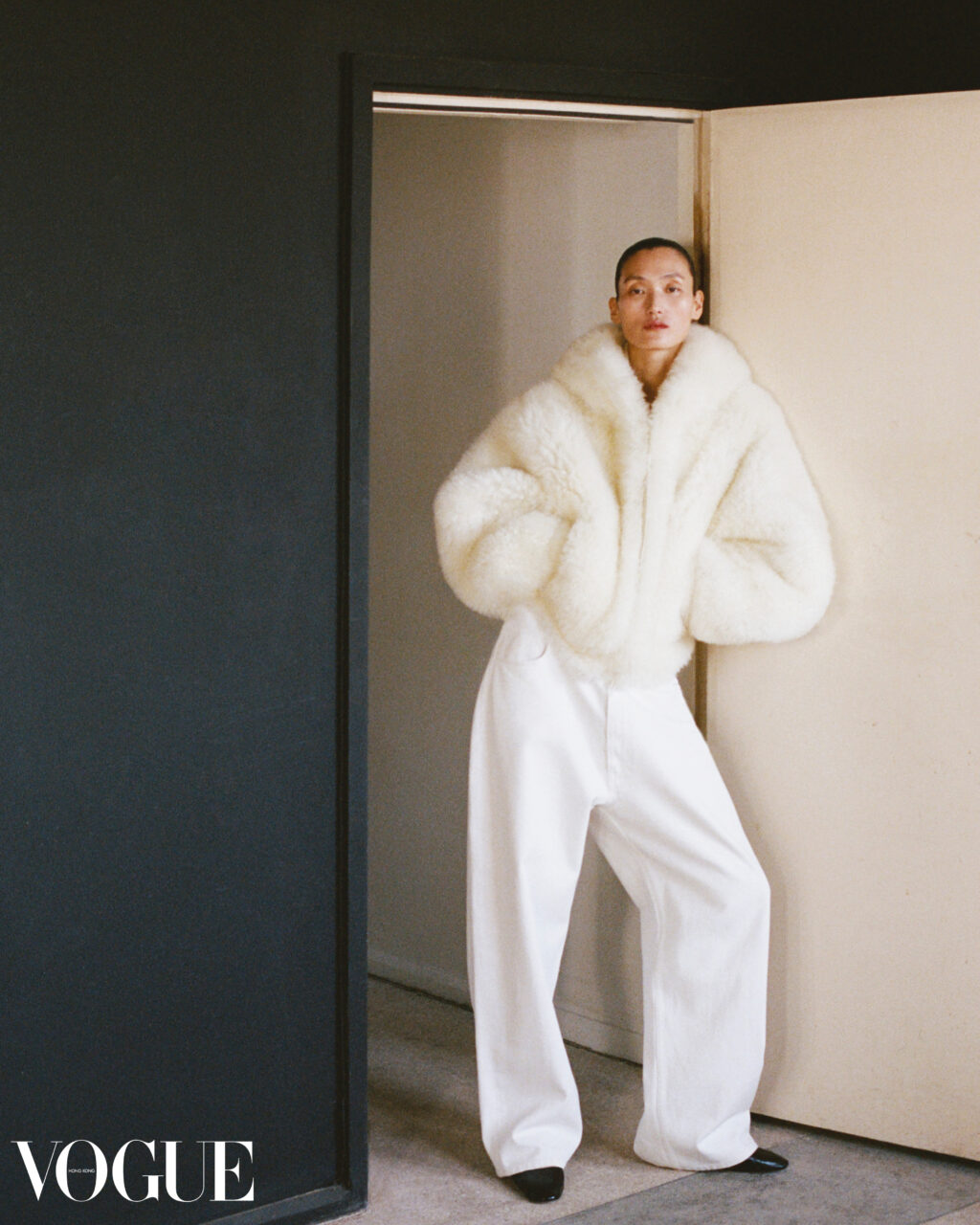
What unfinished goals do you have for your modelling career?
Suddenly, none!
Photography: Davit Giorgadze @Total Management
Styling: Jenine Oh
Makeup Artist: Lynski @Mini Title
Hair Stylist: Joe Burwin @Bryant Artists
Manicurist: Chisato Yamamoto @Caren Agency
Creative Producer: Marina Fairfax
Set Designer: Andrew Lim Clarkson @Concrete Rep
First Assistant: Chloe Kerins
Fashion Assistants: Amber Adams & Giulia Bartolotta
Hair Assistant: Myuji Sato
Set Assistant: Harry Ezzat
Production: Thea Charlesworth @theArcade
Editor
Ke Wu, Translated By Kaitlyn Lai