

Fashion loves a good double take. Fall 2026, apparently, wanted several.
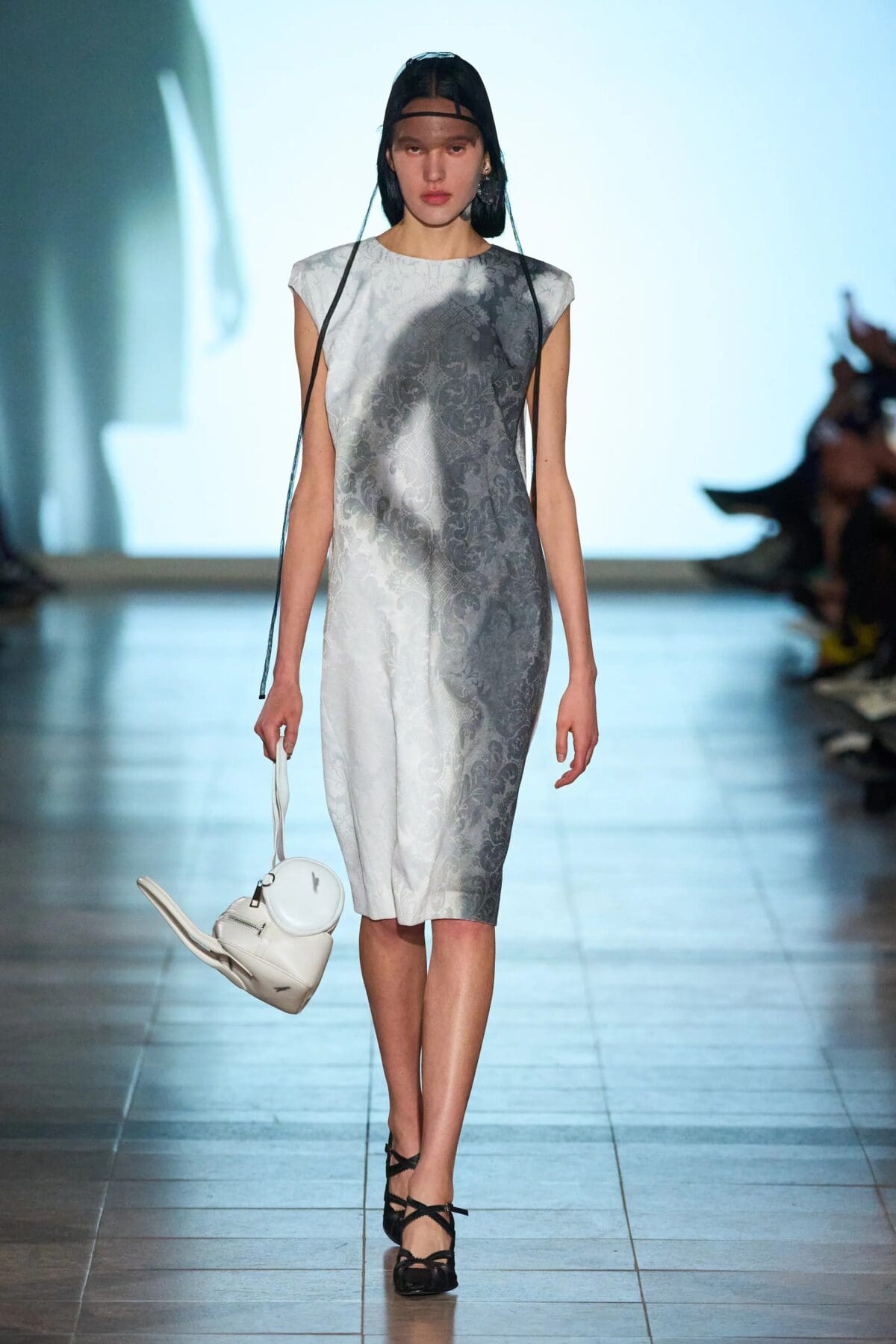
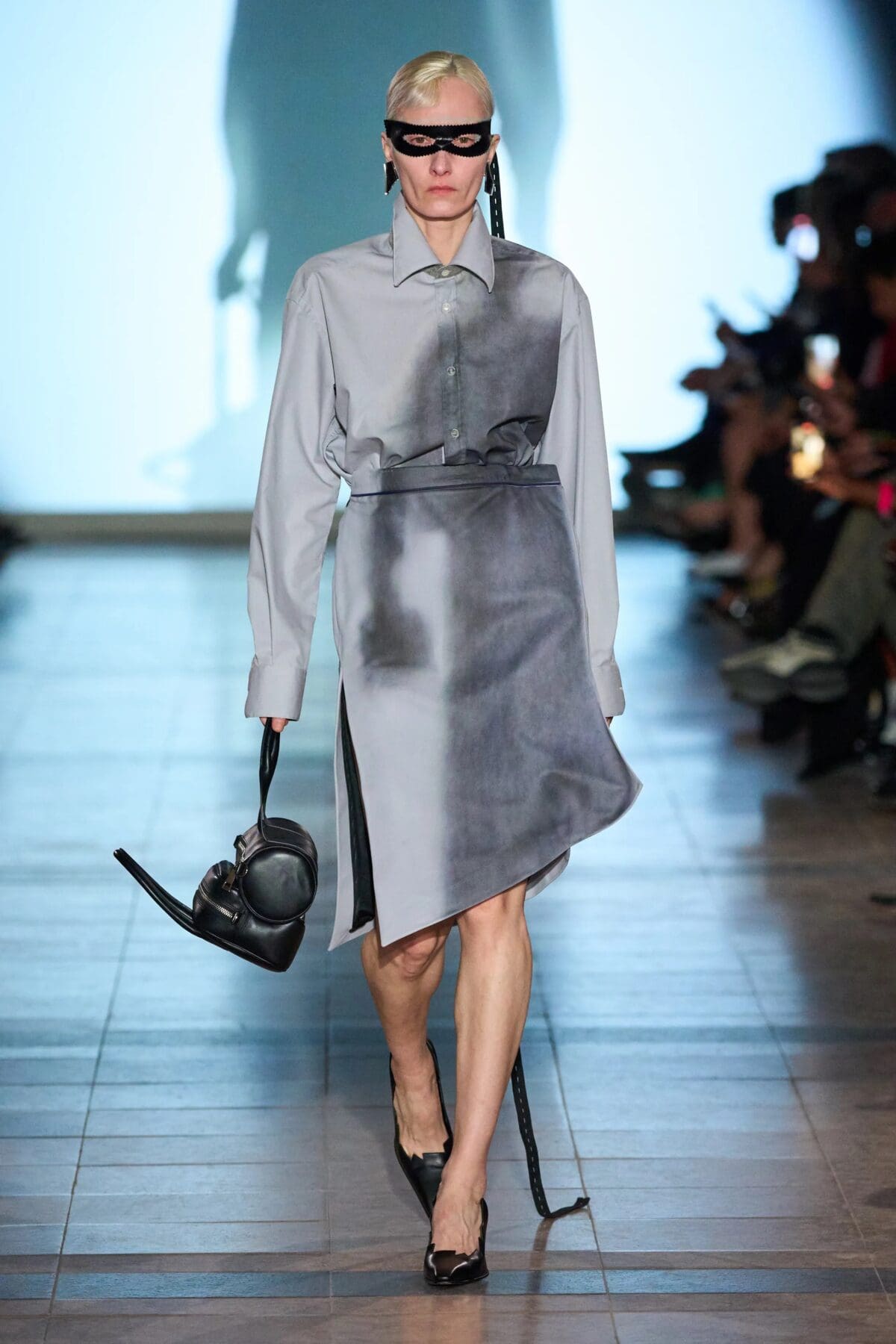
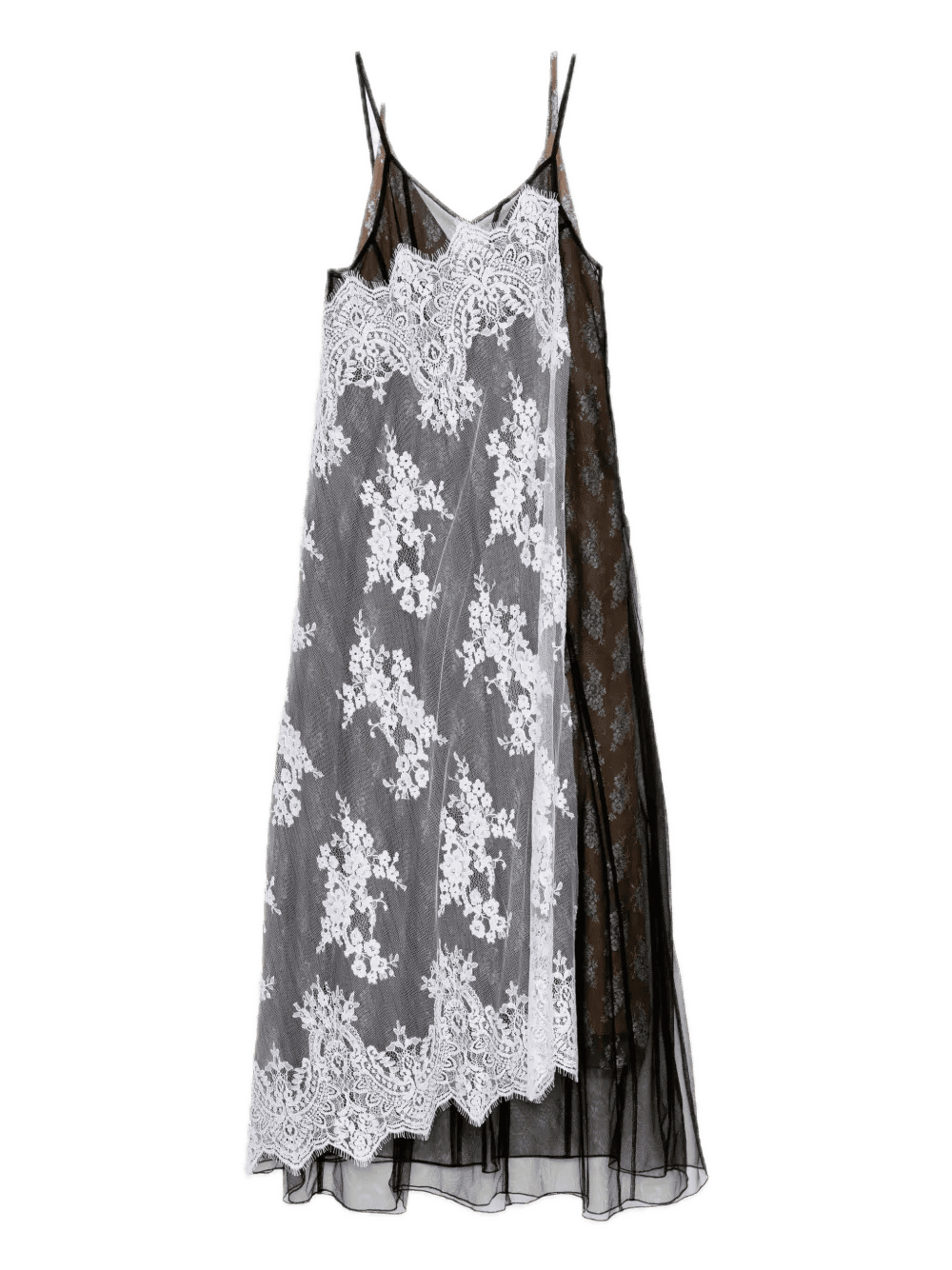
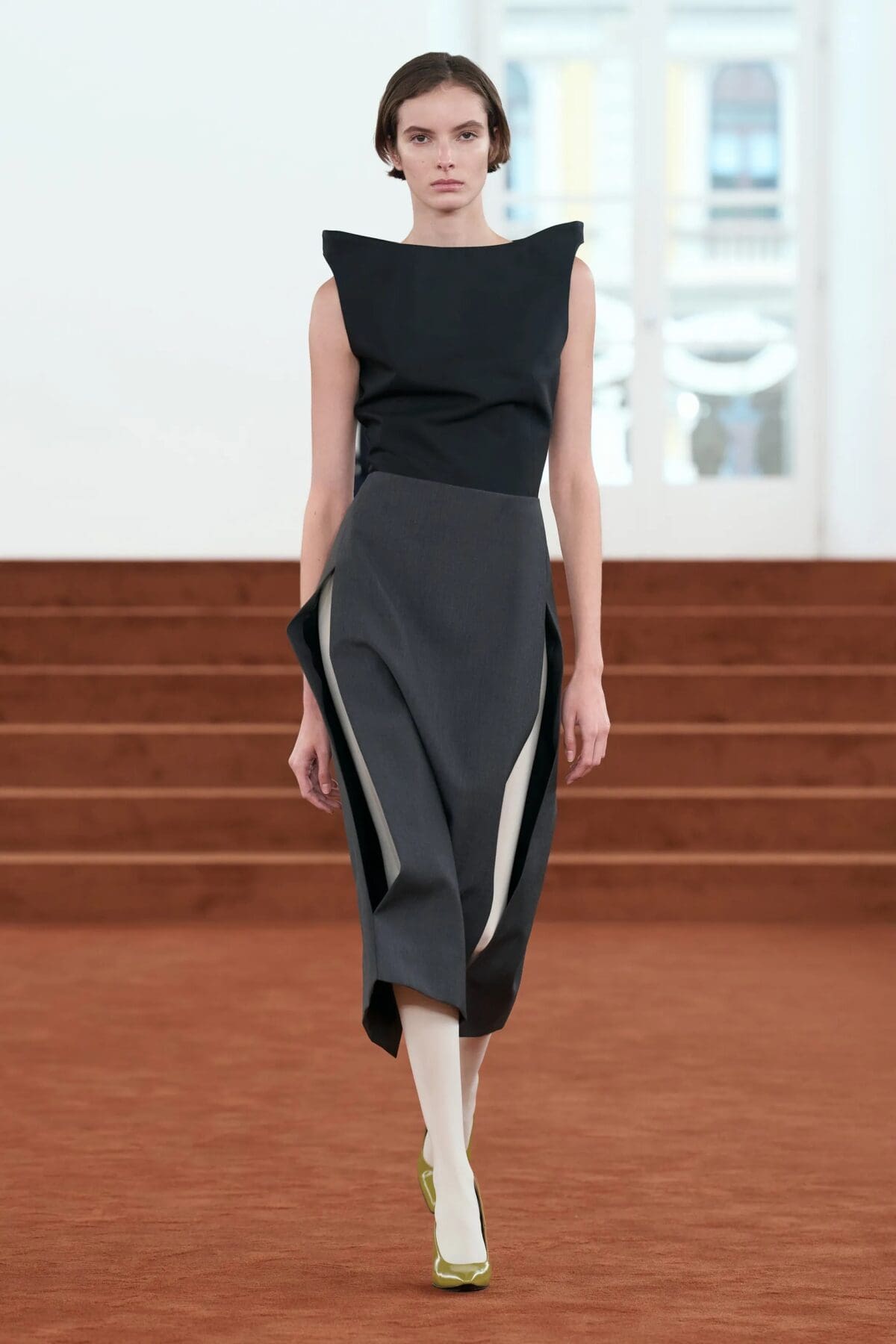
Take Julie Kegels’ grey silk dress, where the shadow of the look before seems to linger across the fabric. It is a fleeting illusion, as though the grey coat has stepped away but left its silhouette behind. For Fall 2026, Kegels explored aura and appearance through an Andy Warhol-inspired play of shadows, letting them trail behind models and appear where you least expect them.
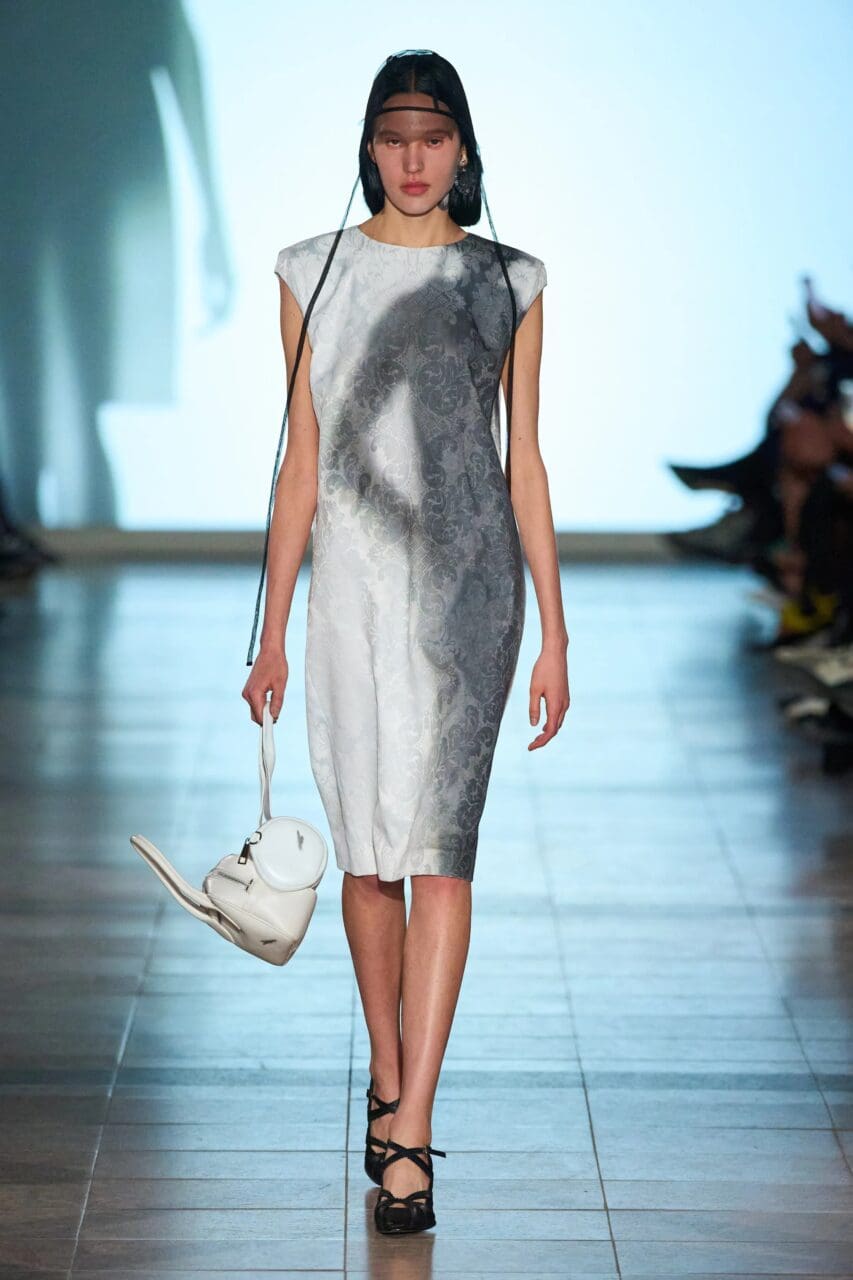
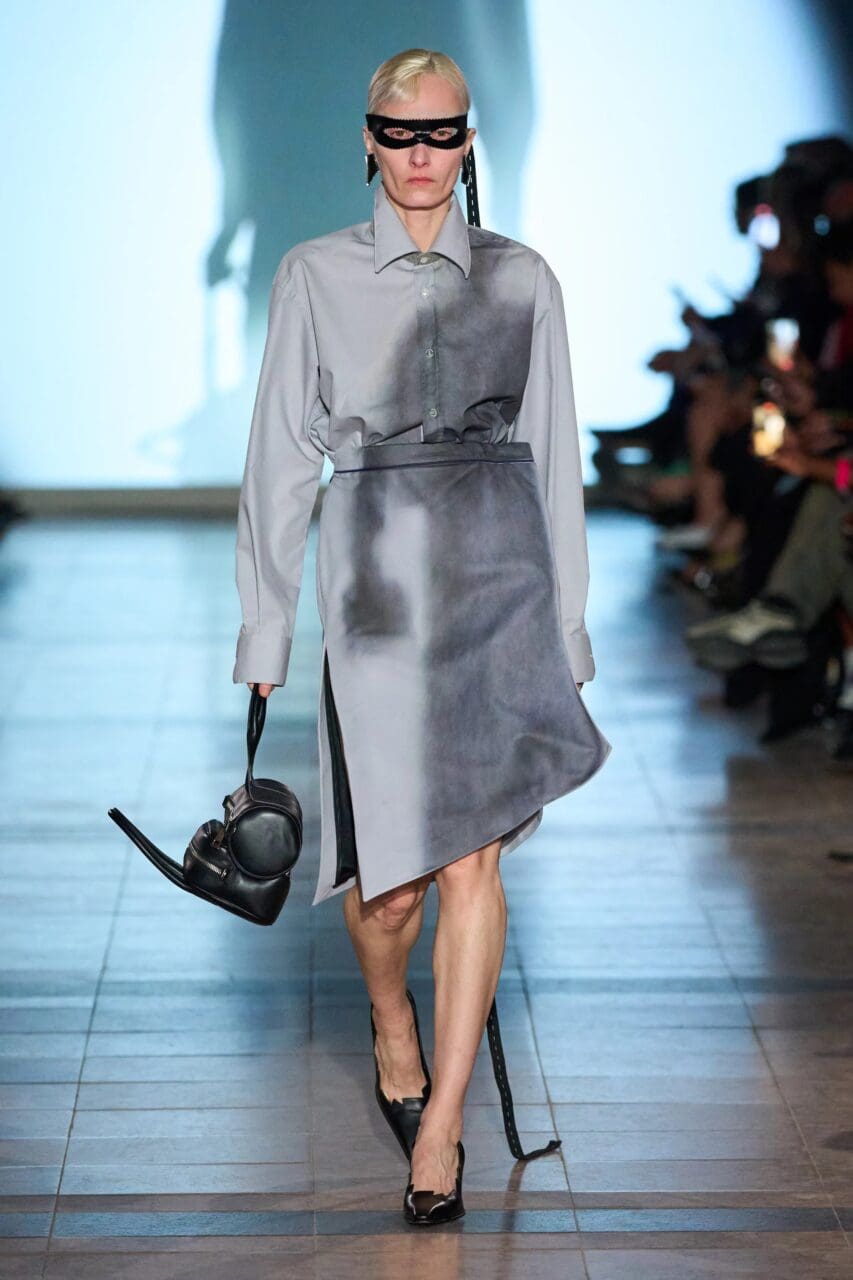
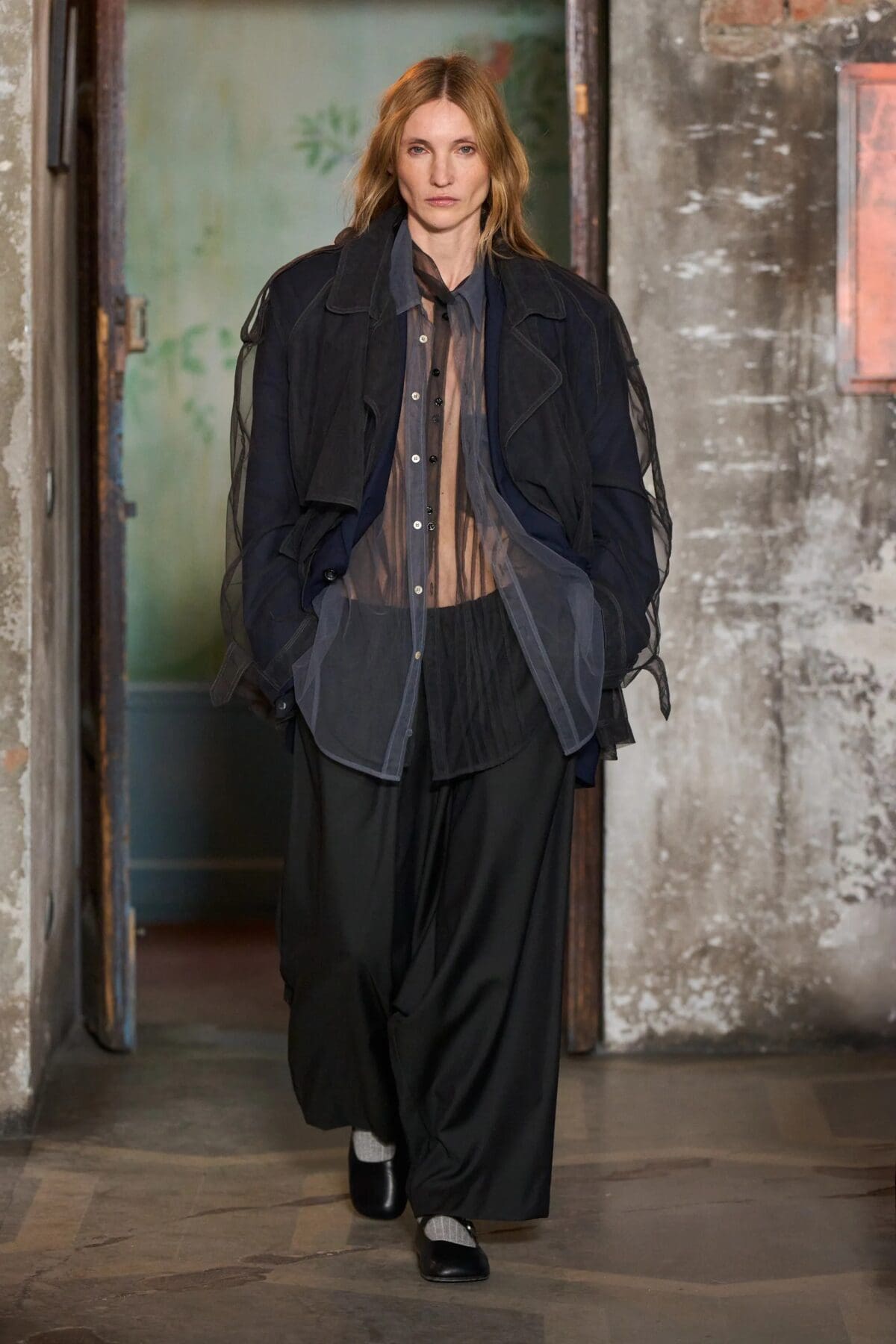
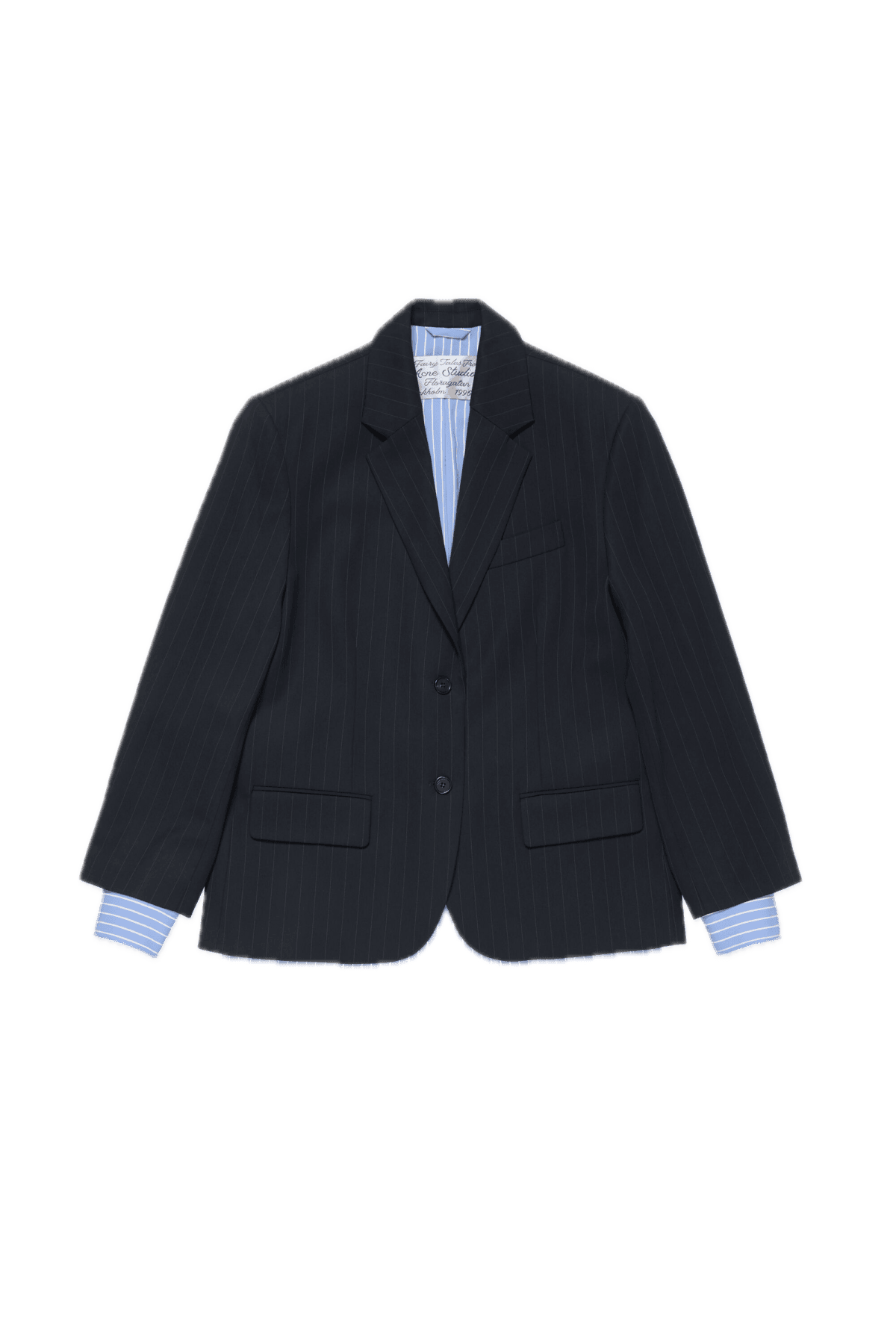
“Your appearance is always perceived differently by everyone, so I wanted to show that,” Kegels said of the collection. And she certainly wasn’t alone in playing with perception. Across the Fall 2026 runways, designers approached the idea in their own ways: layering was built into the clothes, lining moved to the outside, prints impersonated other fabrics and entire garments even seemed to disappear before our eyes.
Again and again, the season found ways to make the familiar feel slightly unfamiliar. From trompe-l’œil layers and inside-out tailoring to disappearing clothes and silhouettes that defy the body, these are the Fall 2026 runway trends that reward a second look.
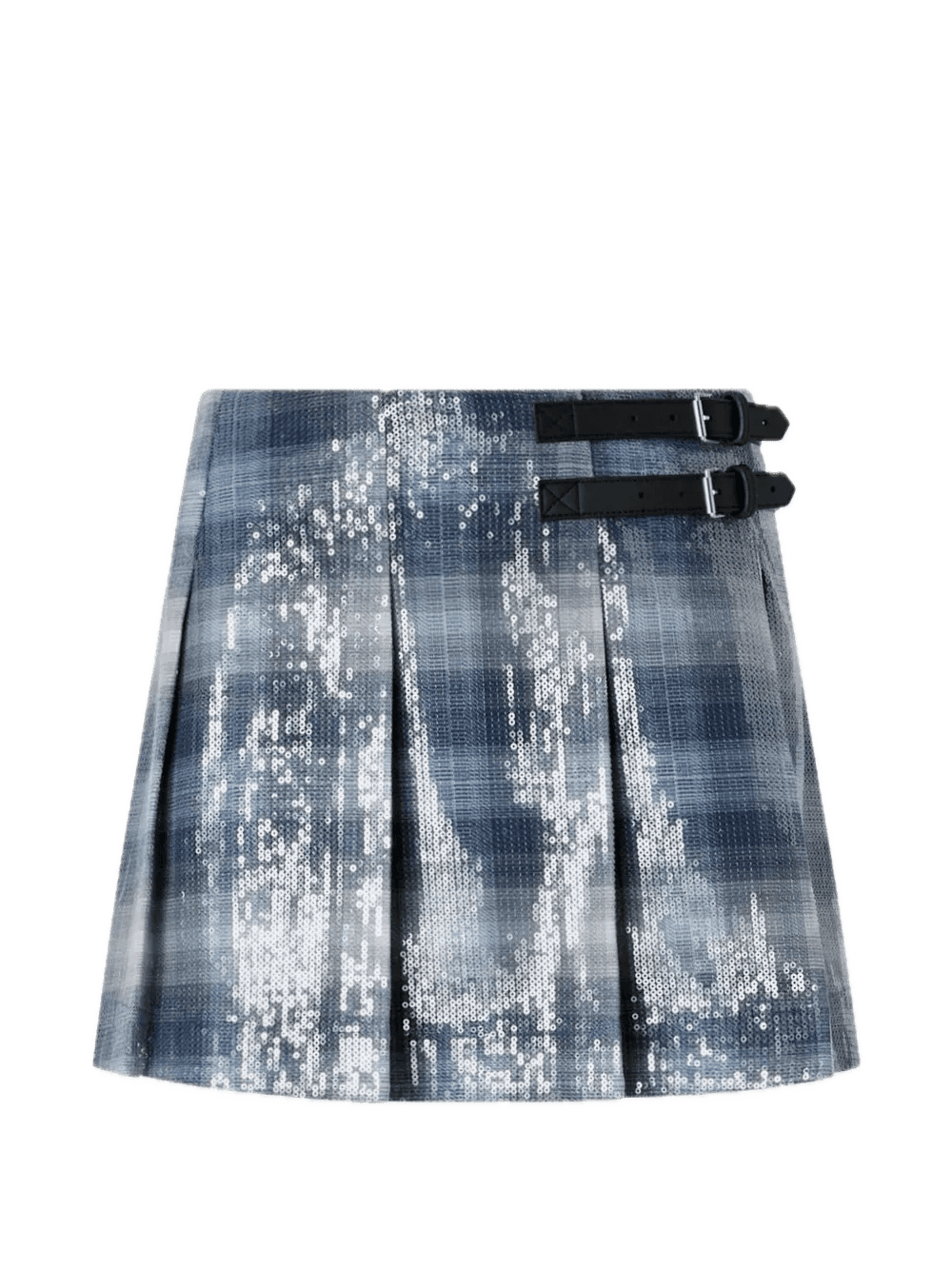
1. The New Art Of Layering
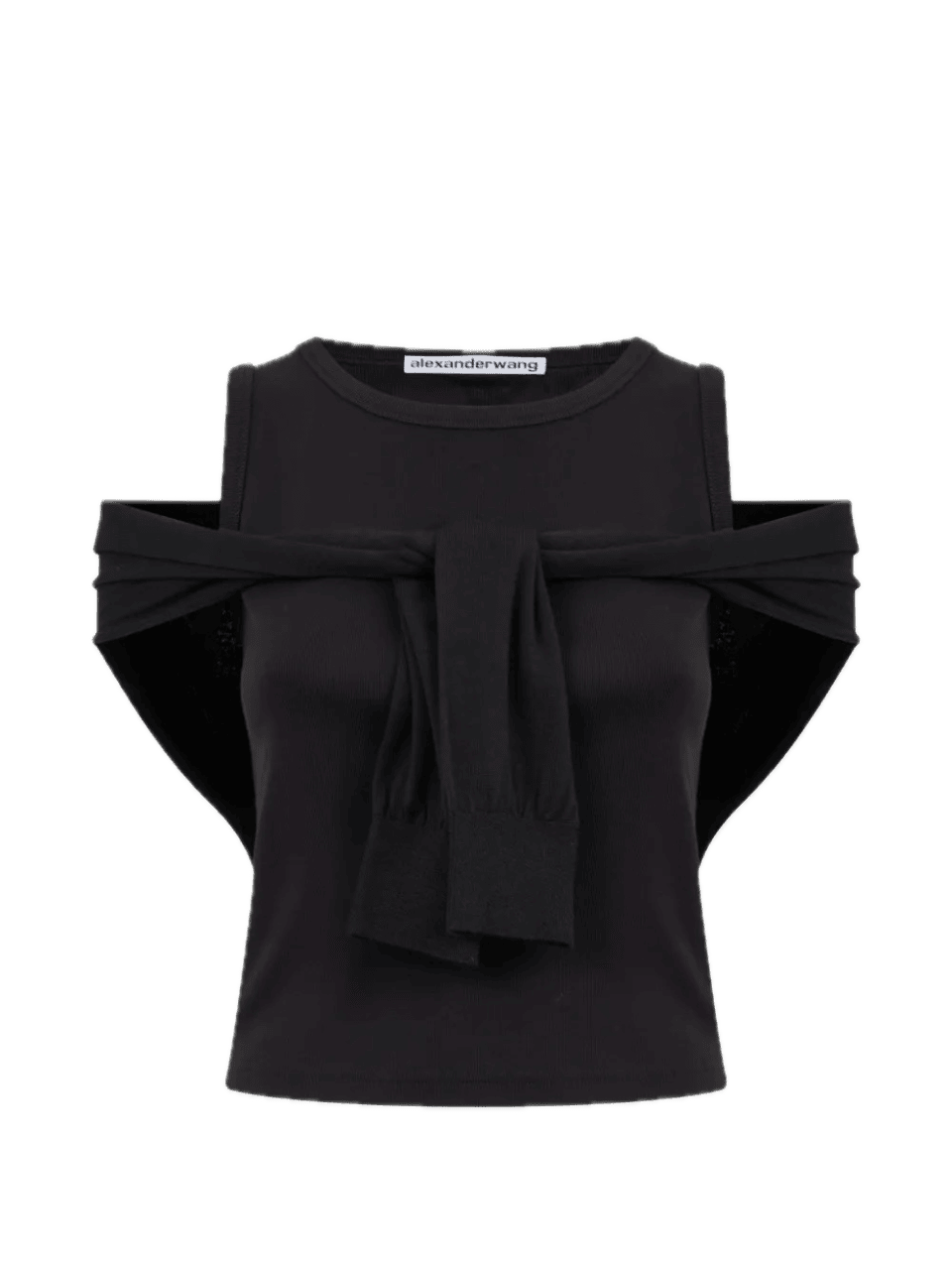
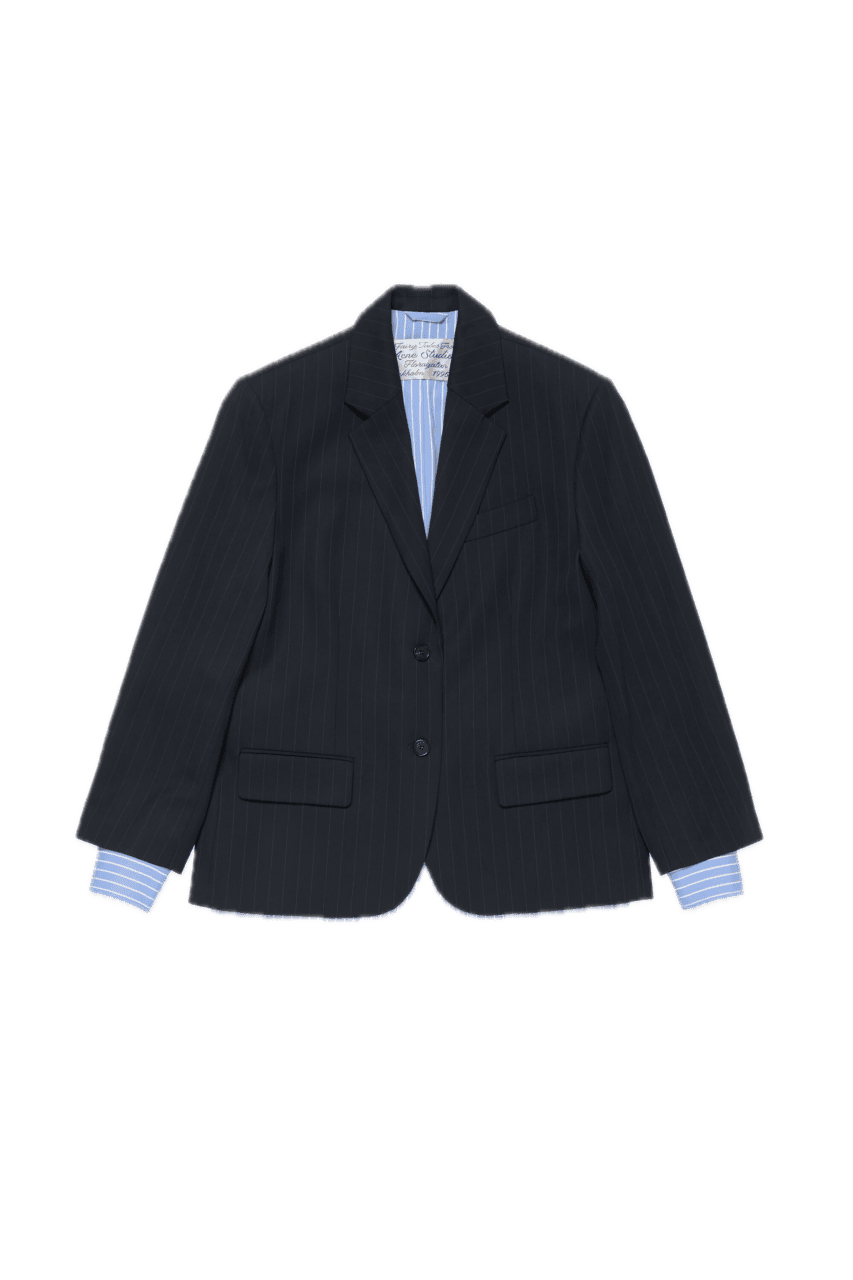
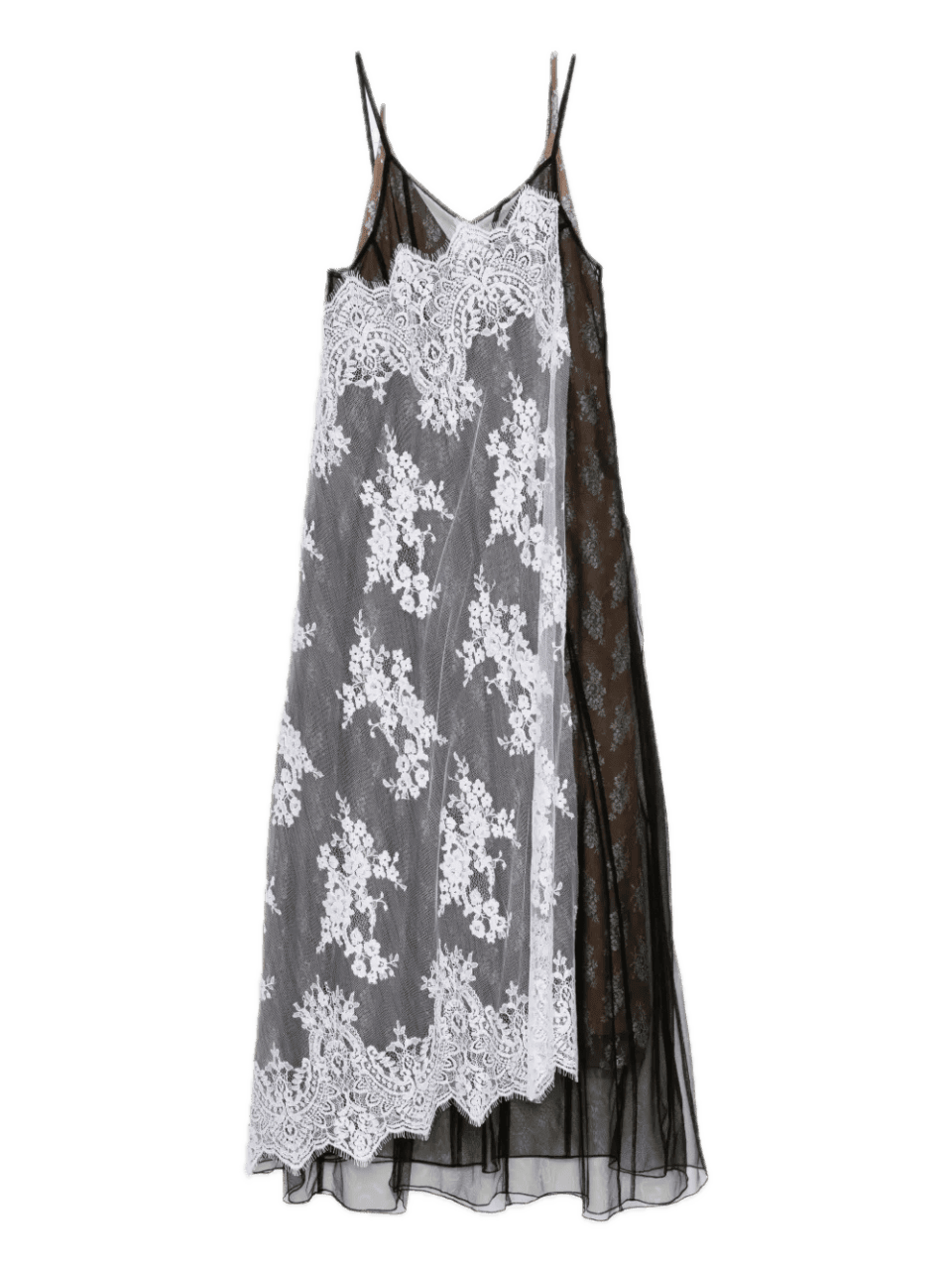
Designers have spent decades perfecting the art of looking like you just threw everything on. Think Miu Miu girls with collars, cardigans and hems peeking out from everywhere, or the kind of layered-up styling that makes a person look as though they left the house without checking the mirror. But the Fall 2026 runway had other ideas: what if you could get the whole effect from a single piece?
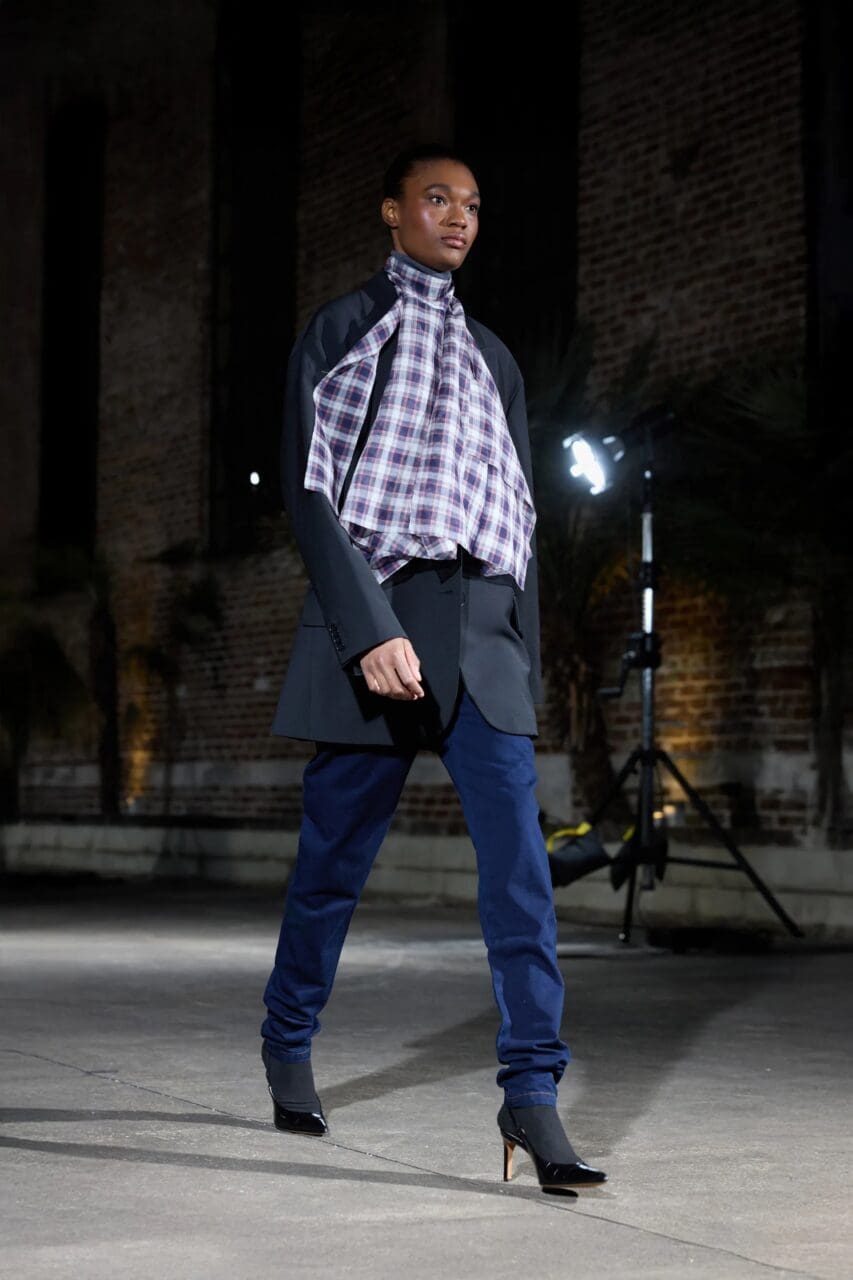
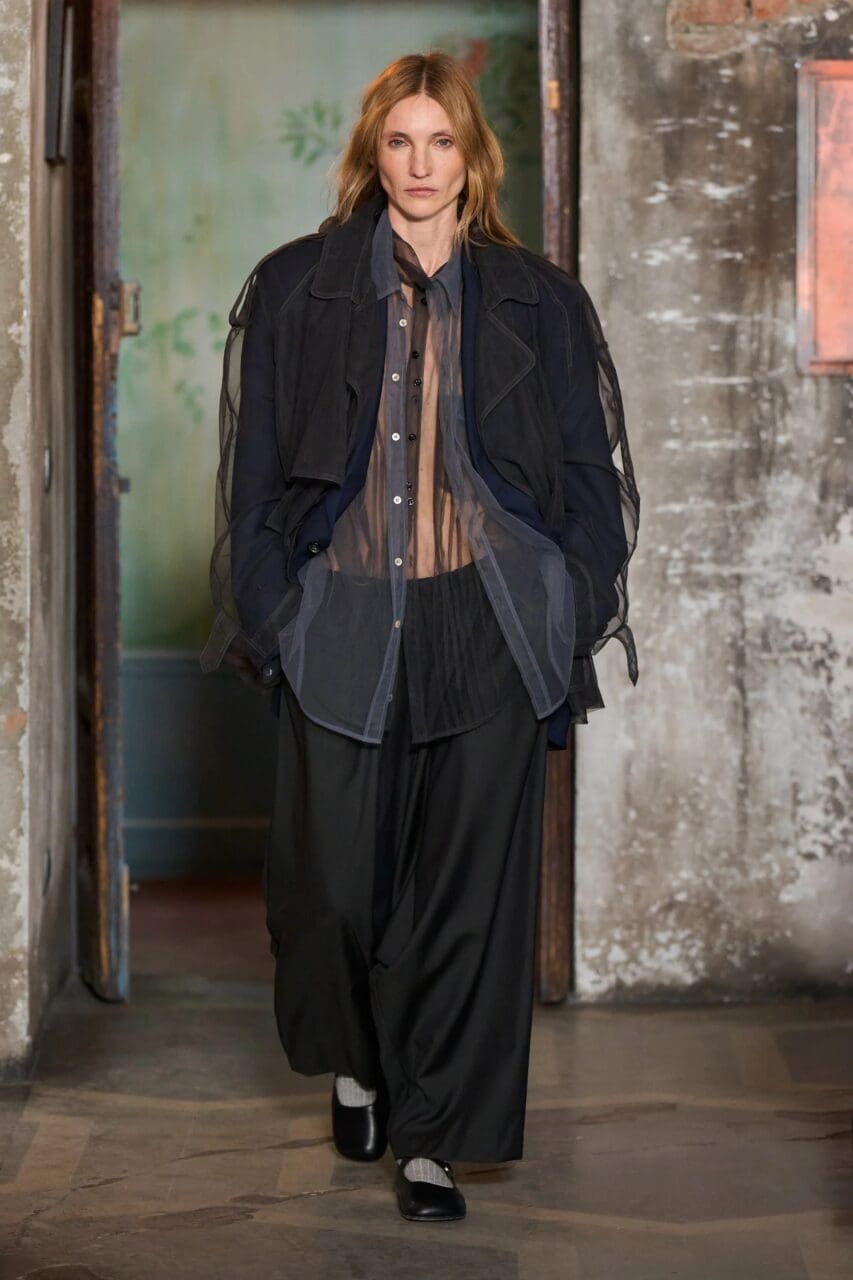
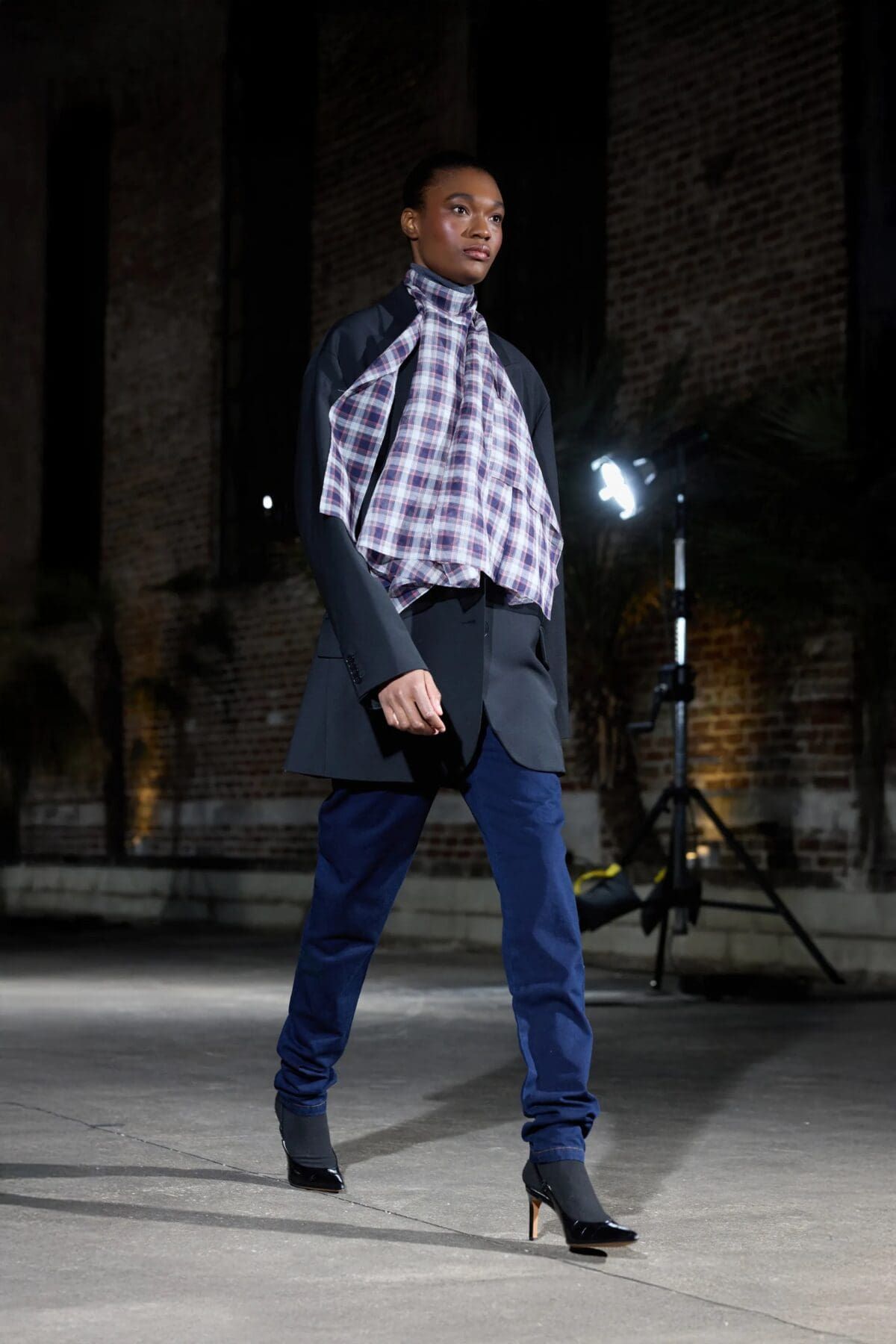
At Tibi, a sheer plaid capelet was draped over the chest, creating the impression of a ruffled blouse underneath. Essentially, one piece doing the work of two. Act No. 1 went further, fusing shirts in different shades of blue, burgundy and brown into a single garment that looked like the wearer had spent considerably longer getting dressed than they actually had.
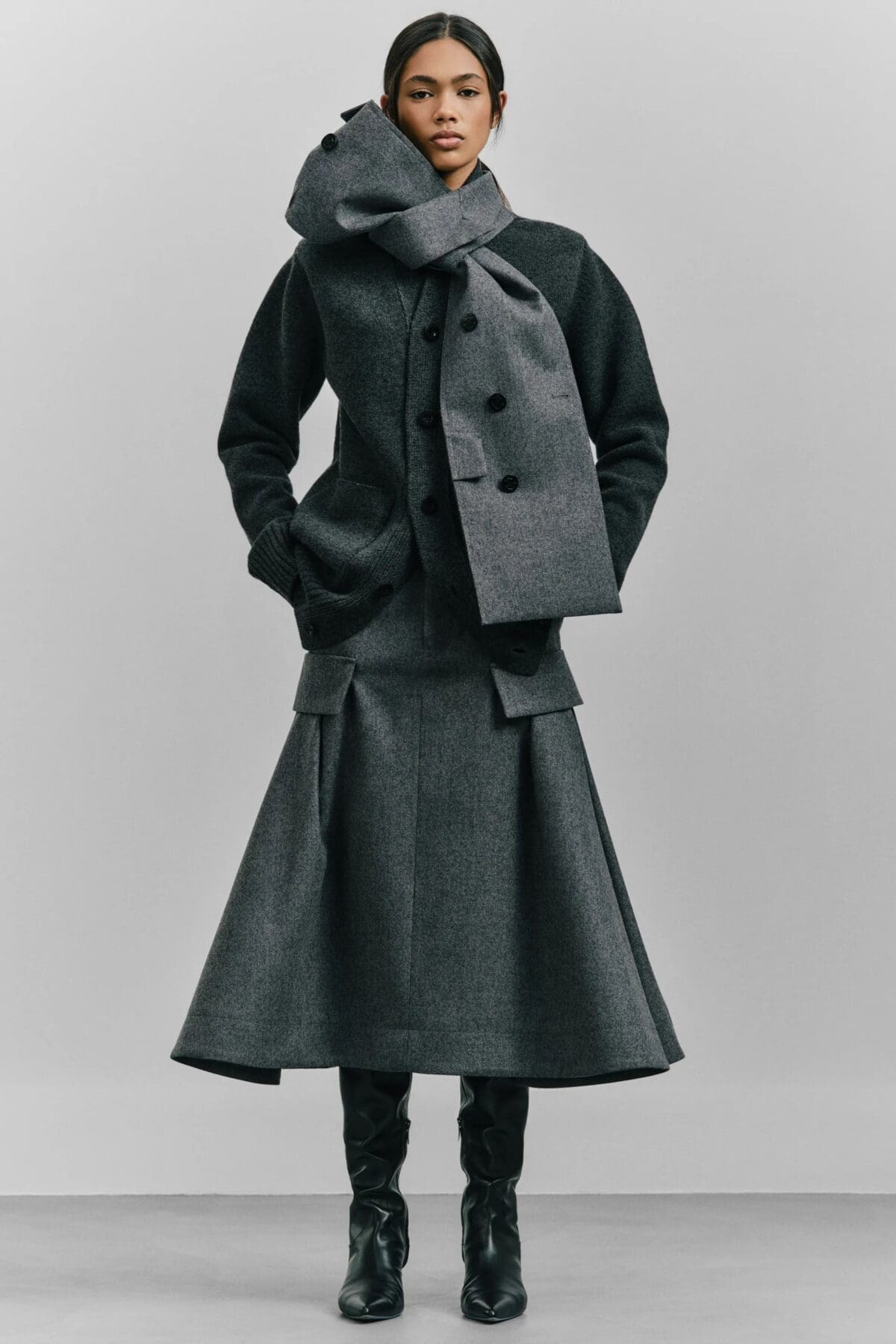
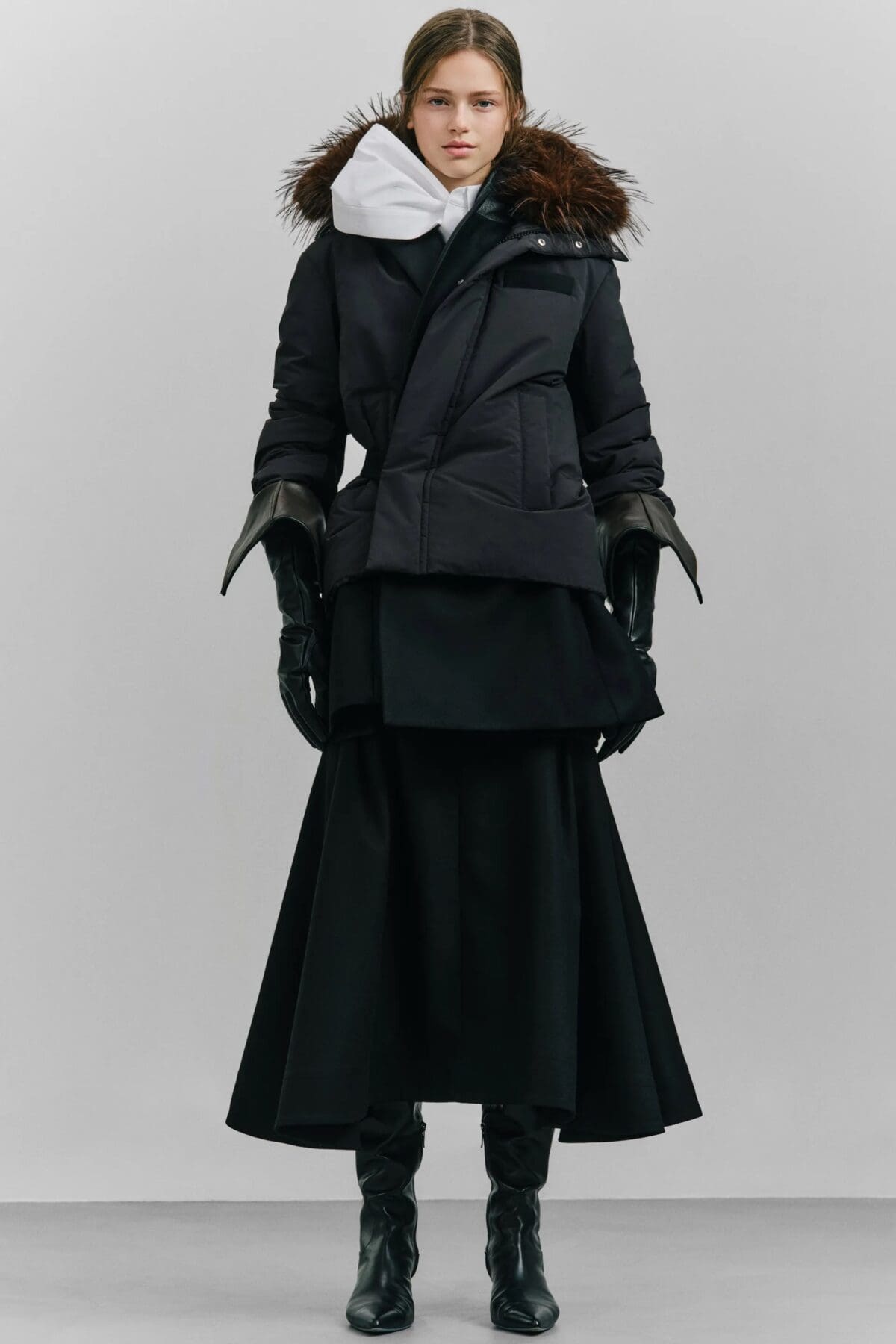
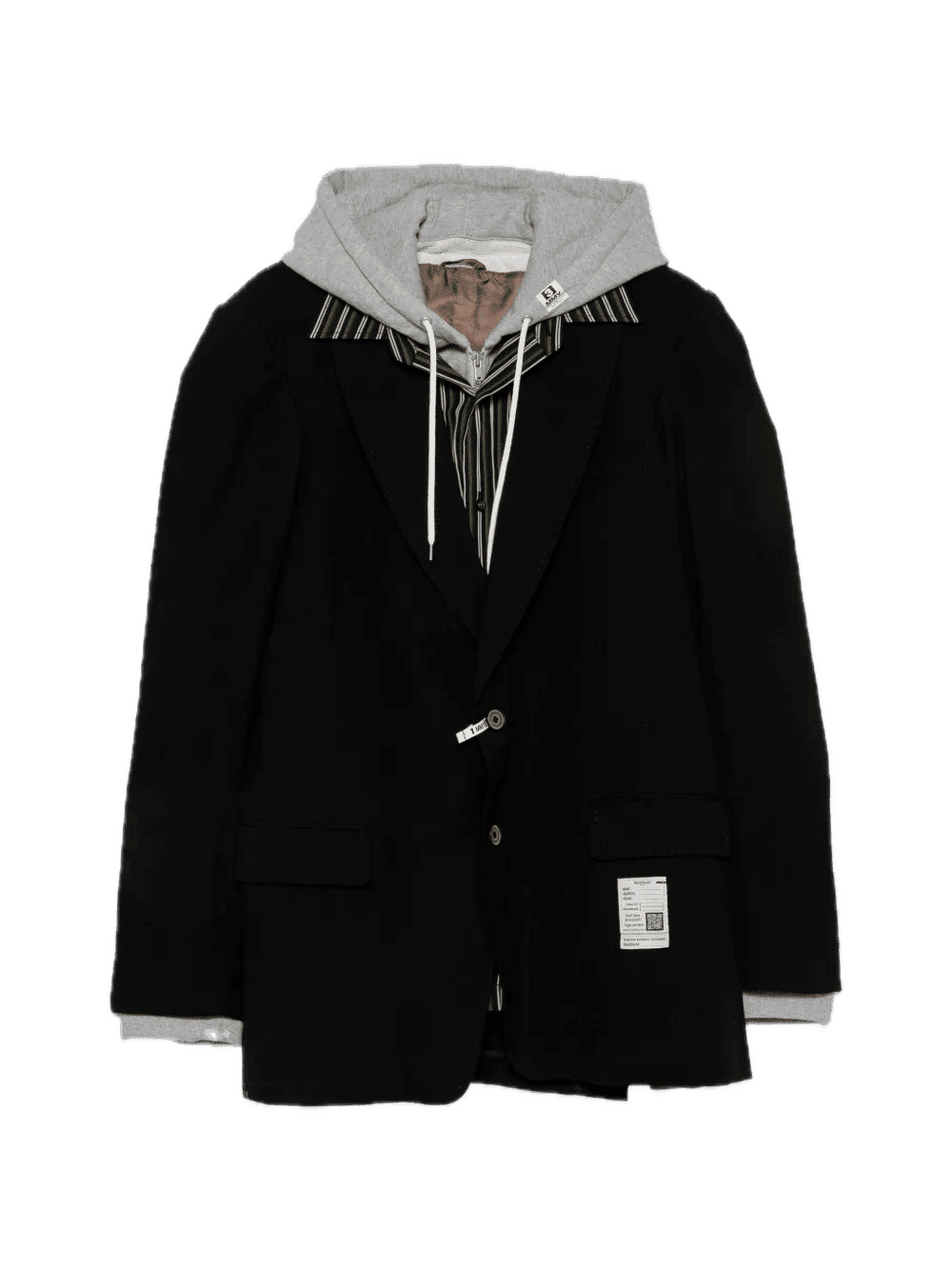
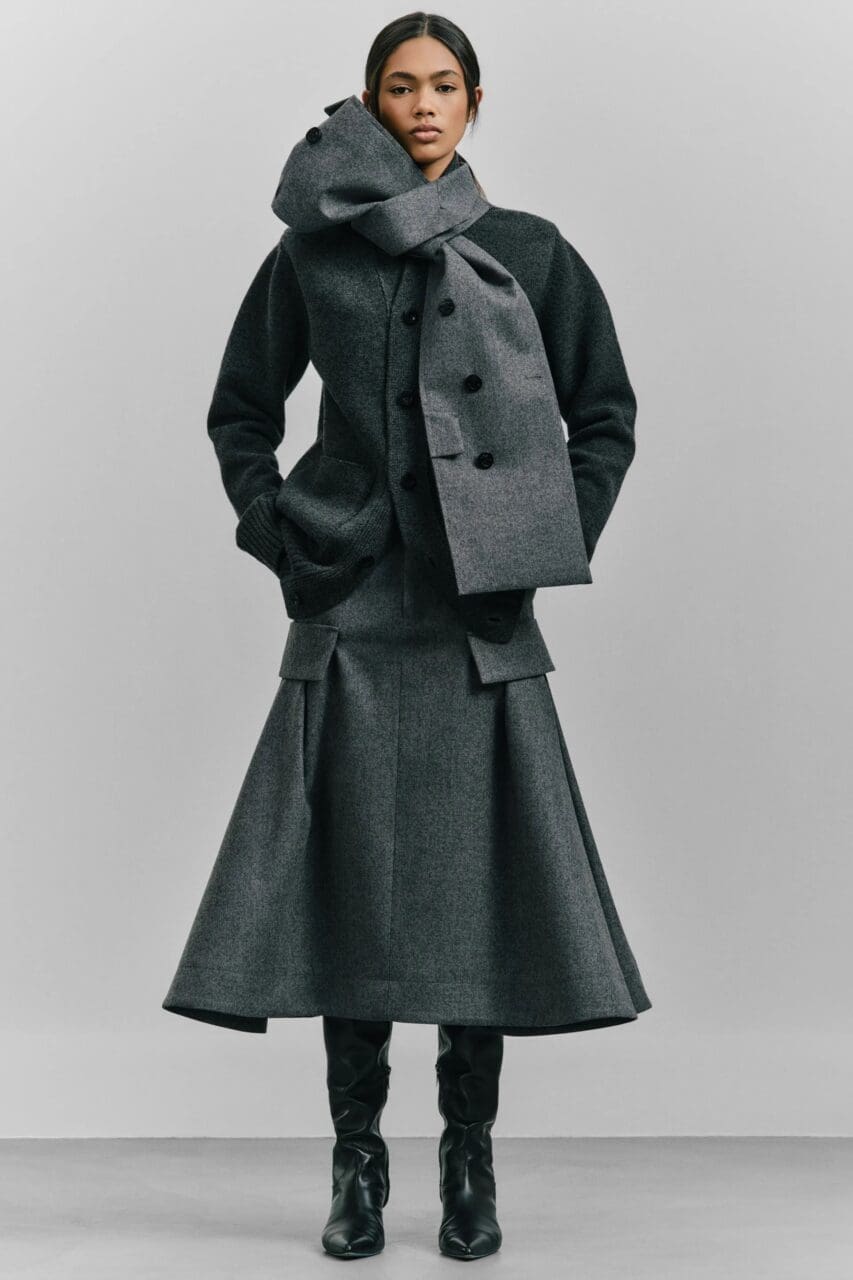
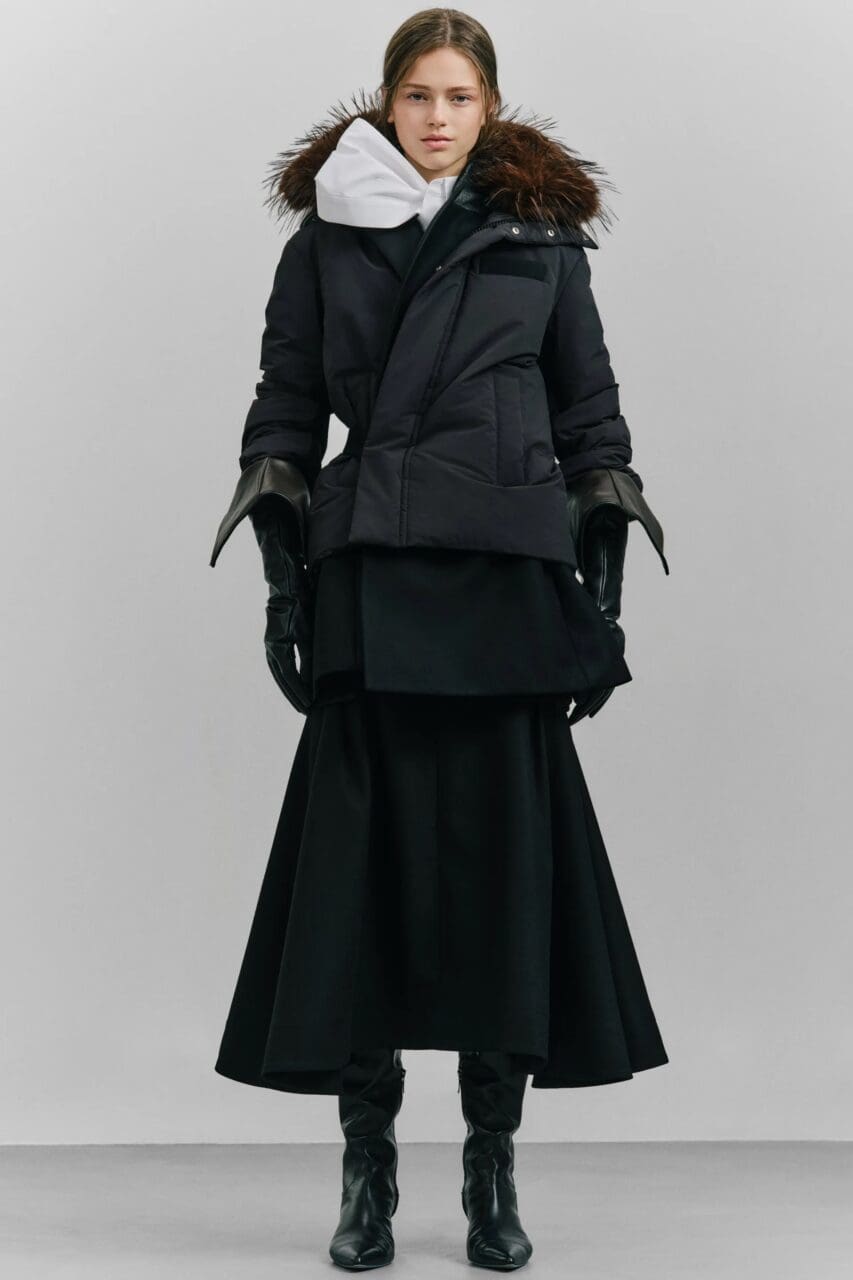
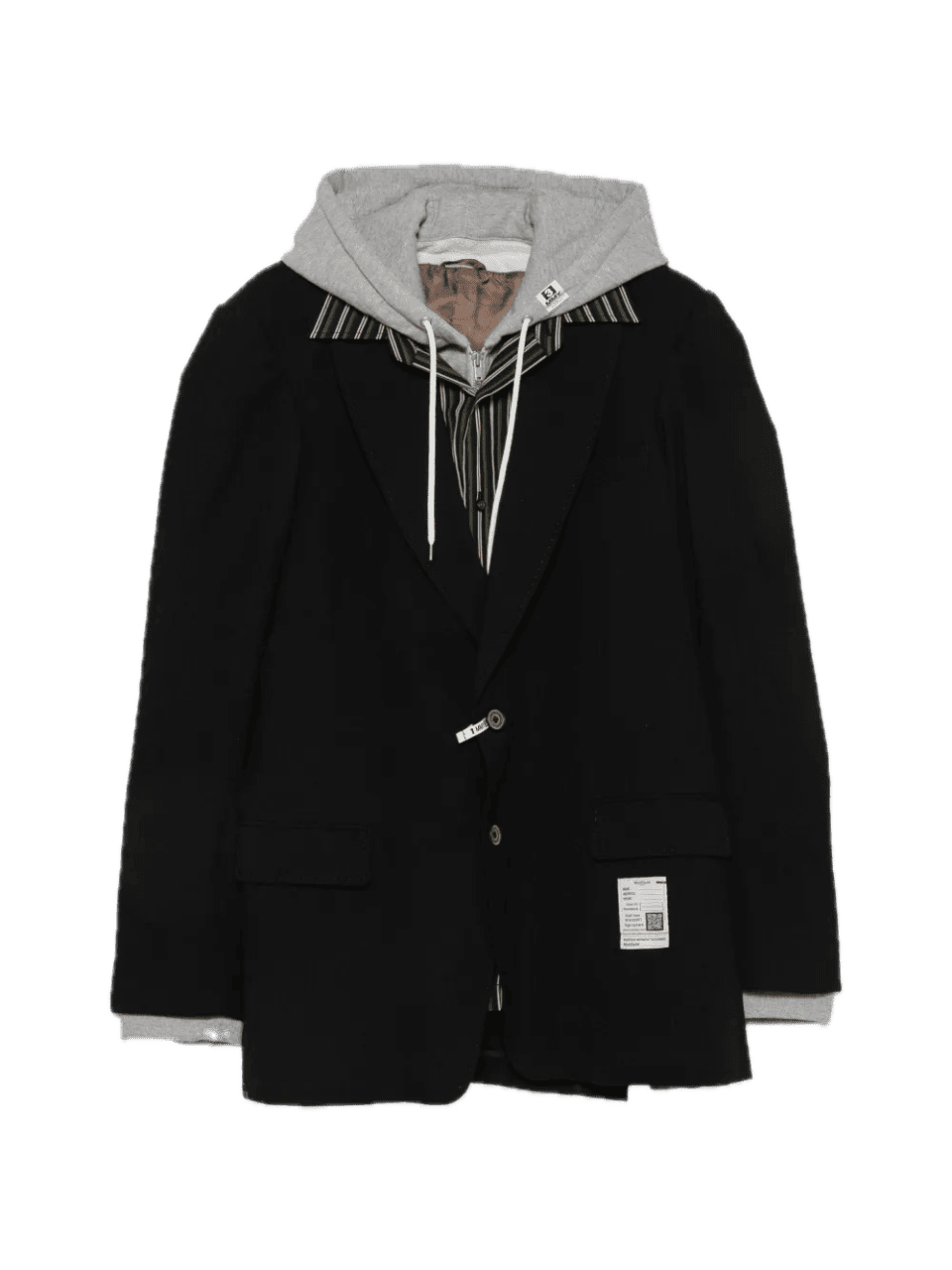
Sacai, meanwhile, has apparently decided that one jacket is never enough – unless you can make it look like two. Chitose Abe’s double-breasted dickey jackets were attached to everything from cardigans to button-downs. Button it up and you get instant layers without the bulk; undo it and the whole thing transforms into a dramatic scarf. At the same time, Abe fused parkas with blazers and cardigans with blazers, continuing her long-running love affair with garments that refuse to decide what they are.
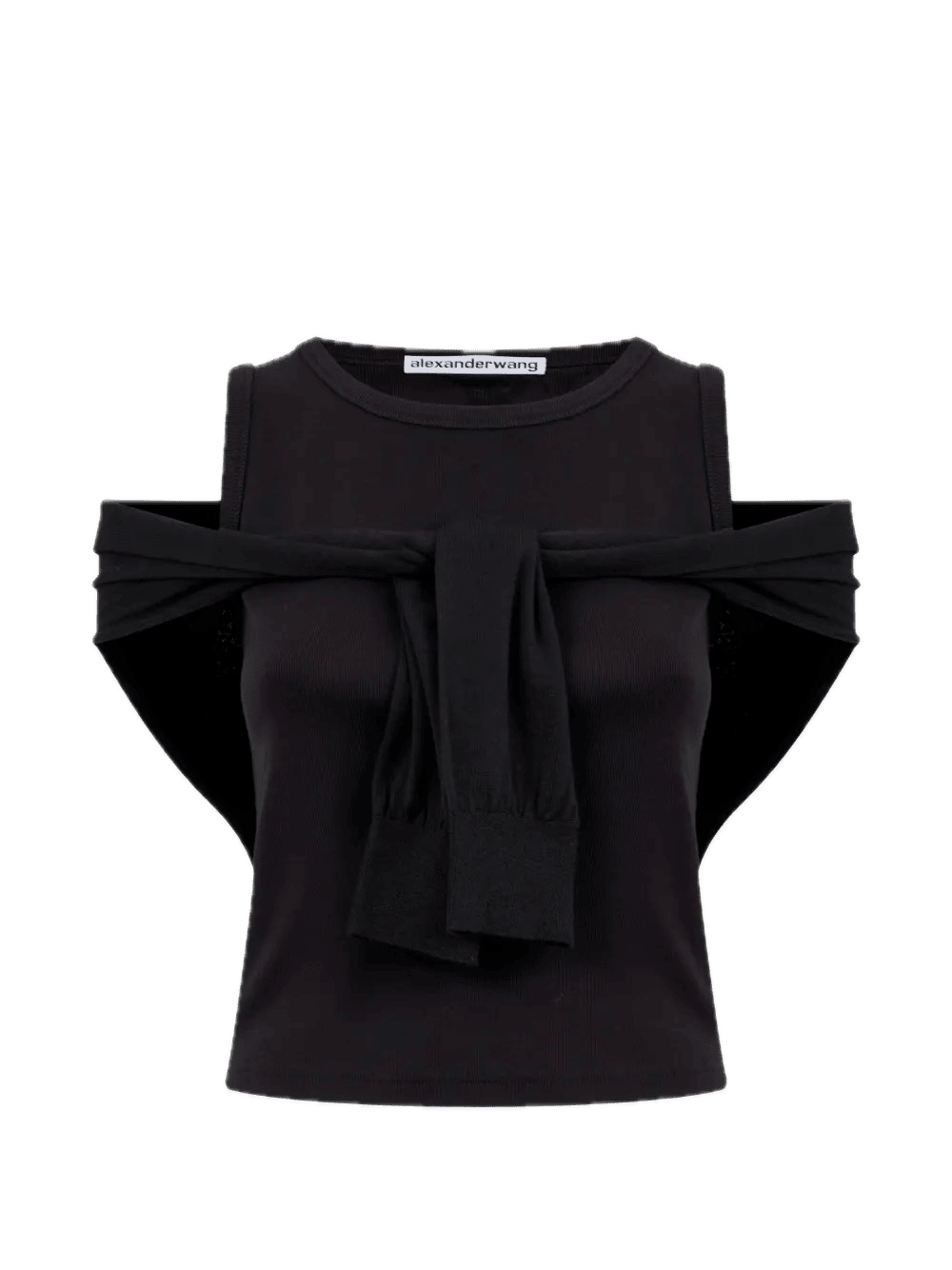
Layering is still in – although, this season, you don’t necessarily need more than one piece to pull it off.
Shop this trend:
2. Inside Out
Fashion has always had a backstage. This season, it decided to bring it to the front row.
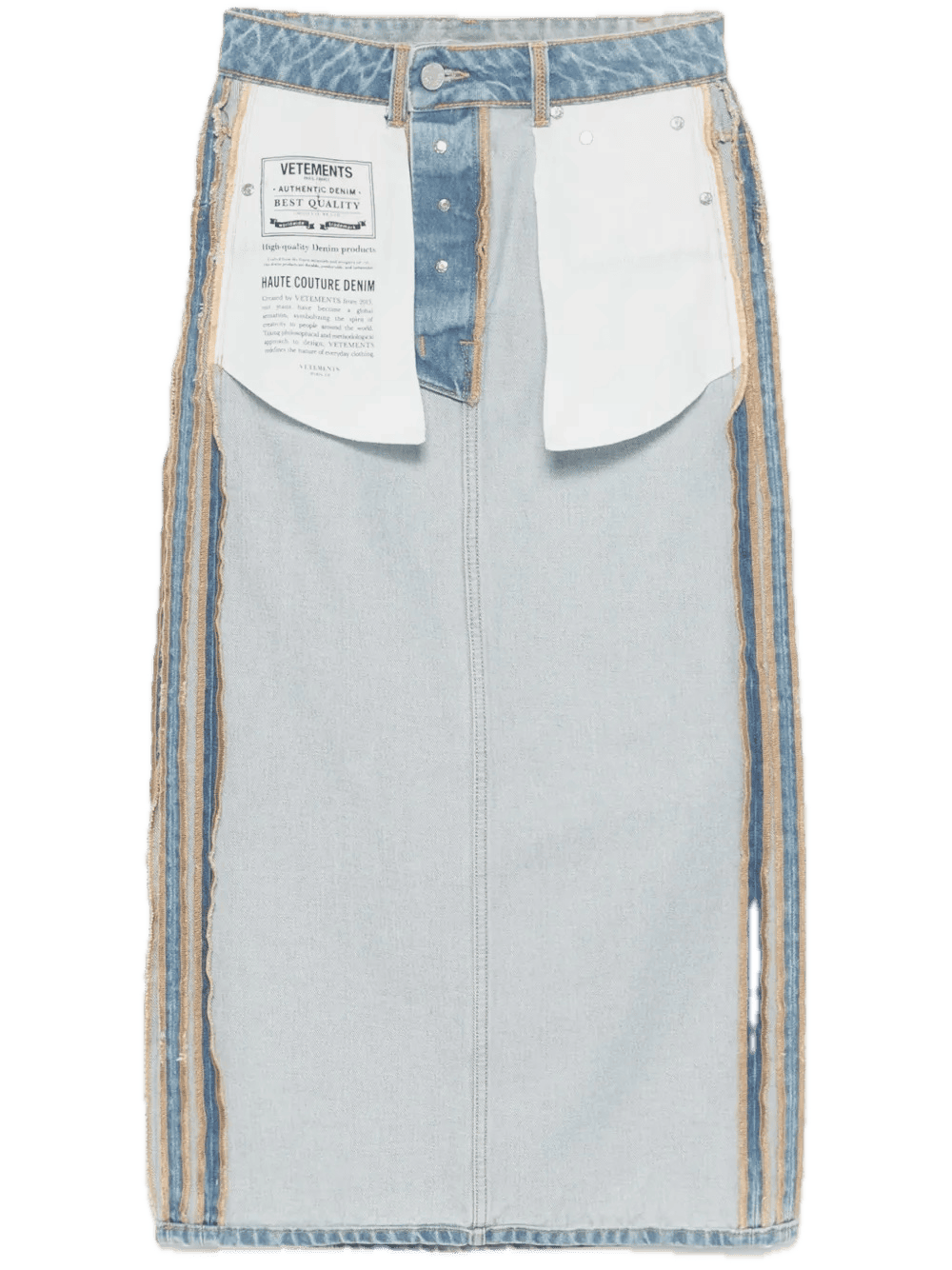
Of course, turning a garment inside out is hardly a new fashion trick. Maison Margiela made a language out of exposed hems, visible linings and deconstructed tailoring, while Rei Kawakubo has spent decades questioning where a garment should begin and end. Fall 2026 simply picked up the thread, making the mechanics of getting dressed part of the look itself.
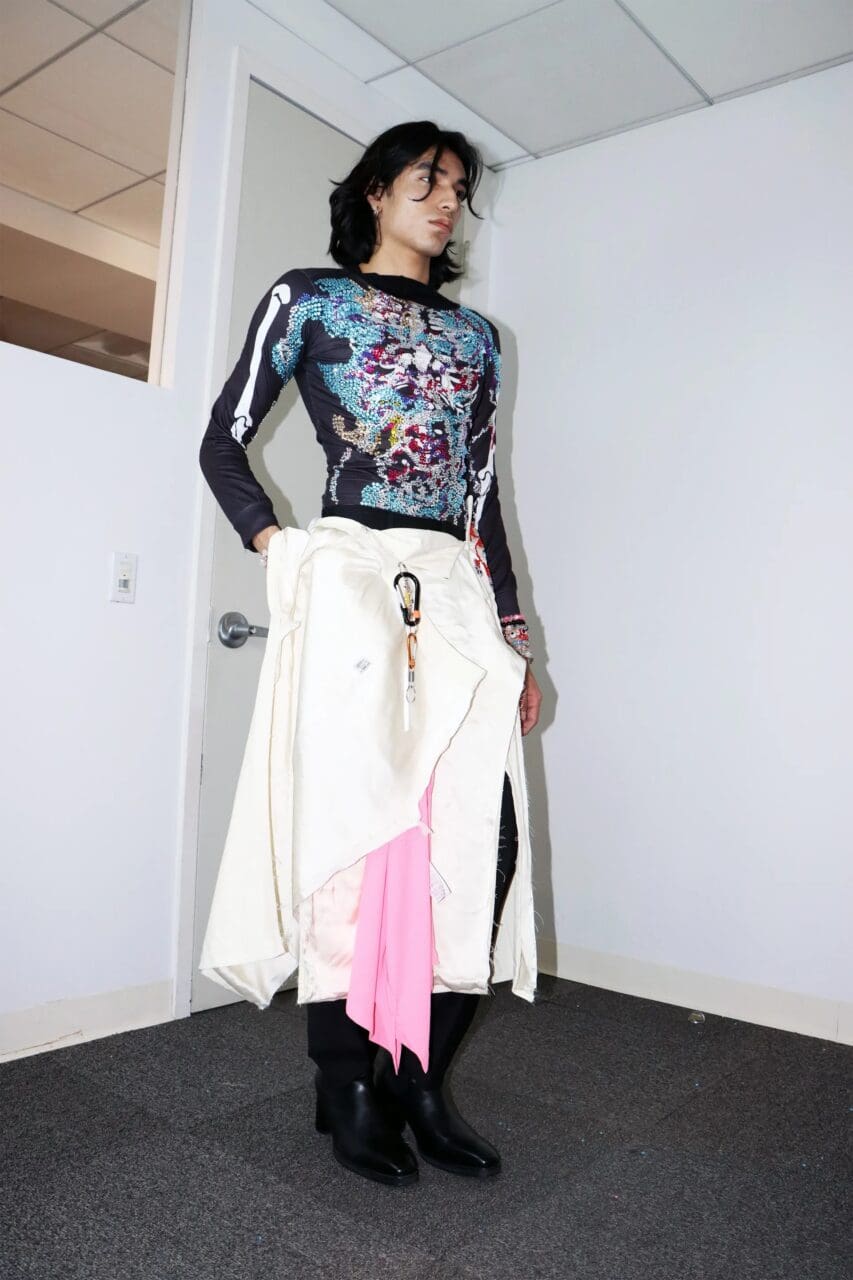
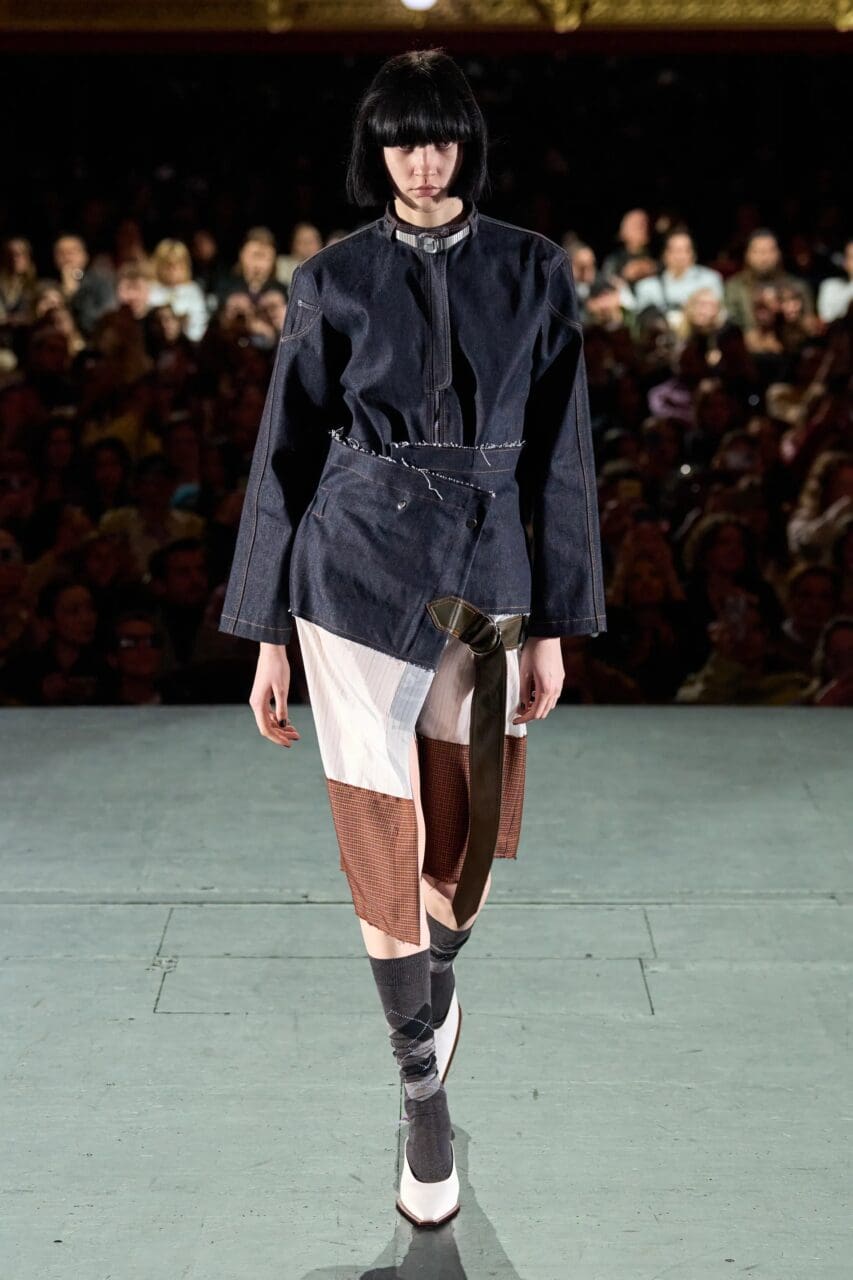
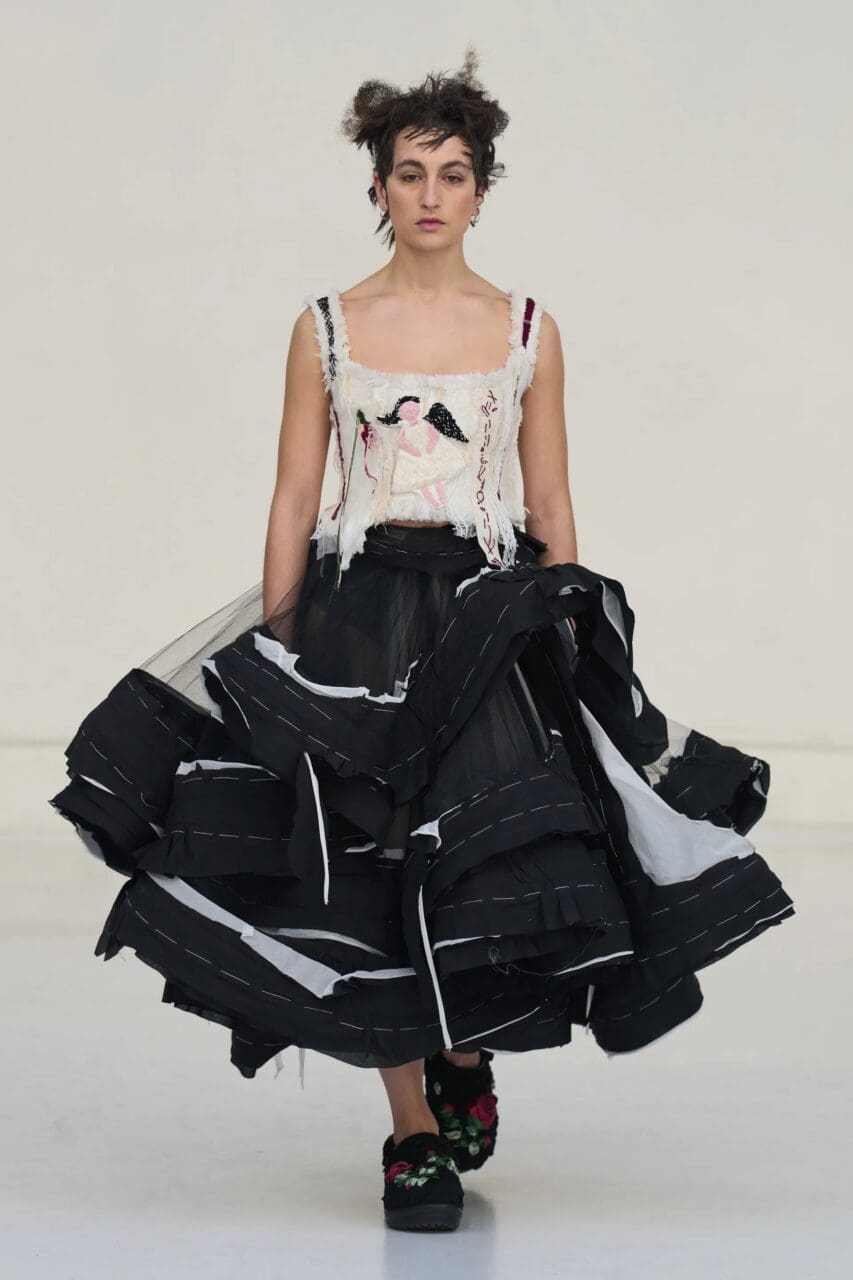
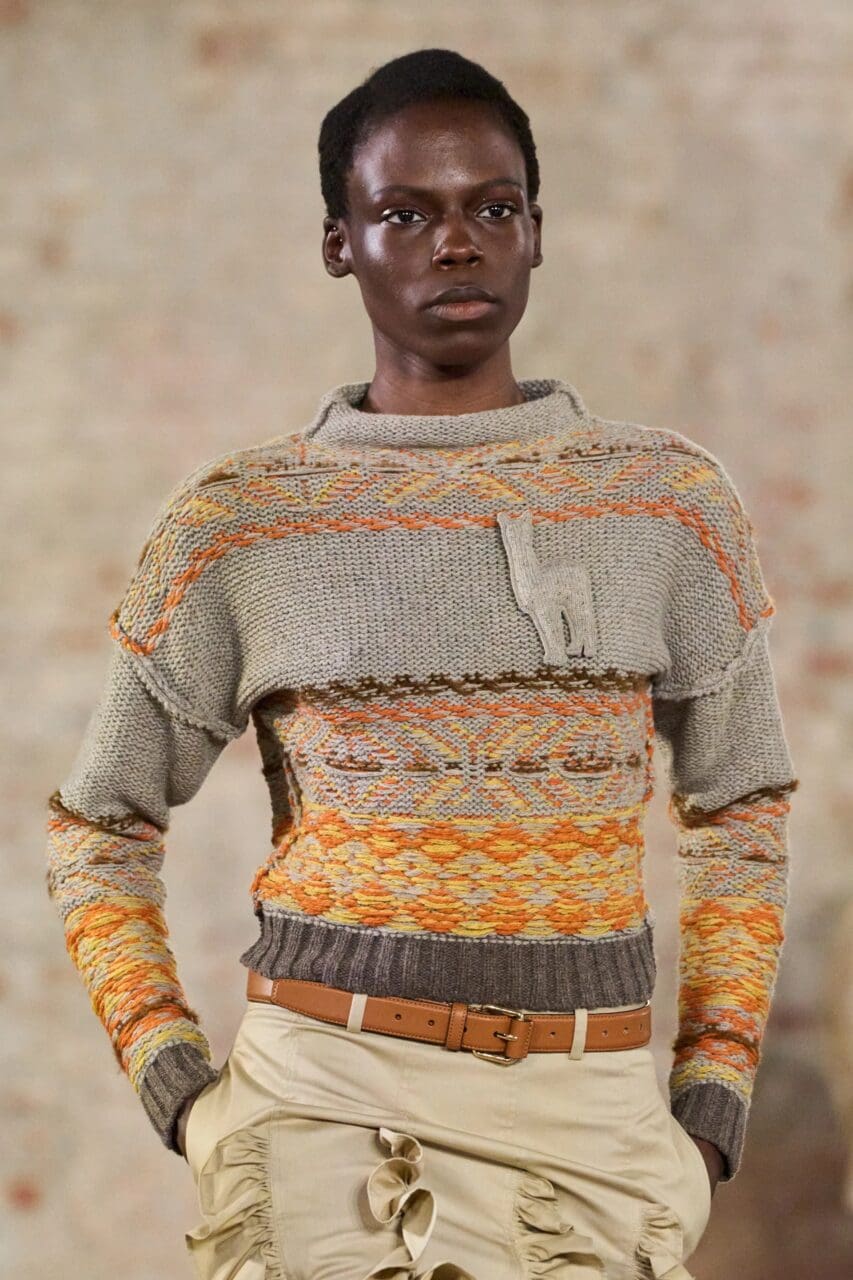
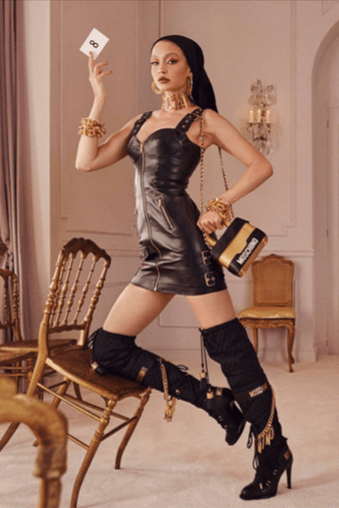
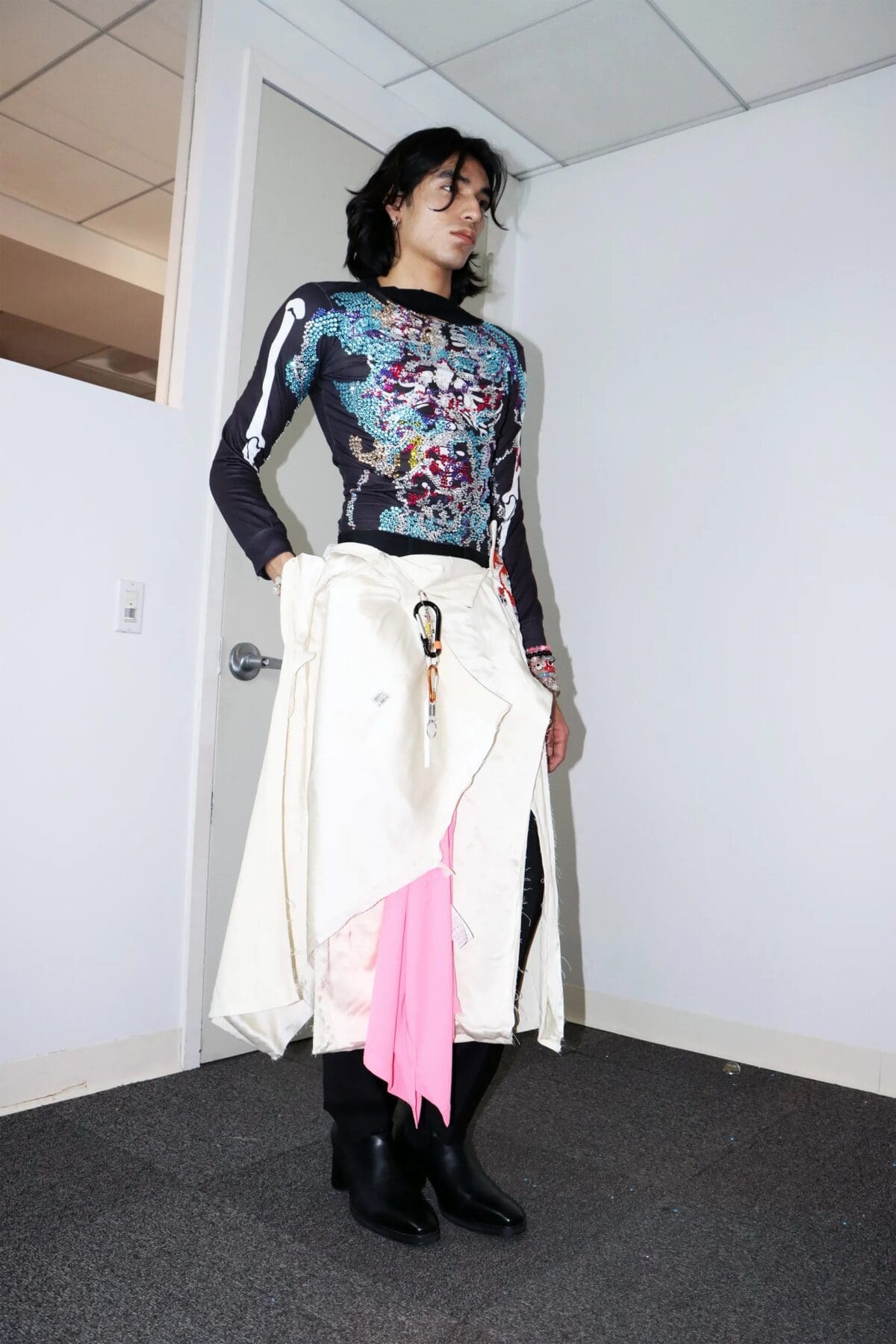
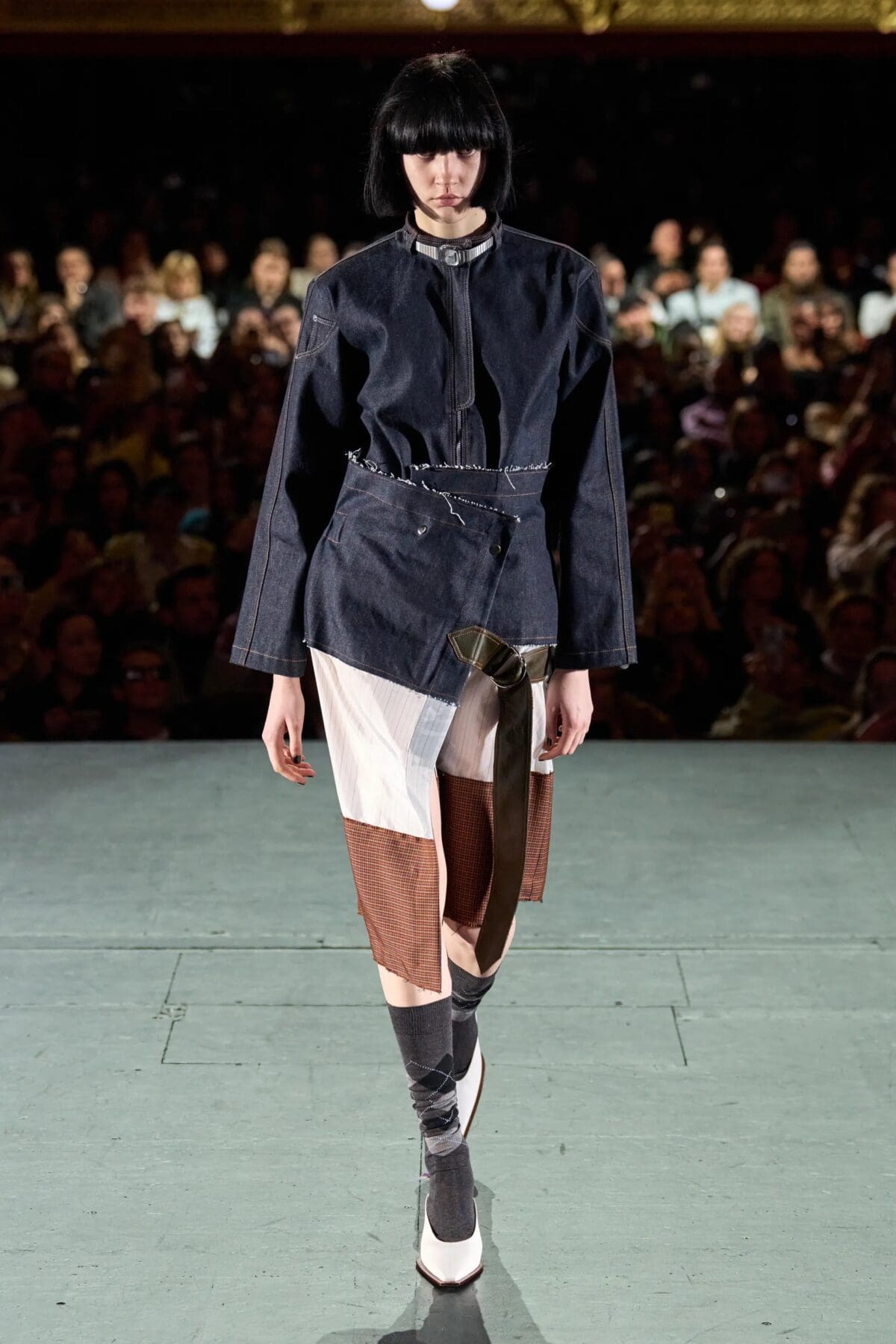
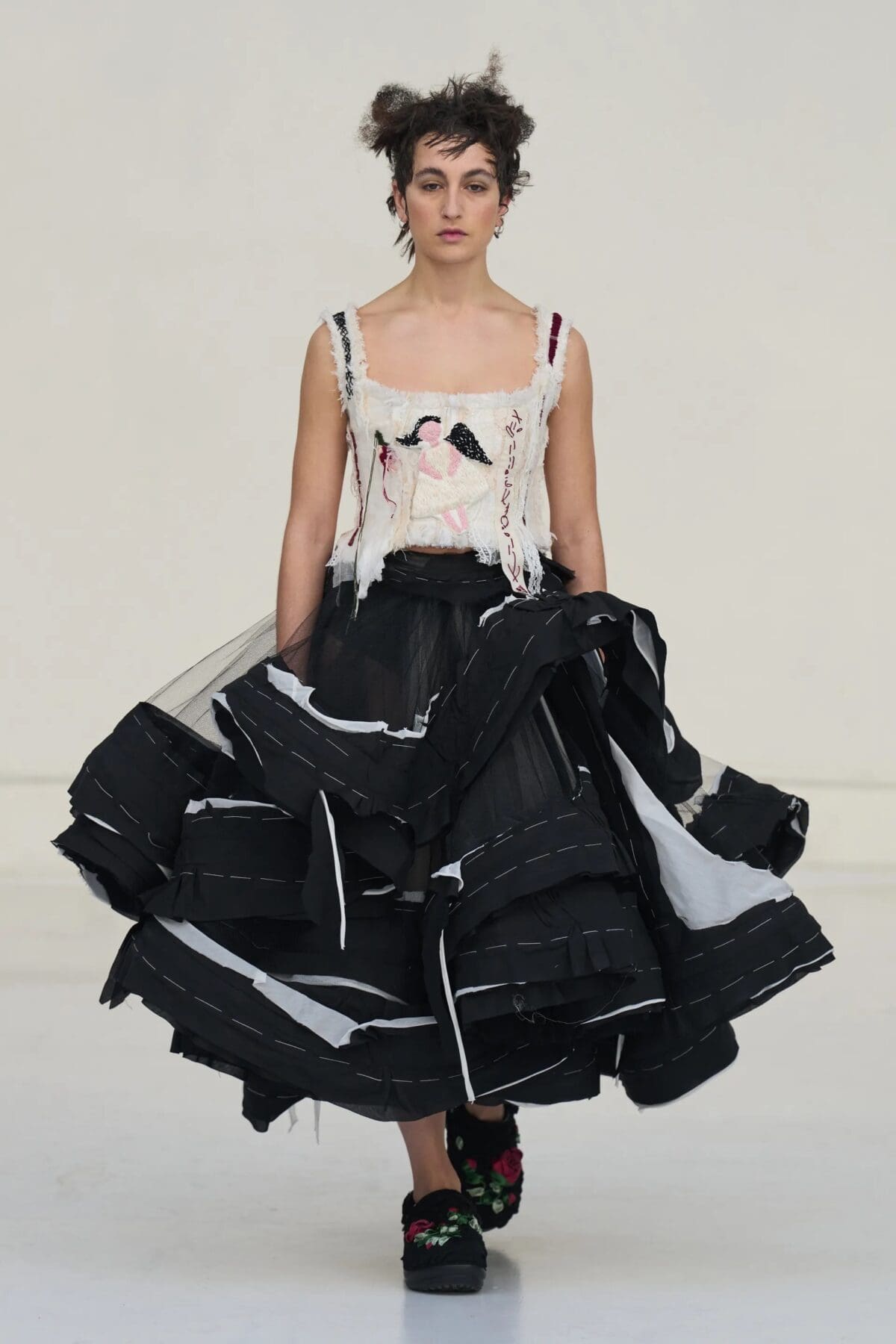
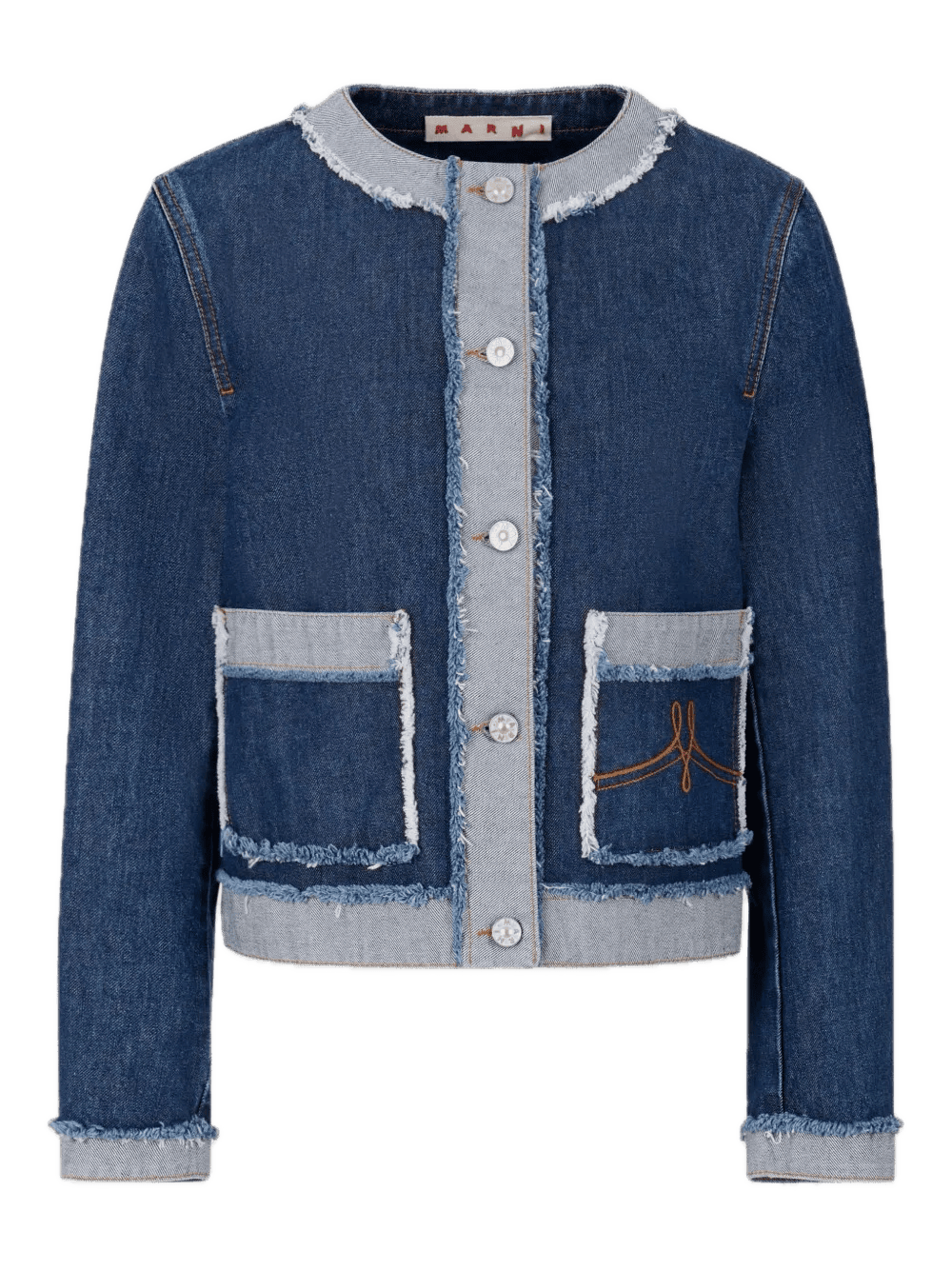
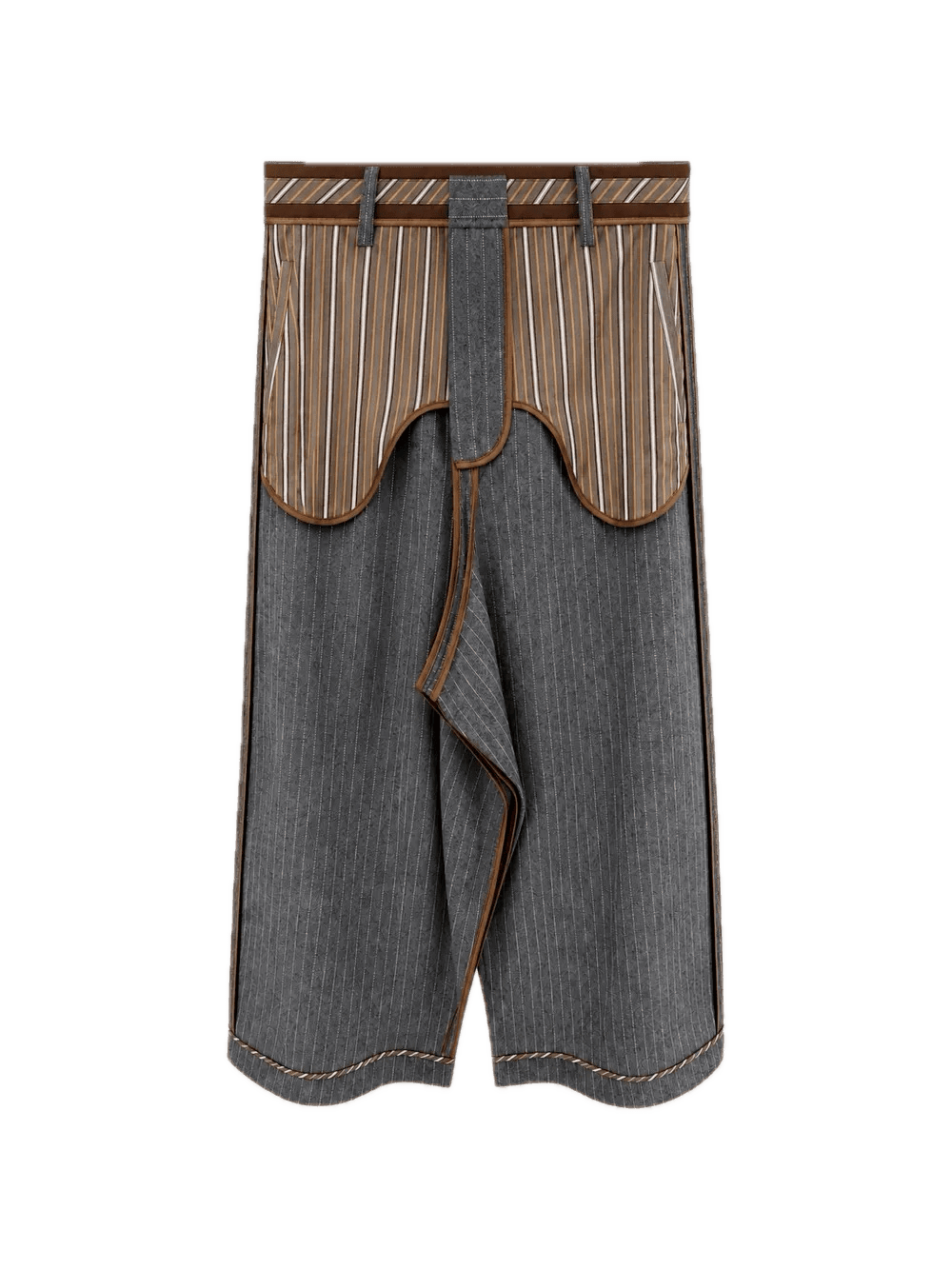
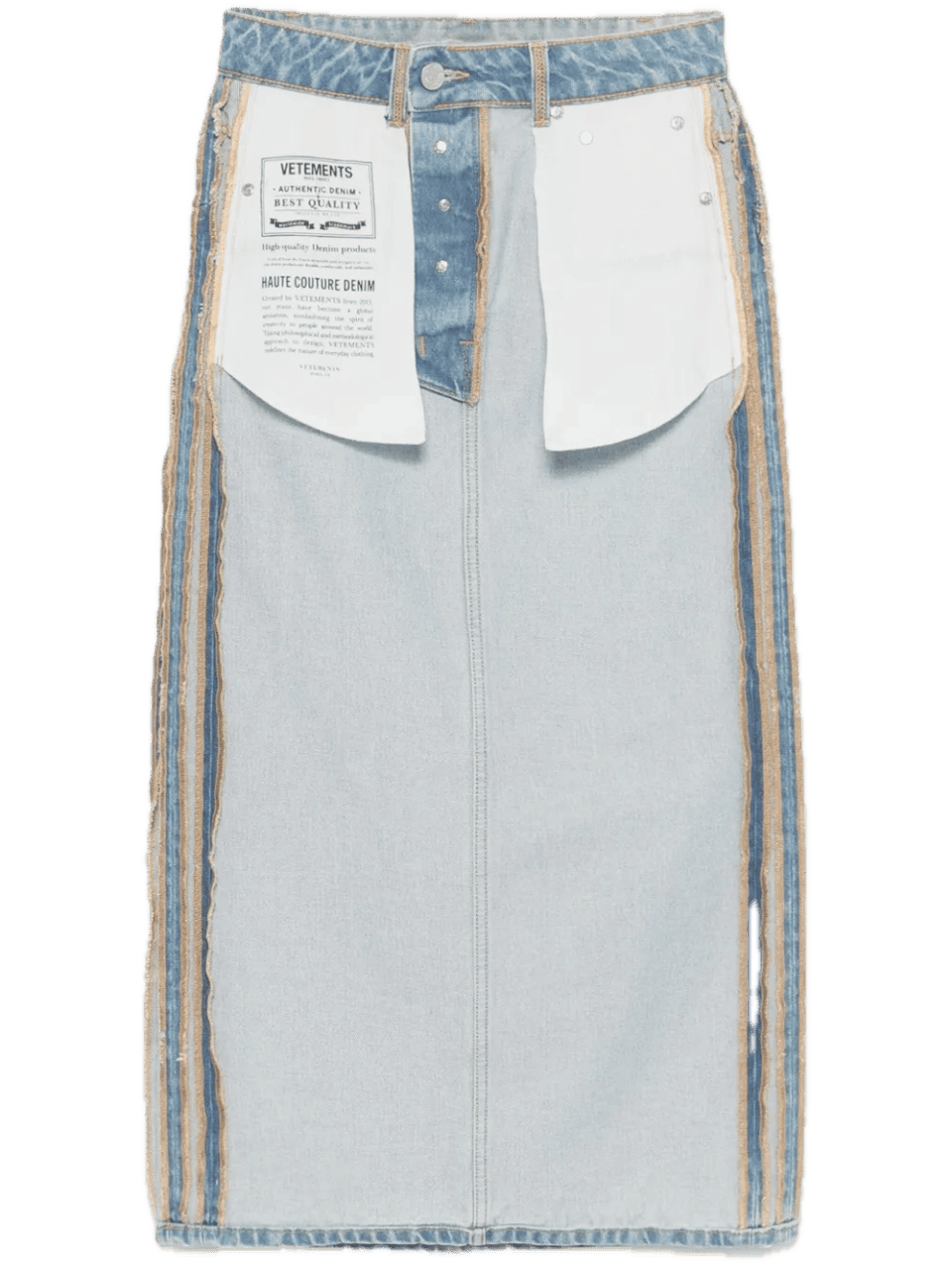
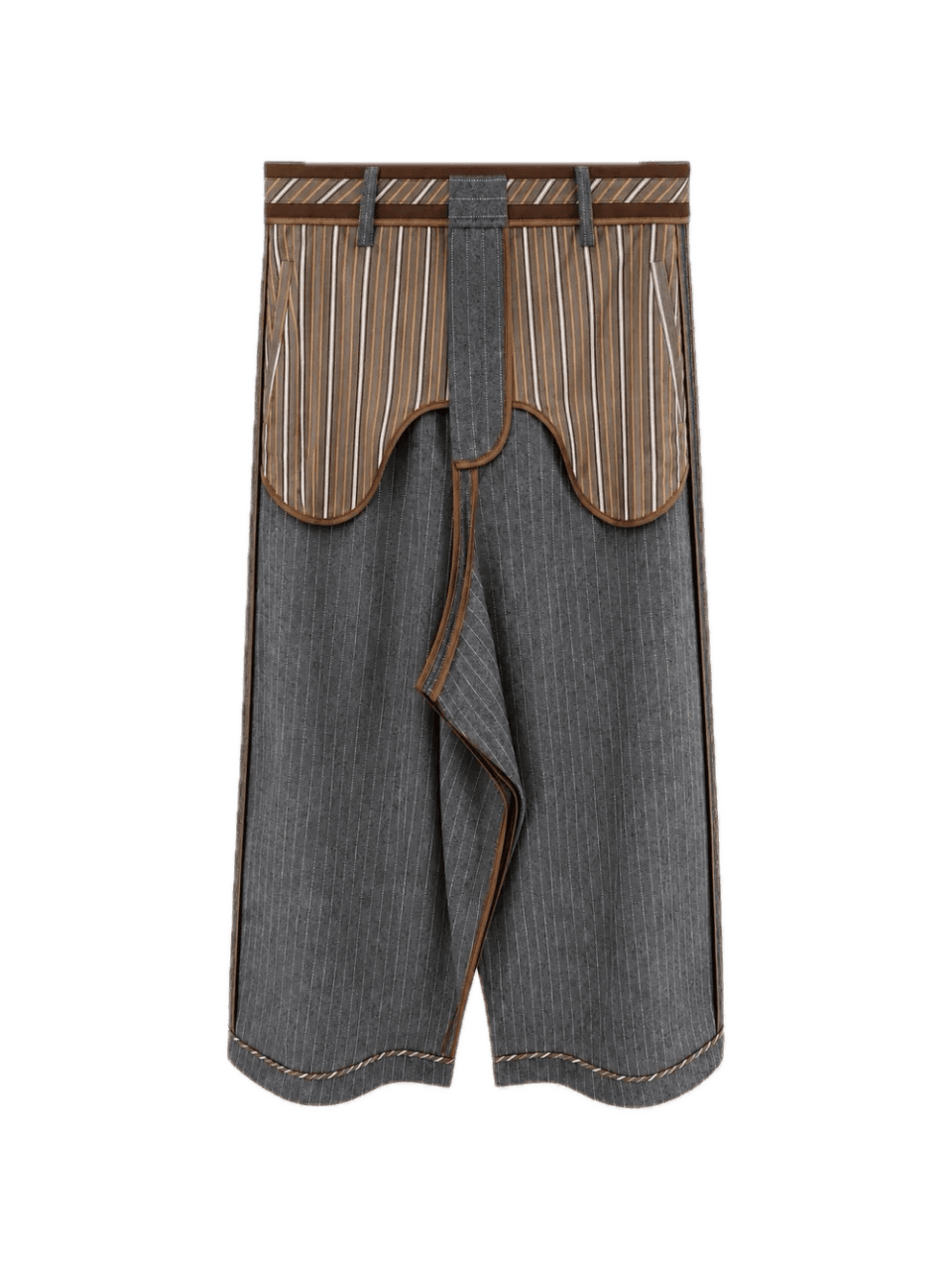
NIHL built an entire Fall 2026 collection around the idea of “interiors as exteriors,” turning secondhand suit jackets, coats and skirts inside out so that their lining, seams, and internal construction became the point. At Zomer, the trick became more chaotic. Backs became fronts, V-neck tops became skirts and quilted linings bubbled out onto the surface. Meanwhile, Caroline Hu approached the idea more romantically, turning suiting inside out and upside down until it became a swaying, multilayered skirt. And at Moschino, chunky hand-knit sweaters were simply worn inside out, proving that sometimes the easiest fashion trick is also the most satisfying.
The wrong side has never looked so right.
Shop this trend:
3. The Disappearing Act
We have officially reached the point where your outfit can ghost you.
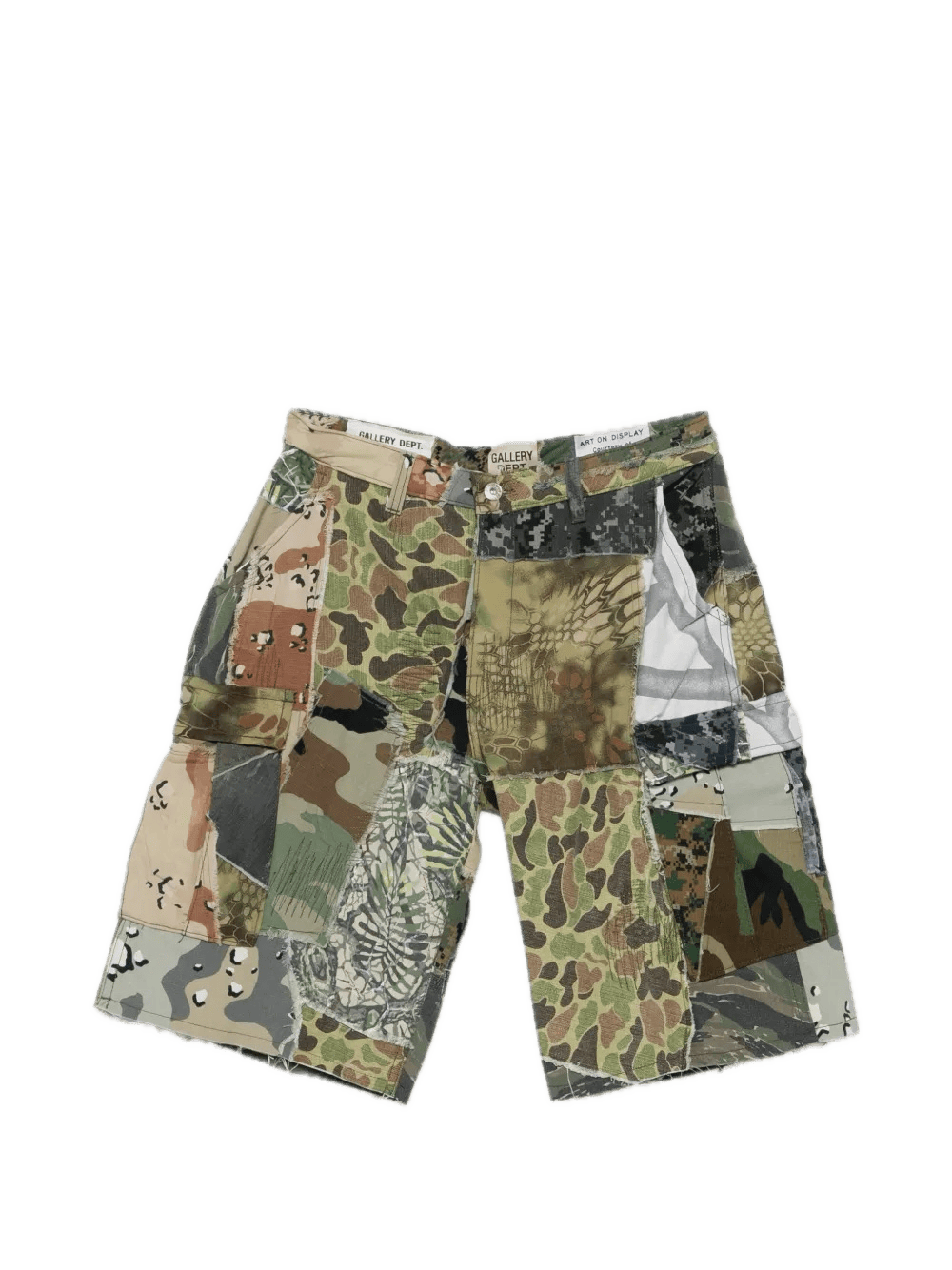
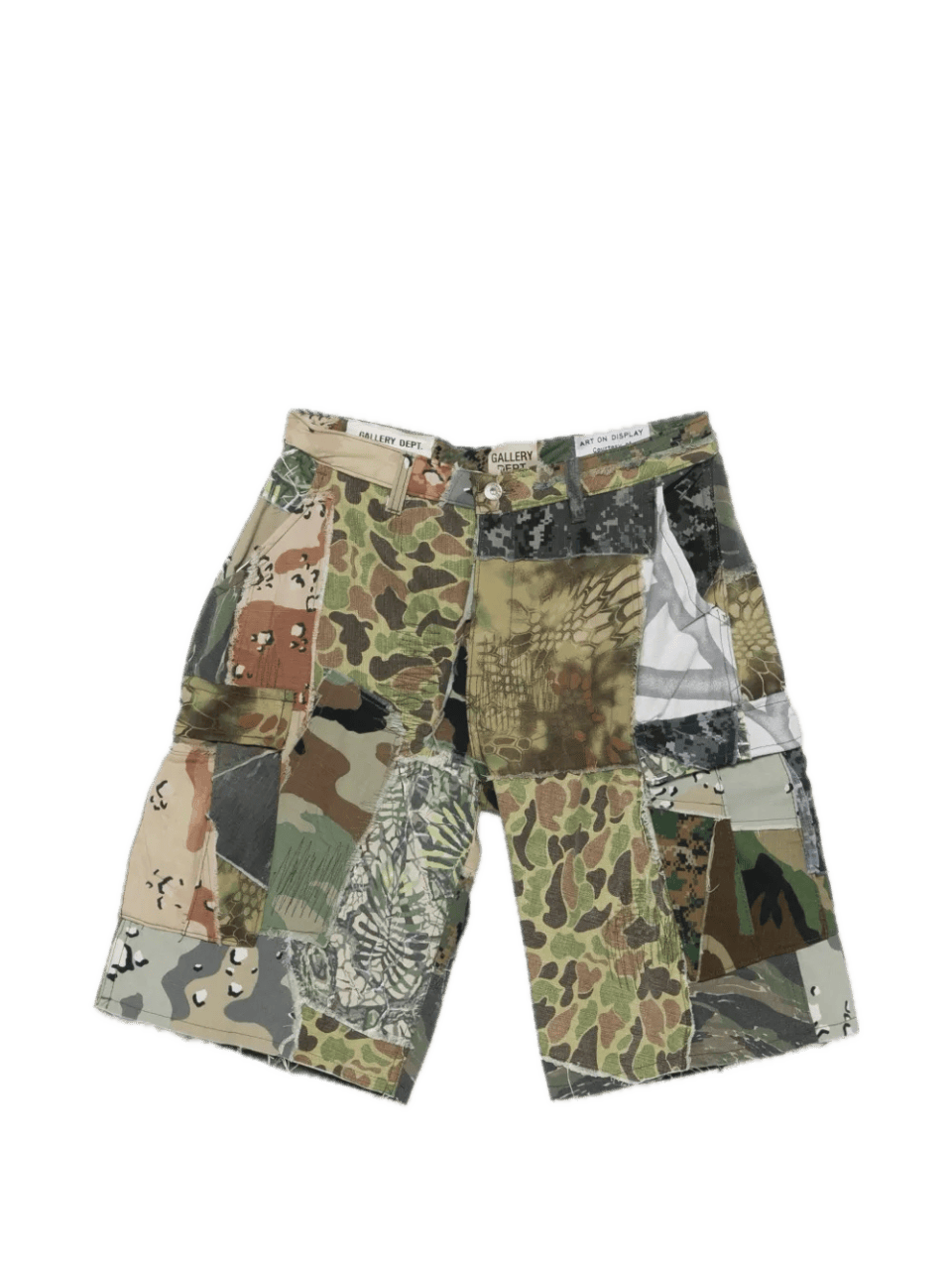
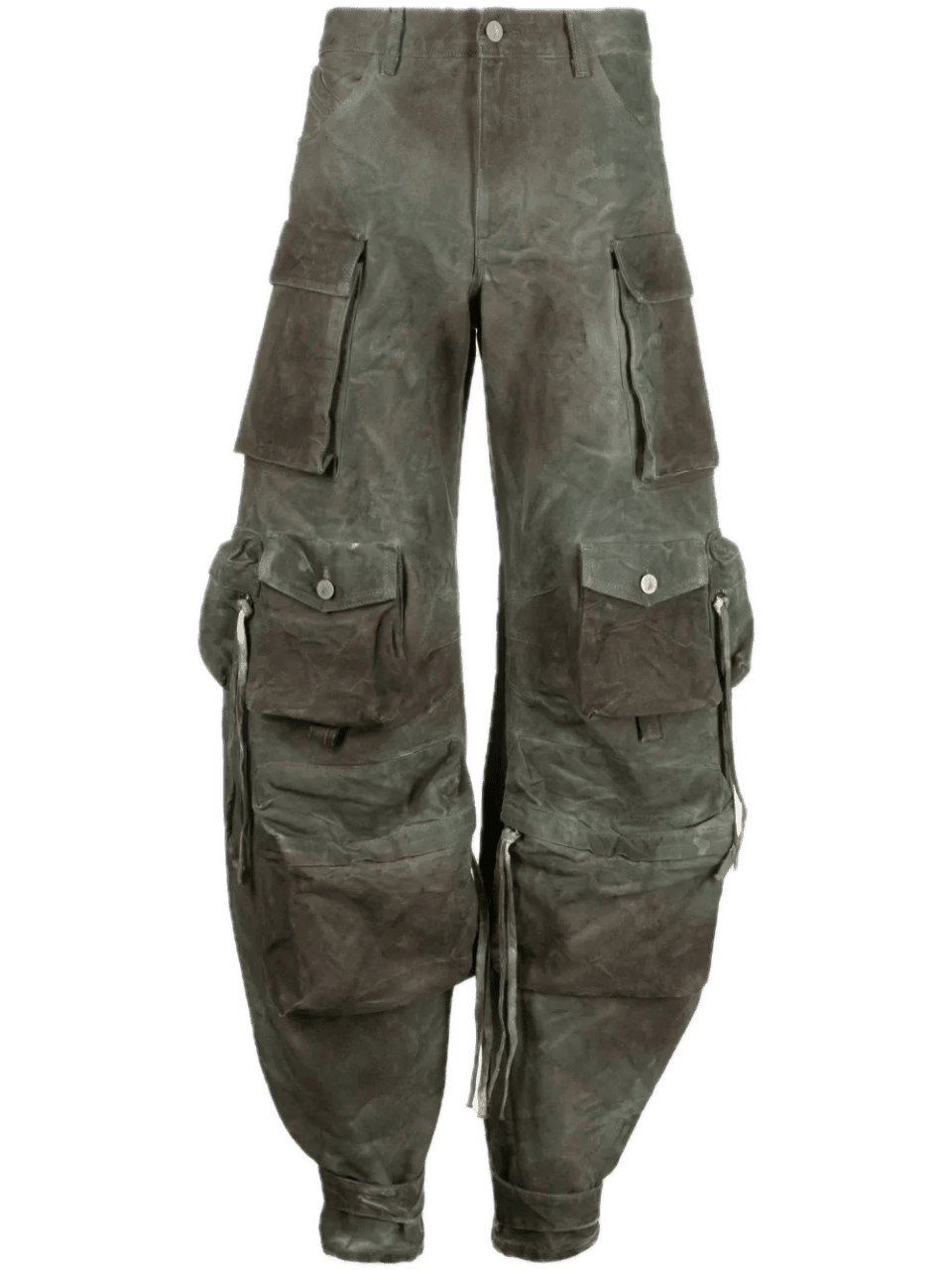
The idea of disappearing clothes has been haunting pop culture for decades. From The Invisible Man to the cloaking technology of Predator, the fantasy has always been the same: what if you could be there without being seen? From the battlefield to the wardrobes of punks and rappers, camouflage has spent decades pulling off the ultimate fashion contradiction: trying to disappear while becoming instantly recognisable. This season took the idea somewhere more literal.
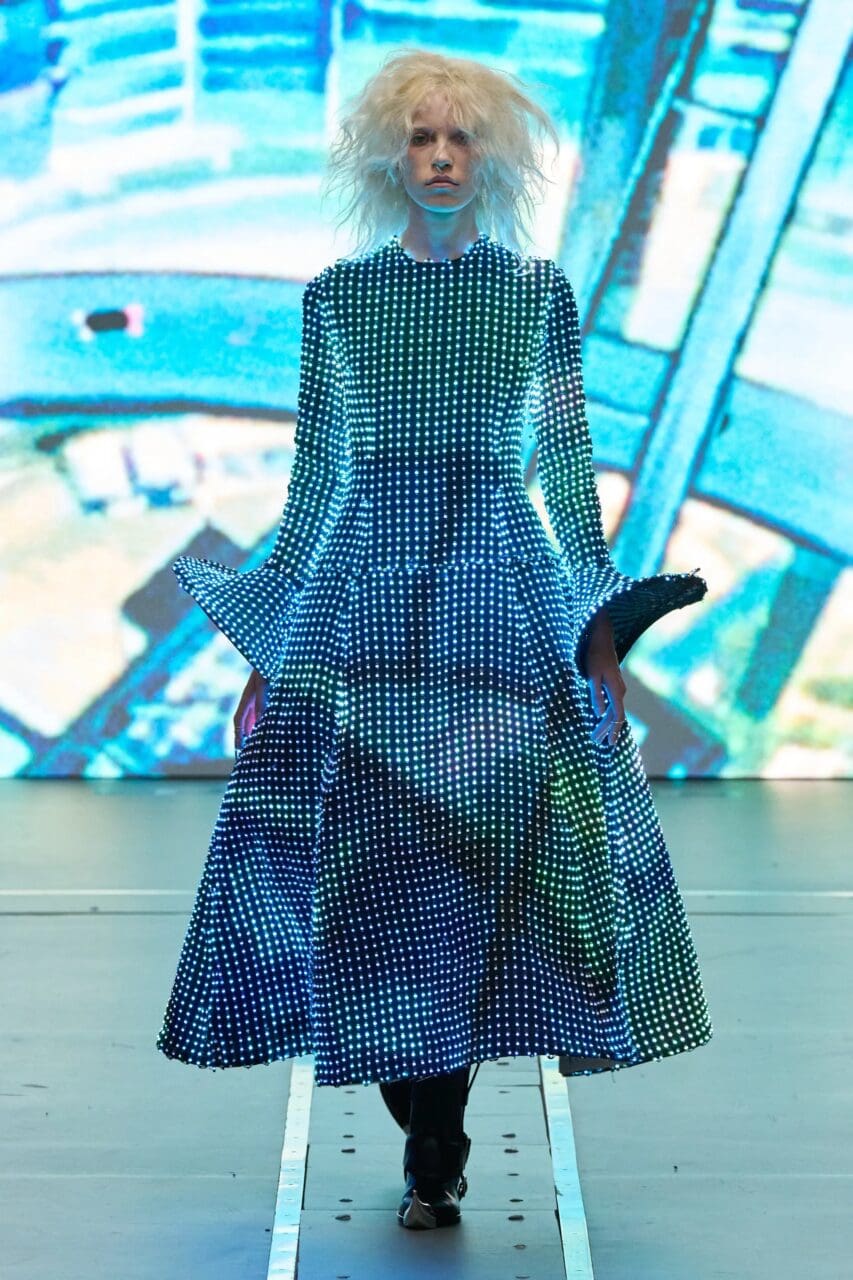
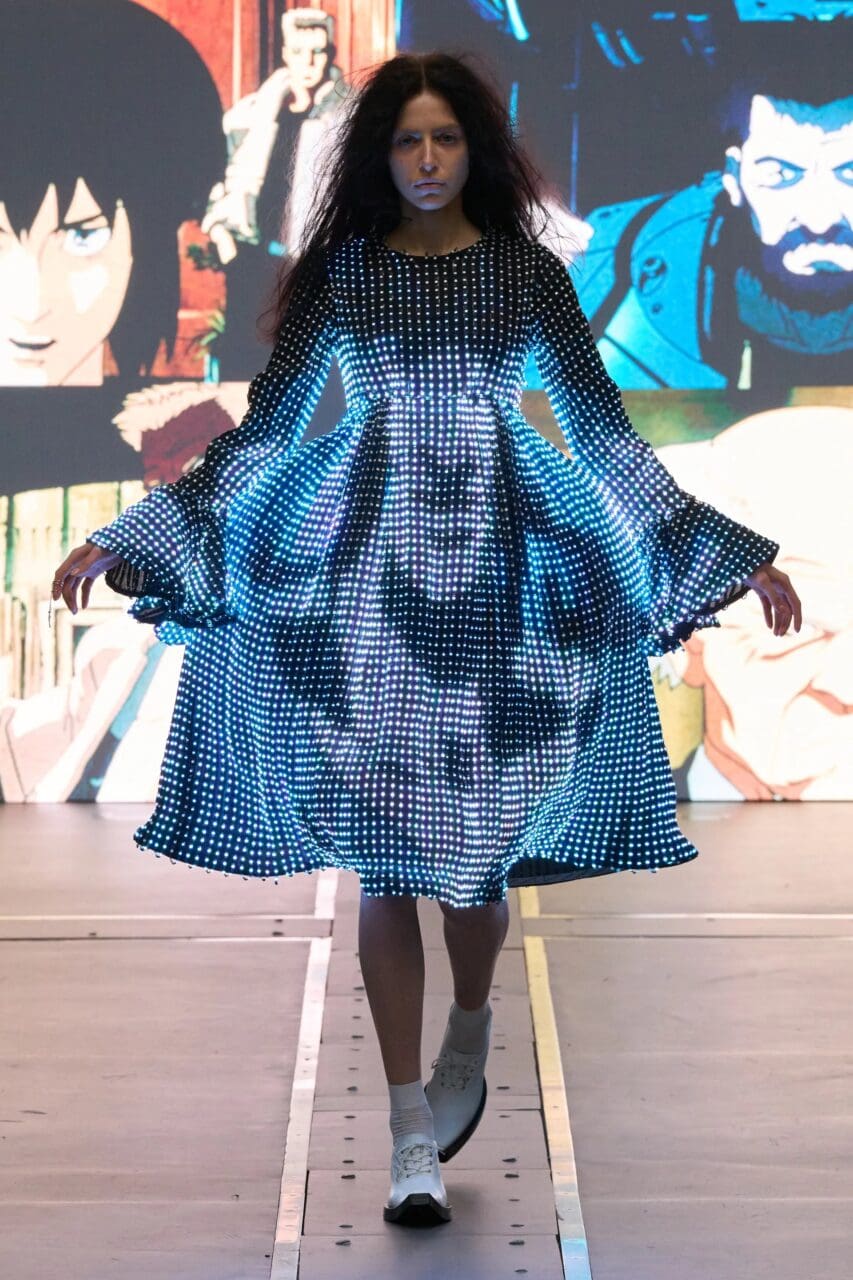
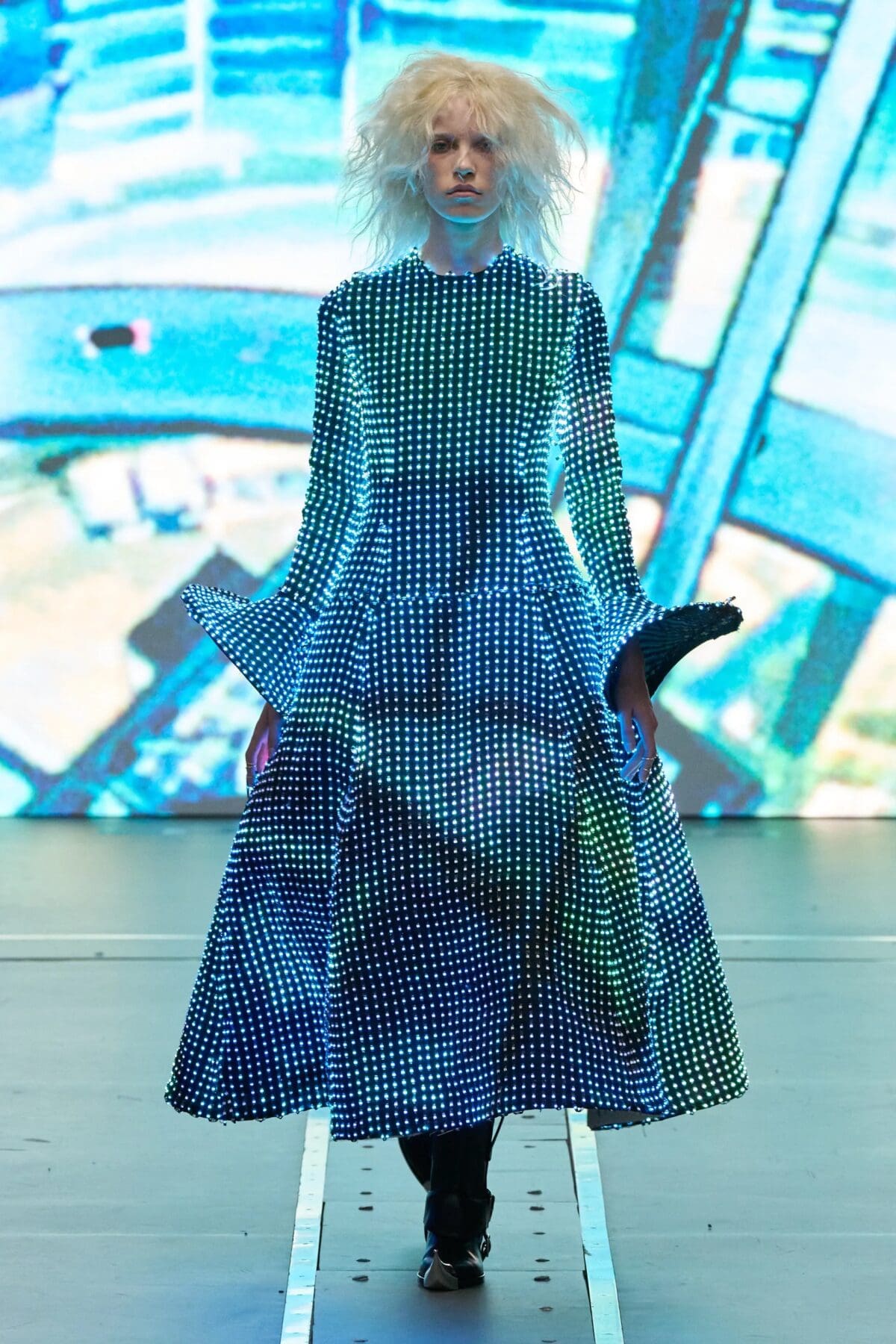
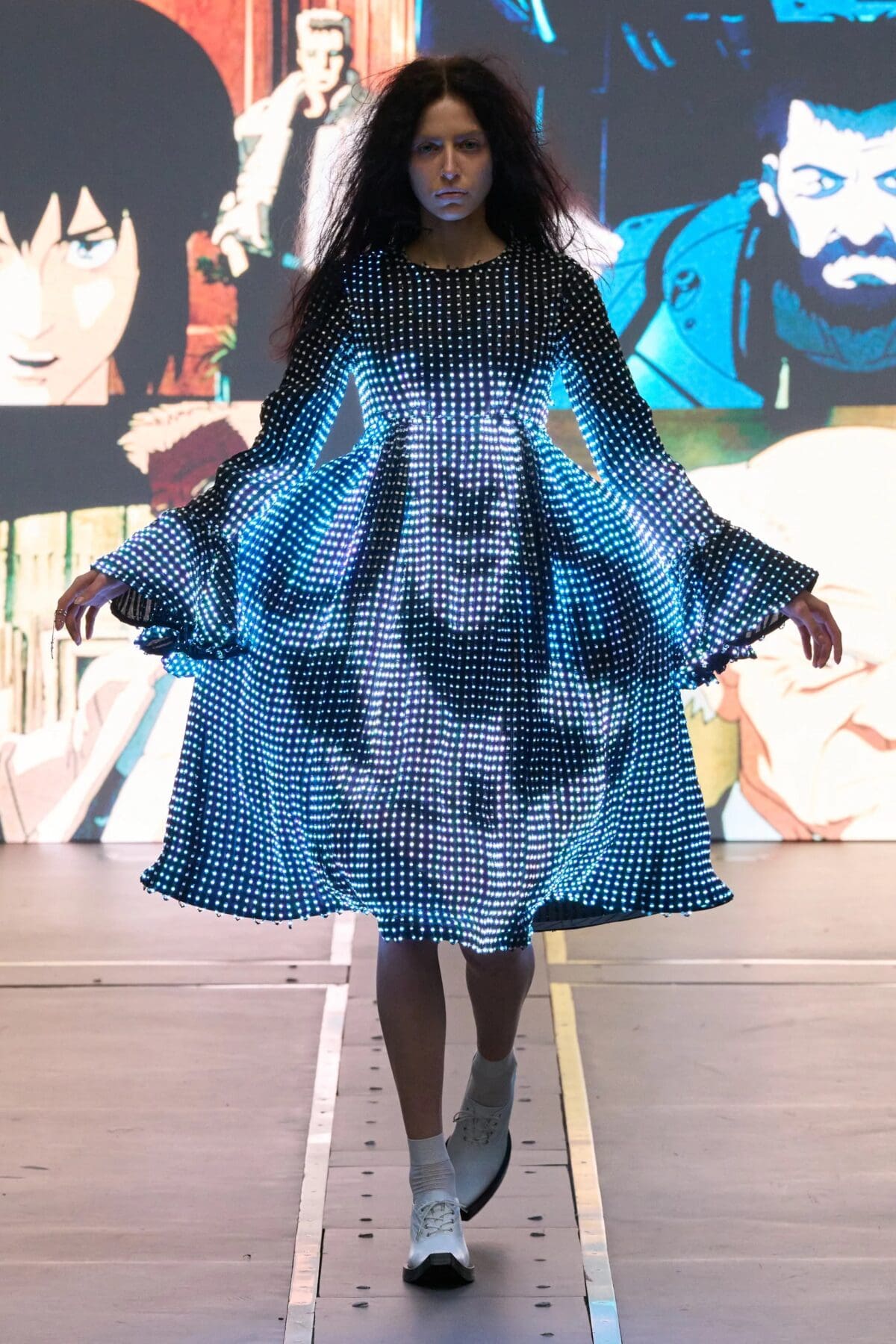
At Anrealage, Kunihiko Morinaga brought the concept of thermoptic camouflage from Ghost in the Shell into the real world, spending six months developing LED garments programmed to mimic the runway projections behind them. As the models strutted down the runway, the clothes appeared to dissolve into their surroundings. It was perhaps fashion’s closest attempt at making clothes disappear, even if the illusion wasn’t quite seamless yet.
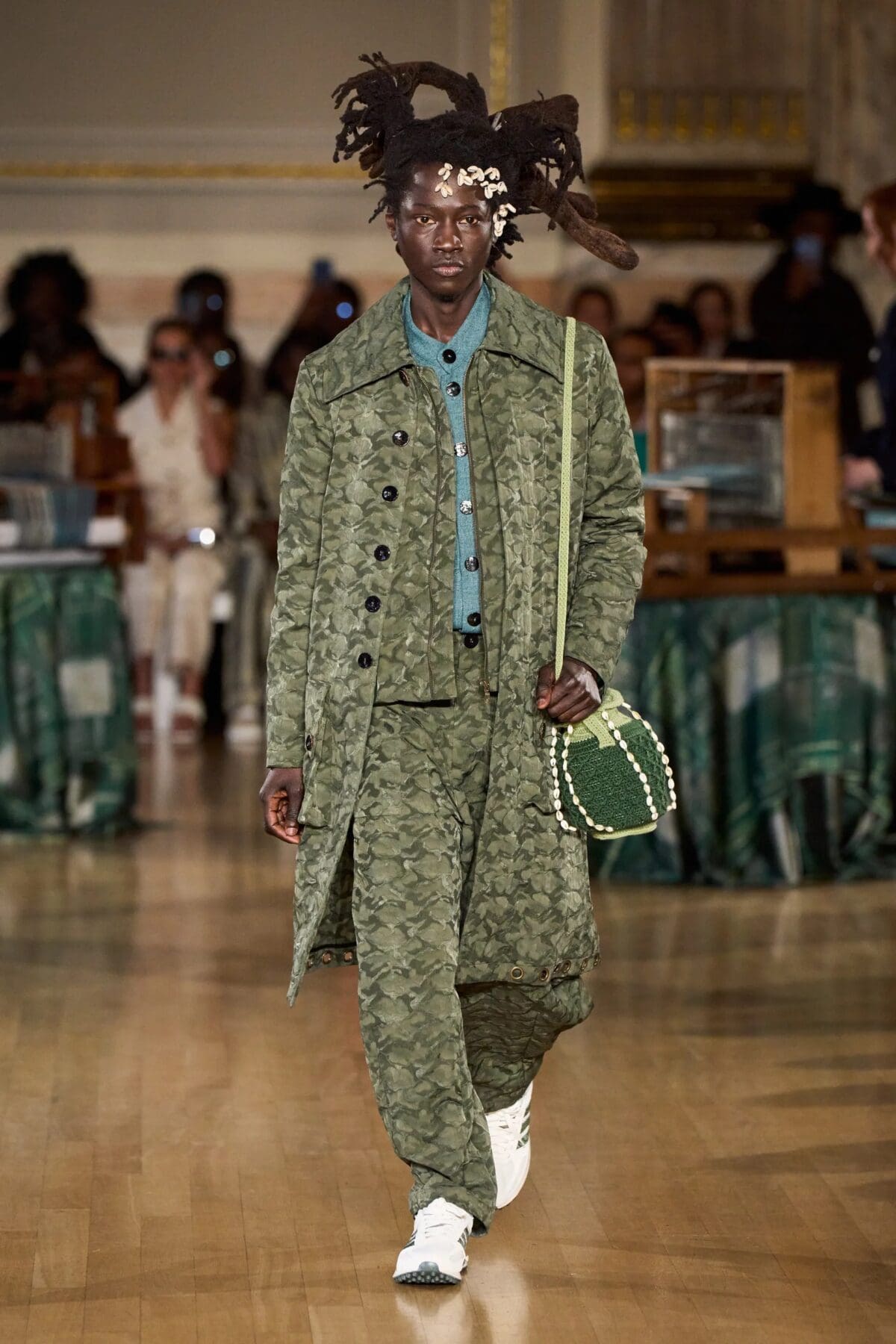
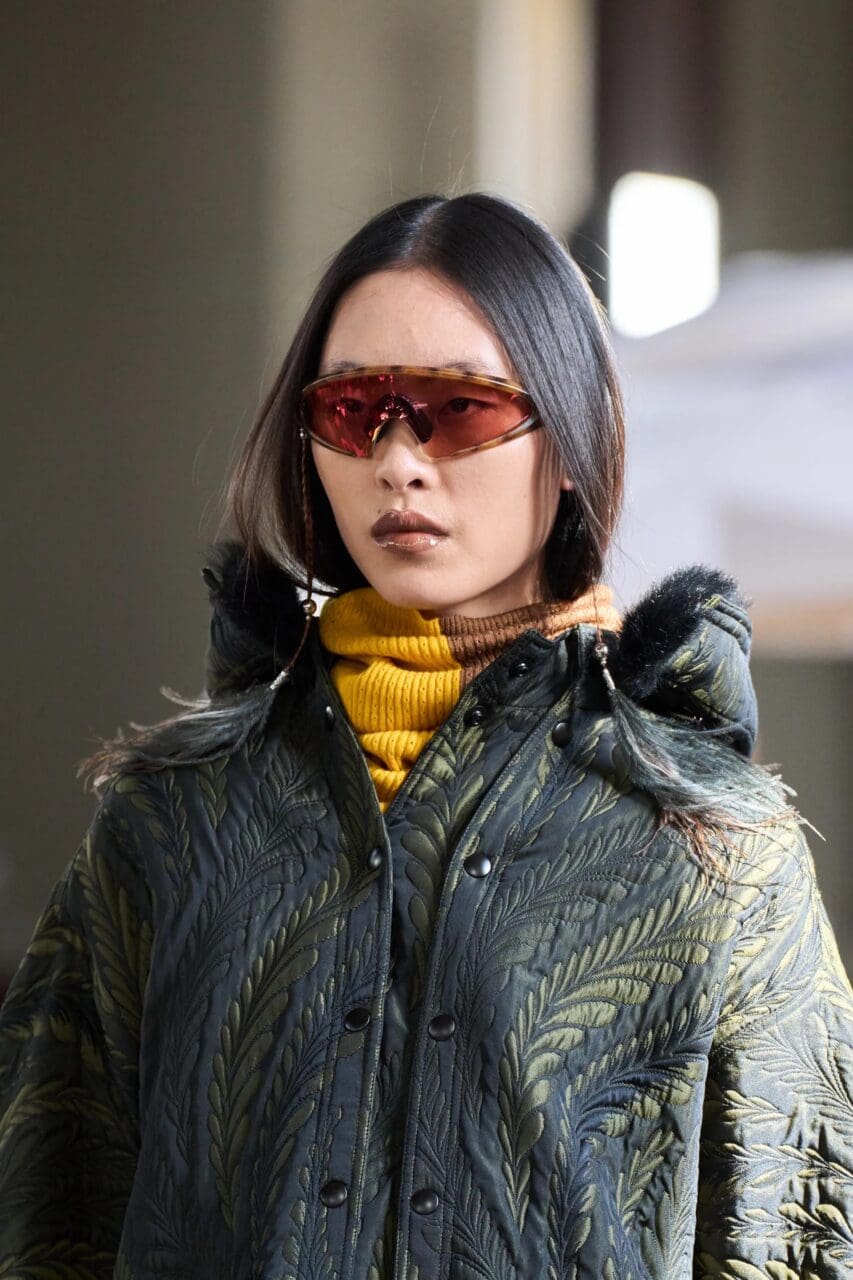
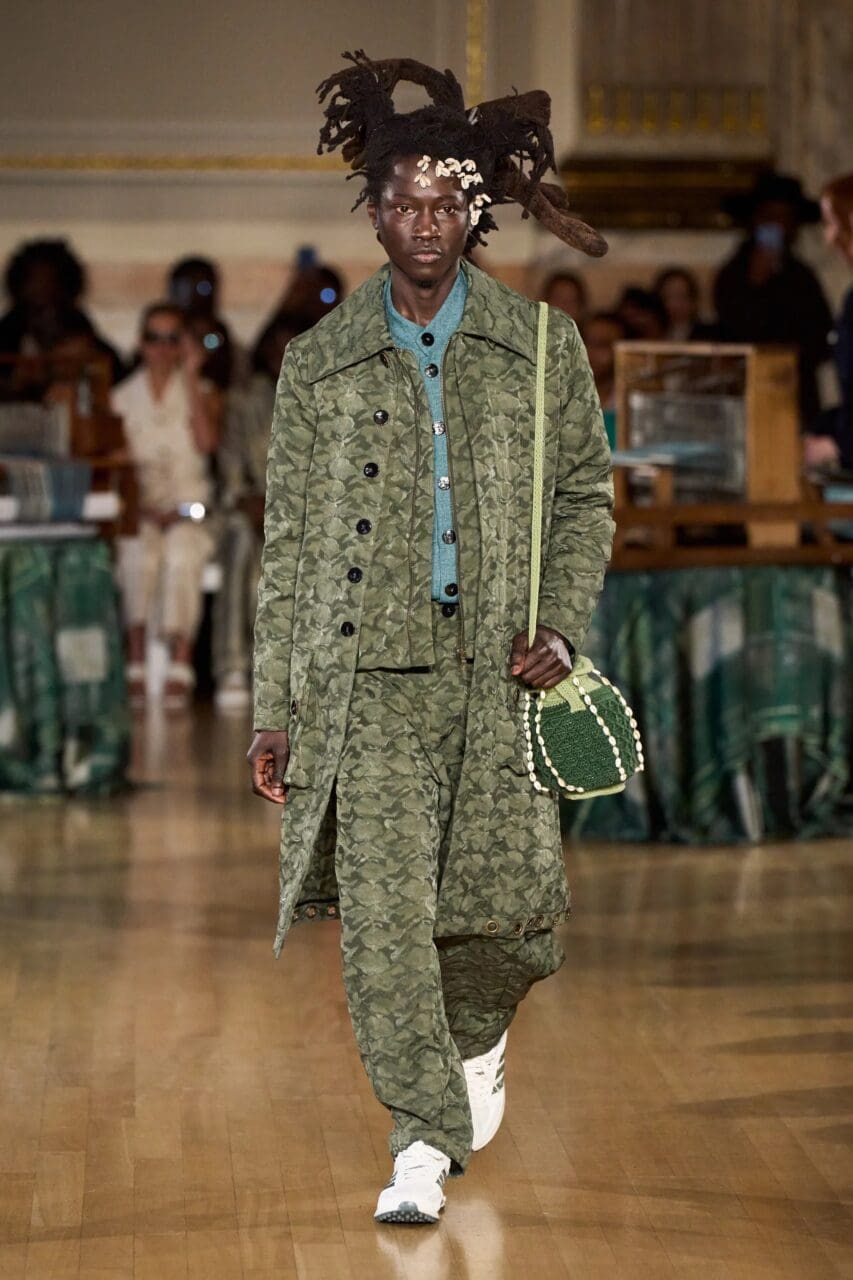
Elsewhere, designers were exploring camouflage in more analogue ways. At Kiko Kostadinov, feather patterns were worked into forest-hued intarsias to create a kind of double camouflage inspired by the collection’s birdwatching theme: feathers disappearing into knitwear, knitwear disappearing into the landscape. Labrum London took a more tactile approach, rendering camouflage textures in blistered khaki moiré.
This season, camouflage was less about blending in than messing with the eye. Sometimes the trick was disappearing; sometimes it was simply making you look twice.
Shop this trend:
4. Nothing Is What It Seems
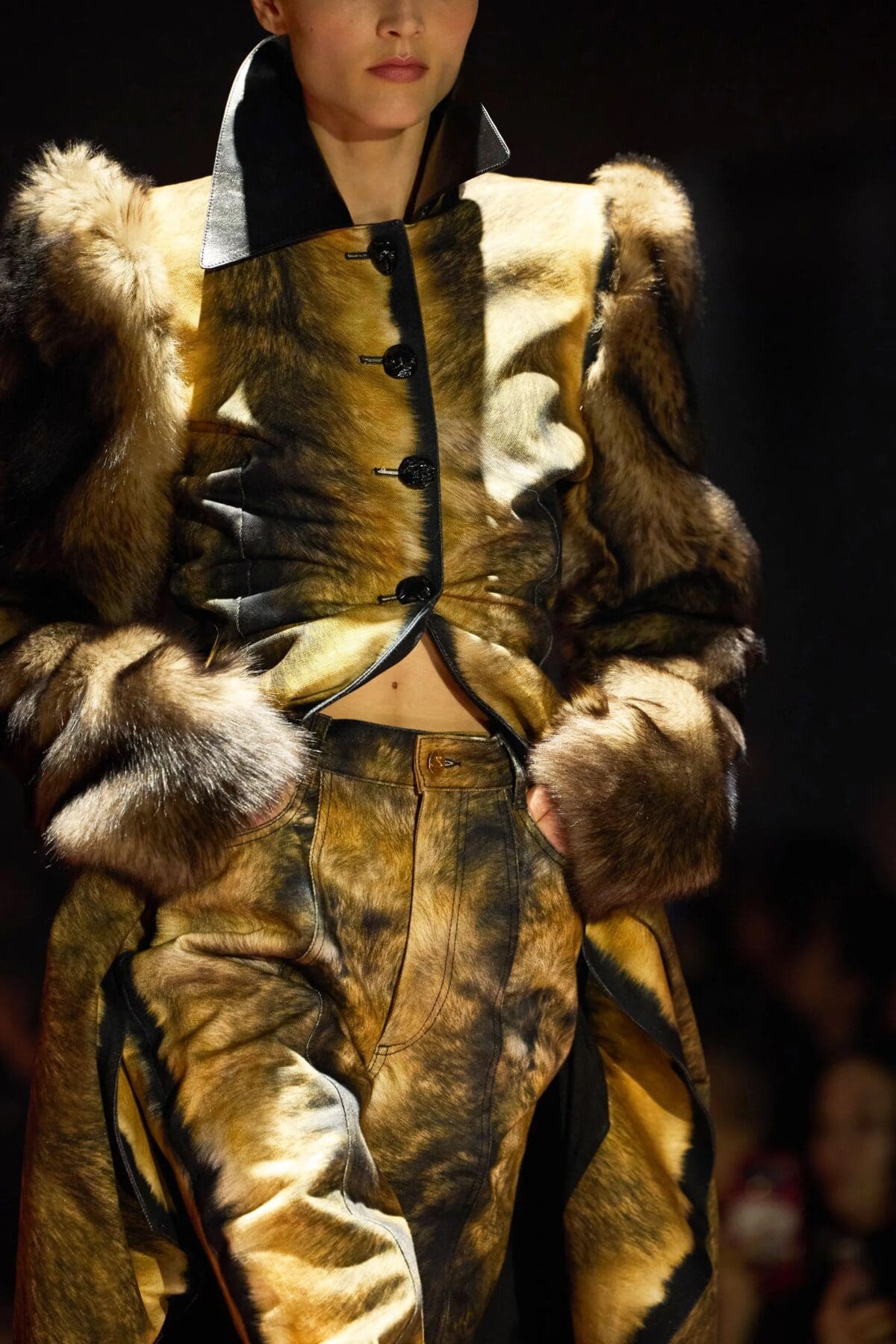
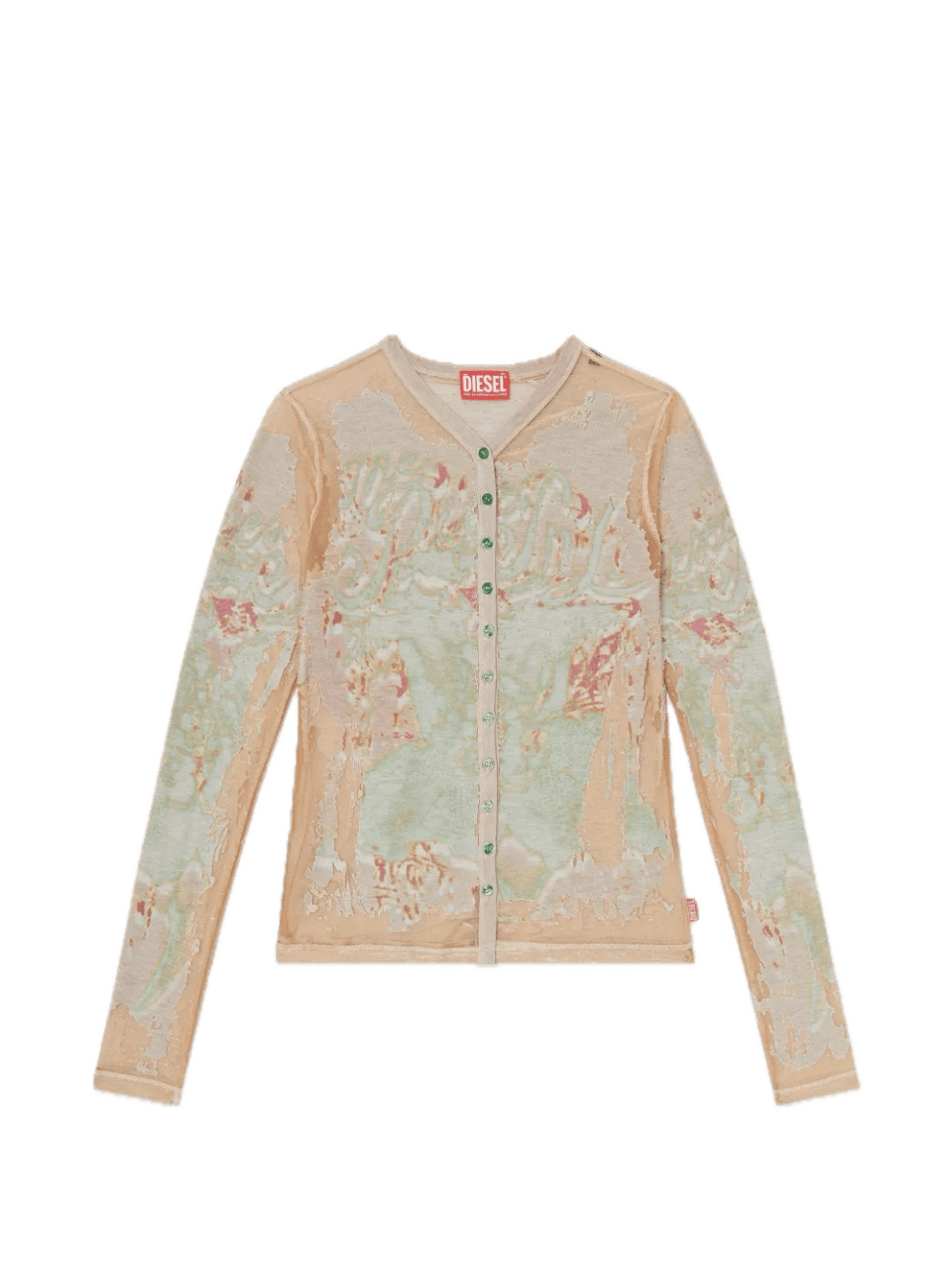
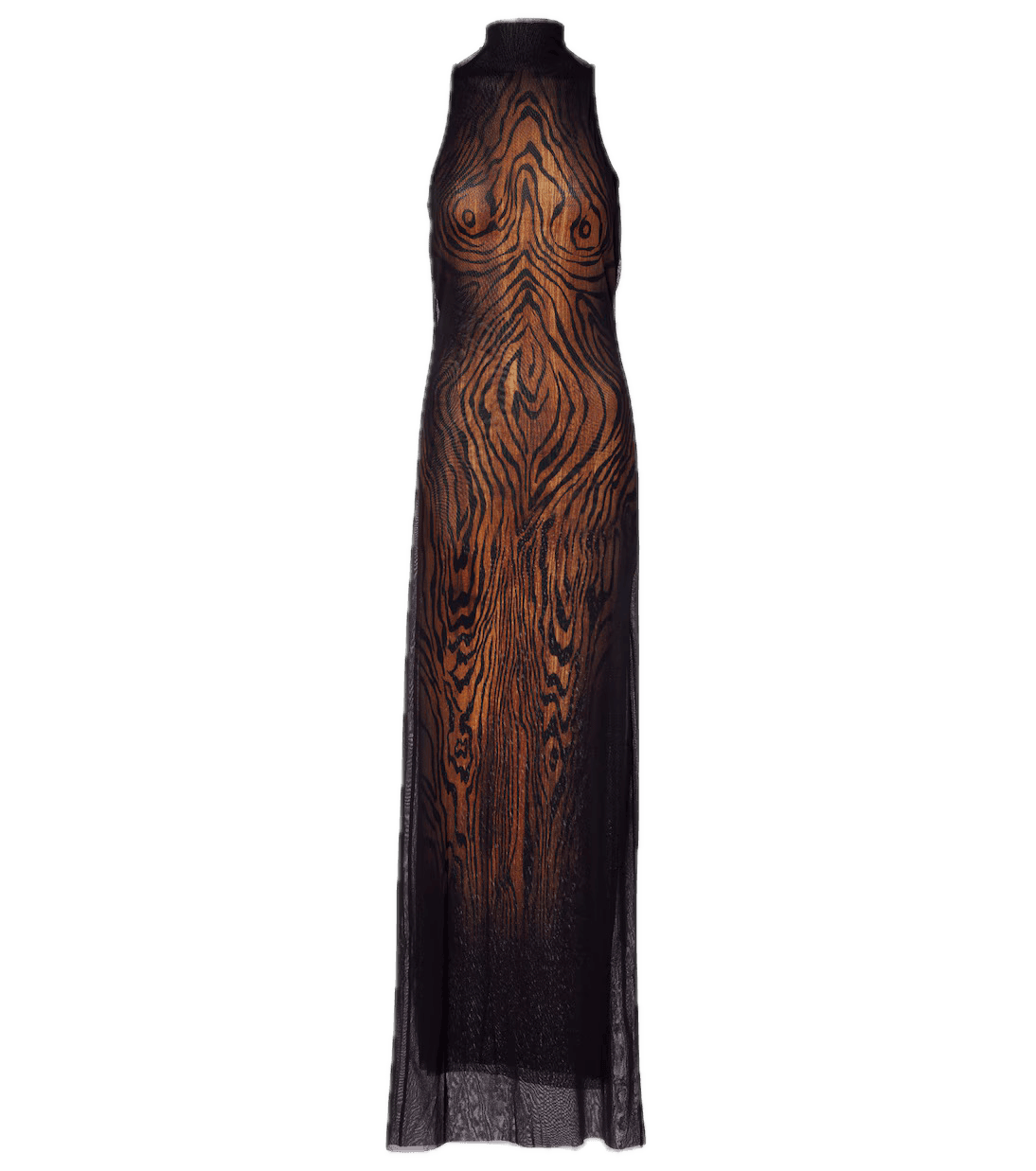
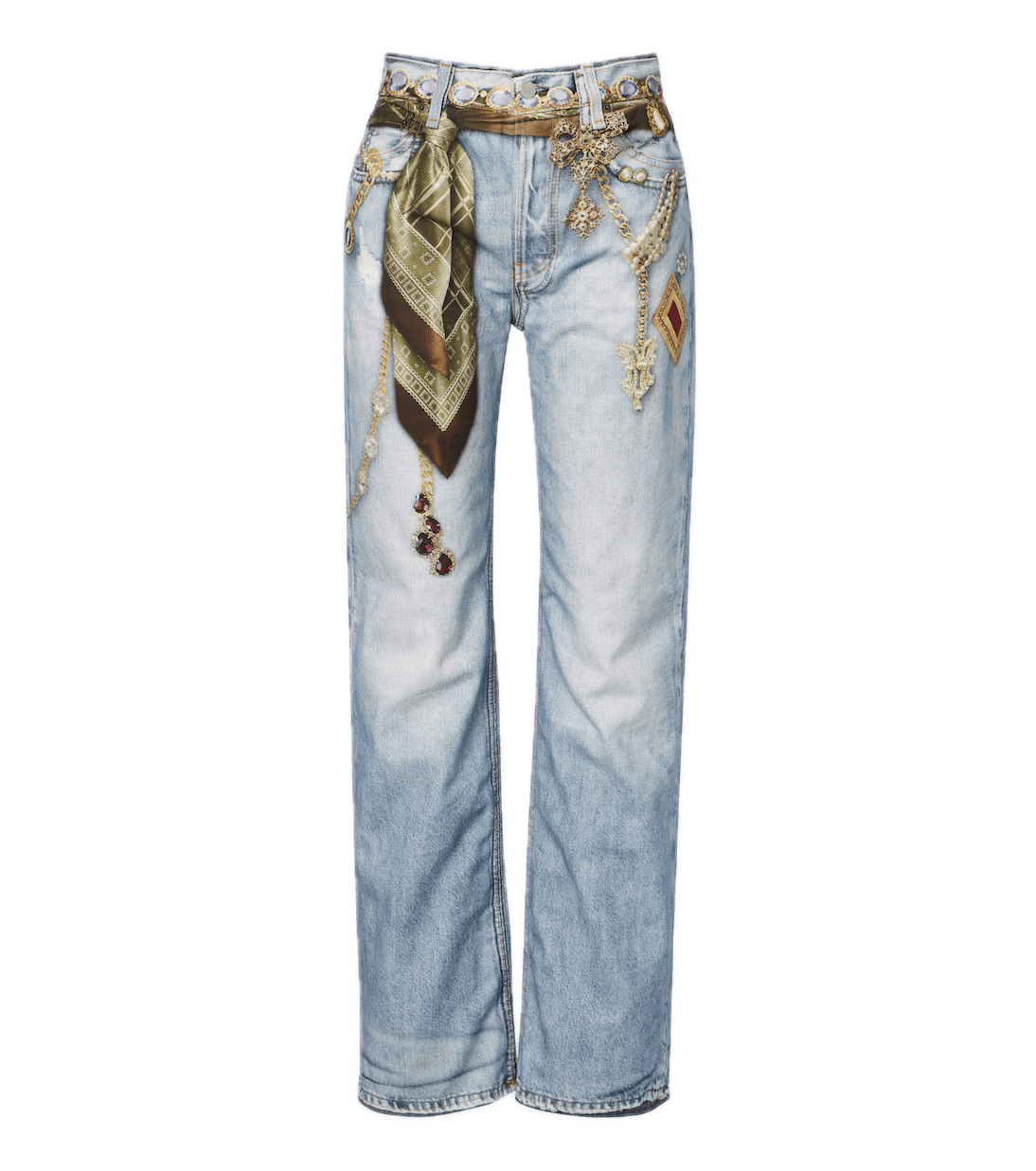
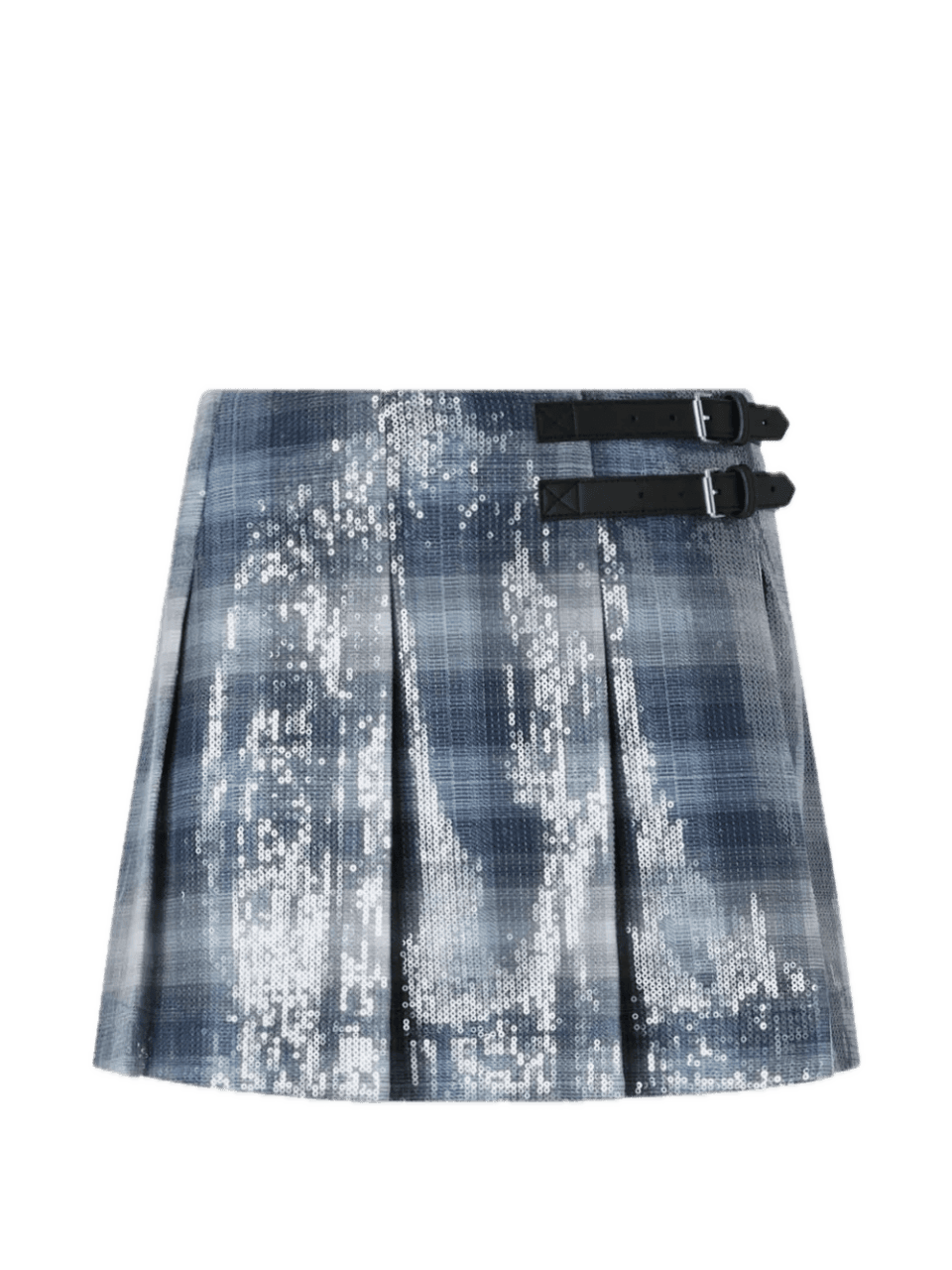
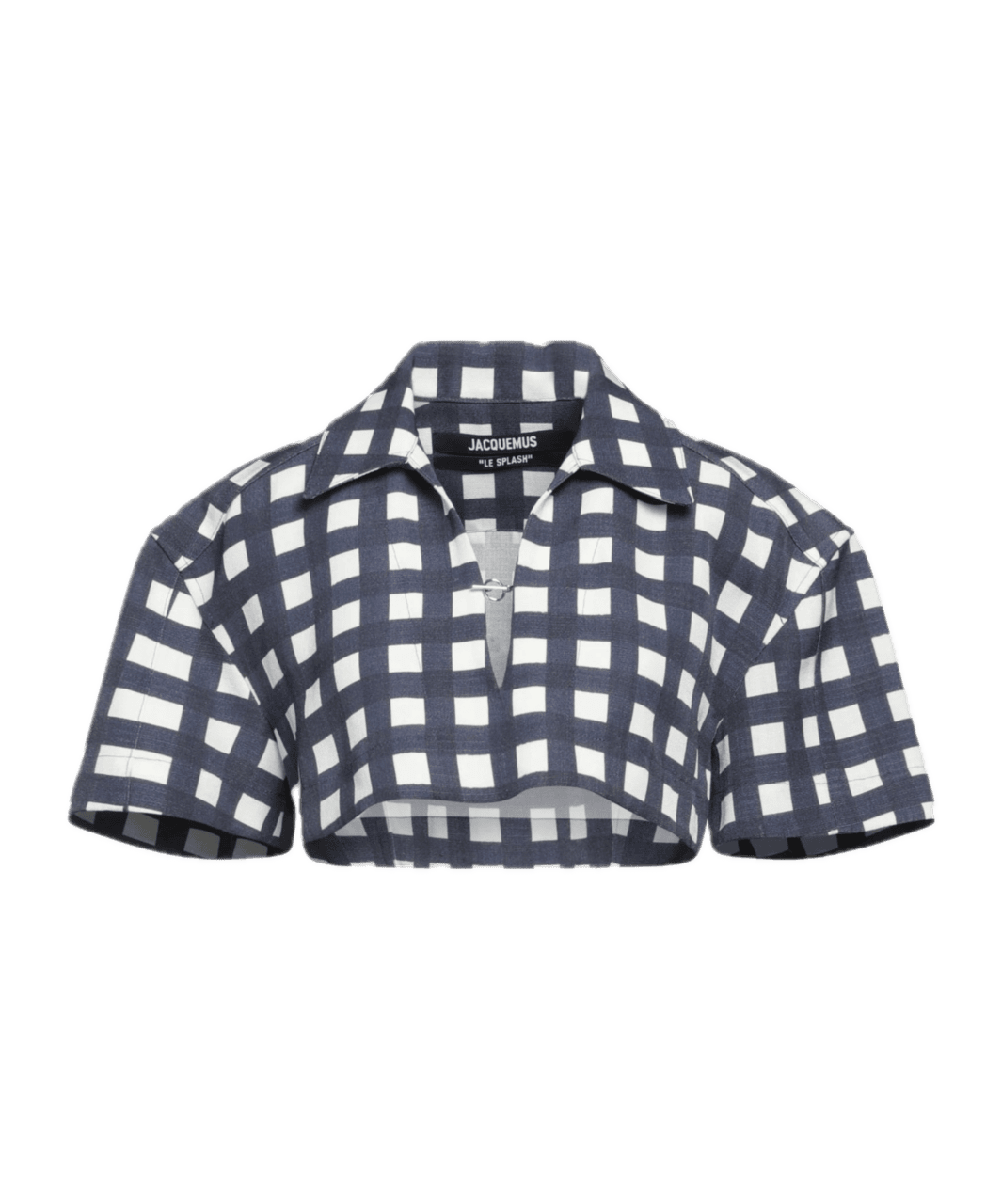
The most convincing fashion illusions are often the simplest. Trompe-l’œil has been fooling us since long before the runway, from Renaissance frescoes painted to look three-dimensional to Elsa Schiaparelli’s surrealist knitwear, which turned bows, collars and other details into optical illusions. Fall 2026 brought the trick back with a distinctly mischievous streak.
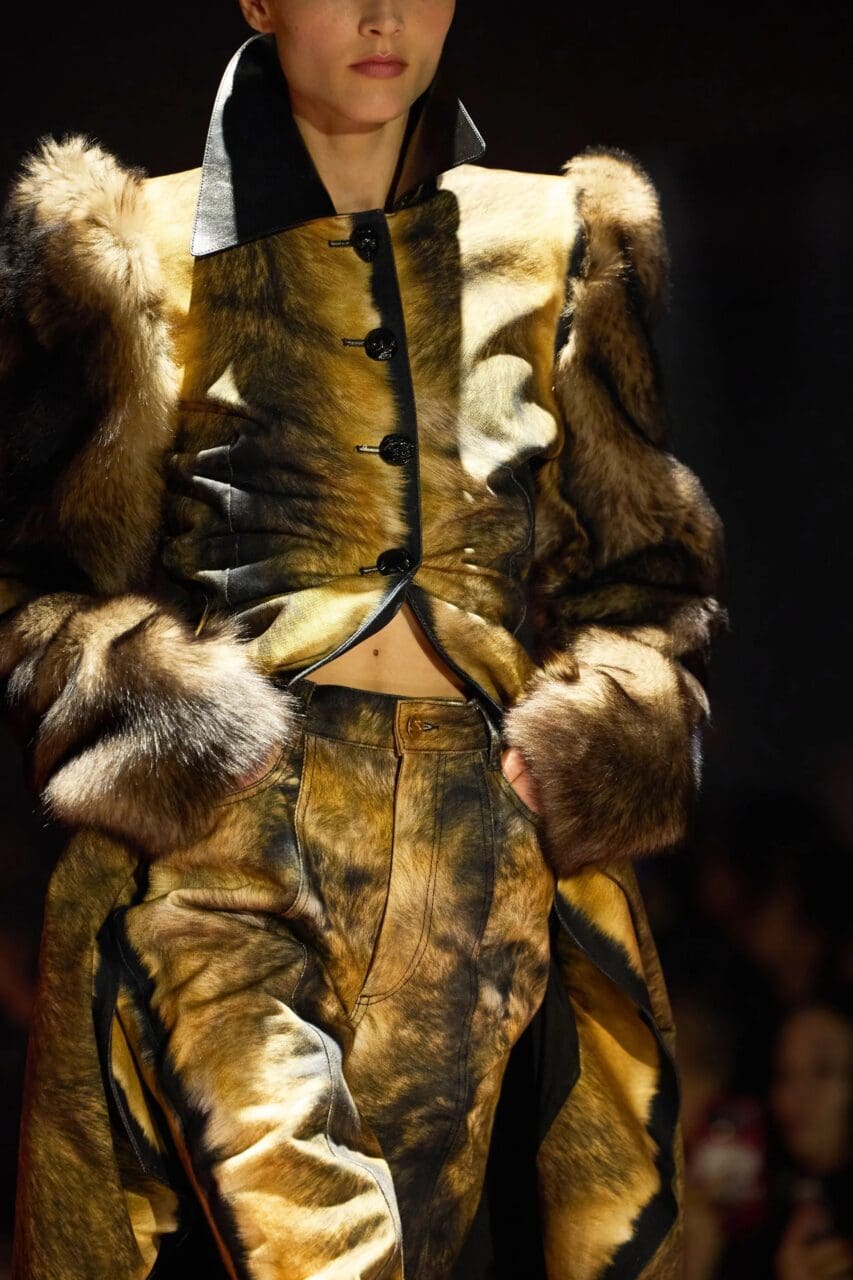
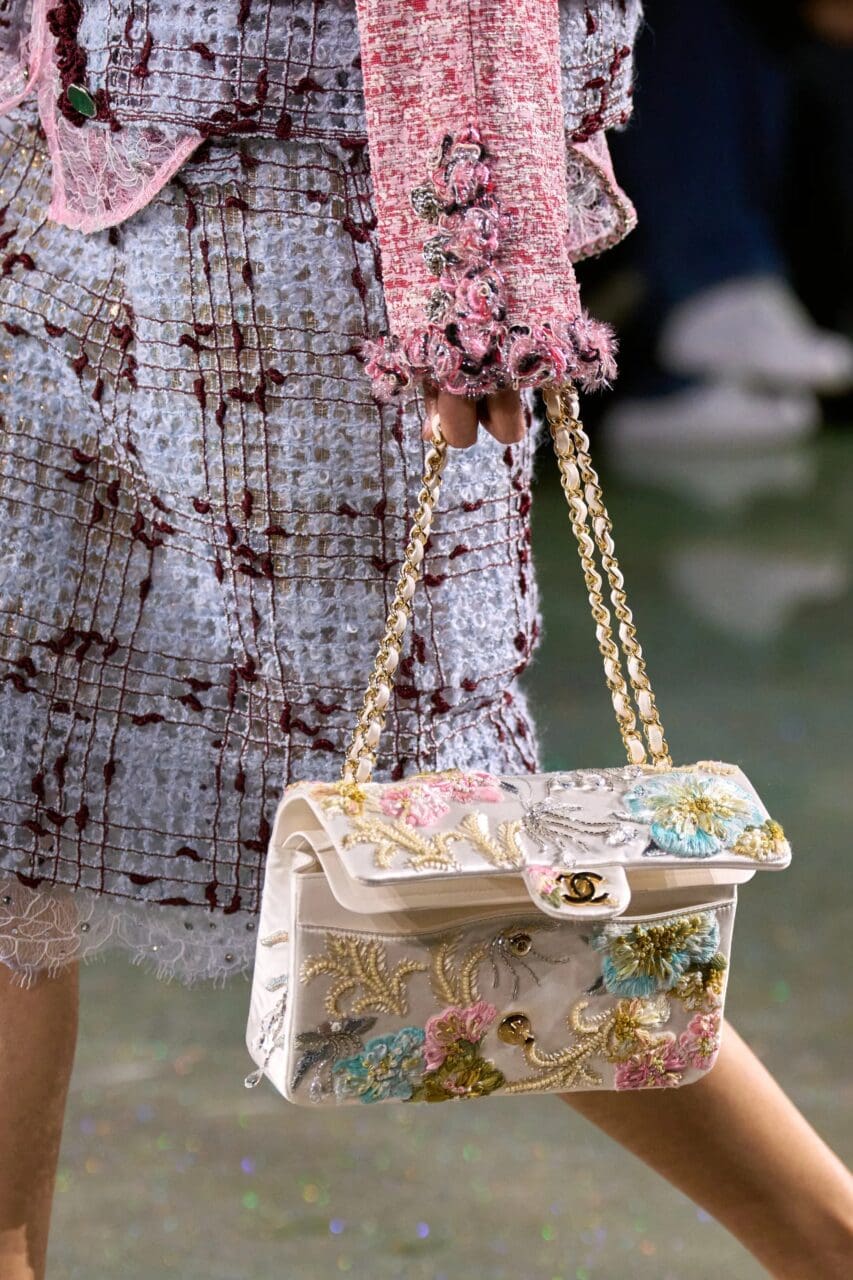
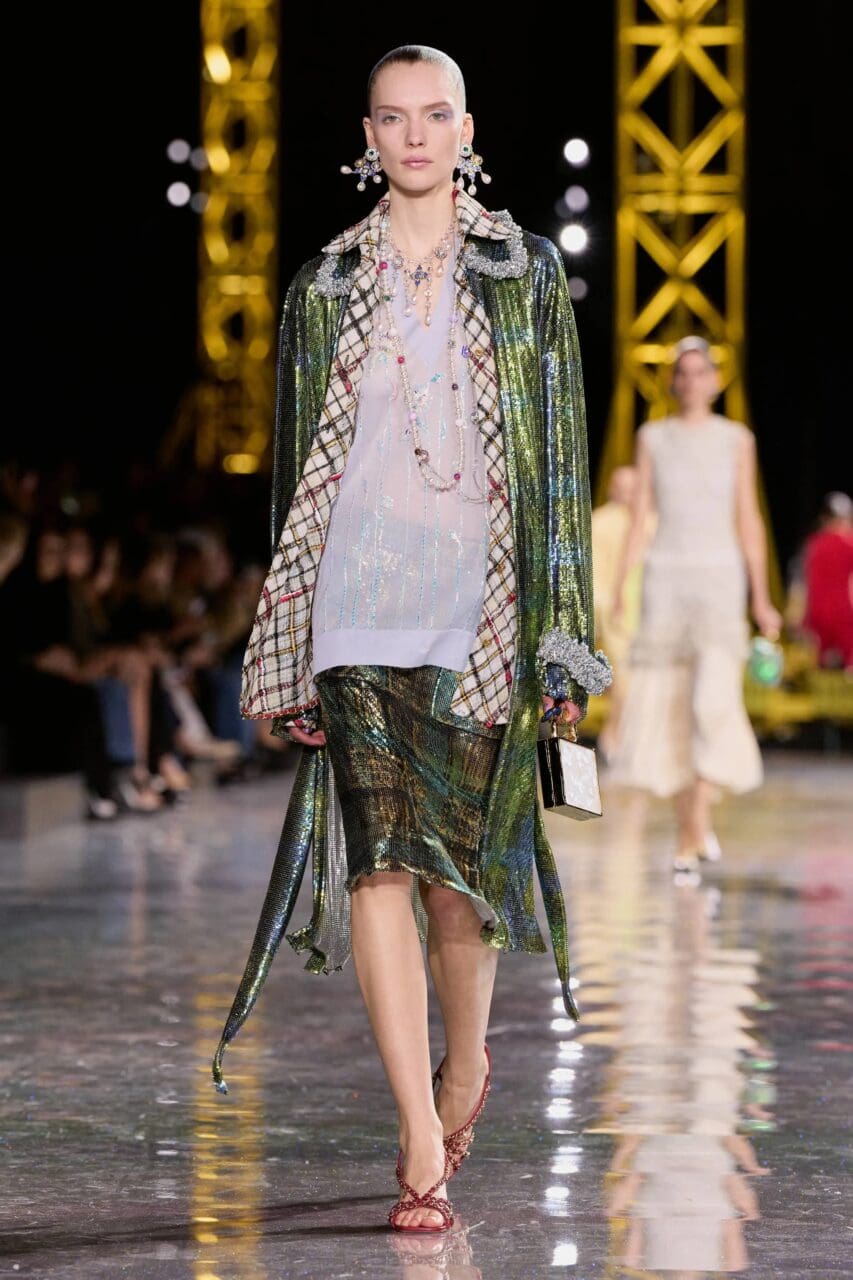
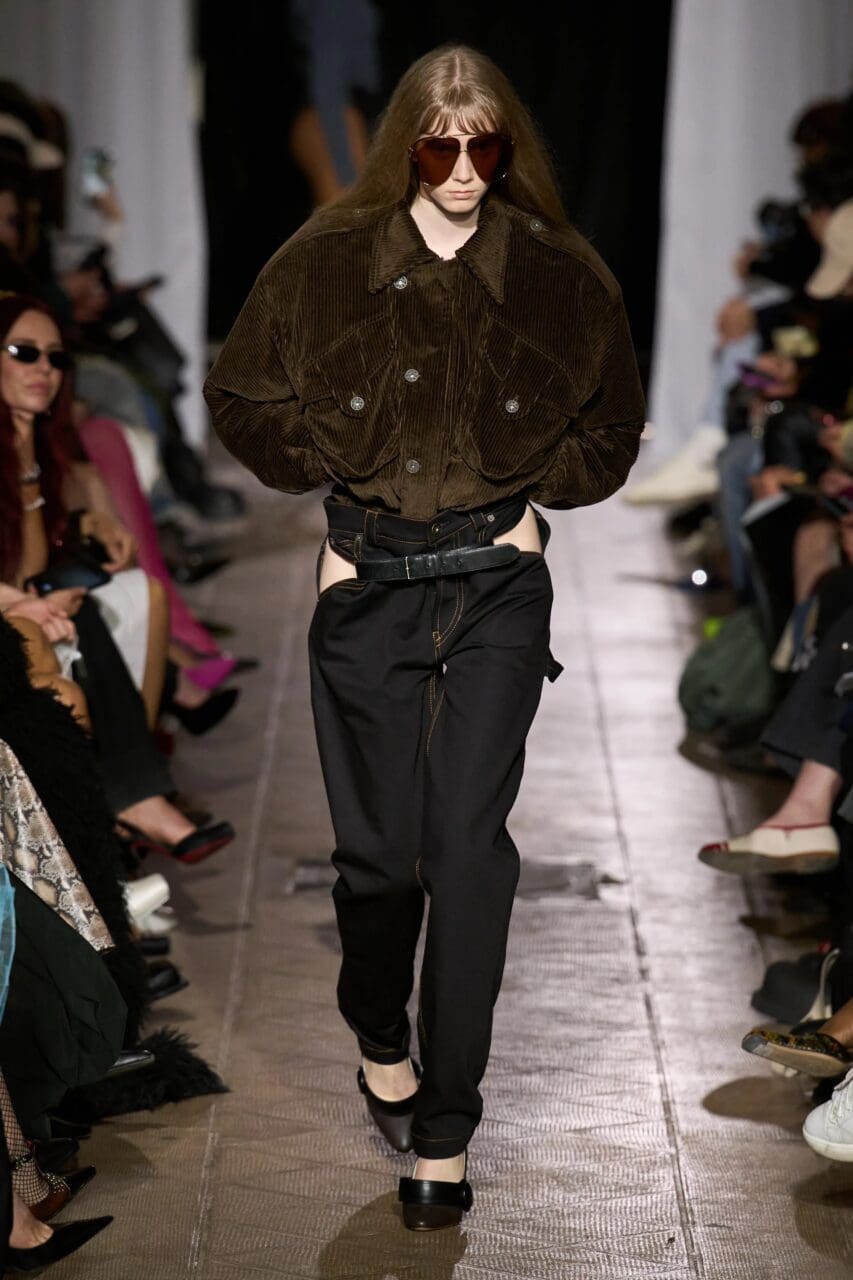
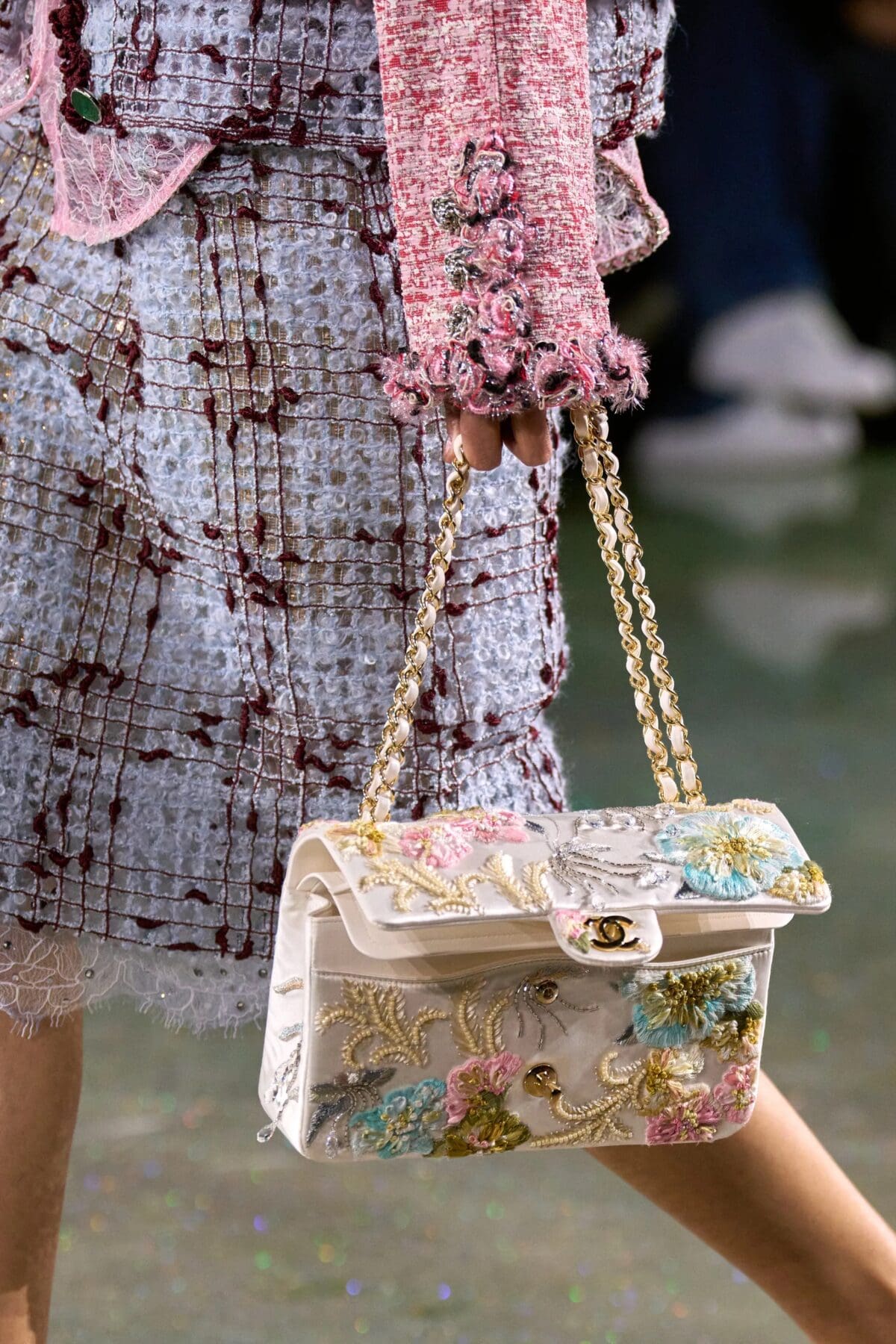
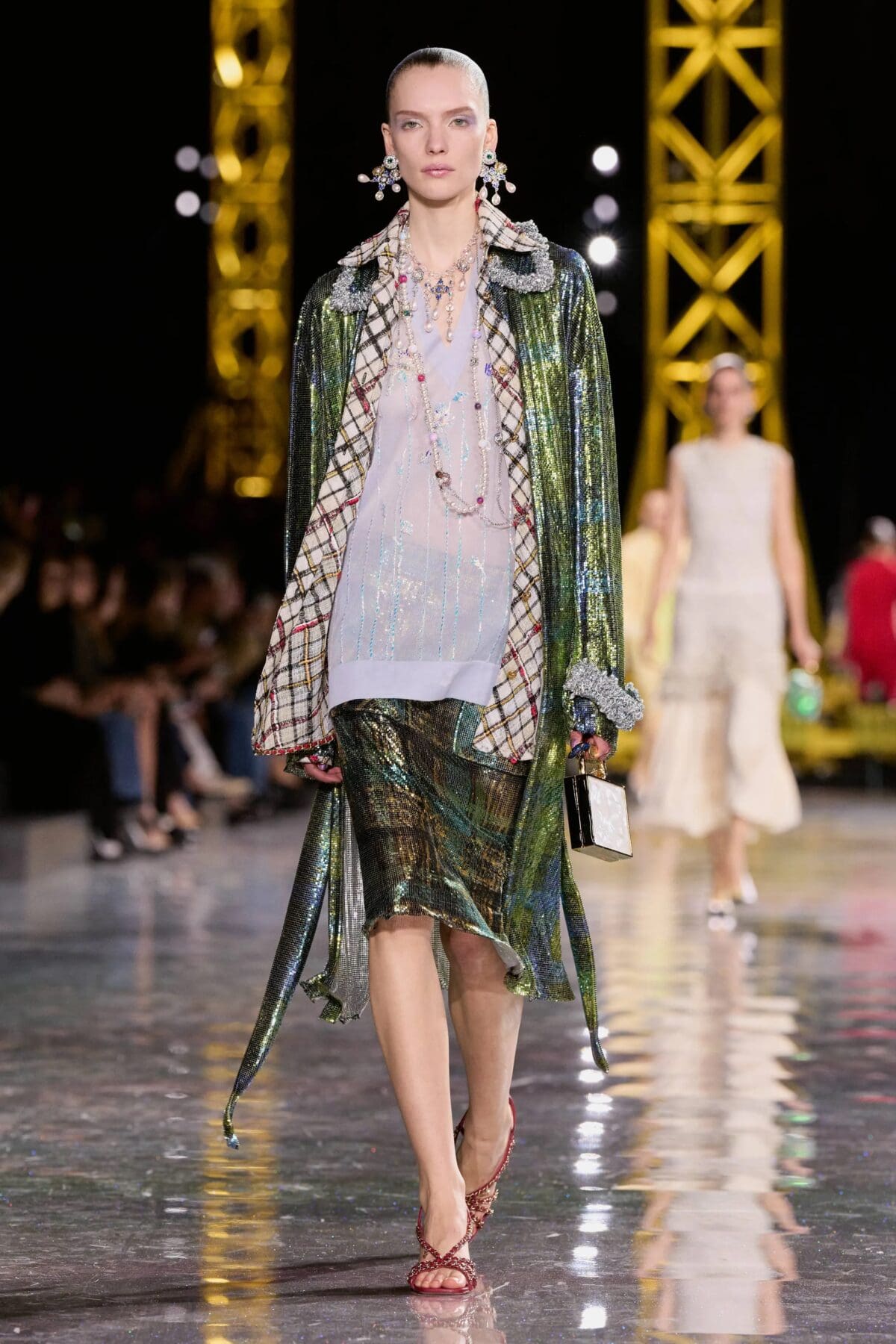
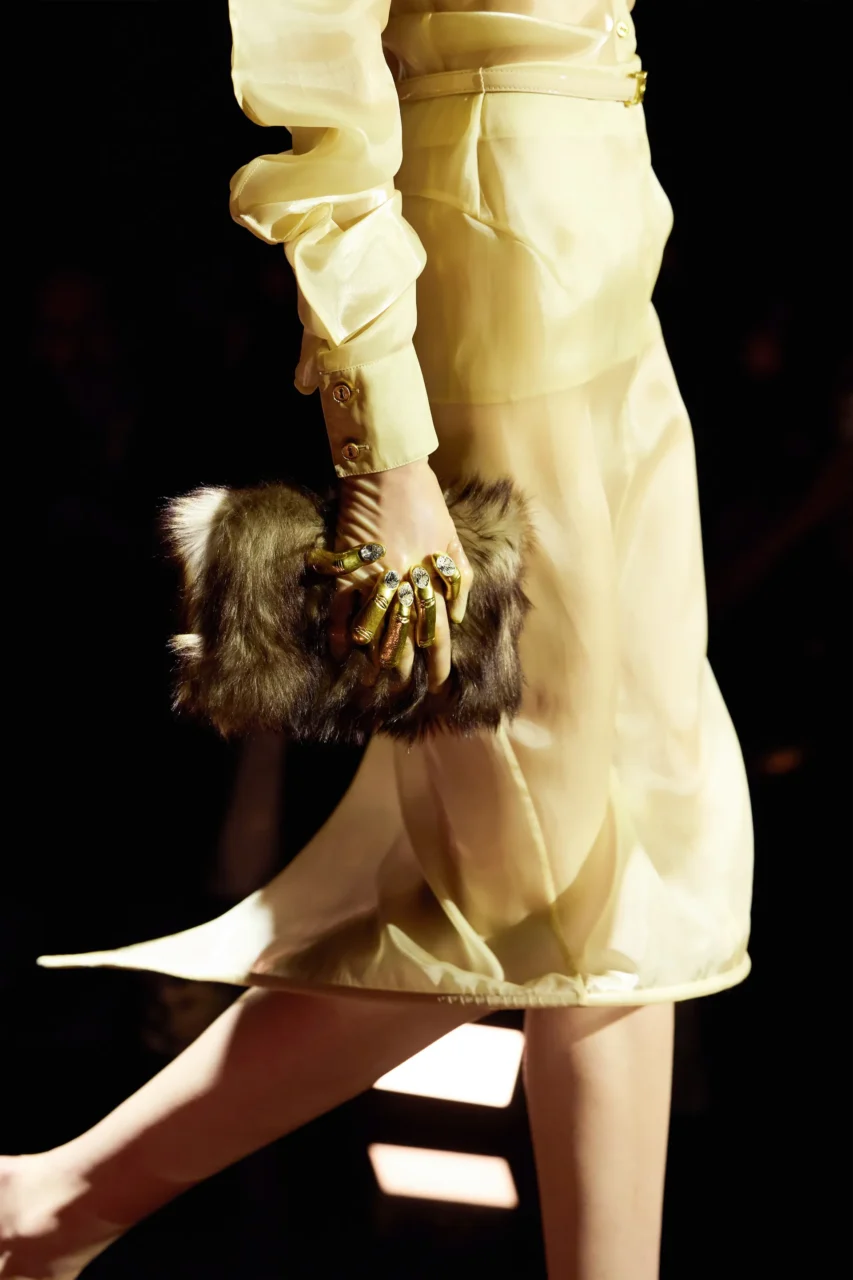
At Schiaparelli, Daniel Roseberry sent out fur prints and painted crocodile scales convincing enough to make you look twice before realising they were printed onto fabric. Meanwhile, Matthieu Blazy took the idea somewhere more glamorous at Chanel, juxtaposing printed chain mail with trompe-l’œil tweeds in a collection built around the tension between the functional and the fantastical.
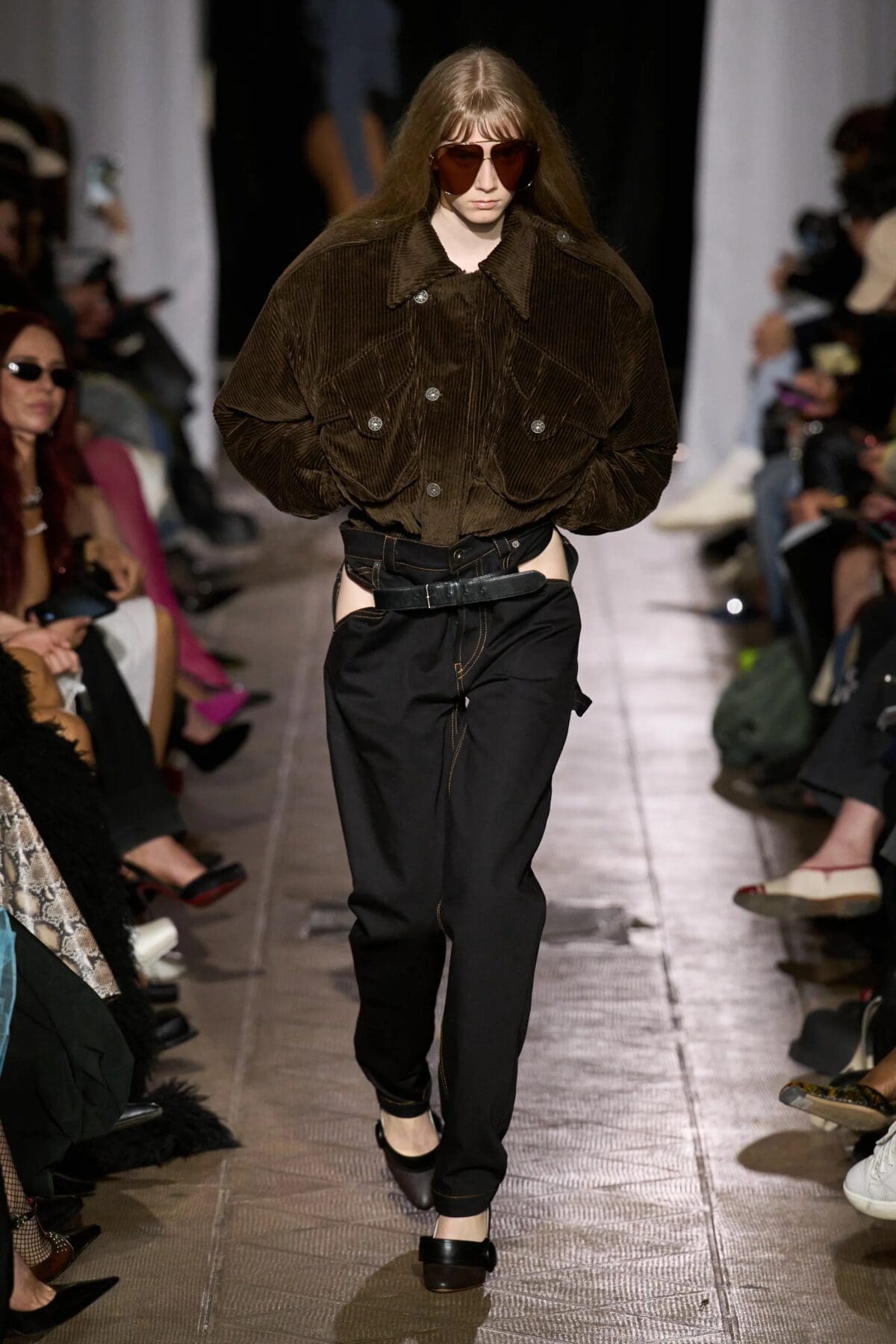
And then there was Vaquera, where trompe-l’œil thongs appeared on hip-cut trousers and zippers seemed to slink open around the models’ hips and chests. Because if there is one thing Vaquera understands, it is a little fashion catfishing: making you think you are looking at one thing, then pulling the rug out from under you.
Shop the trend:
5. Out Of Proportion
If clothes can lie about what they are, who’s to say they can’t lie about where your body begins and ends?
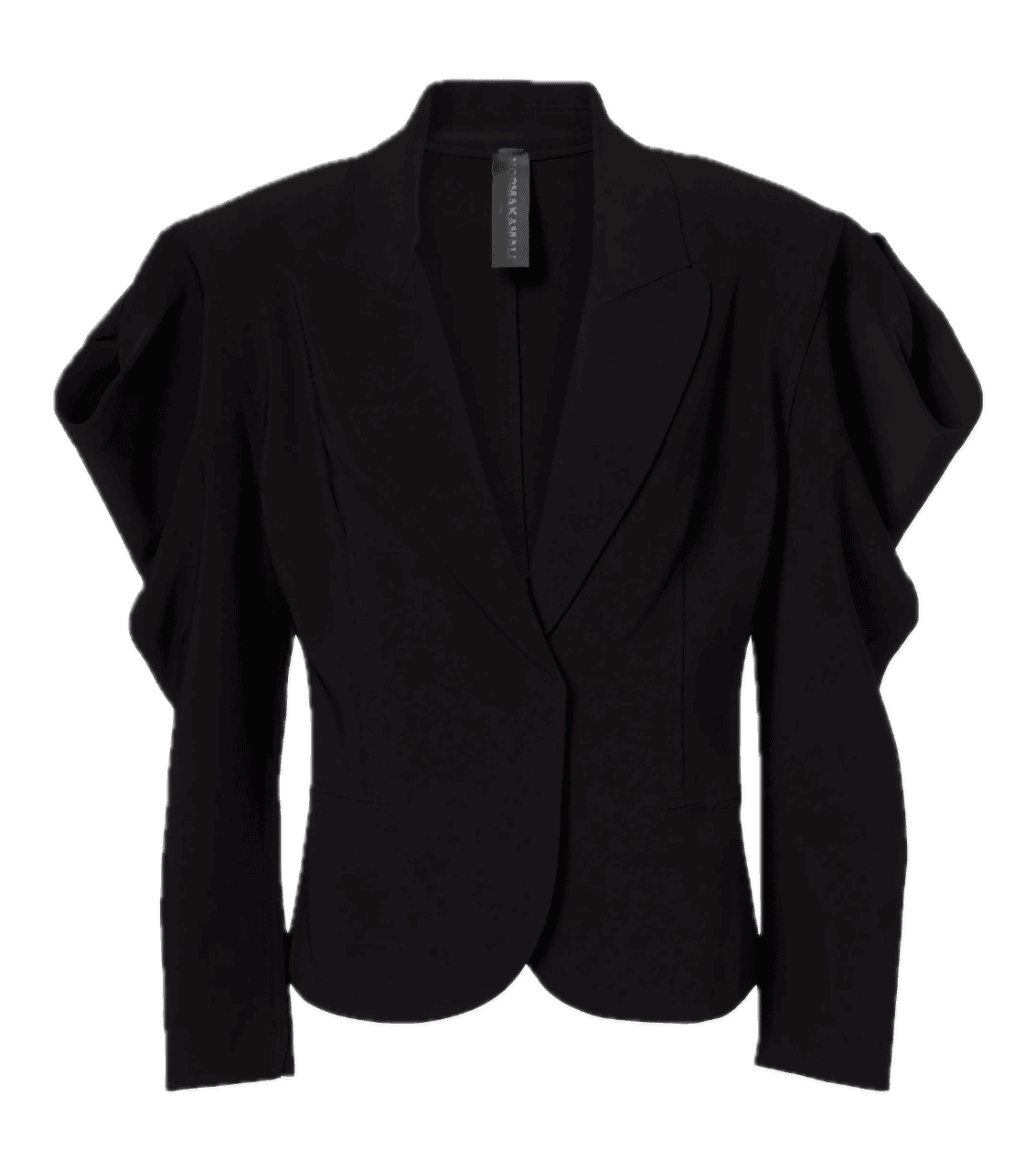
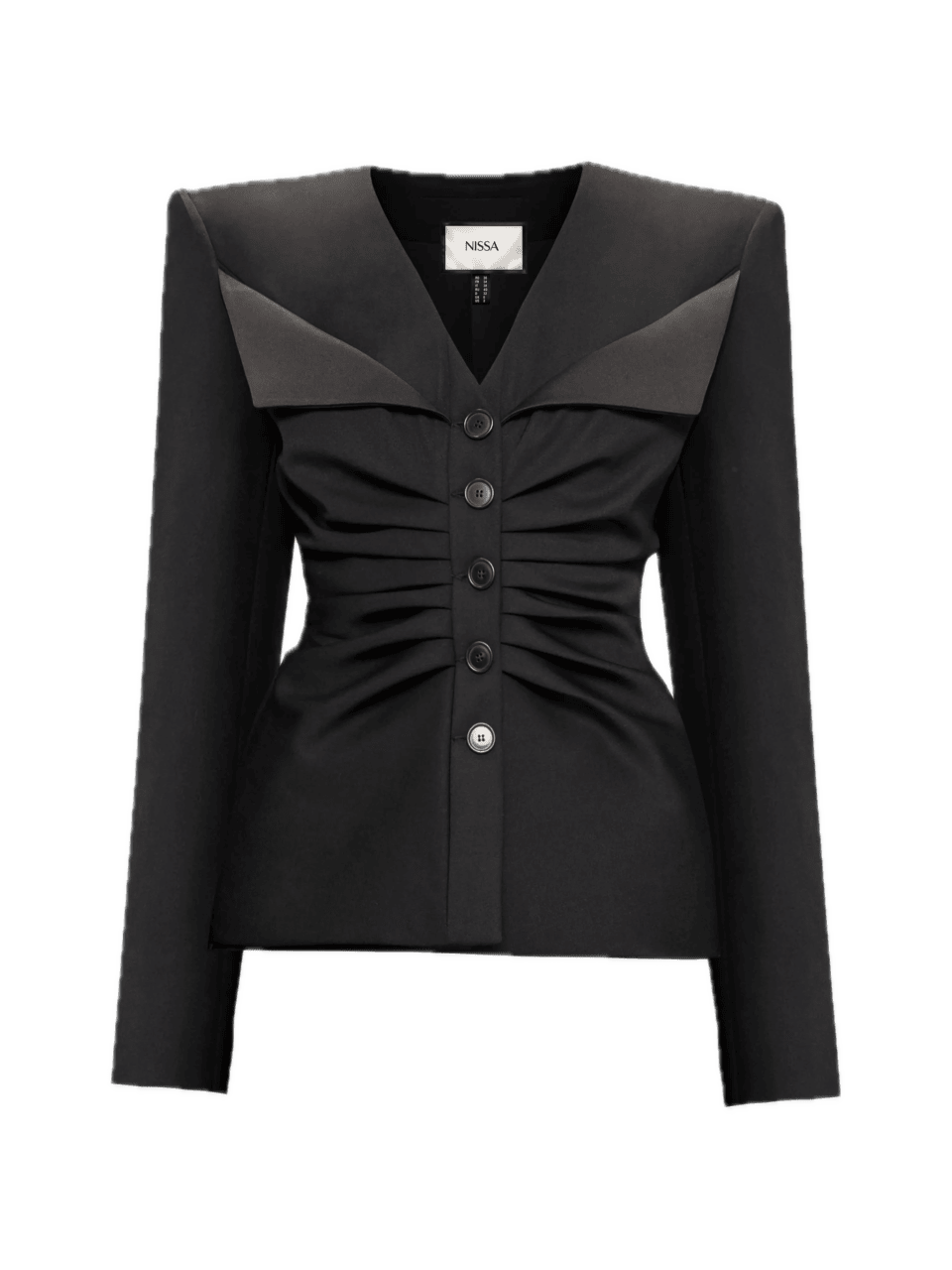
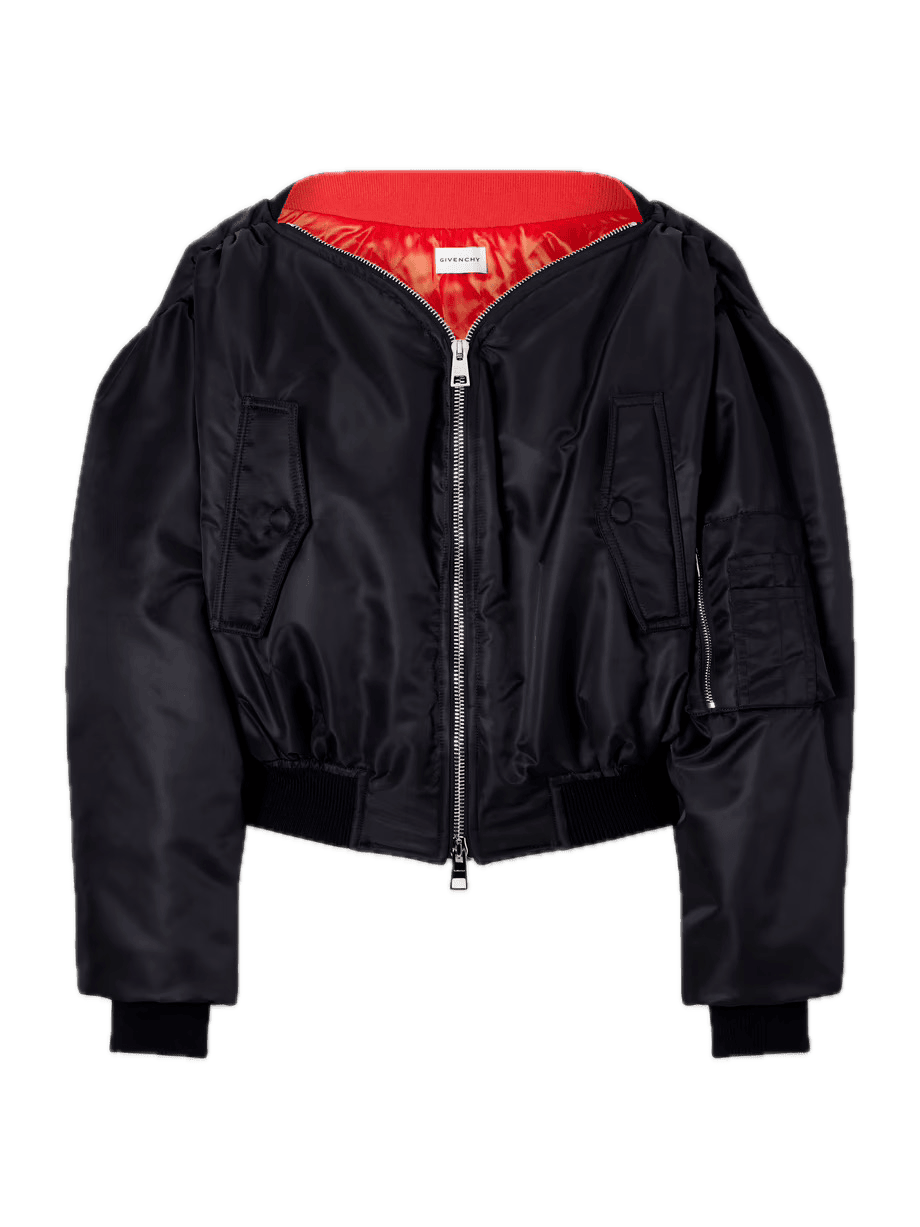
The runway has been toying with the human silhouette for decades, but Fall 2026 seemed particularly determined to move things around. And apparently, shoulders are first on the chopping block. After decades of power shoulders, from Joan Collins’ Dynasty wardrobe to the boardroom tailoring of Working Girl, designers this season seemed less interested in making them look powerful than making us wonder where they went in the first place.
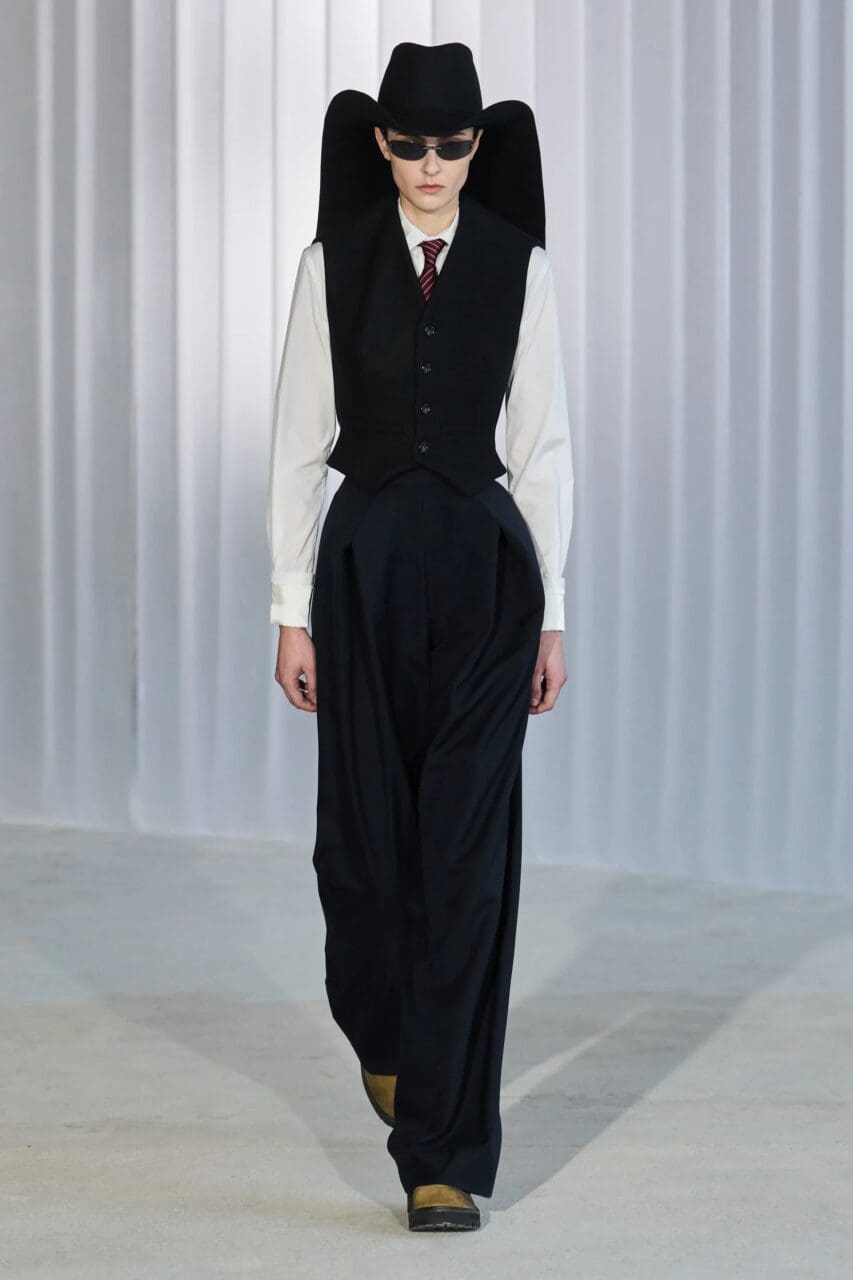
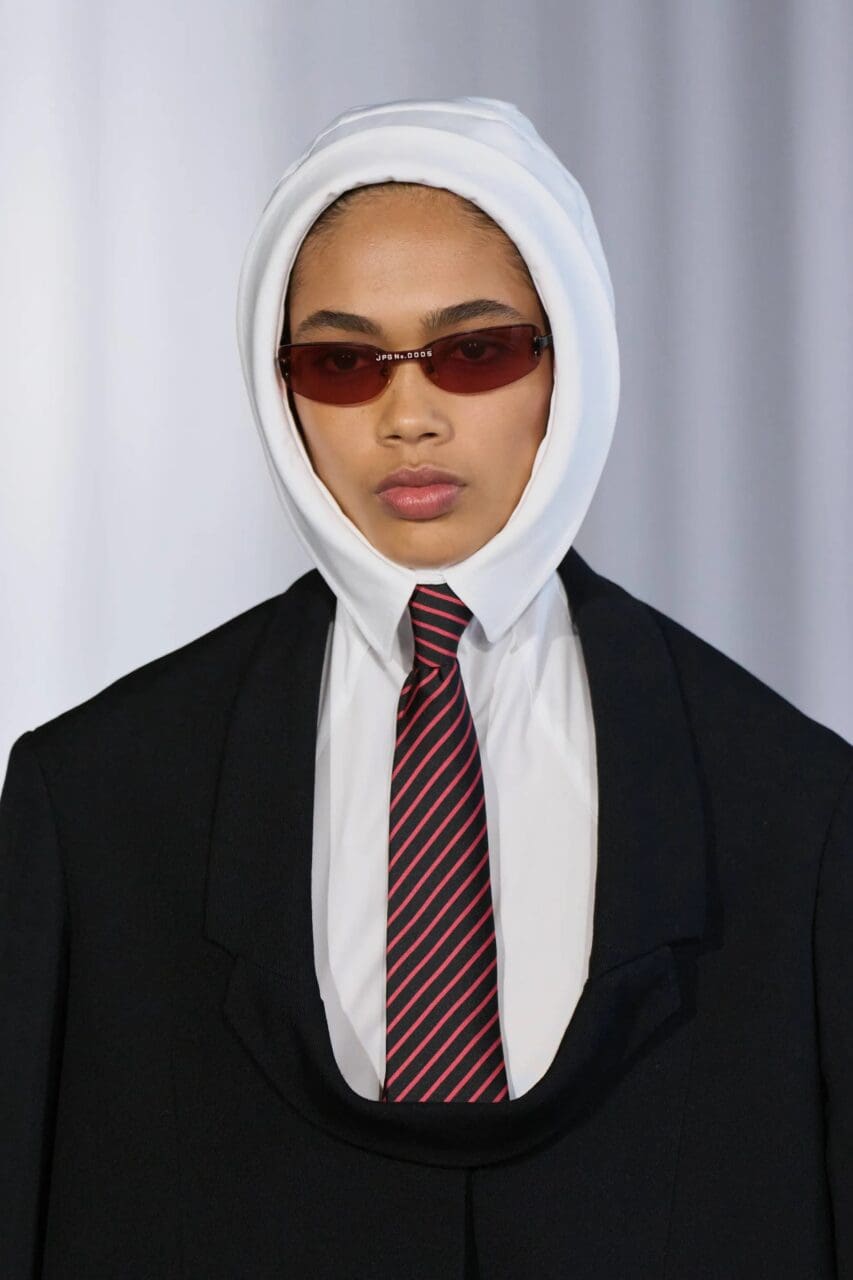
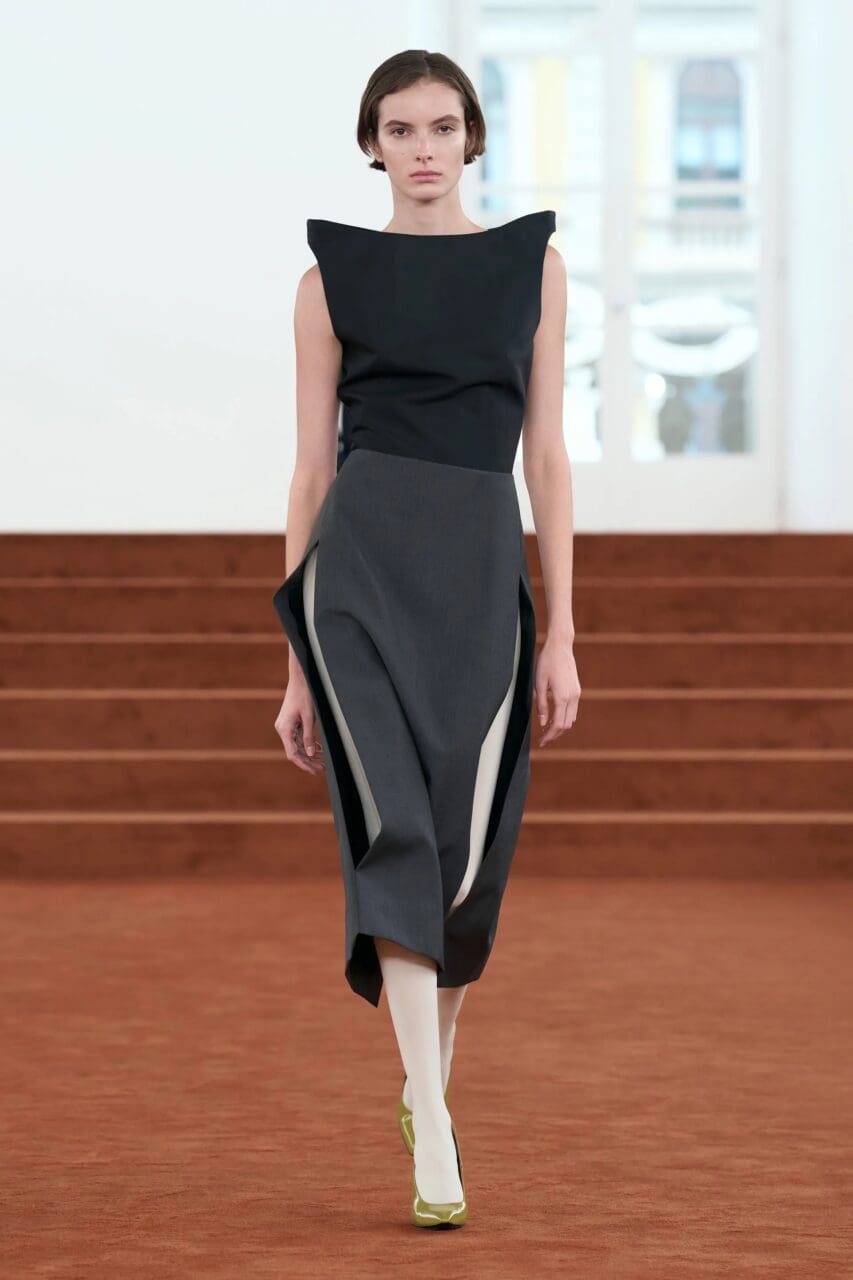
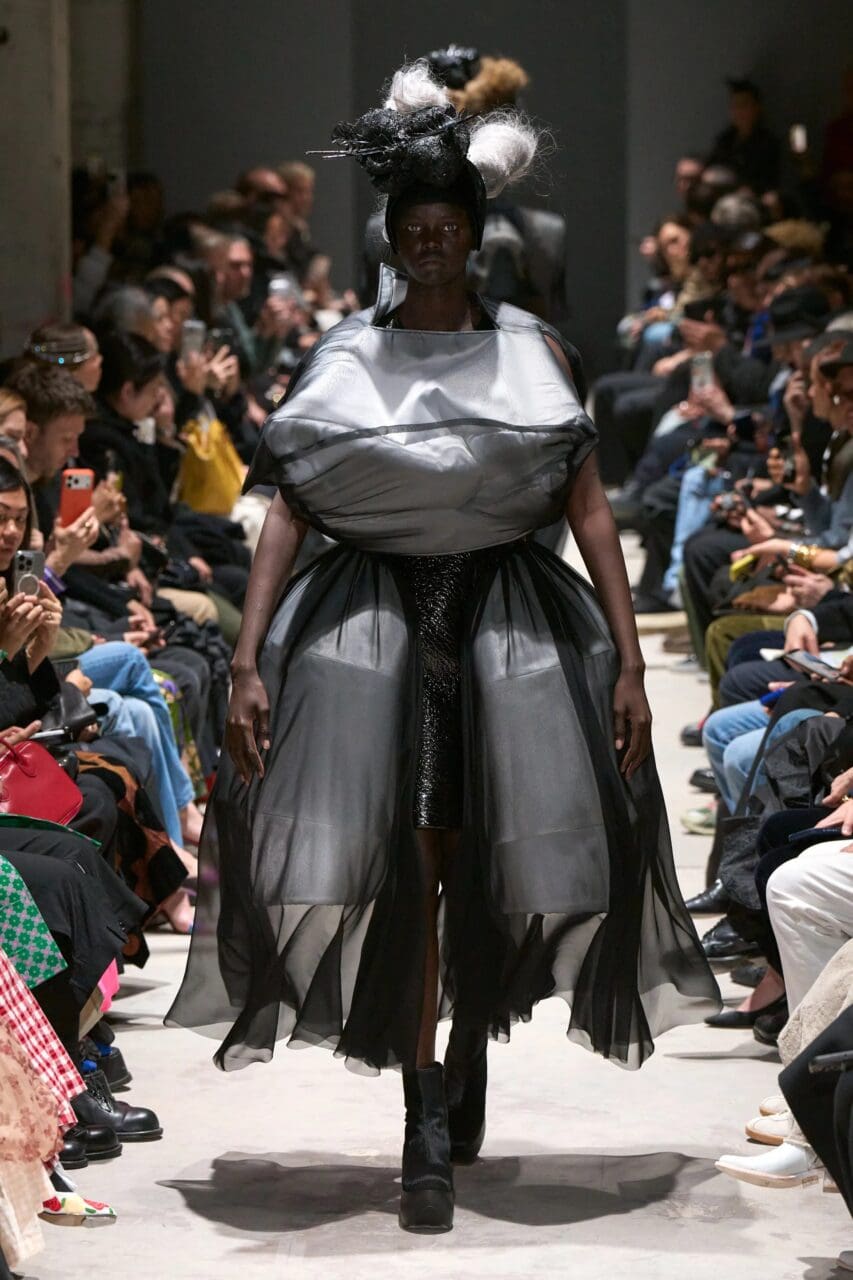
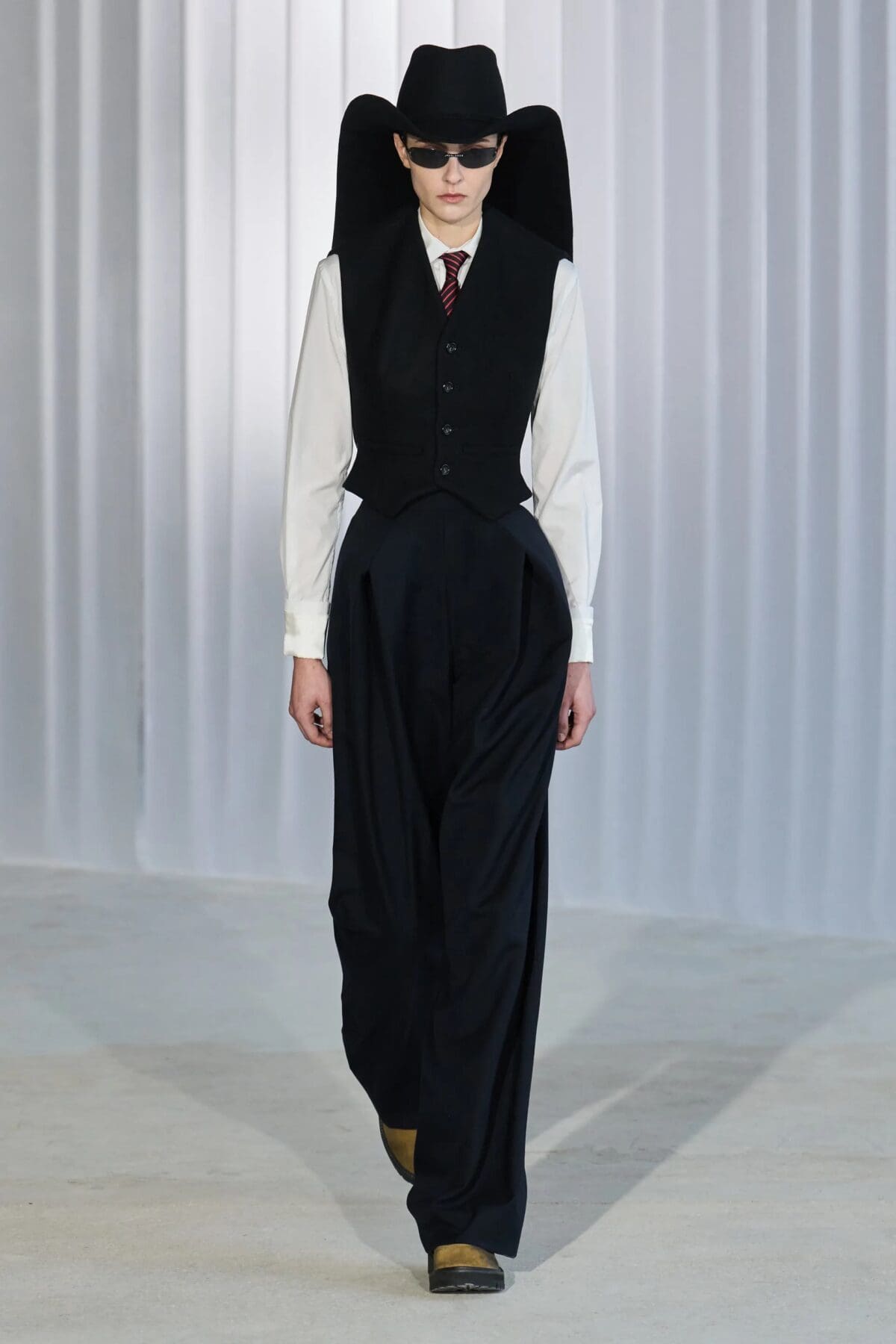
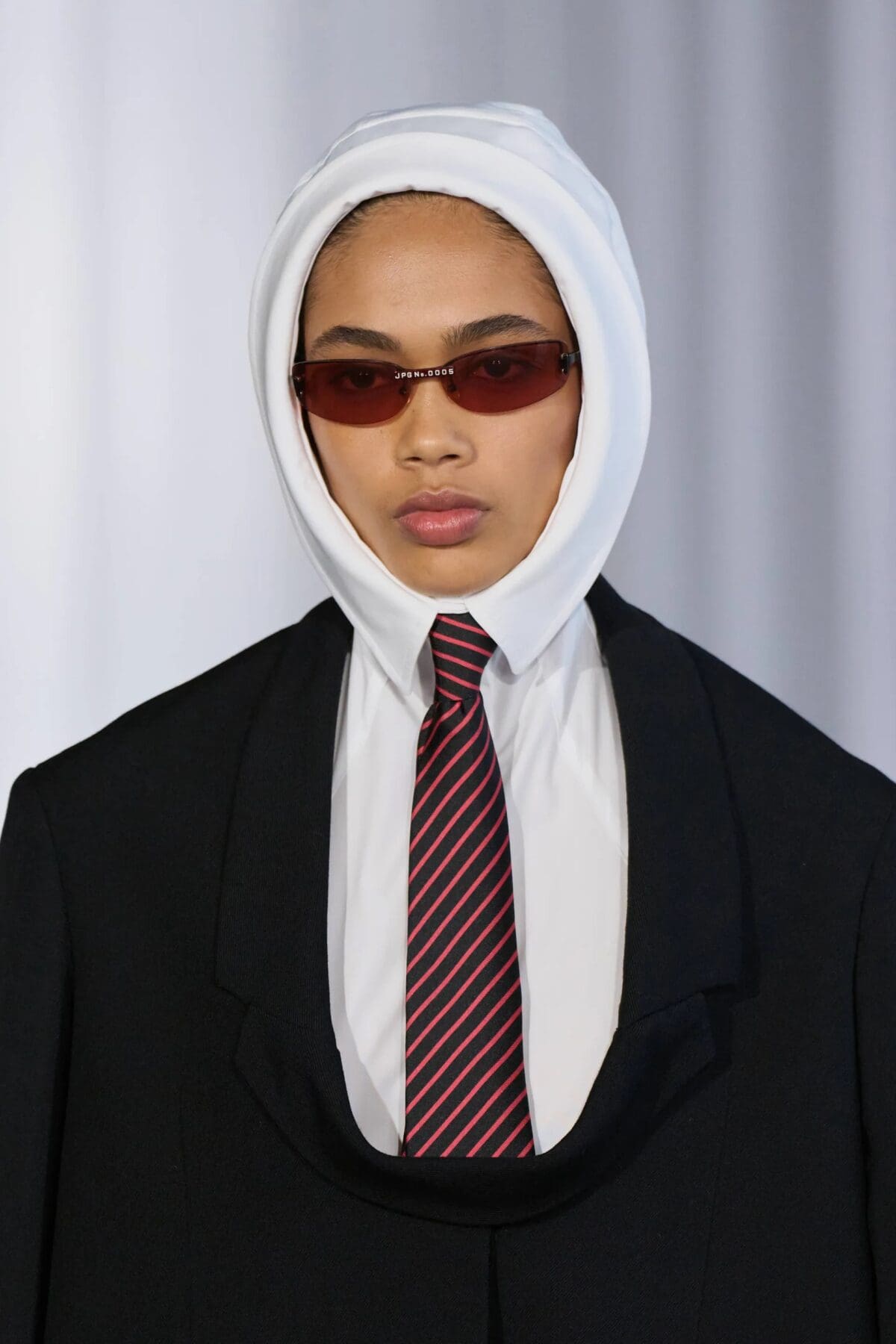
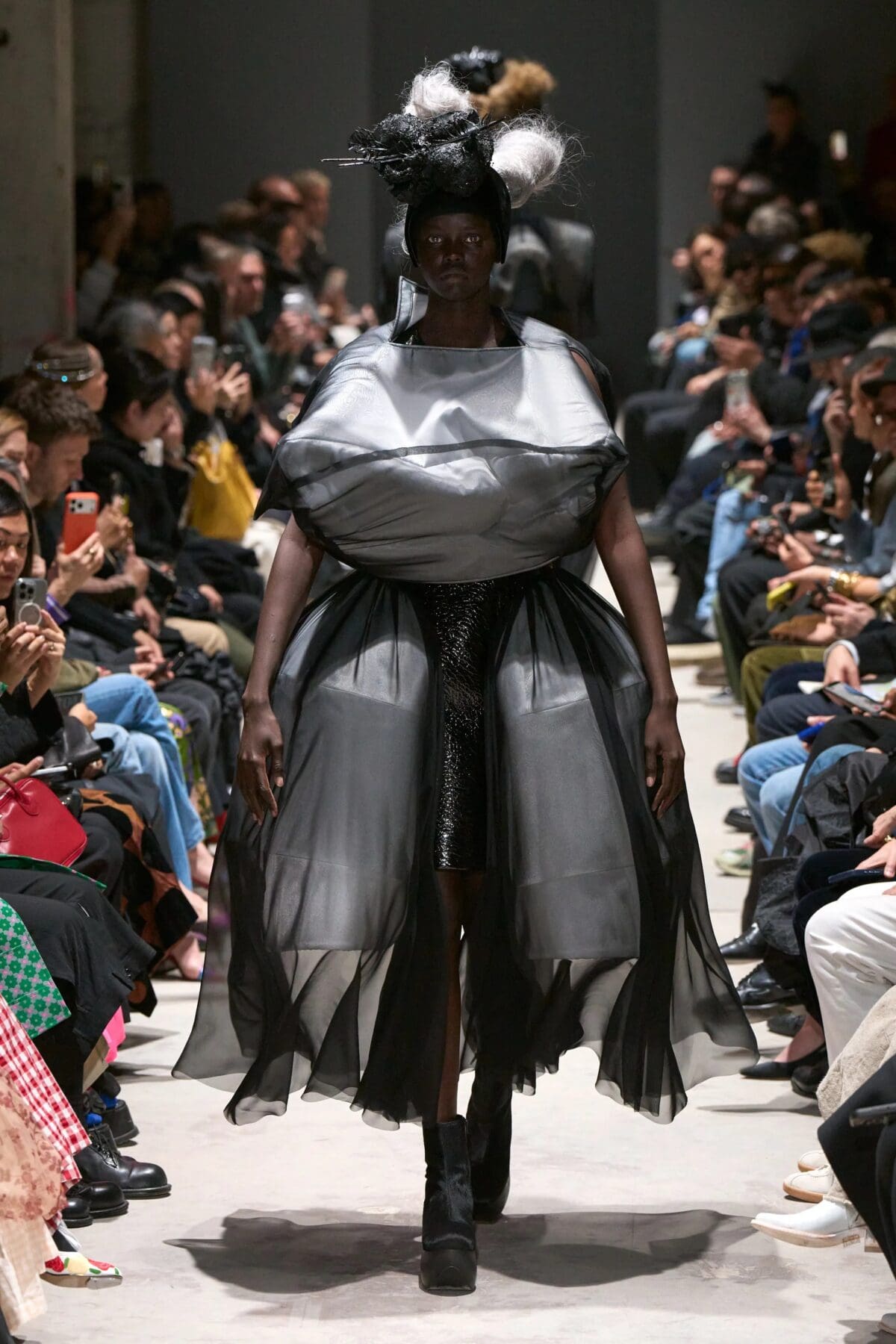
At Jean Paul Gaultier, Duran Lantink treated tailoring almost like a fashion Frankenstein experiment: a bomber was attached to a skirt made from a man’s tailored jacket, a shirt collar grew upwards into a bonnet-like shape and stiff skirts developed unexpected peaks that seemed to have been engineered from shoulder pads. Jil Sander took a quieter route, with collars sliding backwards and shoulders detaching themselves from the body, as though the garments were trying to escape. Elsewhere, Comme des Garçons went full sculptural, sending out huge abstract forms that expanded far beyond the natural proportions of the body.
Are designers obsessed with shoulders, or are shoulders simply having a very good season?
After all, why should clothes simply follow the body when they can rewrite it?
Shop the trend:
Editor
Noella LeeCredit
Lead Image: Vogue Runway