

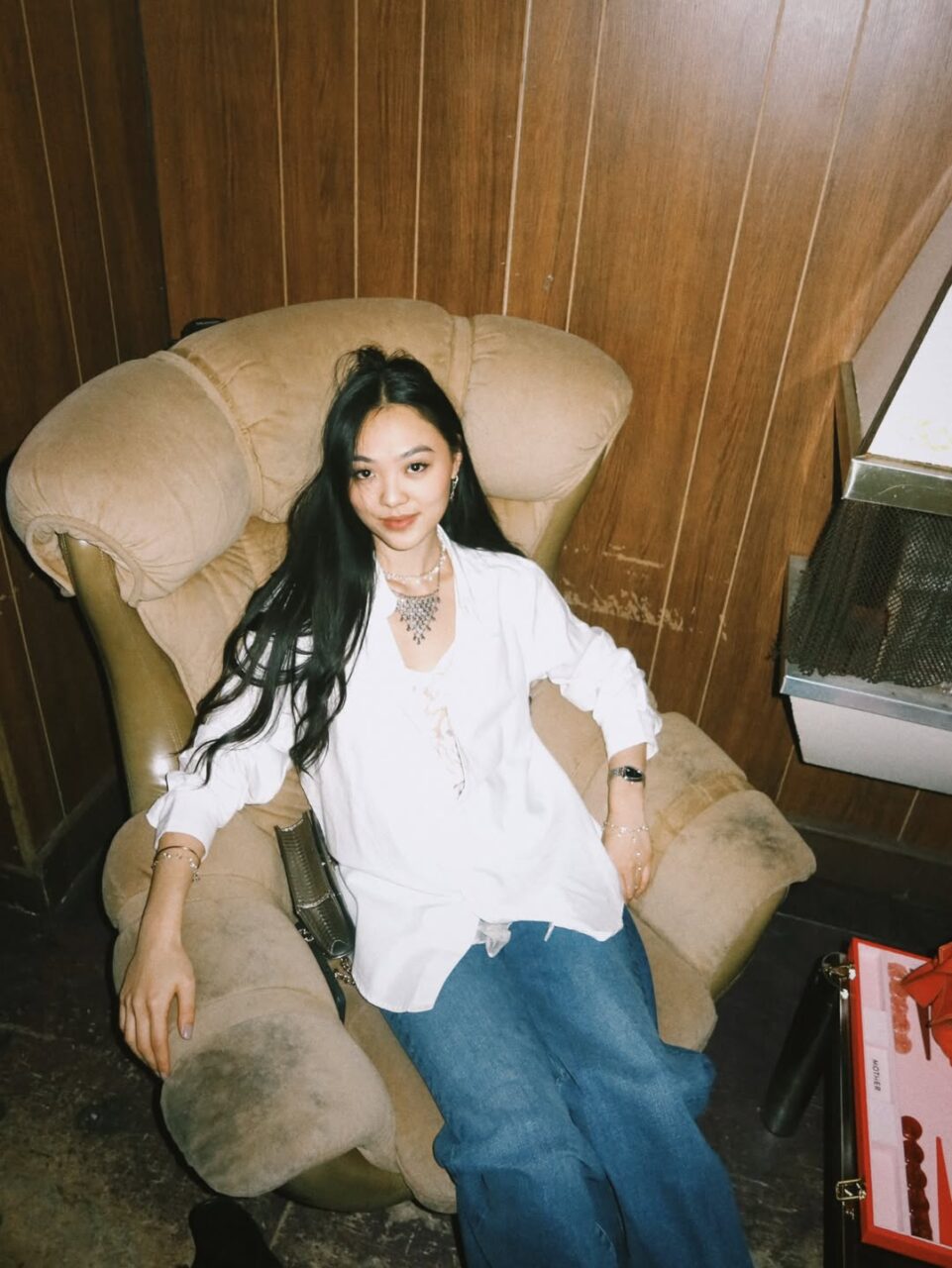
I still remember the first time I met Jane Li, three years ago at Ralph’s Coffee in Landmark. She greeted me with a warm embrace, and soon, and soon we had settled into a cosy corner, coffees and our favourite cookies in hand. The hum of coffee machines and the soft clink of cups filled the air as we talked about everything and anything—memories from college, go-to wardrobe staples, favourite travel destinations… But as the moments passed, she leaned in, her tone softening, and began to share something close to her heart—her dream of starting her own jewellery brand.
This wasn’t just some fleeting idea. She spoke with quiet determination, her words brimming with excitement as she described her plans to trot the globe, visiting ateliers and factories to immerse herself in the art of jewellery-making. As she shared her story, she pulled out her phone, her face lighting up as she showed me the name she had chosen: ALÉIR.
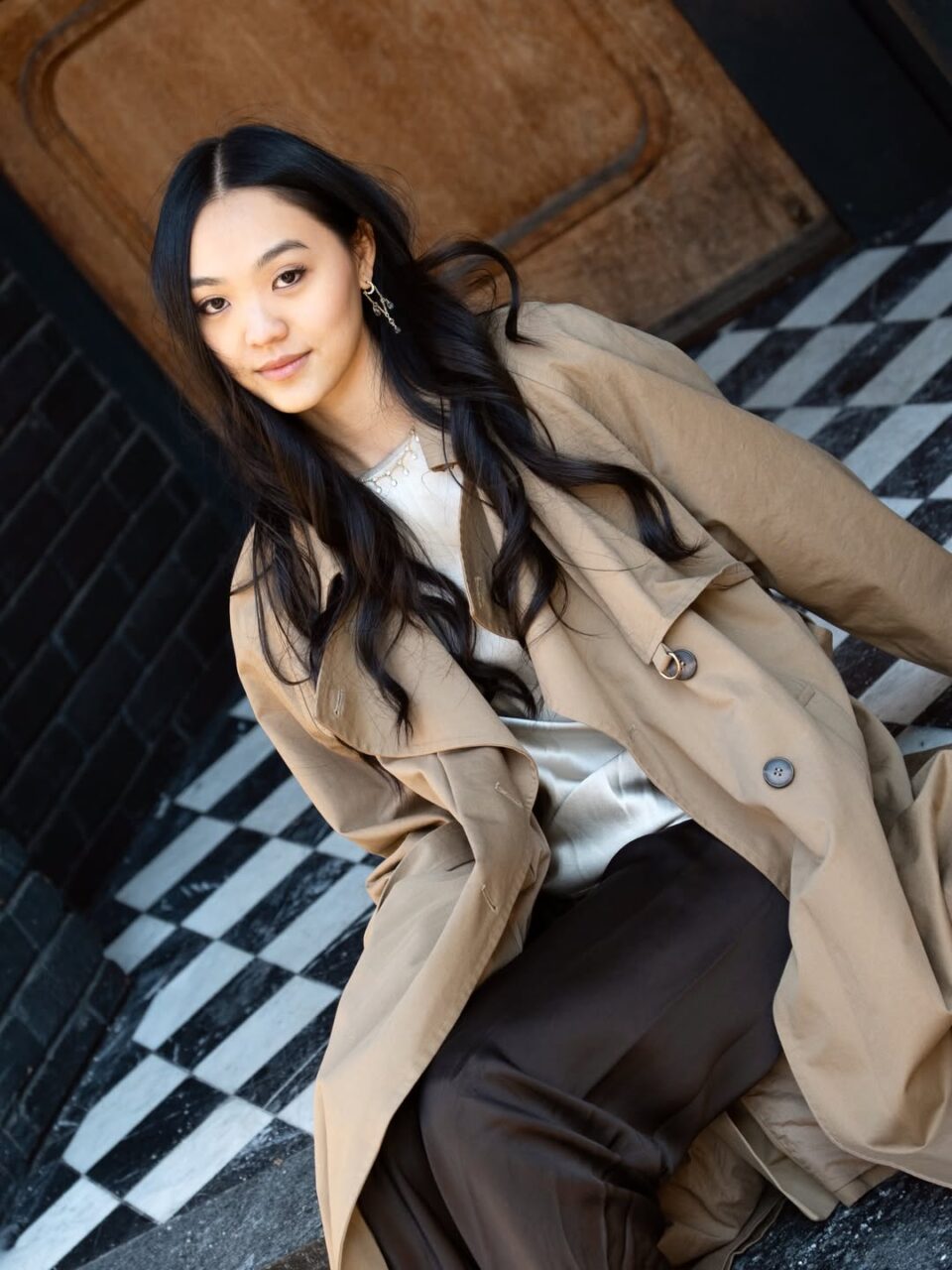
The name ALÉIR, meaning “happy” and “precious”, encapsulates Jane’s childhood. Growing up in a house full of girls, Jane’s father, cinematic legend Jet Li, expressed his love through jewellery, designing and hand-beading pieces for her and her sisters. “He would spend hours with his flashlight, studying how the stones changed under the light, marvelling at how unique each one was,” she recalls with a smile. These hand-made pieces became more than adornments—they were tokens of love, rich with meaning and symbolism that transcended time and distance.
“Not only did I want ALÉIR to bring me a lot of happiness and purpose, but I also just hope to bring joy and meaning into other people’s lives”, she reflects in hindsight as we hop on a call on a crisp November morning, two years since she first shared her dream with me. “We work, of course, with precious materials, and even just in the material and the design itself, I feel like the meaning of the name is embodied.”
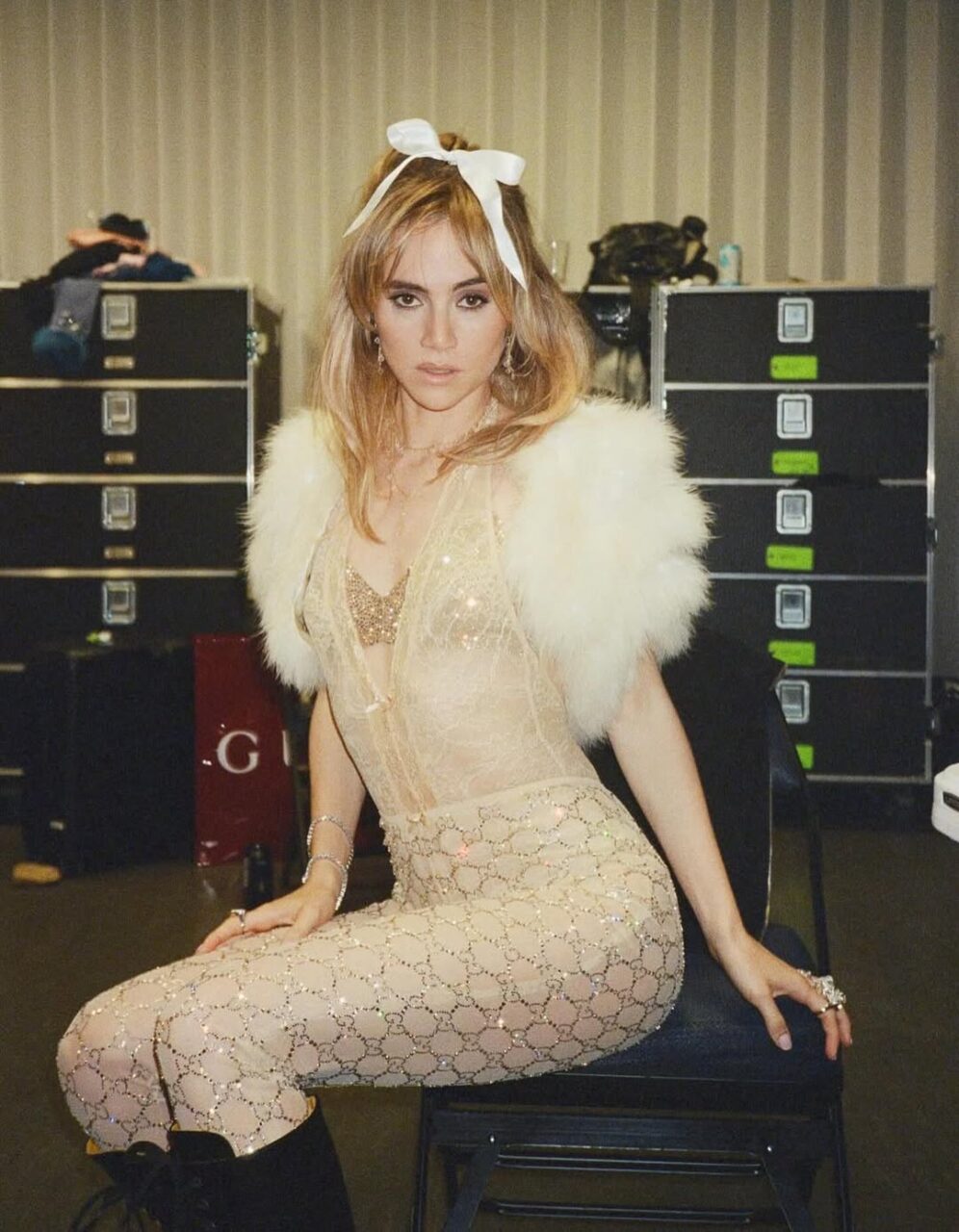
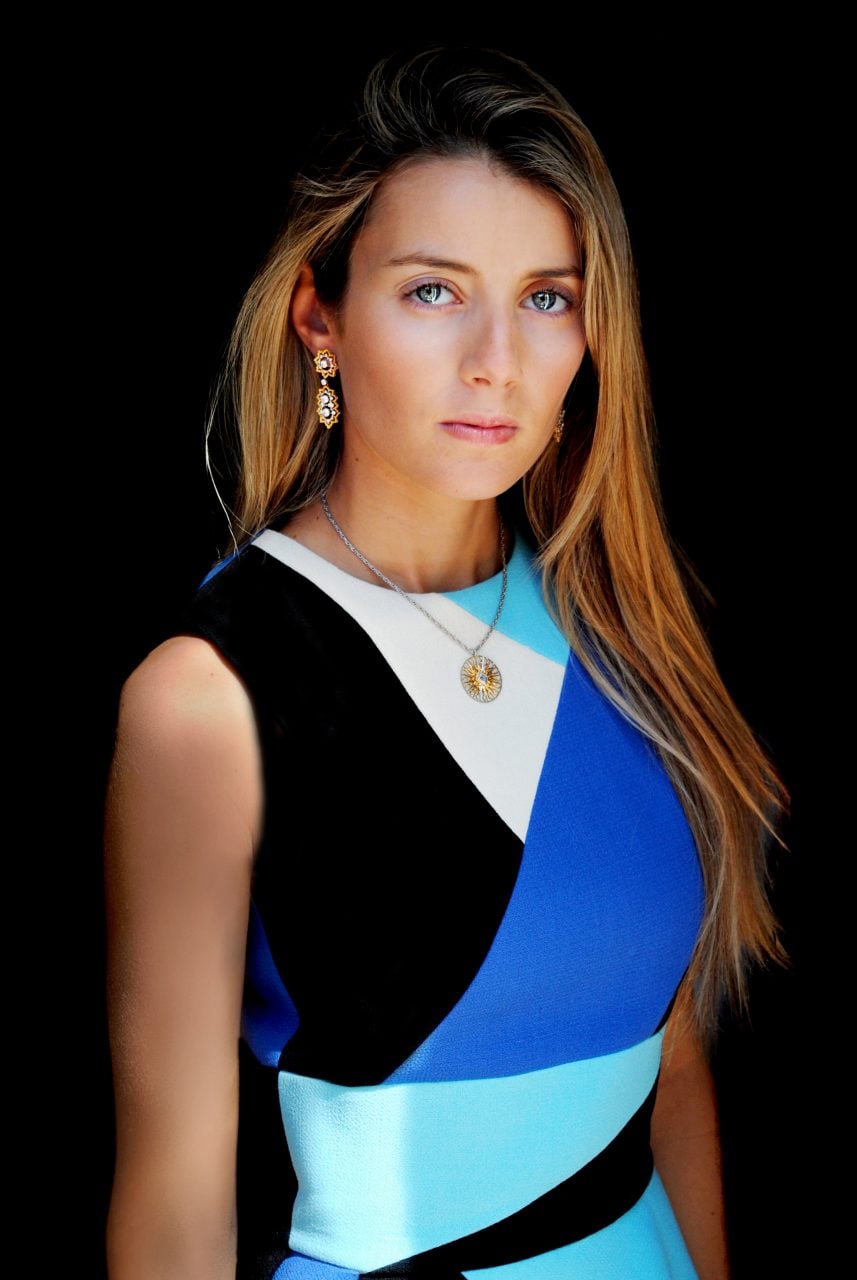
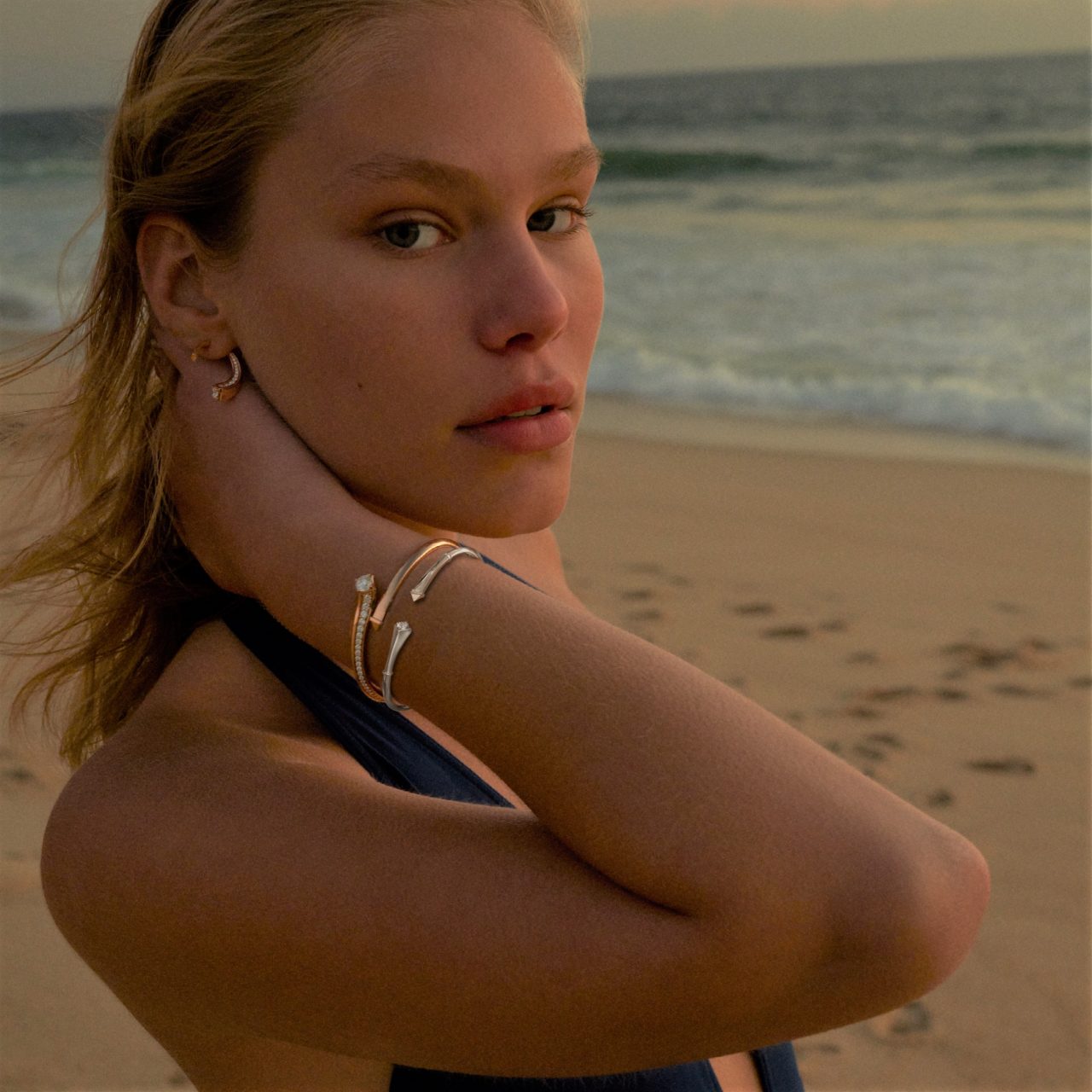
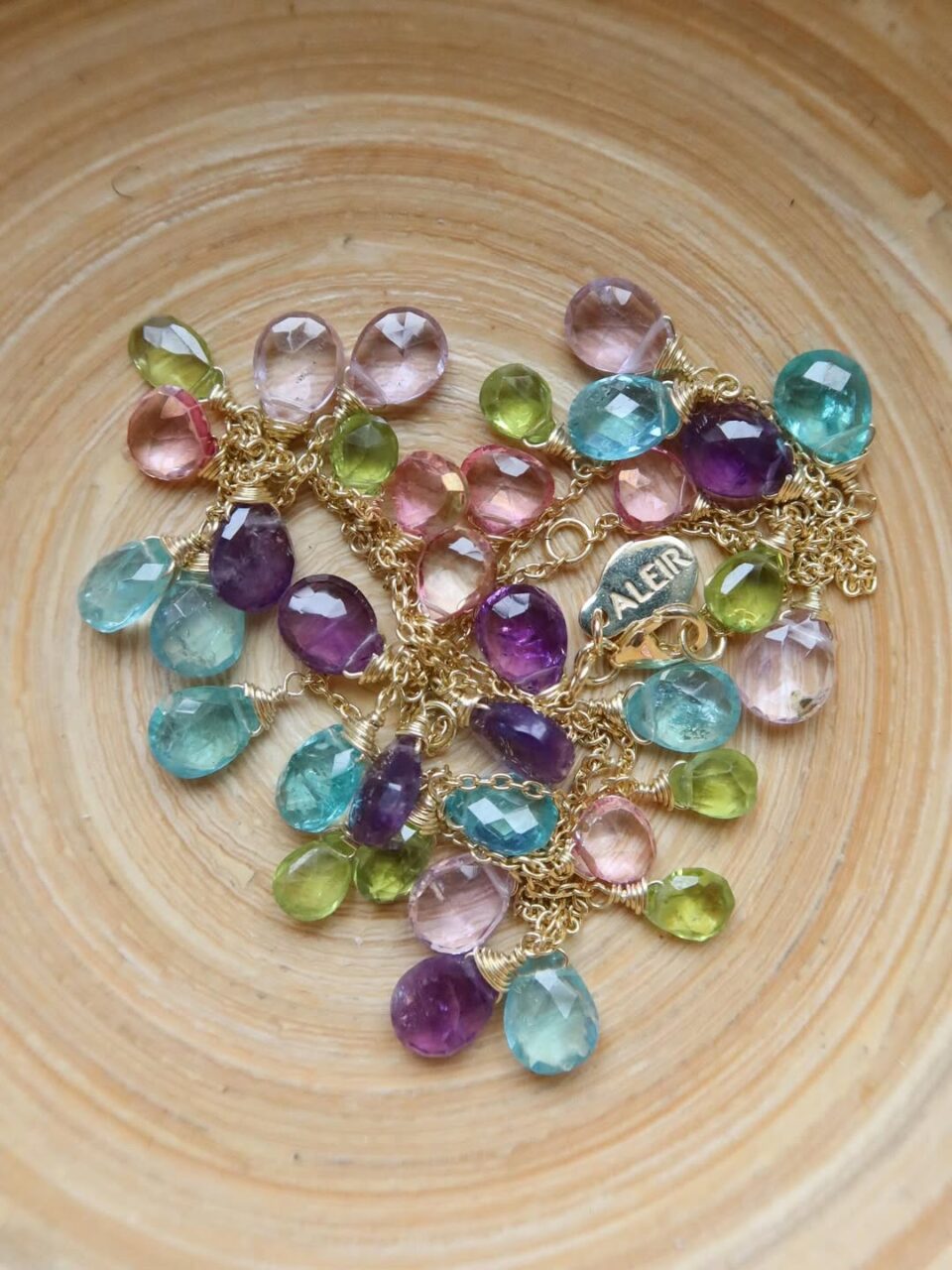
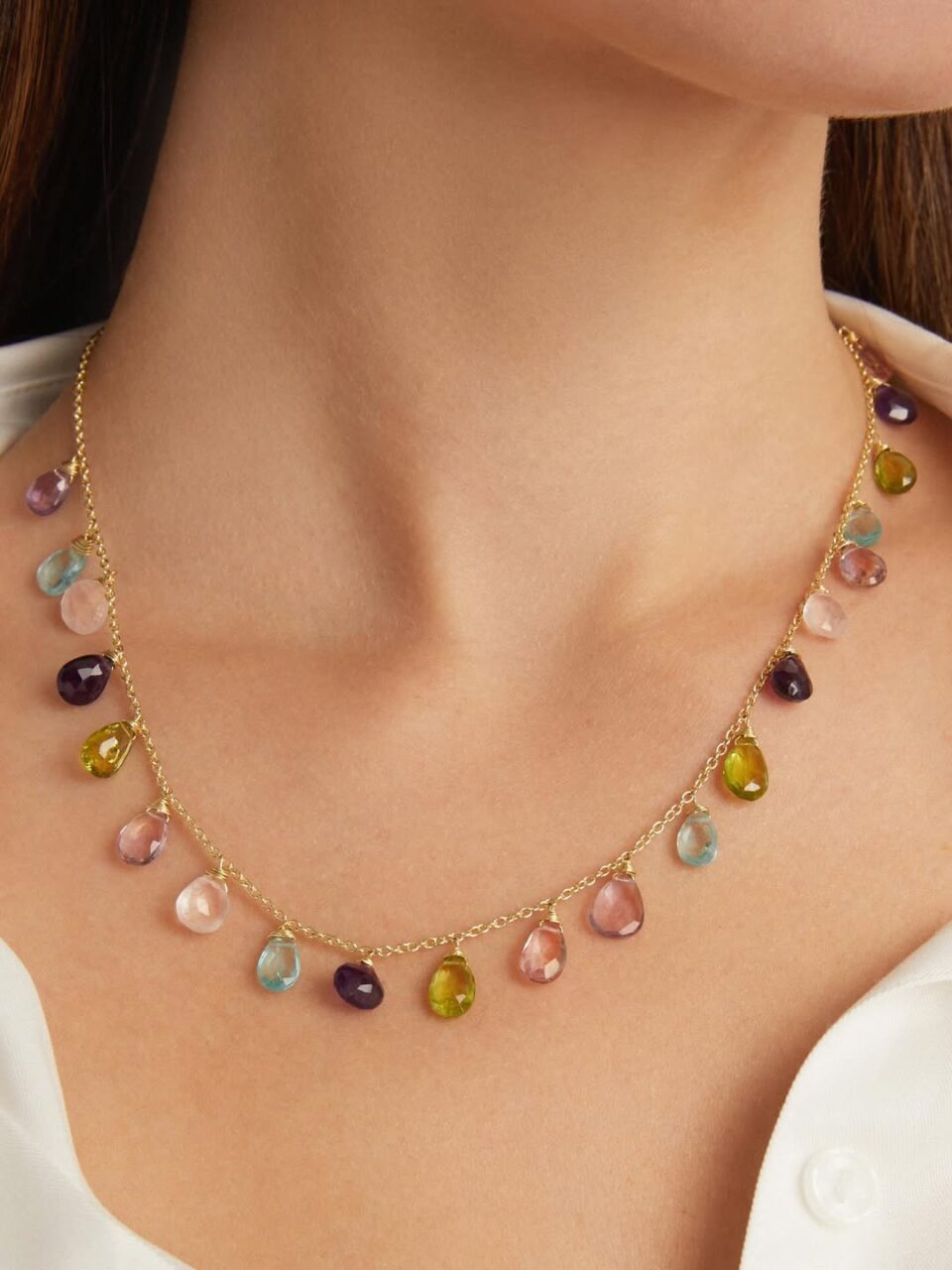
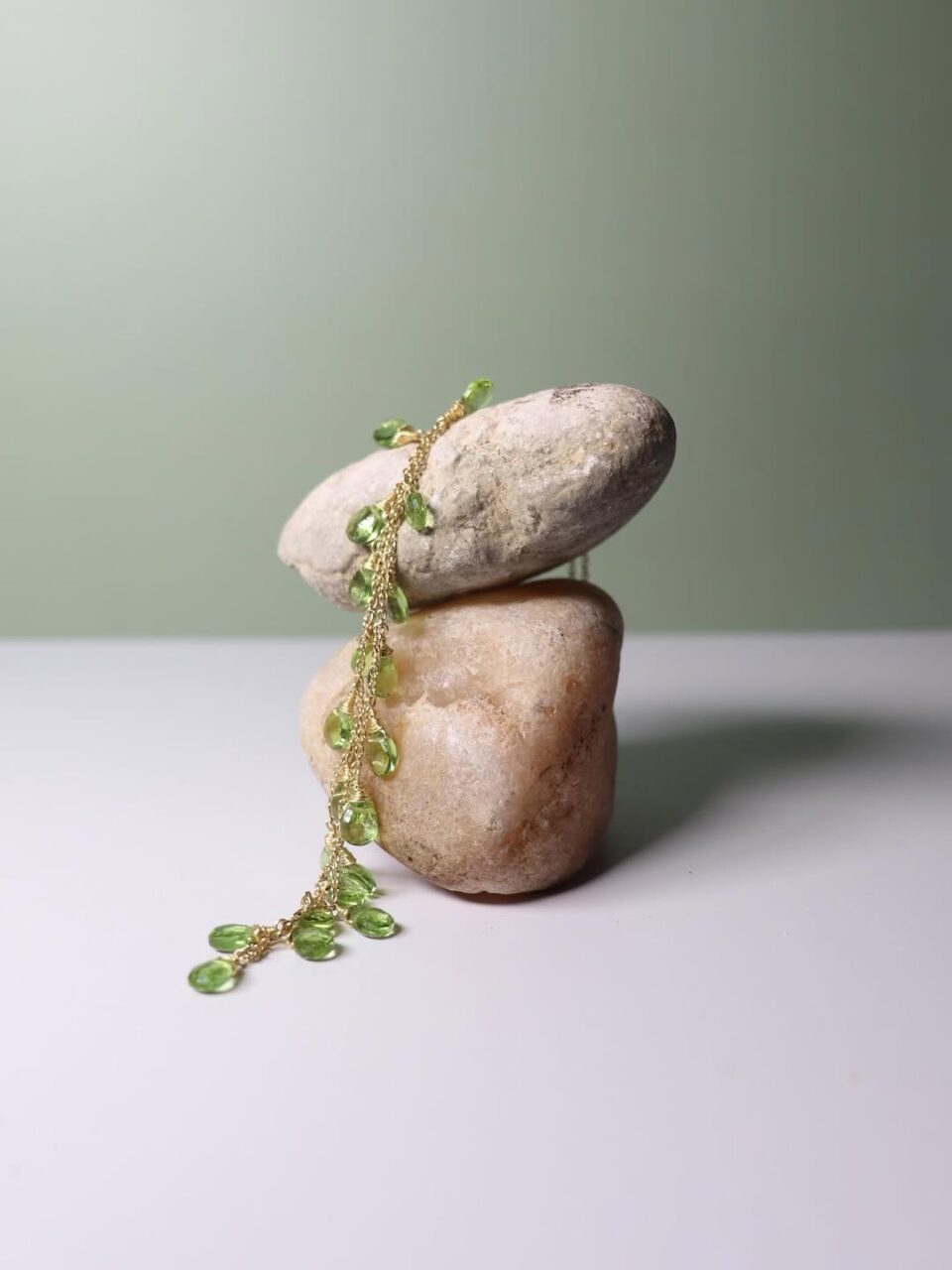
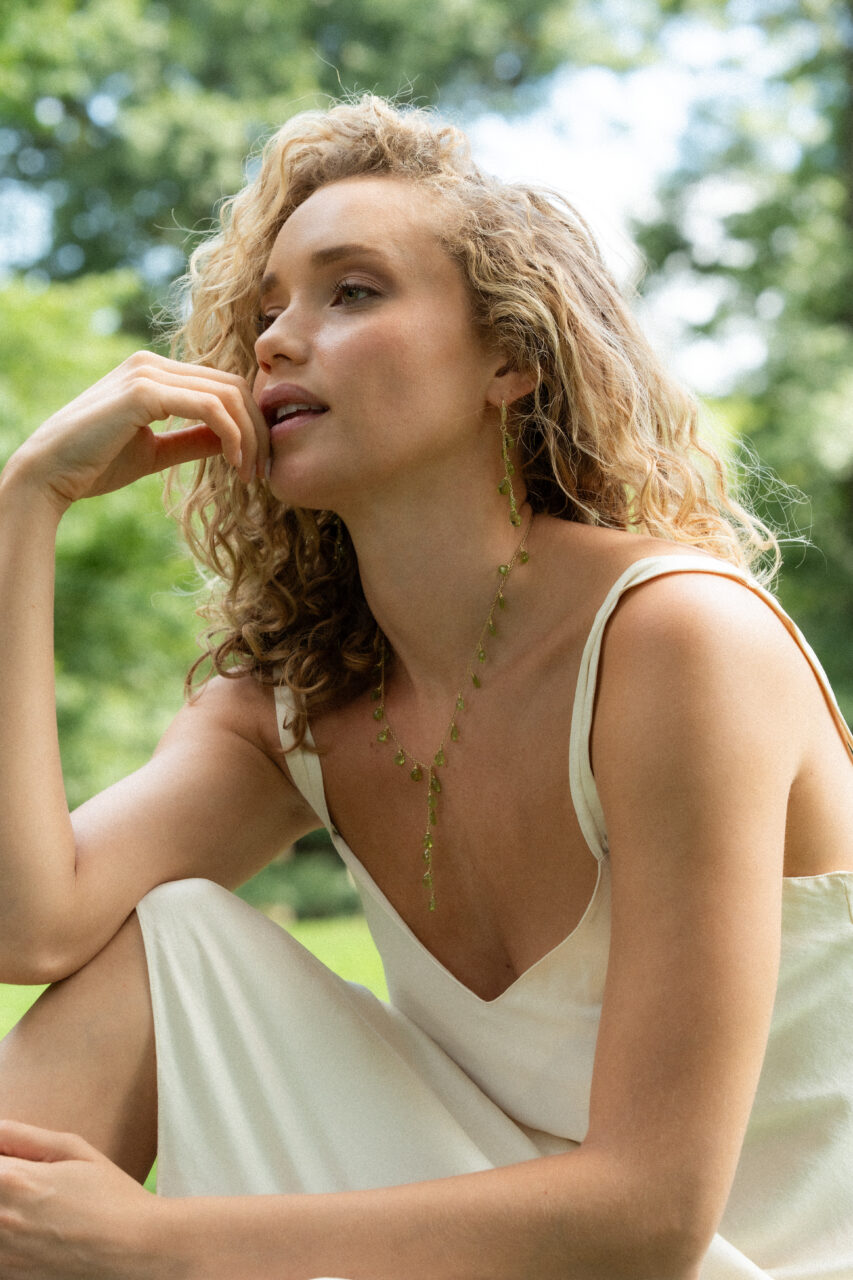
Since its launch in the summer of 2025, ALÉIR has grown into a brand loved by many, even spotted on actress and singer Suki Waterhouse. Known for its elegant designs with a whimsical touch, ALÉIR pieces are crafted with stones such as tiger’s eye, peridot, and rose quartz—each chosen for its energy and symbolic meaning. From cascading lariat necklaces to dainty earrings, every design feels intentional, with descriptions that introduce the customer to the symbolism of each stone.
“I want [anyone who wears ALÉIR to feel inspired, empowered, and connected,” Jane explained. “I want people to feel like they’re wearing something that helps them feel aligned with who they are or who they want to become.” Those who know Jane will tell you this is simply who she is—rooted in thoughtfulness, guided by intention, and deeply attuned to the beauty in the details. ALÉIR is a true reflection of her spirit, where every element feels deliberate, meaningful, and crafted from the heart.
ALÉIR has such a beautiful origin story tied to your father. How did those early experiences of him designing and beading jewellery for you shape your personal connection to art and craftsmanship?
To me, craftsmanship is a very interesting question. In general, I have so much respect for it—especially when it’s done by hand. All of ALÉIR’s jewellery is handcrafted, and I’m constantly impressed by the attention to detail and the time it takes to create these pieces.
What I’ve learned is that not everyone can be a craftsman. My dad, for example, created beautiful pieces, but he wasn’t the most technical or experienced. He made everything out of love. But from him, I learned that almost anyone can be an artist—they can have an eye for beauty and a deep appreciation for it.
What I admired most about watching him was his curiosity. He was such a beginner when he started, but he was so eager and excited to learn. He started by collecting stones and, over time, became obsessed with them. He had literal suitcases full of stones in our house, and he would organise them into boxes with different compartments, each stone carefully placed in its own section. He would spend hours with his flashlight, studying how the stones changed under the light, marvelling at how unique each one was. He also bought stones at auction, ranging from incredibly rare and precious gems to semi-precious ones. What I took away from him is this idea that anyone can appreciate the natural beauty of stones and, in doing so, become an artist. By learning about the materials and putting things together, you can become a kind of collector and curator. That’s something I’ve carried into my own understanding of jewellery. I definitely see myself as a collector and curator, inspired by what I see and experience.
In terms of craftsmanship, though, I lean heavily on experts. I would never call myself the most skilled or experienced craftsman. The pieces I want to create are often beyond my expertise, so I rely on the best artisans to help bring my vision to life. My role is to bring all the elements together—to curate, design, and create pieces that I want to see in the world.
What’s one piece of jewellery your dad made for you that you really remember?
Oh, he’s created so many! What’s special about his pieces is that they’re often tied to specific moments in my life. Sometimes, he’ll give me something that he feels is important for a certain era, and I’ll wear it a lot. Then, at some point, he’ll take it back and either upgrade it or give me something new.
The first piece of jewellery that felt truly substantial to me was the one he made when I left for college. It was this beautiful white jade bracelet. I think of it as my first ‘big girl’ piece of jewellery. Each bead was intricately carved into the shape of a dragon, because I was born in the Year of the Dragon in 2000. My dad worked with a very special artisan in China to create it, and the craftsmanship was incredible. The bracelet also included a piece of gold from the Tang Dynasty, a nod to our family roots, as the House of Li was the ruling family that founded and led that dynasty.
That bracelet was so meaningful to me. My dad wanted it to remind me of where I came from as I started this new chapter of my life. It tied me back to my cultural and familial roots, and it felt like I was carrying a piece of home with me. Even as I moved to the U.S. to attend Harvard, it was something I could wear that was understated but deeply special. It wasn’t just a piece of jewellery, it was a piece of me.
You mentioned your father was inspired by the cultural and spiritual meanings of gemstones. How has that influenced the way you choose and design with specific stones for ALÉIR?
That’s a great question. To be honest, my dad’s relationship with stones is quite personal to him and has evolved over time. When he first started working with stones, he was very curious and at the beginning of his spiritual journey. Over the years, as he’s learned more and deepened his practice, his connection with stones has changed and grown.
For me, I definitely want to highlight the different stories that come with each stone—what they’ve meant across cultures and throughout history. I find that kind of depth really fascinating and inspiring. I like working with stones that carry universal meanings, ones that people can connect to and resonate with in their daily lives. But I don’t think I approach it in quite the same way my dad does. He made jewellery specifically for himself, with clear goals and intentions in mind.
In my case, I want to make stones more accessible and meaningful for others, to help people connect with them in a way that feels personal. I wouldn’t necessarily say I’m trying to educate people, but more to share their stories and significance. I’m also less particular than my dad when it comes to choosing stones for a specific collection—my focus is more on creating something that feels relatable and meaningful to a wider audience.
What does your design process look like from start to finish? Do you start with the meaning behind a piece, the stone, or the inspiration?
Well, I wouldn’t say I have a set process, because I’m inspired by so many different things—people, places, and what I see. When I describe myself as a curator and a collector, I really mean it. I take it seriously. I record everything and see what truly resonates and stays with me over time.
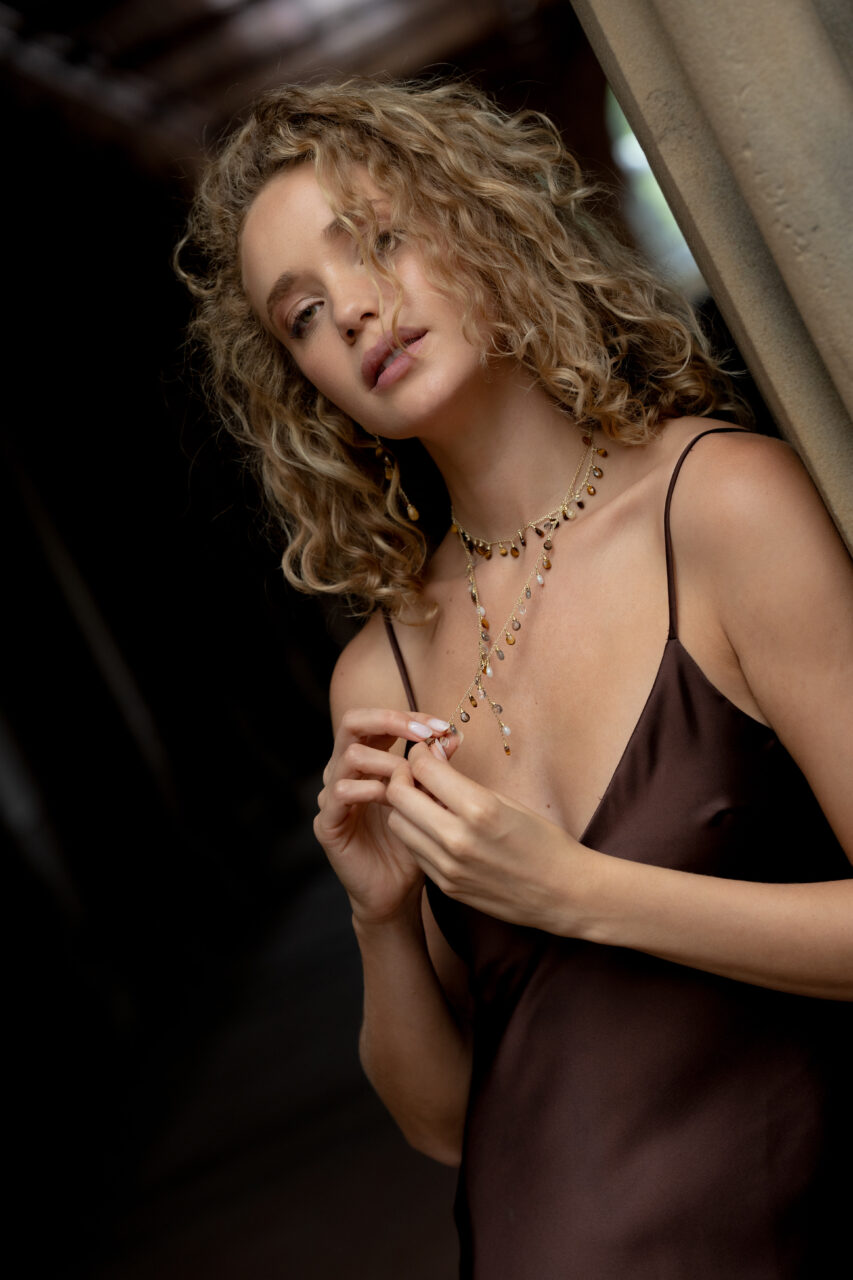
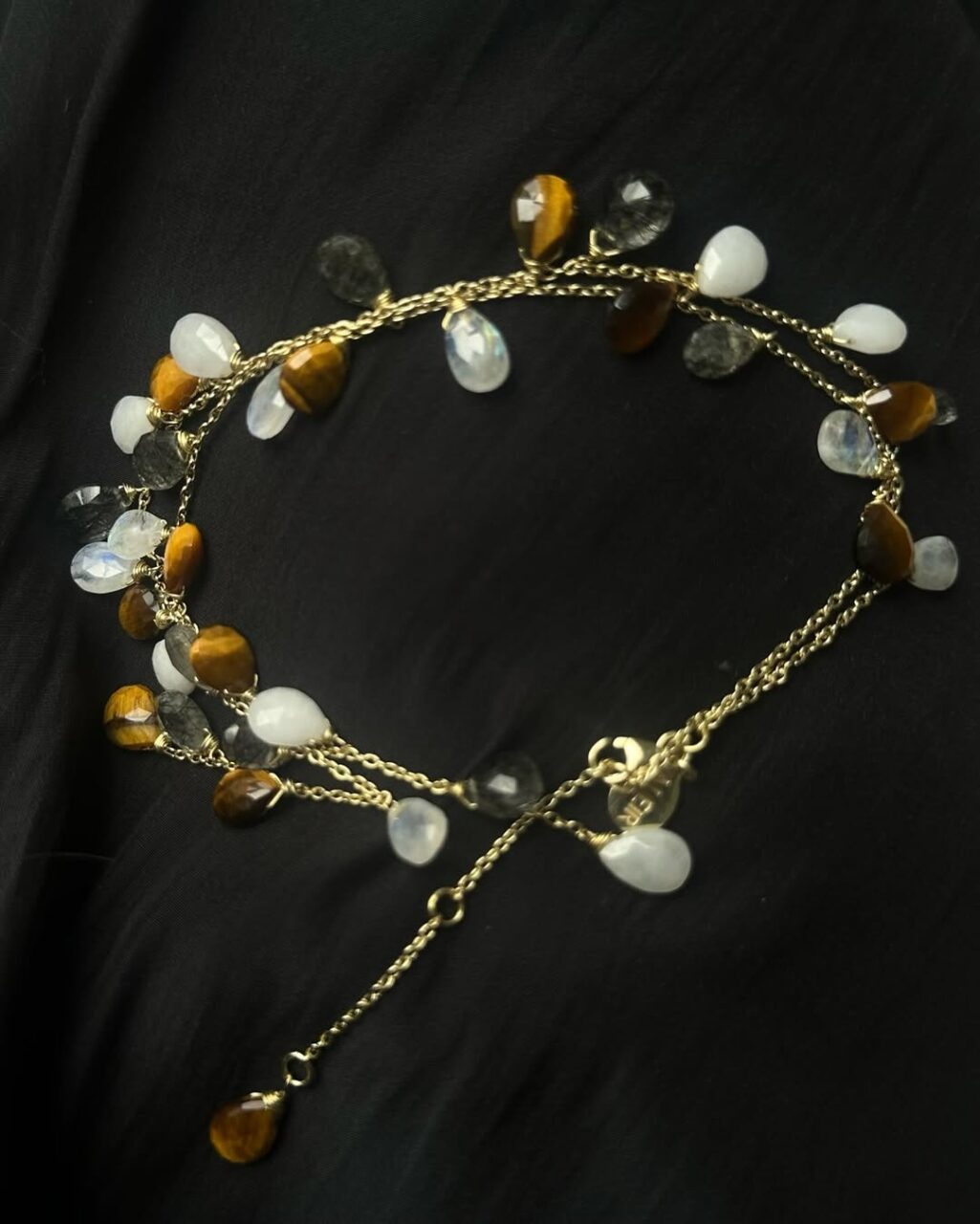
Our first collection, which we launched, was called the Iris Collection. Personally, I wanted this collection to embody a sense of whimsy and wearability—something I really wanted ALÉIR’s pieces to represent. I knew I wanted to explore many ideas and inspirations, and they all came together in this design. Specifically, I wanted to push the boundaries of what beading could be. I think that, traditionally, when people think of beaded jewellery, they think of something simple, like beads strung on a string, which is how my dad approached it. But I wanted to reinterpret it in my own way, put my own touch on it, and push the design further.
For the Iris Collection, I focused on beading techniques that incorporated movement so the pieces would flow and move with you throughout your day. I also wanted to use multiple stones, allowing people to connect with the stones they’re drawn to, swap them out, and feel inspired, motivated, or reminded to act in a particular way. The name of the collection, Iris, comes from Greek mythology. Iris, the goddess of the rainbow, is also a messenger and symbolises communication and celestial connections. I wanted these ideas to shine through in the design—movement, whimsy, and a sense of play.
Where did you first come across the beading technique you used?
I think I was in Italy at the time, travelling through Tuscany. I love to travel, and I went to this massive vintage and flea market where they essentially closed down the entire town so vendors from all over could set up booths. It was incredible. I remember sorting through a lot of antique jewellery, spending time looking at different pieces, and coming across some beaded techniques that caught my eye. They weren’t exactly the same as what we do now, but I was really intrigued and drawn to them.
When I started working with artisans for ALÉIR, I wanted to explore whether we could incorporate something similar and achieve a similar feel. The solution we came to was this technique. What I’d seen back then wasn’t really beading—it was more costume jewellery—but this feels like a more elevated version of that. That experience in Tuscany was definitely the first time I saw something like this, and over time, I’ve seen similar ideas in different forms, but never strung in the way that we string it now.
It’s been so exciting to create something unique, and I think that’s reflected in how people respond to our pieces. A lot of people who’ve seen ALÉIR’s designs have said, ‘I’ve never seen beading like this before,’ and that’s been really rewarding. It feels great to bring something fresh and distinctive to the table.
Personally, do you have a gemstone or material that means a lot to you?
Personally, no, I wouldn’t say there’s one specific gemstone or material that I’m particularly drawn to. I feel like I’m still in an exploratory phase, where different days call for different stones depending on my mood. I don’t think there’s a single stone that can fully encompass everything I feel or stand for.
That said, I do feel a deep connection to jade. It’s a stone that holds so much meaning for my family and Chinese culture in general. I haven’t used jade in any of my collections yet because it’s something I want to approach with the utmost care. Jade is so important culturally, and in China, it’s created with such artistry and significance. I’ve seen it done poorly overseas, and I think that’s why I’ve hesitated to incorporate it. To me, jade is so meaningful that it feels almost intimidating to work with—I don’t want to ruin it or approach it in a way that doesn’t do it justice.
Beyond that, I think the stones I’ve chosen so far have been more about what works best with my designs. I wouldn’t say they’re necessarily the most personal to me, but I know they carry meaning for others, and that’s important too. Stones like jade hold a lot of cultural and historical significance for East Asians, and for now, I’ve chosen to honour that by leaving it untouched in my work. I don’t think everything you love has to be incorporated into your designs.
What do you hope someone feels when they put on an ALÉIR necklace?
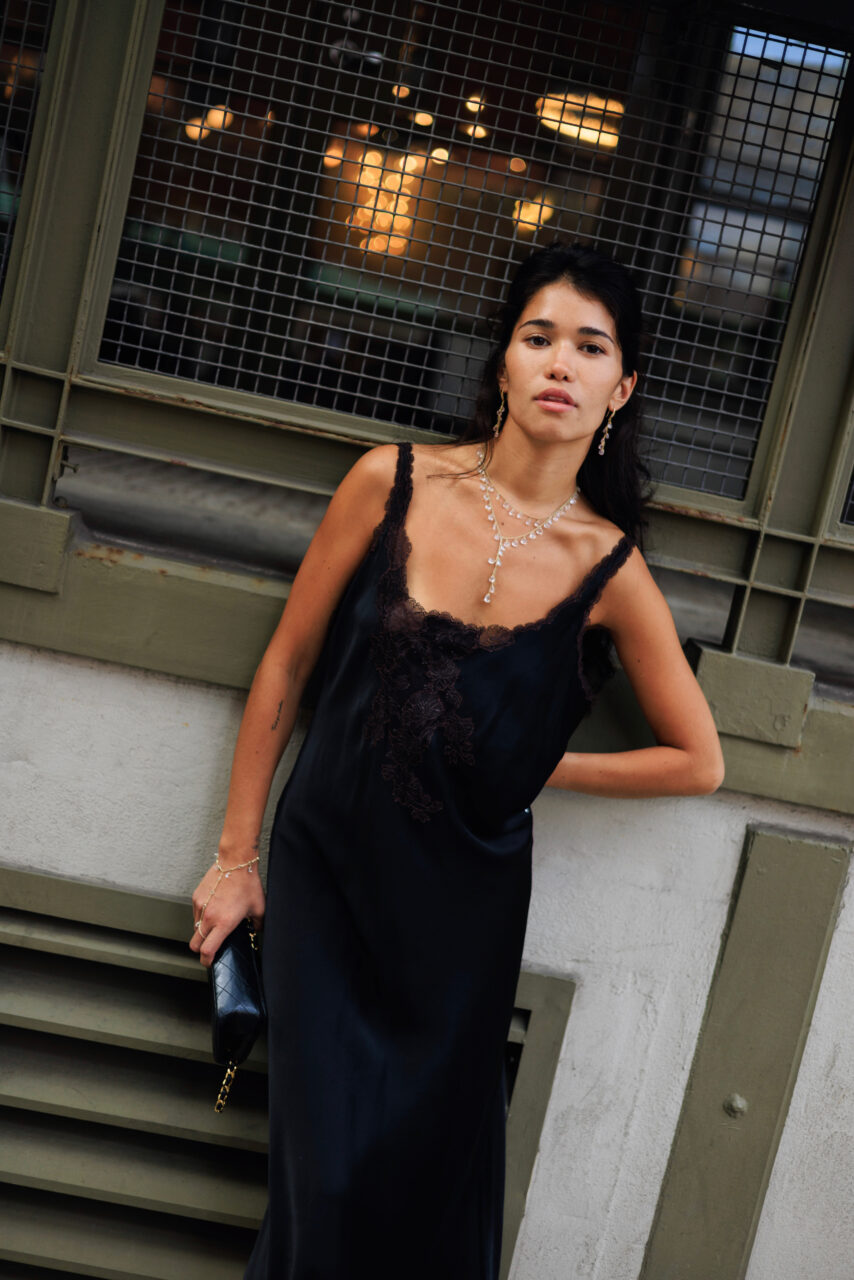
I want them to feel inspired, empowered, and connected. As I’ve mentioned, there’s a lot of whimsy and playfulness in the designs—even in the movement and the colours. But more than that, I want people to feel that the jewellery resonates with them. The stones they wear have meanings that align with what they’re striving for—whether it’s to feel grounded, healed, or inspired.
I wouldn’t necessarily call it manifestation, but I want people to feel like they’re wearing something that helps them feel aligned with who they are or who they want to become. It’s like putting on an outfit that makes you feel confident and ready to take on the day—it’s about that connection between what you wear and how it makes you feel. I want the jewellery to have that same effect.
What’s special about jewellery is that it can carry so much meaning. It can be a symbol that everyone sees and understands immediately, or it can be something deeply personal—a secret that only you know. As long as it feels meaningful to you, that’s what matters. Jewellery has this unique ability to connect you to yourself, to your aspirations, and even to the world around you. That’s the feeling I hope people have when they wear ALÉIR.