

We bring some bad news. Although campaigns to ban single-use plastic have never been more widespread, at our planet’s current rate of plastic consumption – purchasing one million plastic bottles per minute and using double the amount of plastic bags – come the year 2050, we could be seeing more waste than fish in our oceans.
To add to that, global temperature is rising; many endangered species run the risk of going extinct as their habitats continue to deplete; even sunsets have been coloured dystopian by wildfire smoke.
Impending climate doom is not as simple as phasing out plastic from our lives, with corporations being largely to blame for many of these recent natural disasters. But does that render our own lifestyle changes pointless? In reality, corporate and consumer choices are two sides to the same coin. Co-founder of the Climate Accountability Institute, Richard Heede argues that environmental responsibility falls on all of us – after all the products that are damaging to the planet are made for us. Heede also adds that no one wants to feel powerless against climate crisis. Most of us want to feel like actions have consequences. “There’s personal satisfaction in doing right by ourselves,” Heede says, “We can’t solve the problem by ourselves but it would be a morally better choice to attempt to do something and derive satisfaction by it.”
With that said, one way to reduce climate impact is to adopt a zero-waste lifestyle or in the least, find ways to implement it in your everyday life. Even if individuals cannot prevent climate change, supporting ethical companies, shopping for preloved items, and getting involved in your local environmental issues is ultimately a step for good and one you can take.
And catching wind of this, there has been a growing community of zero-waste and bulk stores in Hong Kong that help to make everyday sustainability more accessible.
What does being ‘zero-waste’ mean?
Although the term ‘zero-waste’ wasn’t formally coined until the 70s, the idea behind the concept harkens back to how civilizations lived before the hey-dey of packaging turned our modern world into an ultra-disposable, throwaway society.
It might be useful to think of zero-waste as an all-encompassing movement encouraging lifestyle practices that are mindful of the environment. This may mean shopping secondhand, supporting companies with their own ethical standards, adopting a meatless diet, and of course, reducing single-use consumption.
Important to note, however, is how easy it is to oversimplify sustainable messaging. The reality of the zero-waste life is that it is often easier said than done. To be 100% waste-free would require extreme diligence that is very rarely, if ever compatible with our highly optimised lives. Rather than striving for absolute perfection, more recent waves of the zero-waste movement encourage people to think outside the mason jar and more broadly about sustainable living as a whole.
Some form of waste is inevitable. An inclusive and honest approach to the zero-waste movement is necessary to create real environmental impact and highlighting the most accessible ways individuals can make changes acknowledges that while these changes may take adjustment or uproot us from our comfortable lives, it’s not impossible to minimize waste.
Where to find zero-waste goods or sustainable alternatives:
Live Zero HK
View this post on Instagram
Perhaps the most talked-about bulk goods store in Hong Kong, Live Zero caters to eco-conscious citizens on both ends of the city. With depots in Sai Ying Pun and Sai Kung, Live Zero selection of sustainable lifestyle products extends beyond snacks and dry food to encompass different home goods, reusable utensils, and even beauty! Find everything from different types of reusable menstrual products to wax & resin for your own DIY cosmetics.
Slowood
View this post on Instagram
With locations across Kennedy Town, Discovery Bay, Sha Tin, and now in the newly reminted Central Market, slowood is Hong Kong’s answer to hygge. The store offers up eco-alternatives to as many everyday products as possible, venturing to become a one-stop shop for your sustainable practices. Marked by its Scandinavian interiors, the store stocks hand-picked goods from places such as Canada, New Zealand, and the Netherlands, with best-selling items like organic kombucha, silicone reusable food pouches, and cotton makeup remover pads.
Bamboa
View this post on Instagram
Before Julia Washborne left her job as a purchasing manager for Hong Kong, the environmentalist was exposed to all sorts of dark truths about waste and pollution. Since then, Washbourne has founded Bamboa, a home and lifestyle brand with physical retail presence at Culture Cove and Flex Studio. With a range of beautiful, sustainable goods, Bamboa uses 100% bamboo fibres in its bedding, homeware, and apparel. The brand has even started to grow its own bamboo as a way of ensuring its utmost quality, as well as giving back to various rural communities.
ecostore
View this post on Instagram
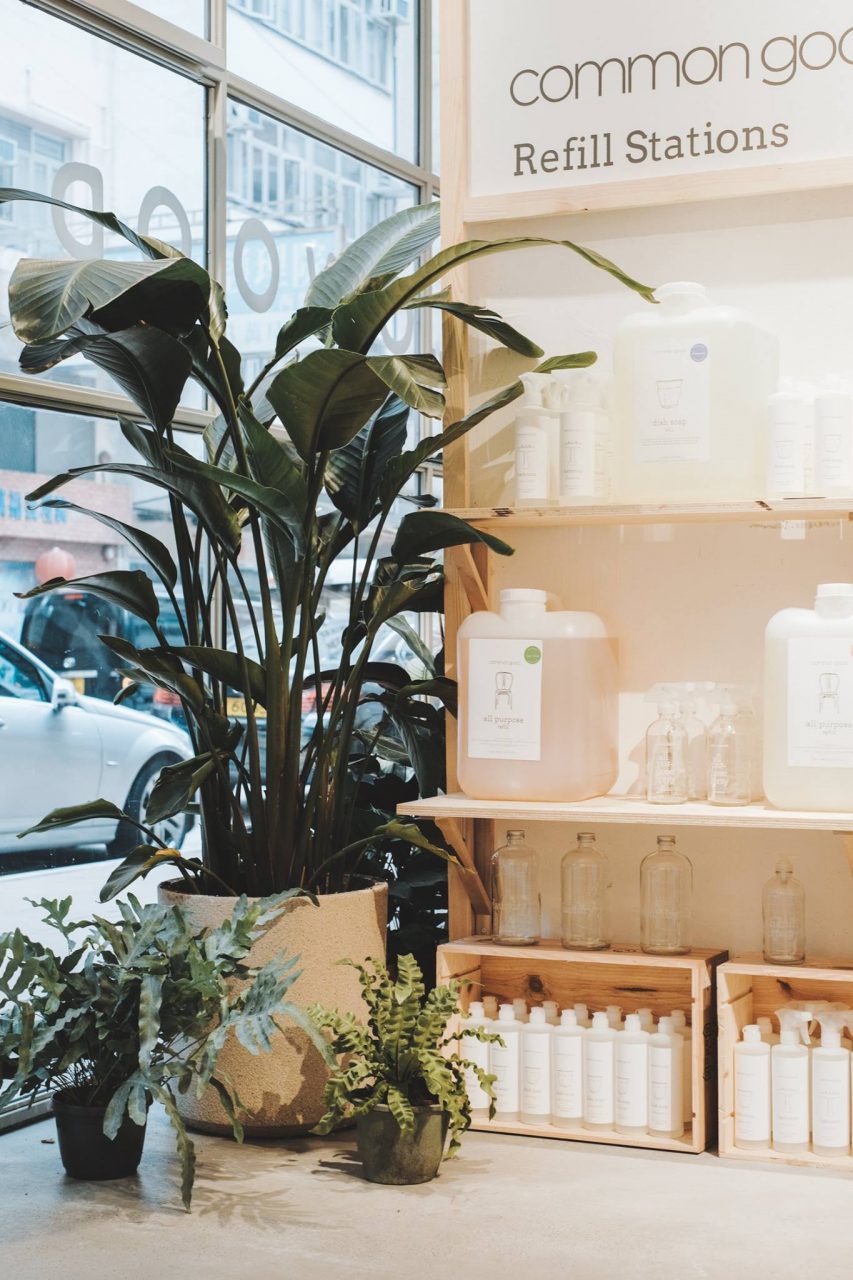
Look to ecostore for a full range of accessible, eco-friendly household supplies. From laundry to skin and oral care, all ecostore products start with one precautionary principle to be transparent about the ingredients that go into their products. Ensuring that all their products are safe and effective, ecocare enlists the EWG Skin Deep® Cosmetic Database to help their products reach the highest health standard. Additionally, the brand has set refill stations across Hong Kong to minimise packaging waste.
Editor
Rachelle MaCredit
Lead image: Slowood