

Art Week Tokyo is back, with its largest edition to date, featuring over 50 venues set to showcase contemporary art exhibitions as well as related programming. This year new initiatives such as Tokyo Jazz Club—a “boothless” art fair co-founded by Basel Social Club founders Robbie Fitzpatrick and Yael Salomonowitz—add a fresh dimension to a week typically dominated by museum and gallery shows. Housed in a former capsule hotel, the unconventional fair pays homage to Tokyo’s jazz clubs and music halls with programming that ventures beyond visual art into performance and musical territory. An entire floor is dedicated to a vinyl-record listening space, and another to live performances by musicians. Participating galleries, both local and international, include Hong Kong’s Blindspot, Jakarta’s ROH Projects, London’s Sadie Coles, and New York– and Mexico City–based Kurimanzutto.
Art Week Tokyo co‑founder and director Atsuko Ninagawa observes that while many international artists and curators often visit Japan, a single event that brought everyone together at once was lacking. As such, Art Week Tokyo also gives local arts organisations a focus for their programming. “We are seeing museums plan ambitious exhibitions around Art Week Tokyo, such as last year’s Prism of the Real: Making Art in Japan 1989–2010 at the National Art Center, Tokyo, which was organized in collaboration with Hong Kong’s M+, and this year’s Mariko Mori retrospective at the Mori Art Museum, co‑organized with New York’s Guggenheim Foundation,” Ninagawa says. “It [Art Week Tokyo] has supercharged international interest in producing events in Tokyo too, with the Hong Kong–based organization Serakai presenting a performance by Liang‑Jung Chen as part of this year’s collateral events program.”
Serakai Studio, which soft‑opened a space in the city earlier this spring and will stage a series of performances featuring artist Liang‑Jung Chen’s installation and durational performance ebb is to flow as wax is to wane, commissioned for the ongoing exhibition Certainly Tokyo at PATH Omotesando. Chen will navigate a maze of candles installed in the bare concrete‑shell space, which appear to be floating and collapsing.
AWT Video also continues; this year’s selection is made by X Zhu‑Nowell, the executive director and chief curator of the Rockbund Art Museum, Shanghai. Your Travel Guide To… comprises ten works by Japanese and international artists, including Fuyuhiko Takata, Cici Wu, and Shubigi Rao, which are screened in the lobby of SMBC East Tower.
“One thing that has been constant throughout is Art Week Tokyo’s commitment to experimenting with different exhibition formats in response to the city,” Ninagawa notes. With no traditional art fair to anchor it, Art Week Tokyo stands out from other art‑week experiences in that it reveals the creative nature of Tokyo and how art intersects with other creative disciplines — from music, design, architecture, and fashion to food, nightlife, and subcultures specific to the city itself.
Here’s what to see if you’re in town this week and beyond.
Mariko Mori, All That Shines at Mori Art Museum
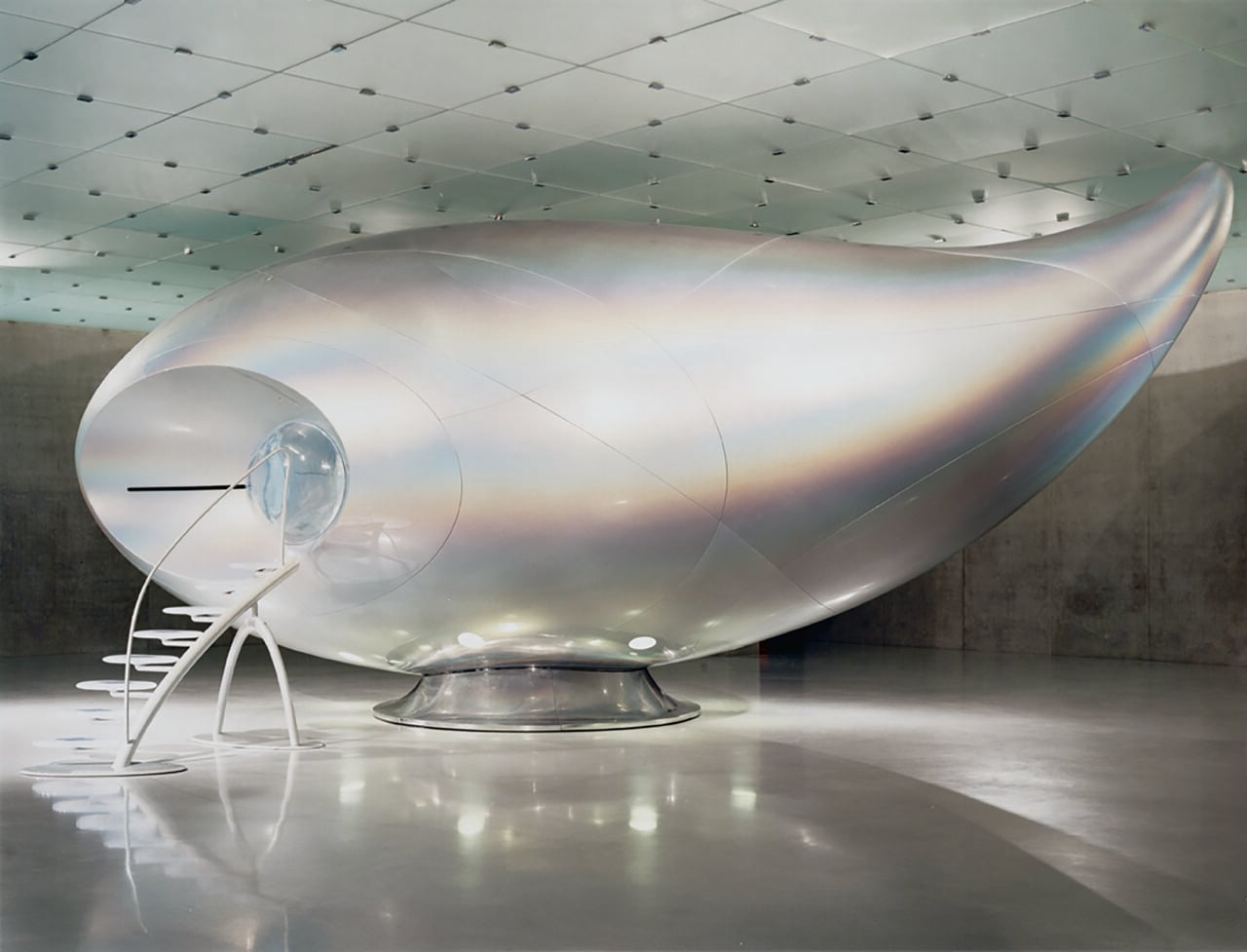
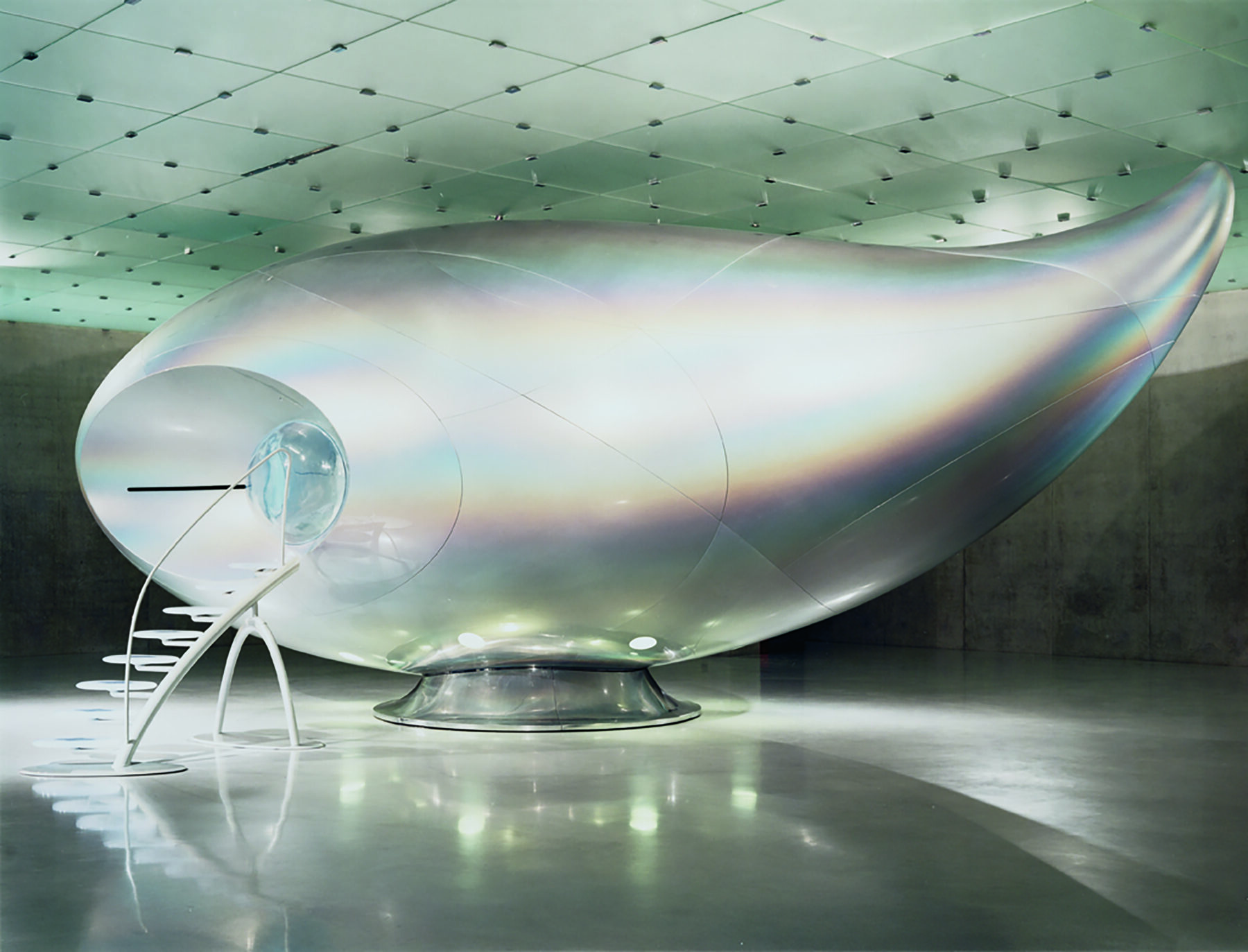
MARIKO MORI, Wave UFO , 1999–2002. Brainwave interface, vision dome, projector, computer system, fiberglass, Technogel, acrylic, carbon fiber, aluminum, and magnesium. Installation view, Kunsthaus Bregenz, Austria, 2003. Photo by Richard Learoyd.
Photo: Courtesy of Art Week Tokyo
All That Shines is Mariko Mori’s first major retrospective in Japan since 2002 and features some 40 works from across her illustrious career. Mori rose to prominence in the mid‑1990s with her Cyborg series — performance‑based photography and video works featuring sci‑fi–inspired imagery that at the time utilized advanced computer graphics. What began as commentary on contemporary Japanese society, addressing themes like Japanese animé culture, gender, and post‑humanism, has morphed into larger metaphysical concerns. Now, her practice is rooted in Zen Buddhism and takes on a more existential approach, converging with studies on light, astrophysics, and consciousness. Her mostly film‑based and sculptural works have a pearly, luminescent trademark aesthetic; the translucence brings to mind the ephemerality present in the wide‑ranging scientific and spiritual topics she explores. The exhibition includes seminal works such as Wave UFO (1999–2002), which uses viewer brainwave biofeedback to generate imagery, and Tom Na H‑iu (2006), a totemic sculpture illuminated by real‑time data from the Earth’s atmosphere.
Nam June Paik: 20th Anniversary of His Passing at Watari‑Um
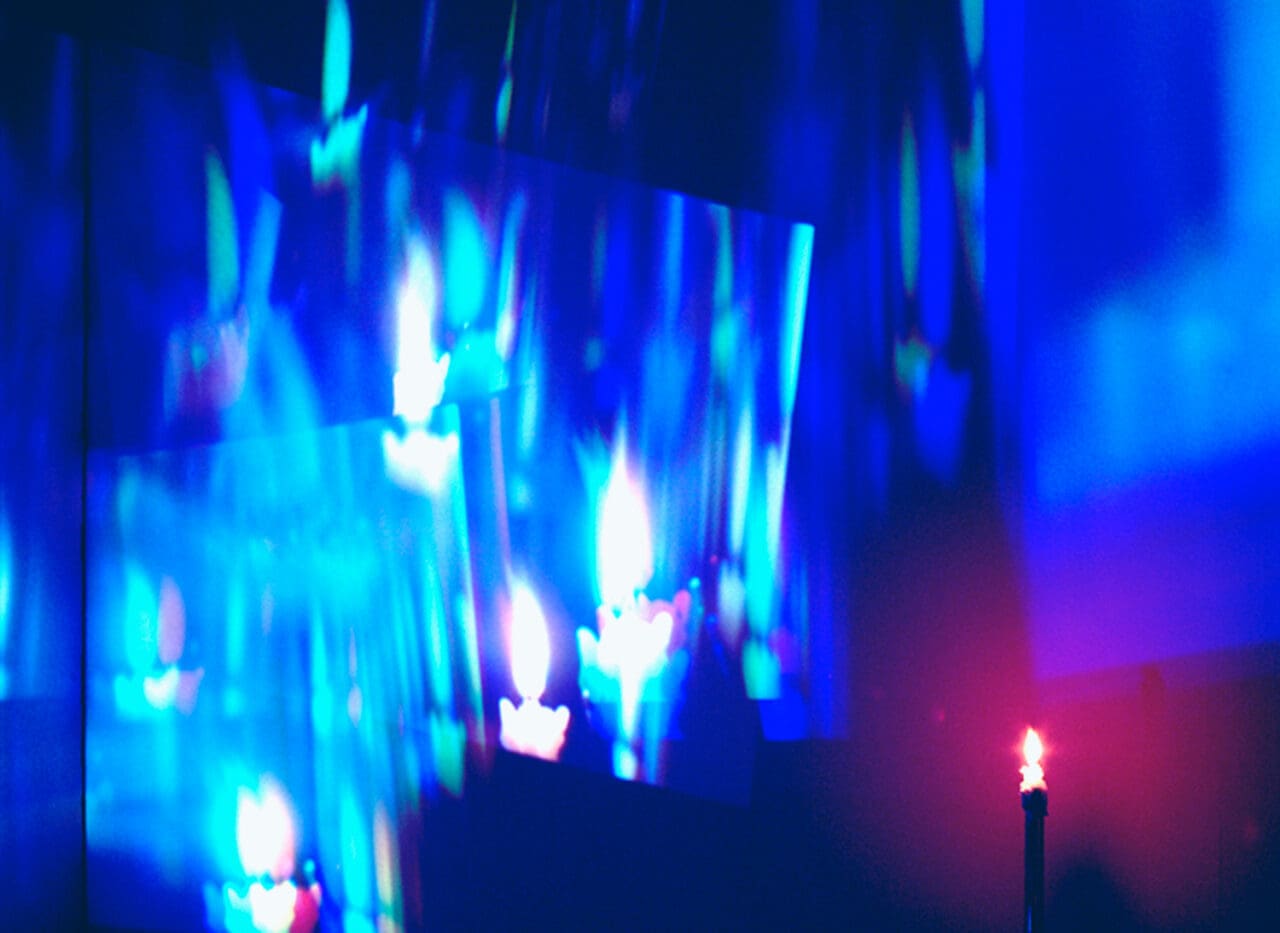
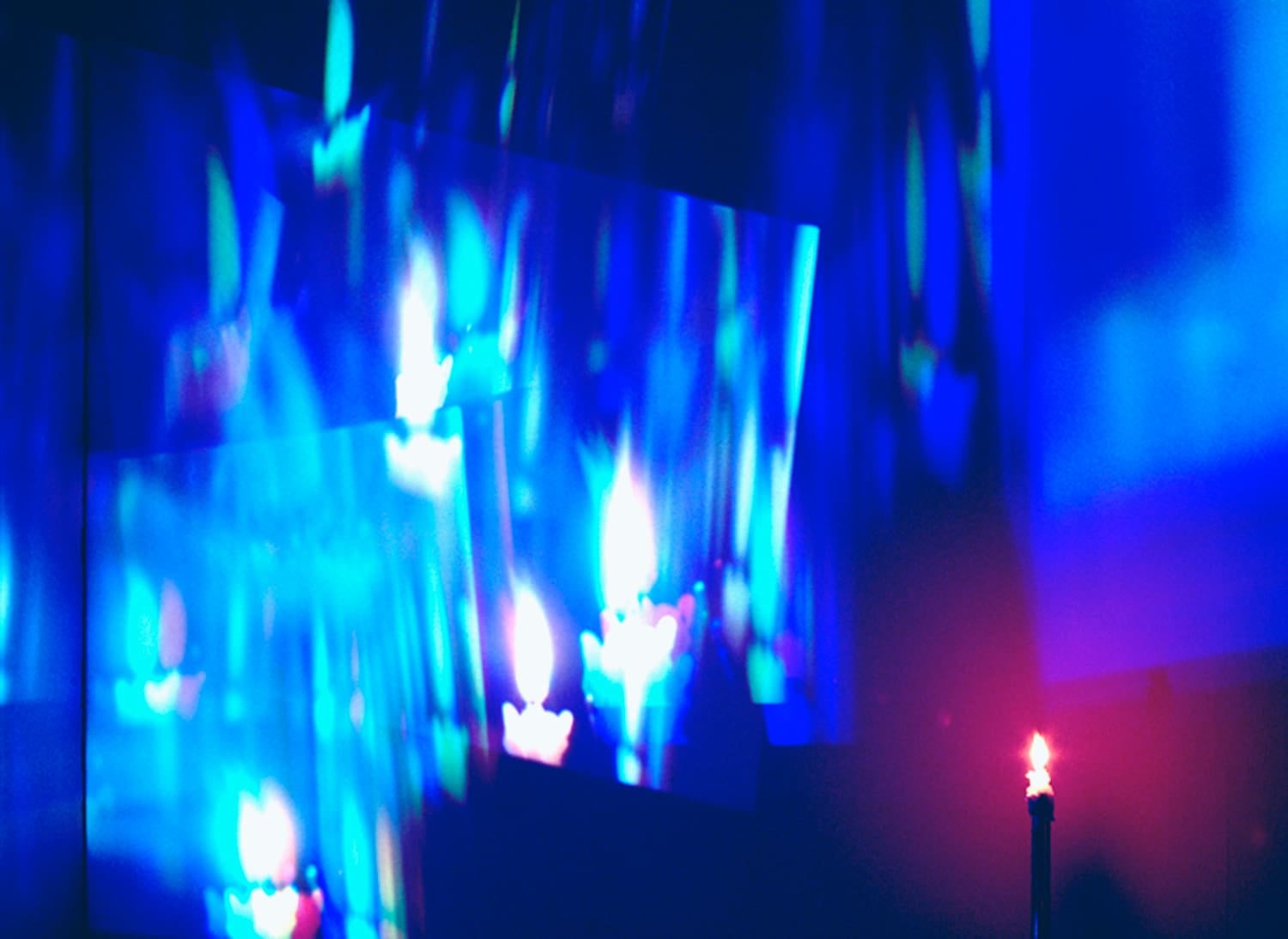
NAM JUNE PAIK, New Candle , 1993. Candles, candle holders, camera, video projectors, 500 x 310 cm
Photo: Courtesy of Art Week Tokyo
Considered the pioneer of video art and among the most influential artists of the 20th century, Nam June Paik has a historical and unique connection with private contemporary art museum Watari‑Um. The artist began exhibiting at the space in the 1970s, and until his death, created several site‑specific installations at the space, which officially opened in 1990. Marking Paik’s 20th death anniversary, the exhibition looks back at the long‑standing partnership between the artist and institution, and reinforces Paik’s prescient view in today’s age of rapid technical acceleration, digital dependency, and the rise of AI. Works on view include a dense installation of plants interspersed with TV monitors, Forest of Cage / Revelation of the Forest (1993), as well as New Candle (1993), a video projection with feedback loops multiplying the light effect of a single candle.
Koji Kamoji: Everyday Life, curated by Maria Brewinska at Take Ninagawa
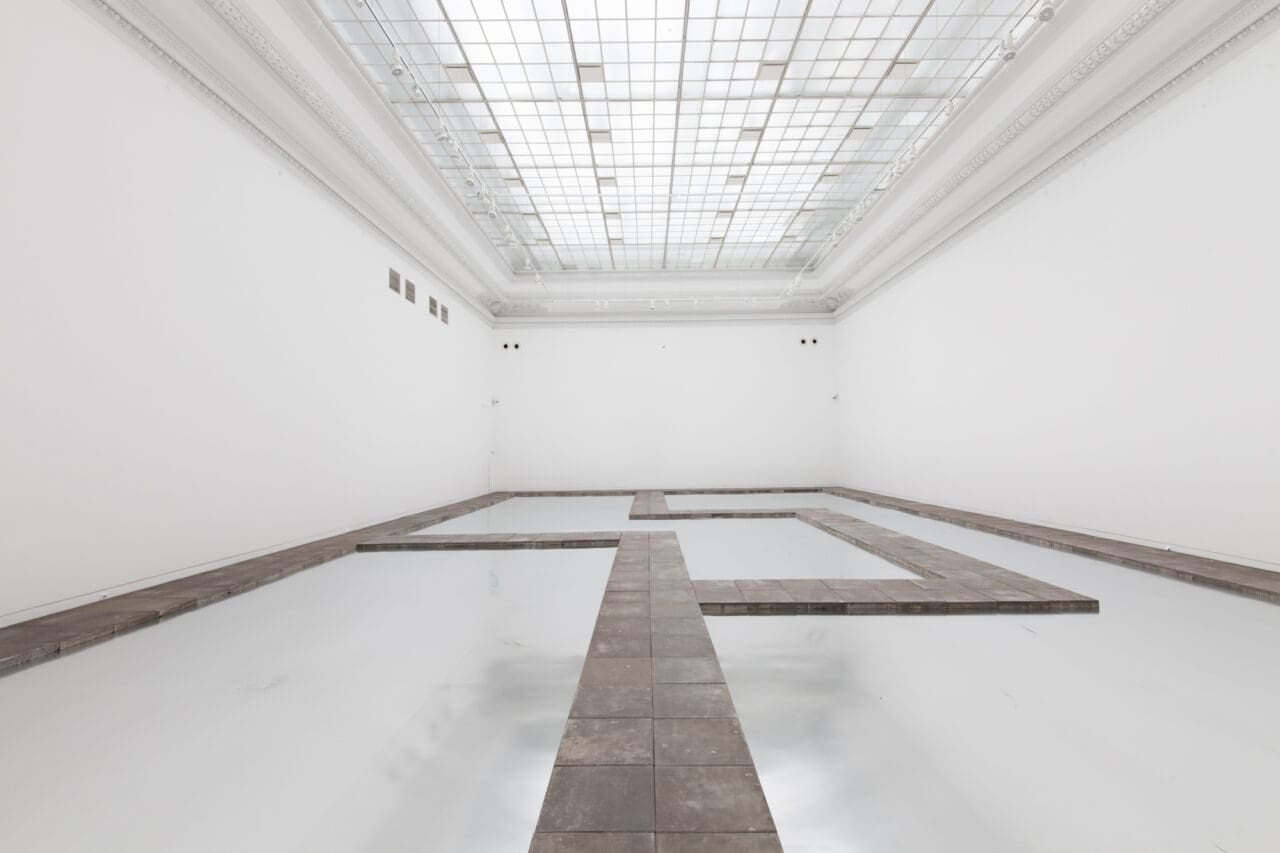
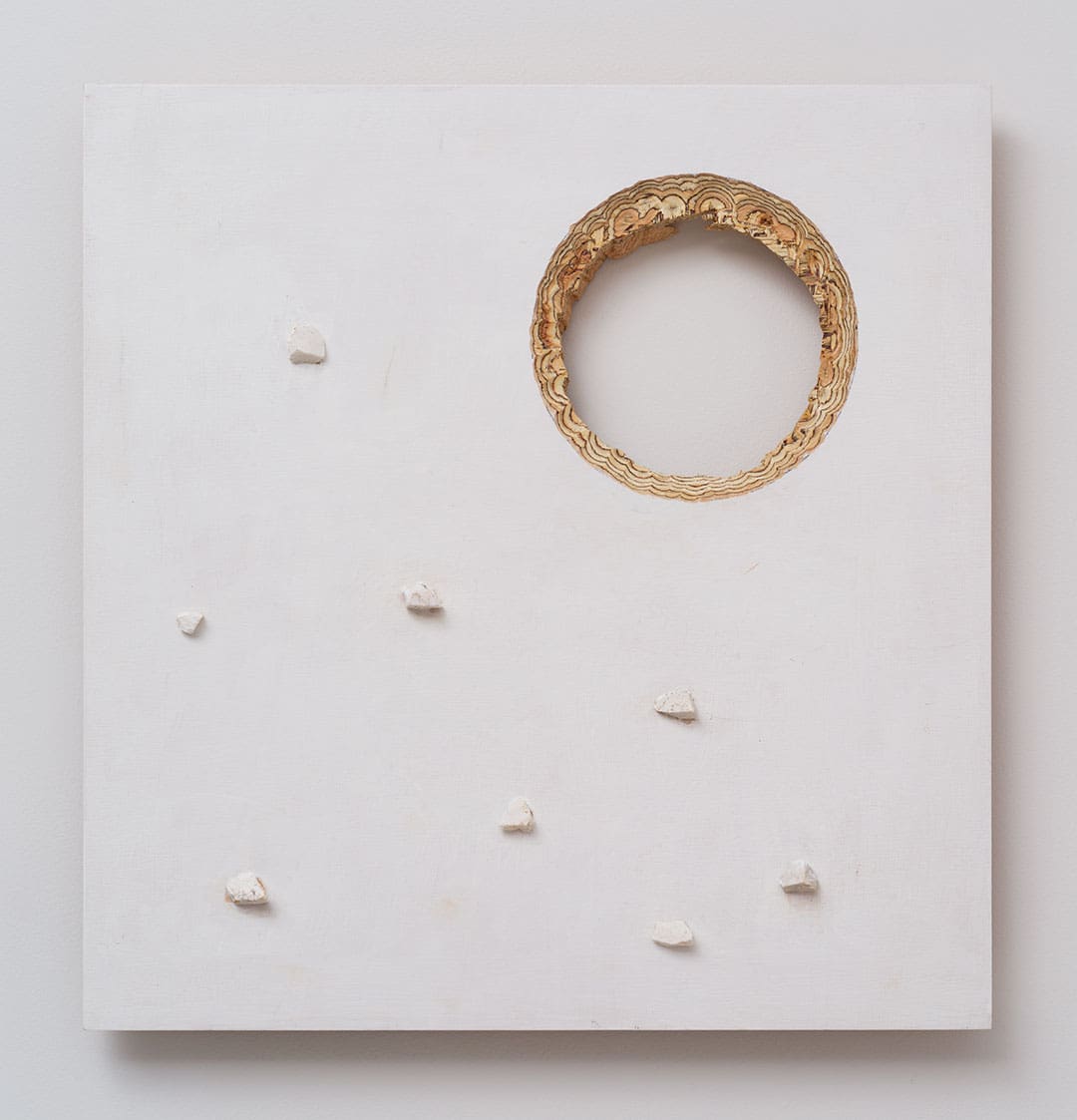
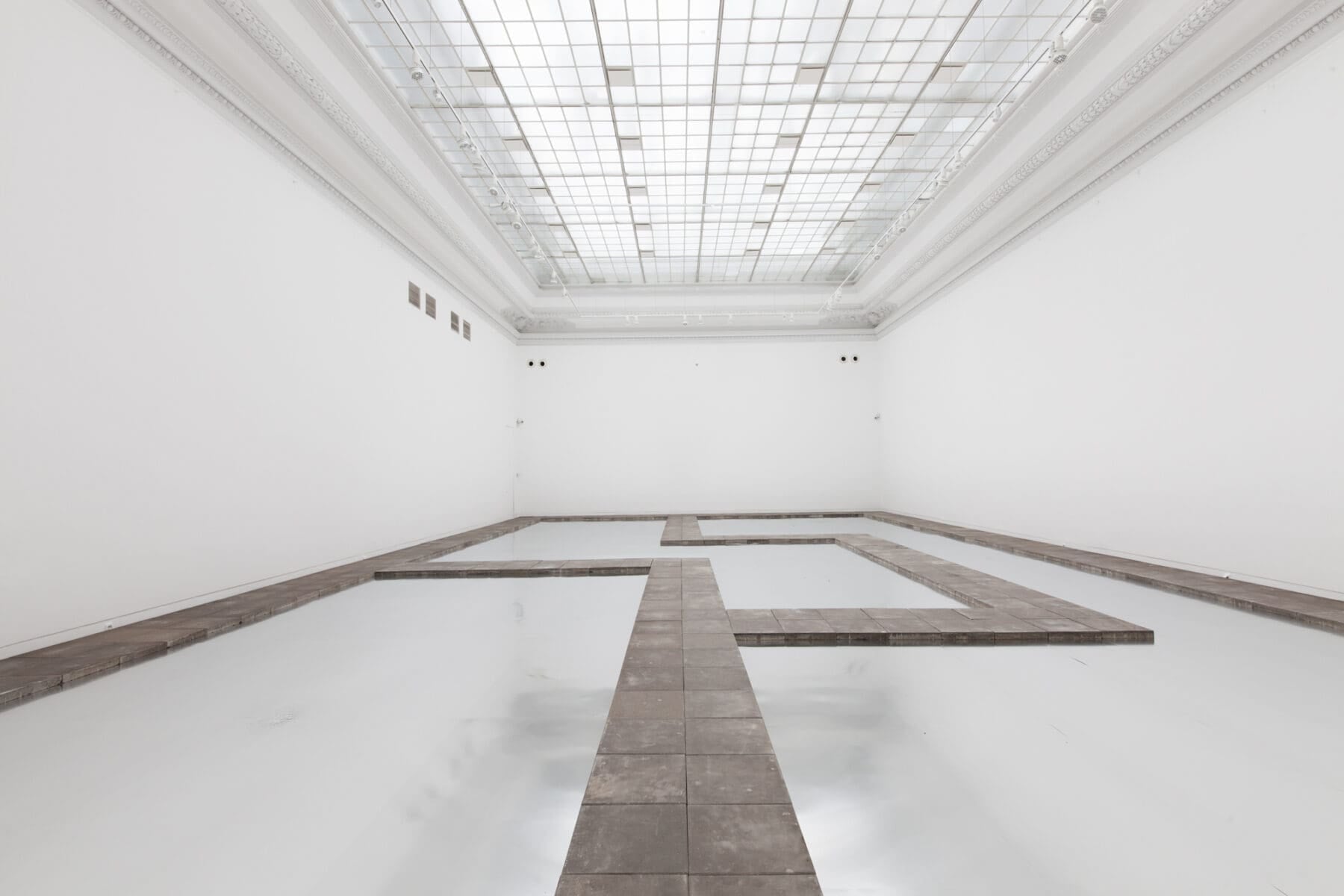
Featuring the work of a key figure in the Polish post‑war art scene, Everyday Life at Take Ninagawa presents the work of artist Koji Kamoji and reveals a lesser‑known connection between Japan and Poland. Based on the ethos that daily practices and routine serve as effective coping mechanisms during extreme times, the show was inspired by Kamoji’s memories of accompanying photographer Yoshino Oishi as an interpreter for her interviews with survivors of the Nazi death camps in the 1980s. New work includes A Room in Auschwitz (2026), a bare wood‑and‑paper installation evocative of a secret meeting point in the camp. It explores the possibility of small, intimate moments of connection that allow for survival in the face of violence and oppression. Other works on view include Torikaze (1975/2026), and another new work, Haiku — Well (2026), which alludes to the artist’s childhood memories of Japan. Curated by Maria Brewinska, the show highlights Kamoji’s ability to unearth stories that can get lost in broader historical narratives.
Gabriel Orozco and Shinichiro Ogata, Project O + O, at Higashi‑yama Tokyo
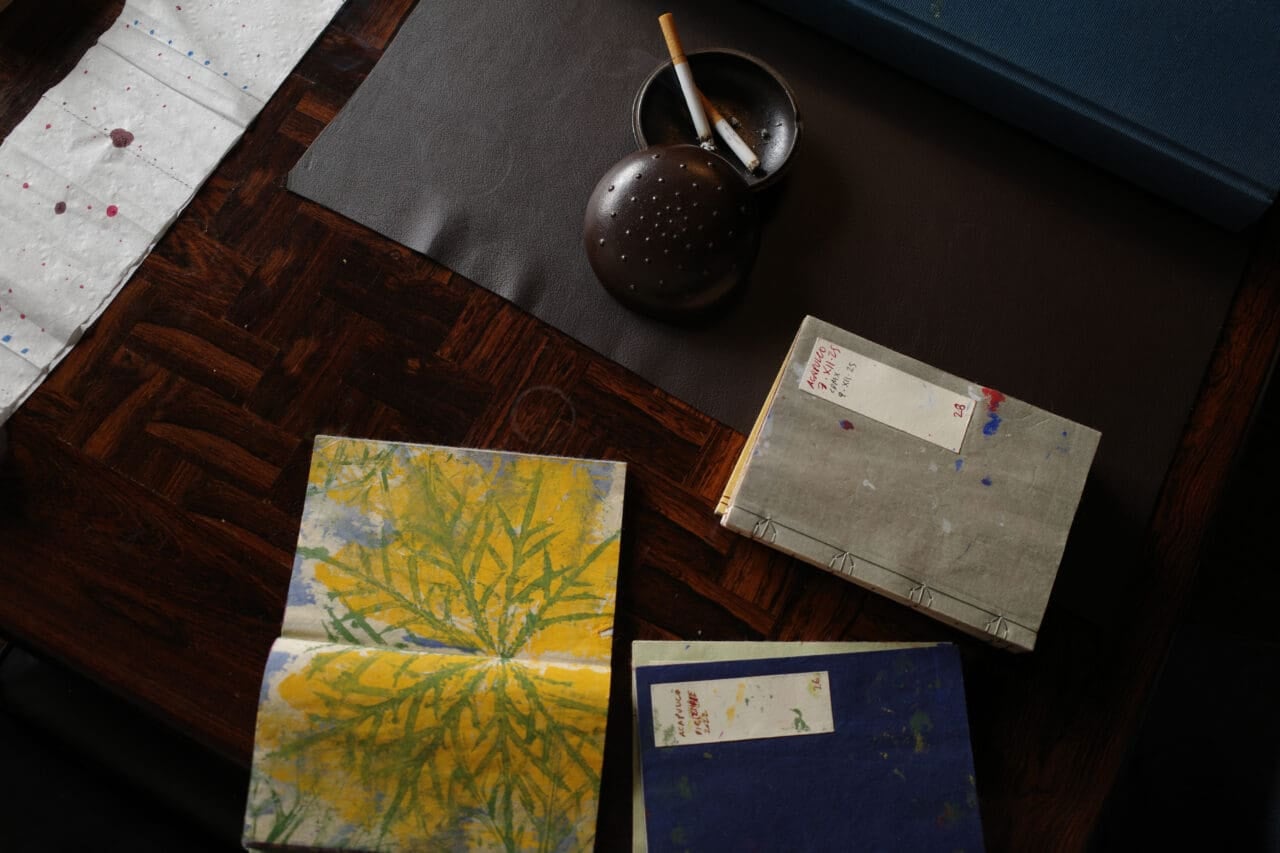
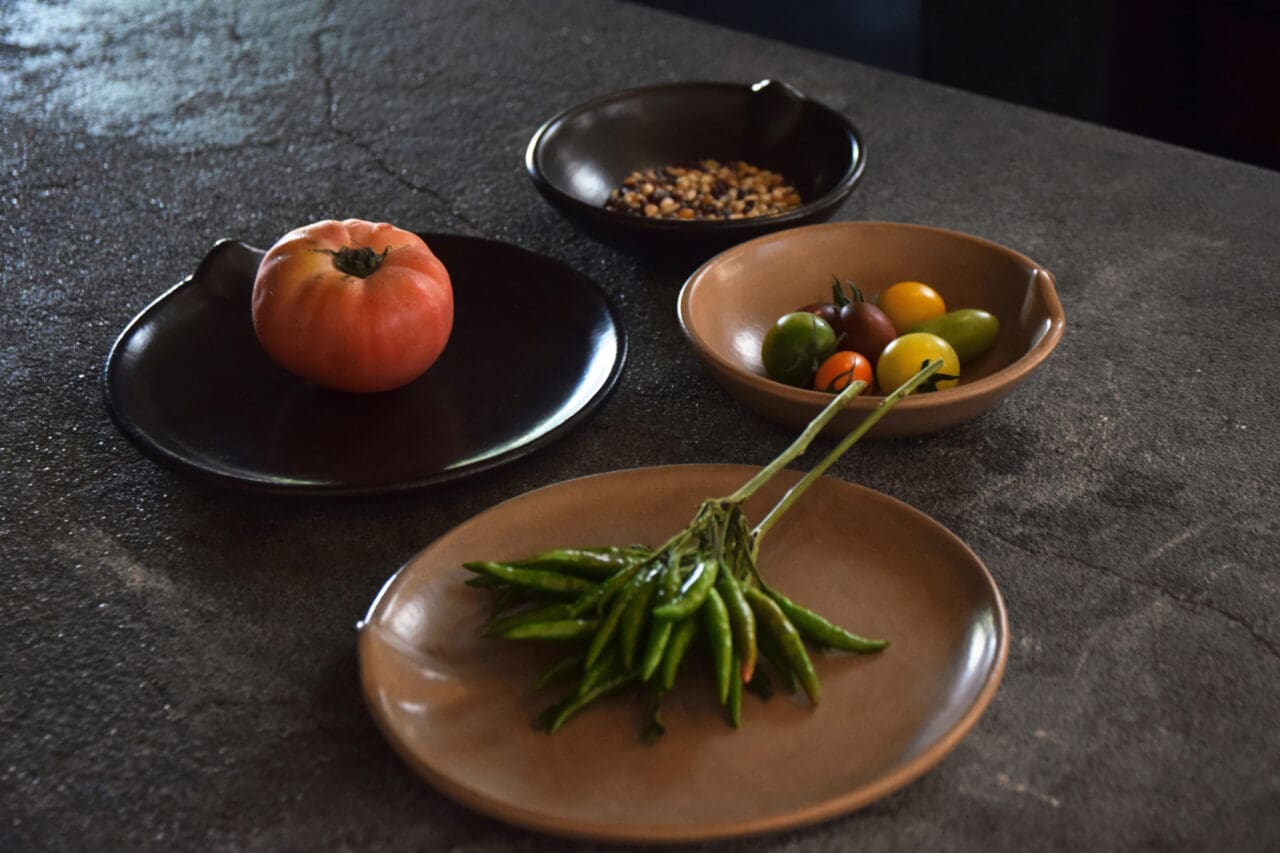
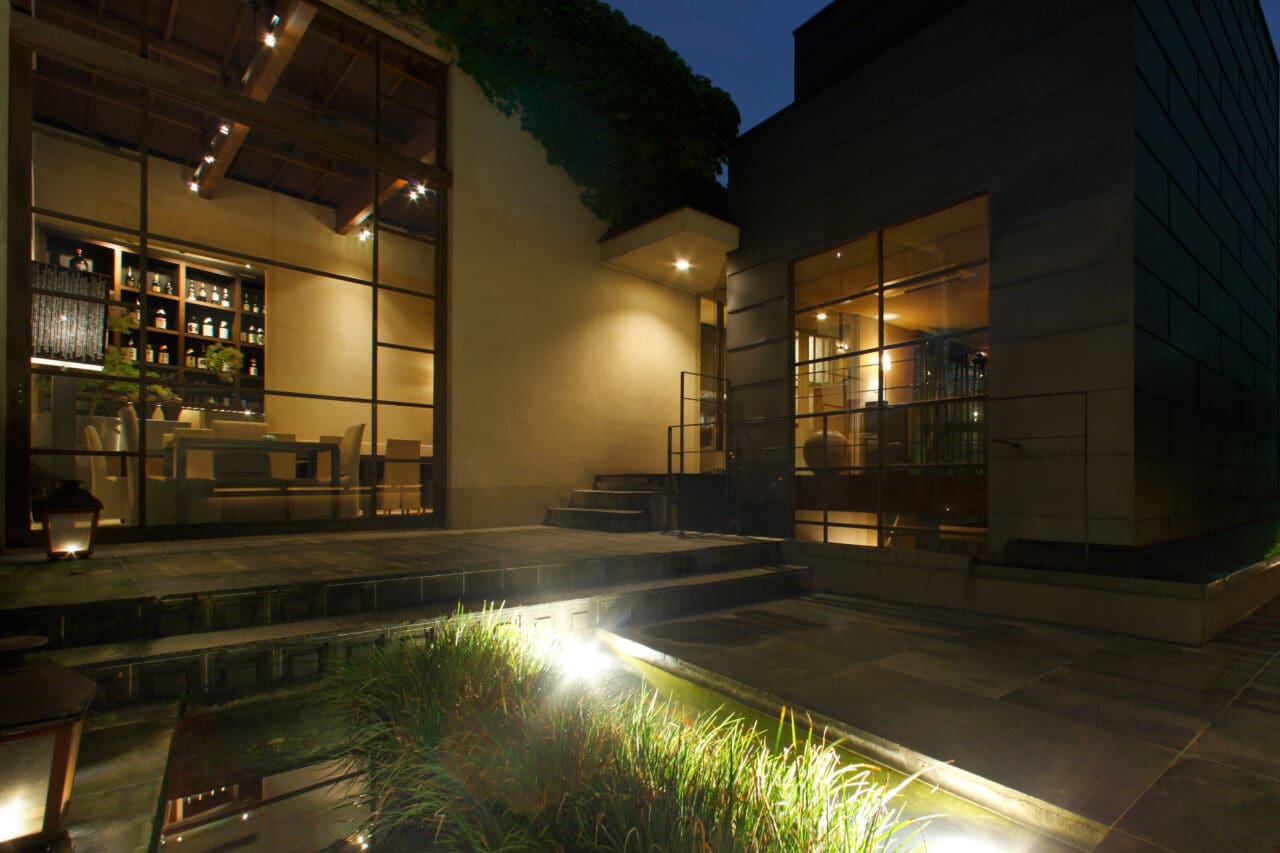
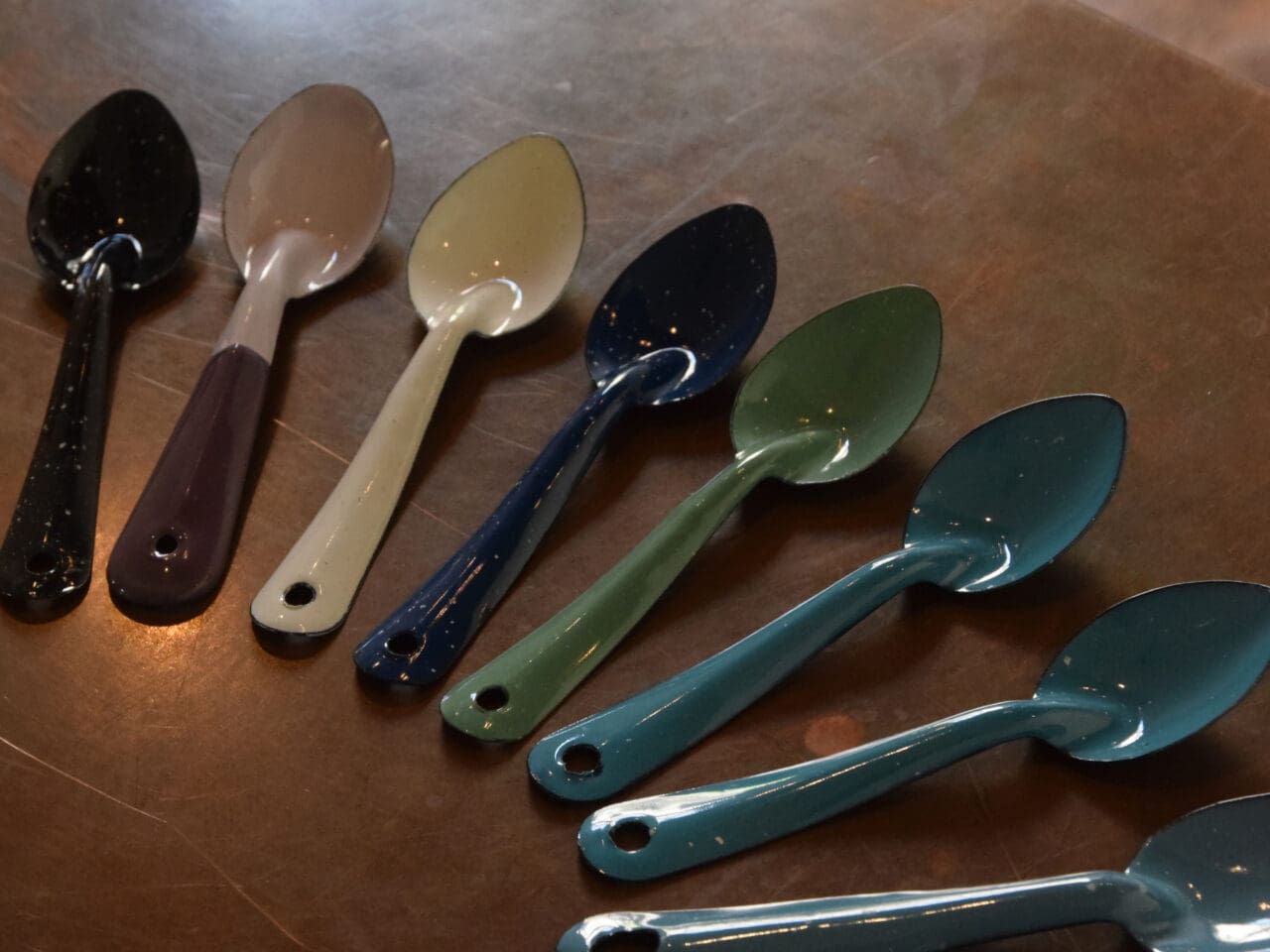
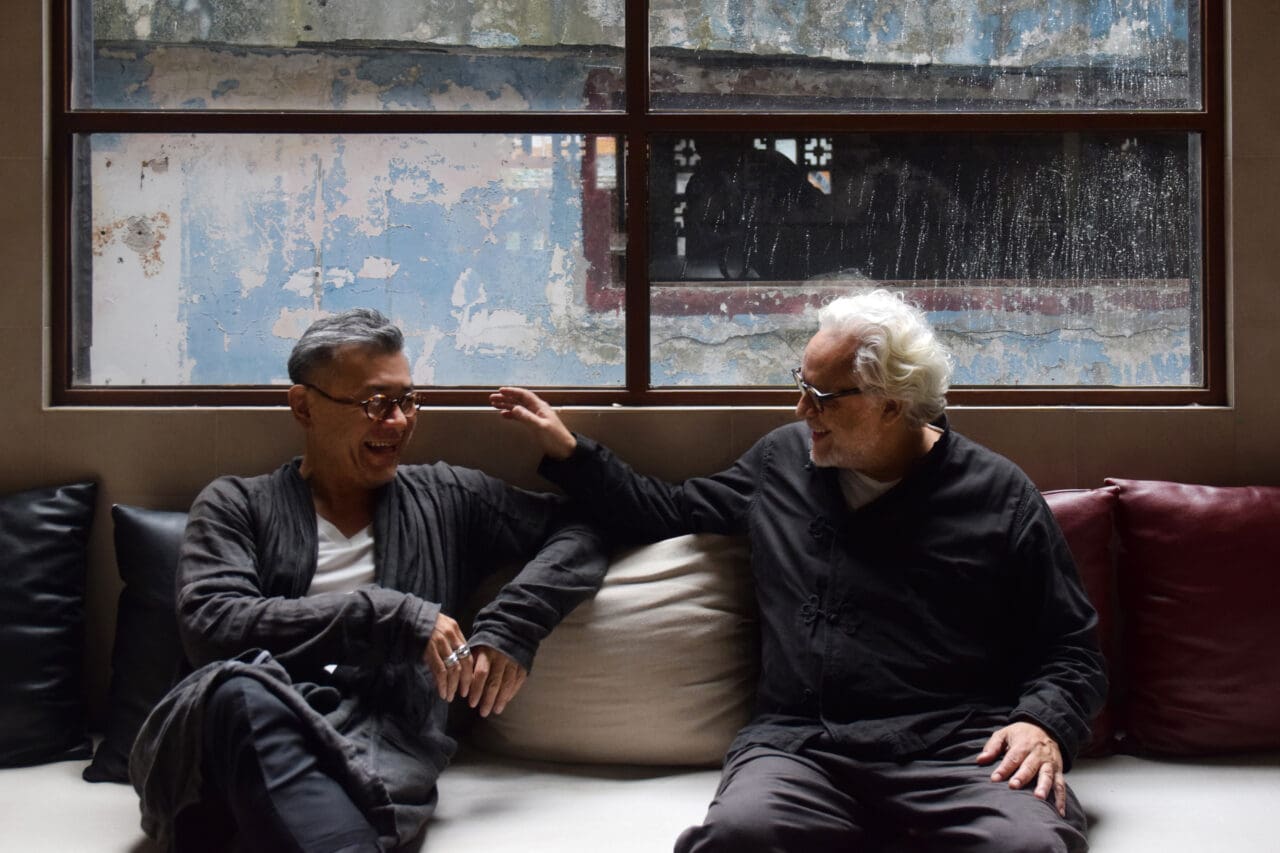
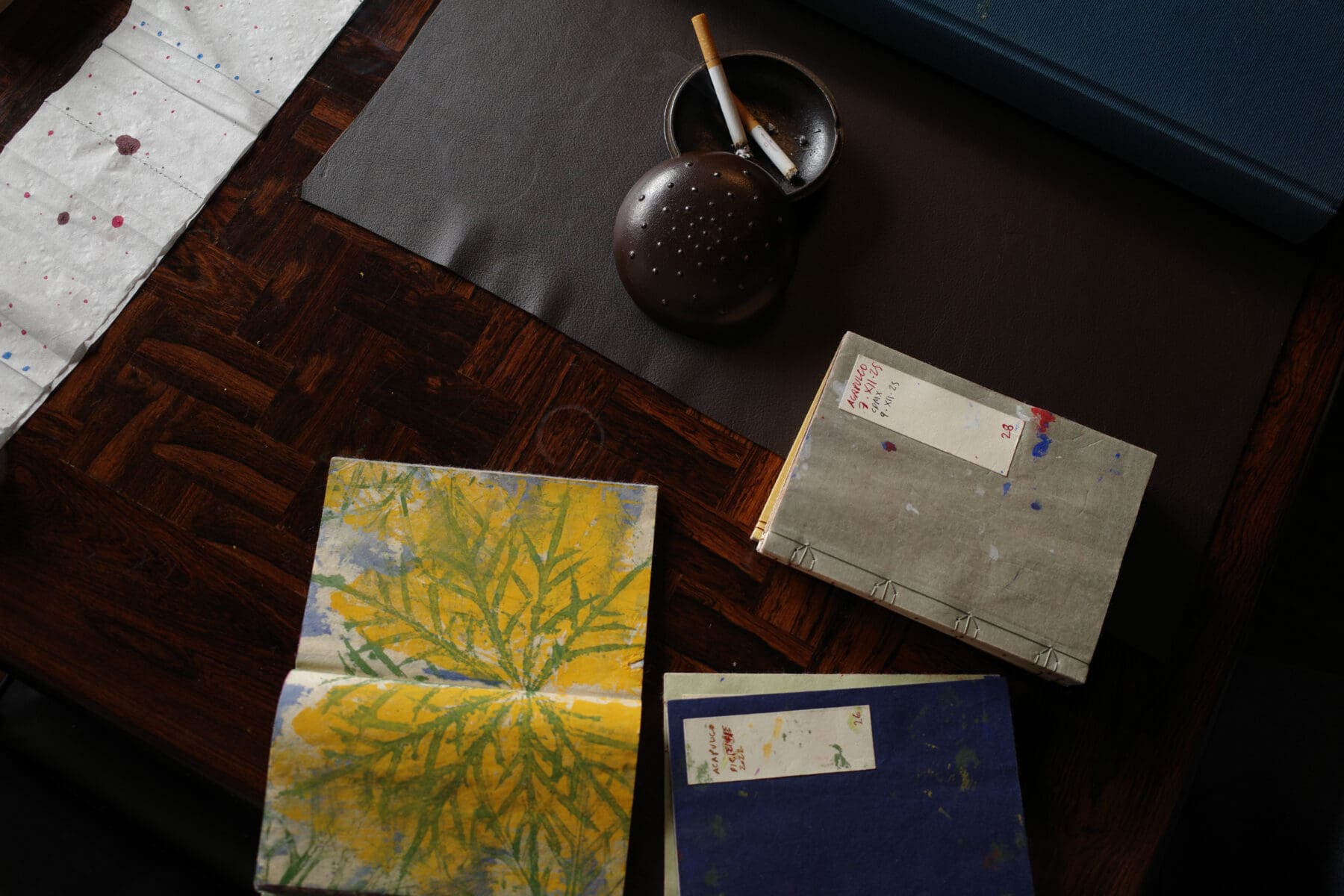
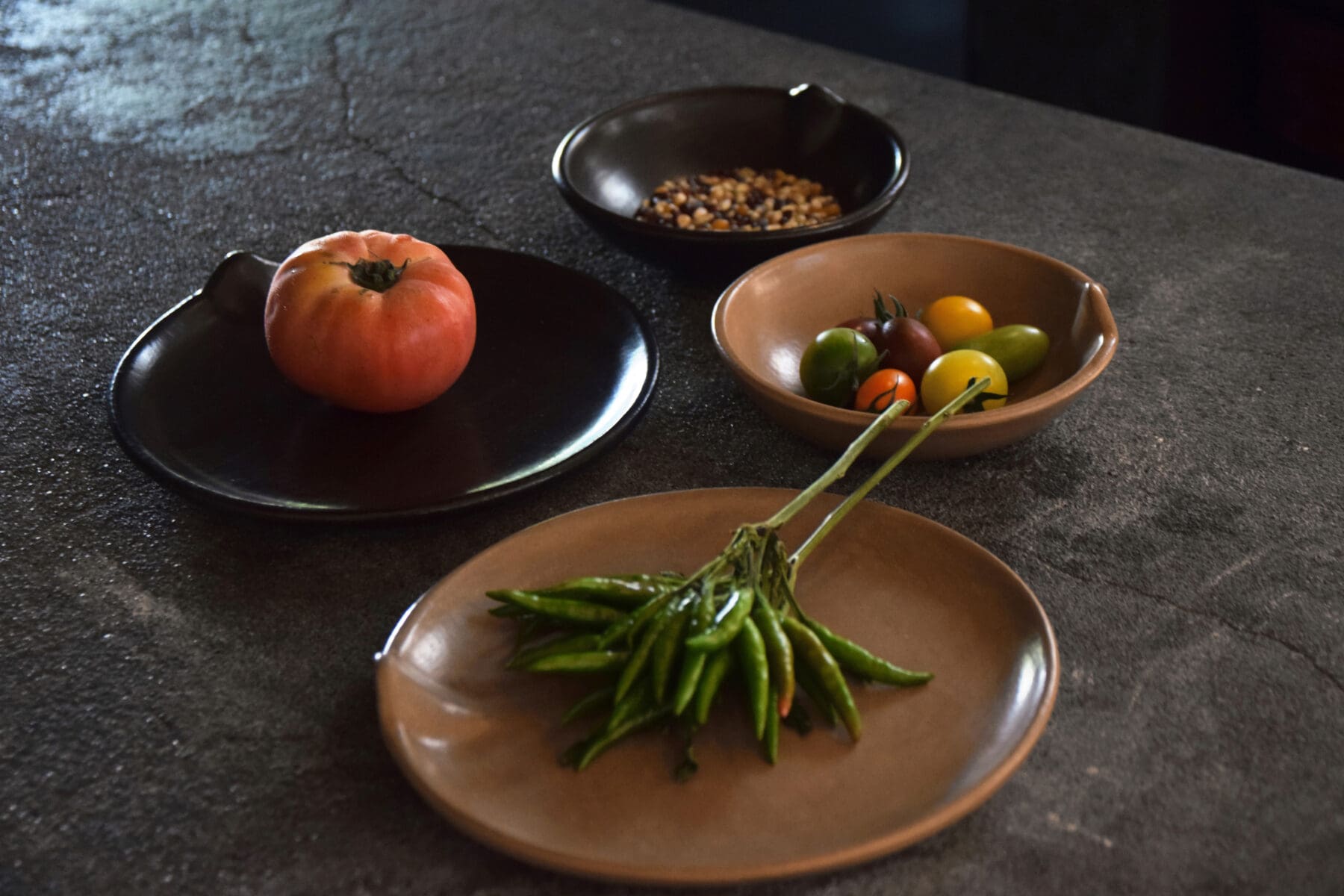
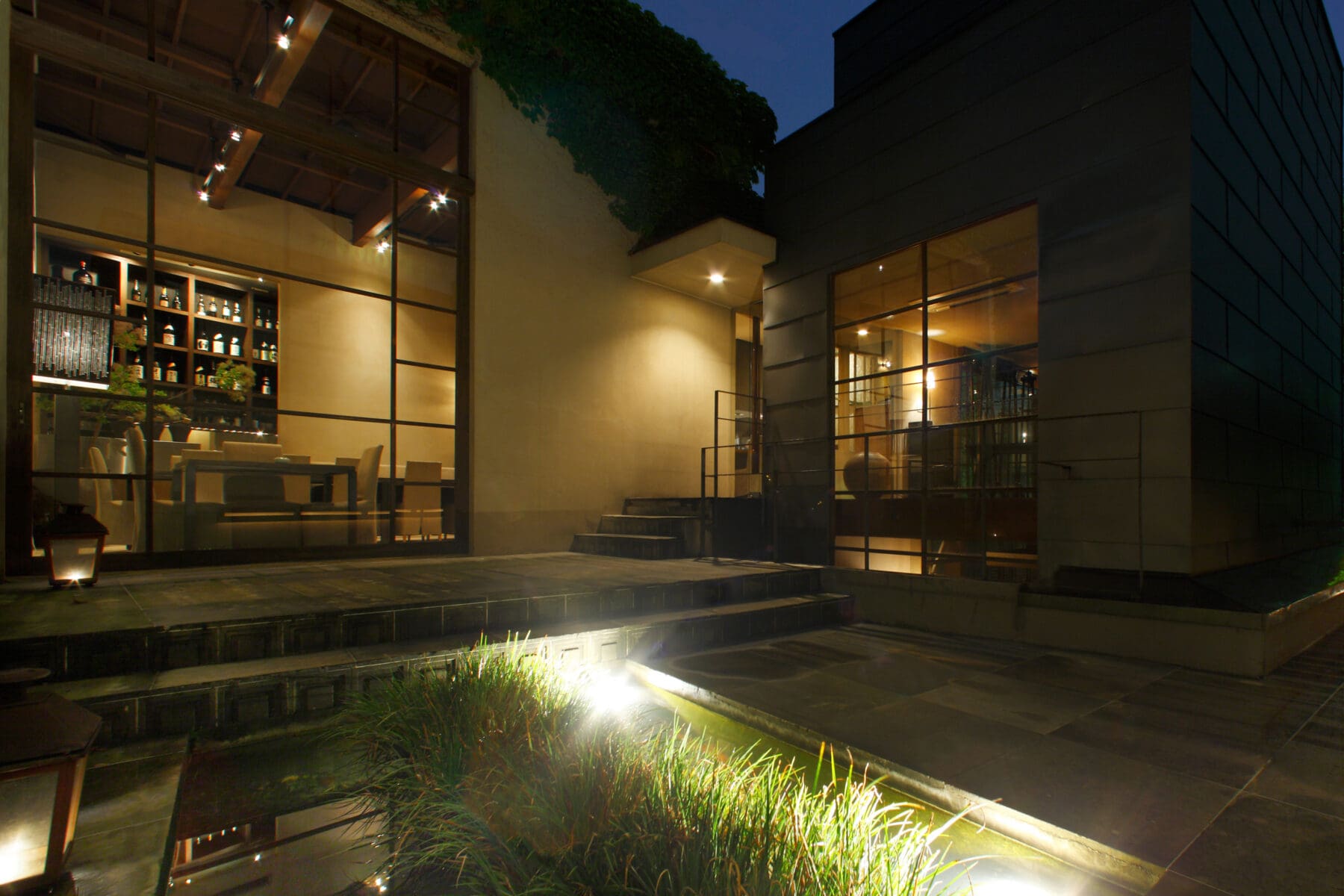
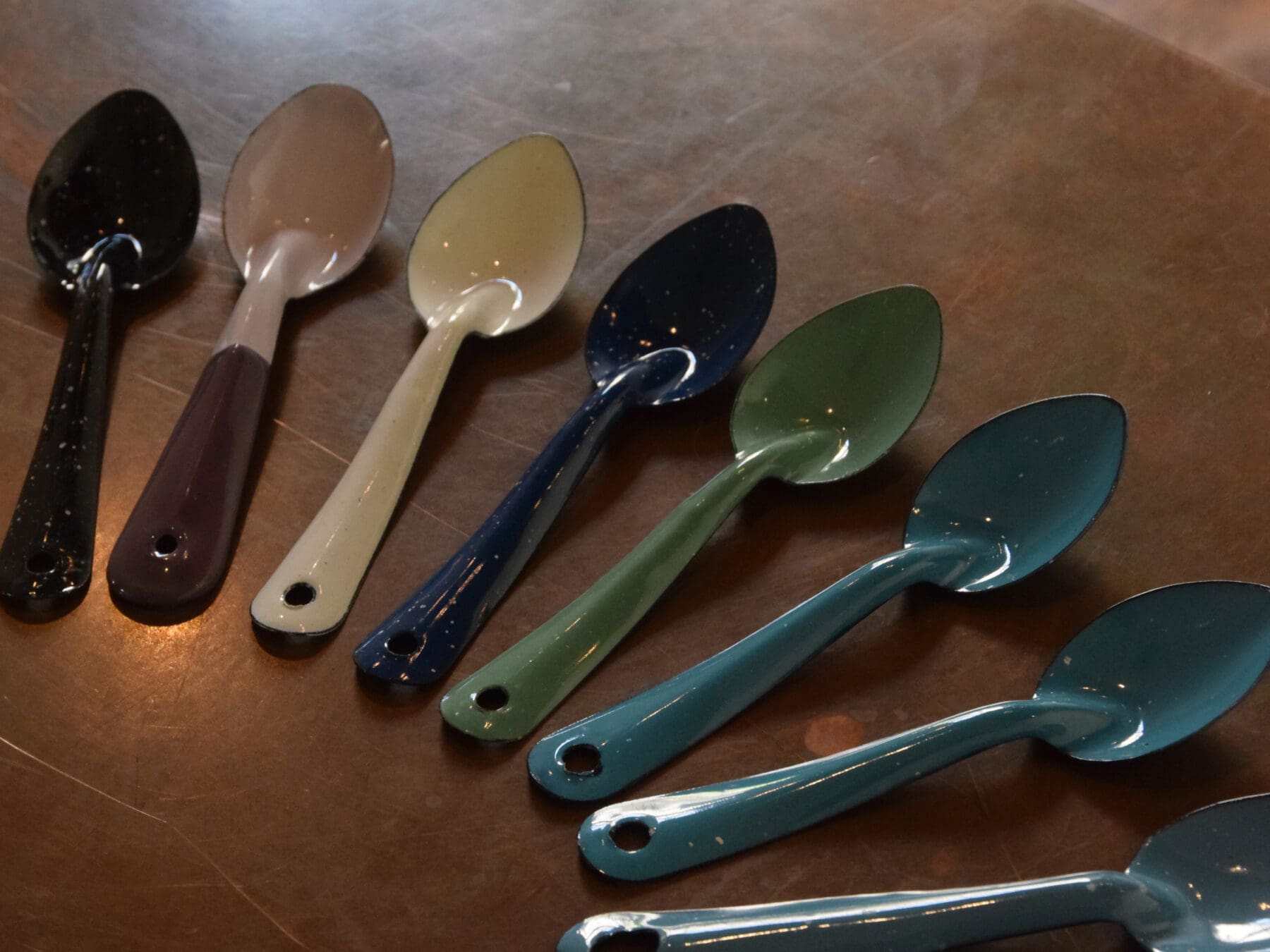
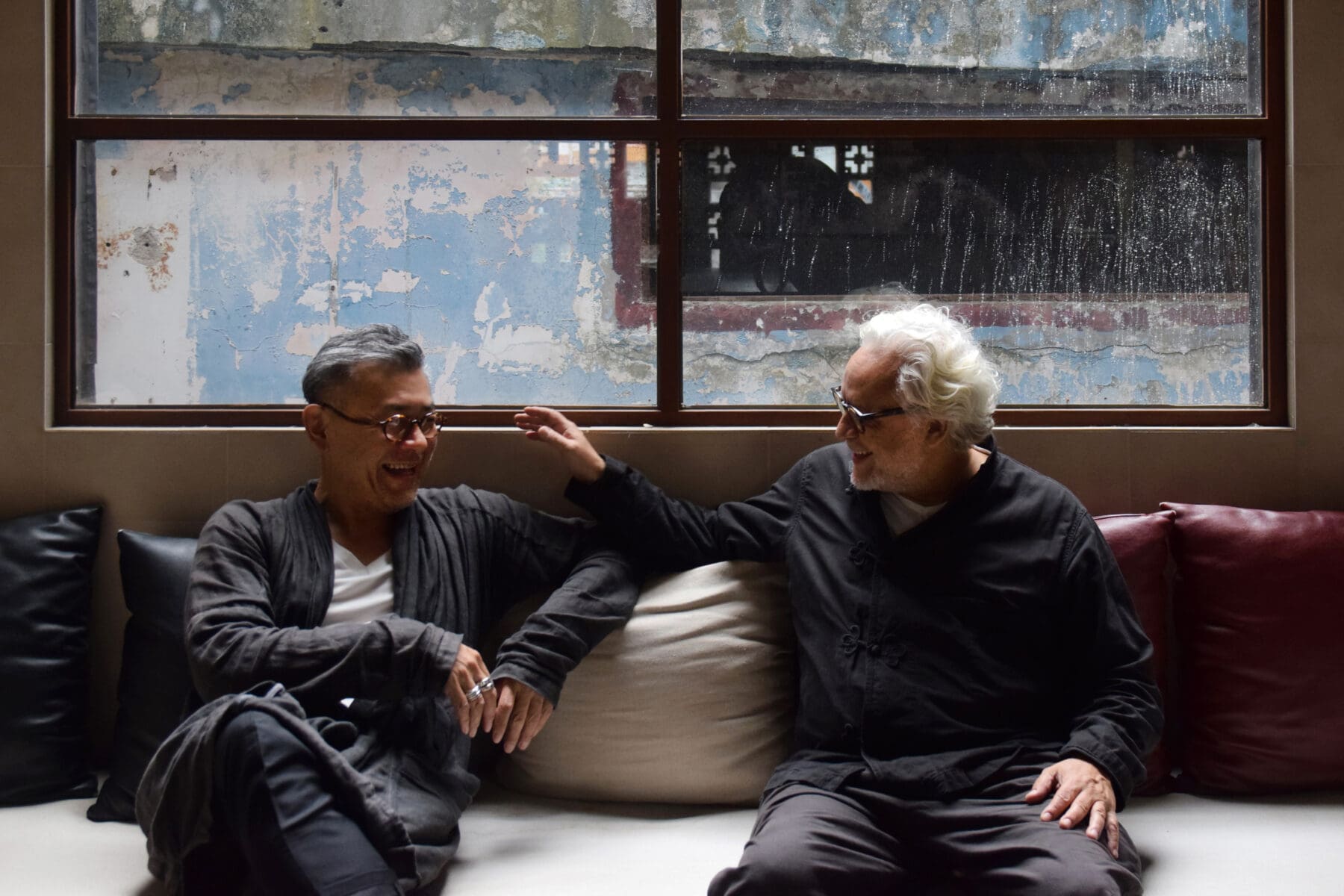
The friendship and creative alignment between Mexican artist Gabriel Orozco and Japanese designer Shinichiro Ogata take centre stage in Project O + O, a multi‑layered collaboration across art, design, craft, hospitality, and dining. The space will serve as a temporary extension of Orozco’s home — he has lived and worked in Japan for over a decade. His artworks and personal objects will be displayed in the space, which will host dining experiences including tacos and omakase — served on dining ware custom‑designed by Ogata. Known for using everyday, often found objects in his sculptural installations, Orozco’s diverse practice is tied together by his ability to infuse whimsy and paradox into seemingly everyday ideas and objects. Ogata is best known for his reinterpretation of Japanese customs and traditions through various forms of design such as craft and food. Conceived as a dialogue between Mexico and Japan, the project, co‑presented with Kurimanzutto alongside producer Jam Acuzar, will continue in Mexico City in 2027 and, subsequently, Paris.
Shota Yamauchi, Twilight, at Con Tokyo
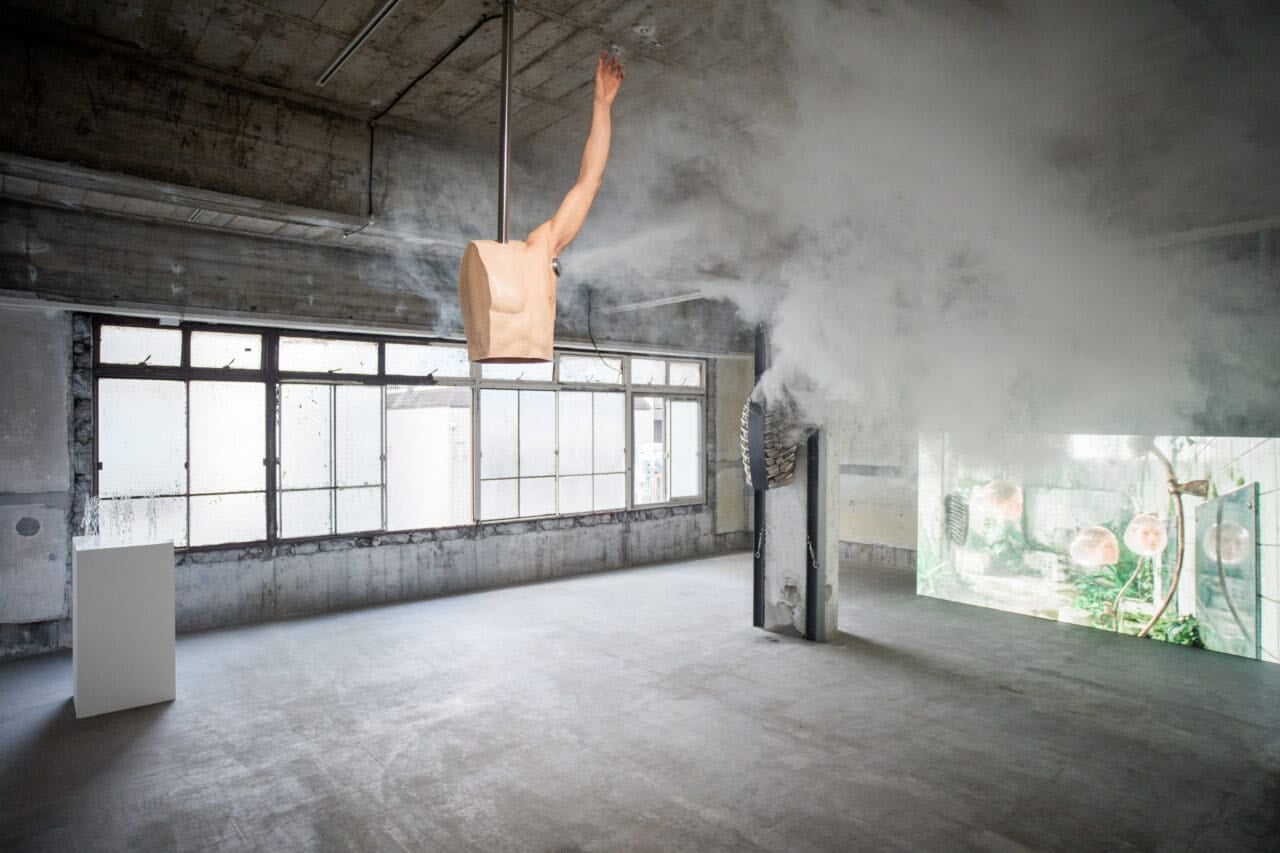
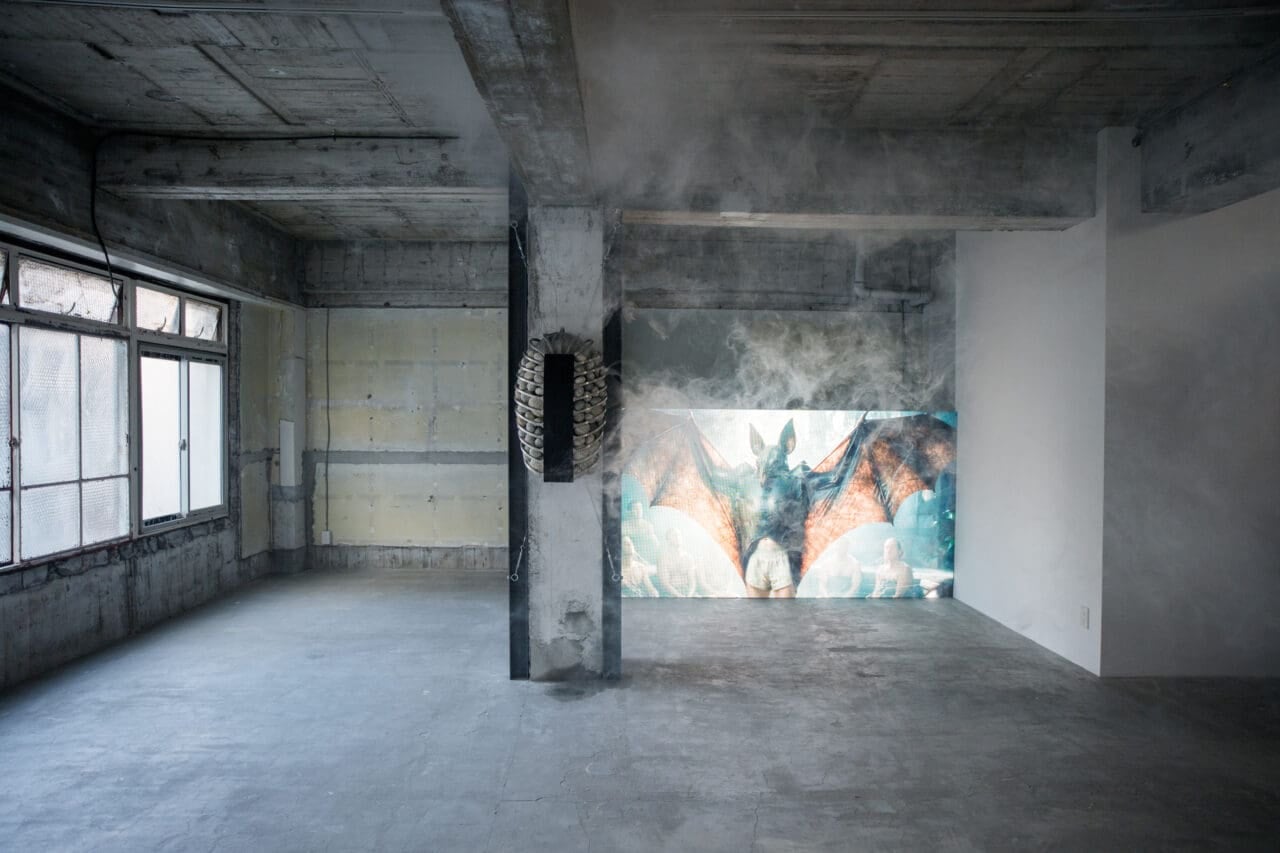
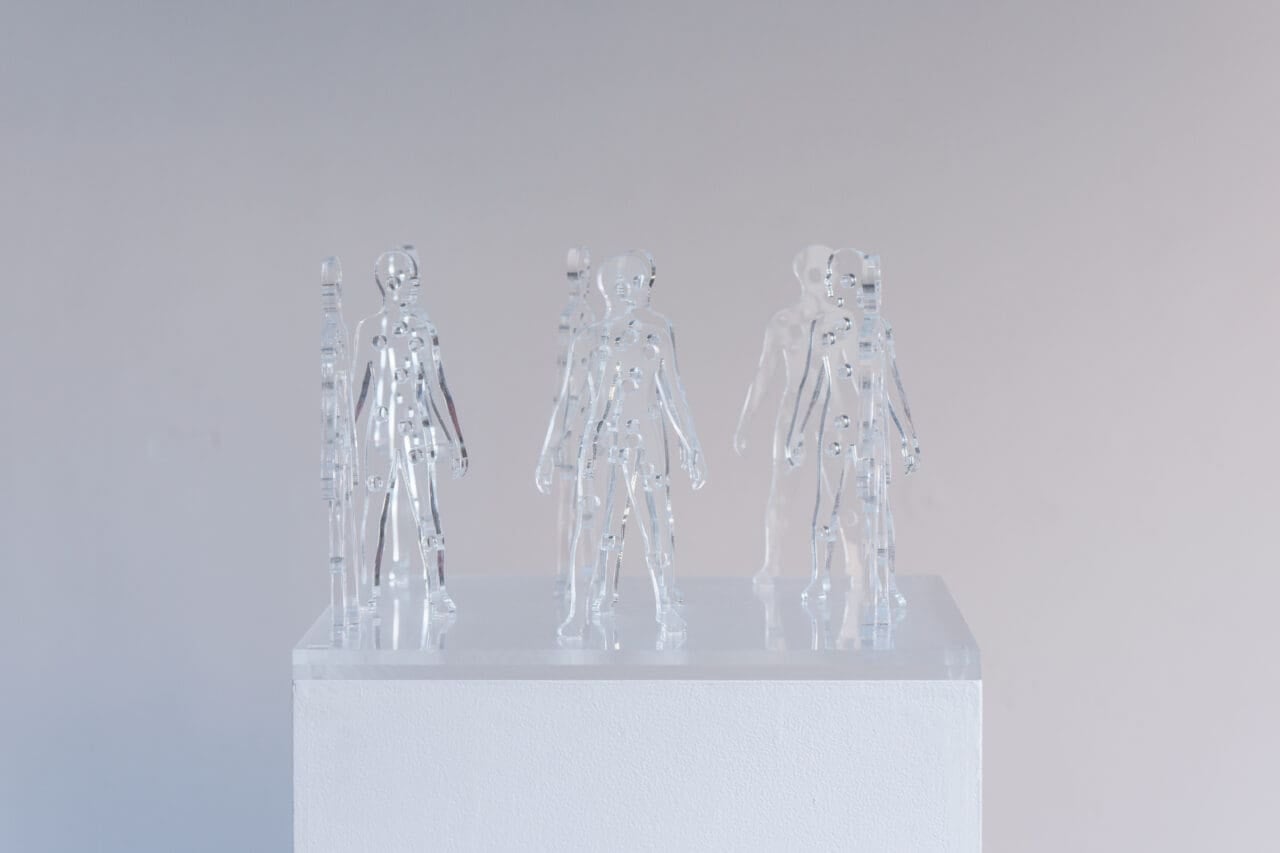
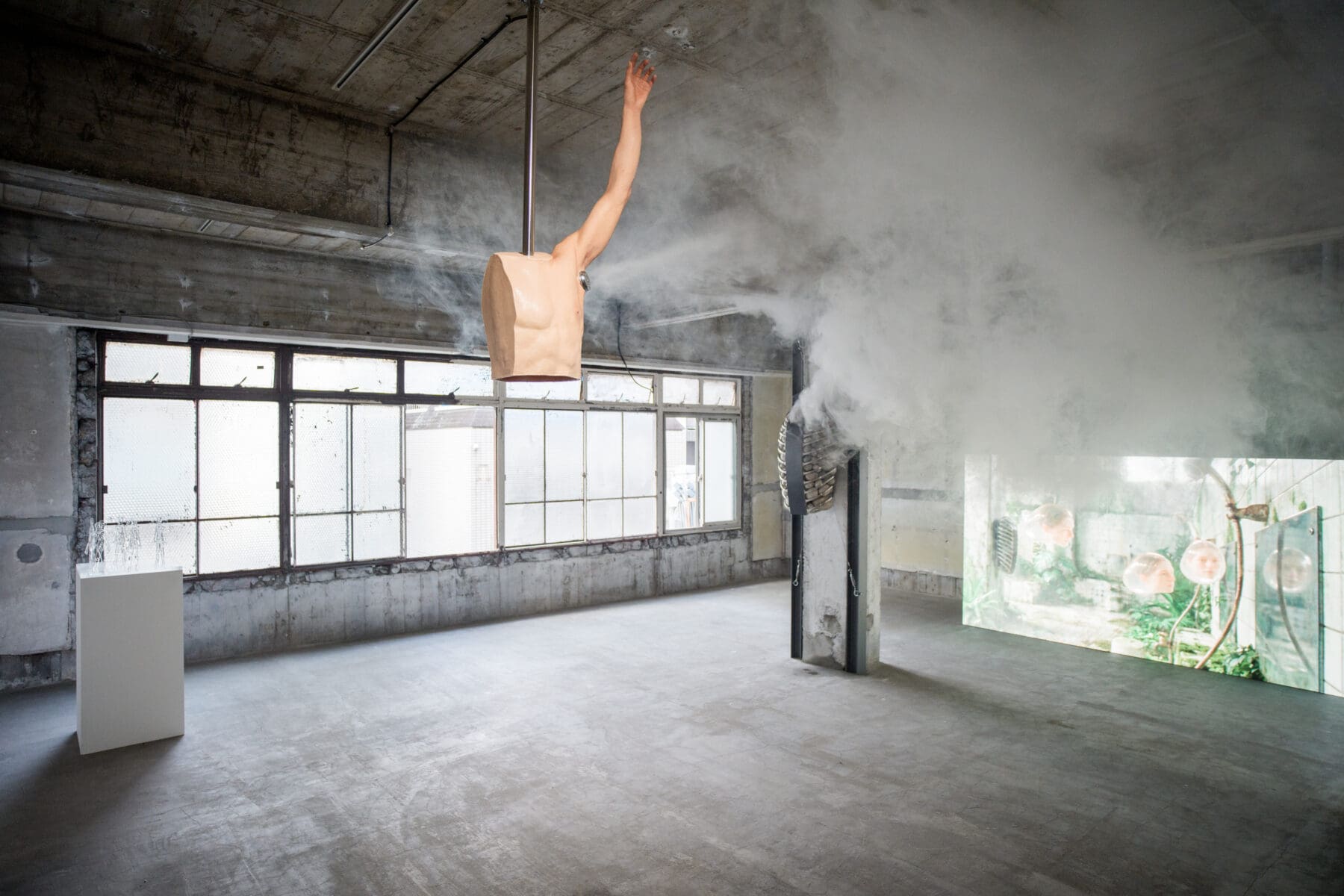
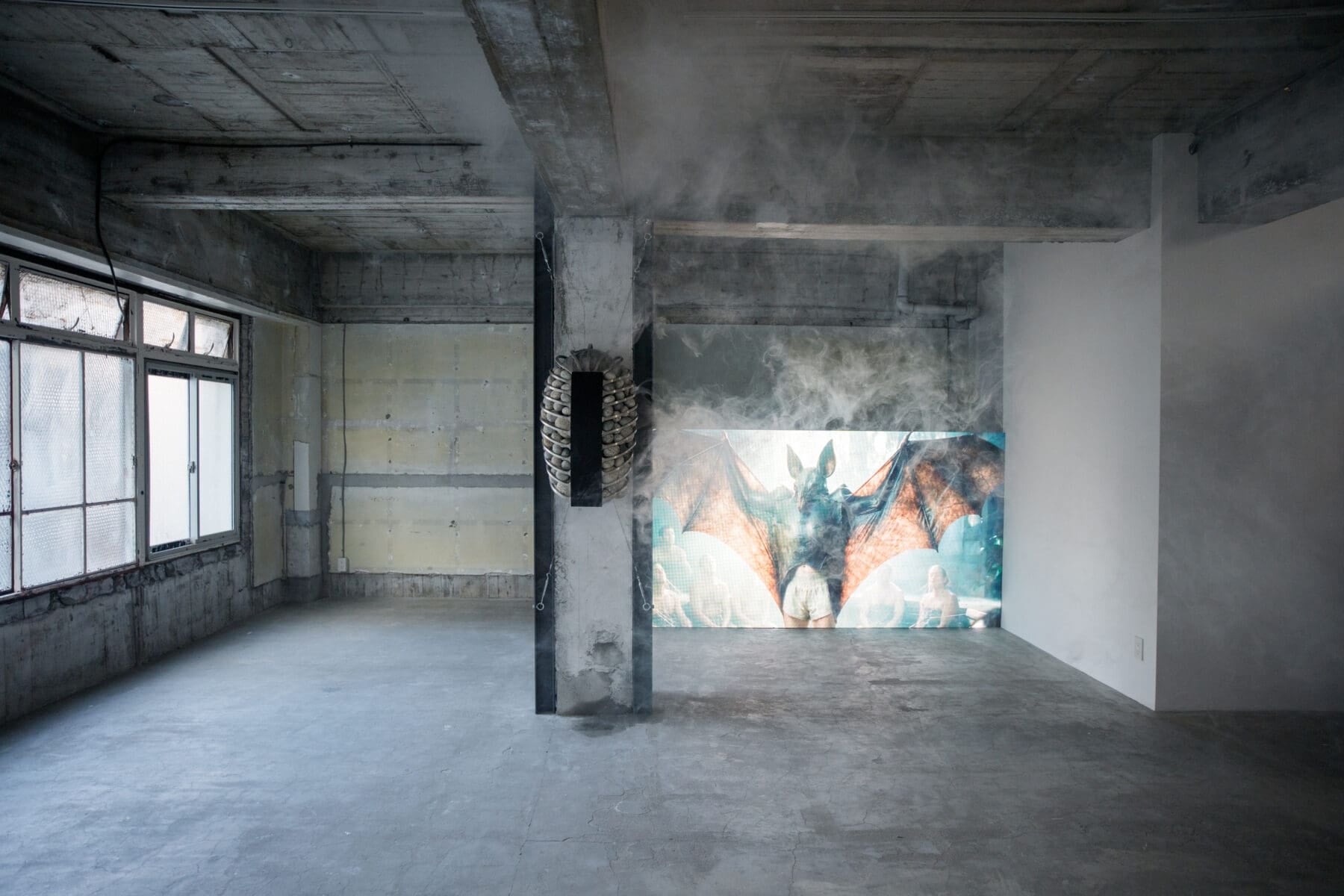
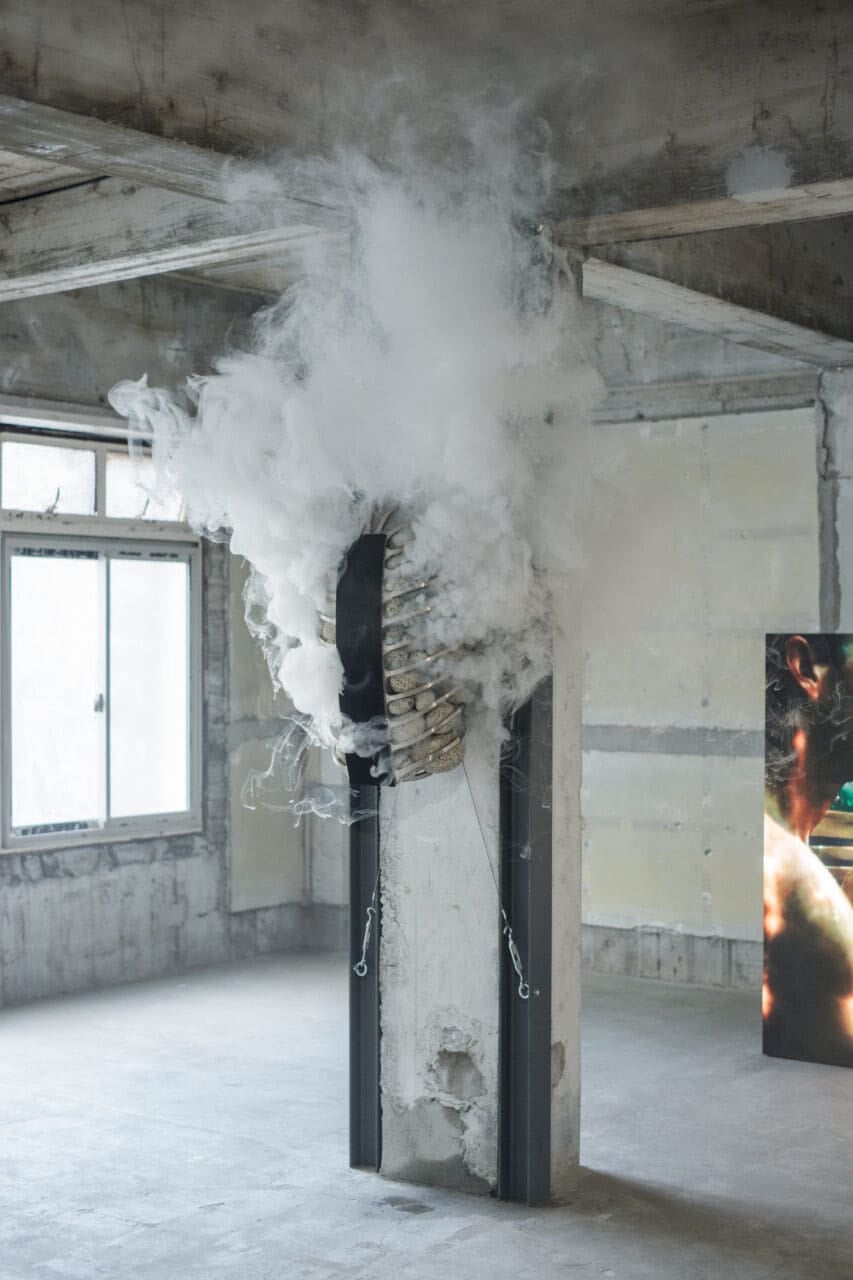
Con Tokyo (est. 2022) has been transformed into a sauna of sorts. Featuring installations that combine sculpture and video by artist Shota Yamauchi, Twilight was inspired by the artist’s recent visits to saunas, focusing on the collective experience they provide and how a daily ritual (for some) entails a cathartic intimacy. Mist is released from the likes of a man’s bust with one arm raised, as well as a metal skeletal rib. Video works, including the titular Twilight, surround the sculptures, and fading lights add to the misty environment the artist has tried to recreate. Twilight follows other works by the artist, including performances that distill sweat into a scent, and another performance/installation about the preservation and exchange of scent in a future where body odor has been eliminated. Fundamentally, Yamauchi is interested in capturing the exchange that transpires between ourselves and others.
JULIANKNXX: How Much Light Must I Consume? Curated by Ekow Eshun at Space UN
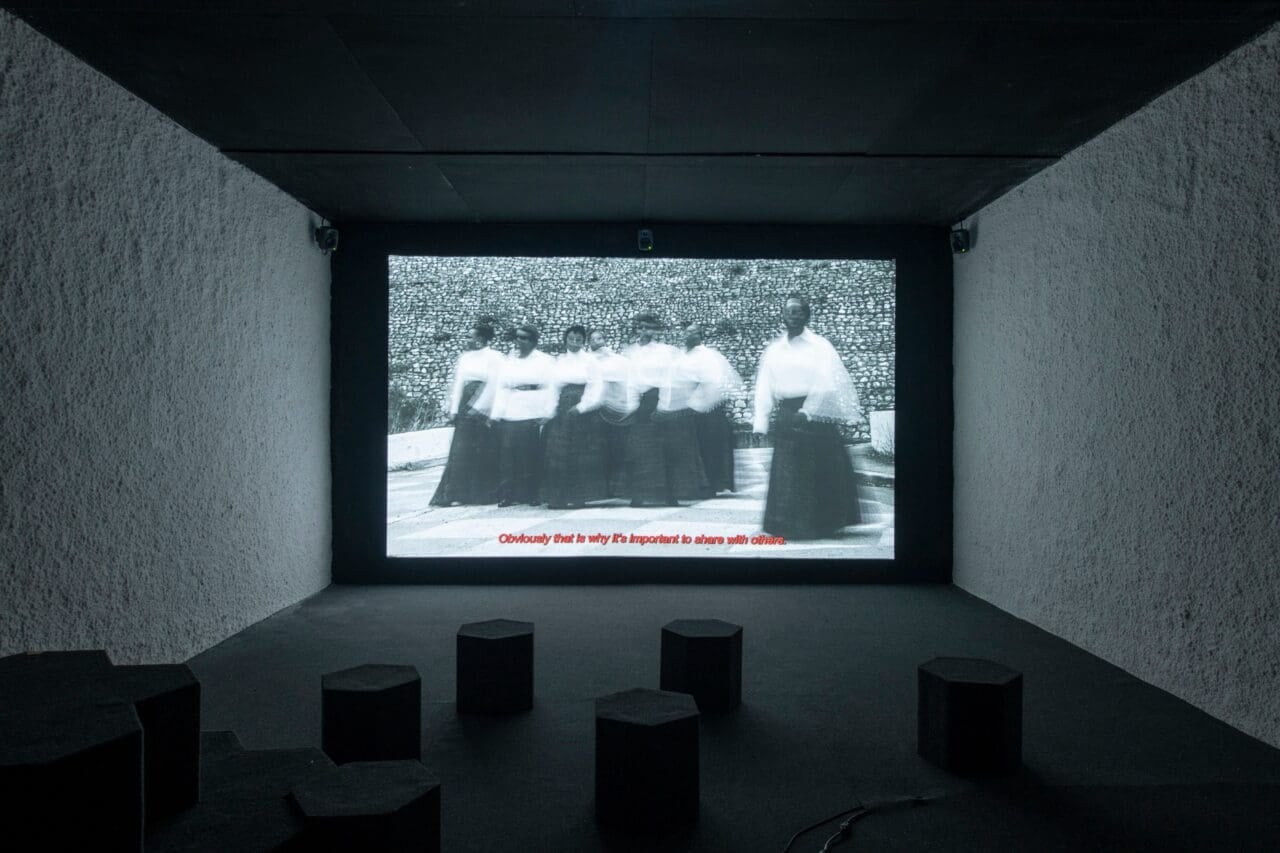
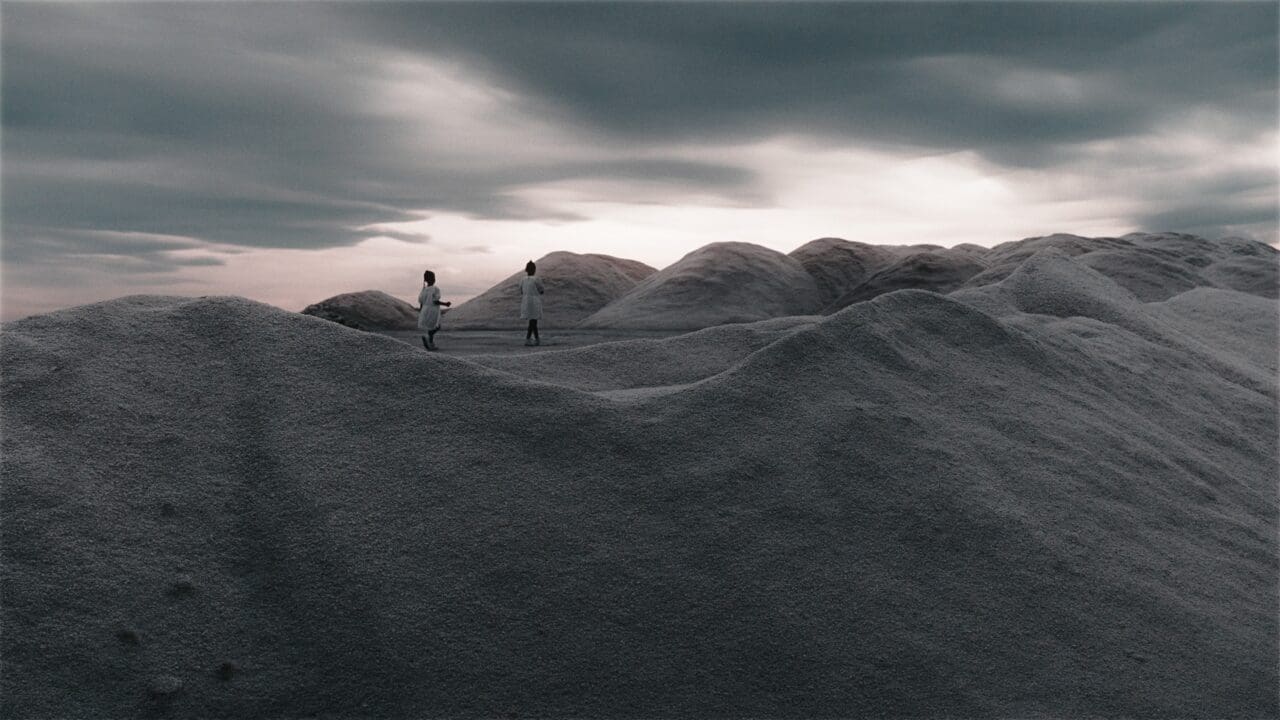
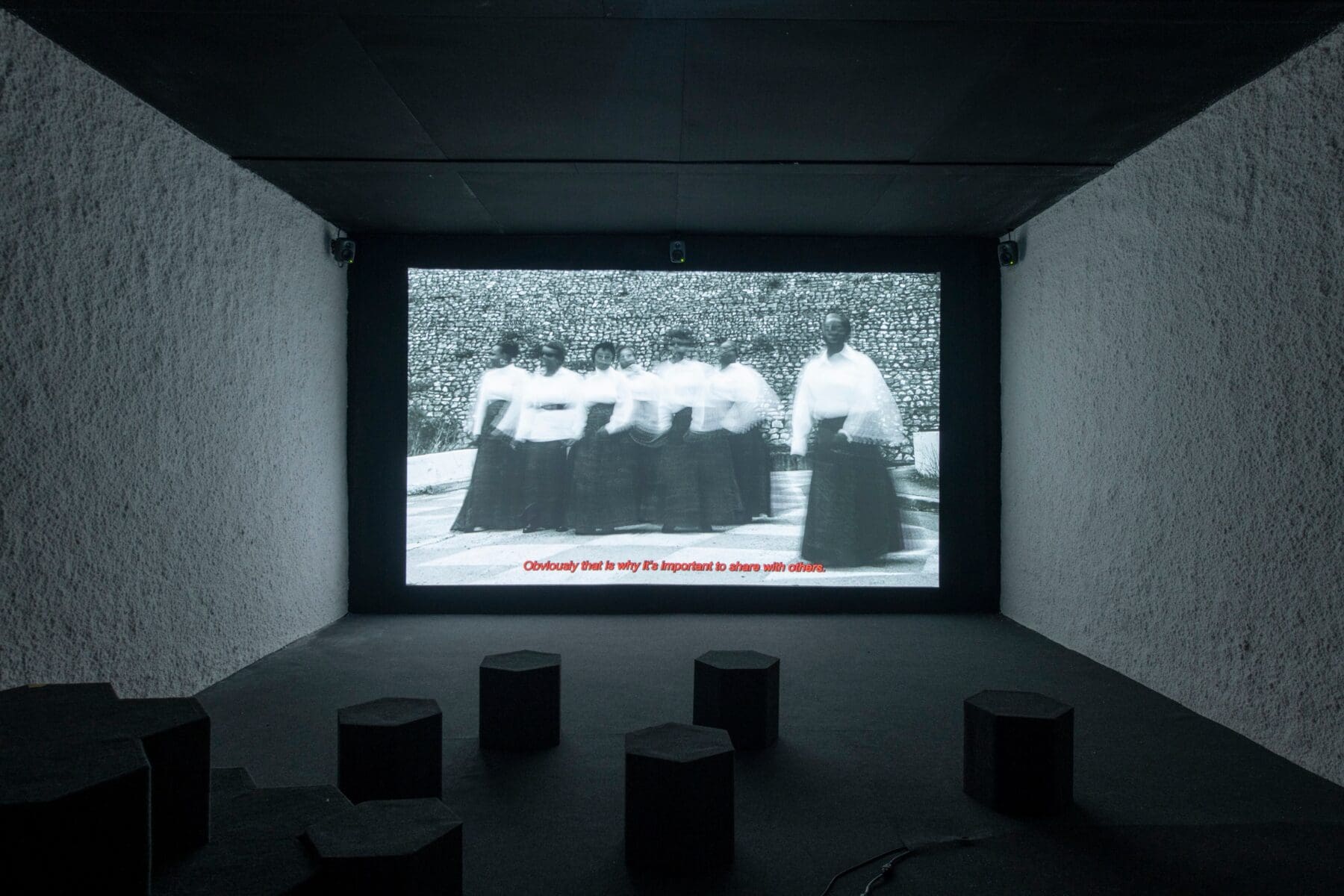
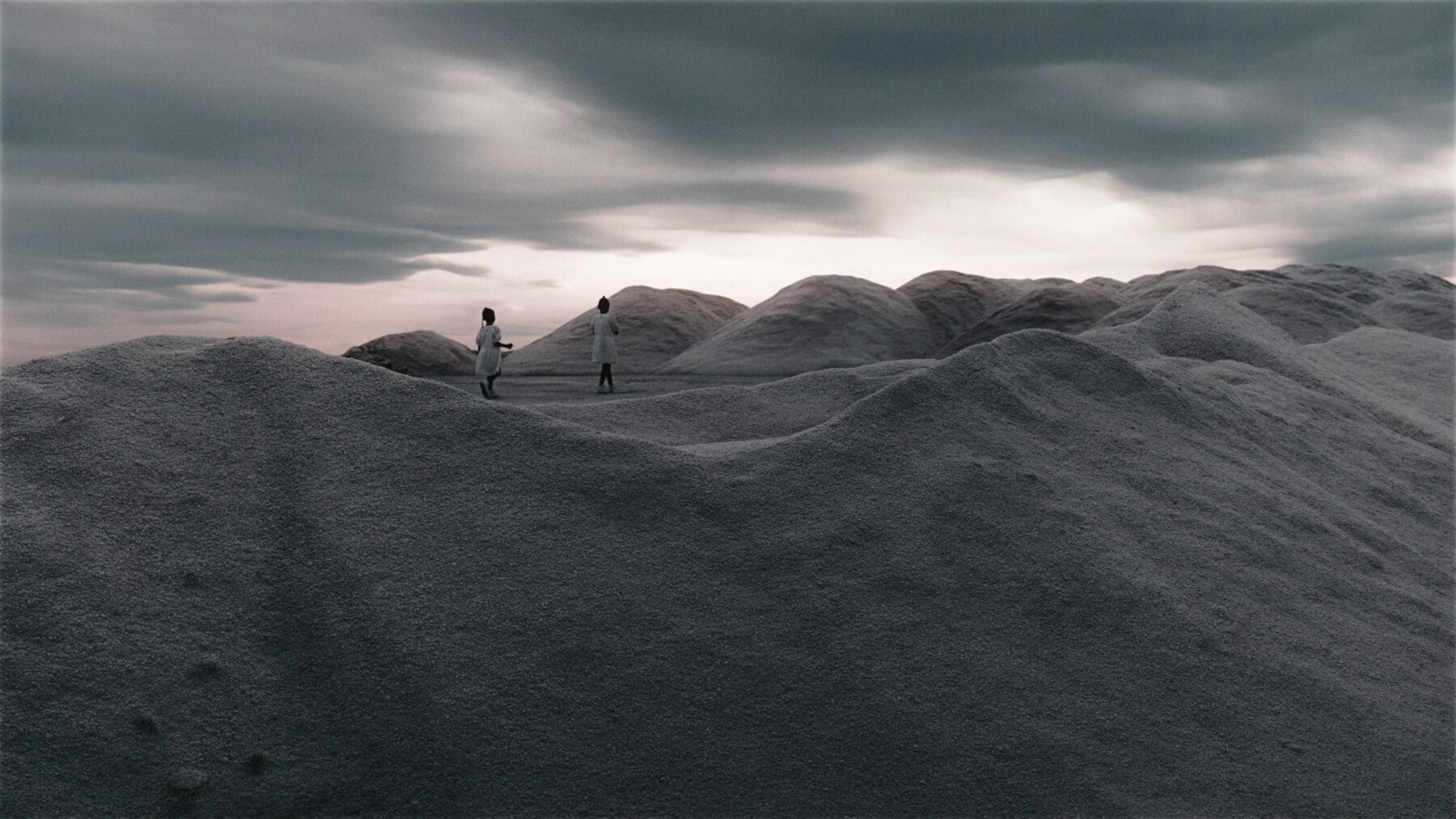
Space UN was founded in 2024 by Edna Dumas with the purpose of promoting contemporary African art in Japan and Asia. How Much Light Must I Consume? is Sierra Leone–born and London‑based artist Julianknxx’s first solo exhibition, curated by UK‑based curator Ekow Eshun. The film What Colours Can We Dream in This Night Filled with Salt? (2025) anchors the show, and is shaped through songs performed by the Marseille‑based Boras Choir, whose practice is rooted in sustaining Comorian oral tradition. The film moves between myth, memories, and lived experience, layered under poetry and song. Themes of migration (and its emotional and spiritual impact), identity, and belonging are inherent in the artist’s work; Julianknxx moved to London from Sierra Leone at the age of nine. Julianknxx champions sound as a universal channel for sharing and sustaining cultural knowledge.
Tada Minami: Still Shimmering Light, at Museum of Contemporary Art Tokyo
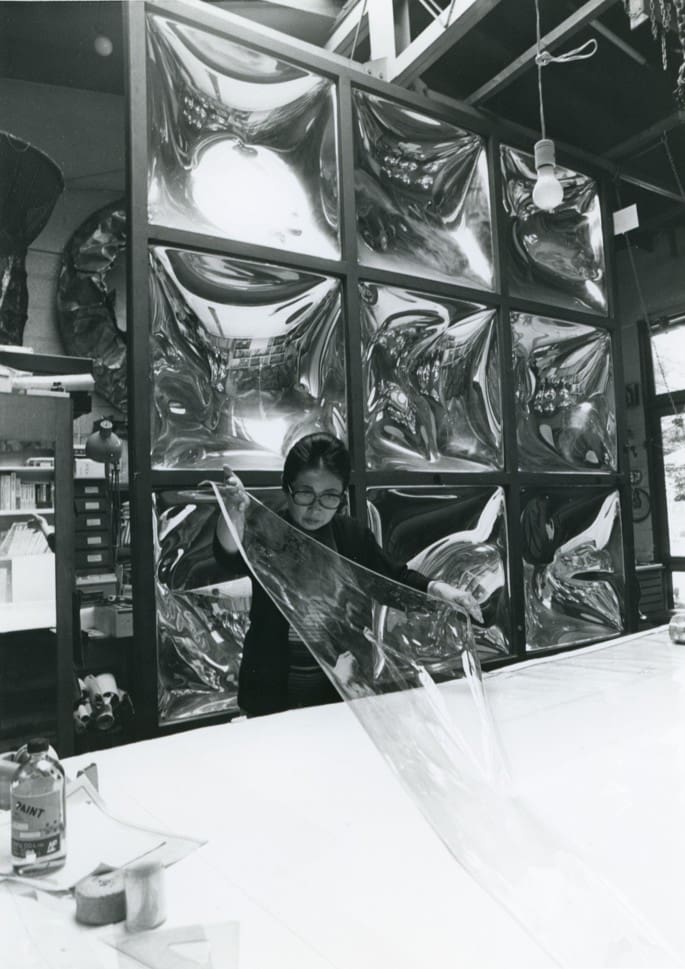
Minami Tada working in her studio, 1978. Photo by Tomoyasu Naruse. Courtesy Sekaibunkasha Inc.
Photo: Courtesy of Art Week Tokyo
Tada Minami (1924–2014) was a pioneering postwar abstract artist best known for her inventive use of wide‑ranging, often industrial materials—from stainless steel to glass and acrylic—as well as fabrication techniques. Spanning art, design, and architecture, her pieces, often integrated into architectural spaces and public sites, are encountered by people in daily life. She produced approximately 200 sculptural pieces and 500 works integrated into architectural spaces over the course of her career, including those from the “Illuminated Walls” series that contain richly colored light. Another seminal work, Coal Mine (1957), a wall‑sized relief originally commissioned for the Coal Miners’ Union Building, will be on view, as well as Frequency 37306505 (1965), a tactile, steely piece consisting of acrylic forms with an aluminum coating to achieve a reflective surface. Past Light, Present Sight is also on view at the museum, drawing from its own collection with a focus on works that explore themes of light and time.

Editor
Aaina BhargavaCredit
Lead image: Courtesy of CON Tokyo