

E
veryone sees the shows at fashion week, but almost no one sees the part that comes after — the appointment-only rooms, the phone that never leaves my hand, and the decisions that determine who will actually own those iconic looks that light up your feeds.
As a personal shopper and sourcing specialist for private clients around the world, my job is all about providing access: to the pieces, the people, and the rooms that hold the most unique and exclusive pieces. My usual workflow begins when a client requests to come in; my team and I then track the piece down from a boutique anywhere in the world or pre-order it straight from the runway.
Couture works completely differently. Everything is by appointment only, made-to-measure from the first stitch, and priced beyond any ready-to-wear. It’s an offline, deeply personal service, built on in-person appointments and months of fine detail — usually three to six — between client and atelier. And it’s often entirely exclusive: many houses release a single look to just one client, by market or worldwide. So couture week isn’t where you see and buy; it’s where a conversation begins — before owning something truly one-of-a-kind.
The shows lay out the foundation of everything that’s possible, the starting point for something we’ll co-create with a client, a place for the imagination to wander. Over four of the hottest days Paris has thrown at me, this is the week from the other side of the runway.
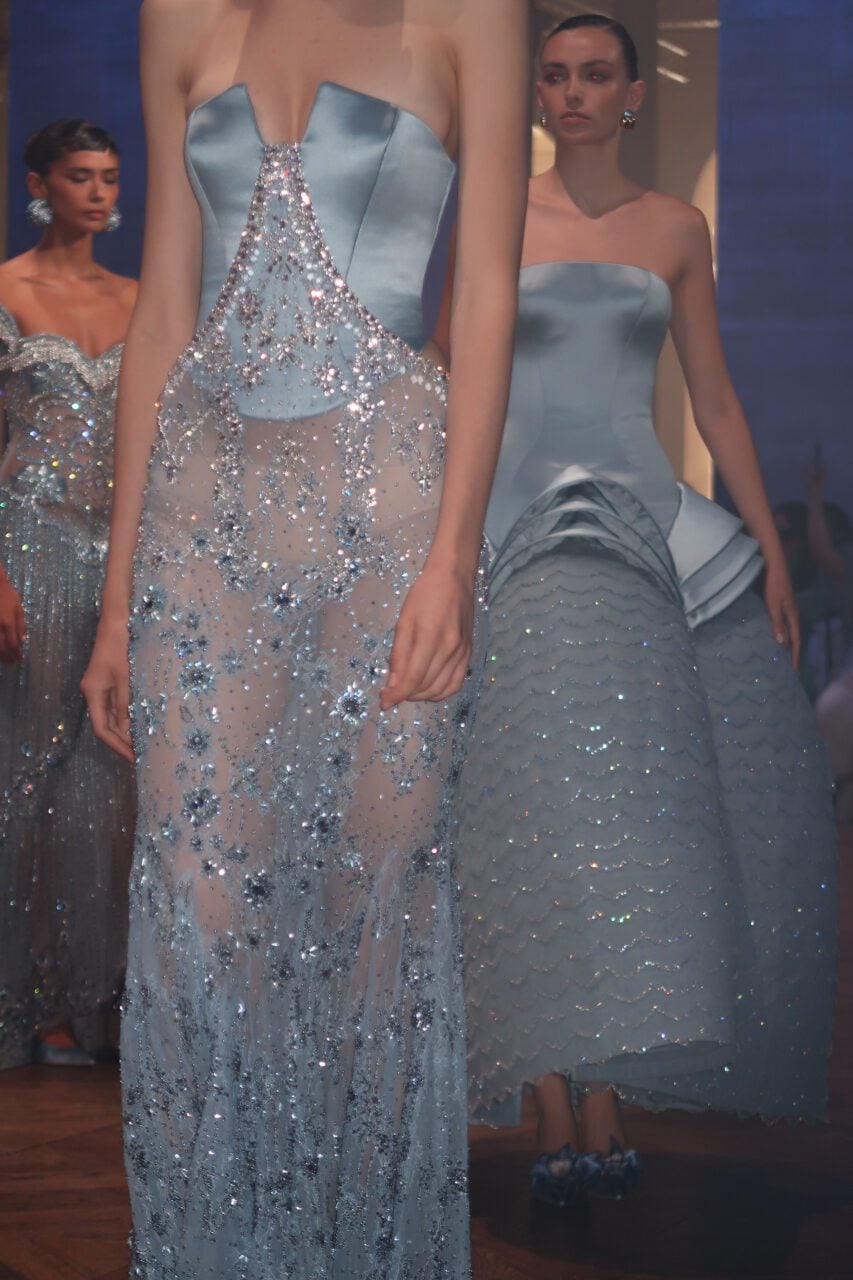
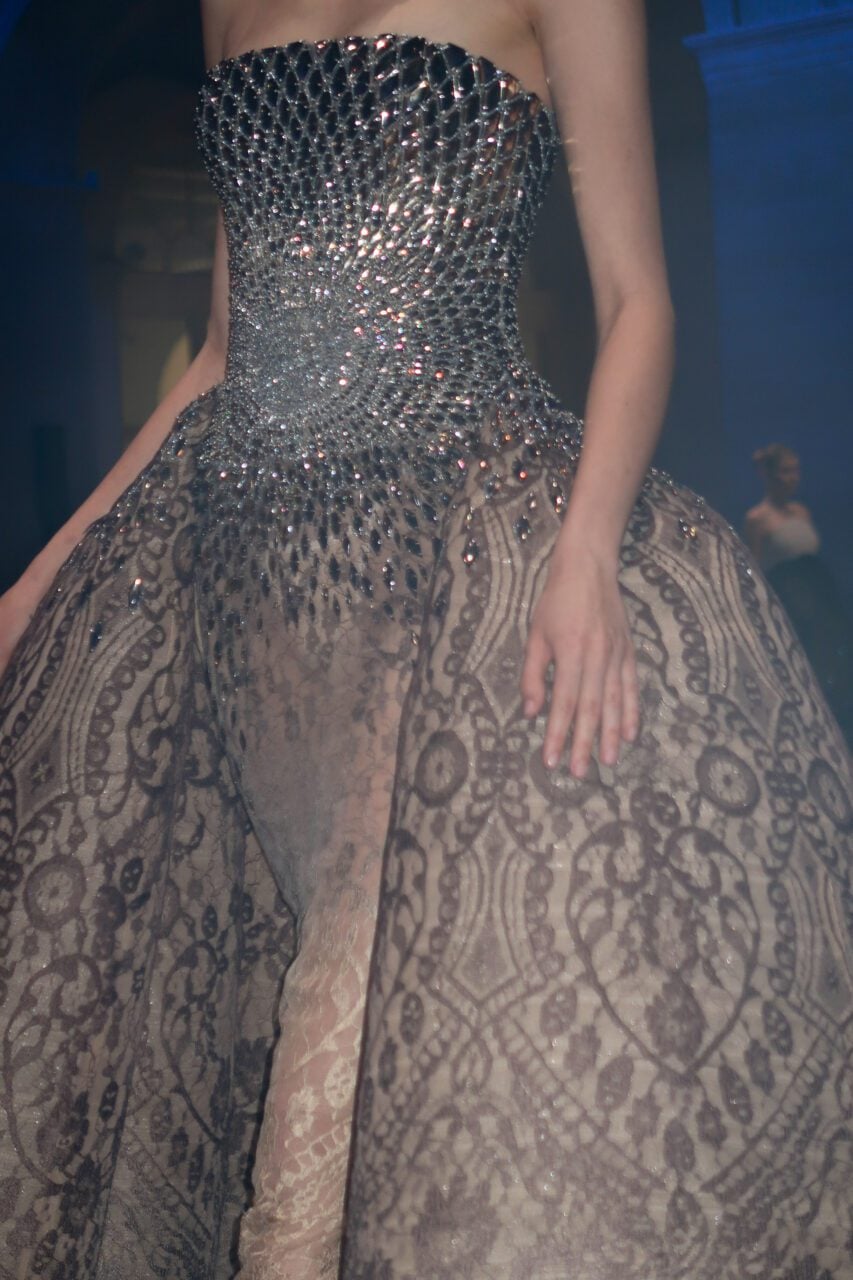
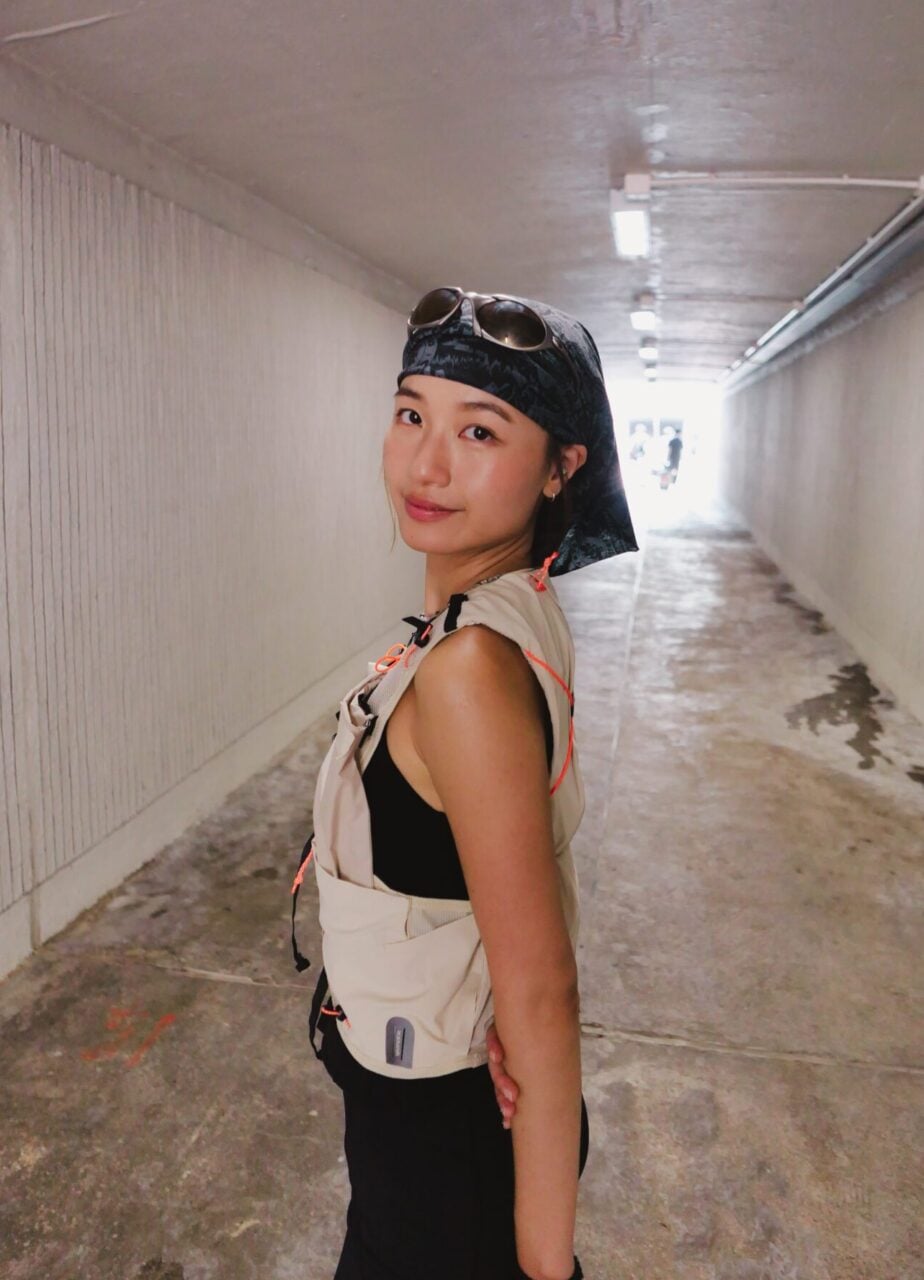
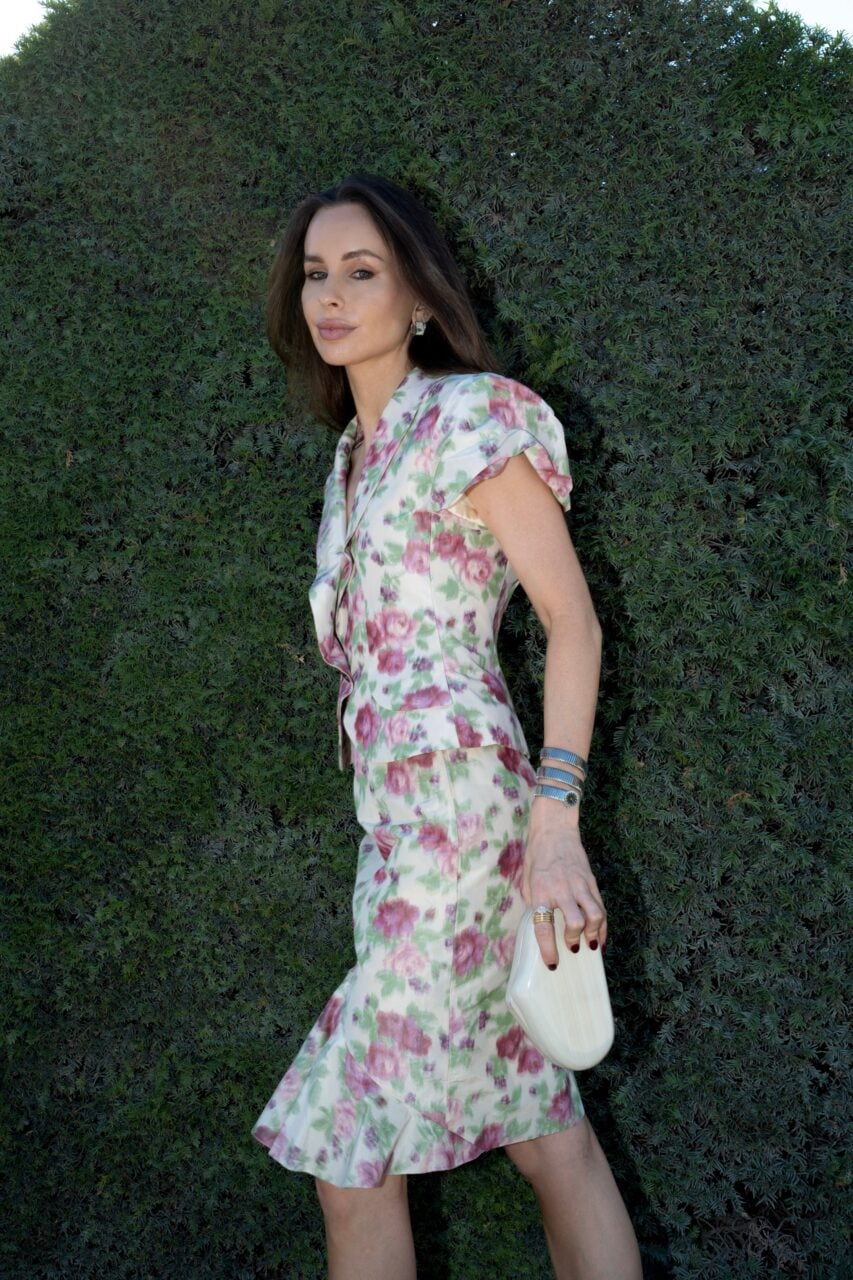
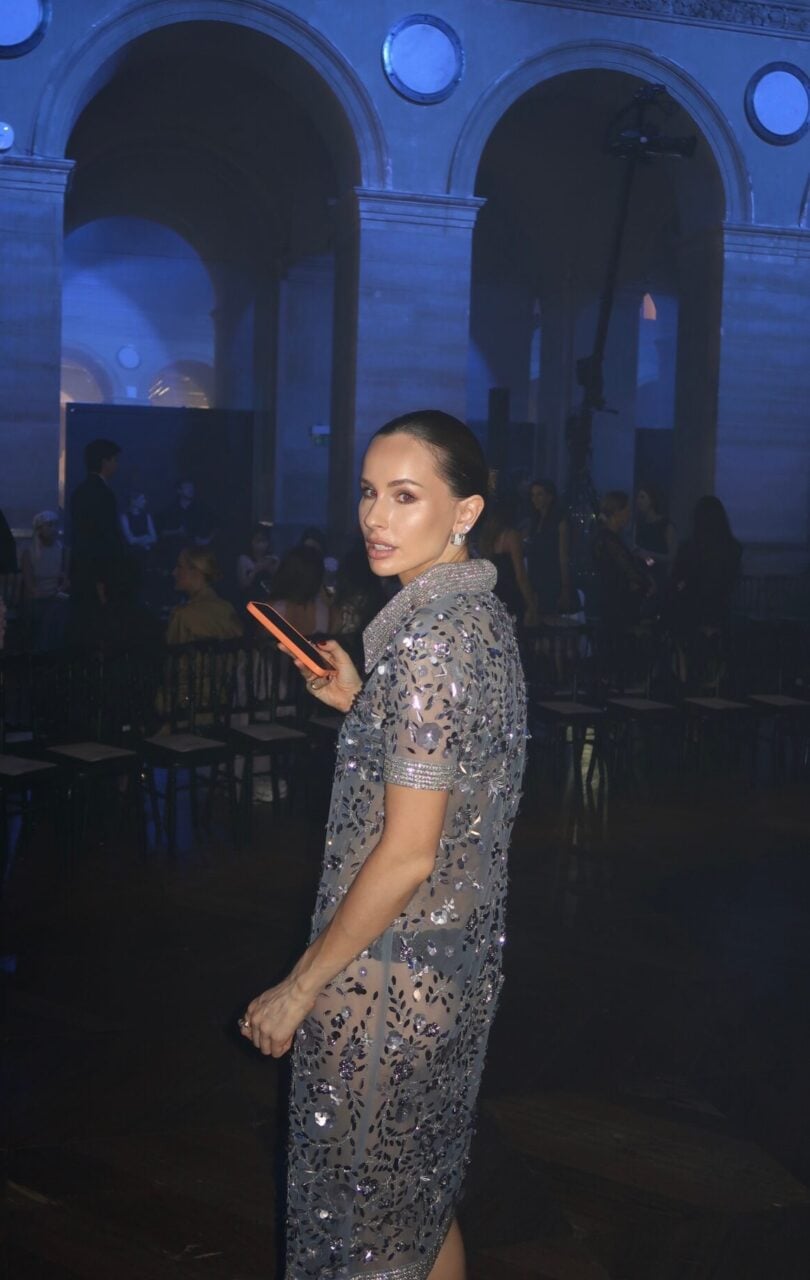
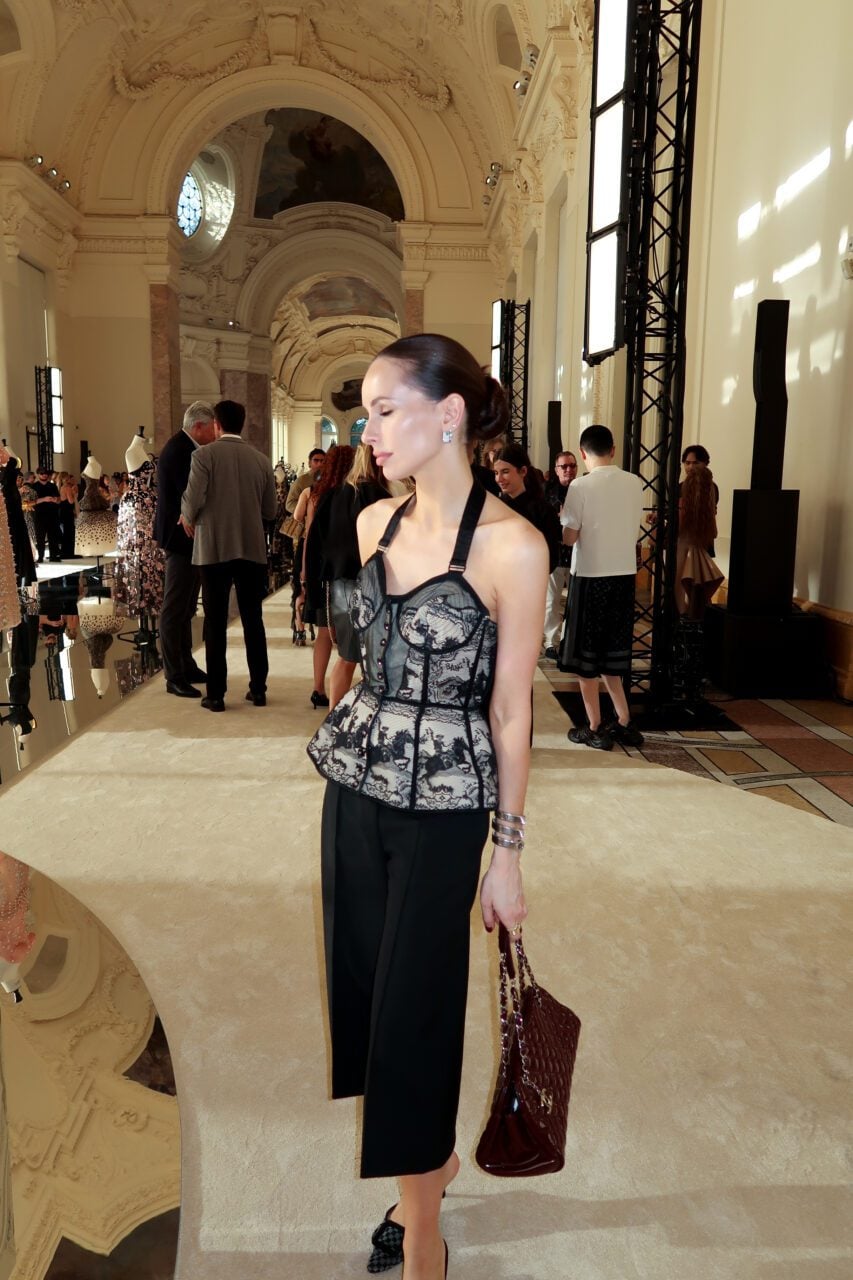
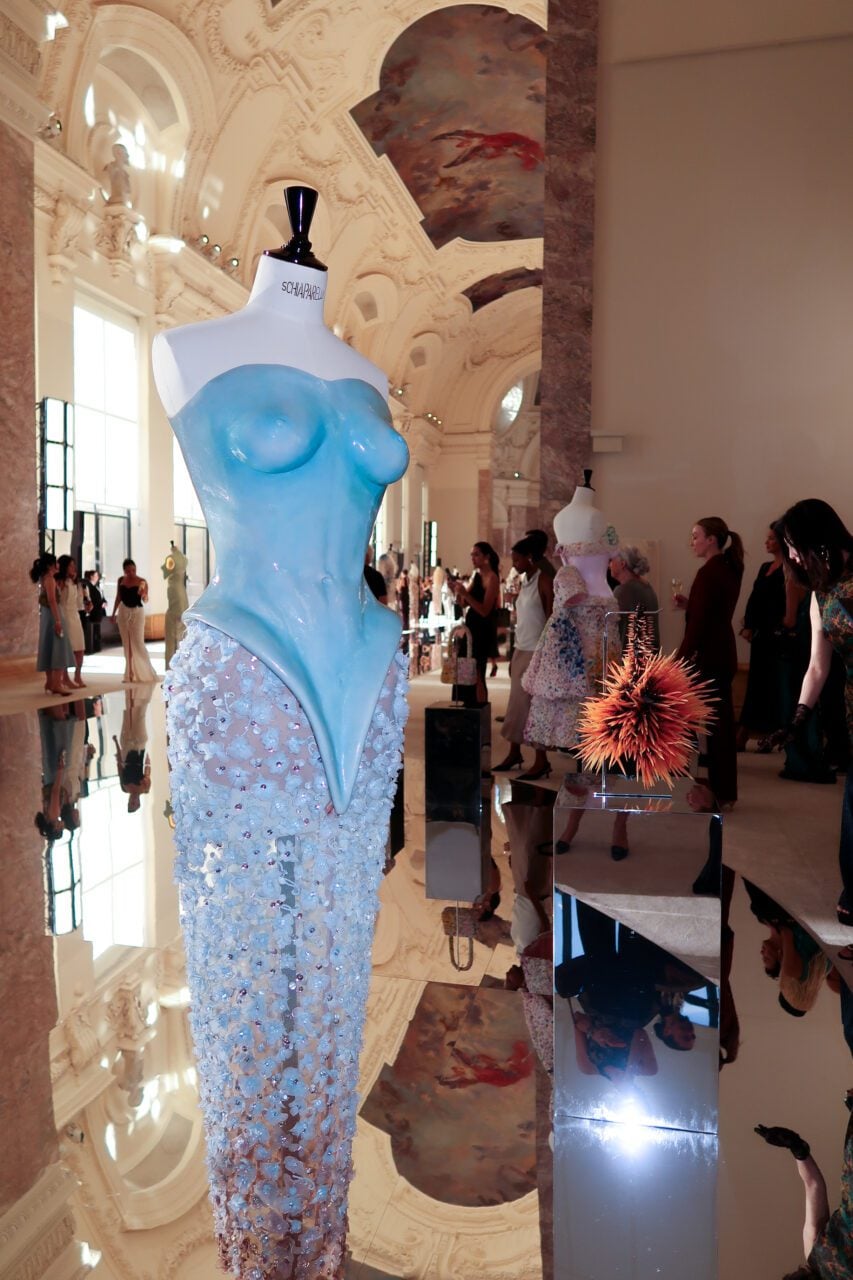
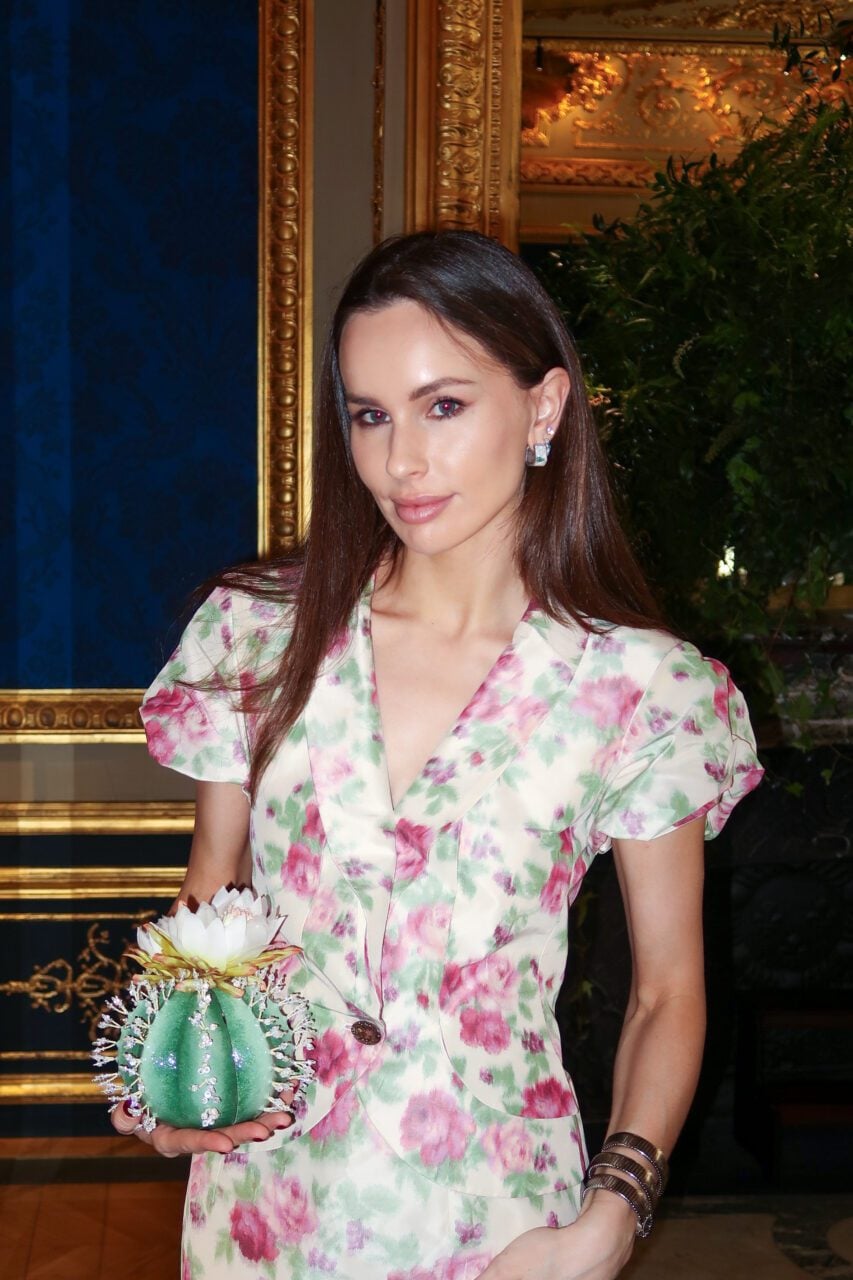
My week starts at the Georges Hobeika show, where I arrive dressed head to toe in the house before discovering an opulent collection of hand-worked embellishment. Then it’s a dash across town to ArdAzAei for a quick change into vintage Jean Paul Gaultier before the Schiaparelli re-see at the Petit Palais.
The re-see is the thing most people don’t know about this week: immediately after a show, the same looks you’ve just watched are moved into a private showroom to be seen up close. This is where I do my real work, serving as my clients’ eyes — photographing how a fabric falls, the true tone of a colour, and the way a bodice actually sits, then sending it in real time to women across a dozen time zones.
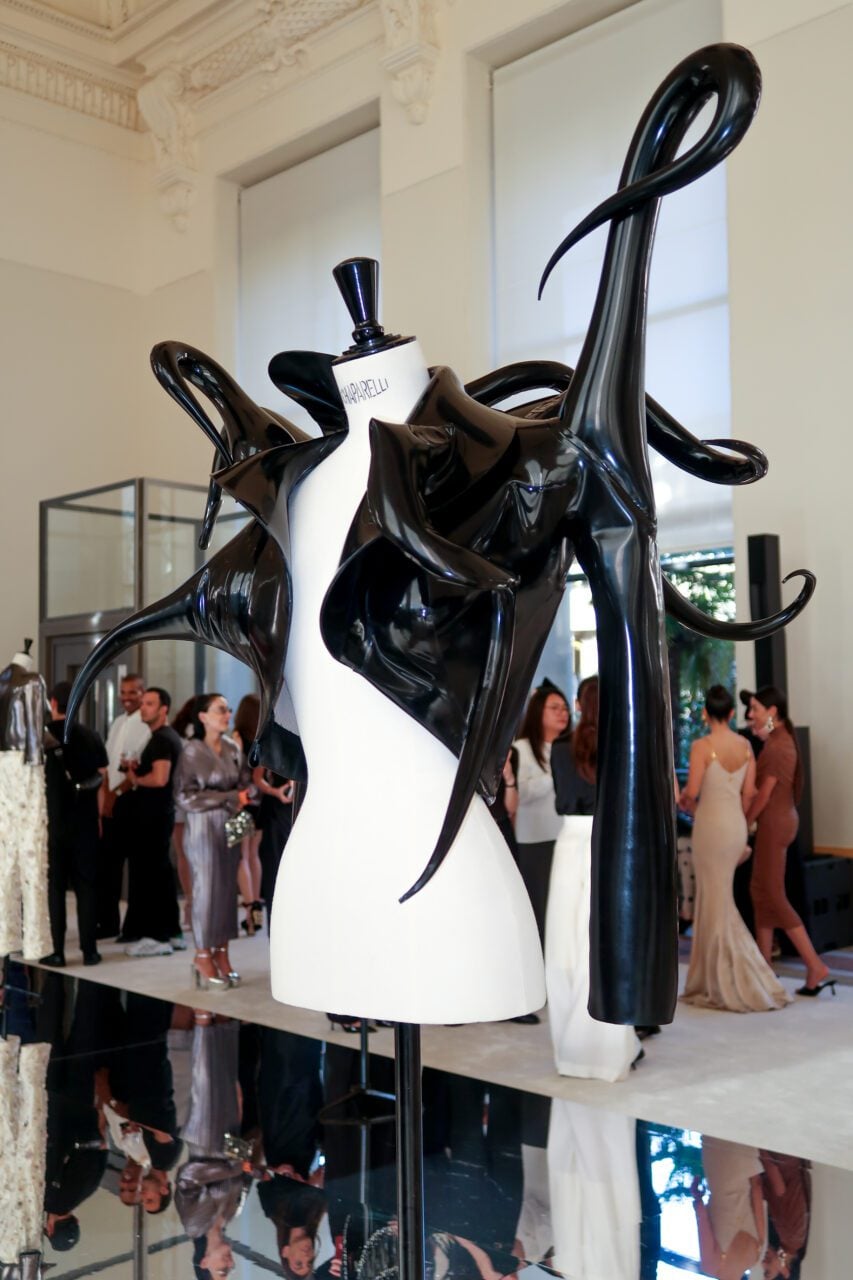
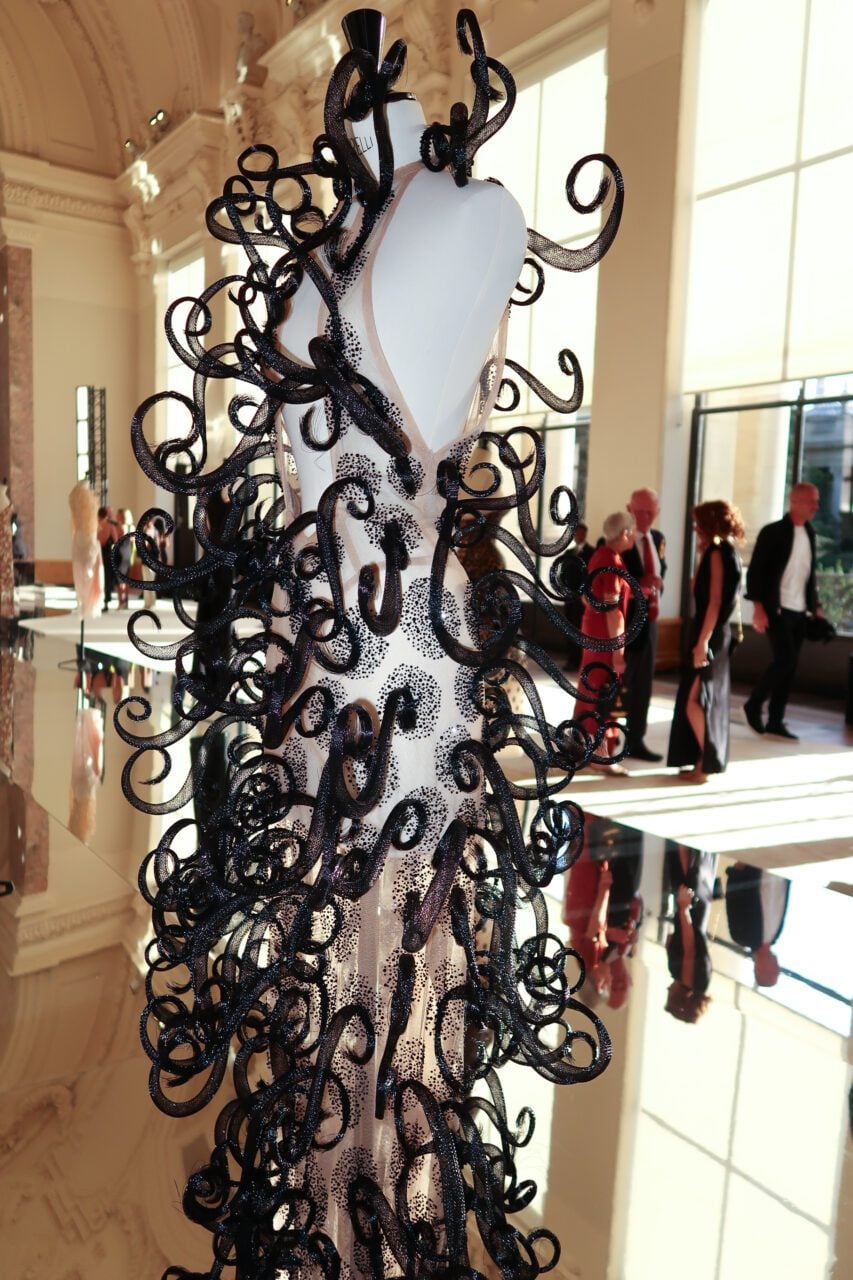
Up close, we come to understand what a runway doesn’t tell you: the starting price, how many months a piece will take to produce, the materials and colours available to adapt for each look, and every other detail involved. Daniel Roseberry’s latex bustiers were extraordinary, and the first question a client asked wasn’t the price but whether they were wearable at all — or destined to stay a runway archive. It is the great myth of fashion week: that everything you see can be bought.
This all continues the next morning as I head to Place Vendôme and the Chanel high jewellery salons, dressed in black sequinned Clio Peppiatt, because thirty-two degrees is no excuse to compromise a look. Again, there is no “shopping” in the way people picture it — only an appointment. From there, I move on to the Russian house Yanina Couture, increasingly requested by a few clients; part of the job is knowing which new names to bring to them first. After Stéphane Rolland’s theatrical tribute to Dalida at L’Olympia, I end at Ashi Studio, where a sculptural black horsehair bustier — alongside a similar shape covered in shiny snakeskin — is already drawing interest.
When a client decides to go ahead, an appointment is set, and the conversation begins: sketches are made and measurements taken so the client can begin to visualise a look created entirely for them. These are often pieces made for the most iconic occasions: the red-carpet moments and milestone events where a single look has to make a statement.


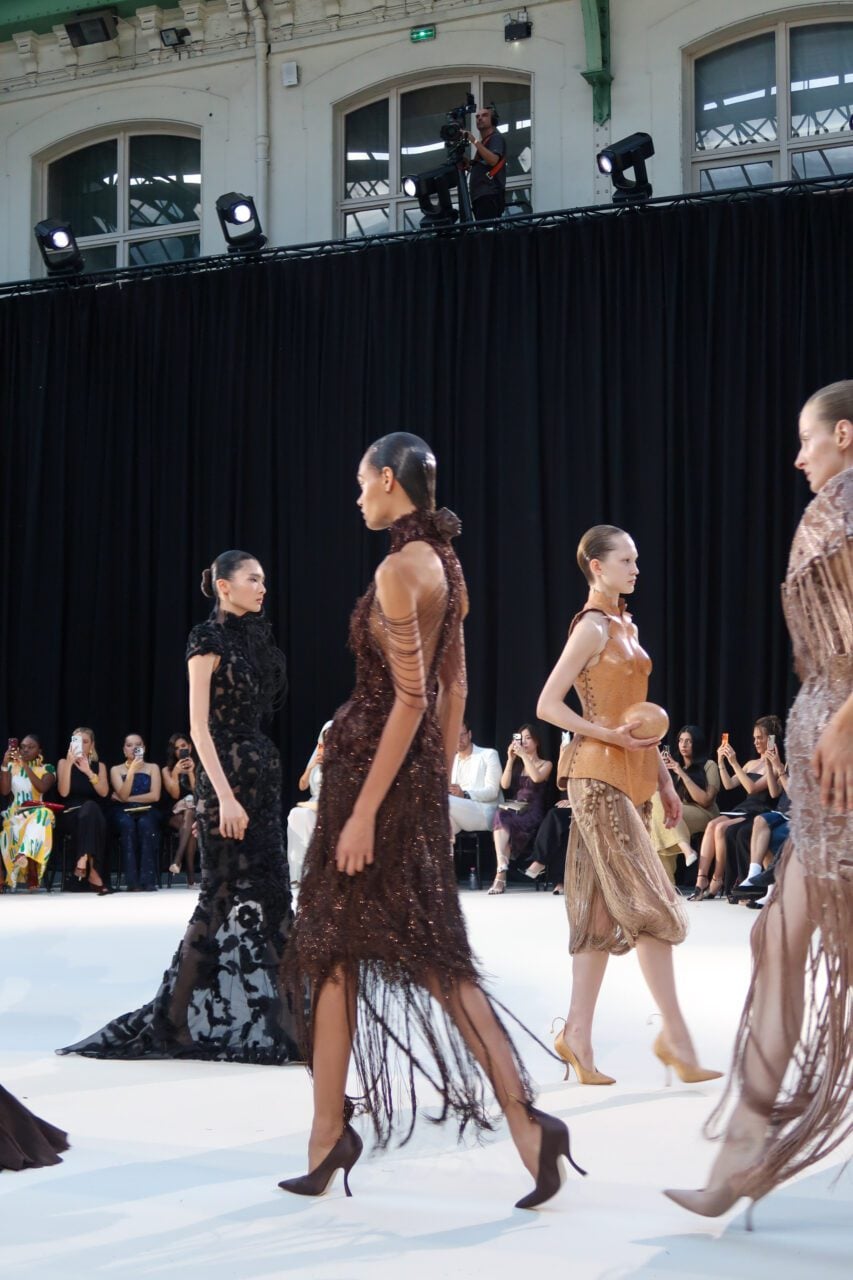
This spirit of collaboration defines the days that follow. Some houses invite clients to co-create, reworking a look’s fabric, colour, or proportion until it exists only once. At Iris van Herpen, certain designs are so complex they were never meant to be worn beyond a red carpet; at Robert Wun, the playful artistry of his collection reimagines the wonder of childhood. Manish Malhotra finishes the day with a luminous chandelier finale no one could ever wear — yet it says everything about the point of couture: some pieces exist only to move you.
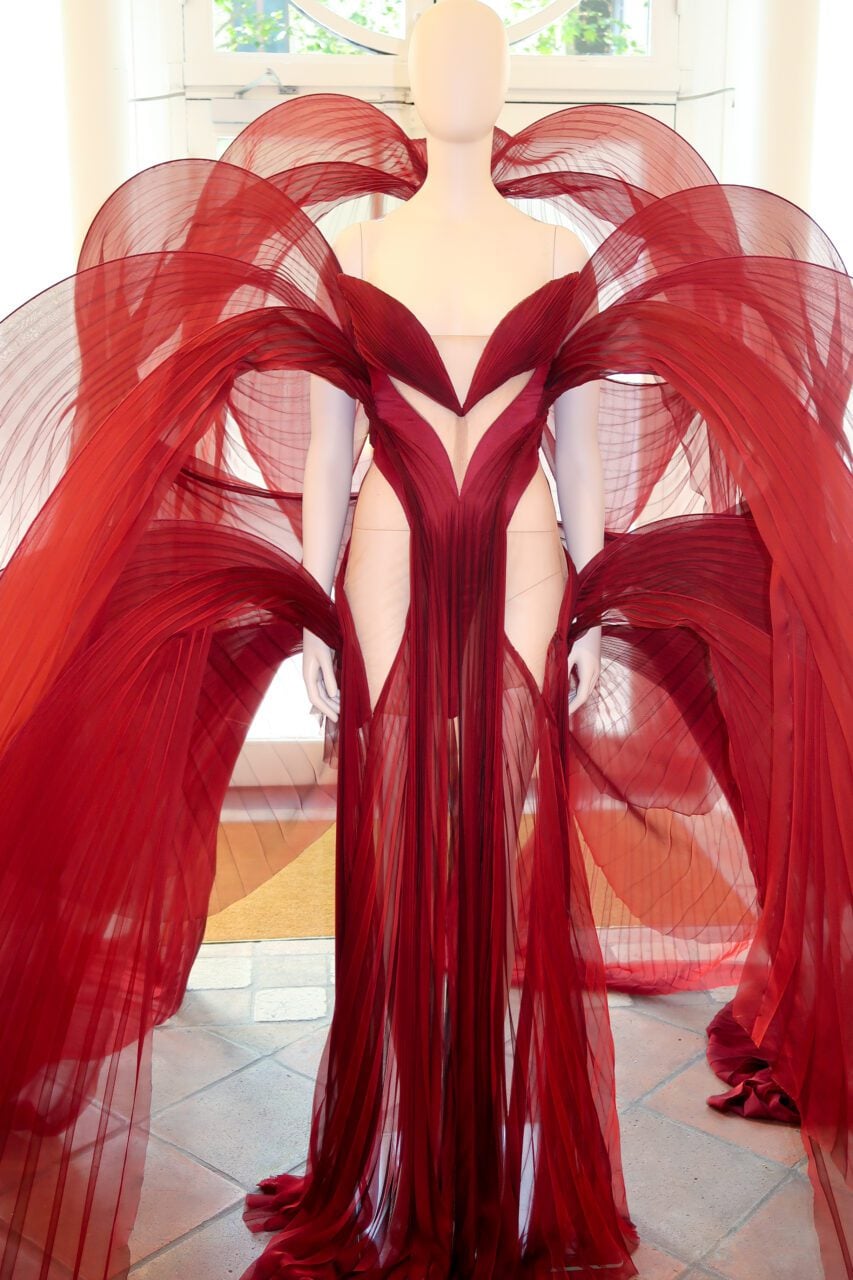
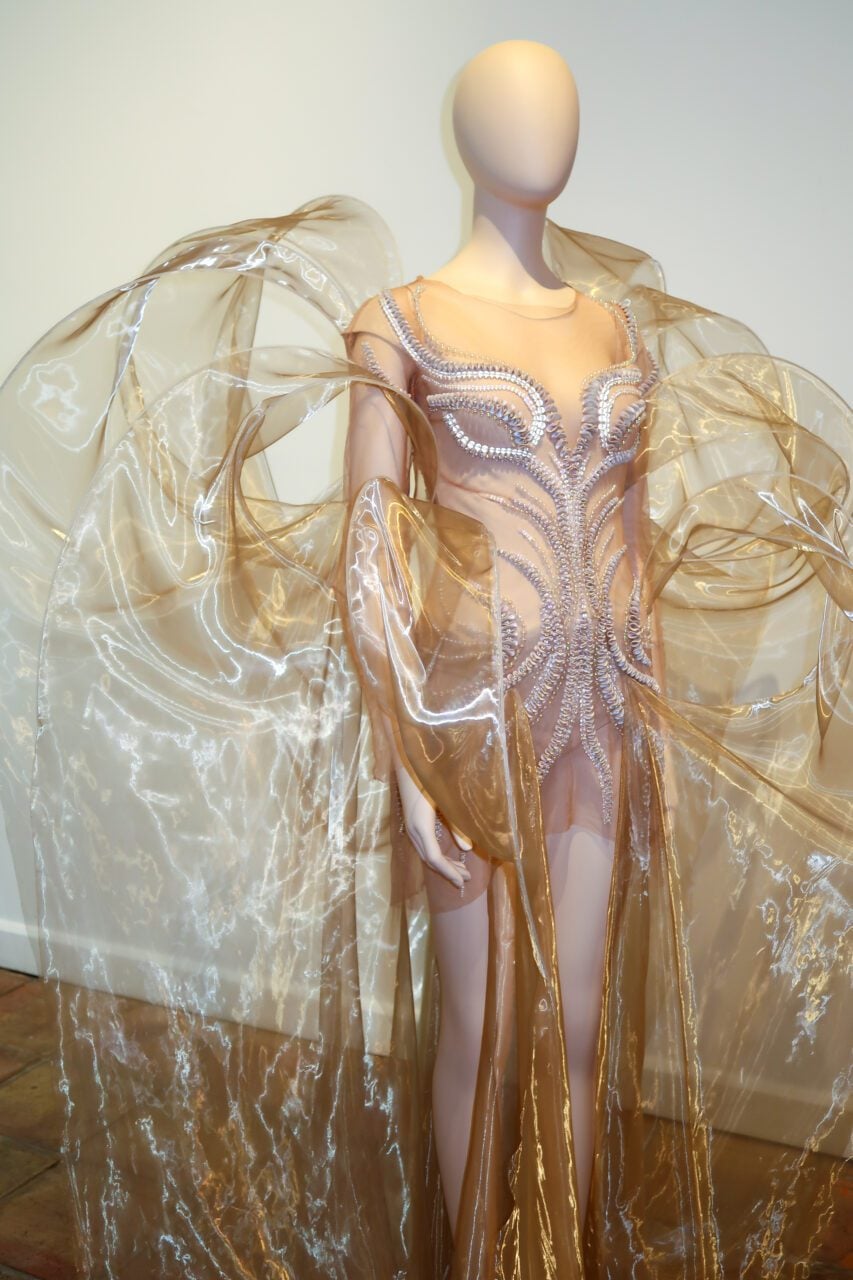
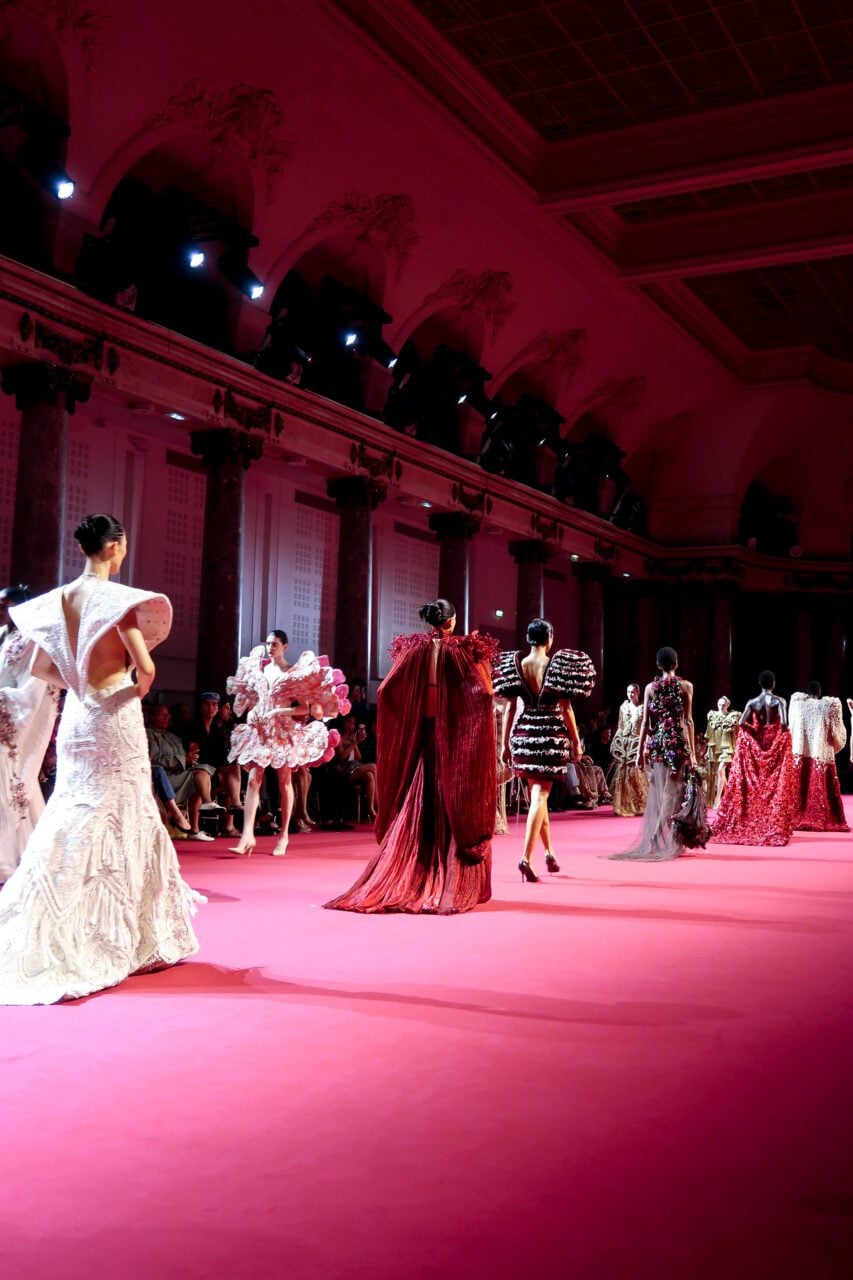
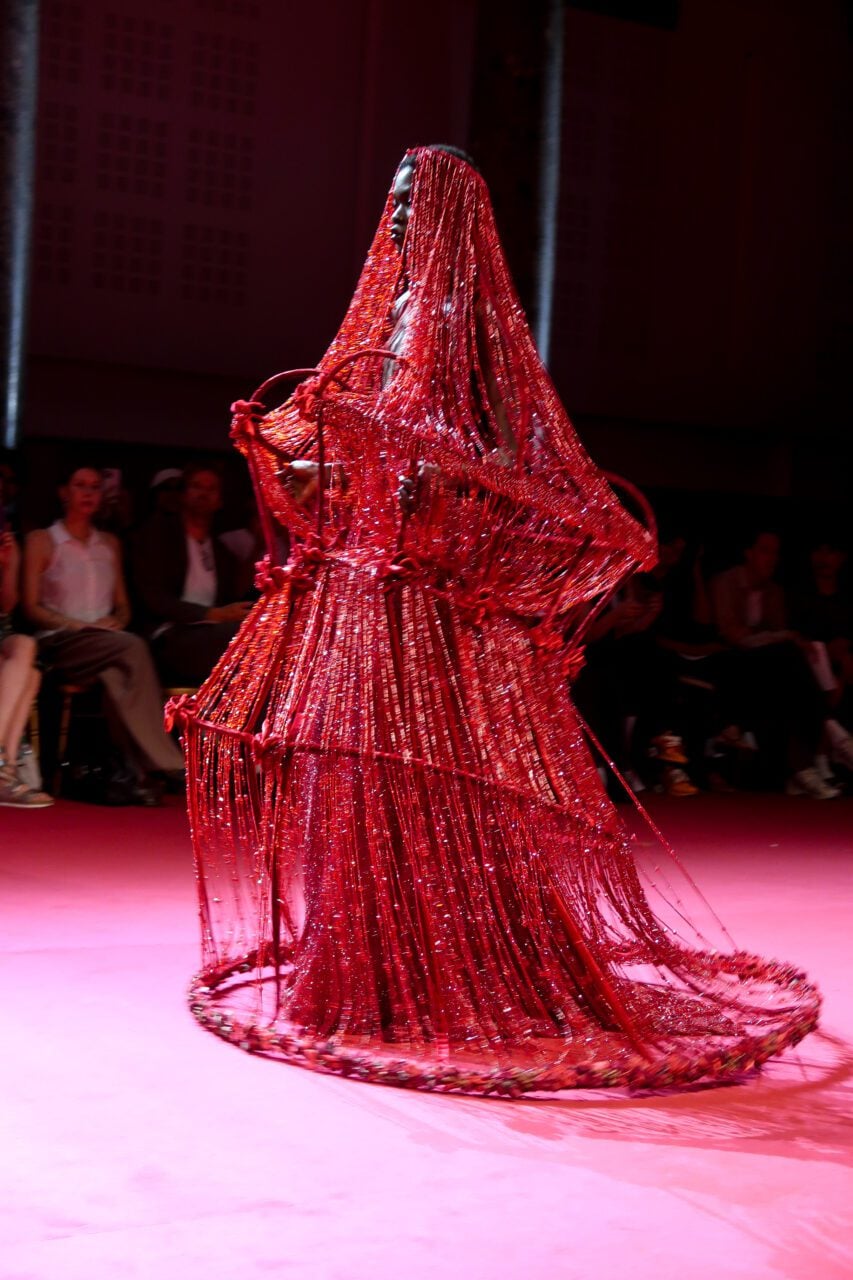
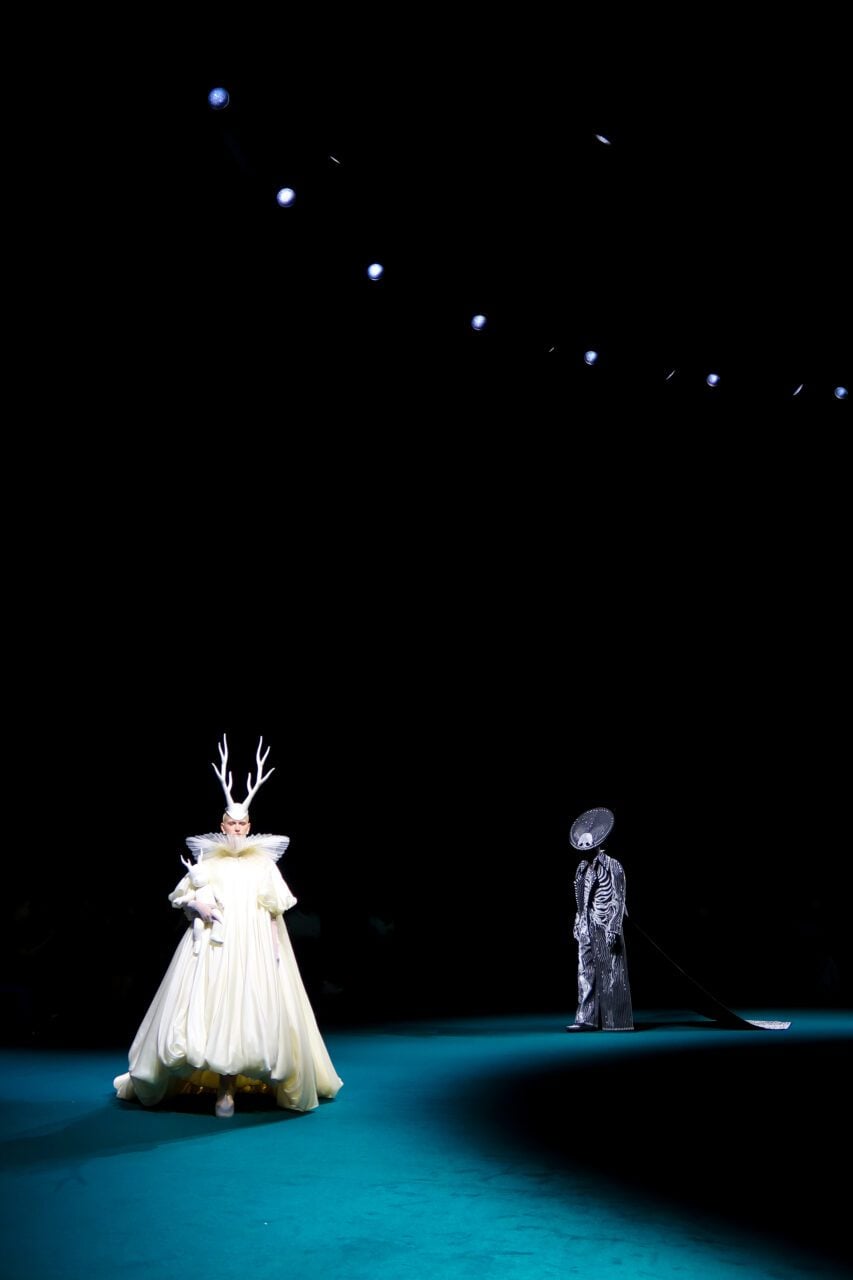
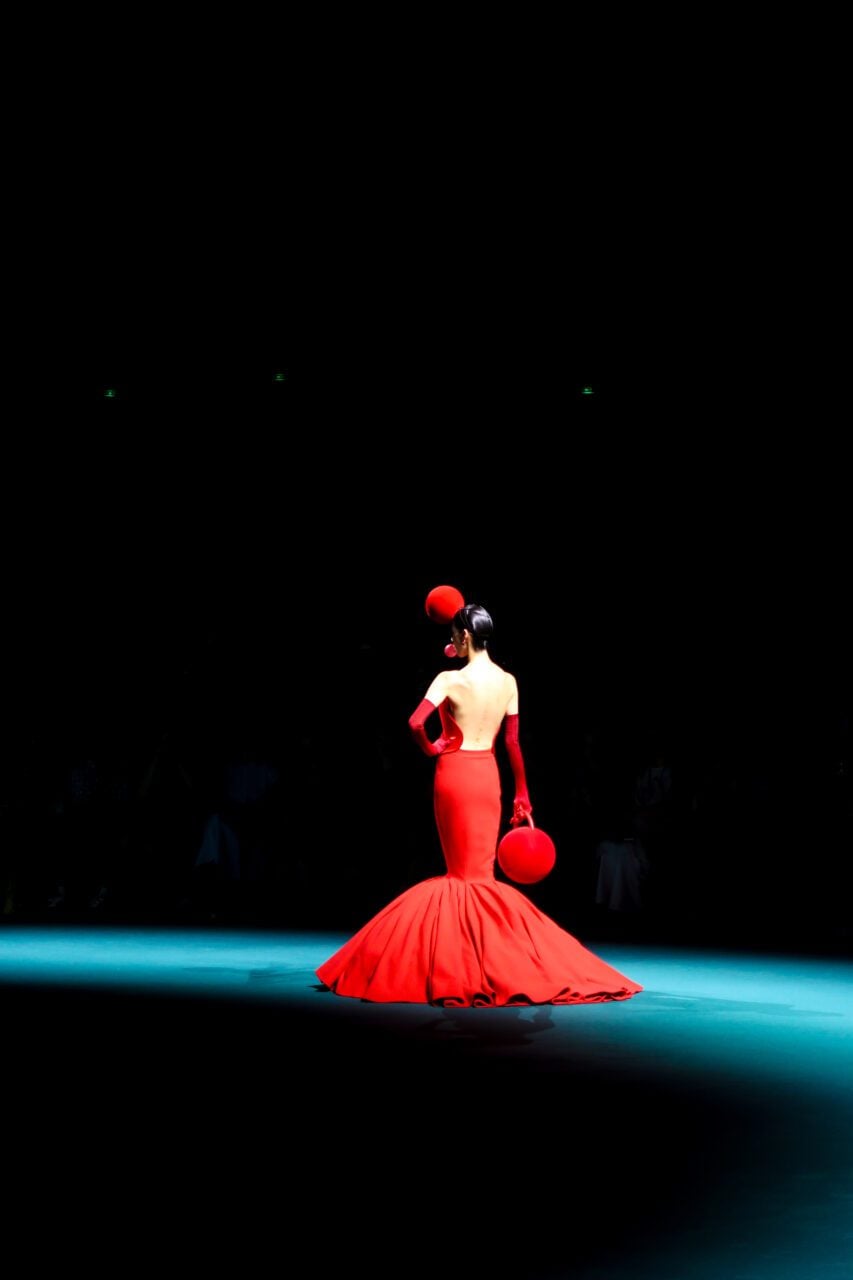
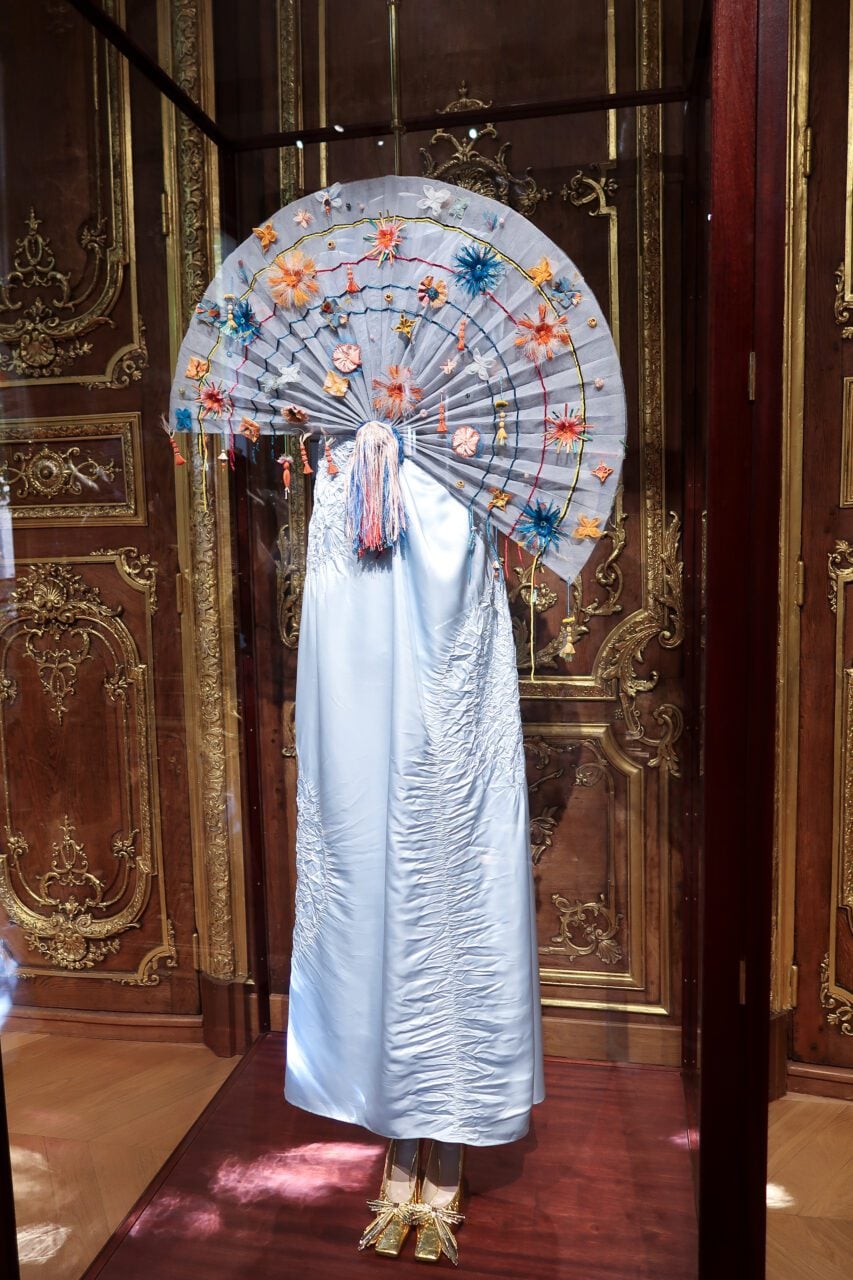
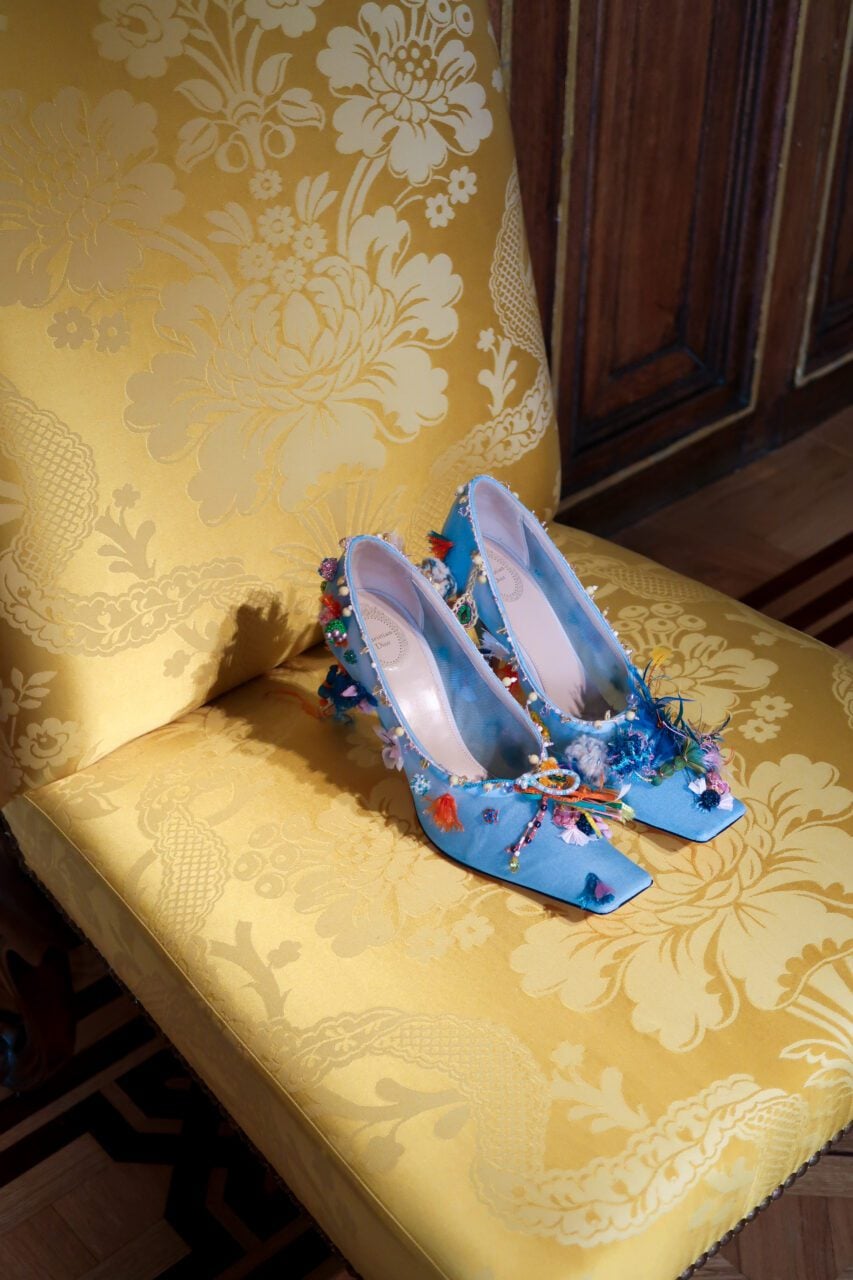
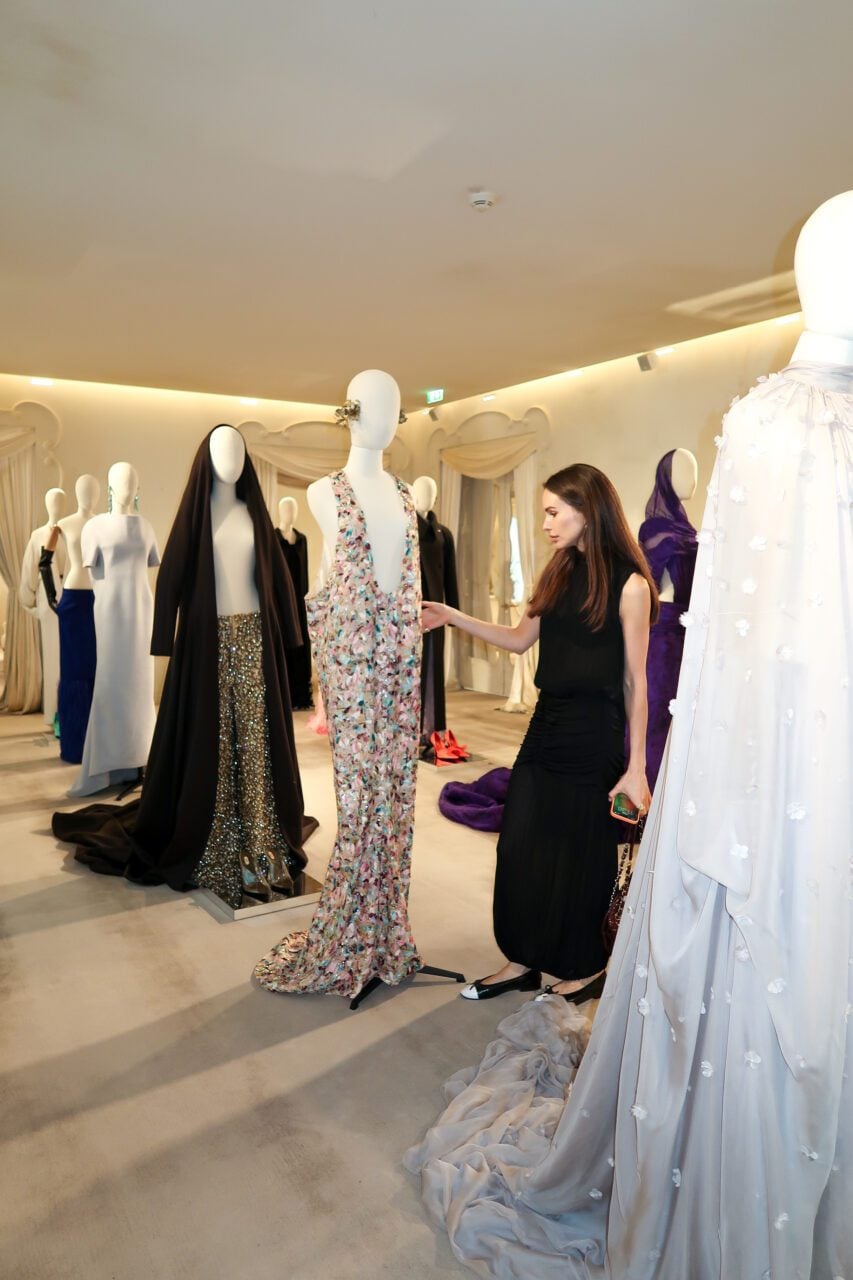
The week closes more quietly, at the Balenciaga re-see, held in the original haute couture salons that have been left almost untouched since Cristóbal’s closure. One multicoloured gown I was able to study up close is a work of art in its detail: the fabric was first painted with coloured brushstrokes, and the multicoloured embroidery was then built around them, thread following paint. I love these rooms most of all for the calm they offer to focus on each piece properly and report back to my clients.
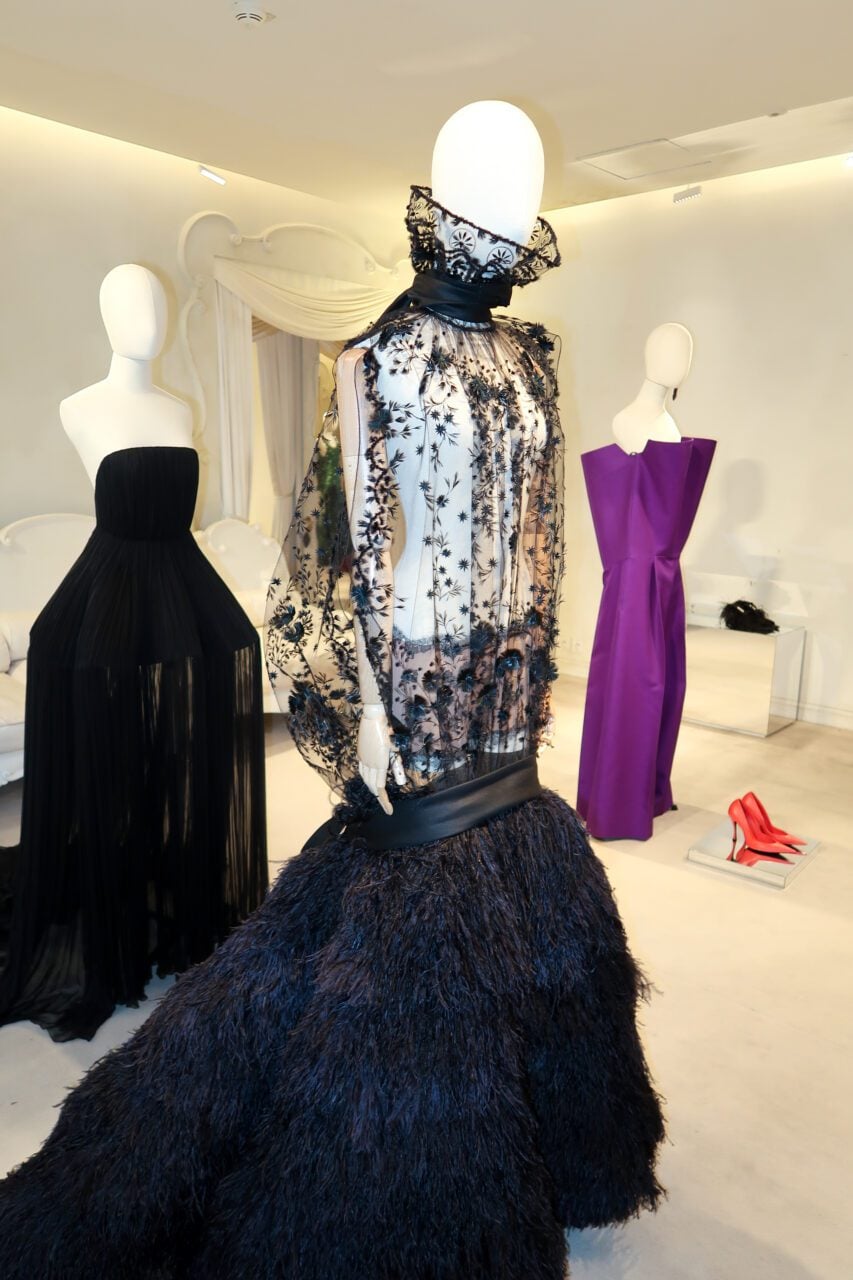
That quiet leads to a final, happy stop at my favourite by-appointment vintage showroom, Majco x Jovem, who have newly opened their new store — because increasingly, sourcing runs in both directions. Alongside the couture that reaches into the future, there’s a growing hunger for the past: archival runway pieces with a history waiting for a new chapter.
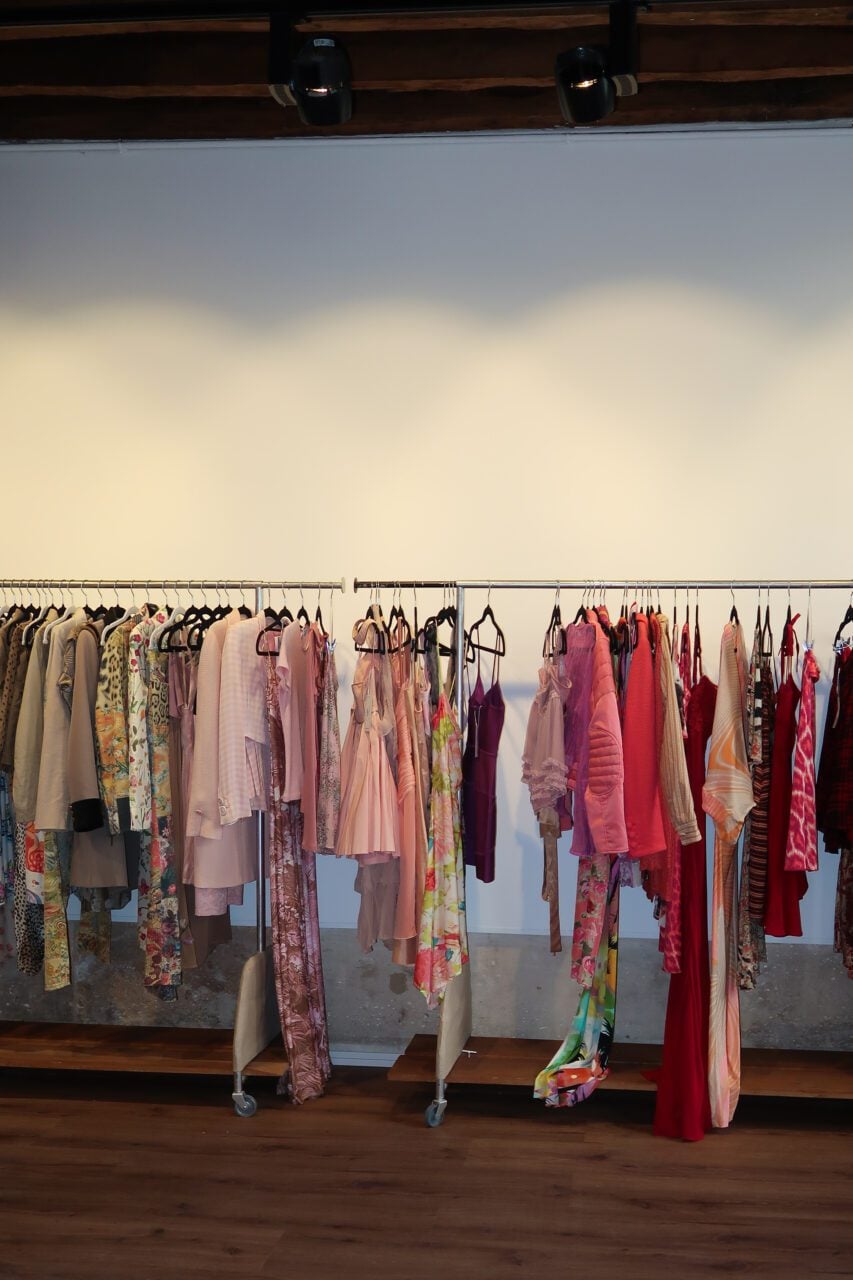
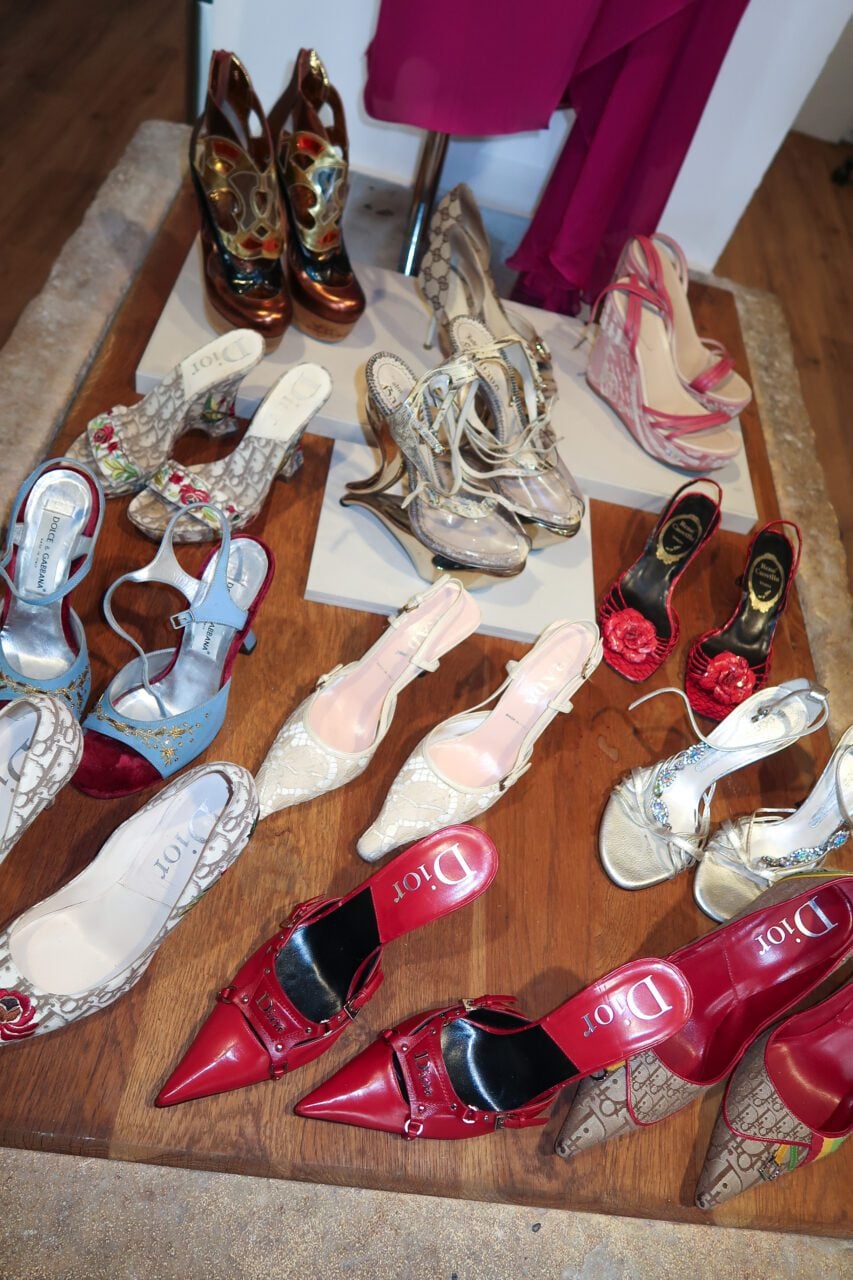
People assume this work is about buying beautiful things, but it’s really about offering personalised access — much of it conducted over WhatsApp between appointments, in rooms that never make the photographs. The shows are the spectacle; the real work waits in the quiet after the lights go down.
Editor
Isabel Bazzani