

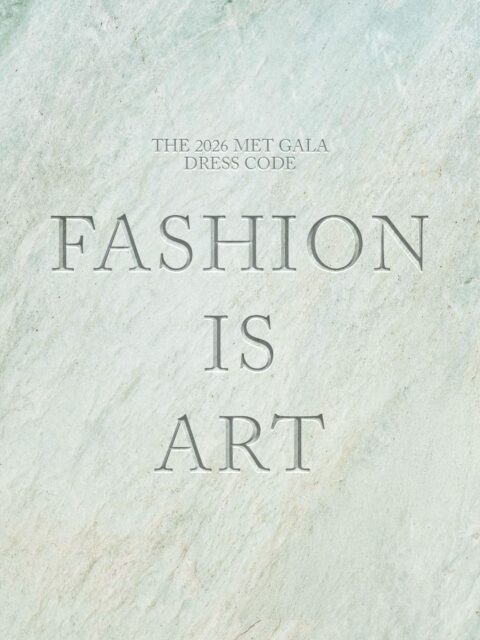
At every Met Gala, the conversation inevitably circles two things: how the theme is interpreted, and how the look is remembered. This year, though, it feels especially revealing—when “Fashion Is Art” lands at the heart of both creation and viewing, the red carpet stops being merely “a runway for clothes” and starts to resemble a kind of experimental arena that pushes people toward the centre of art.
For the Met’s Costume Institute Spring 2026 exhibition Costume Art, curator Andrew Bolton explains that the event addresses the “the centrality of the dressed body in the museum’s vast collection.” While the exhibition itself centres on the dressed body, the dress code of the night “Fashion Is Art” gives guests extraordinary room to play.
Fashion history has never lacked inspiration. Designers have long been transforming art—however blurred or esoteric—into wearable pieces, or creating works that are themselves art in the round, unfolded around the body.
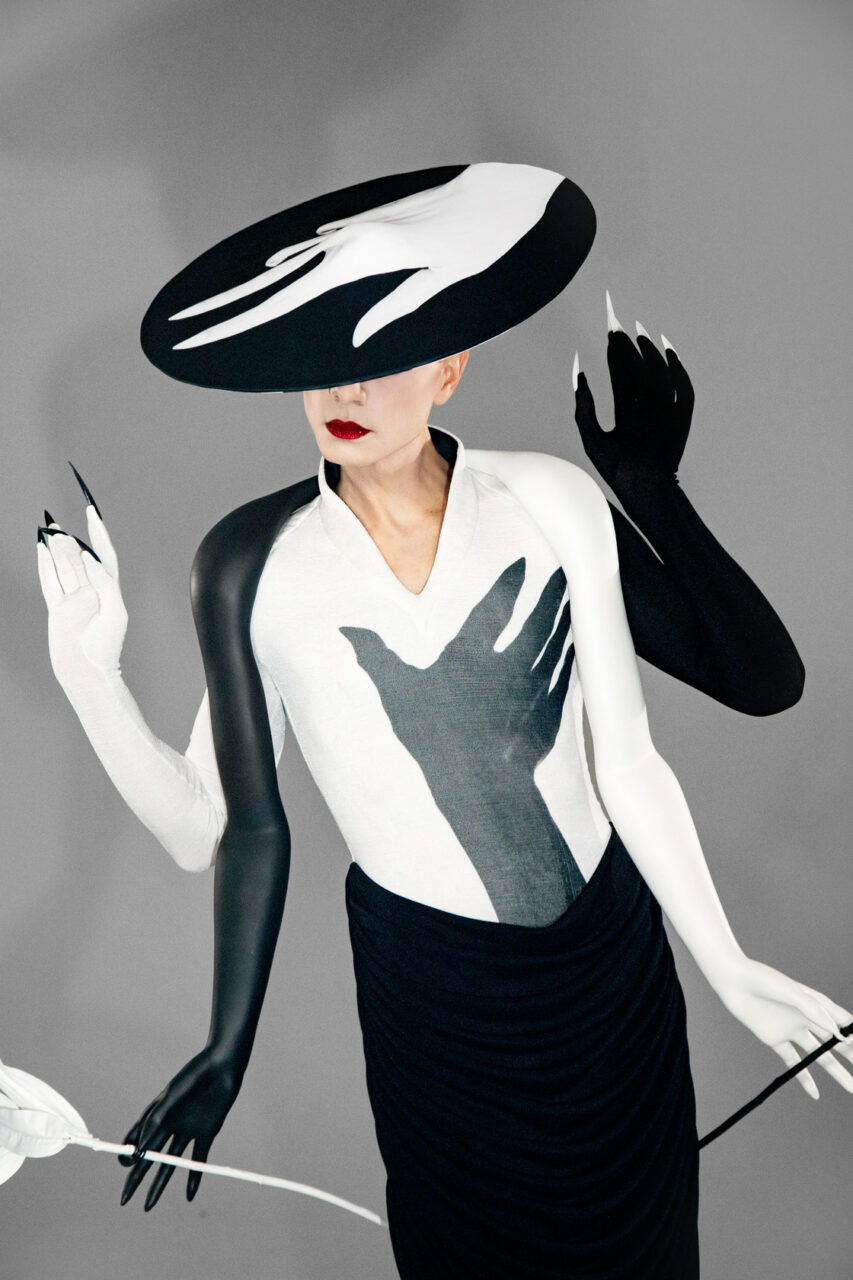
As a seven-time Tony Award-winning Broadway producer, Jordan Roth has long been one of the most anticipated figures on the Met Gala red carpet. He never settles for simply looking good; instead, he treats every appearance as a miniature theatrical production. During 2025 couture week, he presented a powerful performance titled “Radical Acts of Unrelenting Beauty,” which evolved from a recognisable haute couture gown into winged capes and abstract soaring forms, blending multiple art disciplines.
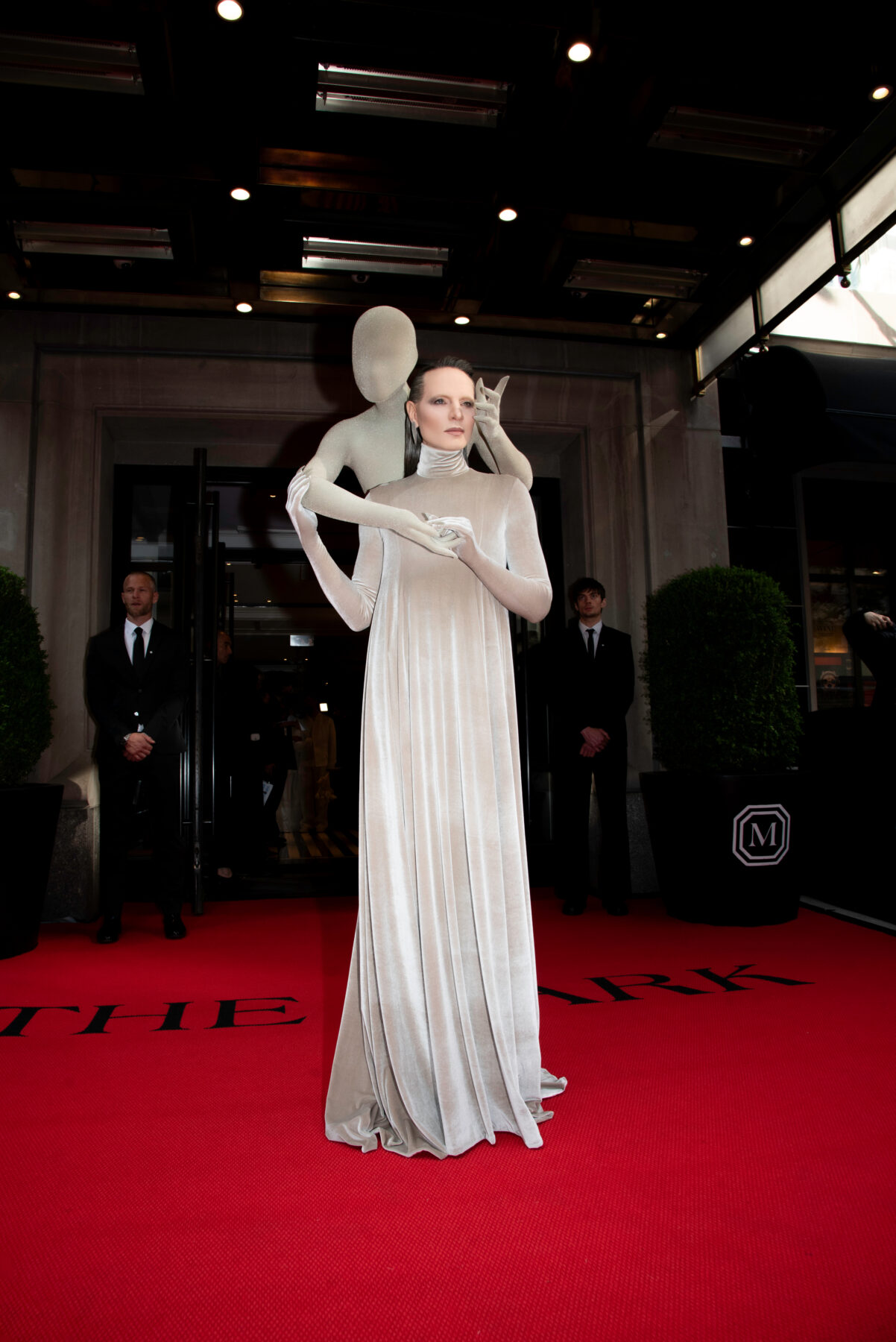
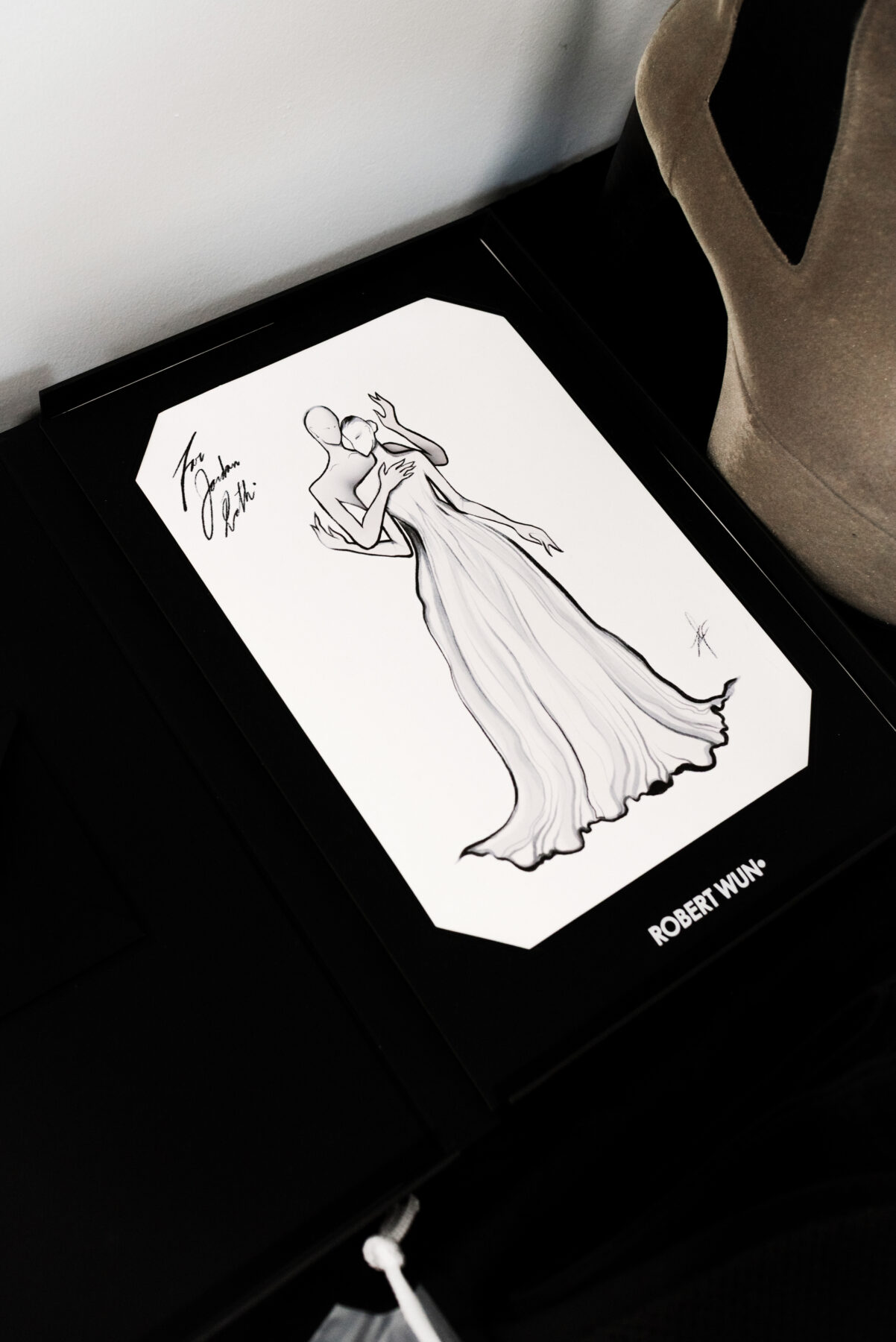
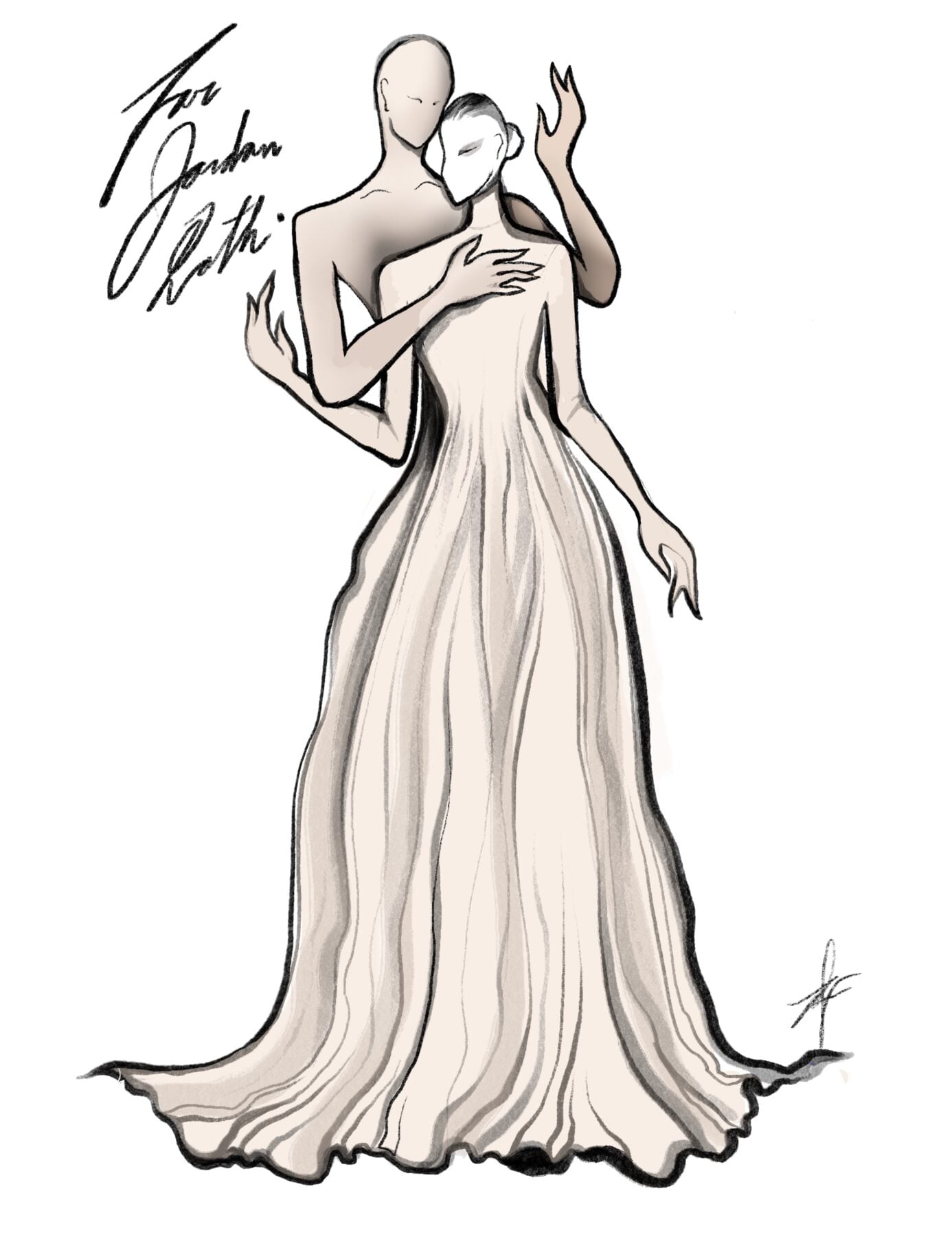
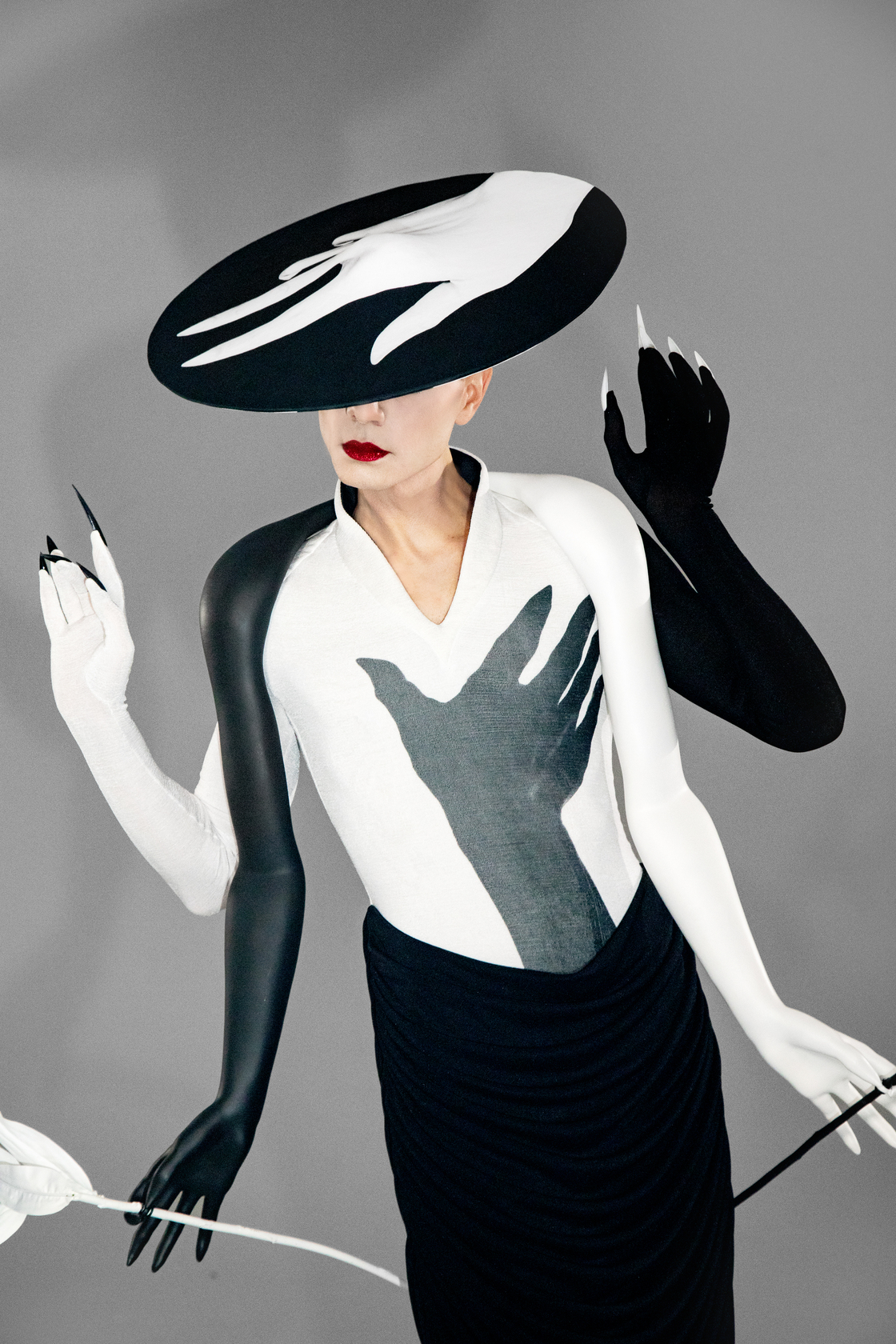
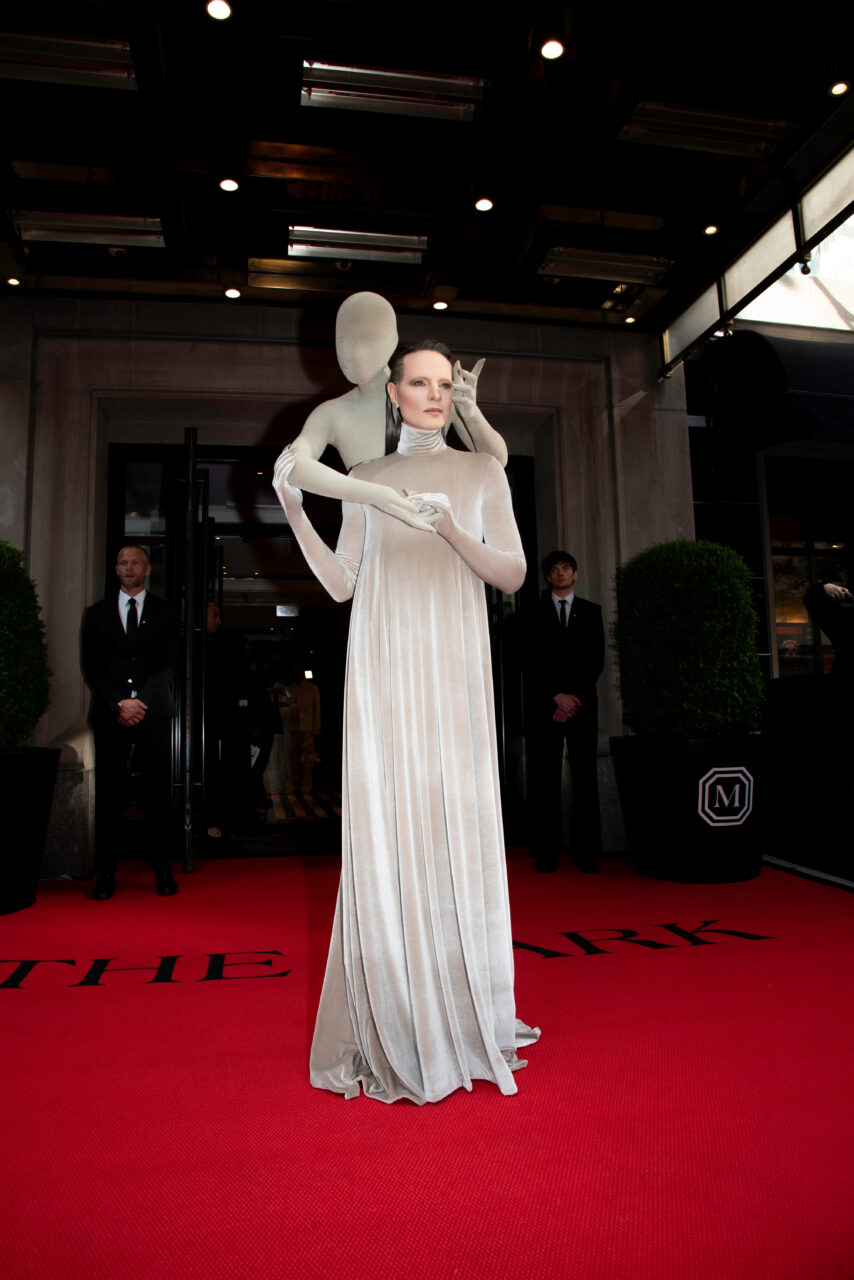
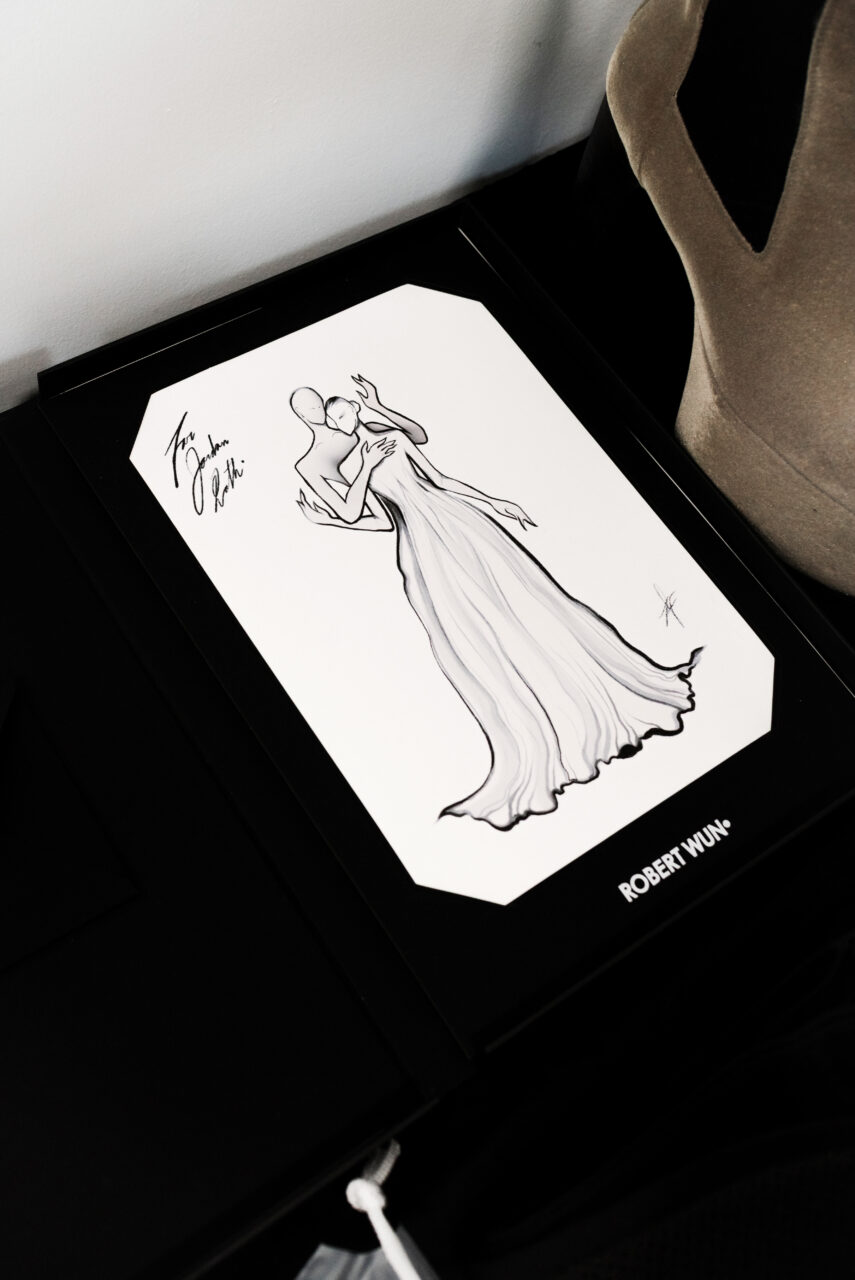
This year, he once again teamed up with Hong Kong-born haute couture designer Robert Wun, along with legendary stylist Patti Wilson and stylist and Menswear Editor at American VOGUE Michael Philouze, to create a breathtaking “The Symbiosis Sculpture”.
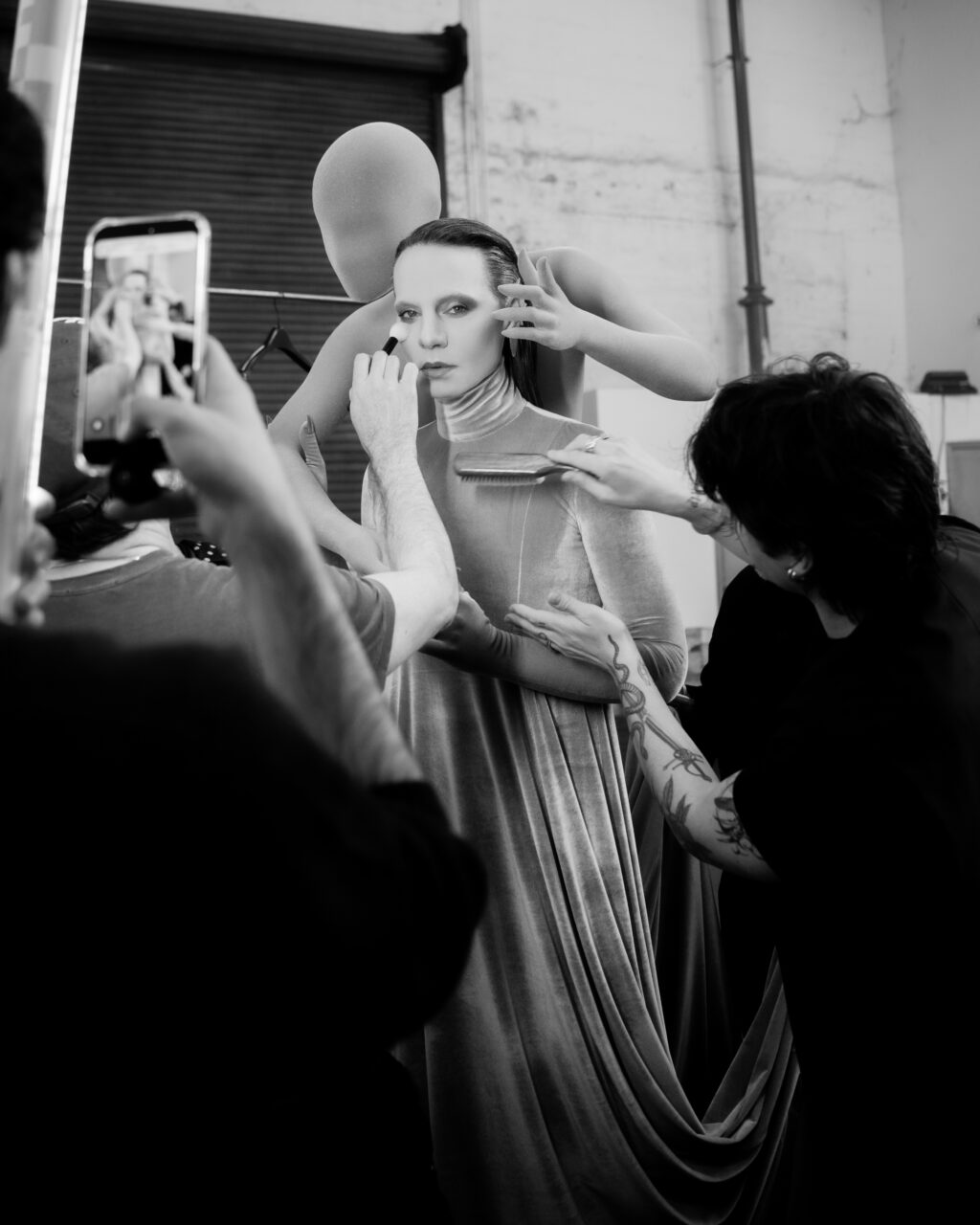
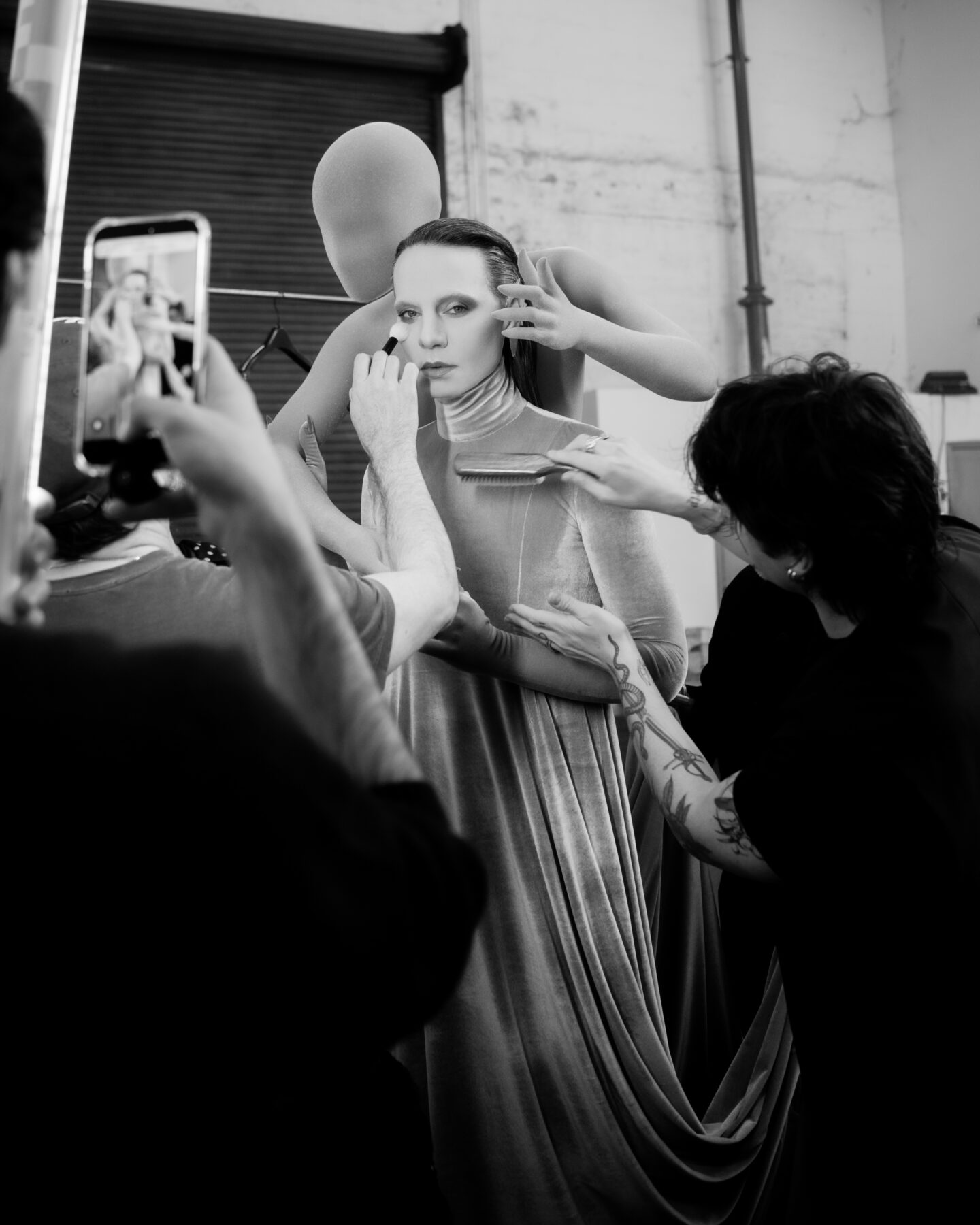
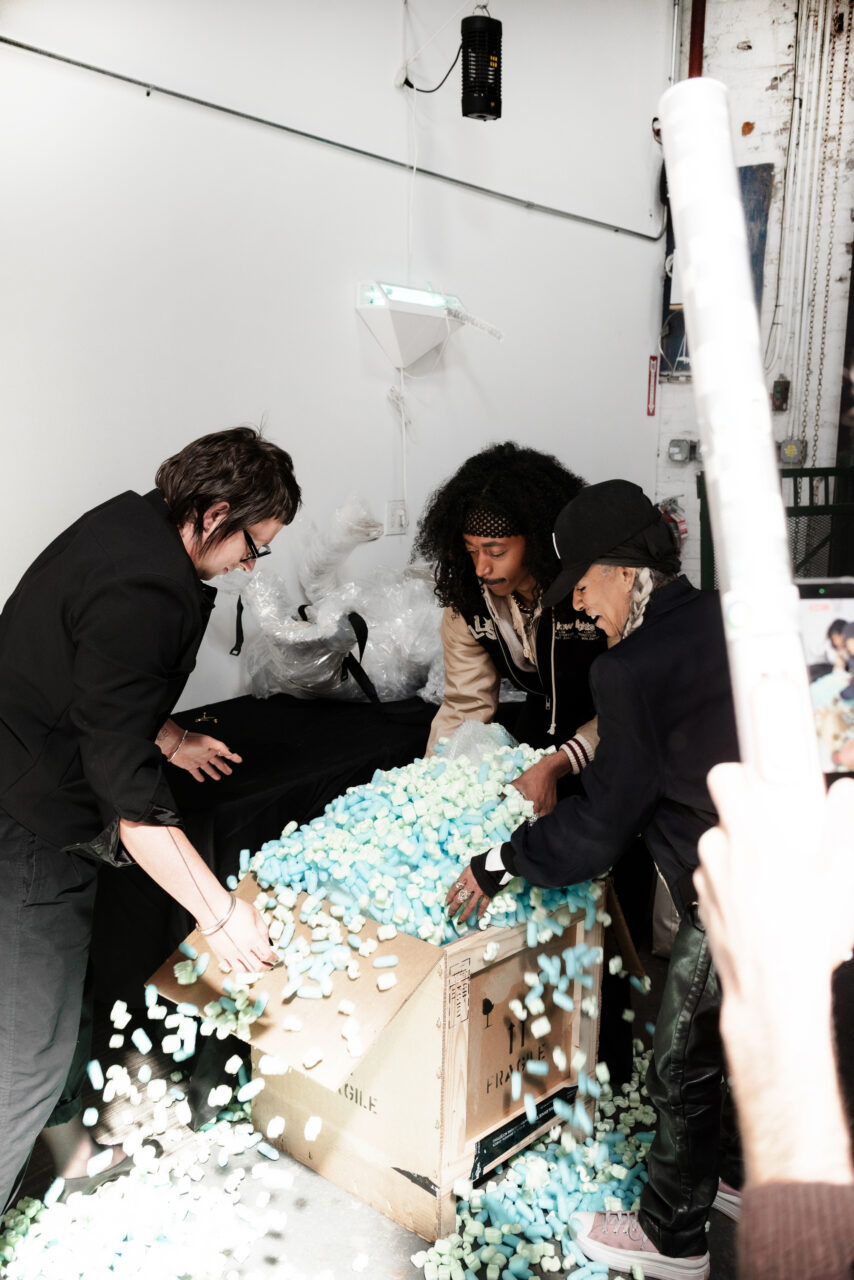
Vogue Hong Kong gets an exclusive look at Jordan Roth getting ready for Met Gala 2026 (
Photo: Sam Lee
The inspiration comes from classical sculpture
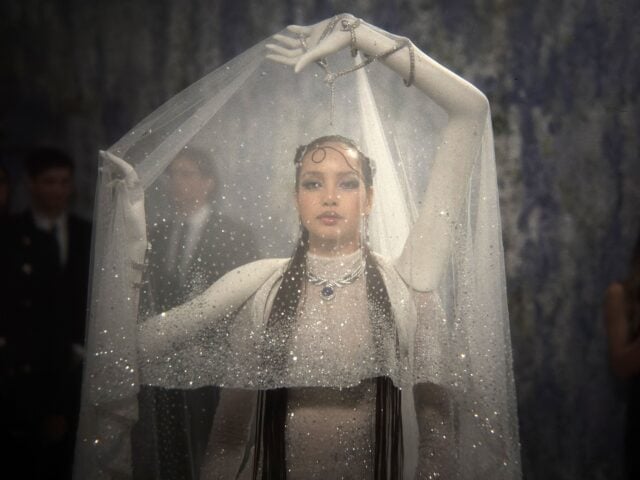
For Jordan Roth, “Fashion Is Art” is not merely a theme but an exploration of “the body as both subject and object, both viewer and viewed, both artist and art.” He sees the body as both a canvas for art and a manifestation that each of us is, in our own right, a work of art. This interpretation is reflected in the language of the entire look: it resembles a living stage installation. As Roth ascends the Met Gala steps, his body becomes not just the wearer, but an extension of the artwork itself.
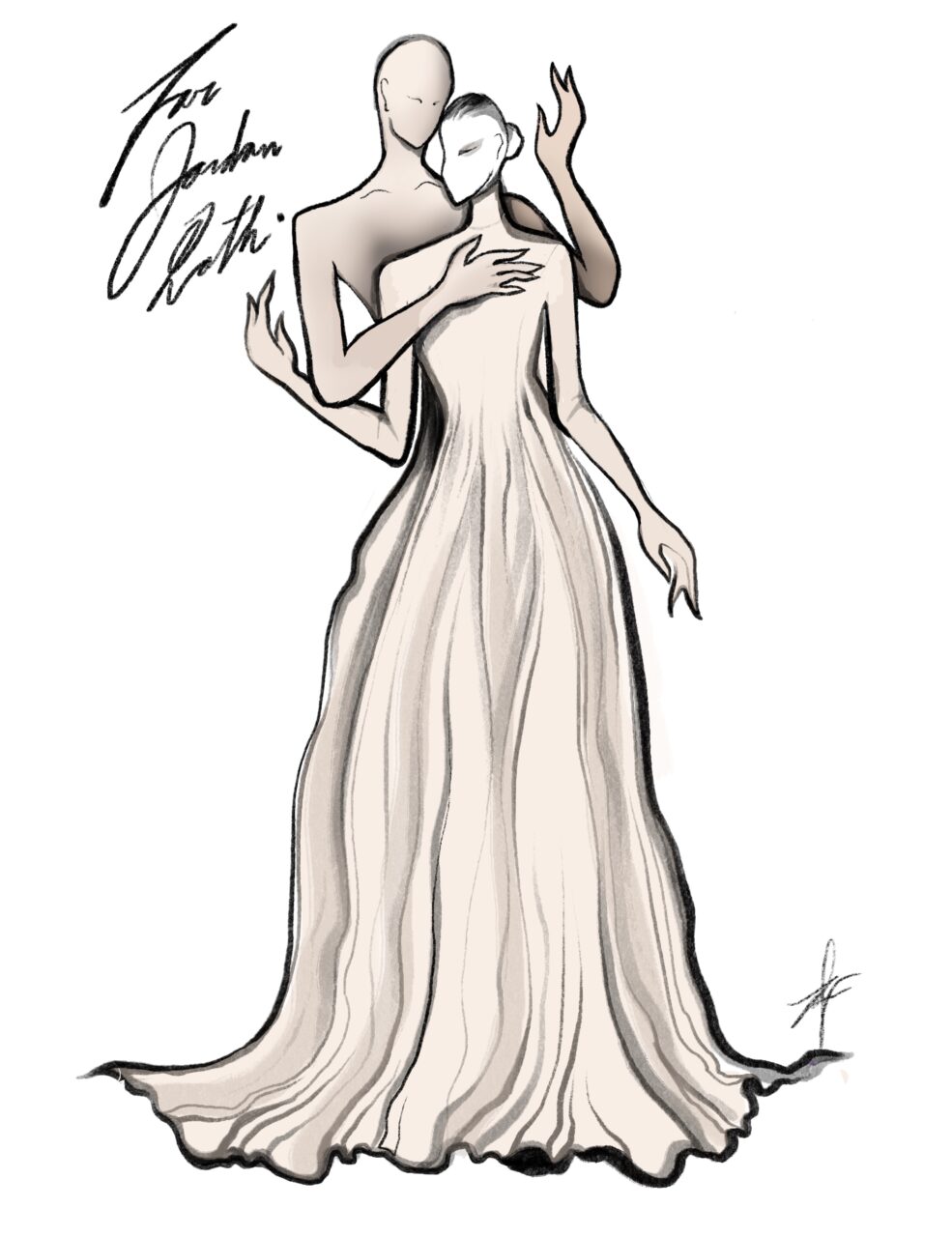
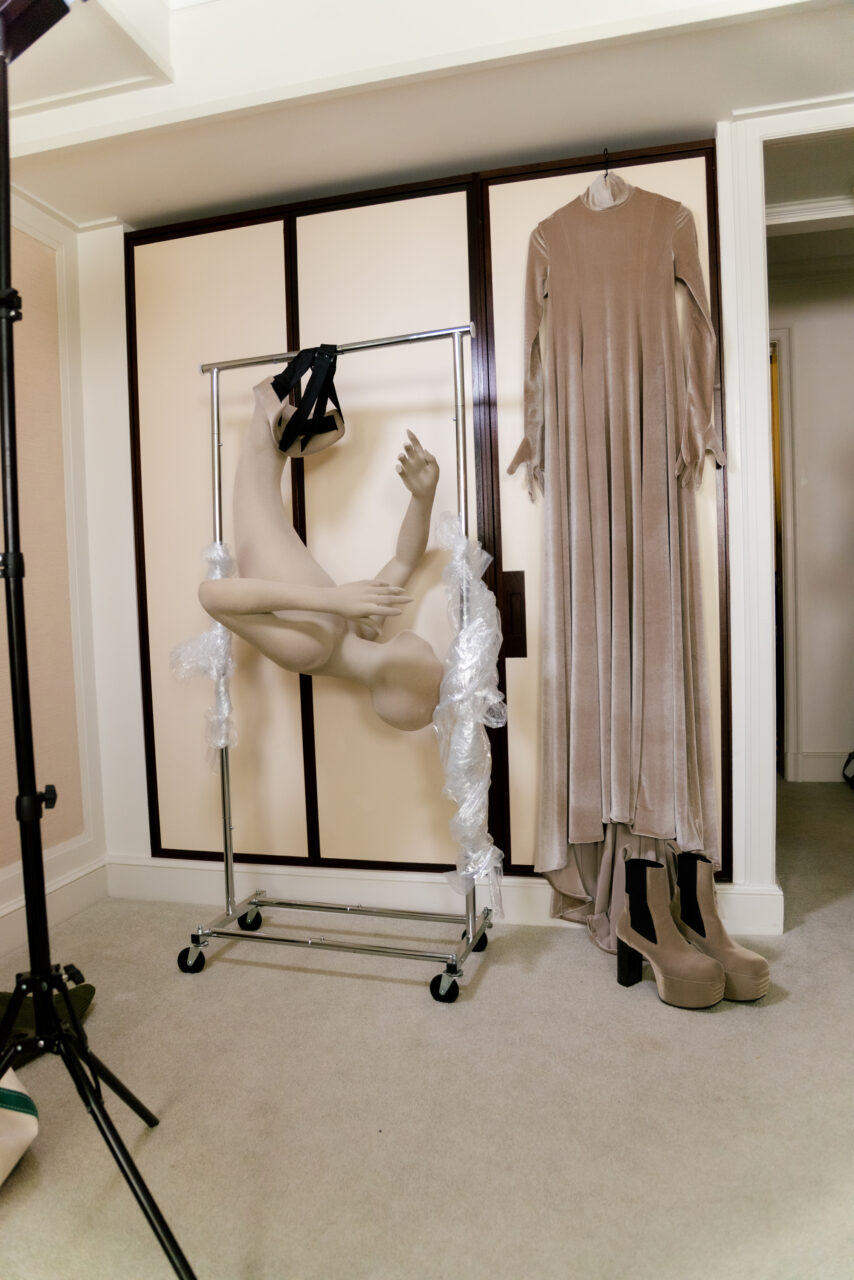
“The story in this look was sparked by my curiosity about multi-figure classical sculpture, which almost always captures a moment of heightened connection (love, desire, fear, violence). What would it feel like to live inside one of those sculptures? To be a living body and animate the other sculpture body? ” says Roth.
His second image comes from one of his beloved Met collection pieces: Jean-Léon Gérôme’s painting “Pygmalion and Galatea”. In the story, the sculptor Pygmalion kisses the statue he created—only for Galatea to come alive in that moment. “It is a moment of transformation and connection, of the porousness between art and body, of the body as canvas.”
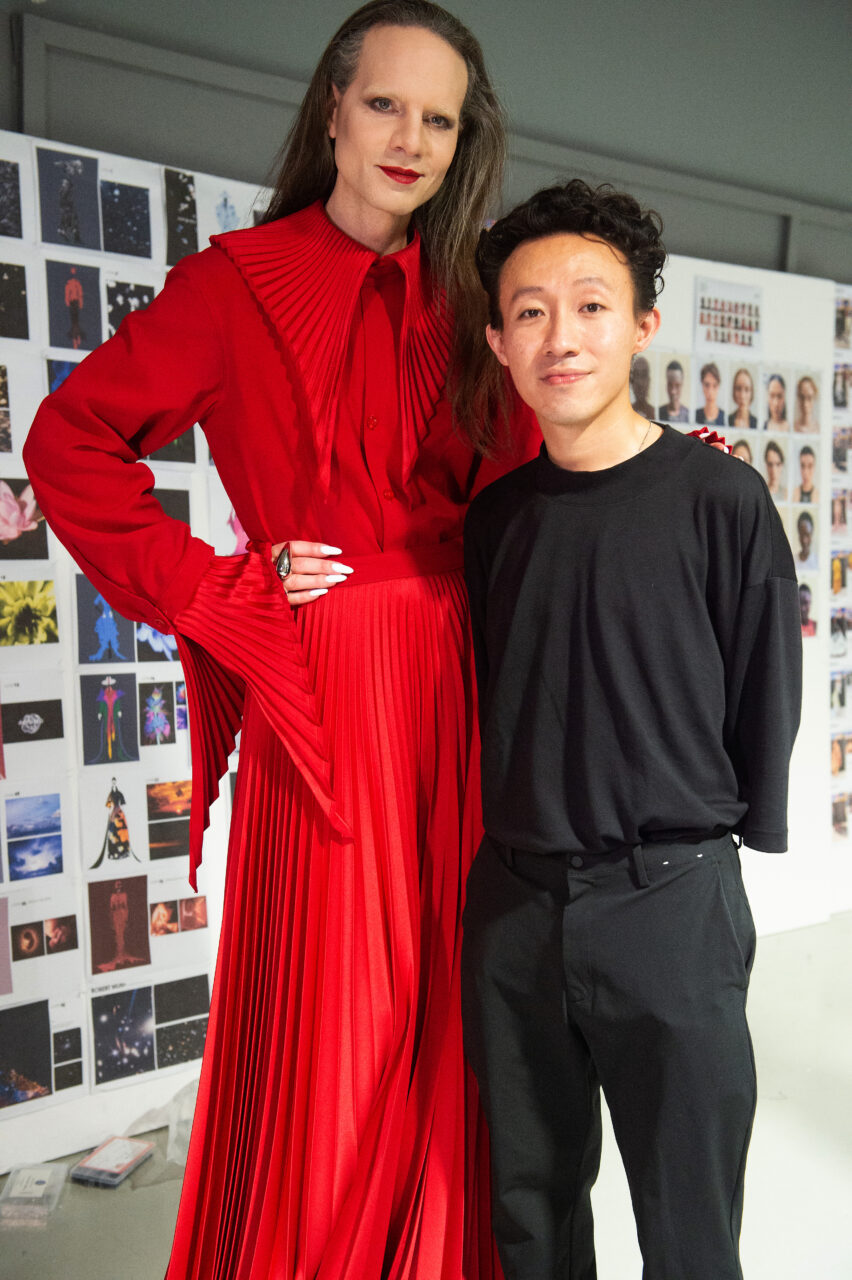
The creative force behind
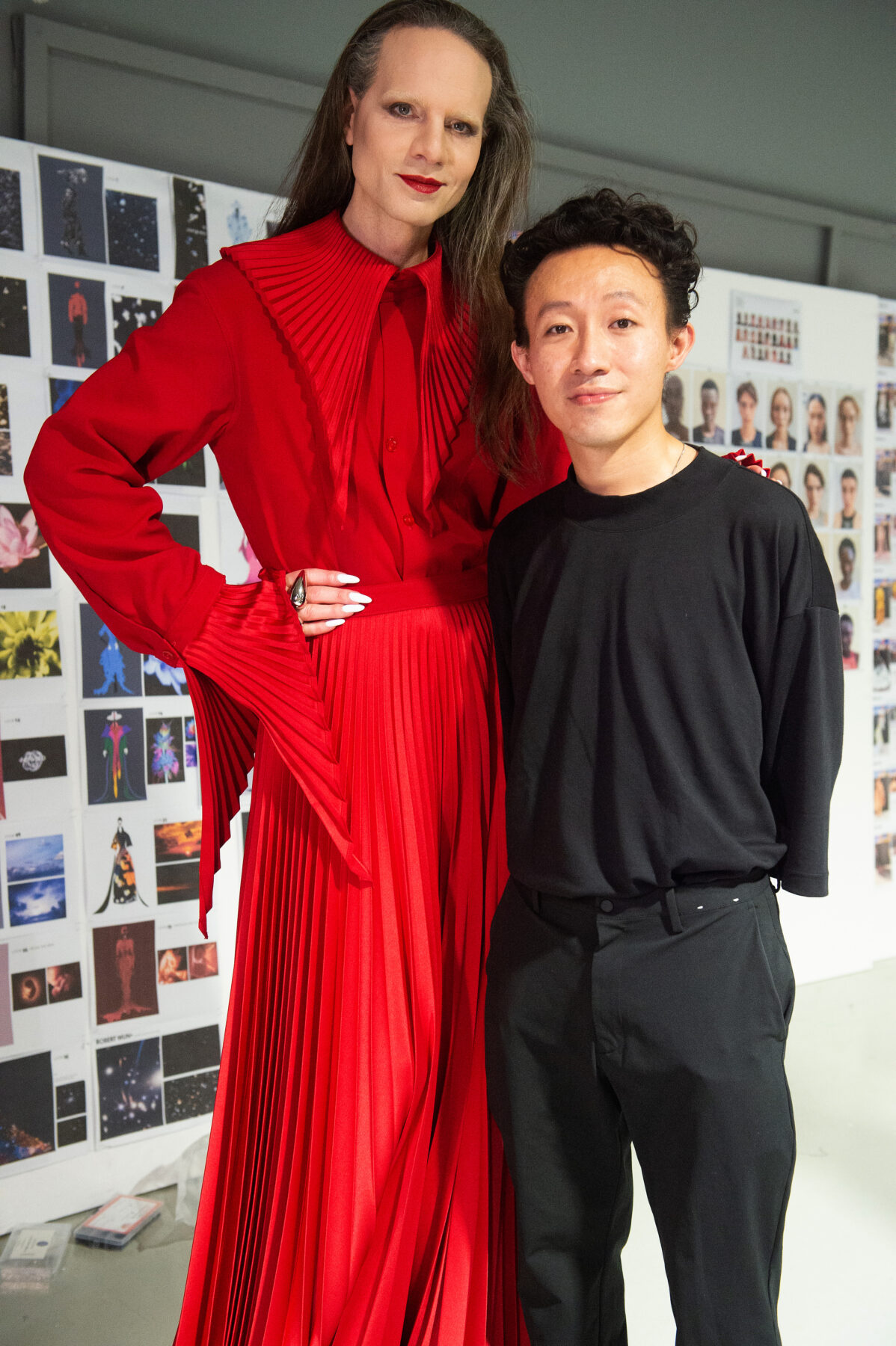
Jordan Roth says this isn’t his first collaboration with Robert Wun. What made this partnership flow so smoothly, he notes, is that the two share a remarkably aligned understanding of art: “Robert Wun is a master of fusing storytelling, mystery and fantasy in his work. His designs are not just garments; they tell stories that span eons and evoke deep emotions. With exquisite detailing and a unique narrative behind each piece, his designs are as haunting as they are stunning. “
“I knew I wanted to explore the duality of a living body and a sculptural body with this piece. To explore how I could literally and metaphorically dance with a body of art. I knew that Robert could interpret these ideas with his signature boldness and sensitivity,” Roth adds.
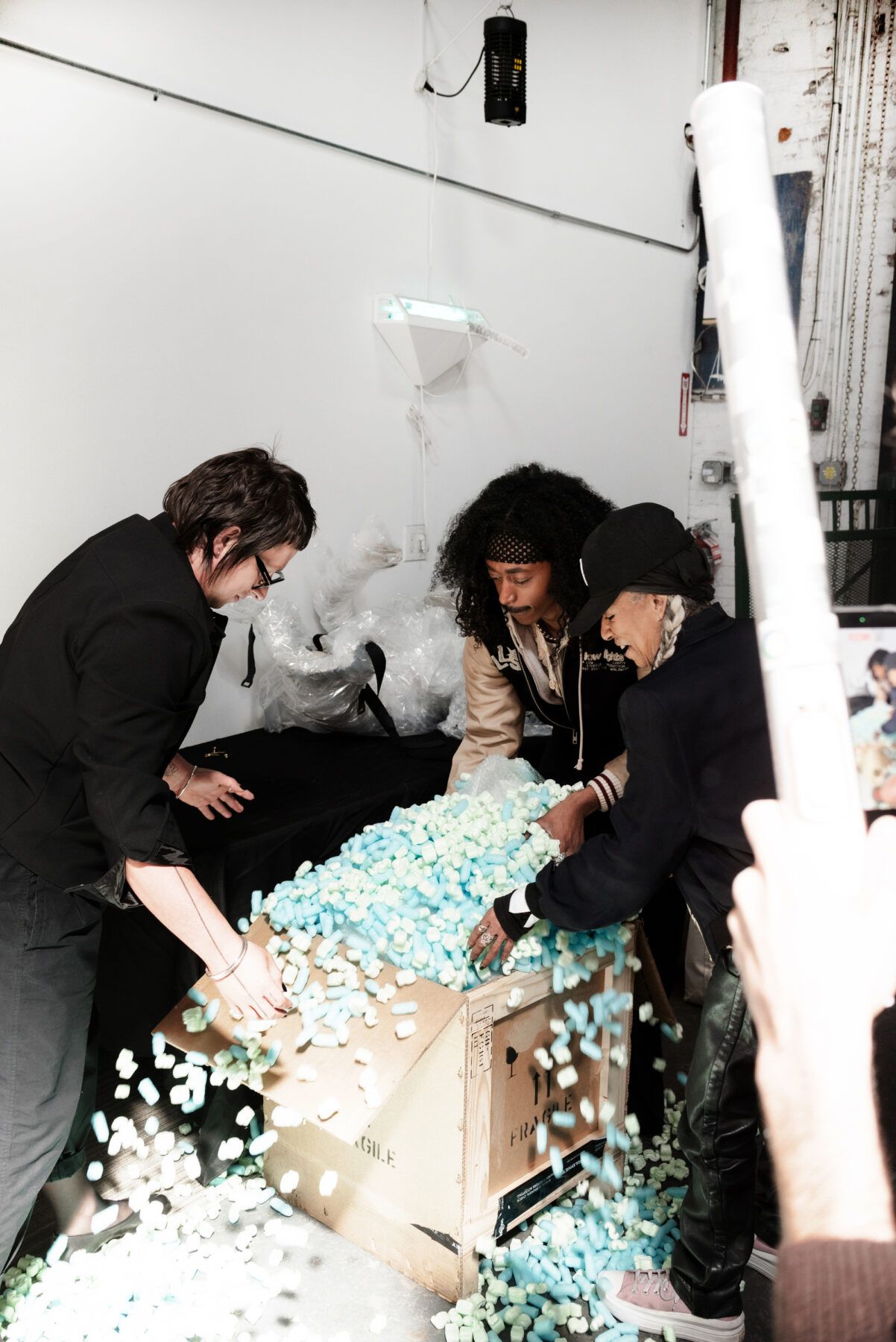
Michael Philouze made that idea even more tangible through a styling strategy. He shares that the collaboration began with Jordan’s admiration for Robert Wun’s work. “This is the second year that we have partnered with Patti Wilson for Jordan’s Met Gala look, and since she works on Robert’s collections, it made the creative process a truly insightful experience. Jordan had the idea of the statue, and then Patti researched Robert’s designs for the perfect silhouette. From there, we had several Zoom meetings as we were all in different parts of the world (Robert in Hong Kong, Jordan filming Ryan Murphy’s The Shards in Los Angeles, me in New York and Patti in London).”
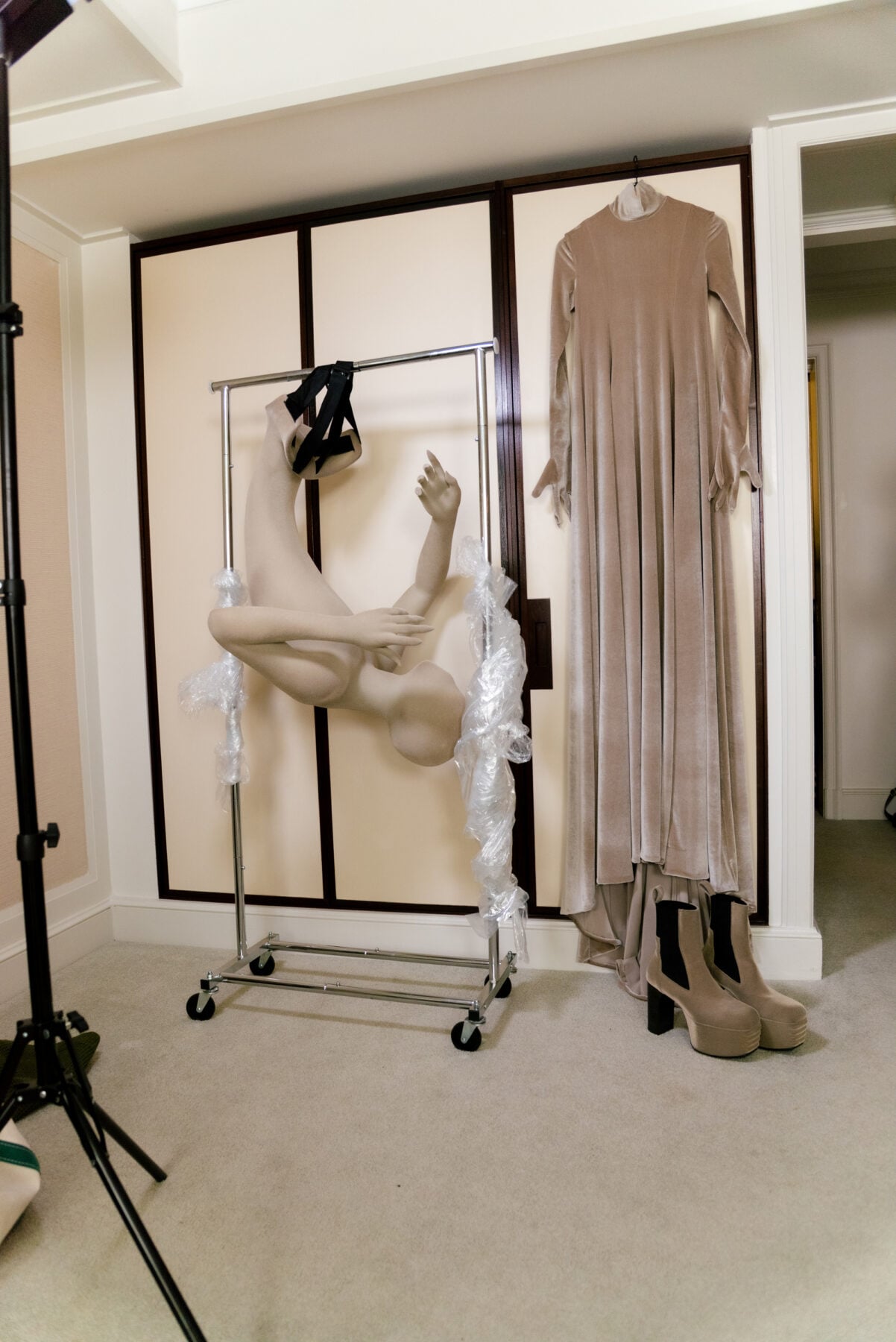
He shares, “In our first fitting in New York, we focused on how Jordan would interact with his sculptural double, and how Robert would construct a gown that would seamlessly unify the two. Through colour, silhouette, and fabric, we fused the visual effect of classical sculpture—while giving the sculpture itself another dimension, showing how classical inspiration can be transformed into Robert Wun’s uniquely personal creative language, and brought to life by Jordan.”
No greater stage
Jordan has long been fluent in both theatre and fashion—two worlds known for drama and narrative. Asked whether stepping onto the red carpet—where all eyes converge—would feel like pressure or freedom, he responds: It is always an exhilarating moment, suspended in time, in celebration of masterful artistry. “I always do think about the story inherent in a look and wear it as the performance of that story. There is no greater fashion stage to tell a story on than the Met Gala.” To him, we are there in shared passion for fashion, for the way in which fashion as art elevates, expresses, and explores who we are.

Robert, too, offered a straightforward answer to the theme “Fashion Is Art.” “I never really see all my work as art. I never once even said that in my work as well. But a lot of people felt like the brand would fit perfectly into this year’s theme. Because of the way that we approach our collection and the way we design things. So it just kind of falls perfectly together.”
Beyond the red carpet moment itself, at the invitation of curator Andrew Bolton, three of Robert Wun’s works have also been added to the newly opened Costume Institute Spring 2026 exhibition. For a red-carpet regular, what special meaning does the Met Gala still hold? “You have a theme, you have an artist, and then you have the most iconic carpet in the Metropolitan Museum. So it’s a moment that is very hard to replace, no matter what situation you try to put it in. And it’s purely about fashion.”
He continues “It’s purely about art, and the level of the artists and celebrities attending. So I think it’s a whole phenomenon. For people like myself, who used to be a fashion student, you would look up to those moments, you know?”
Editor
Cherry MuiCredit
Lead image: @jordan_roth via Instagram