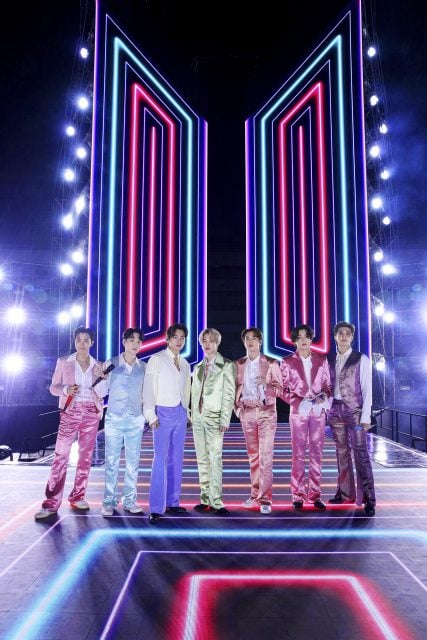


BTS, the planet’s biggest boy band, has taken the world by storm with their comeback as a group. Their latest album, Arirang, broke the record for the most-streamed K-pop album in Spotify’s history, racking up over 110 million streams in its first 24 hours of release. As a proud 10-year-old ARMY, no words can quite capture the joy unfurling inside me as I watched their hour-long comeback live on Netflix — ARMY bomb waving fanatically in one hand, and my best friend steadied on a shaky phone in another. Chanting the seven members’ names felt like homecoming, even if I stumbled over a lyric or two during Mikrokosmos or winced ever so slightly at Dynamite. The comforting, guiding voices of my life found their shape, and the world began to make sense again.
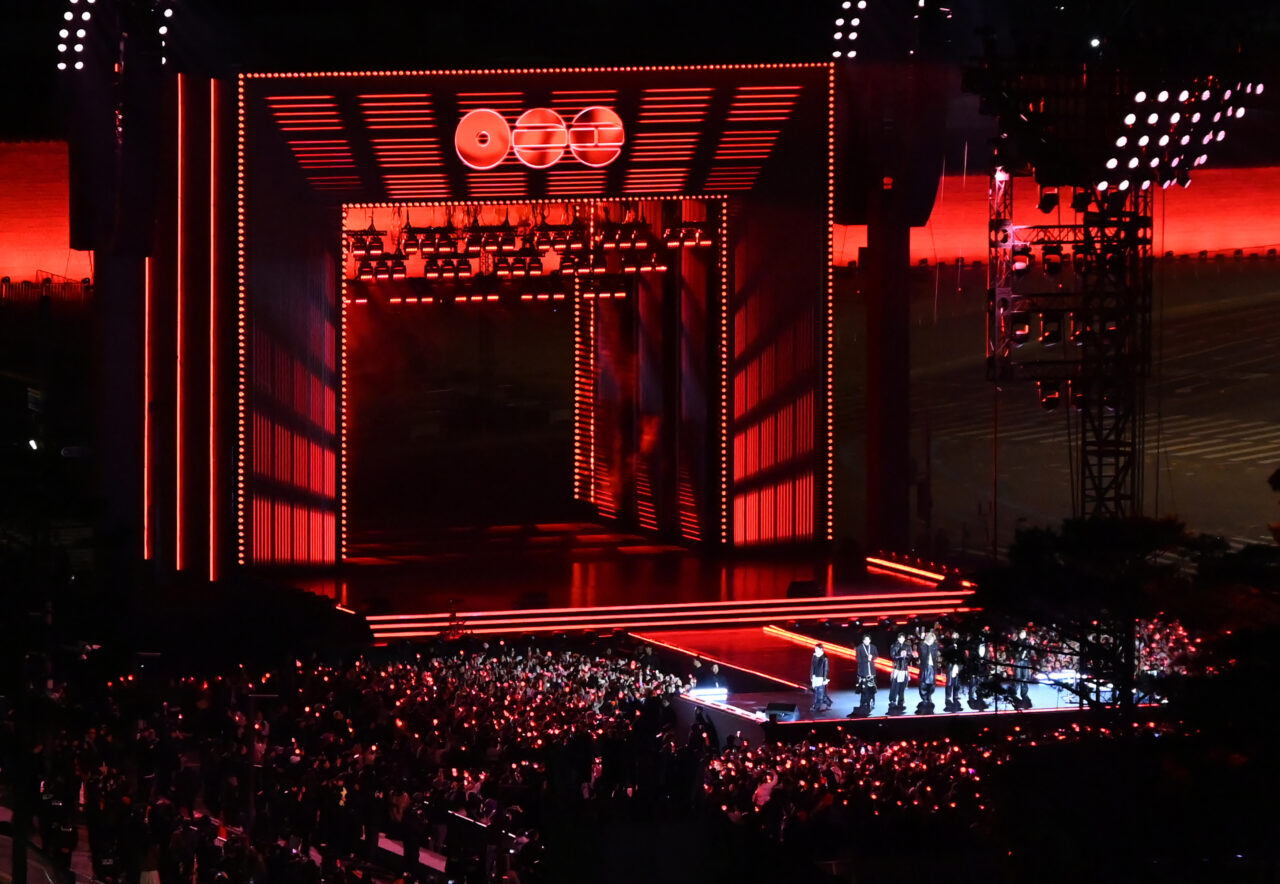
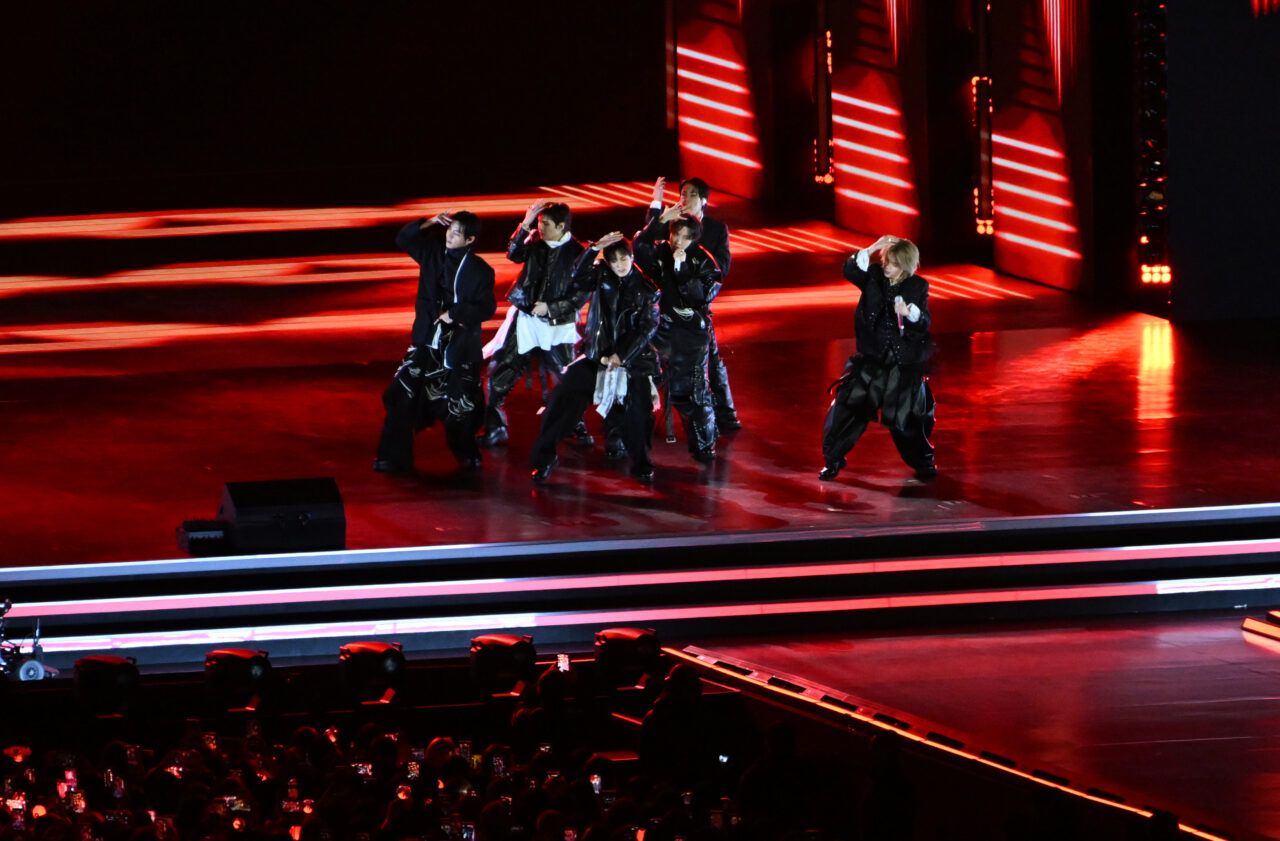
As I gear up for the Arirang World Tour at Goyang Stadium in less than two weeks, here are 7 things you should know about selected songs in Arirang, how BTS pays tribute to their lineage, and why it is their boldest work yet.
Body to Body
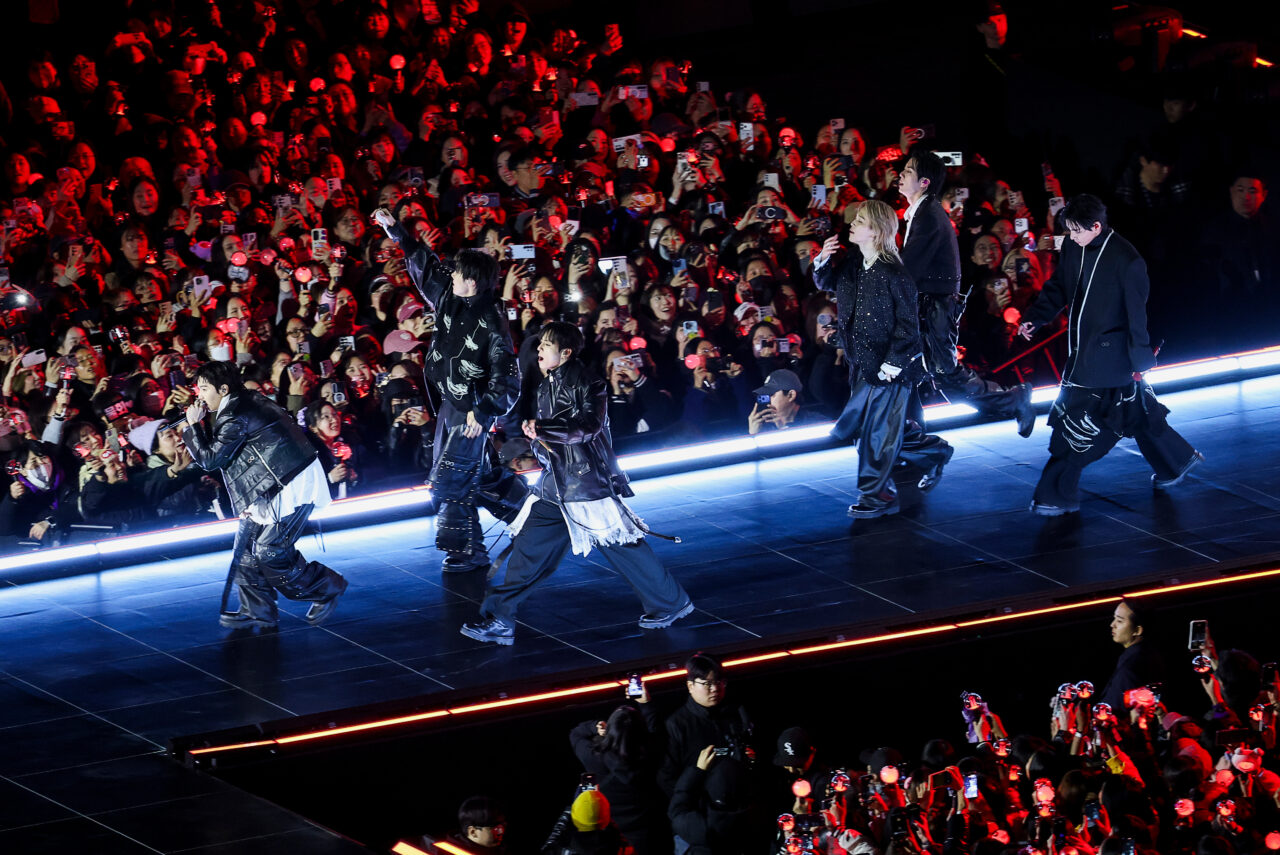
The album kicks off with “Body to Body”, with its pounding beats and electrifying stadium-opening energy. The song samples Gyeonggi Arirang, a lyrical folk song of longing and resistance that has passed down through generations, now inscribed on UNESCO’s Intangible Cultural Heritage list. There are thousands of regional variations, yet they remain united in spirit.
BTS has always woven sociopolitical commentary into their music, and the symbolic use of the Arirang verse conveys steadfast resilience in times of chaos. There is no doubt that stadiums will jump like crazy, but beyond the concert thrill, “Body to Body” presses us to close our distance in a world plagued with conflict, and choose instead to feel that skin-to-skin connection with each other.
SWIM
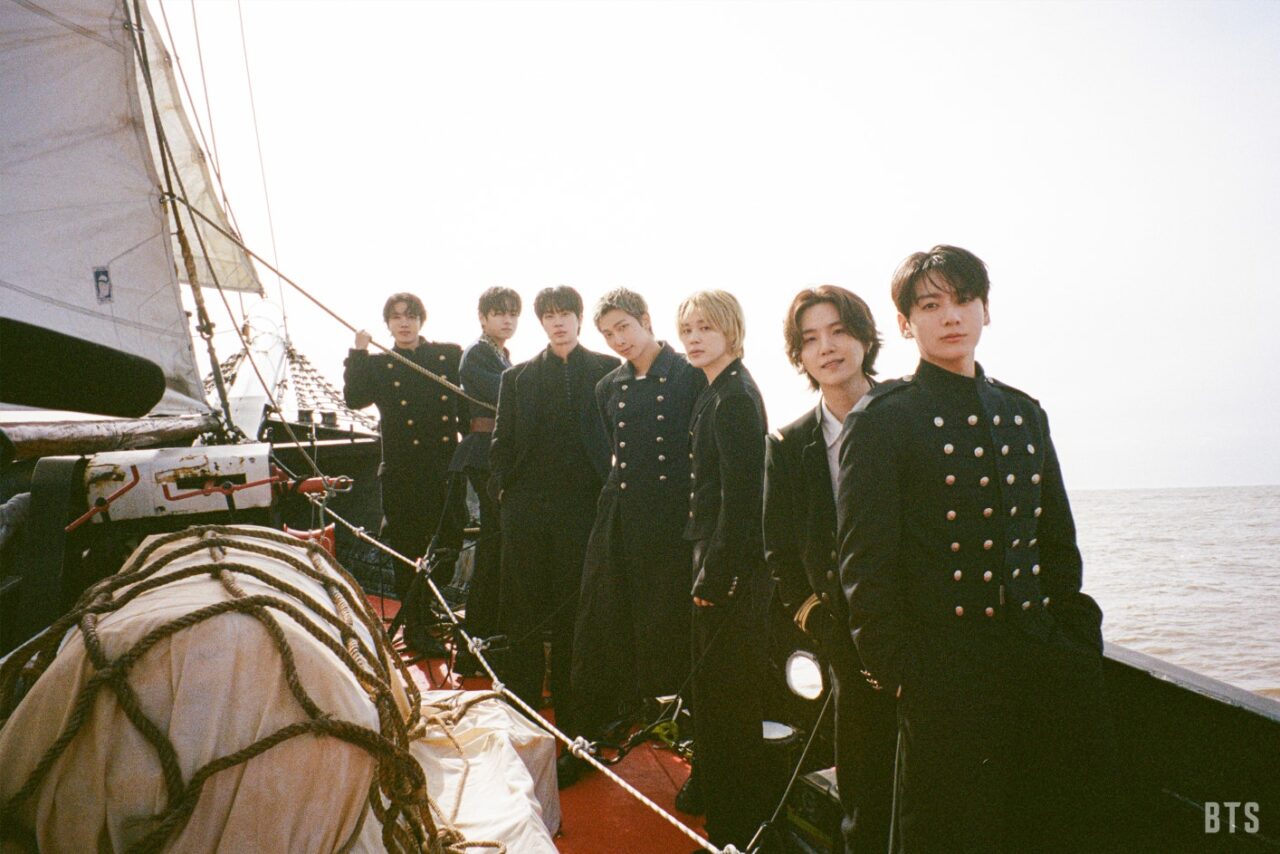
“SWIM” is the balanced title track to carry you through the waves of life. The animated trailer of this song features seven young Korean men who sailed across the world to study at Howard University in the US. They arrived without speaking a lick of English yet it was there that they first spread Arirang abroad through recording. For BTS, the song captures their extraordinary journey: from riding the wild waves of global stardom from the East, to arriving at a newfound contentment of simply following their hearts and owning their creative path.
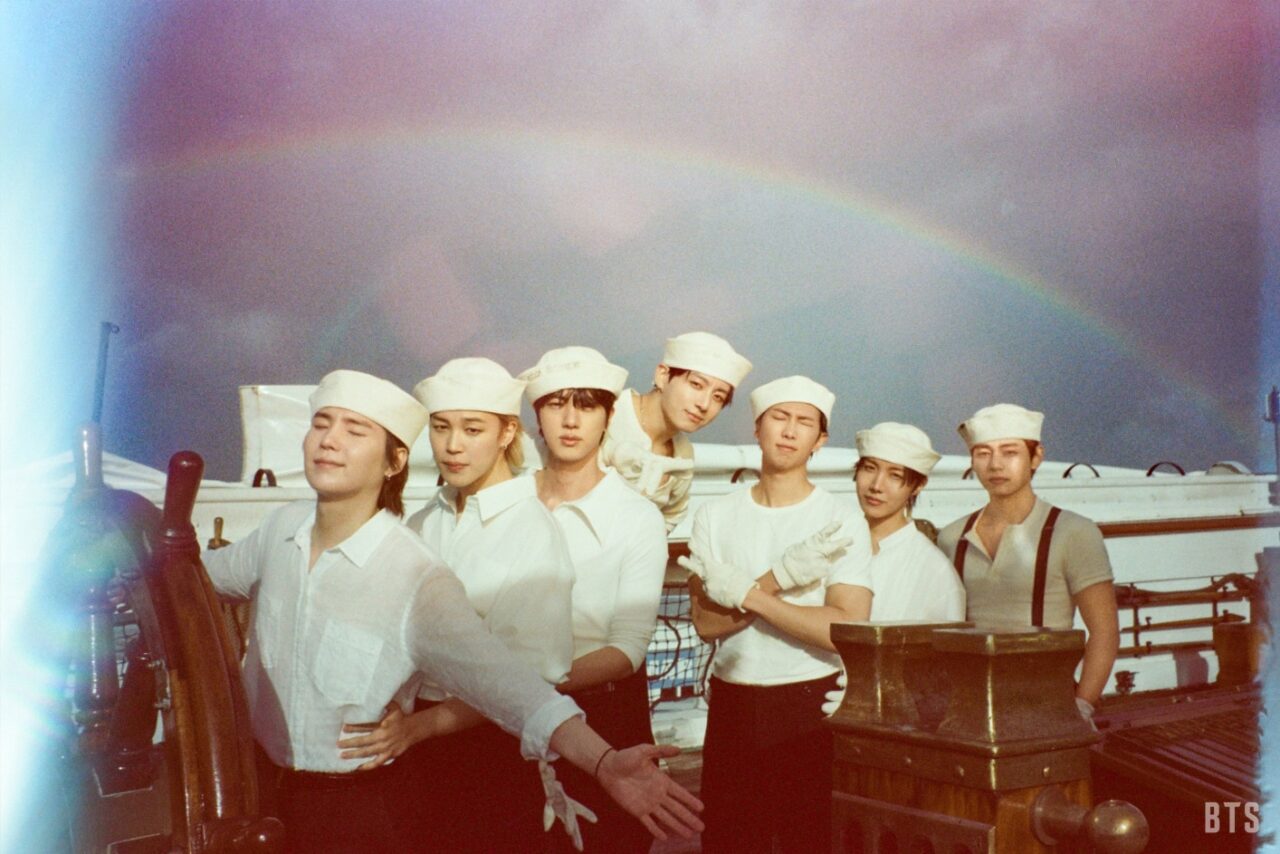
For us ordinary folks, it’s a beautifully grounded reminder to keep moving forward through high waves and low tides, through everyday mundanities, and through sweat and tears falling off our skin. The ocean – a motif for life in the song’s cinematic music video – can be vast and unforgiving, but she’s also stunnin’. Whether you’re tasting the bitterness of difficult days or chasing the sweet inkling of freedom, simply swim along because there’s no need to “chase the time”.
Alien
“Alien” is the most defiantly Asian anthem on the album. The song references Kim Gu, a leading Korean independence activist who dreamed of his country becoming a superpower through the strength of culture, not force. Clearly no longer a dream now that everybody knows “where the K is”. When the chorus sings “Out of the East, the sun risin’”, it’s also the band poking fun at those who prejudiced against them, reclaiming every inch of cultural legitimacy that was ever questioned, through what is arguably their most international comeback yet.
No. 29
“No. 29” opens with a single, resonant gong from the Sacred Bell of King Seongdeok, followed by a low-frequency echo fading into silence. Cast in AD 771 during the Silla era, this Buddhist treasure is the largest bell in South Korea and is now housed at the Gyeongju National Museum. The bell’s surface is alive with elegant motifs: a floral medallion design around its striking point, a sculpted dragonhead on the bell loop, and apsaras kneeling on lotus blossoms.

The Bell of King Seongdeok, known as the Emille Bell, a massive bronze bell at 19 tons is the largest in Korea. Cast in 771, the bell considered a masterpiece of Unified Silla art and is it is now on display in the National Museum of Gyeongju. The bell is designated National Treasure of Korea #29.
Photo: Steve46814 via Wikimedia Commons
The song pays homage to Korean heritage, but also to the group’s pivotal musical turn. The track resets the album by inviting quietness and putting a halt to aggressive head-bopping, before gentler pop and house tunes ensue. Looking at BTS’ discography, the group’s earlier works were dominated by hard-hitting hip hop (2 Cool 4 Skool, O!RUL8,2?, Skool Luv Affair, Dark & Wild), before Hwa Yang Yeon Hwa (The Most Beautiful Moments in Life) series marked a similar turning point that expanded their sound. They went on to earn No.1 on Korea’s weekly music show for the first time with “I Need U” in 2015, when they paused, breathed, then blossomed.
Like Animals
If swimming along is a life philosophy to be embraced, then so is being untameable. A contrast to the calmness in “SWIM” which asks nothing of us, “Like Animals” demands the opposite – the unleashing of that unconstrained, ferocious desire to ‘Eat this life ’til your heart is full’. This song reminds us that never standing still remains a worthy pursuit, that living fully, messily and wanting it all is valid and possible. Maybe it’s a response to the past few years of military discipline and constraint, but maybe it’s just the way BTS has always been.
Into the Sun
The album opens with the rap line spitting fire (or should I say, “FYA”) and closes with something more intimate and uplifting. The final track, “Into the Sun”, draws inspiration from the French expression ‘l’heure entre chien et loup’ — the ambiguous hours of twilight where you can’t distinguish between a dog and a wolf. That in-between feeling runs deep. But you’ll find that it brings a harmonious resonance with the very first track: “I want someone like you” answers the echoing “somebody like you”, and “Dawn” responds to the “sunrise” that nobody wants to leave. From explosive unity to tender companionship, Arirang comes full circle. Rather than offering blind optimism during foggy moments, BTS tells us: move forward and “I’ll follow you into the sun”.
Arirang is a homecoming…
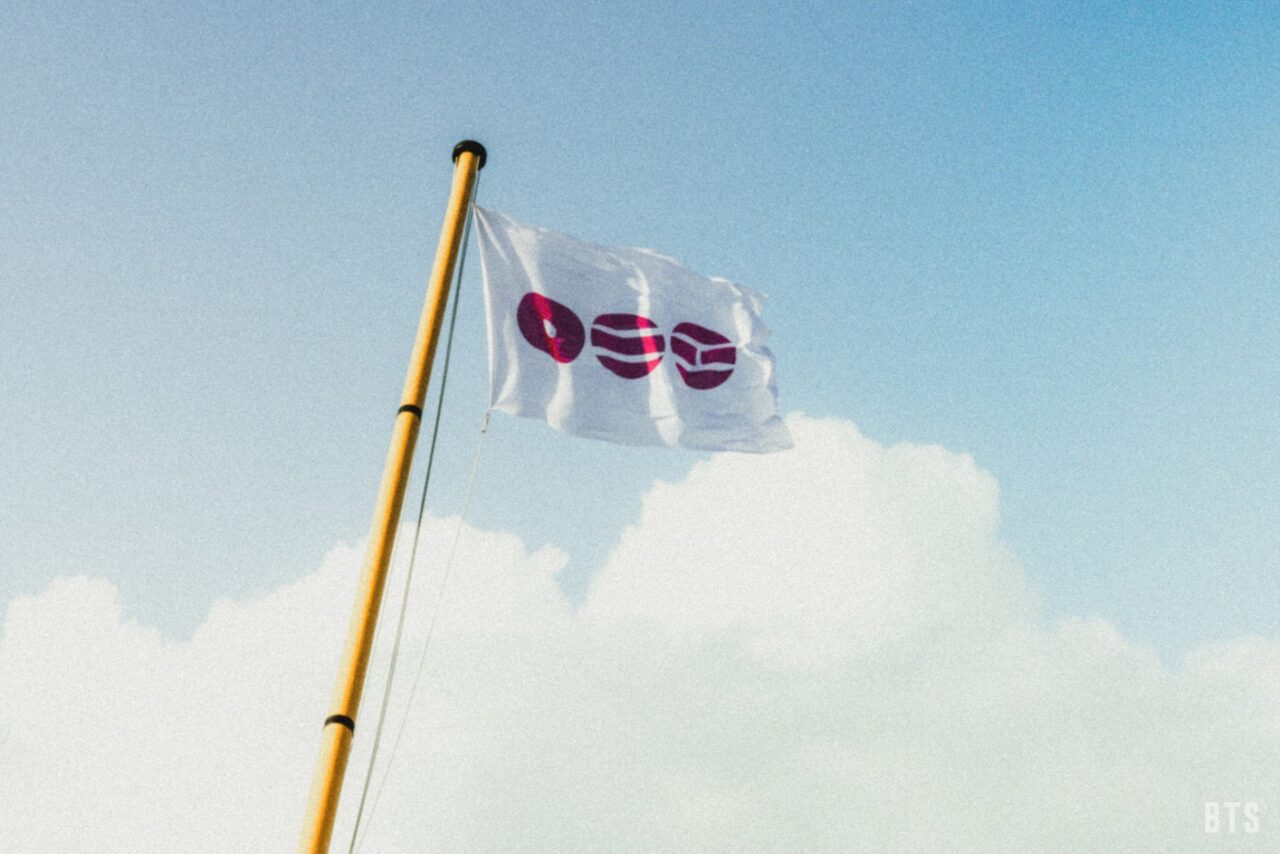
The appeal of BTS, beyond their dashing looks, irresistible charisma and slick moves, is their lyrical range, self-awareness and ability to instil hope. Does it matter that they didn’t sing in Korean the way people expected? They remind us that no matter how unclear the path ahead feels, we won’t walk it alone – this is the true essence of longing, reunion and a sing-song of what life is. This is BTS’ most raw expression of who they are and what they love. This is their Arirang.
BTS 2.0 is here, and behold, the best is yet to come.