

Amid the whirlwind of Awards Season ceremonies, the Oscar Nominees Luncheon at the Beverly Hilton stands apart for its understated ease. Nominees are seated at mixed tables, deliberately separated from their directors, producers, and fellow category contenders, creating a rare opportunity to mingle freely before the traditional “class photo” that closes the event.
This year’s gathering embraced that relaxed spirit in the details of the attendees’ ensembles: the most eye-catching element of many looks was, in fact, what was absent. For several of the evening’s biggest stars, restraint revealed itself in the deliberate omission of a necklace.
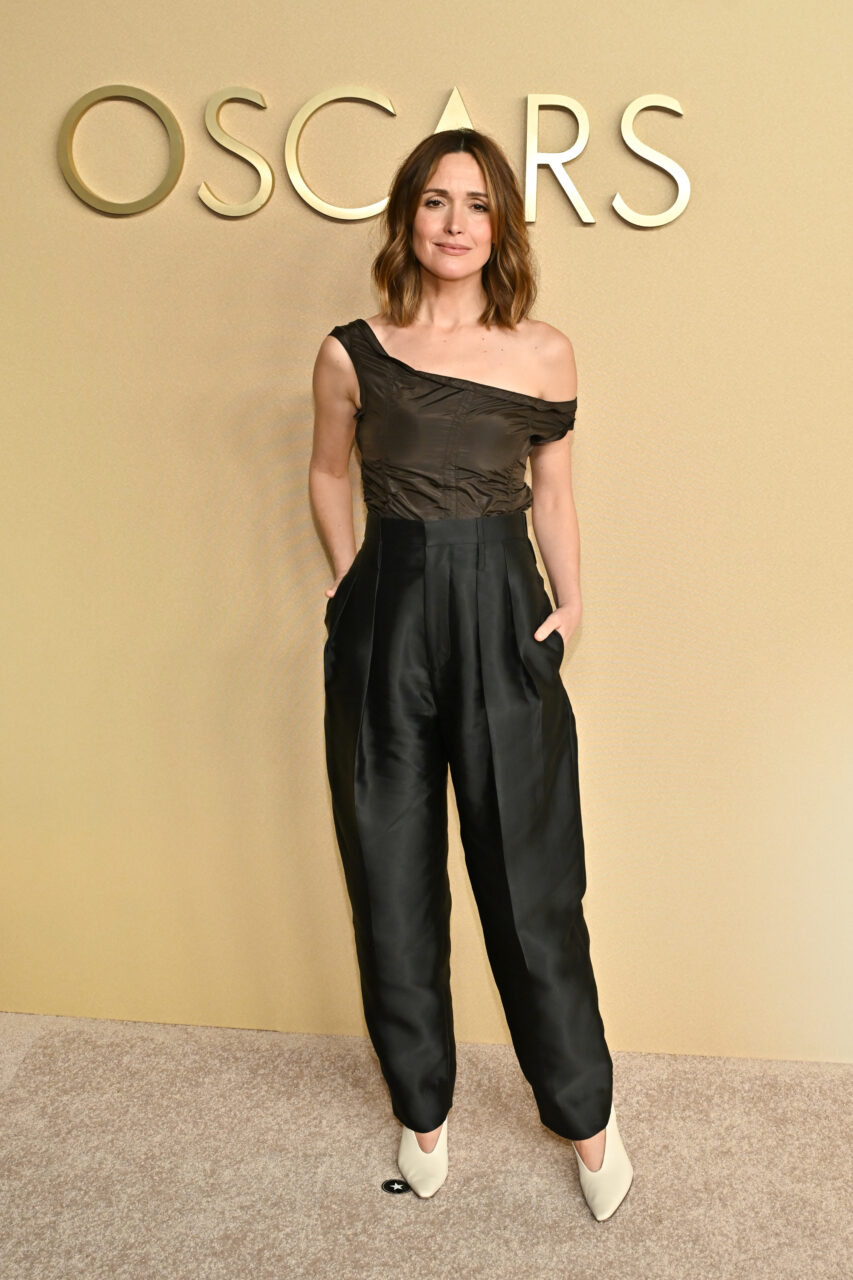

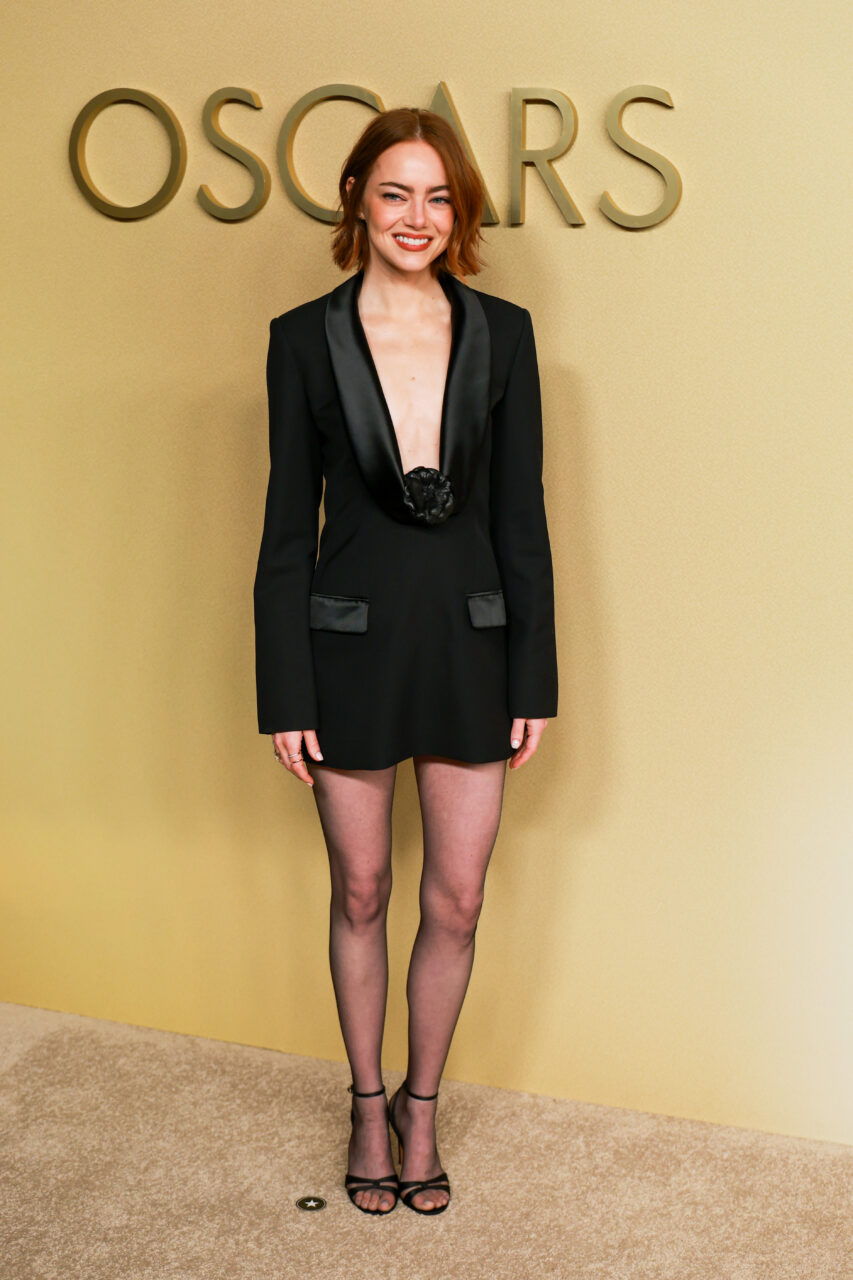
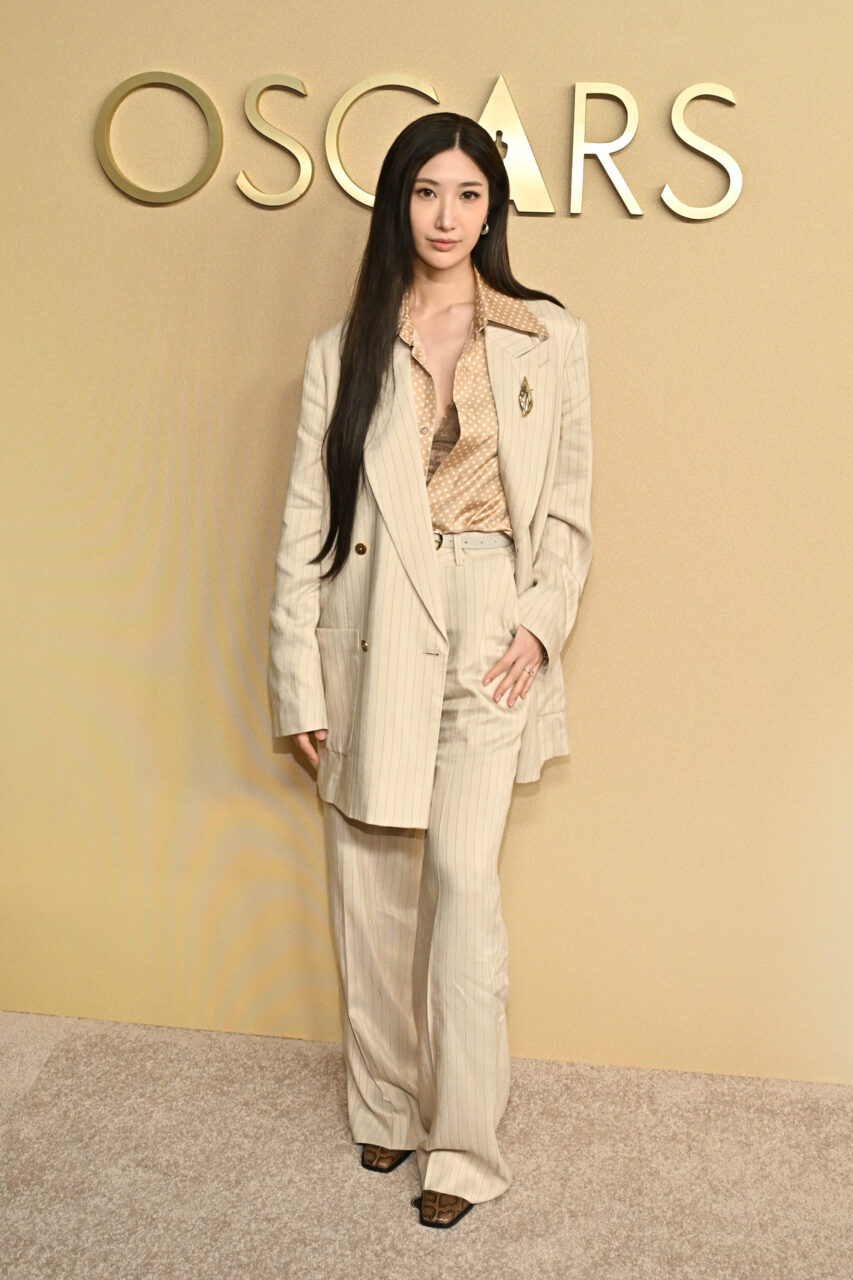
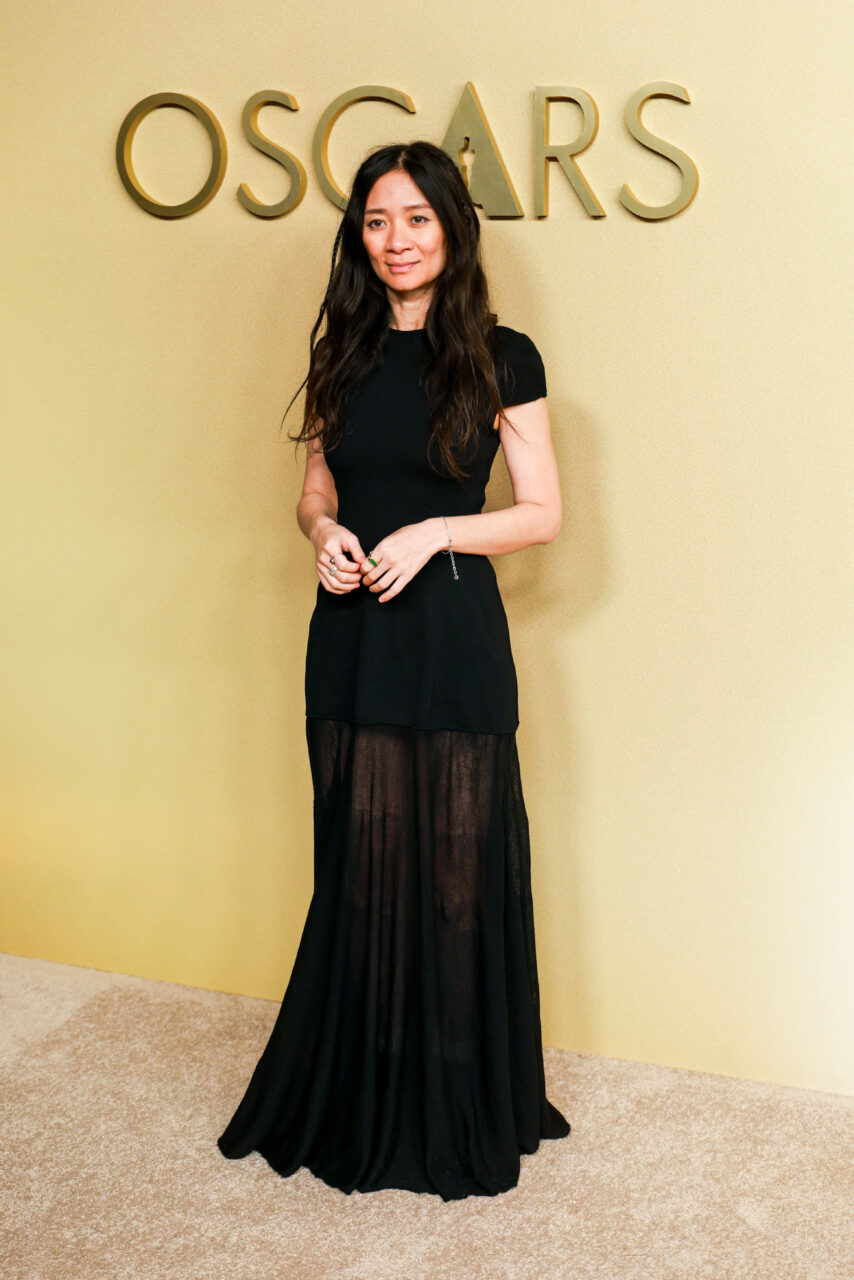
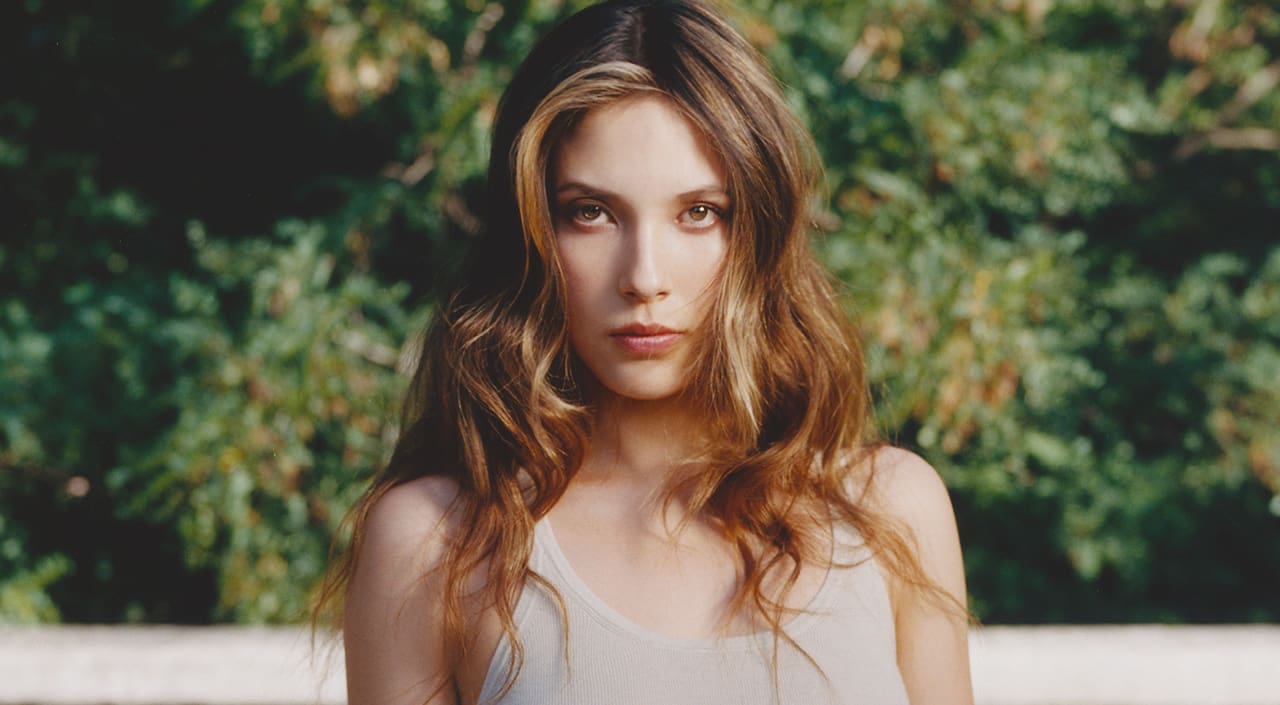
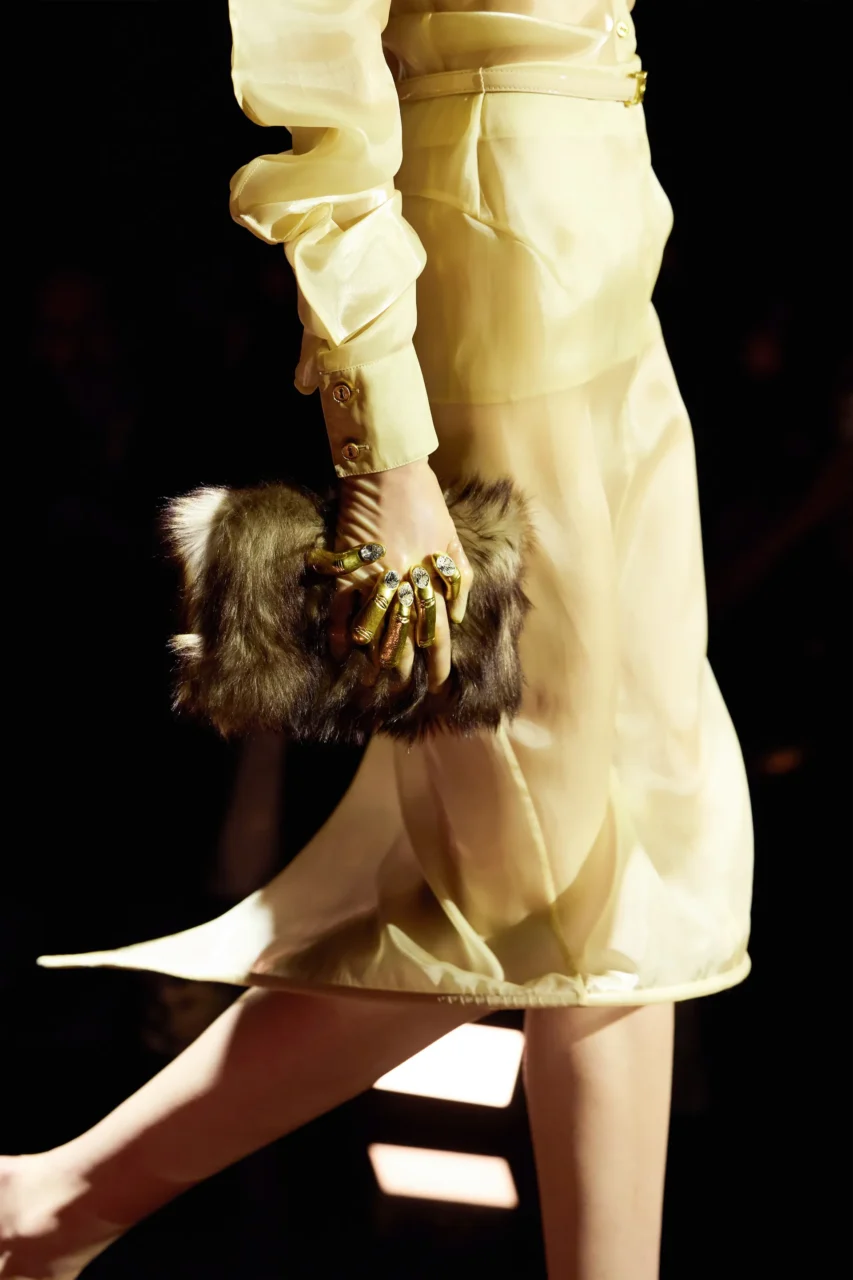
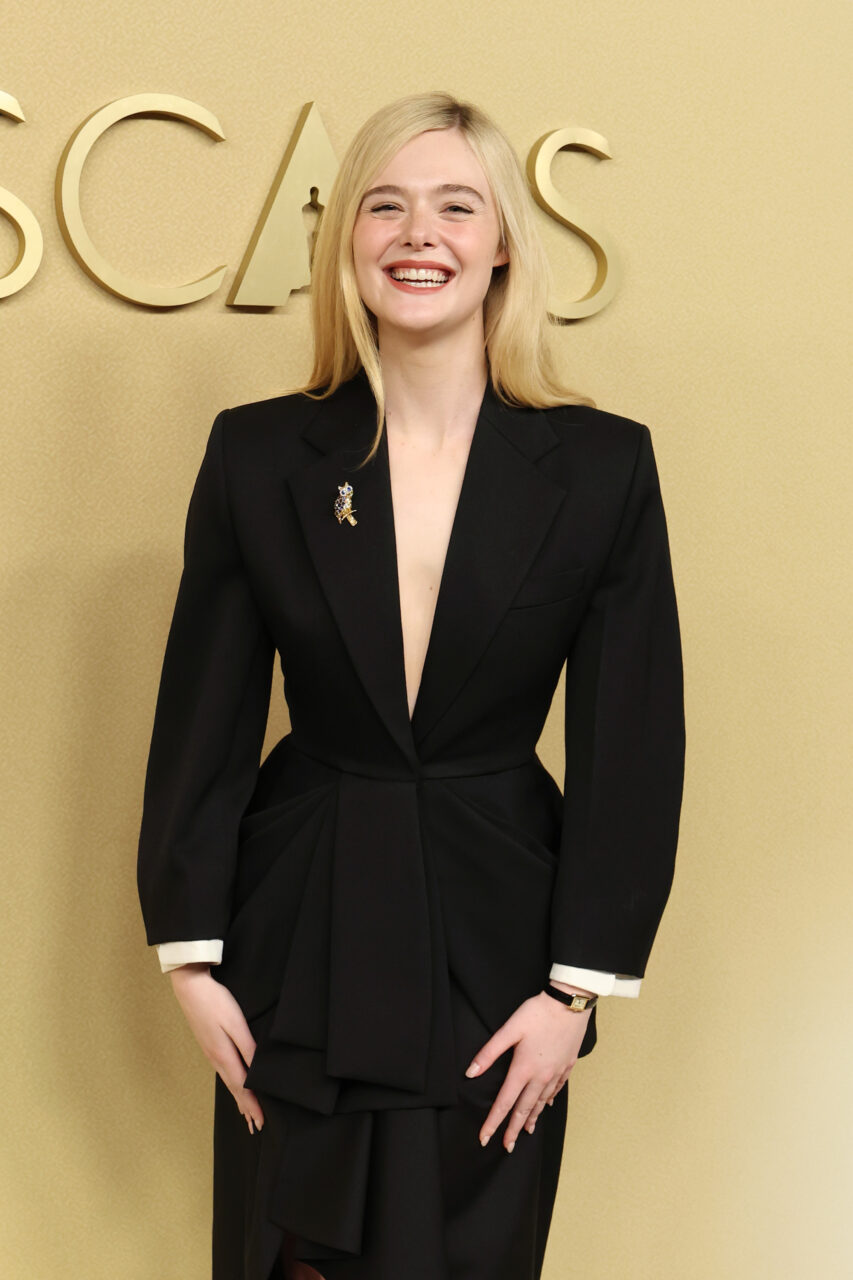
Instead of wearing show-stopping adornments around the neck, actresses flexed with pulls from recent runway collections. Rose Byrne wore a brown tank top, black high-waisted trousers, and cream mules from Louise Trotter’s Spring 2026 Bottega Veneta debut collection. Elle Fanning stunned in a black wool wrapped jacket from Givenchy Summer 2026, paired with a matching wrapped skirt, and accessorised with a 1954 Cartier sapphire and diamond owl clip instead. Emma Stone allowed the silhouette of her Julie de Libran Spring/Summer 2026 Couture tuxedo minidress to shine by opting out of accessories around the décolletage. Hamnet’s Chloe Zhao and Golden singer Ejae were also pared back with their accessories.
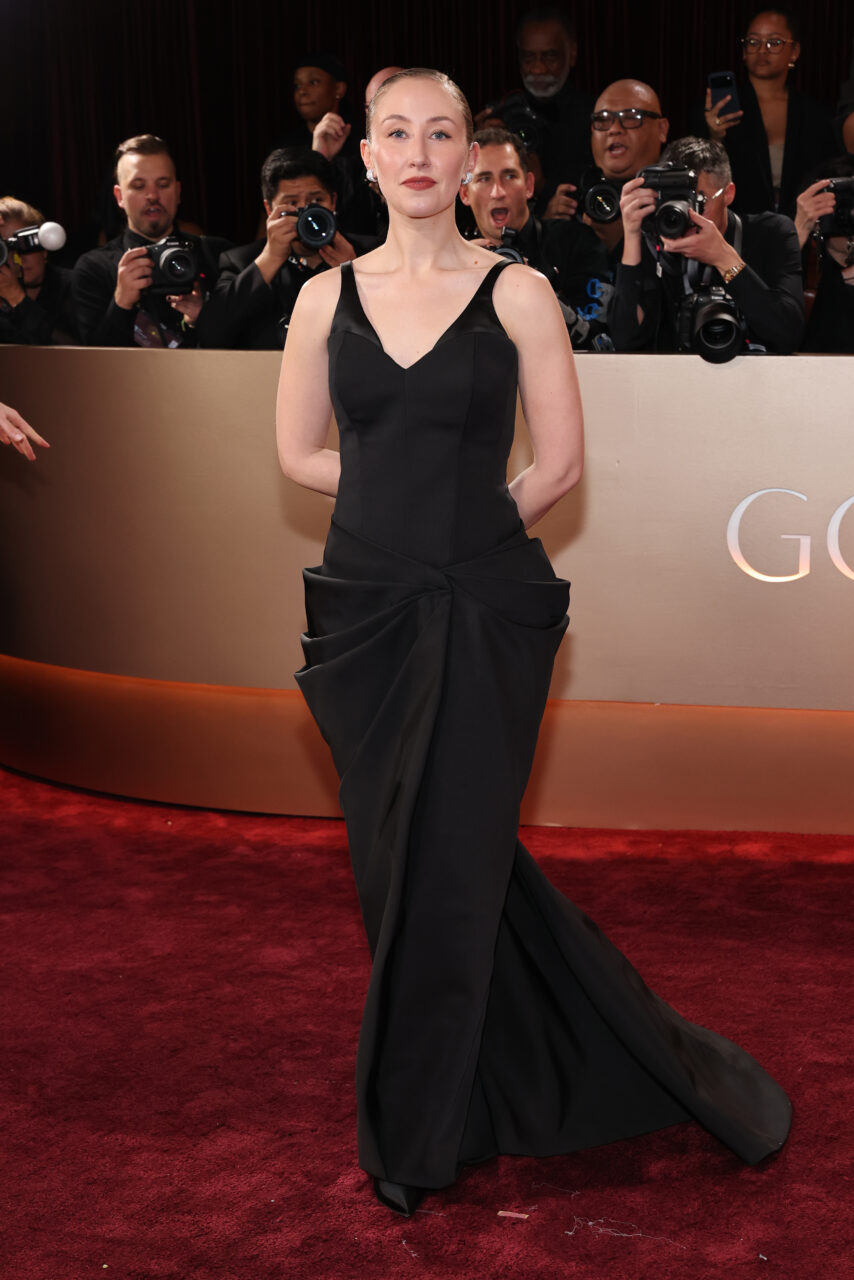
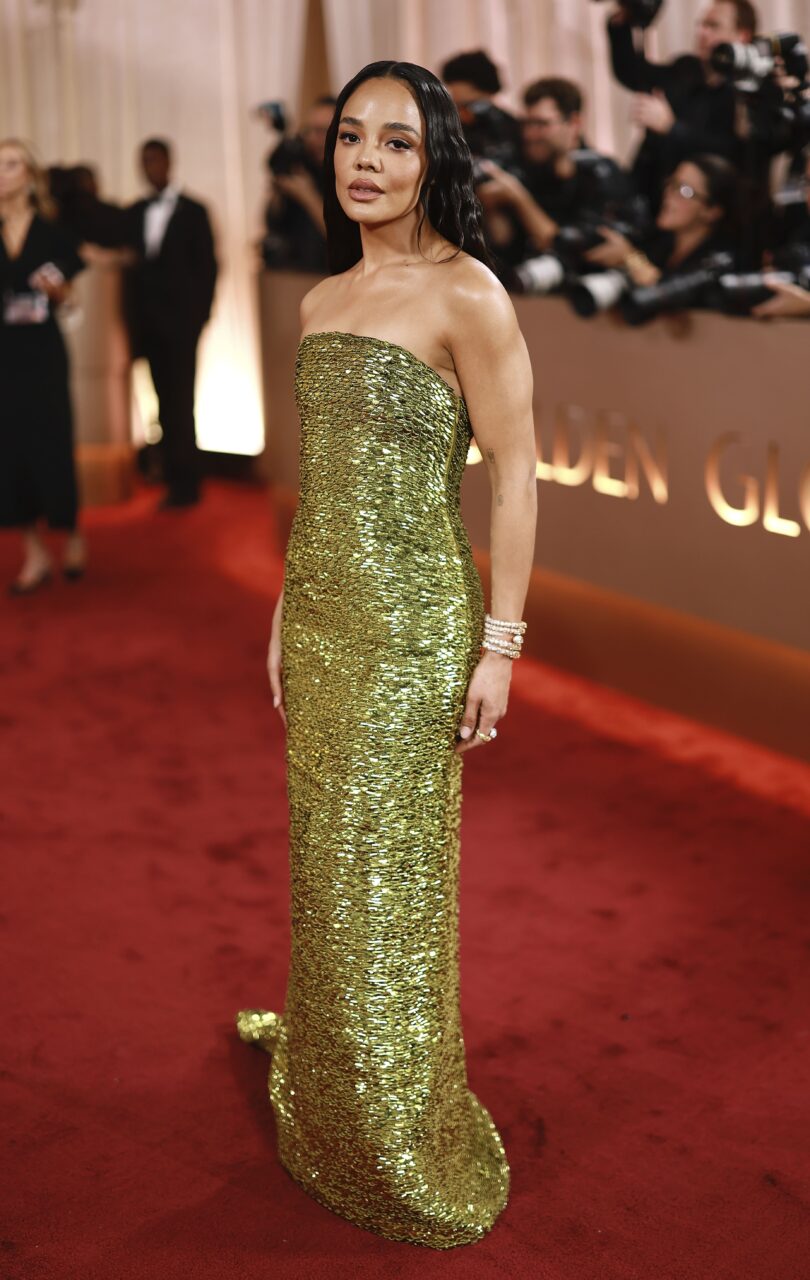
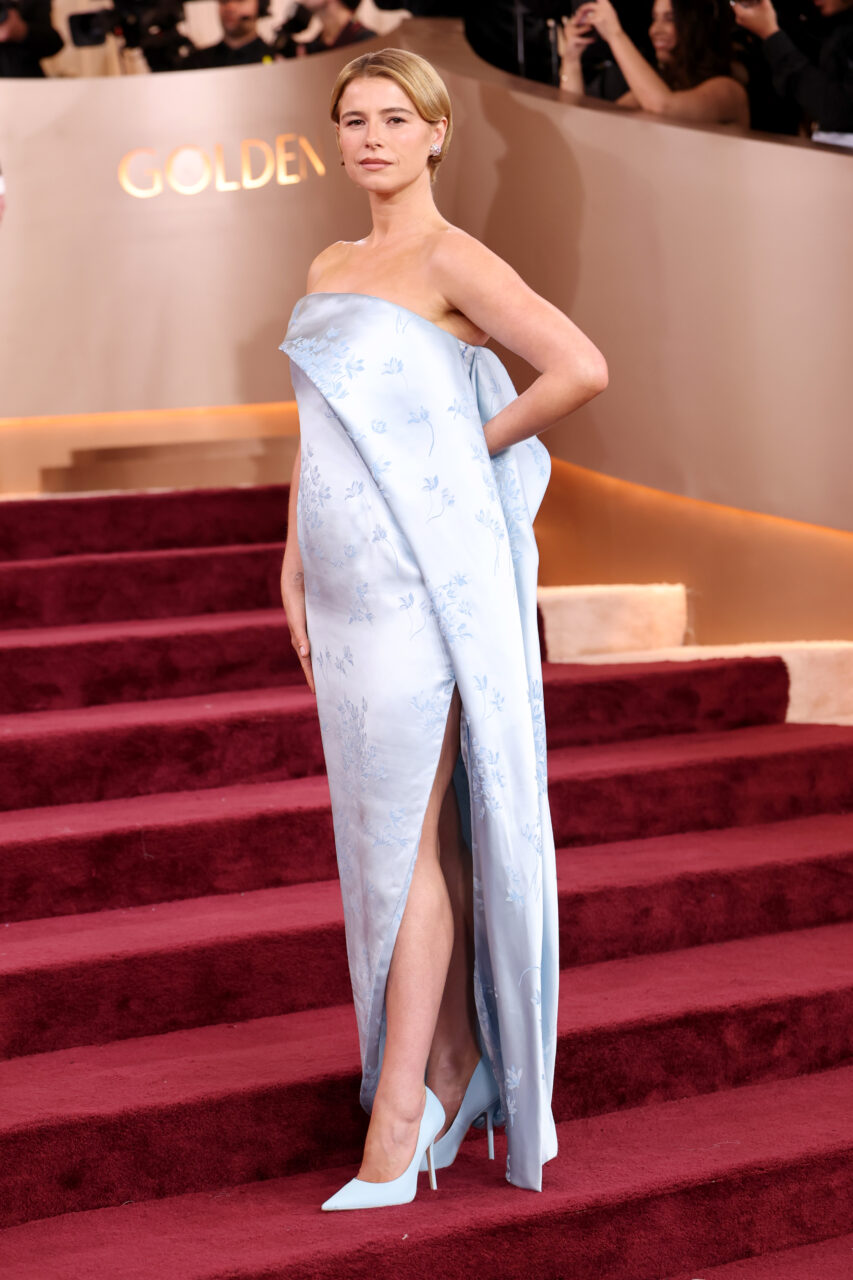
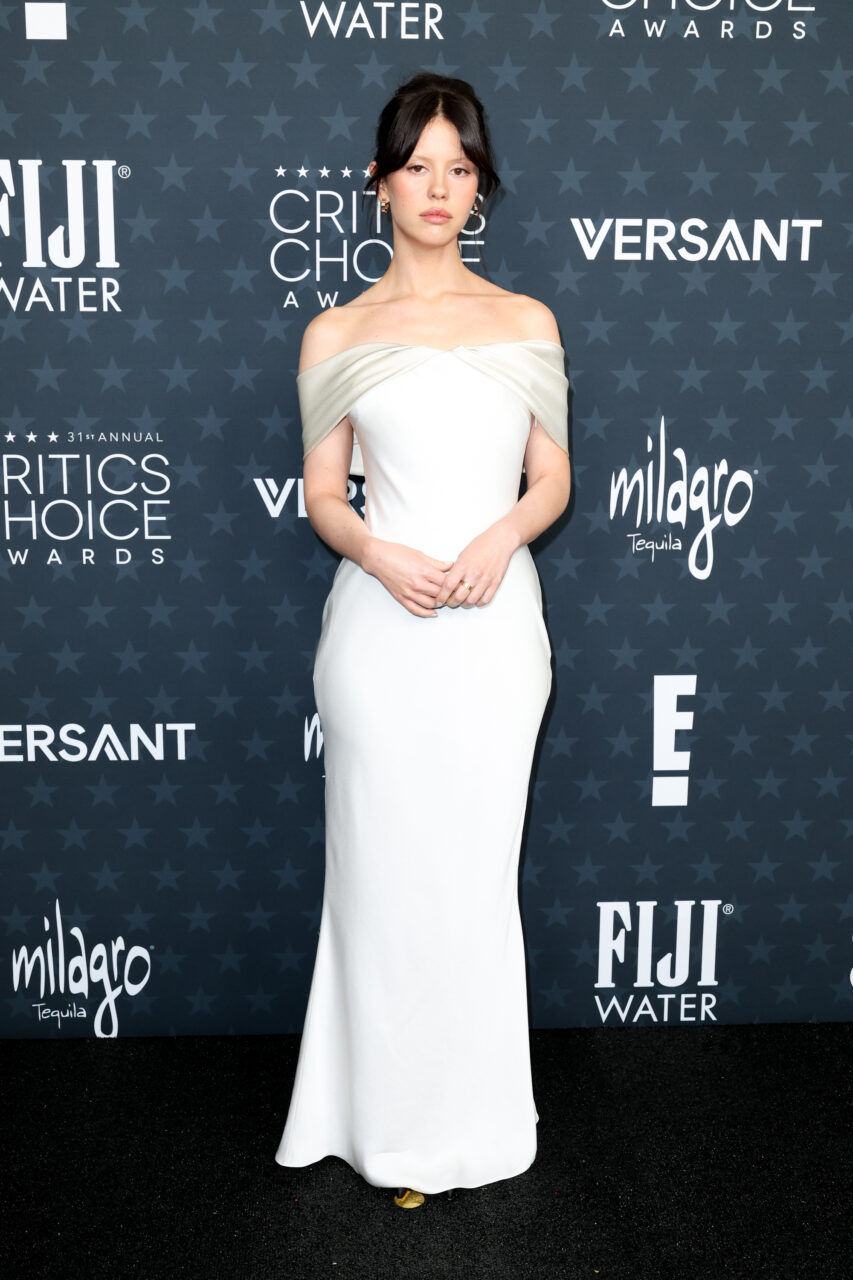
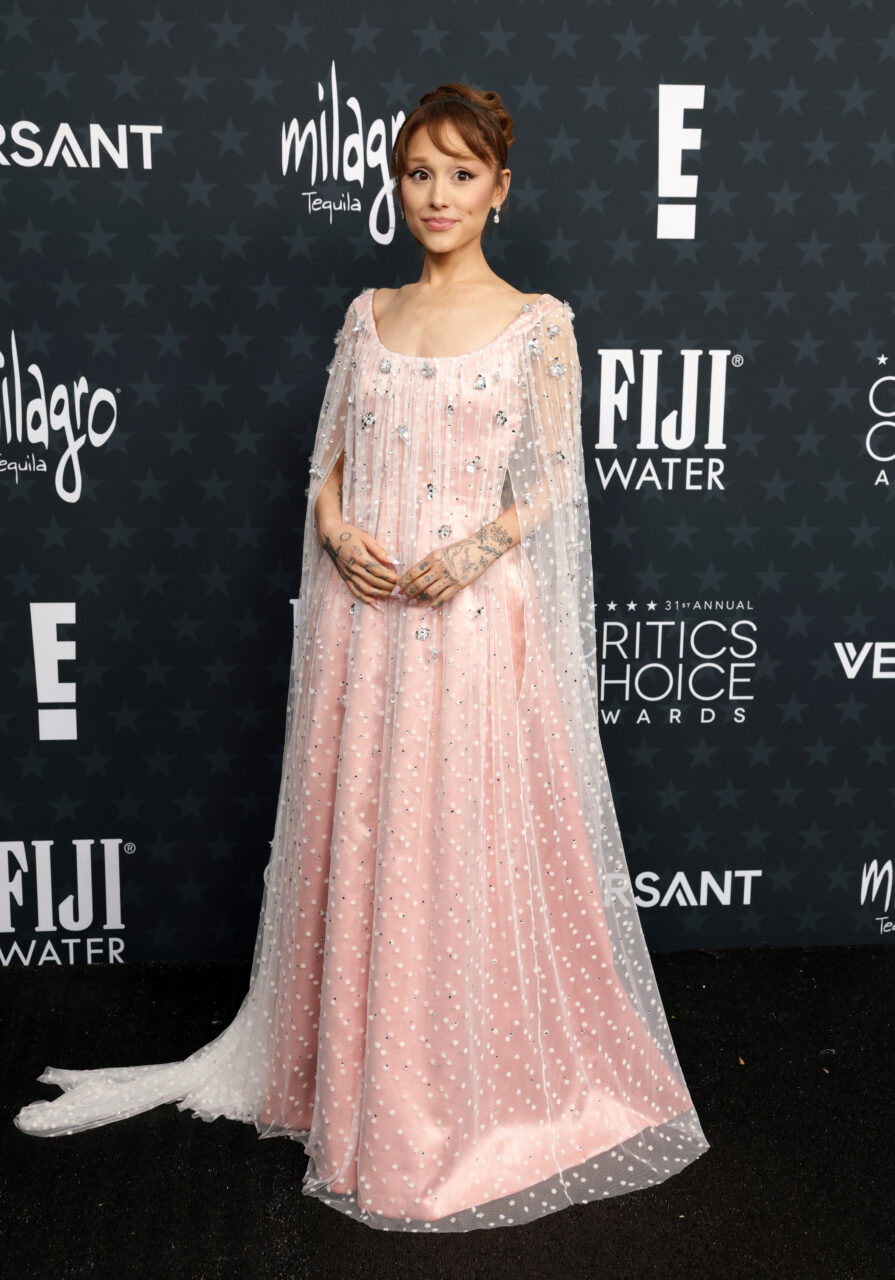
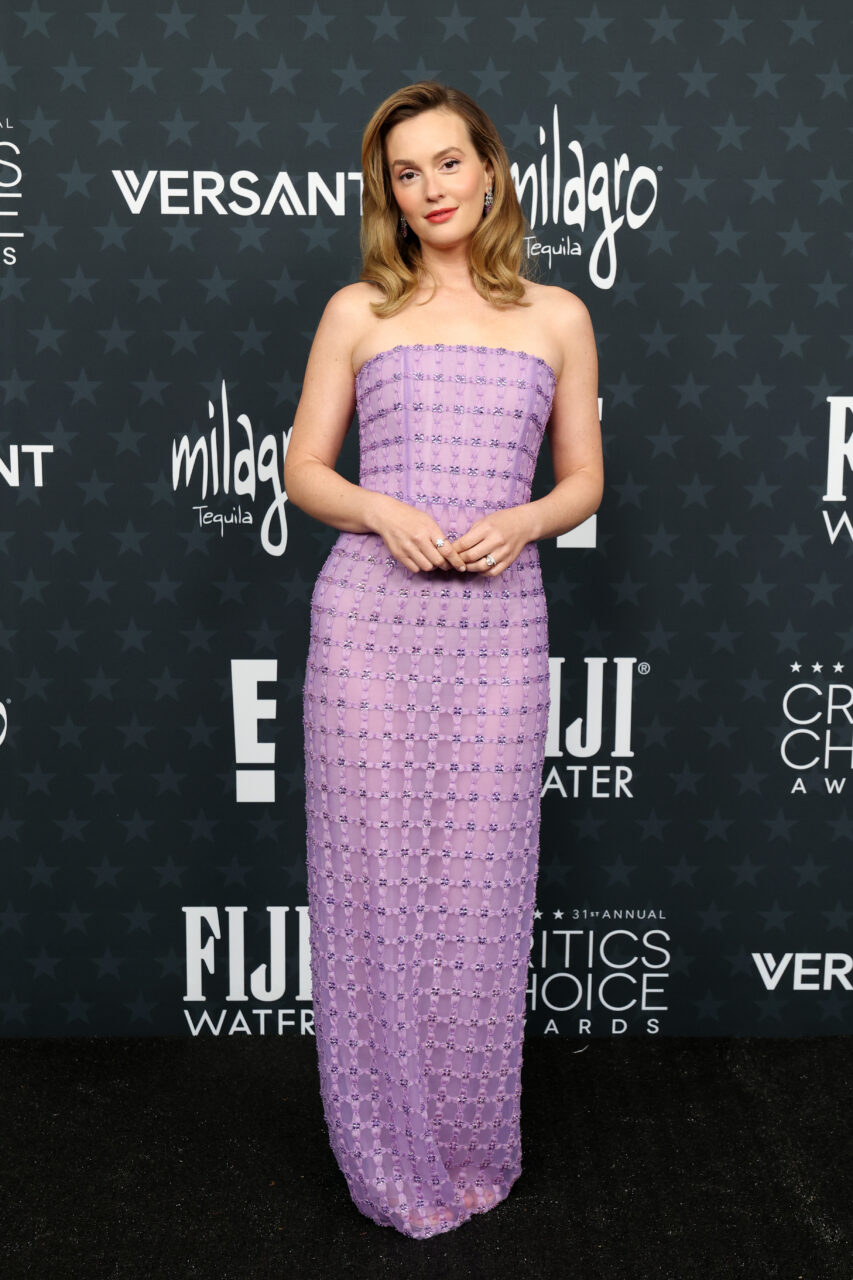
But even at grander affairs during the 2026 Awards Season, bare necks have been a common phenomenon. At the Golden Globes, Erin Doherty, Tessa Thompson, and Jessie Buckley wore Louis Vuitton, Balenciaga, and Dior, respectively, without any necklaces. And earlier at the Annual Critics Choice Awards, the same can be said for Mia Goth in Dior, Ariana Grande in Alberta Ferretti, and Leighton Meester in Carolina Herrera.
Rather than a stylistic choice, the scaling back of diamonds and jewels could reflect a global luxury industry shaken by economic headwinds and inflationary concerns. In 2025, LVMH and Kering’s net profits both dropped 13 per cent to 17.8 billion euros and 14.68 billion euros, respectively.
Looking forward, China’s luxury market will also remain subdued in 2026, according to J.P. Morgan. “Given the ongoing trends volatility, and no material acceleration in the underlying demand for luxury at the moment, retailers and experts expect luxury sales to be broadly flattish next year,” says Chiara Battistini, the Head of European Luxury and Sporting Goods at J.P. Morgan.
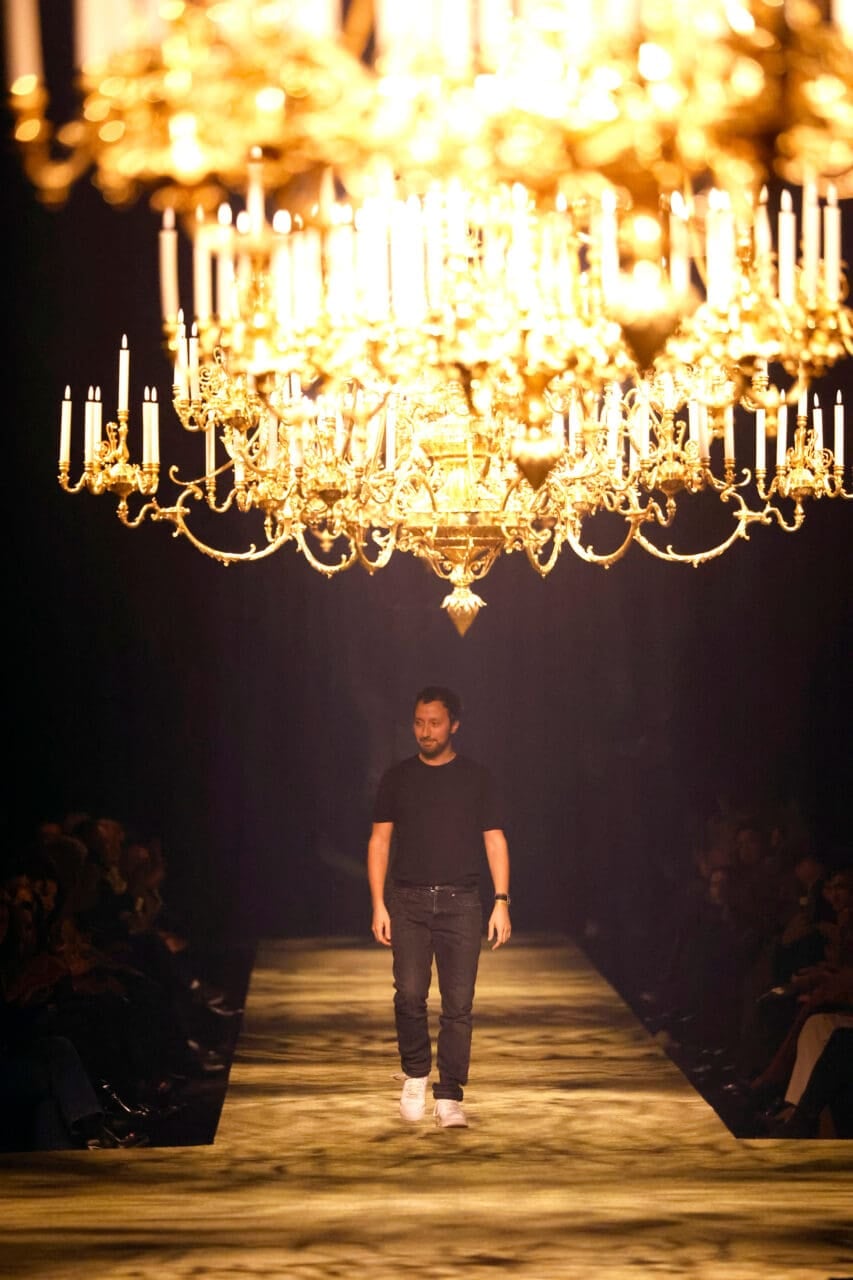
In 2025, more than 20 European houses brought in new creative directors, with more than 15 debuting in September 2025 for the Spring/Summer 2026 season. Significant online buzz surrounded the spectacle, but reinvigorating stagnating sales remains a challenge as low-ticket items with entry-level price points remain scarce, prices continue to rise, and very important clients (VICs) are still evaluating the changes in creative directions.
Editor
Karrie LamCredit
Lead Image: Monica Schipper/WireImage