

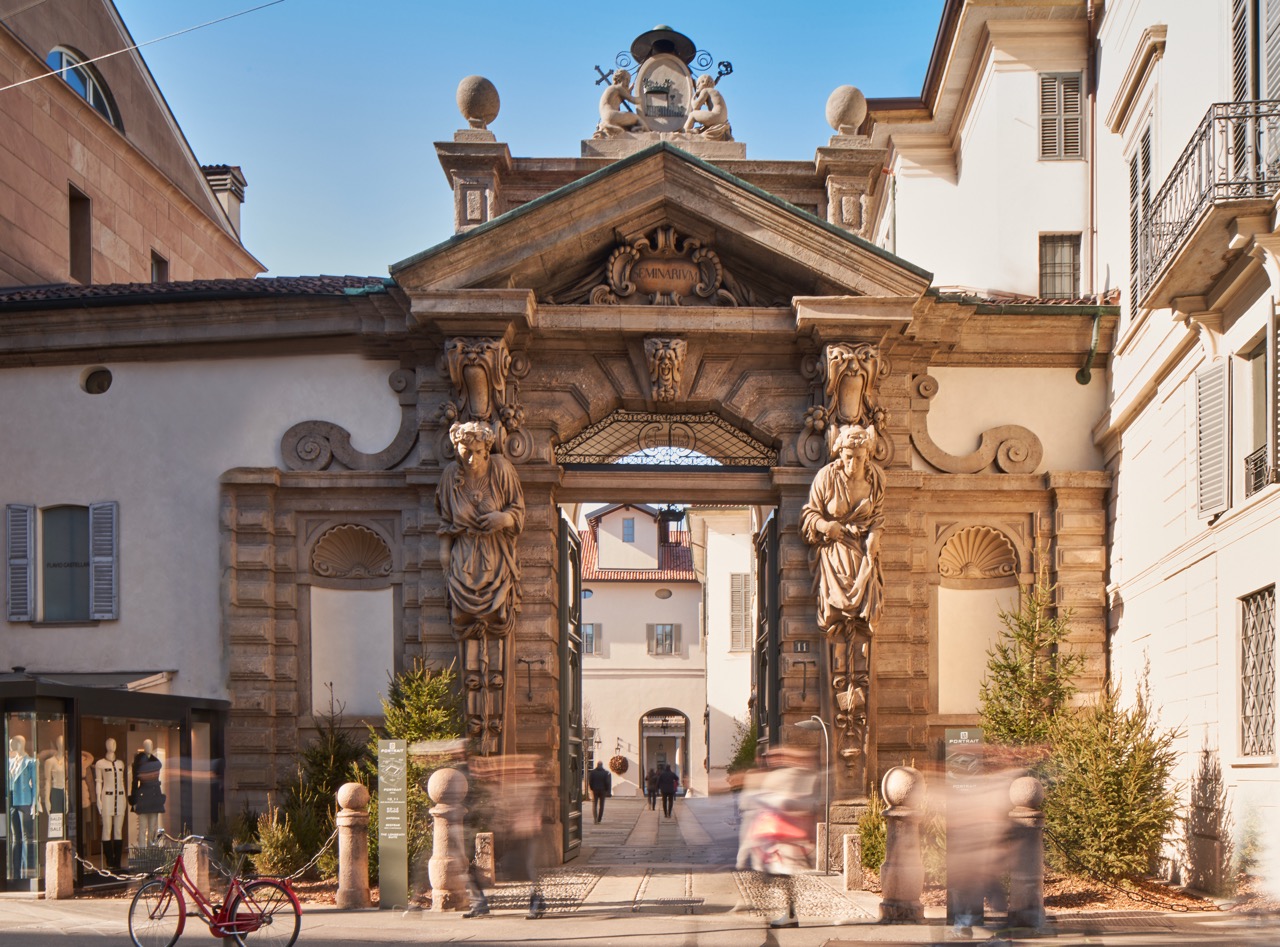
Behind an unassuming Baroque archway in Milan’s Fashion District lies a world that remained hidden from public view for over two decades. Step through Francesco Maria Richini’s magnificent portal at Corso Venezia 11, and you’ll discover a breathtaking 16th-century seminary transformed into one of Milan’s most captivating destinations.
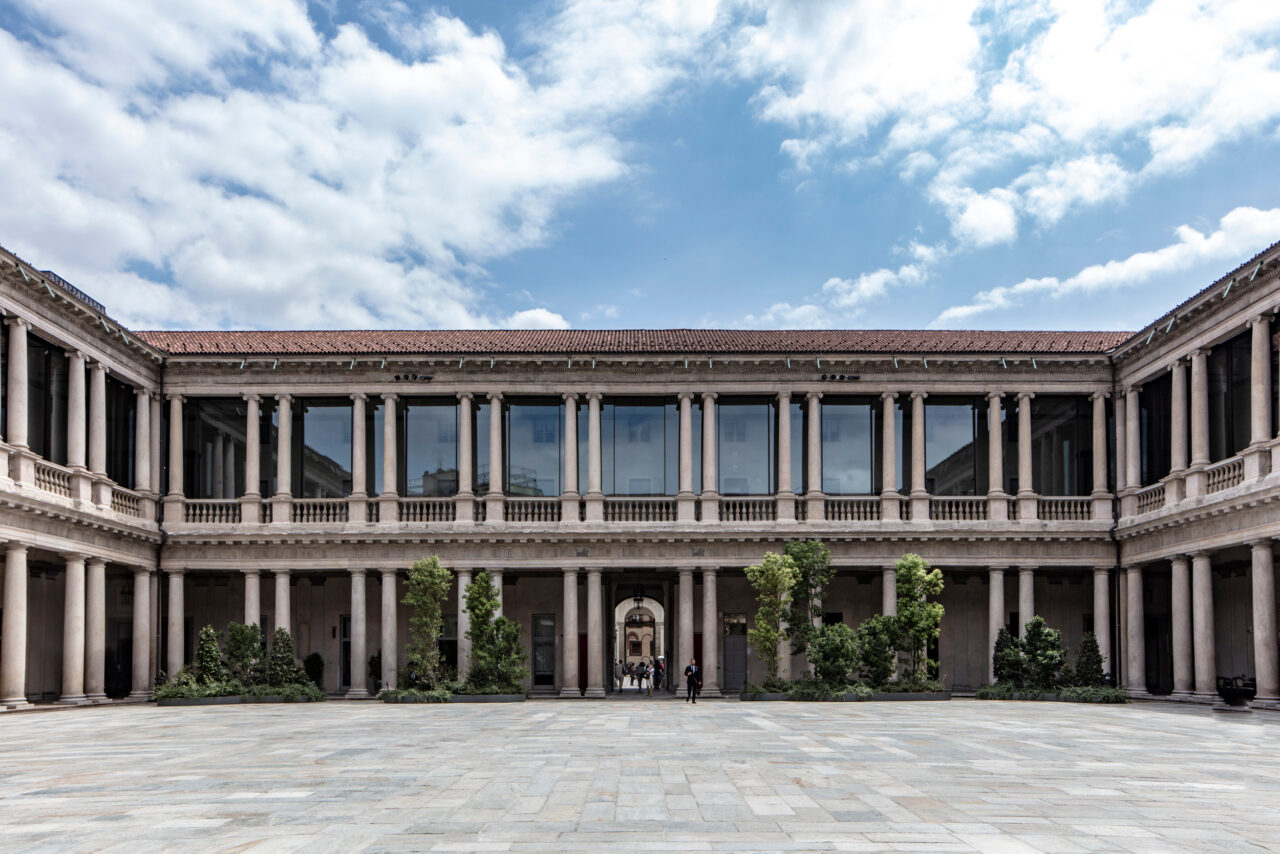
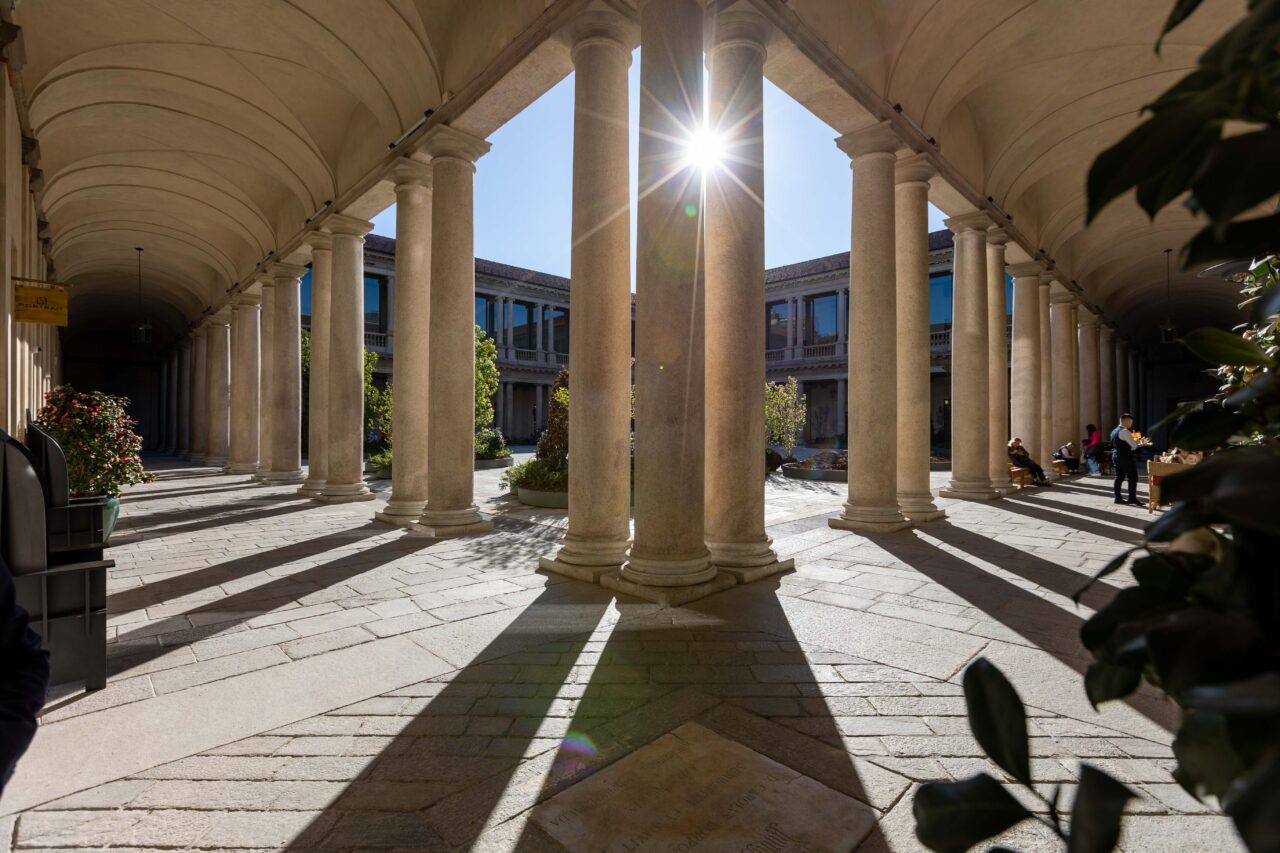
This is Portrait Milano, where centuries of history whisper through ancient colonnades and where St. Charles Borromeo’s legacy meets contemporary luxury. The former Archbishop’s Seminary, with its imposing double loggia and coupled columns, has witnessed the evolution of Milan since the 1500s. In December 2022, it began a new chapter when the Ferragamo family’s Lungarno Collection breathed fresh life into its historic walls.
The transformation, orchestrated by architect Michele De Lucchi and his studio AMDL CIRCLE, reads like a love letter to Milan’s architectural heritage. Original cornices and apertures tell stories of the past, while carefully integrated modern elements write tales of the present. The spectacular 2,800-square-meter piazza, once a silent witness to ecclesiastical life, now pulses with the energy of Milan’s contemporary scene.
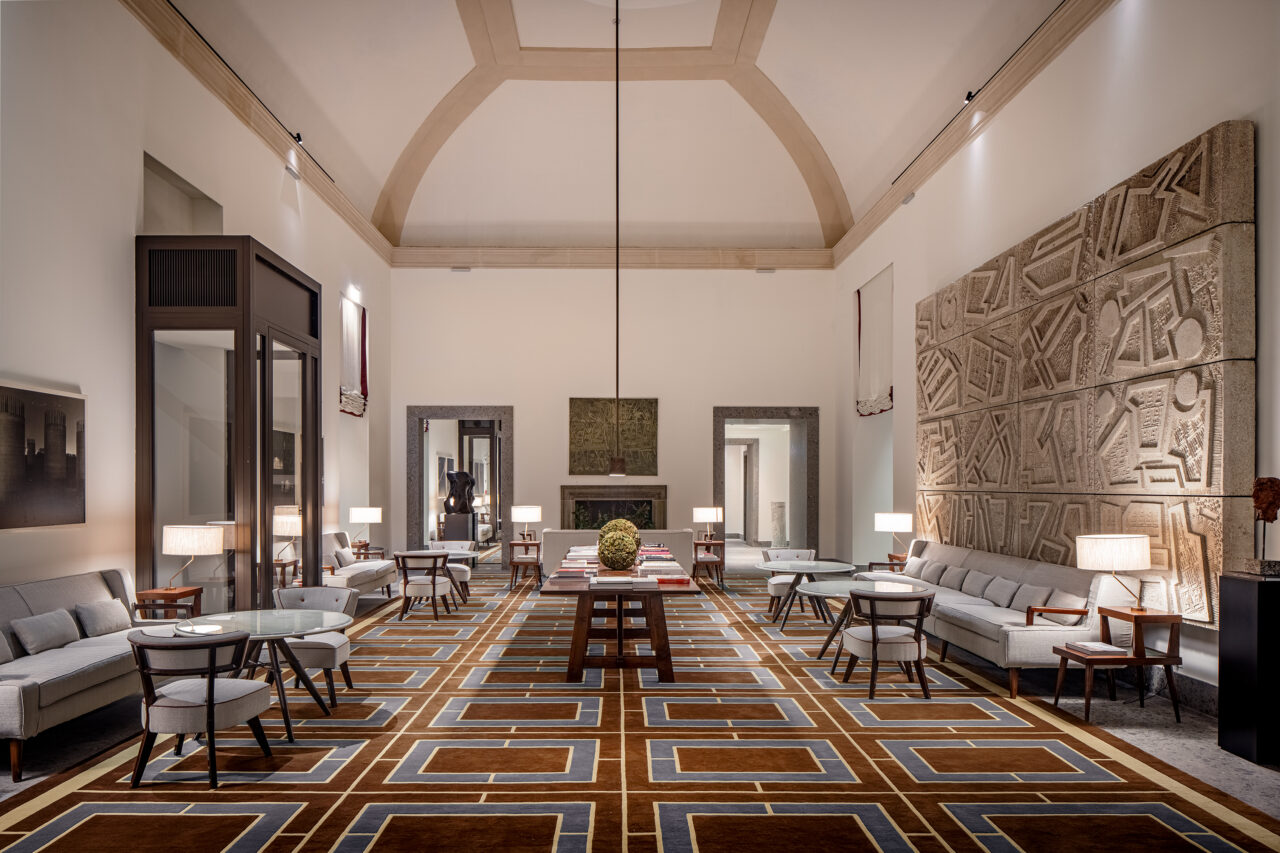
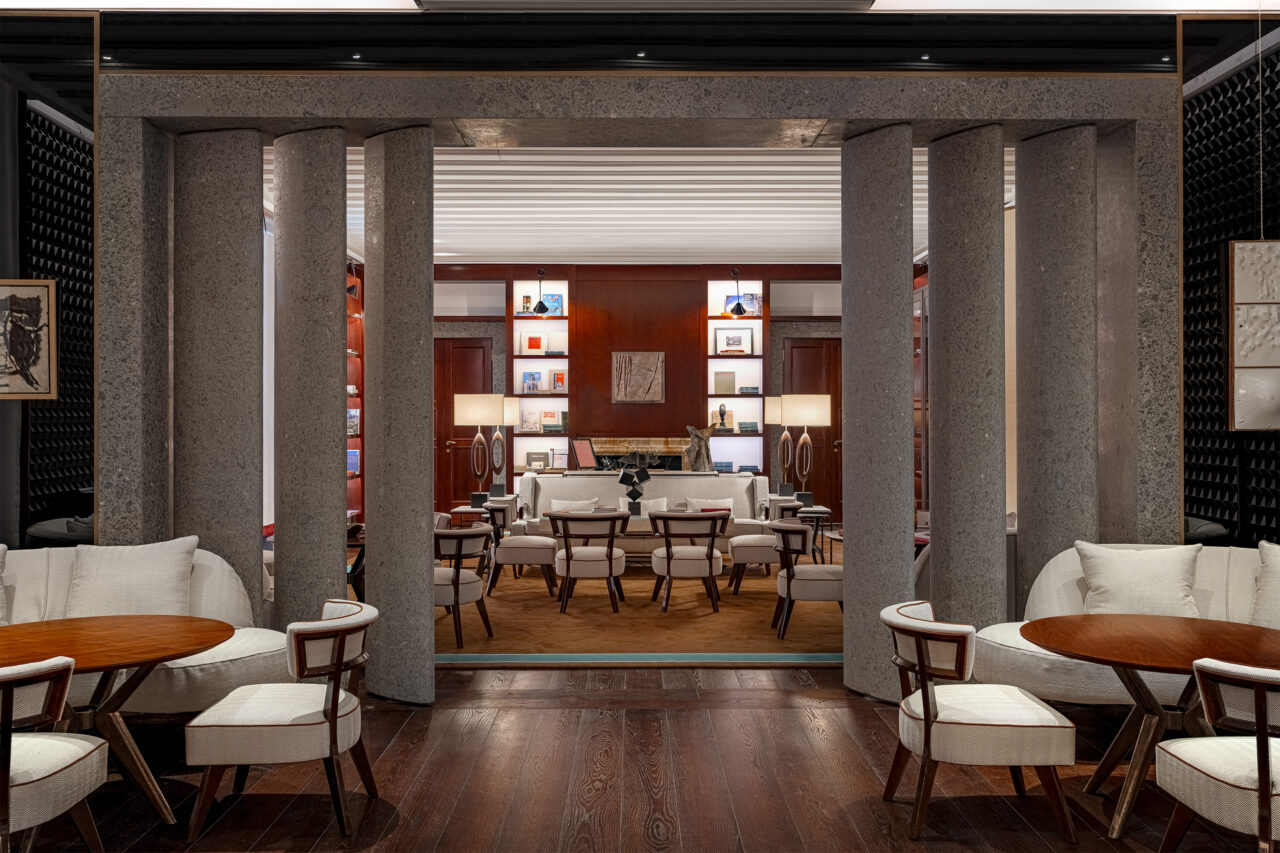

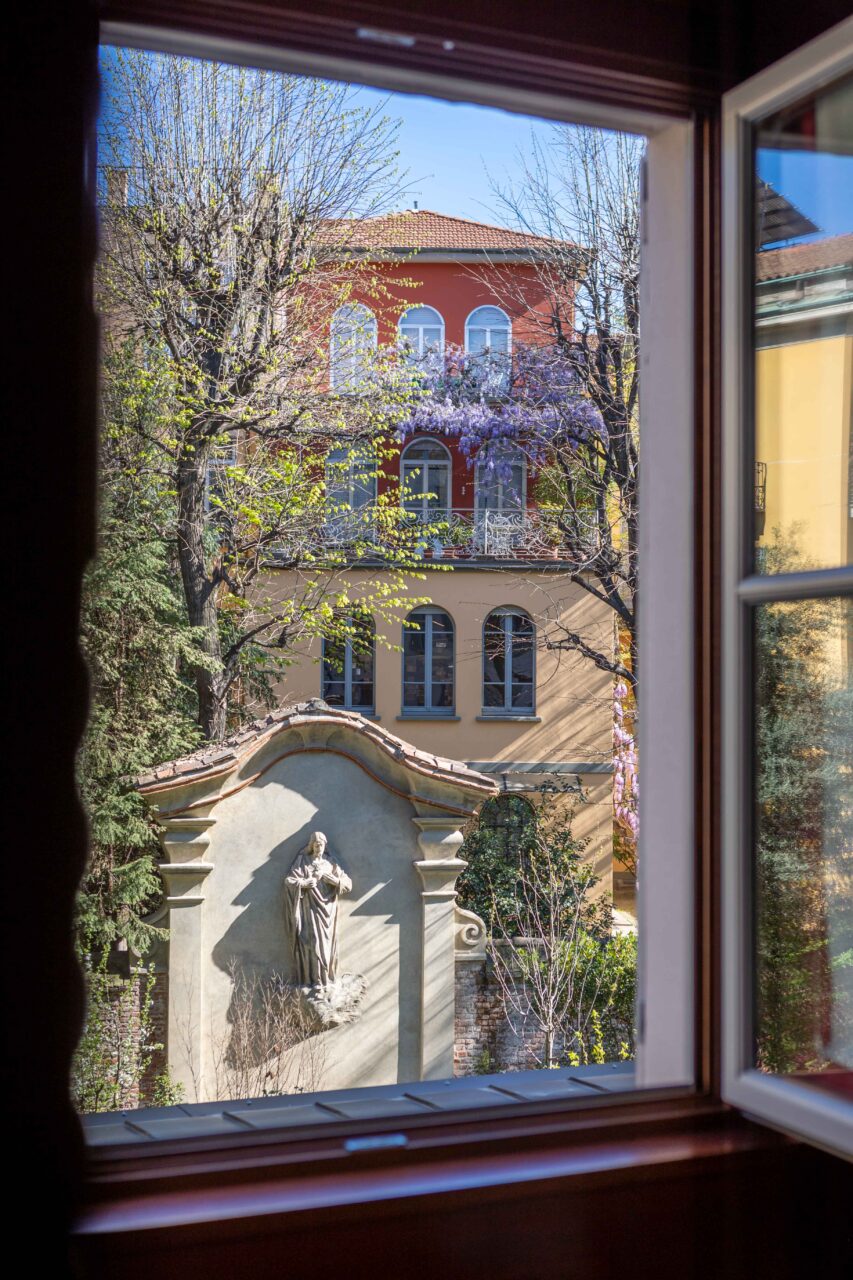
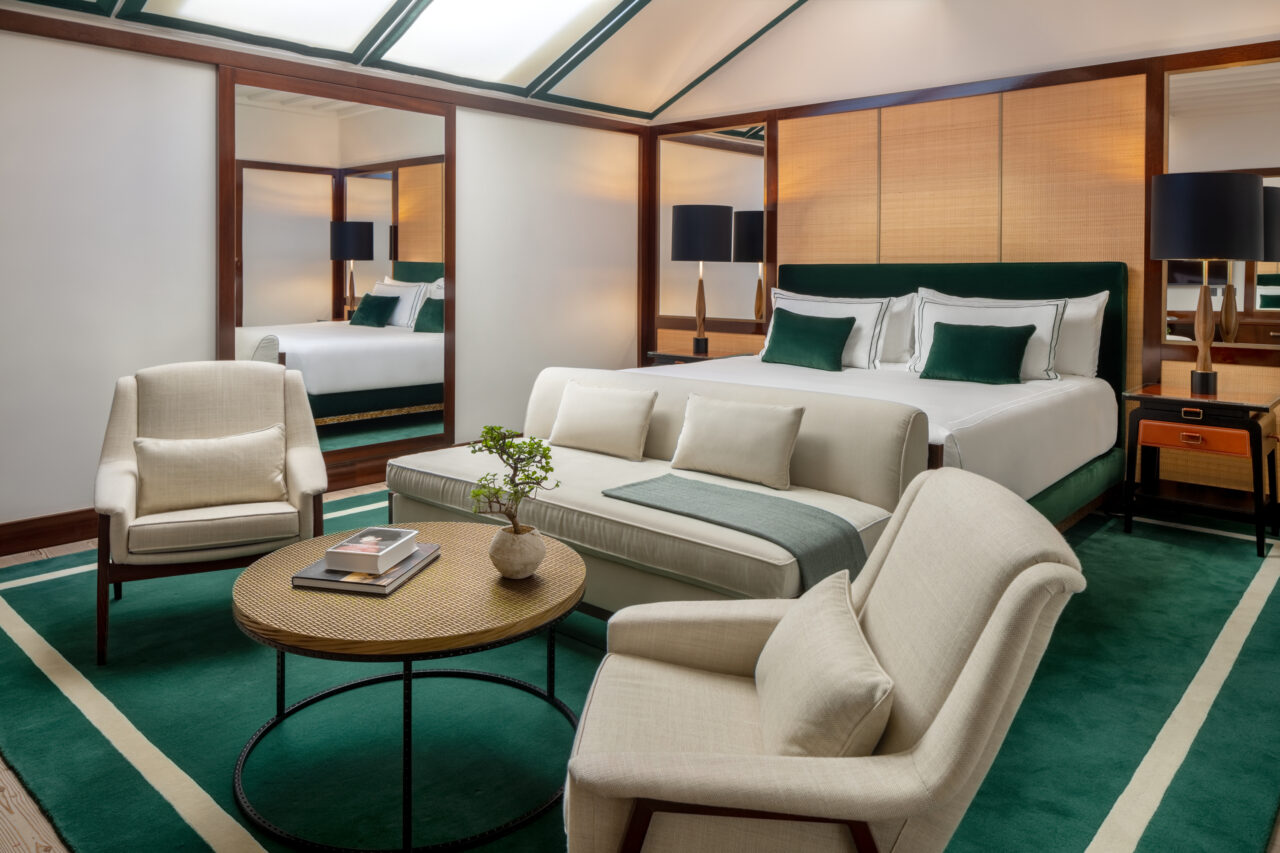
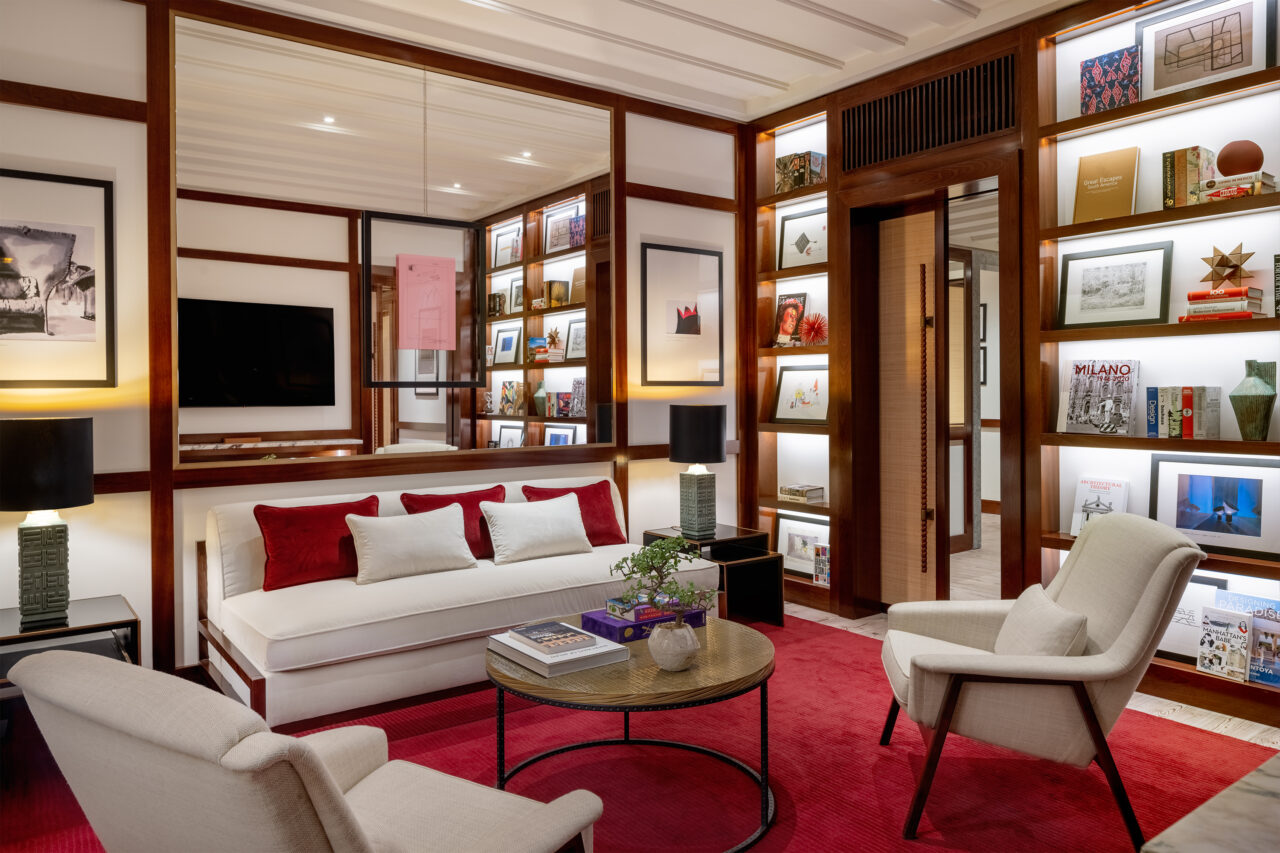
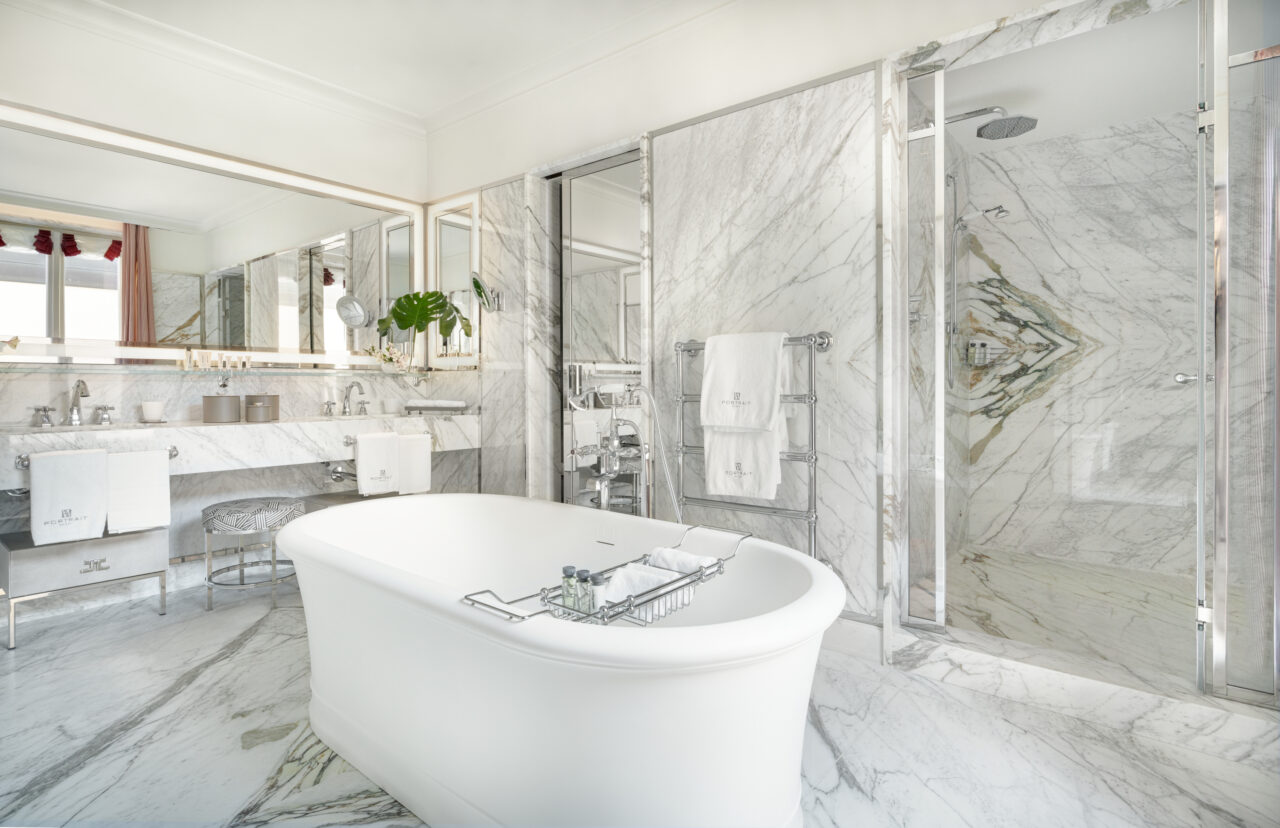
Seventy-three rooms and suites occupy the upper floors, each one a masterpiece of design by Michele Bonan. Here, classic Milanese elegance dances with Tuscan artistry—leather handles and Florentine rattan boiserie paying subtle tribute to the Ferragamo family’s roots.

The ground floor has become a stage where fashion, gastronomy, and culture perform in perfect harmony. Antonia’s curated fashion collections share space with SO-LE STUDIO’s sustainable jewellery, while the sophisticated notes from Rumore’s American Bar blend with the authentic Italian flavours of 10_11 restaurant. In the evening, the carefully planned illumination bathes the ancient colonnades in a golden glow, creating an almost theatrical atmosphere.
Perhaps the most poetic element is the courtyard garden, where seasonal flowers and herbs now soften the austere architecture, creating intimate green spaces that invite quiet contemplation amidst the urban bustle.

The project exemplifies the delicate art of historical preservation meeting contemporary purpose, where centuries-old architecture finds new relevance without losing its soul. Once hidden from public view, the seminary now serves as an elegant passage between Corso Venezia and Via Sant’Andrea, weaving itself back into Milan’s urban fabric. Arguably, what makes Portrait Milano truly exceptional is this delicate equilibrium: the thoughtful balance between preservation and accessibility, where centuries of history remain tangible even as new life flows through its restored spaces.
Editor
Kaitlyn LaiCredit
Photo Courtesy of Portrait Milano