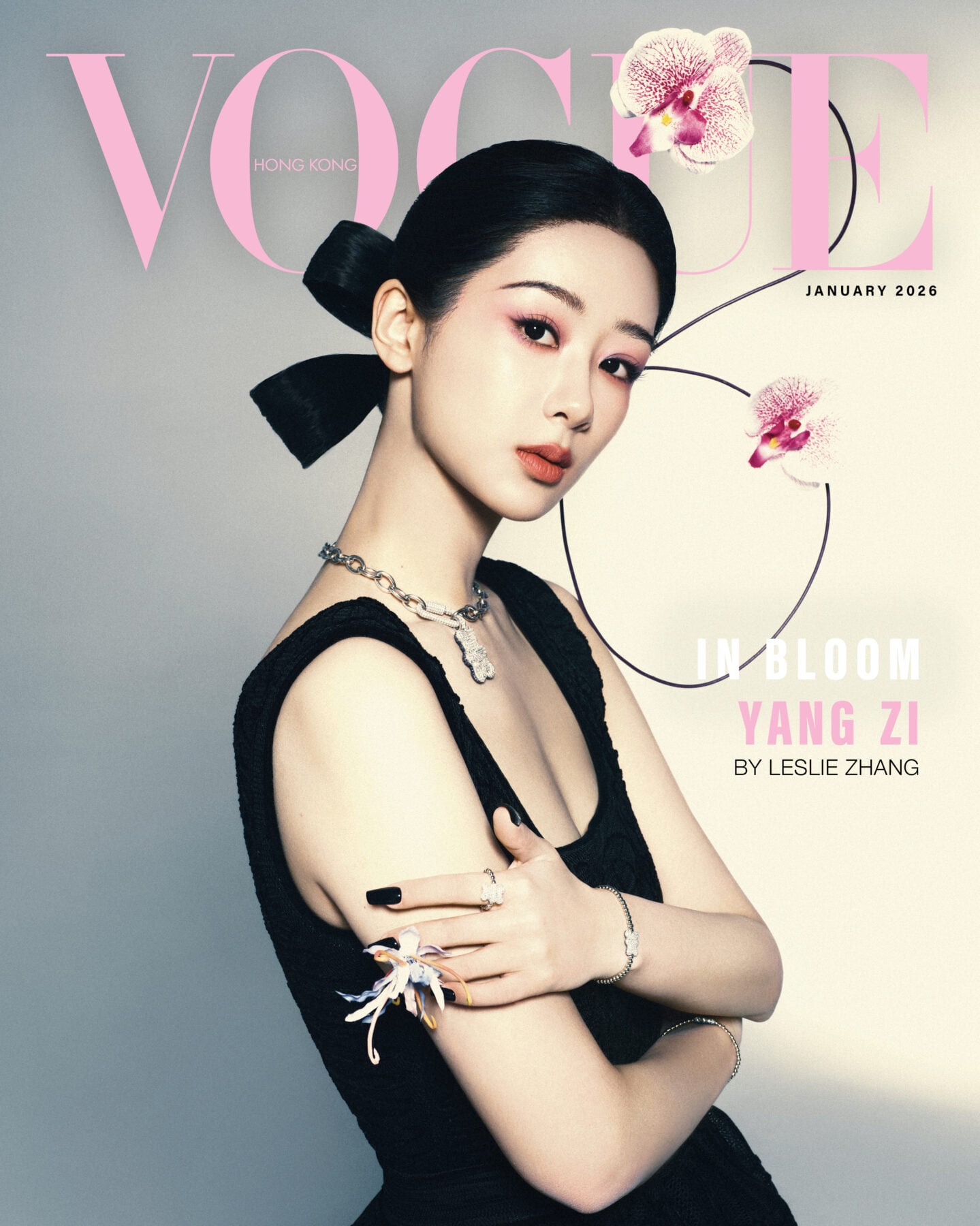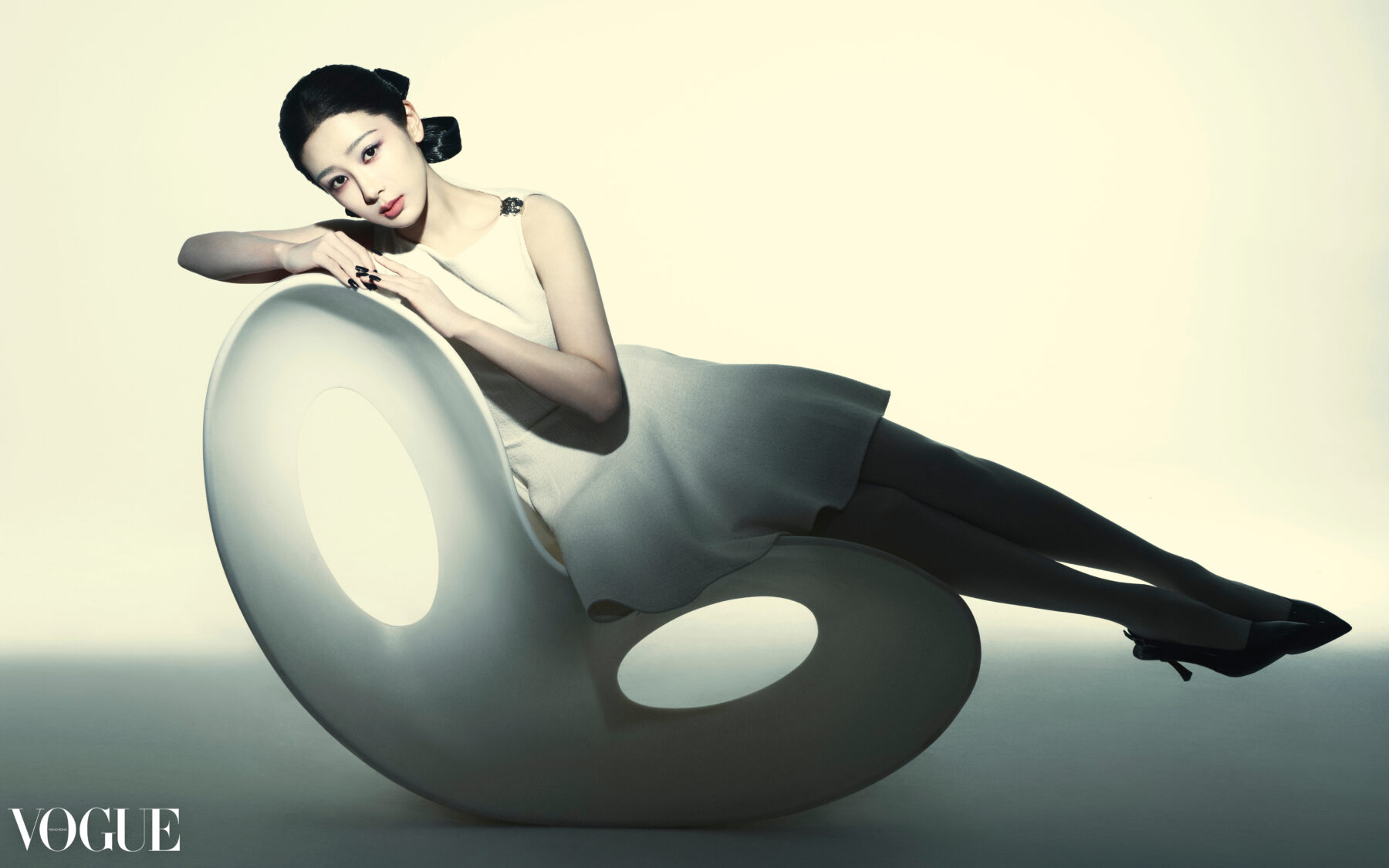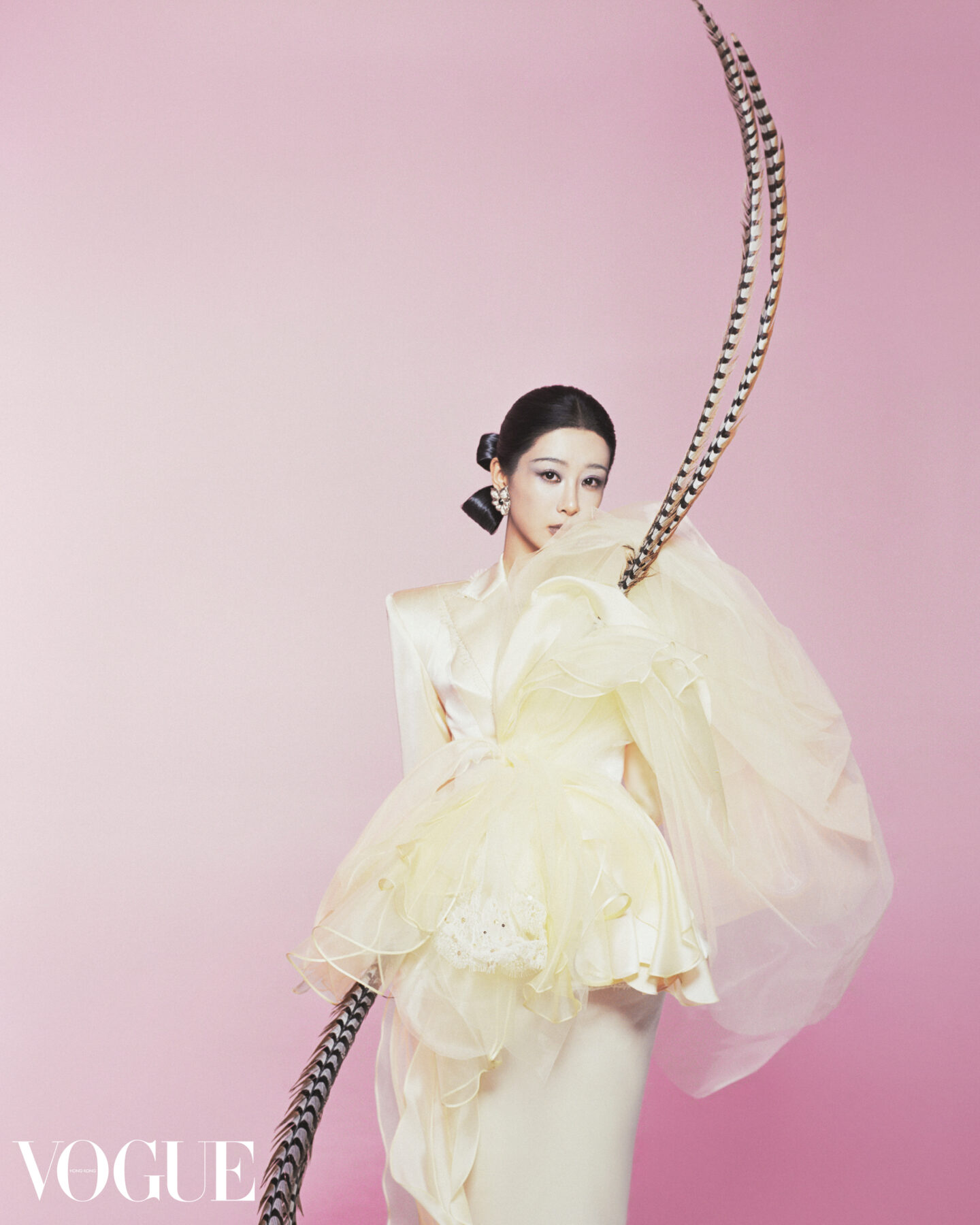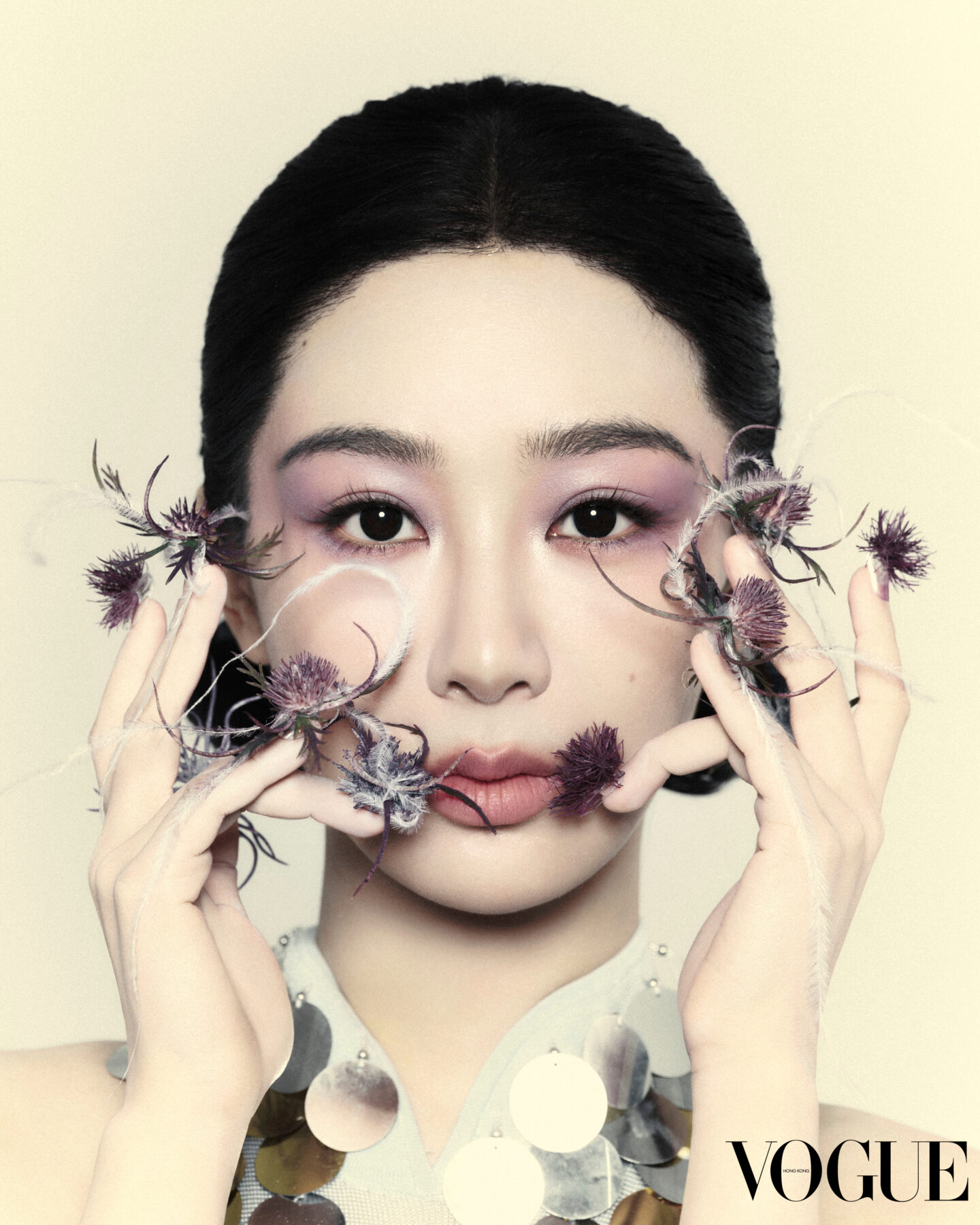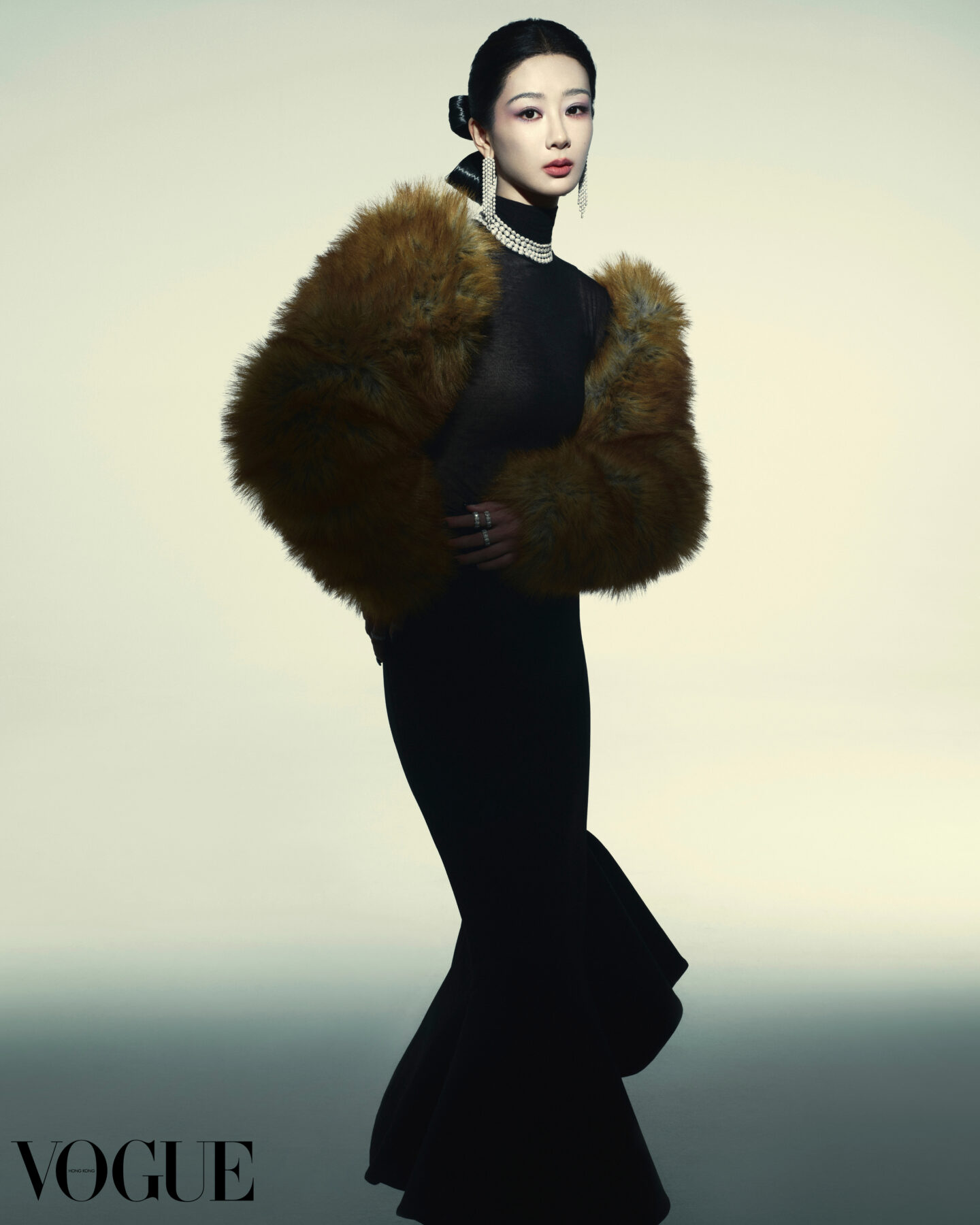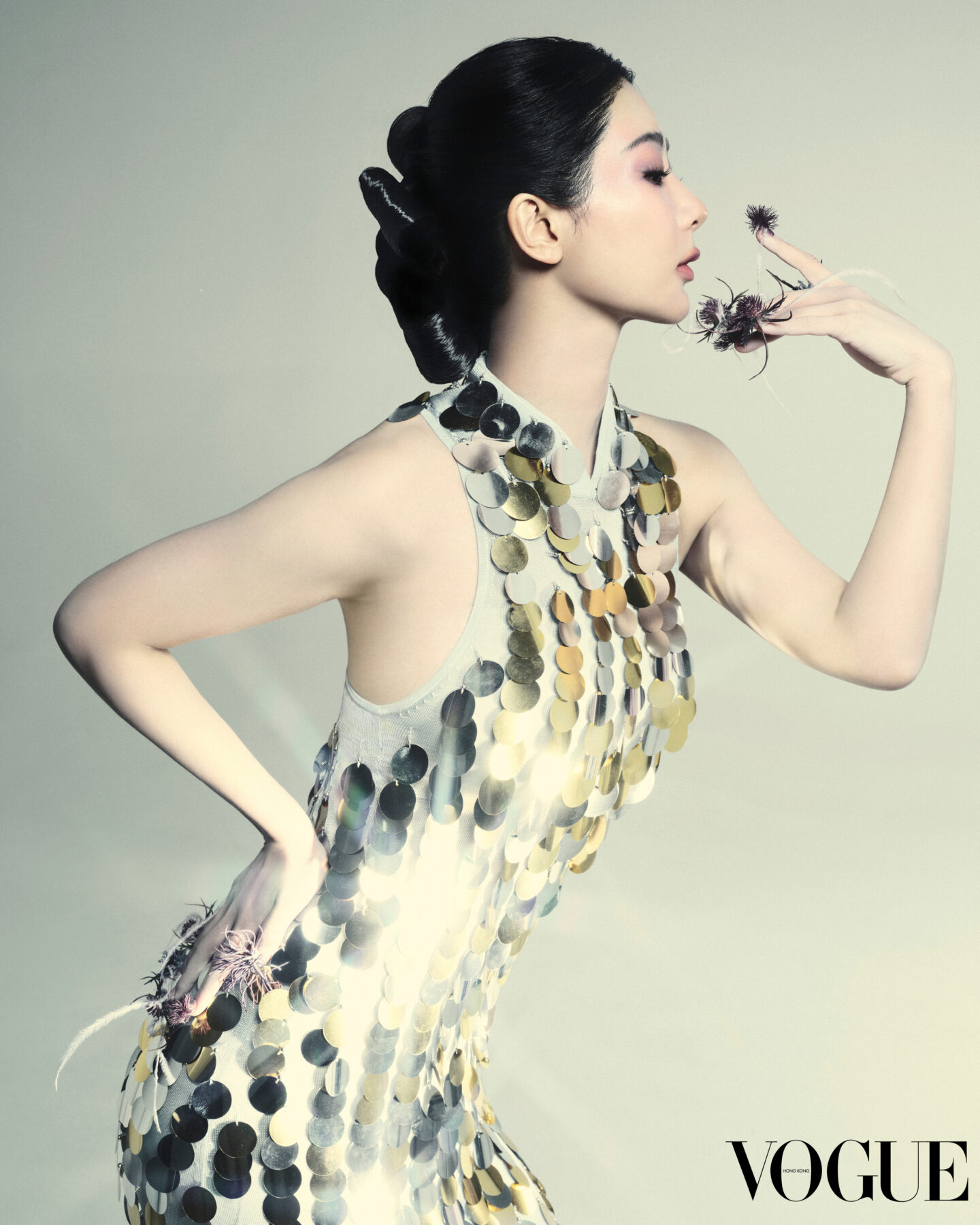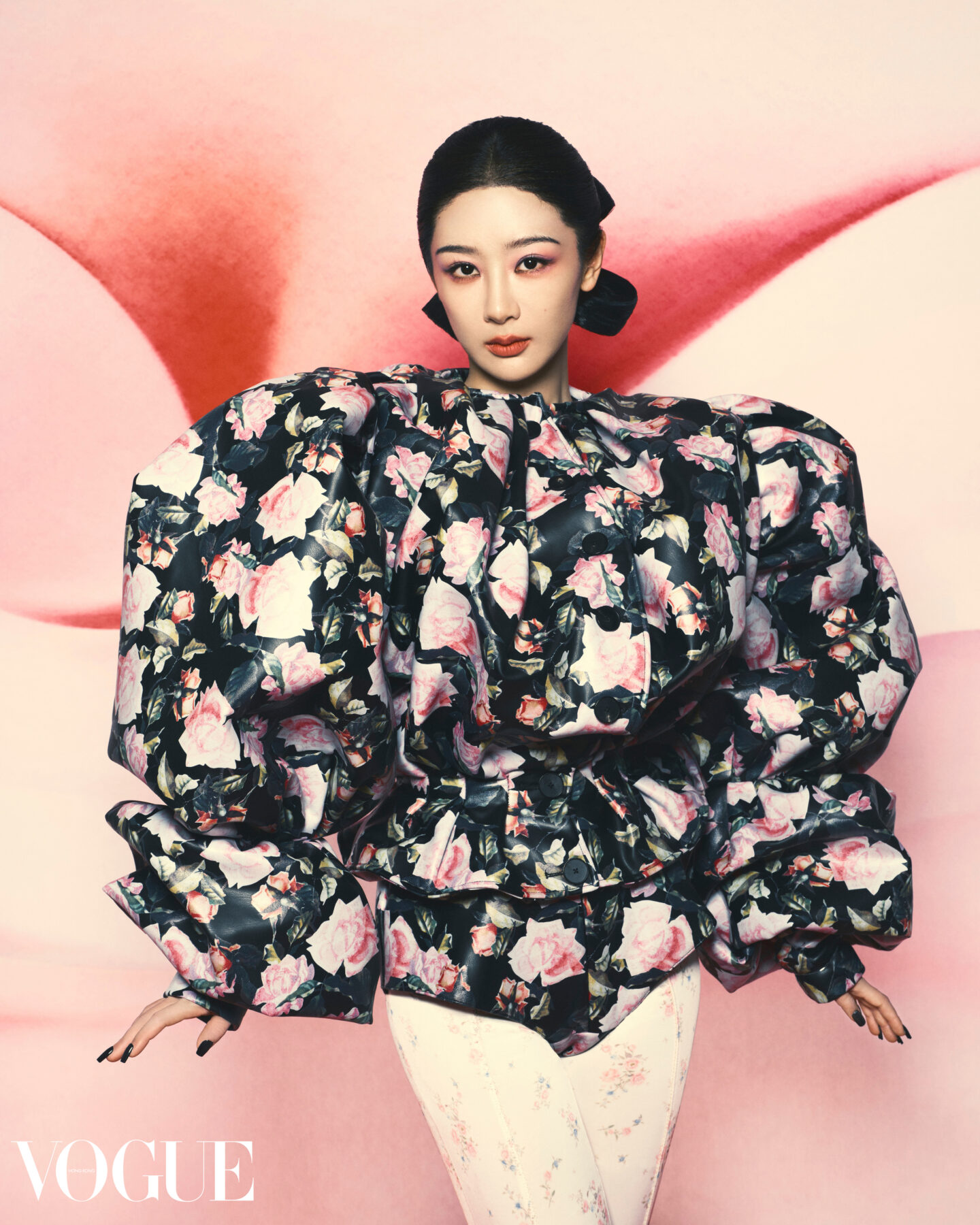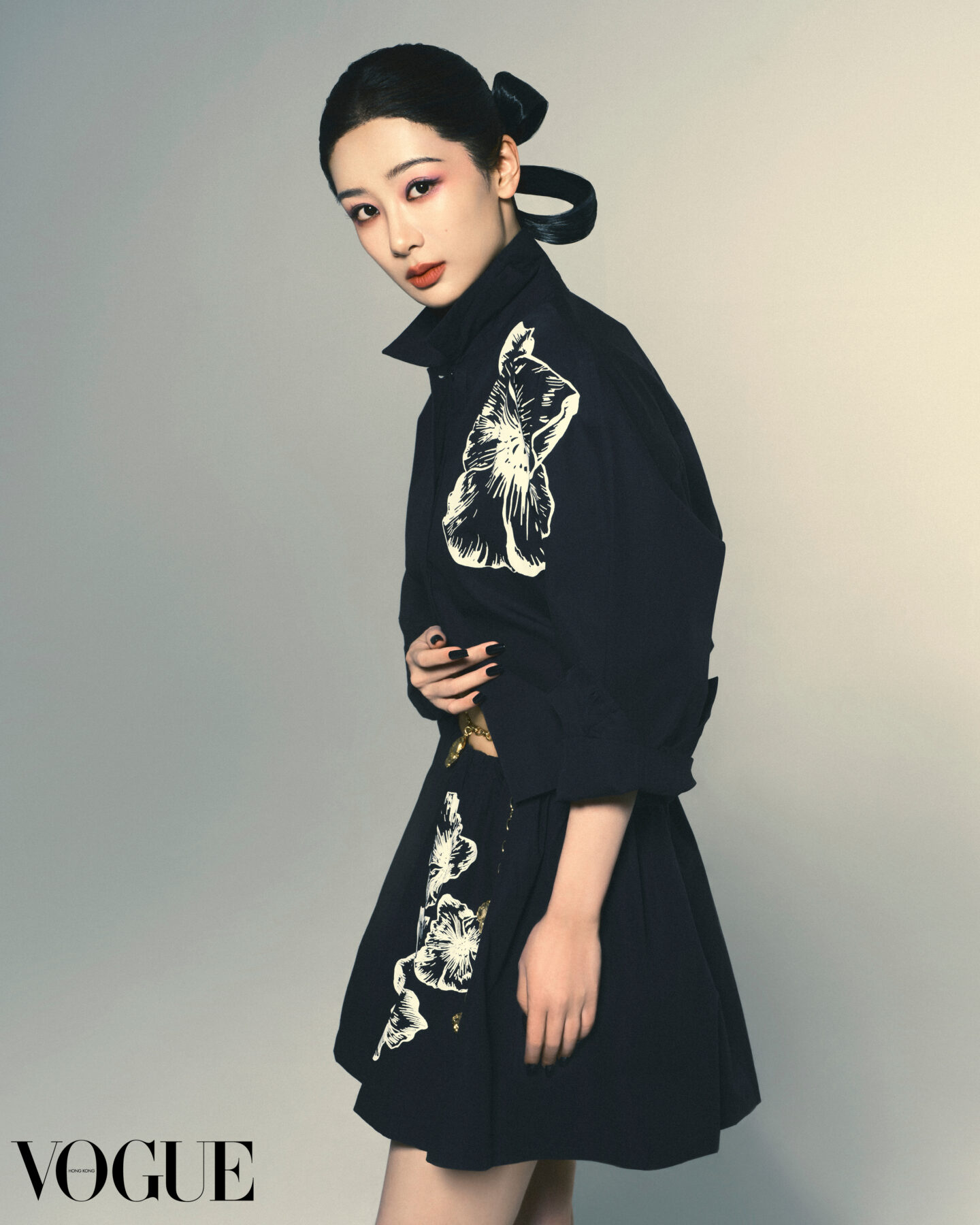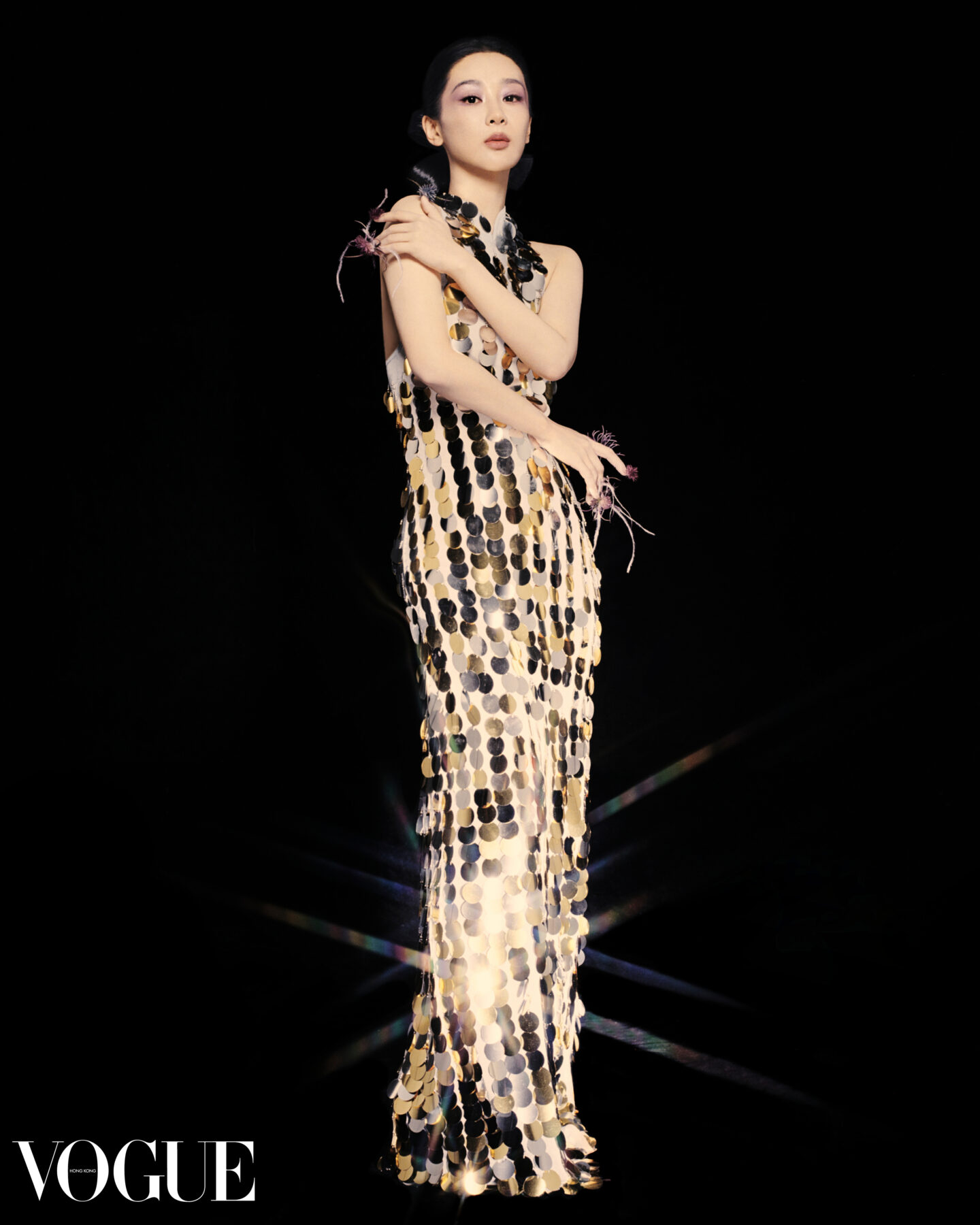


Yang Zi has grown up under the watchful eye of the camera. From the lively innocence of her youth to the polished depths of her mature performances, she has transformed before an audience that has been with her every step of the way. Her identity as an actress has been inseparable from her life since the tender age of seven, shaping her journey and defining much of her time. As Yang Zi herself puts it, while many viewers have watched her grow, she has, in turn, accompanied them—on screen and beyond—capturing the passage of time and the evolution of countless characters.
Now, as she enters 2026, Yang Zi stands at a pivotal point in her career. It’s a year of breakthroughs, as well as one of harvests. With her dramas Jia Ye (《家業》) and Sheng Ming Shu (《生命樹》) awaiting release—stories centred on the themes of family heritage and environmental conservation—and the ongoing filming of Yulan Hua Kai Jun Zai Lai (《玉蘭花開君再來》), an epic tale of a woman navigating the tides of history, Yang Zi’s trajectory is one of growth and maturity. Having turned 30, her acting journey has become increasingly refined and steady, reflecting both her personal and professional evolution.
Now that we’ve entered 2026, your projects Jia Ye (《家業》) and Sheng Ming Shu (《生命樹》) are set to premiere, and you’re currently filming Yulan Hua Kai Jun Zai Lai (《玉蘭花開君再來》). If you could pick one word to define this year for yourself, what would it be?
“Breakthrough.” Every year, I hope to achieve more breakthroughs, and 2026 feels like a year of “harvest”. Whether it’s Jia Ye (《家業》), Sheng Ming Shu (《生命樹》), the film Zhuan Nian Hua Kai《轉念花開》 that I worked on with Jia Ling, or the upcoming Yulan Hua Kai Jun Zai Lai 《玉蘭花開君再來》, these projects are all very different from what I’ve done before. As I grow older, my preferences, artistic vision, and acting style keep evolving. I’m really looking forward to showing everyone the person I am today.
These three dramas span different time periods, and your roles in them are quite significant. Does this reflect a conscious effort on your part to evolve or transform your career?
You could say that, but it’s not that I’m intentionally planning a “transformation”. It’s more that my tastes, aesthetics, and the types of stories I want to tell have naturally changed with age.
From Qiu Yingying in Ode to Joy to Li Zhen in Jia Ye (《家業》), does your choice of roles reflect your personal growth or evolving mindset in any way?
In the past, I didn’t put much thought into planning. Acting was much simpler back then—a script would come my way, and if everything aligned, I’d take the role. I didn’t think about questions like, “What kind of role do I want to play? What stage of life am I in? Should I start planning my career?” Acting was just fun and interesting, and it was my job, so I didn’t overanalyse it. But over the past two years, things have changed. I’ve started to think more carefully about my choices, plan ahead, and take my responsibilities as an actor much more seriously.
What do you look for in a script that truly moves you? Lately, your choices seem to have a strong cultural emphasis—was that an intentional decision?
I think it’s because I’m a viewer too. If a script doesn’t move me, I wouldn’t make it past five or ten episodes. So, from the scripts I have access to, I choose the ones I truly love. It just so happens that many outstanding works are connected to themes of cultural heritage, and I think that’s absolutely wonderful.
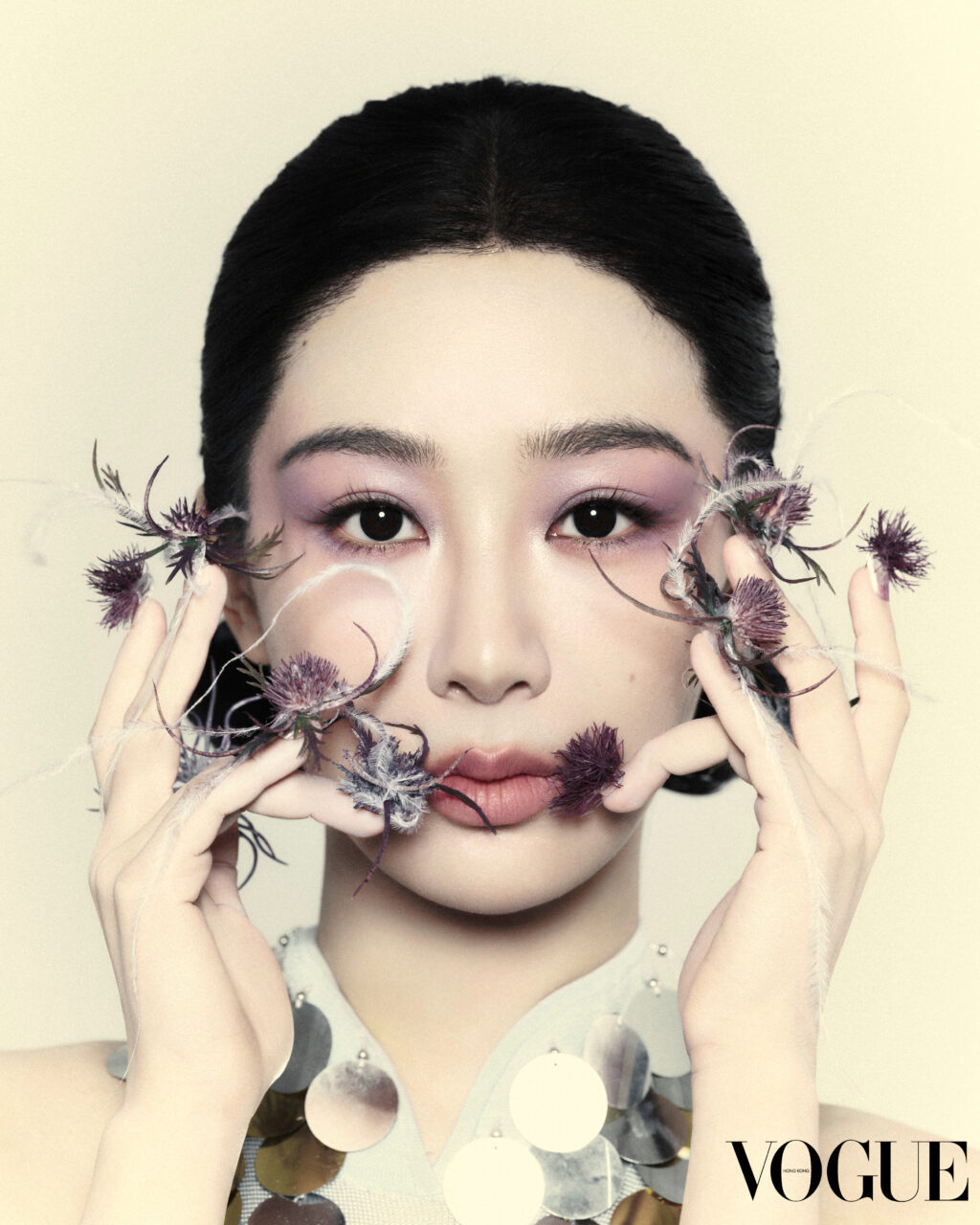
If you didn’t have to worry about the limitations of an actress’s image—even taking on a role that required you to “look ugly”—what kind of unconventional character would you most like to portray?
I don’t think any actress would refuse to “look ugly” for a role. It really depends on the character and the audience. For realistic dramas, authenticity is essential. “Looking ugly” isn’t about grabbing attention—it’s about serving the script and the character. It’s about making the story believable, giving the character depth, and earning the audience’s trust. If it’s for the sake of the story, I’m open to transforming into anything the role demands.
Some people speculate that the projects you’re taking on now are part of a strategy to position yourself for awards. What’s your take on that?
Not at all. It just happened that these projects came together around the same time, and I really connected with the production teams, so I decided to take them on. As for awards, I think every actor would love to win one, but if your only goal in acting is to chase awards, it feels too calculated. There’s no guarantee that any project will lead to an award, and I don’t approach my work with that kind of mindset.

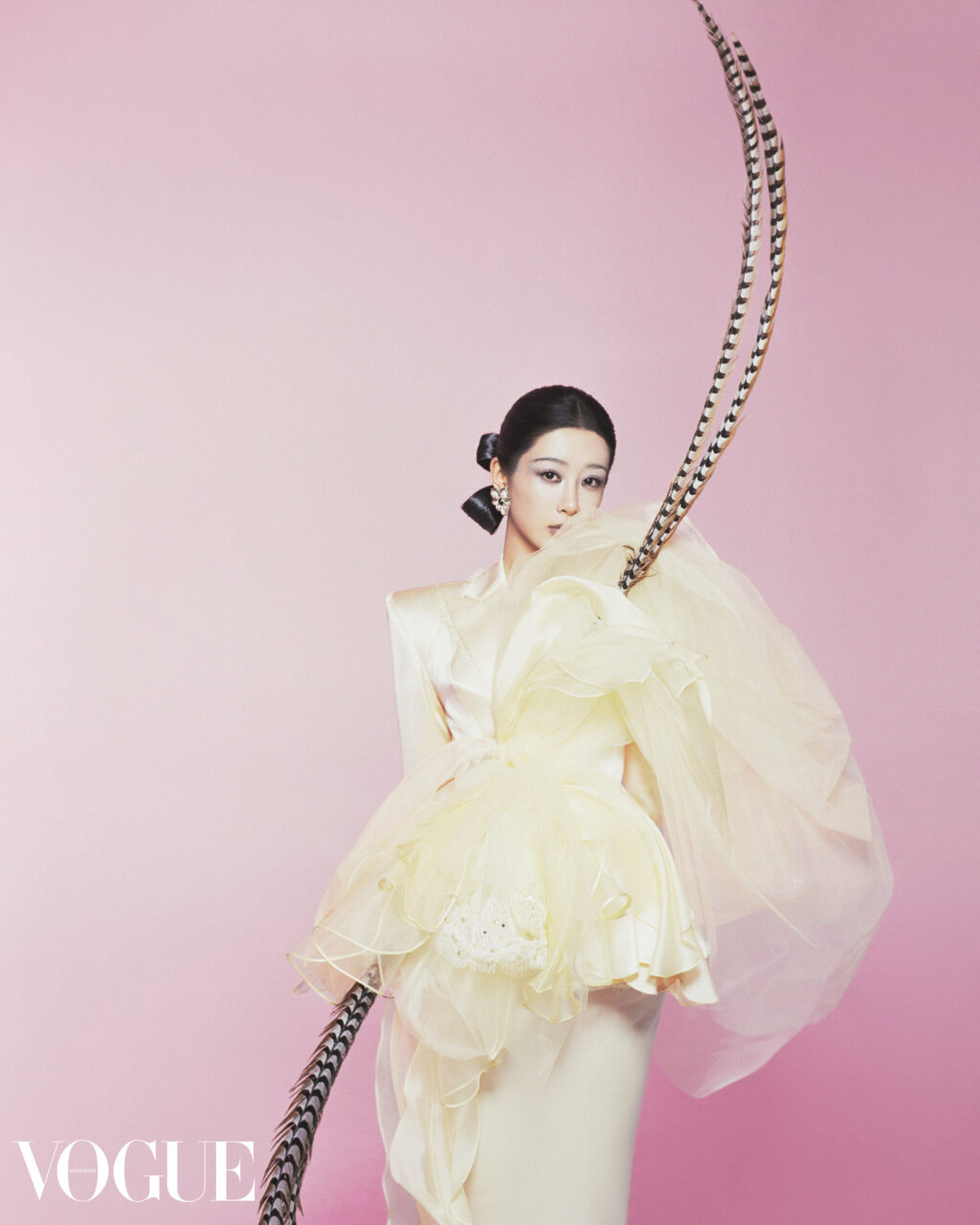
Hiver Collection Flocons de Neige cascade earrings, necklace and rings, all APM Monaco. Top, skirt and sleeves, all Mugler.
Filming Sheng Ming Shu (《生命樹》) meant enduring the harsh conditions of the highlands. What challenged you the most during the process? Has the experience changed how you view mountains and nature?
The biggest challenge was definitely physical endurance. Even though I prepared myself before joining the production, I still struggled with the thin air and difficulty breathing. Filming at high altitudes really made me realise how small and insignificant humans are in the face of nature. Forget natural disasters—just dealing with the unpredictable weather on the plateau was overwhelming. One moment it would be sunny, and the next, a snowstorm would roll in. As humans, we’re completely powerless against nature and its forces—it’s a constant reminder of how much we depend on the environment.
The filming location was entirely off the grid—no signal, no connection to the outside world. Much of the area was barren, grey, and covered in dust. At first, I felt restless and uneasy in such an isolated environment. But as time went on, I realised that life is truly what you make of it. Not having internet or being able to connect with anyone didn’t seem like such a big deal anymore. Over time, I adjusted, found a sense of peace, and even grew to appreciate the simplicity. By the end, it didn’t feel like we were filming a project—it felt like a group of like-minded people coming together to accomplish something truly meaningful.

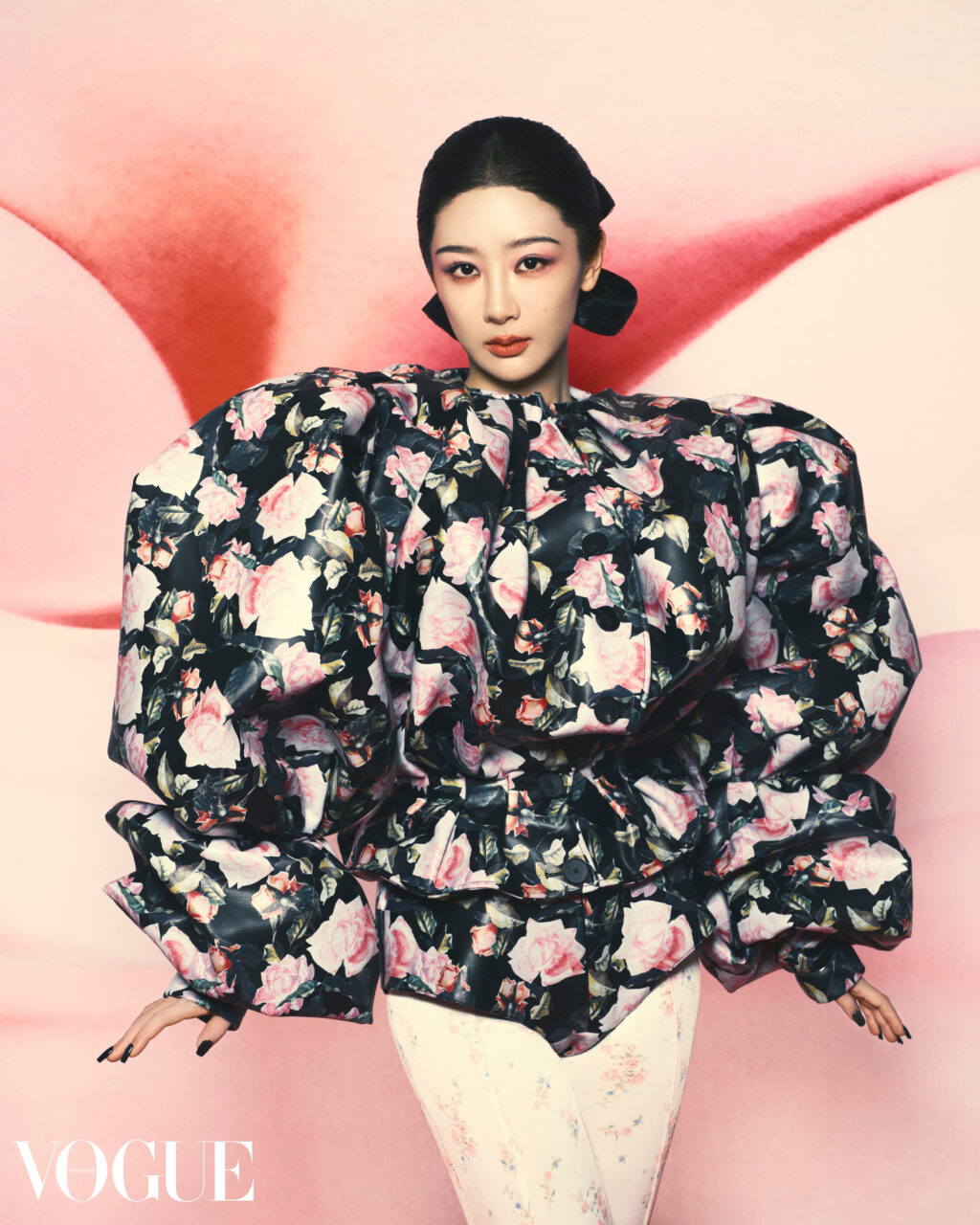
If you had the chance to revisit and reinterpret one of your past roles, which one would you choose and why?
Interestingly, many of your character names or drama titles are connected to flowers. If you could compare the real Yang Zi to a type of flower, which would you choose and why?
That’s true! It’s so strange—maybe I do have a special connection with flowers. Since I recently played a character whose name means “white chrysanthemum”, I’d choose that. A small chrysanthemum can bloom freely in the wild, always reaching toward the sun. It doesn’t need to compete for attention, yet it thrives with quiet passion. Plus, it’s refreshing and comforting.

In the entertainment industry, where it can be difficult to hear honest opinions, how do you make sure you get genuine feedback?
You have to take online feedback and audience reviews seriously. They’re often quite honest, though it’s important to distinguish between genuine advice and someone simply trying to criticise you unfairly. You don’t need to ask whether a drama is successful or not—if people are talking about it, that in itself is a form of success. When I see discussions about my characters, it helps me understand the audience’s perspective, and I learn a lot from it.
Do negative reviews ever upset you or make you doubt yourself? And how do you stay grounded when receiving praise while balancing your life and career decisions?
Not at all. It’s completely normal. Accepting criticism is part of the job—you can’t embrace the compliments but shy away from the critiques. Maybe it’s because I’ve been acting since I was young, and people have watched me grow up, that they’ve been very kind to me. Sometimes, that kindness makes me feel an even greater sense of responsibility because I don’t want to let them down.
Outside of acting, what kind of people or things touch you the most in daily life?
Sincerity, authenticity, and kindness. When I was younger, I admired people with strong personalities. I thought they were impressive, even if they were a bit rude—it seemed like their personality justified it. But as I’ve grown older, I’ve started to dislike those who use “personality” as an excuse for being impolite. Now, I believe that true talent lies in people with refinement and depth, those who express themselves while being mindful of others’ feelings. I used to think kindness wasn’t a particularly remarkable quality, but now I see it as one of the highest compliments you can give someone.
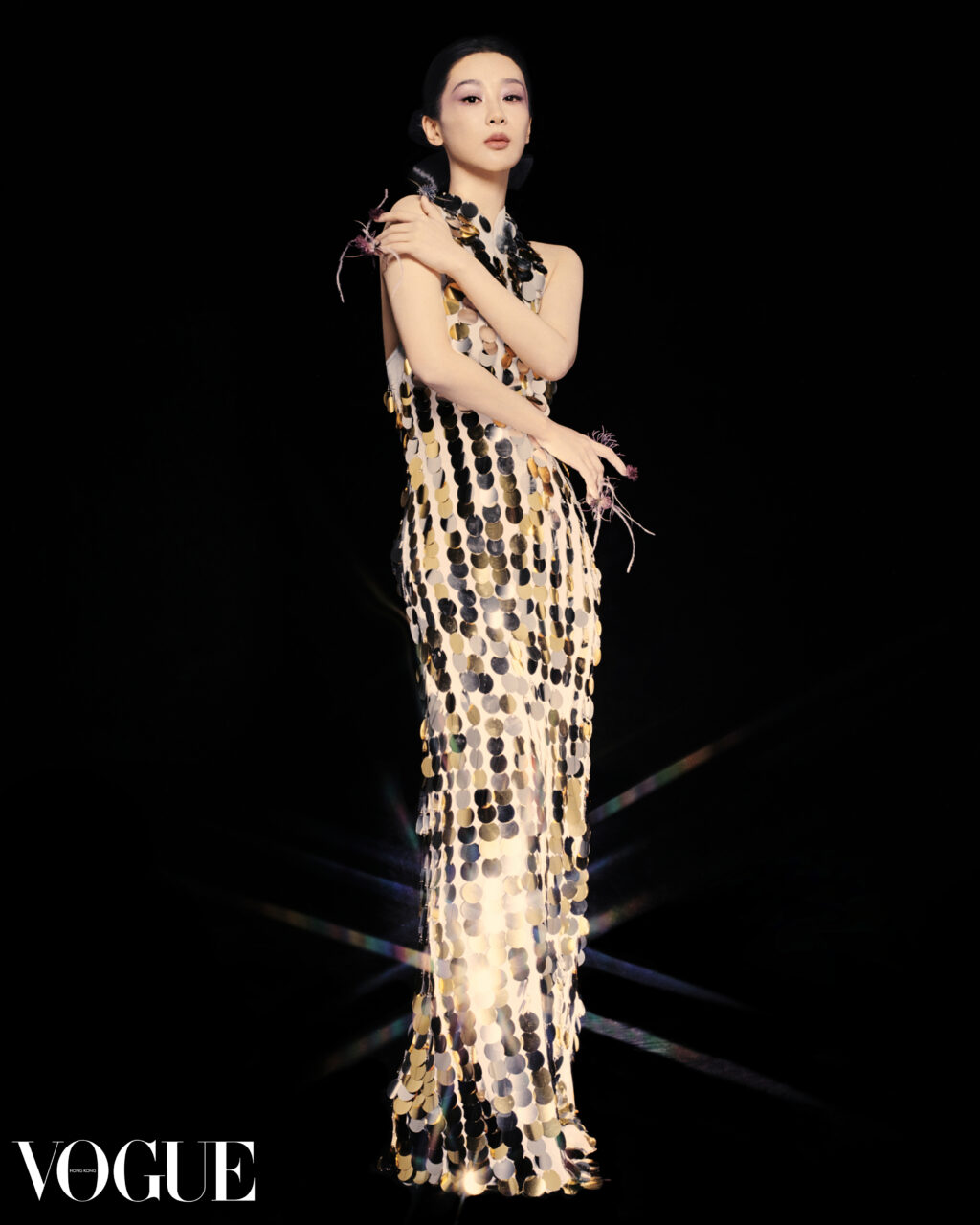
Photographer: Leslie Zhang
Stylist & Creative Direction: Lucia Liu
Creative Producer & Casting Director: Marina Fairfax
Creative Coordination: Leona Lee
Fashion Coordination: Cui
Makeup Artist: Yuanxi Zhang
Hair Stylist: Kim @Nova Hair Design
Set Designer & Manicurist: FeiFei Li
Photography Assistant: Wu You
Fashion Assistants: Thea & Ivy
Production: Bunny Xin & Vivian Li
Editor
Ke Wu, Translated By Kaitlyn Lai