

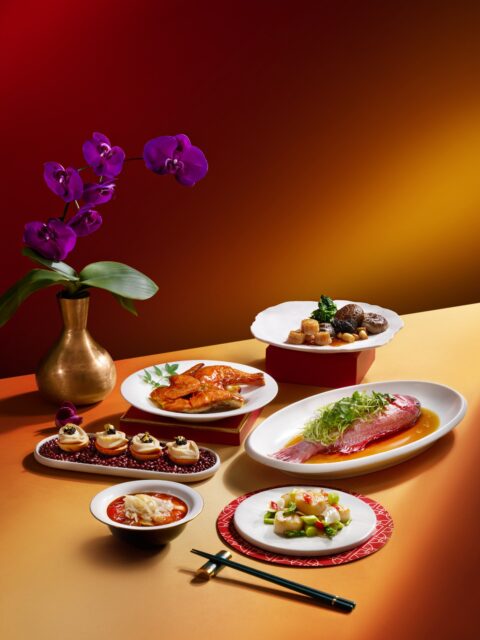
Let your tastebuds travel across the Cantonese region, Yunnan, and Zhejiang provinces. In the Year of the Fire Horse, three Hong Kong chefs make wishes for good health, harmony, and prosperous businesses with auspicious regional Chinese dishes rich in symbolism and rooted in tradition.
Jija by Vicky Lau
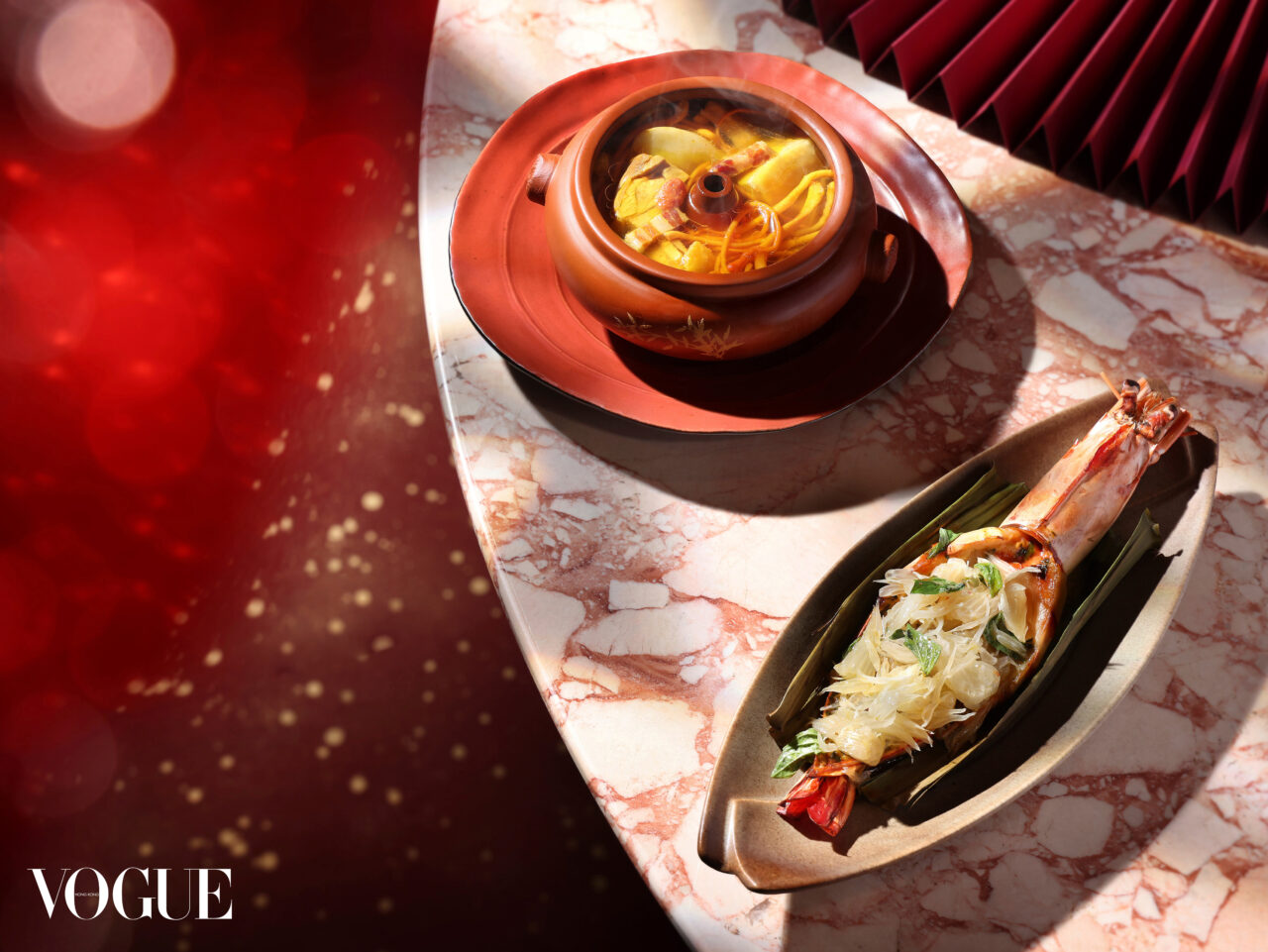
In the spring of 2024, chef Vicky Lau was invited on a trip to Yunnan province by the Michelin Guide. She explored the local markets of Dali, foraged for herbs with the Bai tribe, and learned all about Nuodeng ham, expanding her culinary horizons in a multitude of ways. “Before that, I had no idea what Yunnan was like,” she admits. “It was truly an amazing place. I loved the lifestyle, the slow pace, the ingredients. It felt a little Nordic and the cuisine is very genuine.”
Seeing an opportunity to showcase a new dining experience that she felt would resonate with the desires of today’s dining crowd, she launched Jija with Leading Nation hospitality group, spotlighting the rustic charm of Yunnan-style cooking. “The thing with Yunnan cuisine is that it is so diverse that even the people there cannot really pinpoint to you what Yunnan cuisine is. It’s hard to pinpoint because the region is so big and made up of so many different tribes that each excel in different things. Some of their techniques are really interesting and nourishment is ingrained in their cuisine.”
Her new dishes for Chinese New Year capture this sentiment well. Jija’s Qiguo Chicken Soup is a traditional Yunnan dish that uses a unique steam-pot cooking method. Cordyceps, mini pears and local three-yellow chicken are placed in the qiguo pot sans water, then steamed in a water bath. Steam rises through the central chimney of the pot, producing condensation that falls back into the pot to gradually form a nutritious soup concentrated with the natural flavours and aroma of the ingredients inside. Meanwhile, the grilled tiger prawn in banana leaf—a witty wish for more joy and laughter this year as prawn in Cantonese sounds like “ha”—spotlights the flavours of Yunnan’s Daizu tribe. A fragrant medley of lemongrass, may chang oil, and coriander narrates the Daizhu’s deep connections with Thai culture and paints a wider portrait of Yunnan cuisine.
15/F, Kimpton Hotel, 11 Middle Road, Tsim Sha Tsui; @jijabyvickylau
Yong Fu
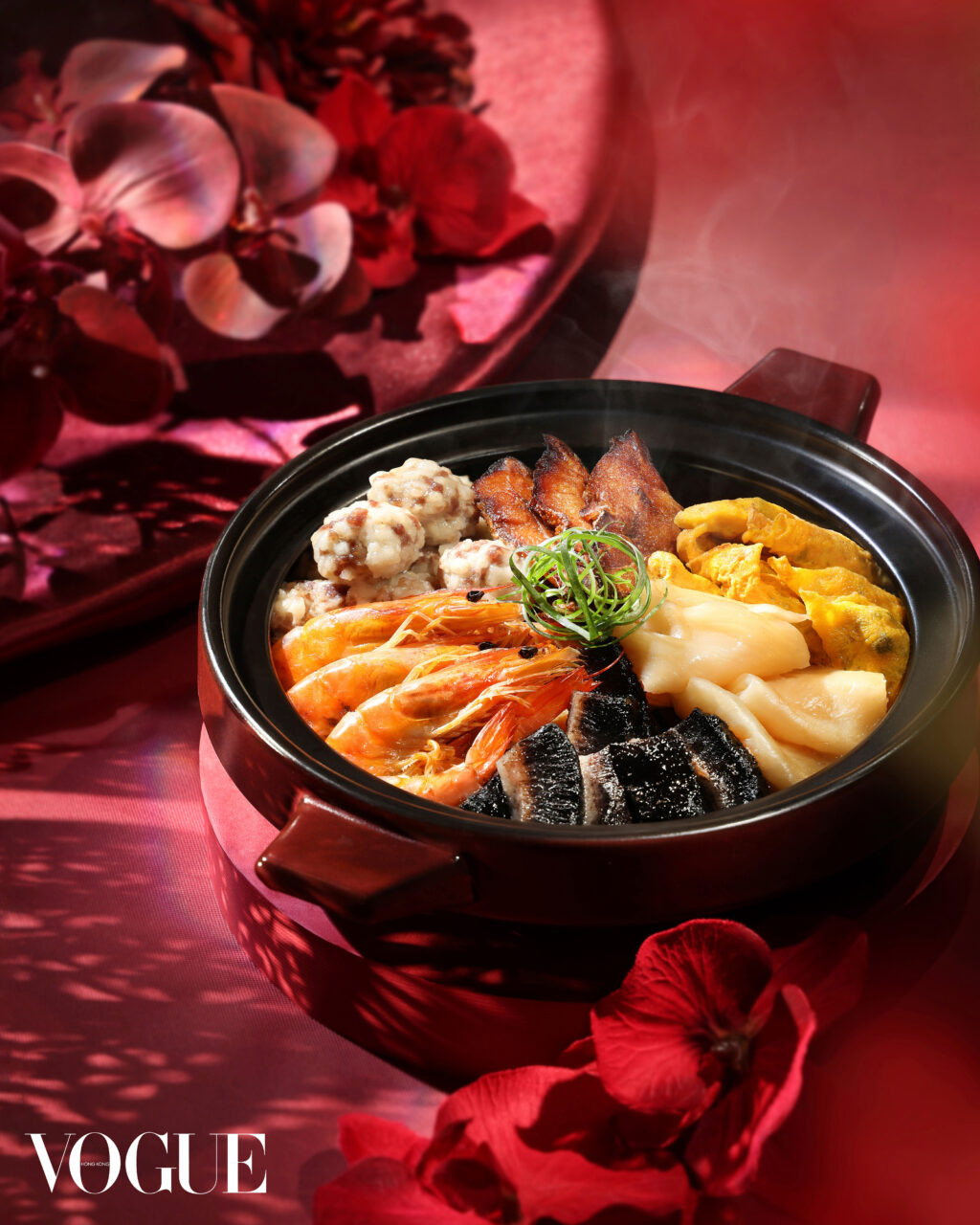
“Ningbo people have always had confidence in their local ingredients”, says Chef Liu Zhen of Yong Fu Hong Kong. “They don’t need to worry too much about cooking techniques because the ingredients themselves carry natural freshness.” The ‘Fish Maw Family Feast’ is exemplary of this, marrying Ningbo’s New Year’s Eve family feast and poon choi to present a wholly abundant dish fit for the heartwarming reunions central to the Chinese Spring Festival holiday. A large simmering pot boasts a choir of harmonious delicacies: five-head fish maw, black sea cucumber, baby bok choy hearts, dried shrimp, seasonal winter bamboo shoots, and the traditional folk ingredients of handmade meatballs, golden egg dumplings, and Yong-style smoked fish.
“The dish highlights the characteristics of Ningbo cuisine—the harmony of freshness and saltiness, and the culinary philosophy of ‘simplicity is the ultimate sophistication’,” explains Chef Liu. “It primarily uses Ningbo stewing techniques. The cooking process isn’t overly complex, but the key lies in the manual preparation and time required for the main ingredients. Each ingredient has its own character; they blend together during cooking while still maintaining their individual presence.”
Shop 2, G/F&1/F, Golden Star Building, 20-24 Lockhart Road, Wan Chai; @yongfuhk
Duddell’s
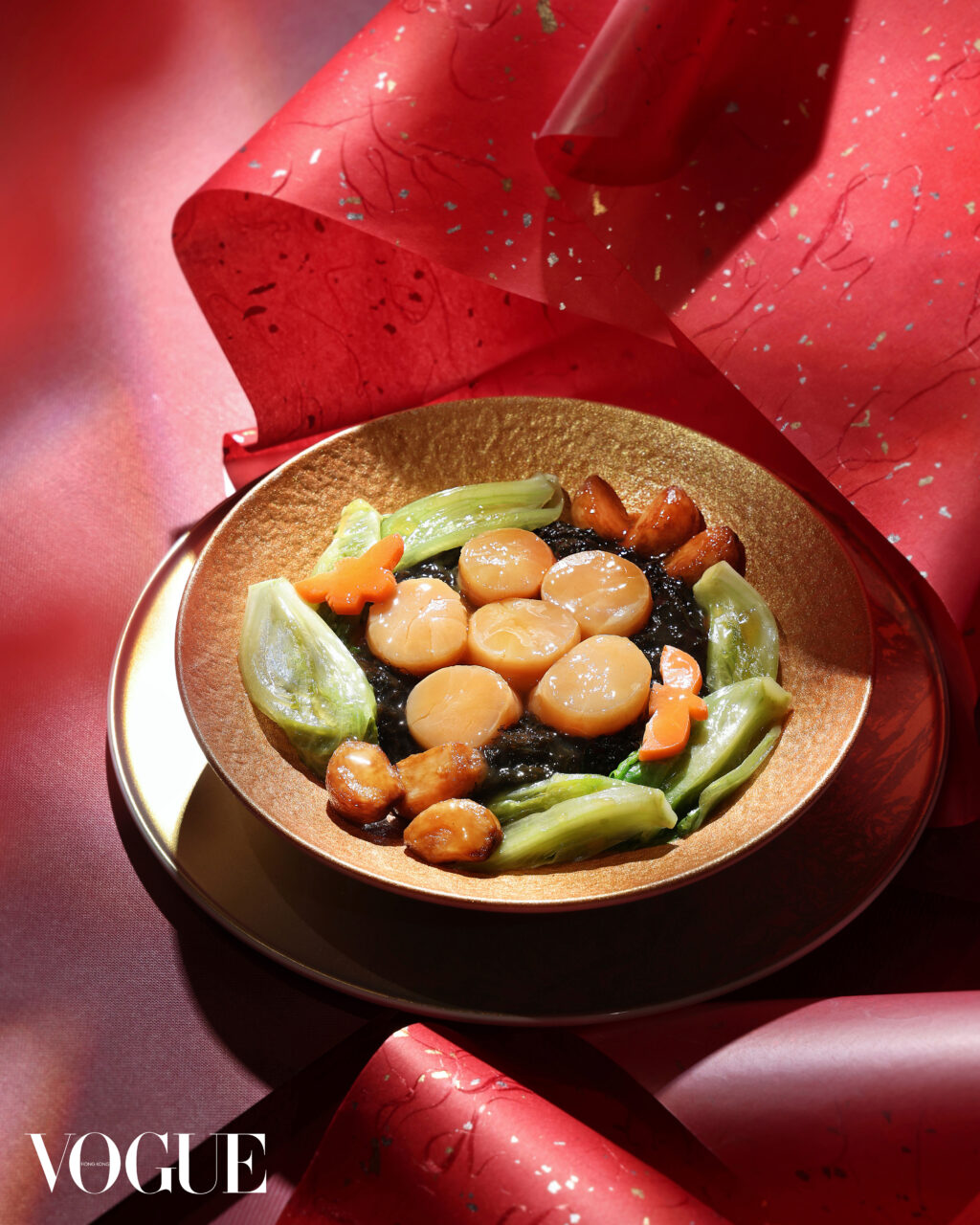
Duddell’s is undeniably artsy and modern, yet the one Michelin-starred restaurant remains grounded in traditional Cantonese fare. For Chinese New Year, chef Chan Yau Leung makes his wish for peace, harmony and “boundless energy”—orlong ma jing shen (the spirit of the dragon and horse)—with a recipe most Hong Kong families know well.
“Hair Moss with Garlic and Whole Dried Scallop is a dish that has stood the test of time,” he says. “The inspiration of this dish stems from my childhood, from the grand celebrations and prestigious banquets of the 1970s and 80s. I wanted to carry its legacy forward, to preserve and share both its exquisite flavour and its cultural significance.”
Premium whole dried scallops are meticulously prepped to soften the meat before steaming, while black moss is gently simmered with ginger and spring onion. Whole garlic cloves are fried then cooked in superior broth and Shaoxing wine to create a luscious garlic-infused broth that ties the dish together with a glossy finish. A ring of fresh baby lettuce completes the sharing dish both literally and figuratively, enforcing yet another symbolic circle and carrying the auspicious meaning of generating wealth.
Levels 3 & 4, 1 Duddell Street, Central; @duddellshk
Photography: Samantha Sin
Styling: Ella Wong
Editor
Alyanna Raissa J. Payos