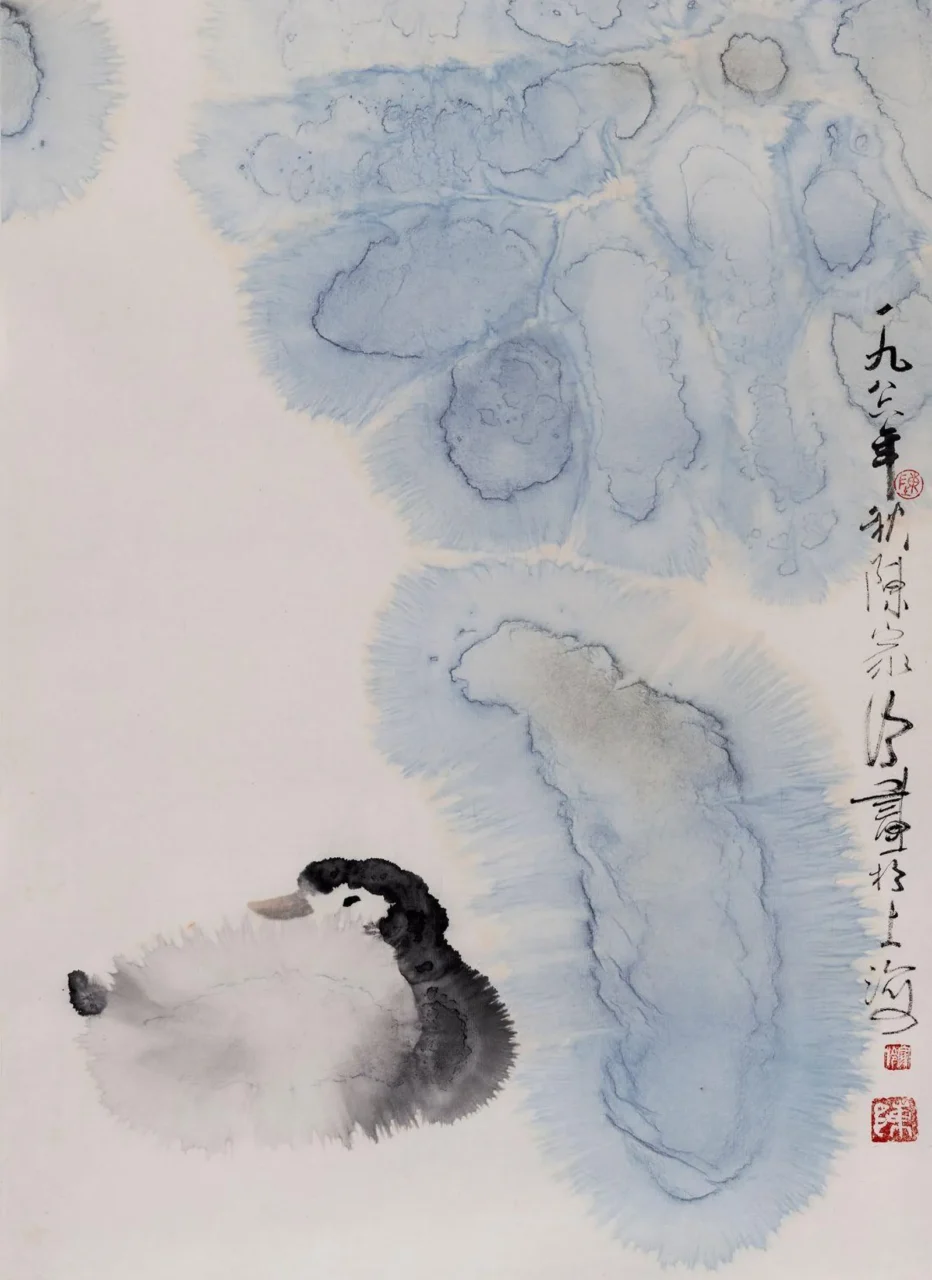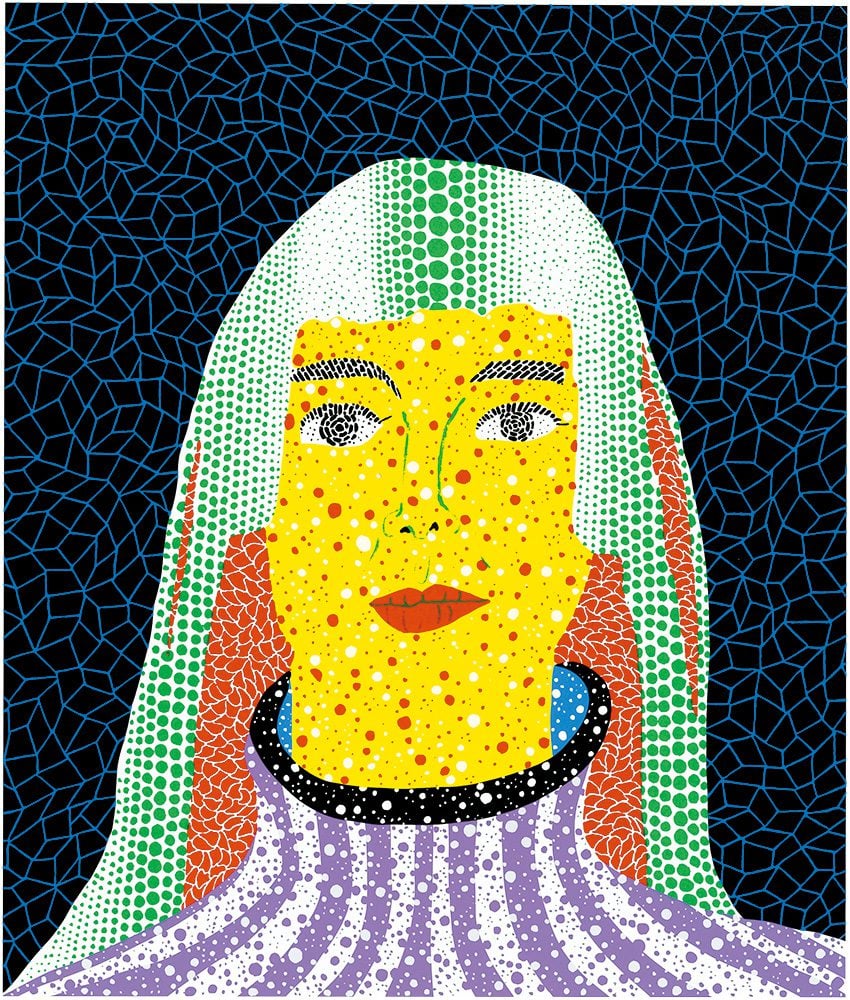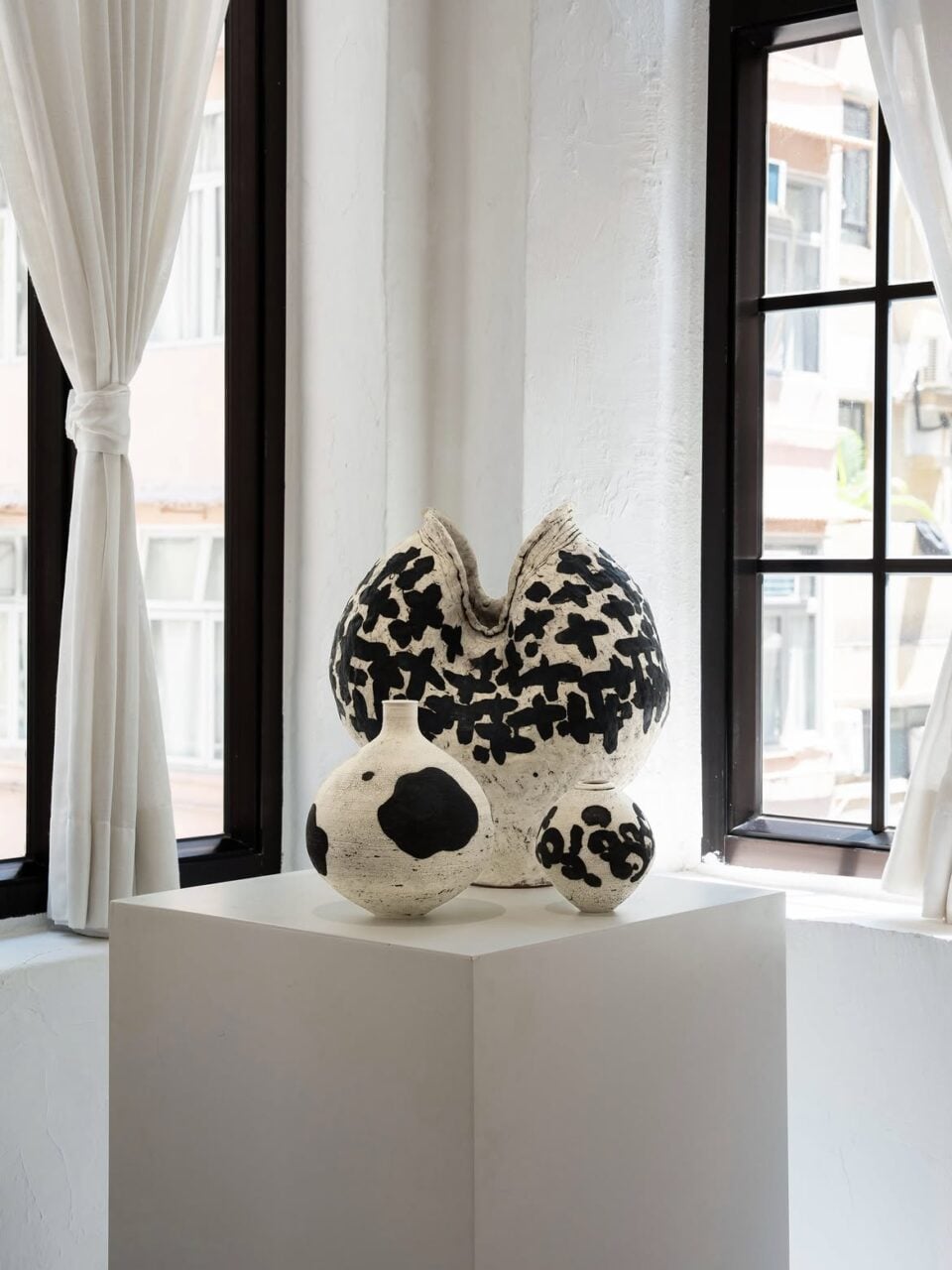


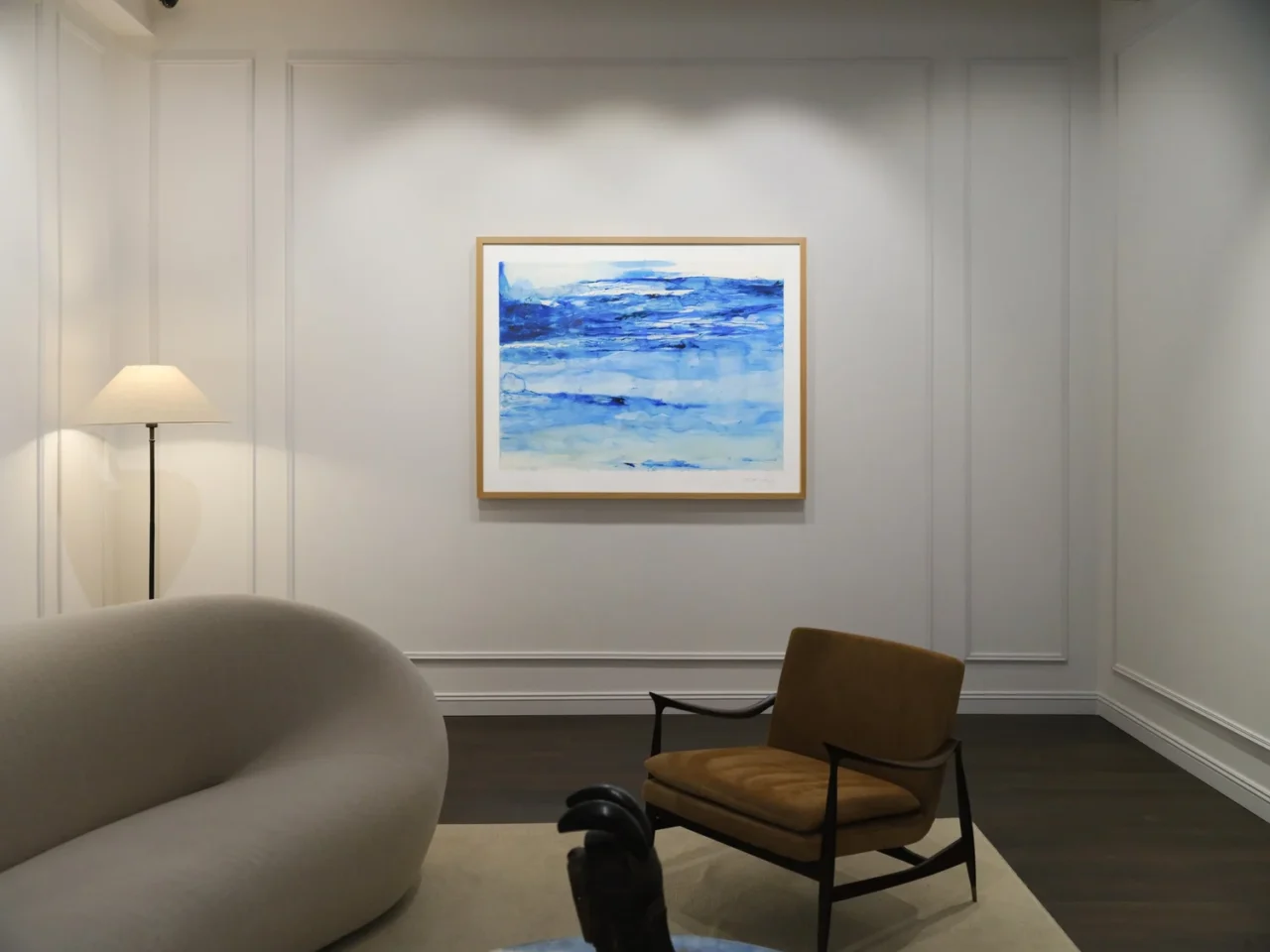
Five years might seem like a brief moment in the art world’s long history, but for VILLEPIN, it has been enough time to redefine what a contemporary art space can be. As the Hong Kong-based gallery marks its fifth anniversary with The Villepin House, an exhibition that brings together works by Zao Wou-Ki, Myonghi Kang, Marie de Villepin, Lawrence Carroll, and Yukimasa Ida, it offers not just a retrospective of its journey but a meditation on how friendships, trust, and bold vision can transform the way we experience art.
Walking into VILLEPIN’s Hong Kong space today, visitors encounter something more intimate than a traditional white-cube gallery. The anniversary exhibition deliberately evokes the feeling of entering a collector’s home, where each work carries the weight of personal connection and shared history. This domestic sensibility is no accident—it reflects the gallery’s founding philosophy that art spaces should foster genuine relationships rather than merely facilitate transactions.

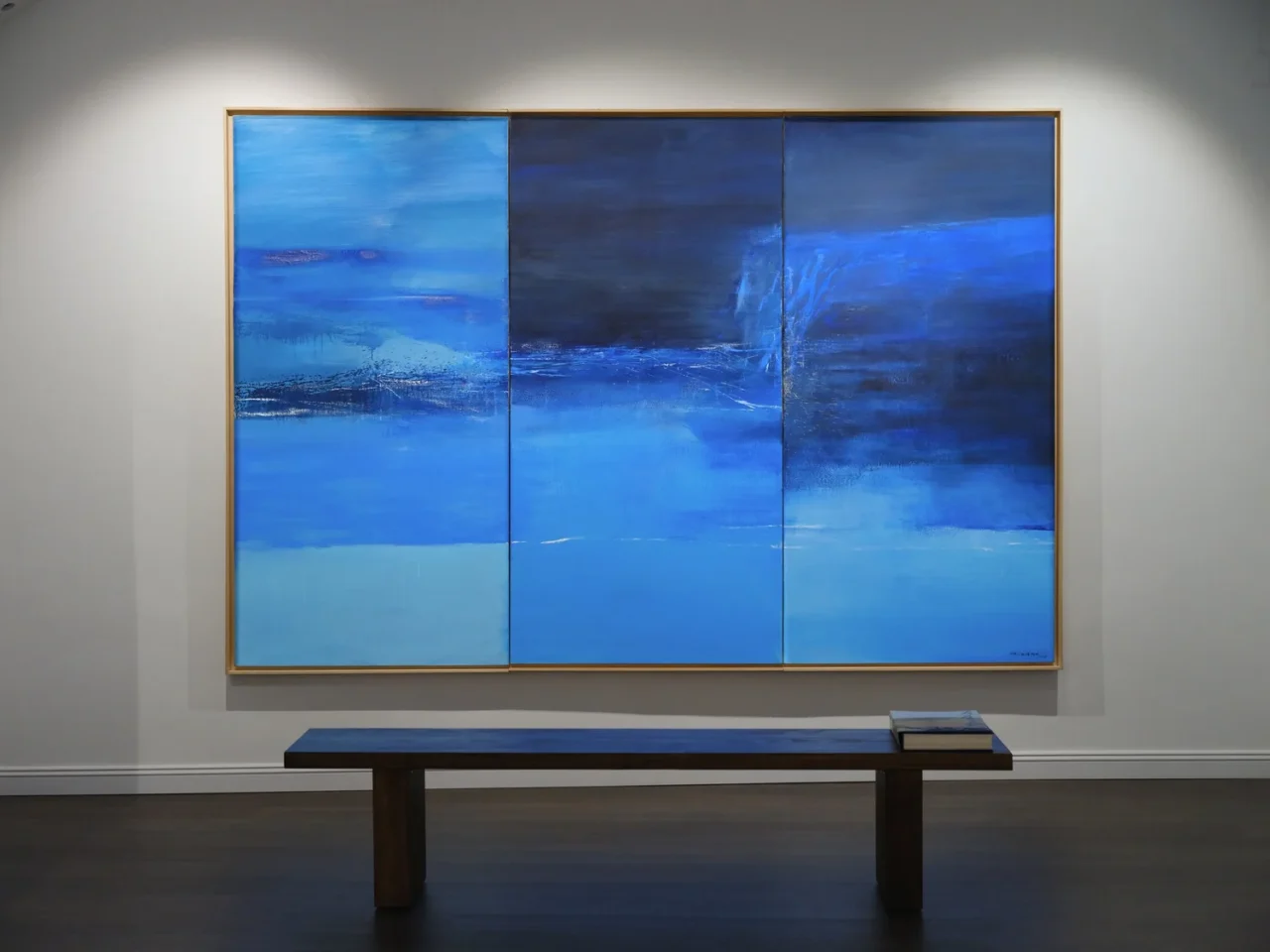
The exhibition’s centrepiece, a newly commissioned tapestry based on Zao Wou-Ki’s monumental triptych Le vent pousse la mer (2004–2005), embodies this ethos perfectly. The work required over 1,000 hours of meticulous weaving by artisans at Pinton, employing 120 different colours to capture the chromatic complexity of Zao’s original oil painting. But beyond its technical achievement, the tapestry represents something deeper: the transformation of a friendship that predated the gallery’s existence into a tangible artistic legacy. Founder Arthur de Villepin’s relationship with Zao Wou-Ki wasn’t born from commercial interest but from genuine admiration and personal connection—a fact that shaped the gallery’s inaugural 2020 exhibition, Friendship & Reconciliation.
This commitment to meaningful relationships extends to each artist in the anniversary show. Myonghi Kang, whose work Villepin recently helped place in a national retrospective at Seoul Museum of Art, brings her distinctive exploration of Korean identity and natural forms. Marie de Villepin’s pieces resonate with musical sensibilities that have prompted the gallery to host concertos alongside exhibitions. Lawrence Carroll’s works evoke his deep connection to Mediterranean culture, while Yukimasa Ida’s cosmic visions have previously transformed the gallery into what one visitor described as “a Kubrick-esque voyage through space.”
These transformations point to one of VILLEPIN’s most distinctive characteristics: its willingness to completely reimagine its physical space for each exhibition. Over five years, the Hong Kong gallery has morphed from a cavernous garden echoing Jeju ocean sounds for Kang’s show to a journey through I.M. Pei’s architectural imagination for a Zao Wou-Ki presentation. Such radical reinventions require not just curatorial vision but tremendous trust between the gallery, its artists, and its team—a trust that has been carefully cultivated through what de Villepin calls “integrity, curiosity, and a shared vision.”
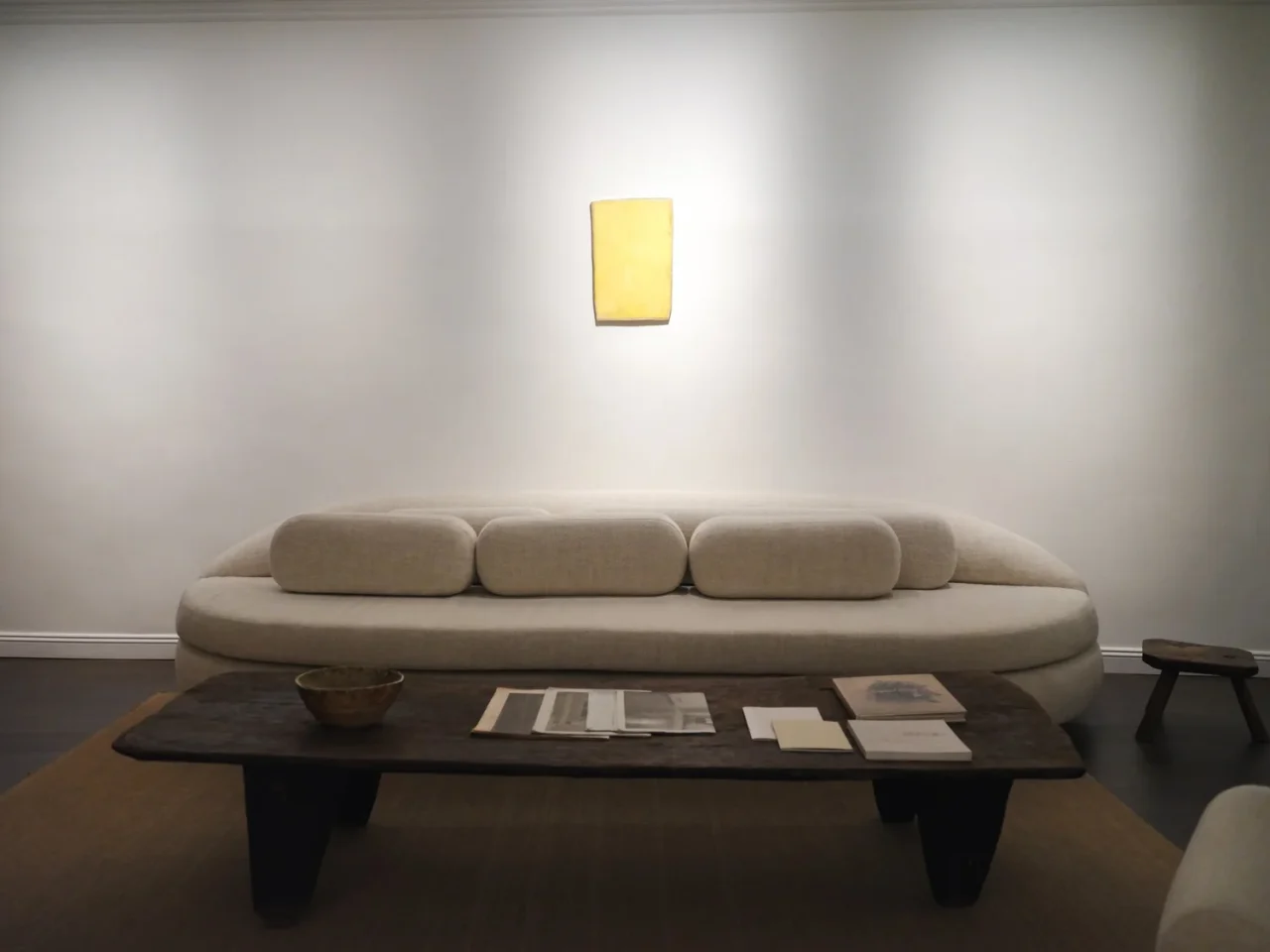
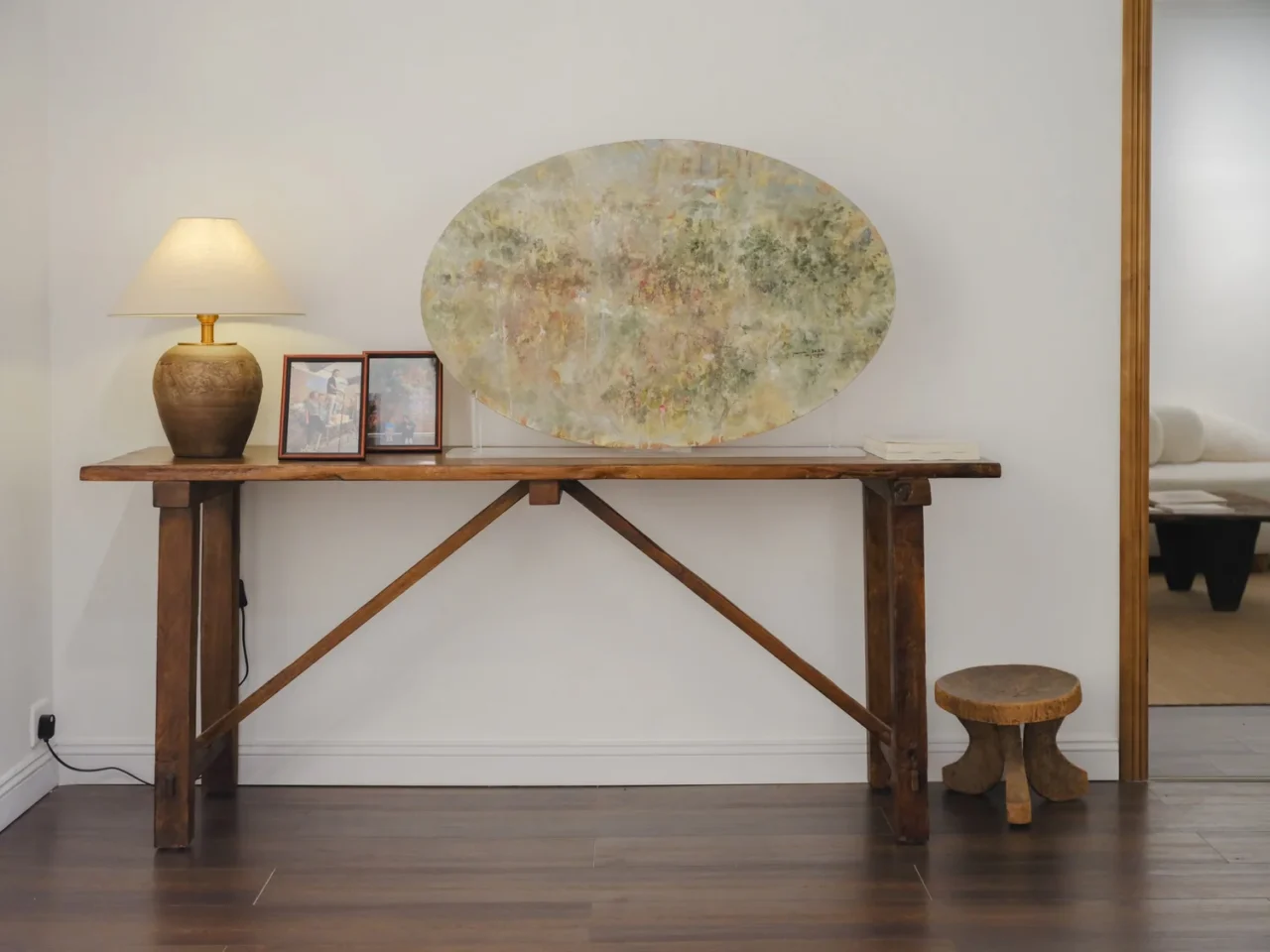
The numbers tell part of the story: over twenty exhibitions, including four museum shows across China and Korea, and innovative presentations in unexpected venues from private Korean homes to France’s Château La Coste. But statistics alone don’t capture the gallery’s experimental spirit. VILLEPIN has consistently pushed against the conventional gallery model, hosting salons with foundation experts, creating bespoke experiences for collectors, and treating each exhibition as an opportunity for storytelling rather than mere display.
The gallery’s emphasis on legacy-building is particularly evident in its work with artist estates and foundations. Rather than simply selling works, VILLEPIN has positioned itself as a steward of artistic narratives, ensuring that each artist’s vision is preserved and contextualised for future generations. This long-term thinking has attracted collectors who see themselves not just as buyers but as participants in an ongoing cultural conversation.
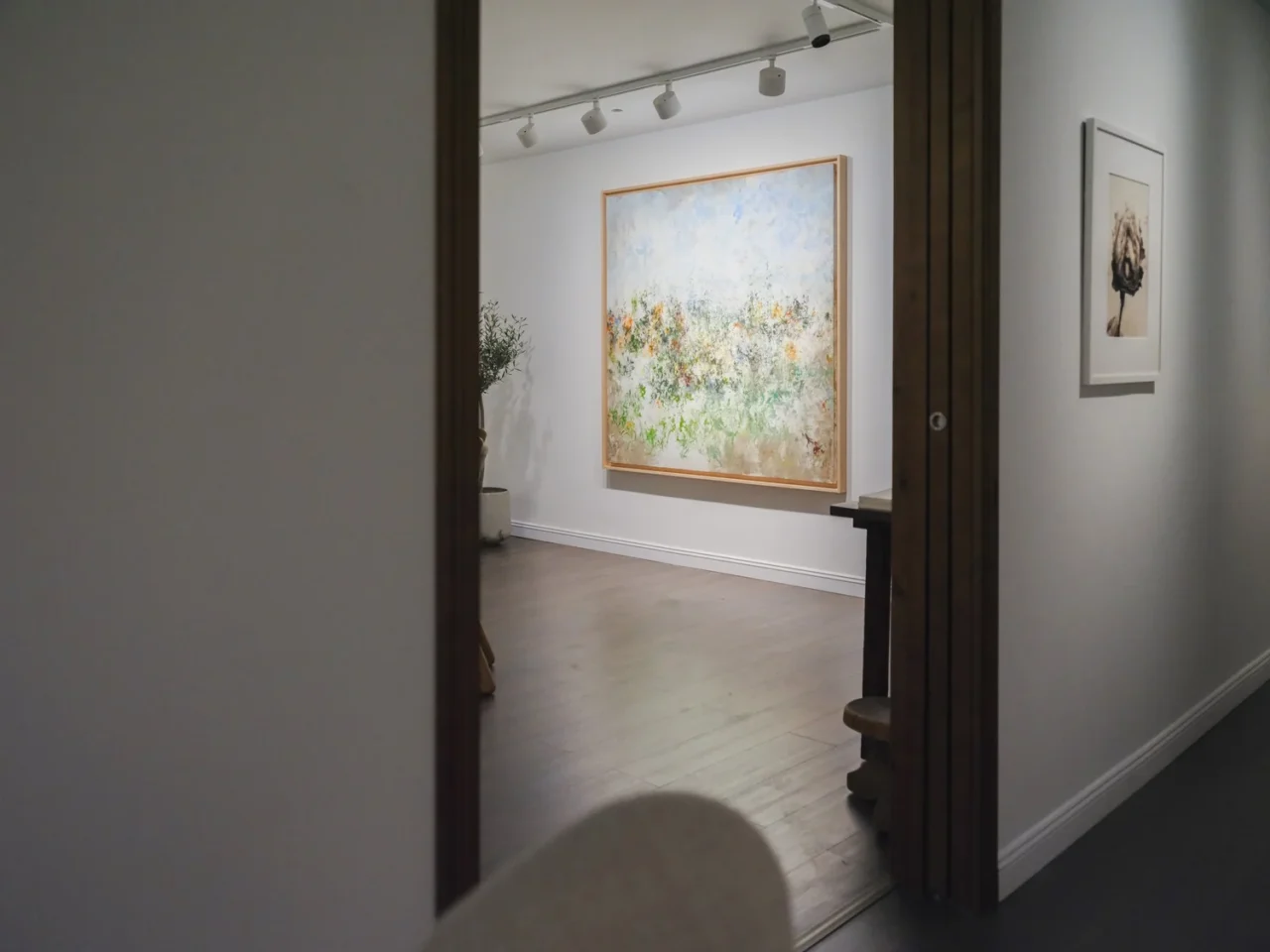
Looking forward, VILLEPIN’s ambitions extend beyond its Hong Kong base. The gallery plans to expand its non-profit initiatives and continue facilitating museum exhibitions for its artists worldwide. Most intriguingly, it aims to replicate the intimate atmosphere of the “Villepin House” in other global locations—not through permanent spaces but through carefully curated experiences that can manifest anywhere from a château in France to a private residence in Seoul.
This nomadic approach to gallery-making feels particularly relevant in our current moment, when the art world is questioning traditional models of display and distribution. By treating each location as an opportunity for site-specific storytelling rather than simply transporting the same white-cube experience globally, VILLEPIN suggests a more flexible, responsive model for how galleries might operate in the future.

Yet for all its innovation, The Villepin House ultimately returns to fundamentals: the belief that art matters most when it connects people. Whether through the patient weaving of a tapestry, the transformation of a gallery into an imaginary garden, or the simple act of bringing collectors together for a concert, VILLEPIN has consistently prioritised human connection over market mechanics.
As visitors move through the anniversary exhibition, encountering works spanning different generations and cultural contexts, they experience not just five years of a gallery’s history but also a proposition about art’s future. In an era of increasing digitisation and market speculation, VILLEPIN’s emphasis on physical transformation, personal relationships, and long-term stewardship feels both nostalgic and radical—a reminder that sometimes the most innovative thing a gallery can do is simply to slow down, pay attention, and create spaces where meaningful encounters can unfold.
Editor
Kaitlyn LaiCredit
Lead Image: VILLEPIN