

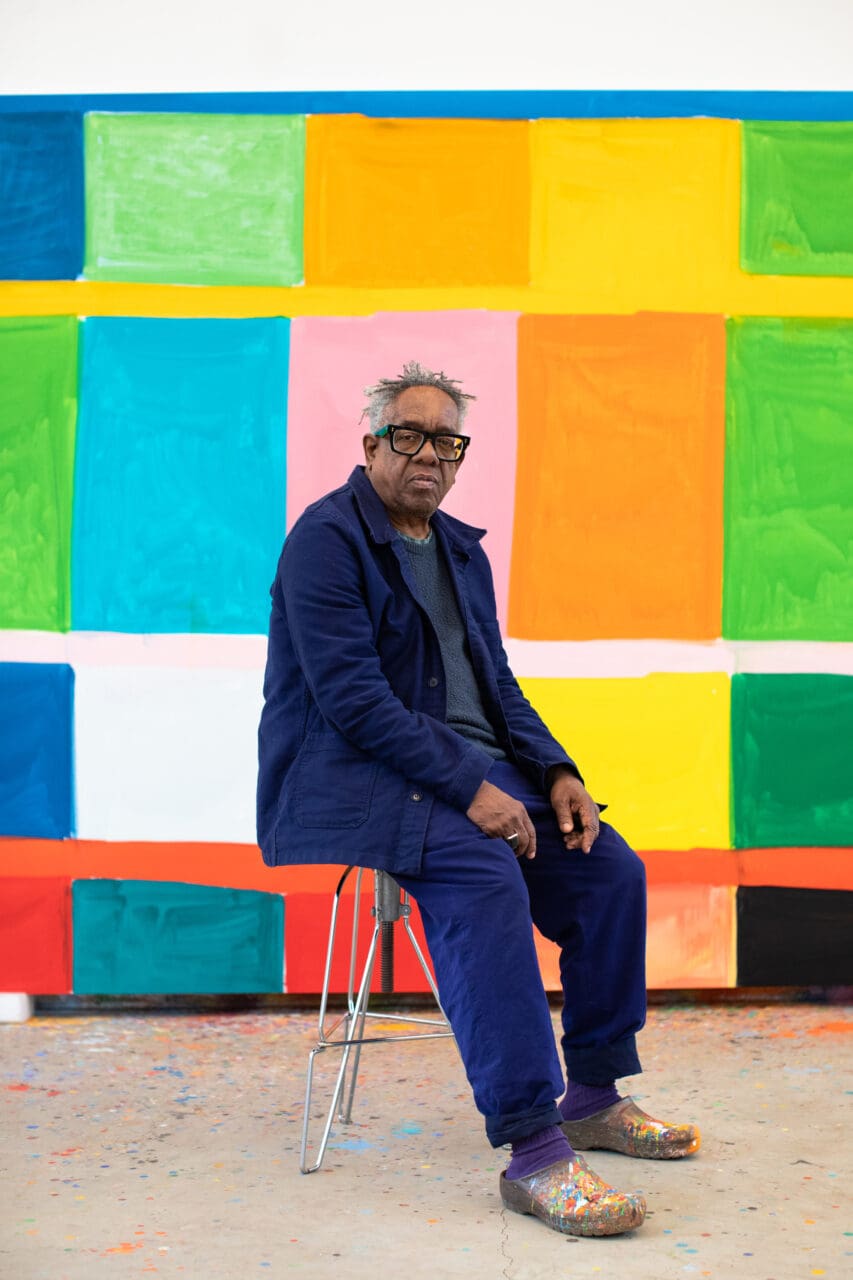
Don’t ask Stanley Whitney to play jazz music for his exhibition. I made the mistake of doing so and missed the point of the great art form to him entirely.
To Whitney, jazz is the focal point, not the background. For around 30 years, he has been listening to the same album while he paints. Once he steps into his studio, now in the Hamptons, Whitney hits play on Miles Davis’ Bitches Brew, and enters the right headspace— it helps him find the right “rhythm” of the world.
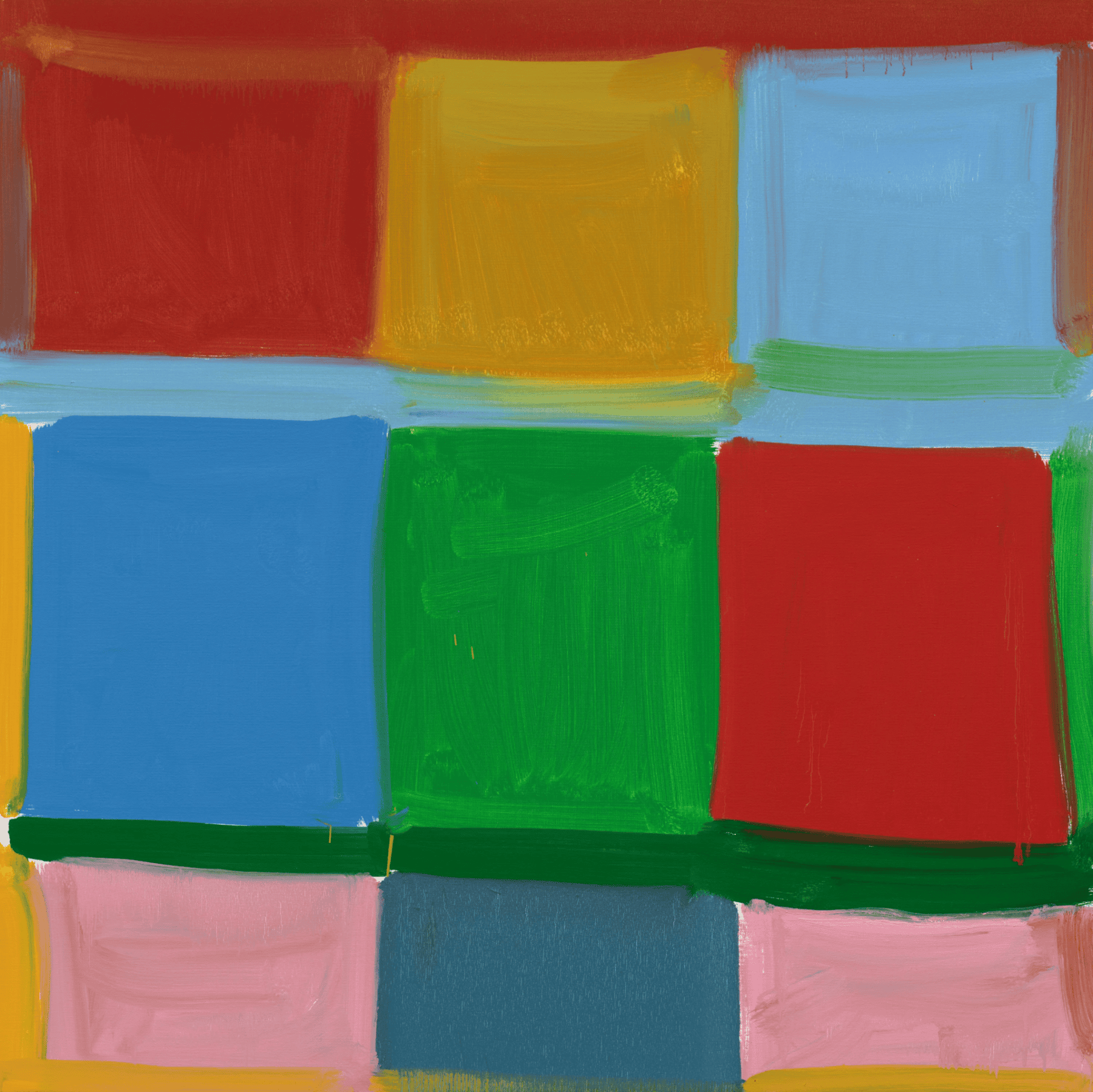
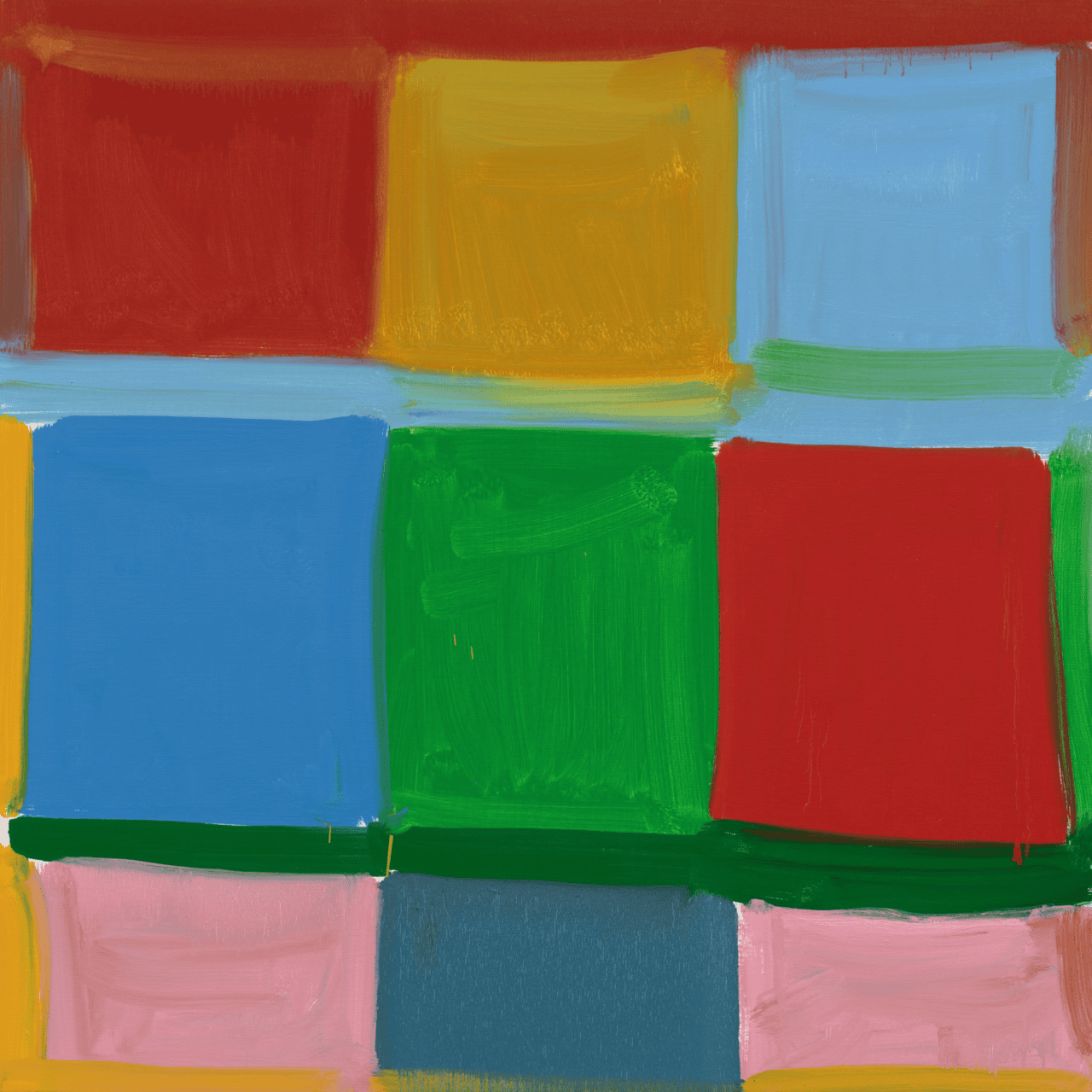
“I think he’s reinventing some new music. I don’t know, but somehow for me that just relates,” Whitney says about Davis and the album. With colour and space, Whitney did with art what Davis did with music. A trip to Egypt led him to realise that “the colours are the space,” and he could rethink and reinvent the structure of his canvases.
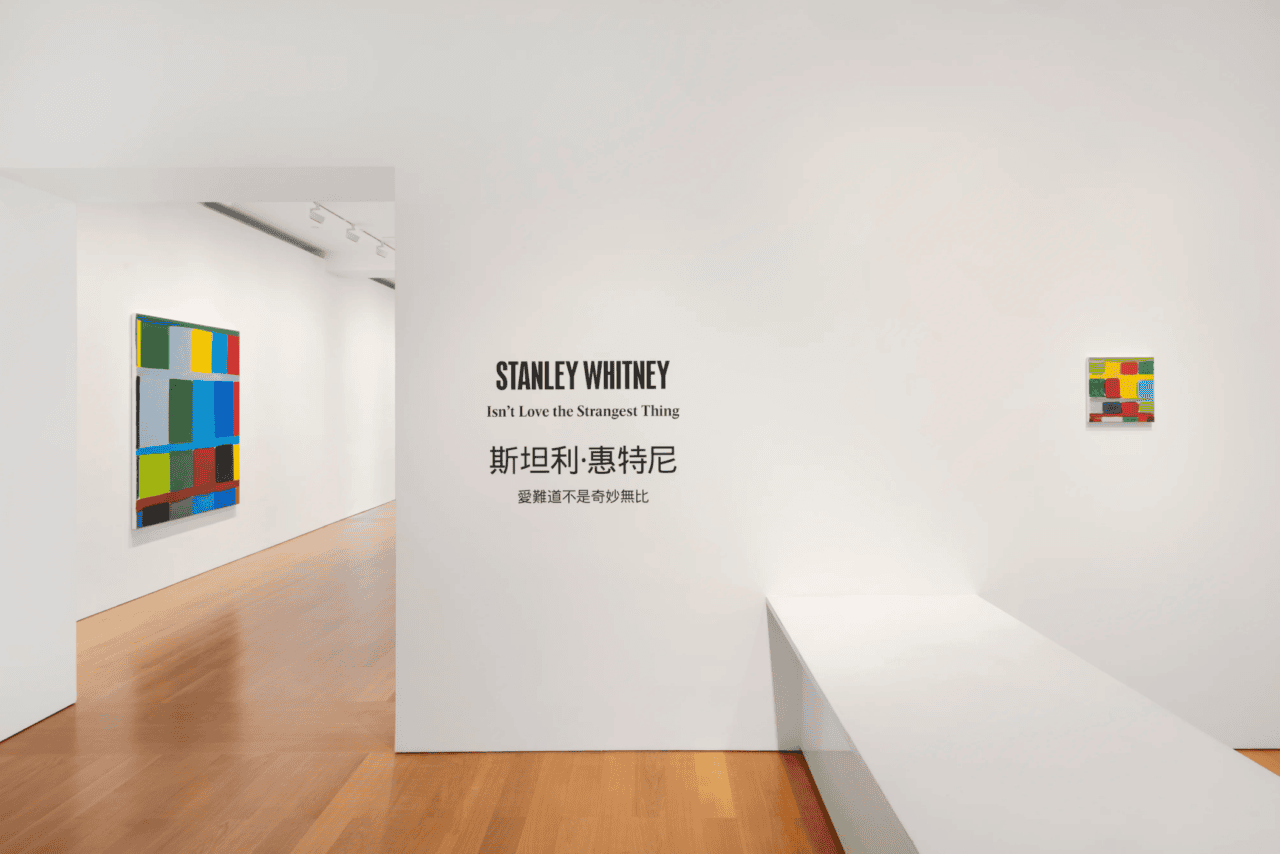
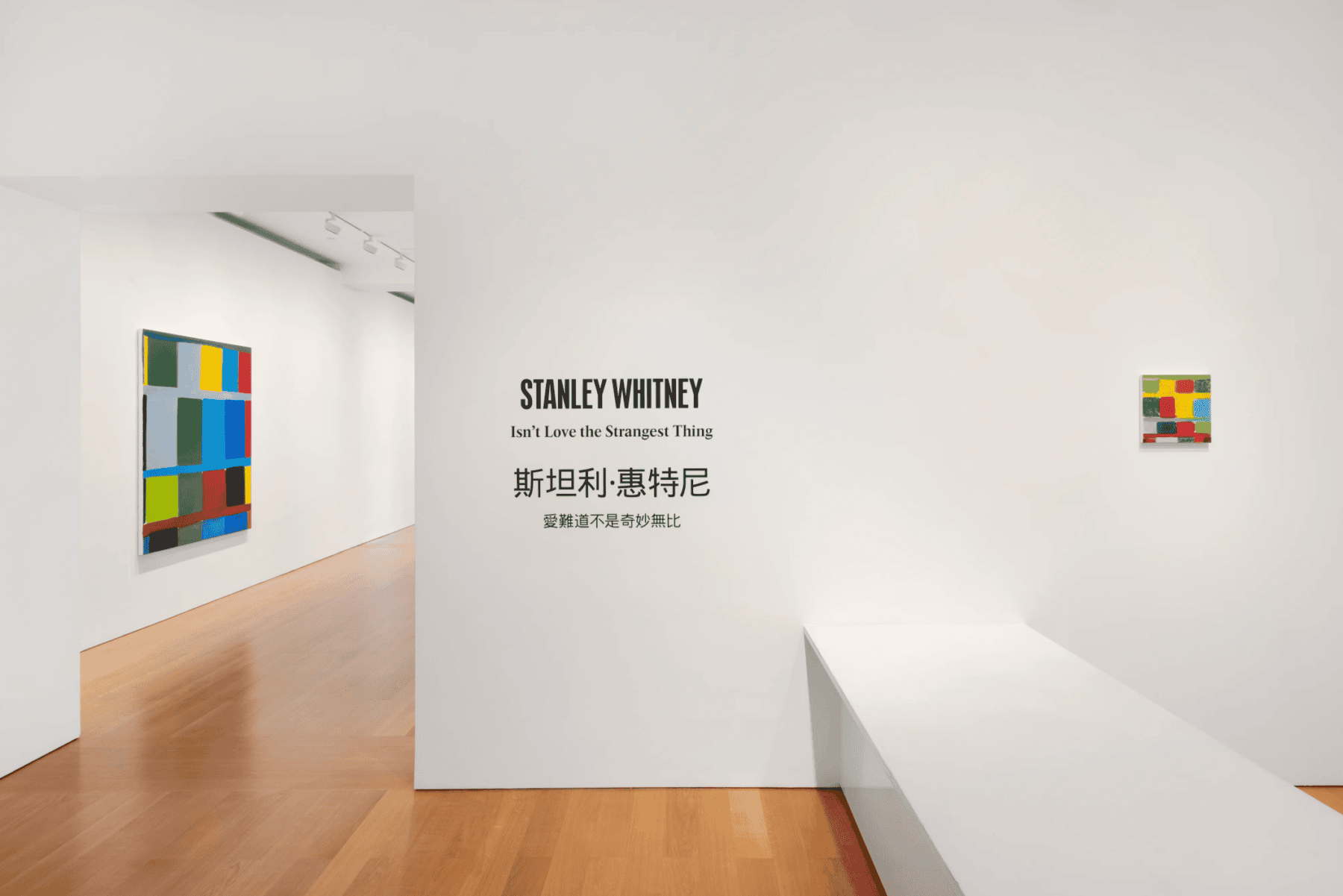
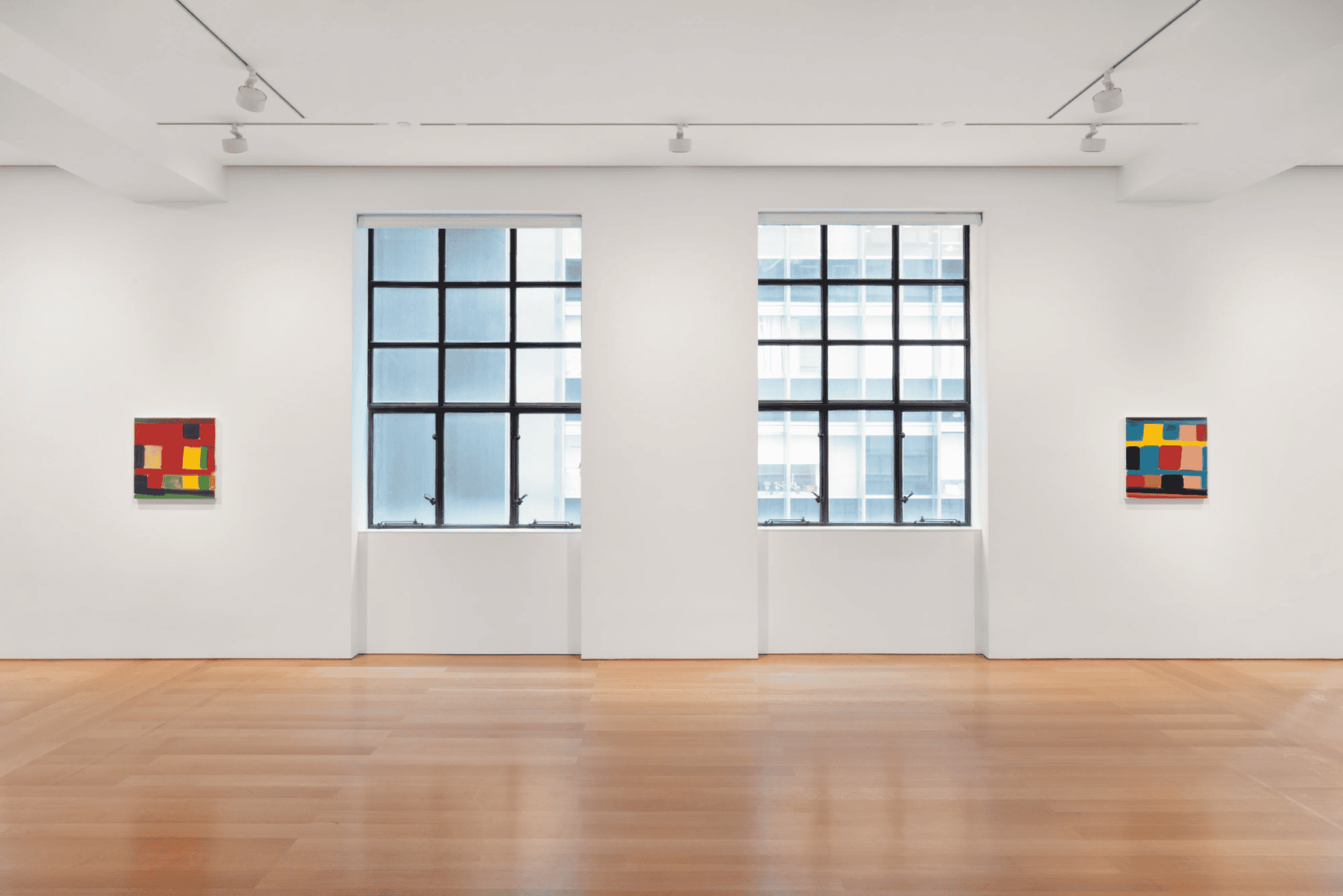
Isn't Love The Strangest Thing 2026 at Gagosian Hong Kong.
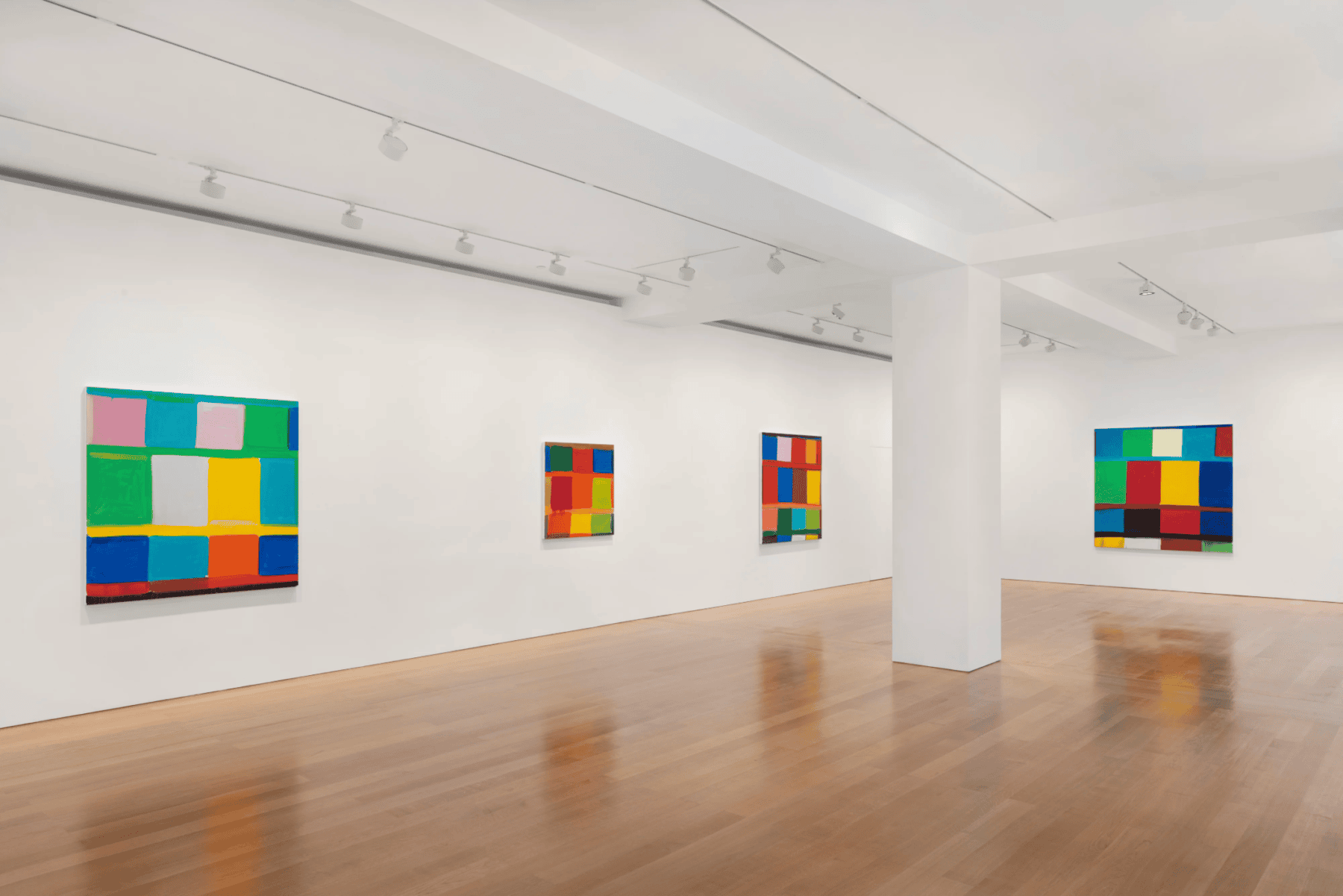
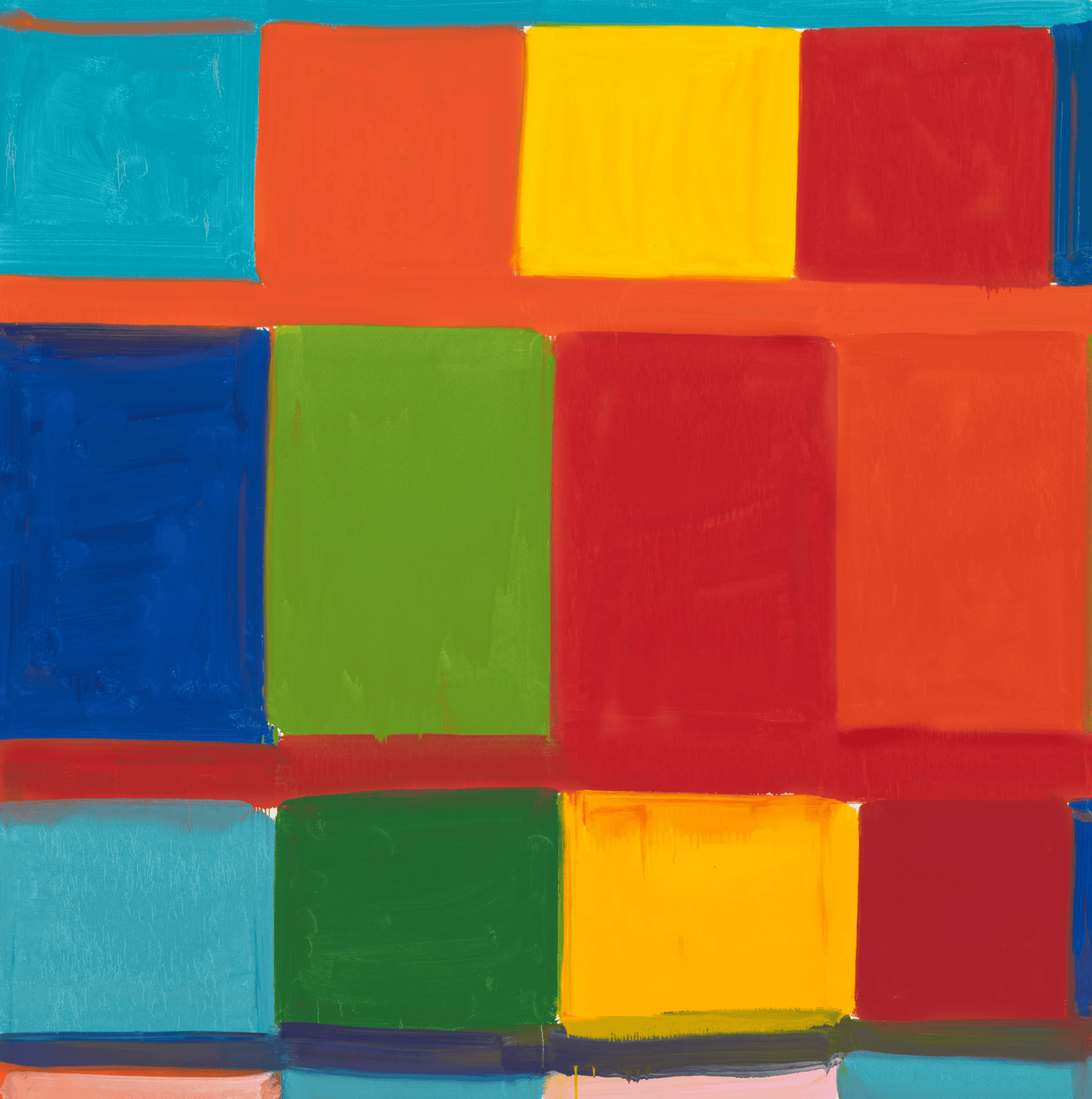
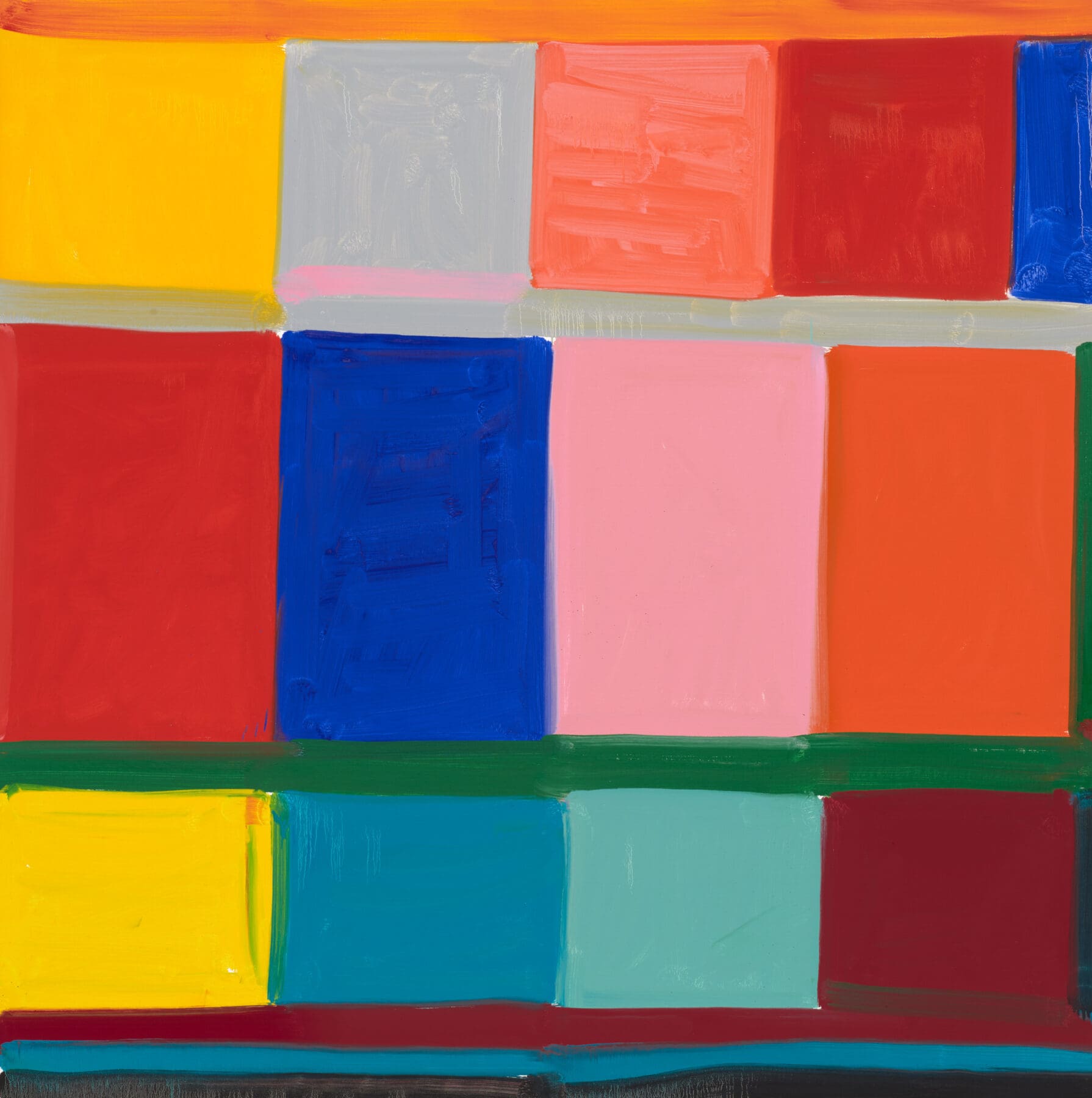
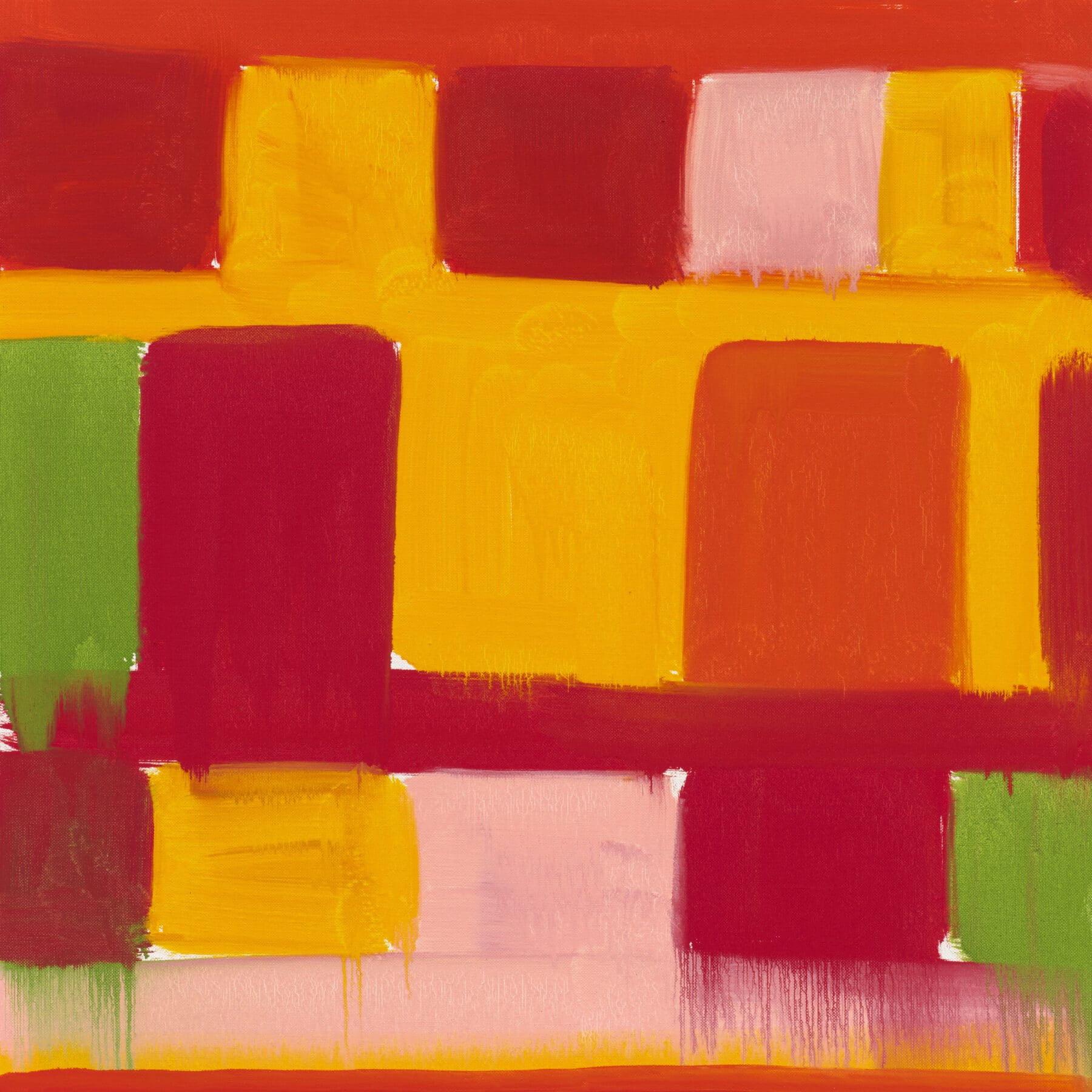
For the first time, he brought these vibrant and stacked colour block grids to Hong Kong with a solo exhibition titled Isn’t Love the Strangest Thing at Gagosian. The exhibition featured old and new paintings of a variety of scales. Some were 12-inch squares; others were six times its size. As Whitney grew older, he became preoccupied with whether he could make a small painting a good one, because he is also increasingly aware of his limitations. Candidly, he admits that he can no longer move the canvases on his own. He also wonders, with humility and grace, whether he can keep the paintings “alive” and new.
Stepping up to a canvas now, more than five decades into his artistic career, how does he keep the colour conversation fresh? What continues to guide him is the wish to bring love into the world through painting. “What are paintings for if not to live with?” he asks.
Ahead of his first show in Asia, Whitney sat down with Vogue Hong Kong to discuss his artistic process and routine, visiting Hong Kong for the first time, and his legacy.
We’re going to start with when you were a teenager, and I remember you said that you were already “refusing to participate in school”. You already knew you wanted to be an artist and wanted to attend art school.
Well, I didn’t. I didn’t know I wanted to be an artist. I mean, I came from a family that never went to a museum or looked at art—and I came from a very small little Black community outside of Philadelphia. But I drew all the time, you know what I mean? In fact, there’s a couple of my friends, we all drew all the time. So if something happened in school, like a mural or decorating or an event, we did it.
But I thought I’d be a commercial artist because I wanted to make some money. I was so poor, and that’s what I thought I’d do, you know. I didn’t go to museums or anything like that at all. In fact, I was in Kansas City, Missouri, and someone said to me, “Do you know the Barnes? You’re in Philadelphia, and you have never been to the Barnes Foundation?” I said, “No, what’s that?”
Why was it that you and your friends were drawing then?
We just did. I mean, there was one friend of mine who was super talented. If there was a cover for a publication or a newspaper or the school, he always got it. I never got it, you know. As a kid, I drew everything.
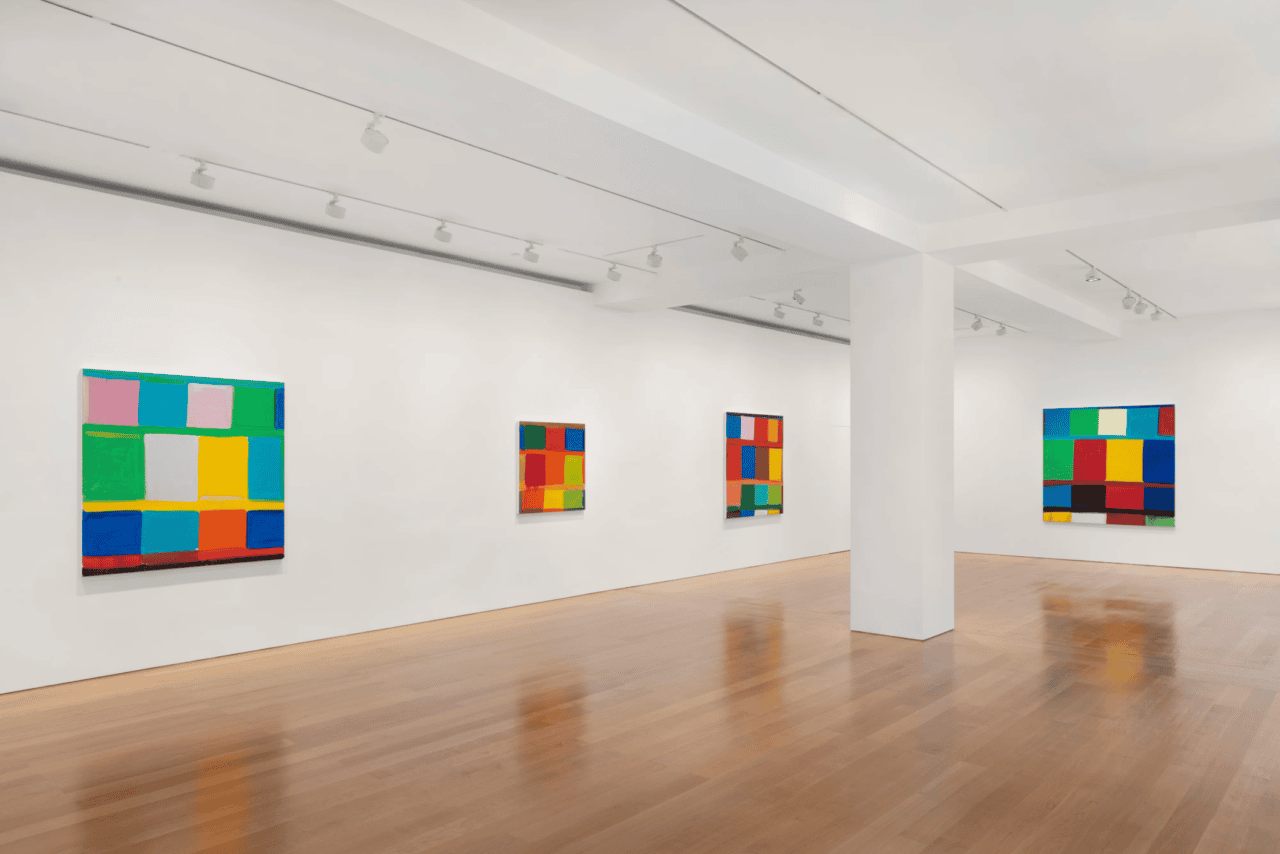
Isn't Love The Strangest Thing, installation view.
And from reading your previous interviews, it sounds like hanging out in jazz bars in New York was a really pivotal thing that happened in your life.
It was. I wasn’t academic; I didn’t love school. I wasn’t interested in school at all. I was always looking out the window. When I got involved with a bohemian life, my life changed totally. When I was a kid, I thought I would be joining the Marines, something like that. I used to watch a lot of war movies, and thought I’d do that. But then I would say taking drugs saved my life. (laughs)
Can you describe what those nights would be like when you were in New York as a kid?
Well, you know, New York was a place I always wanted to go to. I remember going to the East Village and I remember the exact spot where some guy said, “I’m the best artist in New York.” I was 10 years old, and I thought, “I just got to New York, and I saw the best artist in New York.” But what it was, was Philadelphia. There were jazz bars, but you couldn’t go in unless you were 21. I was maybe 18, and looked like 16. I wasn’t a big kid. But in New York, you could go at 18. In the Lower East Side—which was really rough and really tough in those days—there was a bar called Slugs’ [Saloon]. Even if you looked 16, you could get in.
When I discovered music like Thelonious Monk and [John] Coltrane and Eric Dolphy, that was big. I was always looking for myself. Who am I? Where am I? Who are my mentors? I didn’t fit in too well, but when I discovered that music, that’s where I was. I’d go to New York on the weekend and go to all these clubs and then come back to high school on Monday.
How did someone called Alfred Pollitt change your life?
He was a musician from the neighbourhood, and he had all these great records. In those days, in Philadelphia, you were either a jazz person in music, or you were folky, or you were rock and roll, and people didn’t mix. He was a jazz guy, and he had his great records, like Thelonious Monk and Miles Davis, and he introduced me to this world I didn’t know about at the time.
Were you a rock and roll guy before this?
I was. All the dance parties were rock and roll. But as I got older in high school, I got involved with the jazz world. That was 1963 or ’64. You’re always looking for who you are and where you are in the world. So that was the whole thing. I had this high school life, and then I had this other life. I had two lives.
How did Miles Davis’ Bitches Brew come to soundtrack 29 years of your artistic career?
It’s been 29 years?
You tell me!
I don’t know, it’s just something that I like about that album. I still go to the studio and turn it on, and I paint to that. Usually I’m done painting before the album’s over, but I still do it. I have lots of references; I have lots of CDs and everything like that. Sometimes I think I should change, but I never do… It just gets me going, puts me in the right spot, and puts me in the right place to paint. I don’t think about it. It’s not like you really hear when you paint, but [there is] something about that music.
I think with that Miles Davis album, he’s trying to reinvent music because, all of a sudden, the rock and roll guys are making more money than the jazz guys. All of a sudden, Rolling Stones are making all this money and these guys who’ve been playing all the time are making no money. So I think he’s reinventing some new music. I don’t know, but somehow for me that just relates. Sometimes when you’re involved with magic things, you just let it be. You don’t question it; I don’t question.
When you talk about rhythm in painting, what does that mean?
When we talk about rhythm, it’s like the rhythm of the world. Everyone has their rhythm. So it’s just how things move in this world. I don’t know if it’s the whole universe, but in this world, it seems like there’s a rhythm to it.
I always refer to when I was a student. I saw this small painting by Cezanne in Columbus, Ohio—where I was at school—and I remember that the floor and the wall were just as interesting as the person. It wasn’t like the person was more important than the wall or the floor. It just seemed to have great rhythm, and I could relate it to the music.
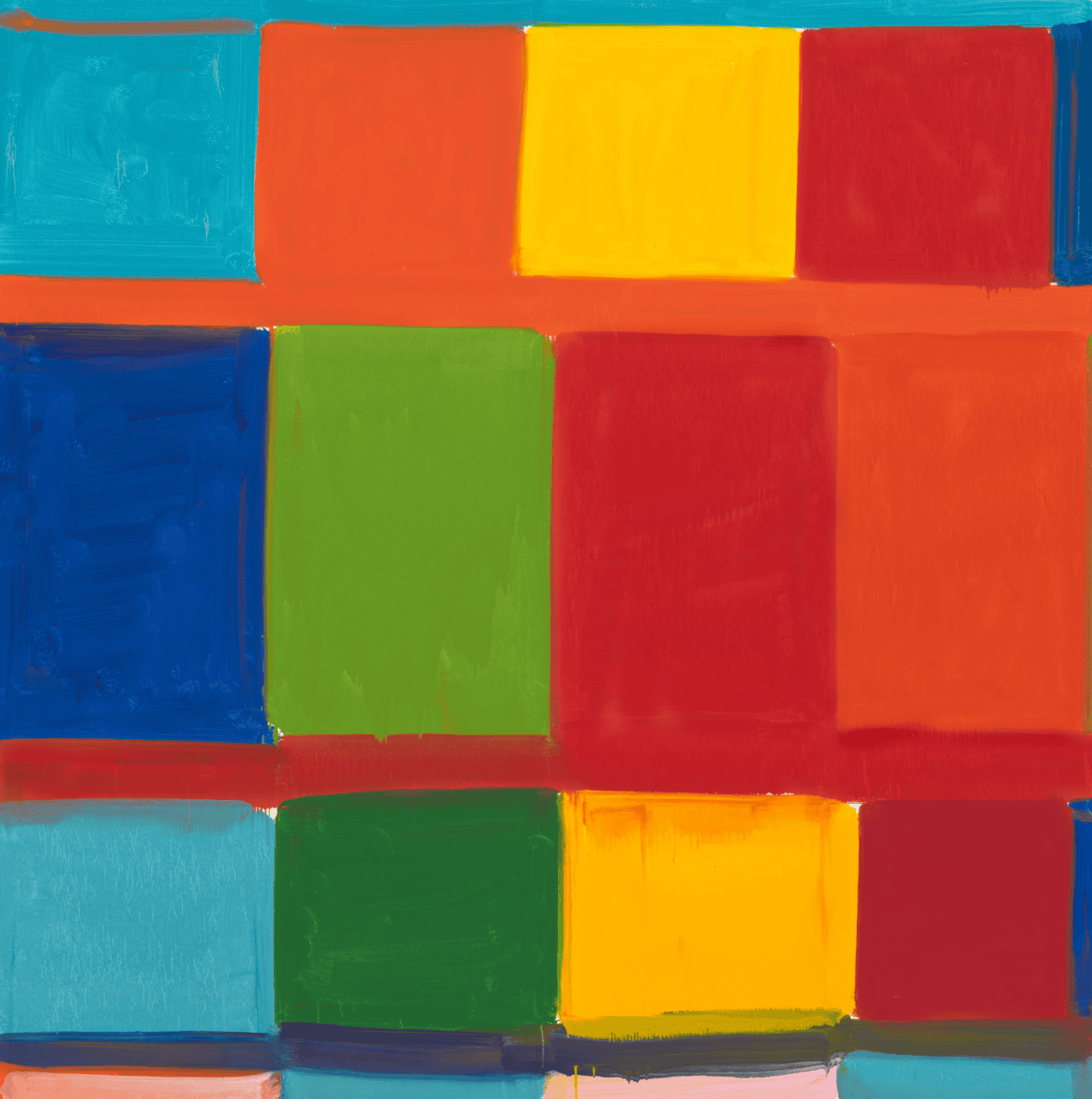
And colour is also both your subject matter and your structure.
Well, that’s interesting. I always had the colour. You know, I always could take something and make it better with colour. If I did something or did a bad drawing; I could make it better with colour if I had colour. What the structure was, or where the colour was, or how different the colour was, and subject matter, was an issue. But then I kind of figured after I saw a Morris Louis painting a professor showed me in Kansas City.
I saw that, and I was like, that’s really interesting. I thought that was really great, and the figurative work. I was the storyteller. I didn’t really want to tell. I got bogged down with stories. You know what I mean. I didn’t want to get involved with stories. Especially in the States, race is a big deal. So I didn’t want to tell this story, that story, and so I really wanted things to be more open.
Was it the travels to Italy and Egypt that helped you?
When I went to Egypt, that was the last piece to follow. I kept thinking there was space and then there was colour. I was thinking of space in terms of maybe like sky or Atlantic kind of space. But then I came to the realisation in Egypt that the colours are the space. It was like a recipe. I kept thinking I wanted a lot of air in the painting, so I thought air like sky, landscape, a lot of air. So I thought that if I put the colours next to one another, it would suck the air out; there’d be no air. There’d be no space. Then I realised, no, the space was in the colour.
Mondrian was a good example against that black line. For years, the black line was there. And physically, it’s easy to make a line red or blue or green. But mentally, it’s a different thing. So it took a long time just to make that line red or yellow or blue as opposed to a black line. It’s really kind of simple things that you kind of overlook or you can’t quite do. So when I figured out that the space was the colour, then I knew I could make the paintings I wanted to make.
And I feel like you’ve kind of figured out your recipe.
Yeah, I did. But now, the trick is how to keep things alive!
Exactly, that is actually my question! When you step up to a blank canvas, how do you keep that conversation with the colours still surprising or exciting for you?
Yeah, that’s a big thing, keeping things alive, because once you have that, you have to keep feeding it. I don’t know if I’m able to do that. Drawing is a big key. If you look at all the great artists, they can draw really well. So if I’m not painting, then I’m always drawing. Drawing keeps you fresh. Drawing keeps you connected. Drawing [allows] you to reinvent. Drawing keeps it so things flow out of you. It’s like staying in shape. It’s like if you’re an athlete, when you get out of shape it’s hard to get back in shape. You have to stay in shape. Drawing gets me in shape, so that’s how I do it.
When I draw, there’s lots of gesture and lots of mark-making in the drawings. Because I have different possibilities, and I don’t want to put myself in a corner like Rothko did. I don’t want to have to, you know, commit suicide. So I draw a lot of things. The work could go here, the work could go there. I keep a lot of doors open. I draw with a regular pencil and ink. I draw all kinds of different things. I have tons of sketchbooks, so I draw all the time.
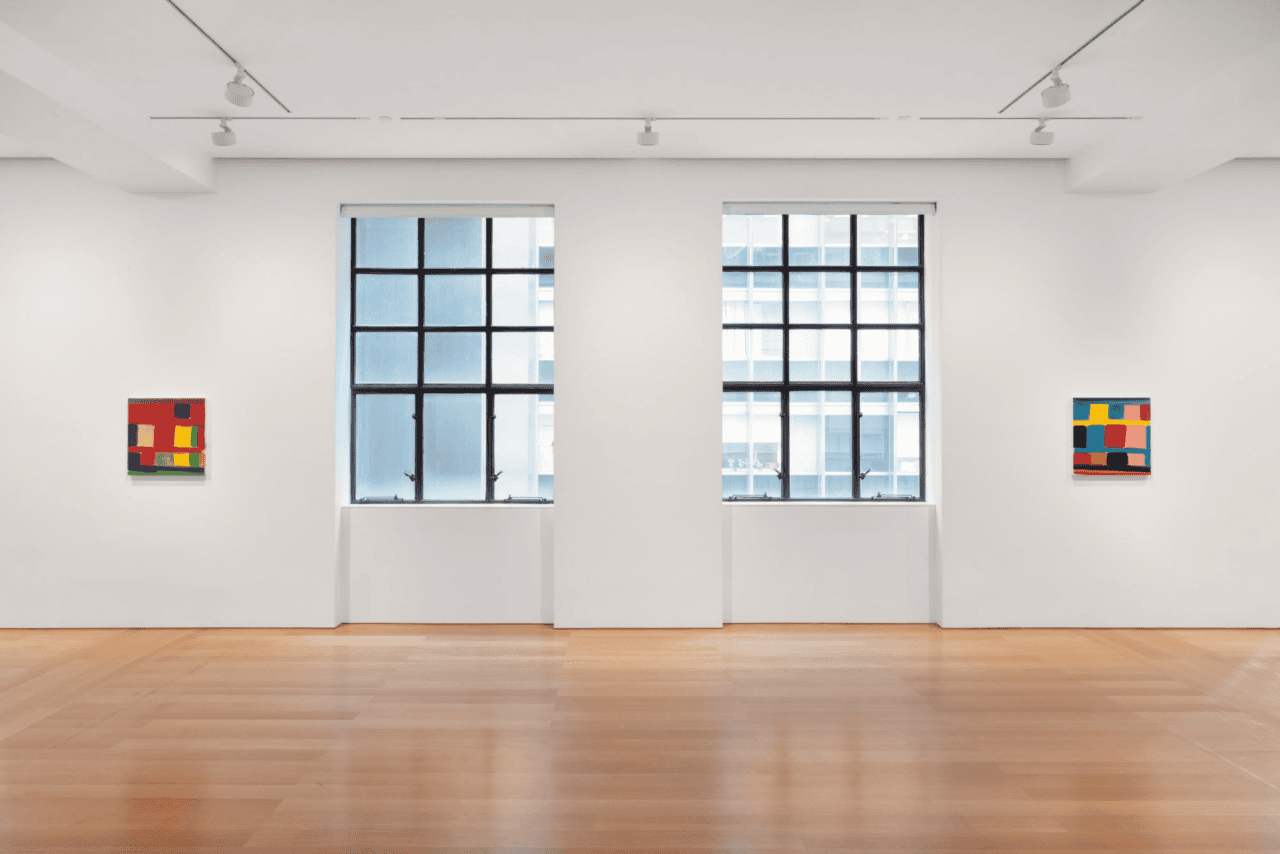
Isn't Love the Strangest Thing, installation view.
Do you have a routine or a schedule with painting these days?
I don’t paint early. When I was in Italy, I’d get up and I’d paint at seven in the morning until around noon. Now I sort of get around. I get to the studio at about 11, and then I paint until about two or three.
I like to paint in the day. I don’t paint at night. I mean, I think that came out of coming to New York and something I did when I had a job. So once I got through that and didn’t have a job like that, I could paint in the day. I like painting when I’m fresh. If it’s two or three or four, I tend not to paint. I wake up ready to go. When I taught, I’d get up at 6 o’clock in the morning, get dressed, and go and drive. I don’t drink coffee or tea. I wake up. I’m ready to go.
No caffeine.
No caffeine. I wake up, and I’m ready to go.
That’s really good. You’re stronger than me. You’re so strong.
Come on. I’m ready to go. Let’s go. So I like painting during the day. That’s my skill. But I don’t know what days I’m going to paint. It’s hard. If I paint a painting, it takes a long time to see it. I can paint a good painting. Like these paintings in the show here, I’m just seeing them for the first time. I get very critical. I think, well, I could paint that blue or is that blue strong enough? And like, this is a really strange painting to me. It’s an odd paint that purple. To me it doesn’t look good, but it feels really good.
How do you know when to put down your paintbrush then?
You know, the paintings tell me. If you start to fix things, then you’re done. You don’t want to fix something. [For example] I couldn’t fix that line. I wish that line was straight, but that’s the nature of the painting. You’re not painting when you’re fixing things. Make the paintings talk to you. The paintings tell me what to do. This isn’t the painting I wanted at all. I never get what I want. You get a piece of what you want, but you never get the whole thing. So it’s always the next one, the next one, the next one. There’s never an end to it. You think, oh, that’s interesting, but it’s the next painting that’ll be better, and then the next painting. So there’s a lot happening in the paintings. So you know, just let them be.
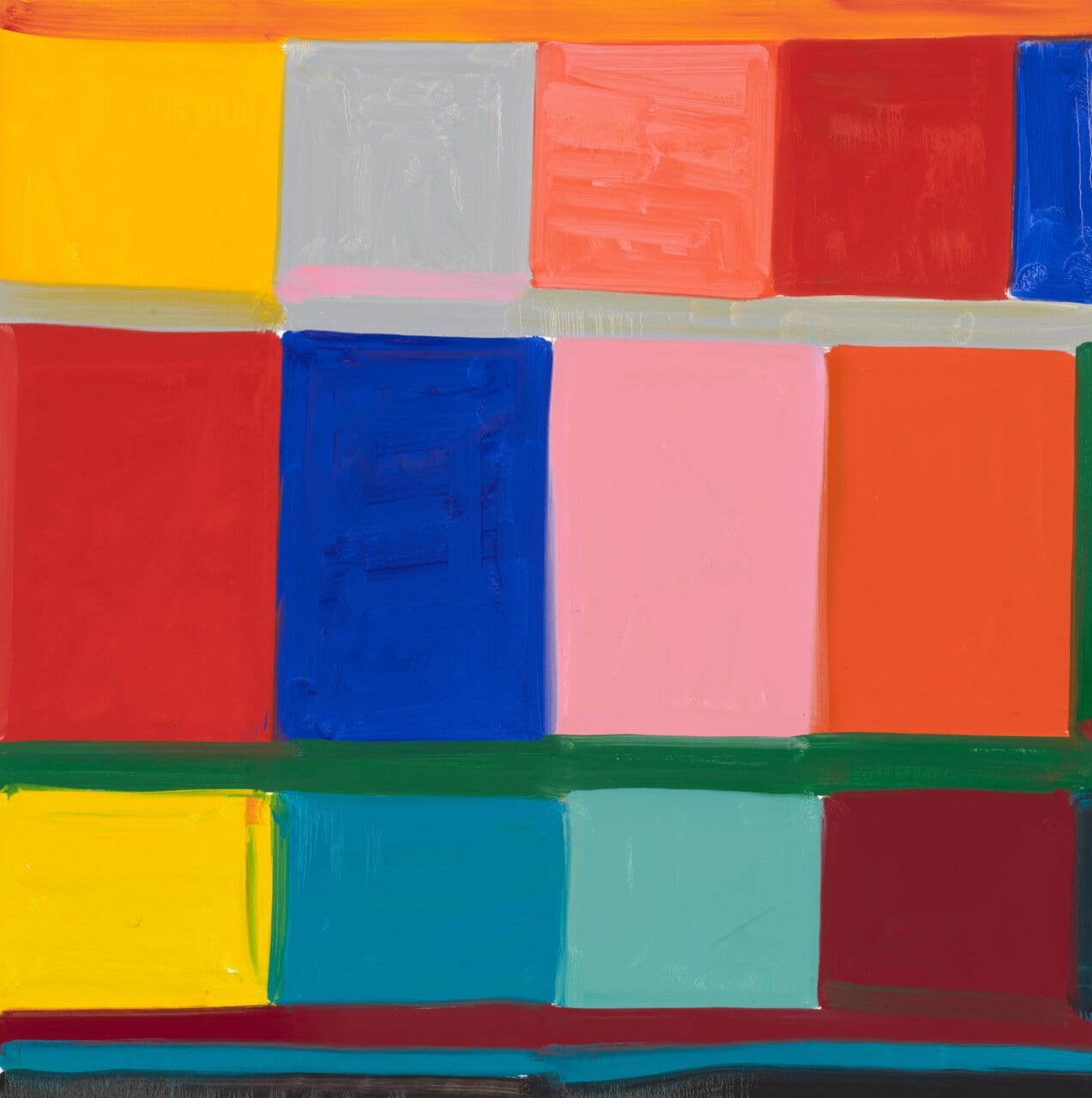
In the decades before the wider world caught up to your work; before you reached commercial success, what was the internal conviction that kept you painting, or from pivoting to anything else?
I’m just going to paint. I don’t know. Early on when I was in New York, I had a loft by Cooper Square on Eighth Street, and I’d walk through Soho and look at all the galleries and look at all the shows and see everything that was showing. I looked at everything and then I kind of said, “Well, Stanley, you see what they like, but you say, ‘you change, or you could keep doing this’, and I said, “I’m gonna keep doing this.” So I just like what I did. Even now, seeing the show, it makes me want to go home and paint, because I think I can make a better painting. It’s always the next one.
I was talking to someone I was in graduate school with, and she said, “You always just always painted all the time. [Other peopled] would go off to the bar, you were always painting.” And it’s so true, I just painted all the time. Even now, I want to travel because I don’t travel enough, because I just want to always be in the studio. I love being in the studio. Even if I don’t paint, then I will at least make a couple of drawings every day. I always do something every day. If I’m not painting, I’m reading, and I can read all day too. You know, those two things. I don’t see many people. That’s what I do.
And the definition of a “better” painting is probably a very complicated answer.
Well, I don’t know what a better painting is. You know, better colour, better space, better light, better rhythm, better. You go to the museum, and you see all these really great paintings. And you think, great paint, great space, so inventive. I did a show in New York with Matisse at that gallery because I wanted to see my work with Matisse. See how my works hold up. I like doing things like that. So you just want to see yourself with, you know, the great ones, and you want to see if you can hold up, can you paint that well?
And this is your first solo exhibition in Asia, is that right? Congratulations!
Yeah. Finally made it.
Finally made it. What does it mean to you to present solo in Asia?
It means a lot because if you grow up in America, you grow up in the Western world, and you’re always in Paris, France and Vienna. You kind of think that’s the world. And thank God it’s not the world anymore. The world of Asia, Africa, South America- all these things that are part of the European world. You can finally see them clearly. It seems like your world is far, far, far away, and it’s not very far away at all. That’s why it’s really great to be here, to have a whole other idea about things—and not terribly different, but still different. I don’t really know what that means to me yet. Like I don’t really know how that’s going to influence me.
When I first went to Italy, you would walk down the street, and people would bump you. And you’d go, ‘What are you bumping me for?” But bear in mind they have little spaces. You know what I mean? Like in New York, if someone did that, we would get in a fight. The little things are big things, and so is seeing that. I mean, we’re all human beings, and what does that mean? How do we relate and know what things are? I don’t know yet, but it’s great to be out of that kind of bubble.
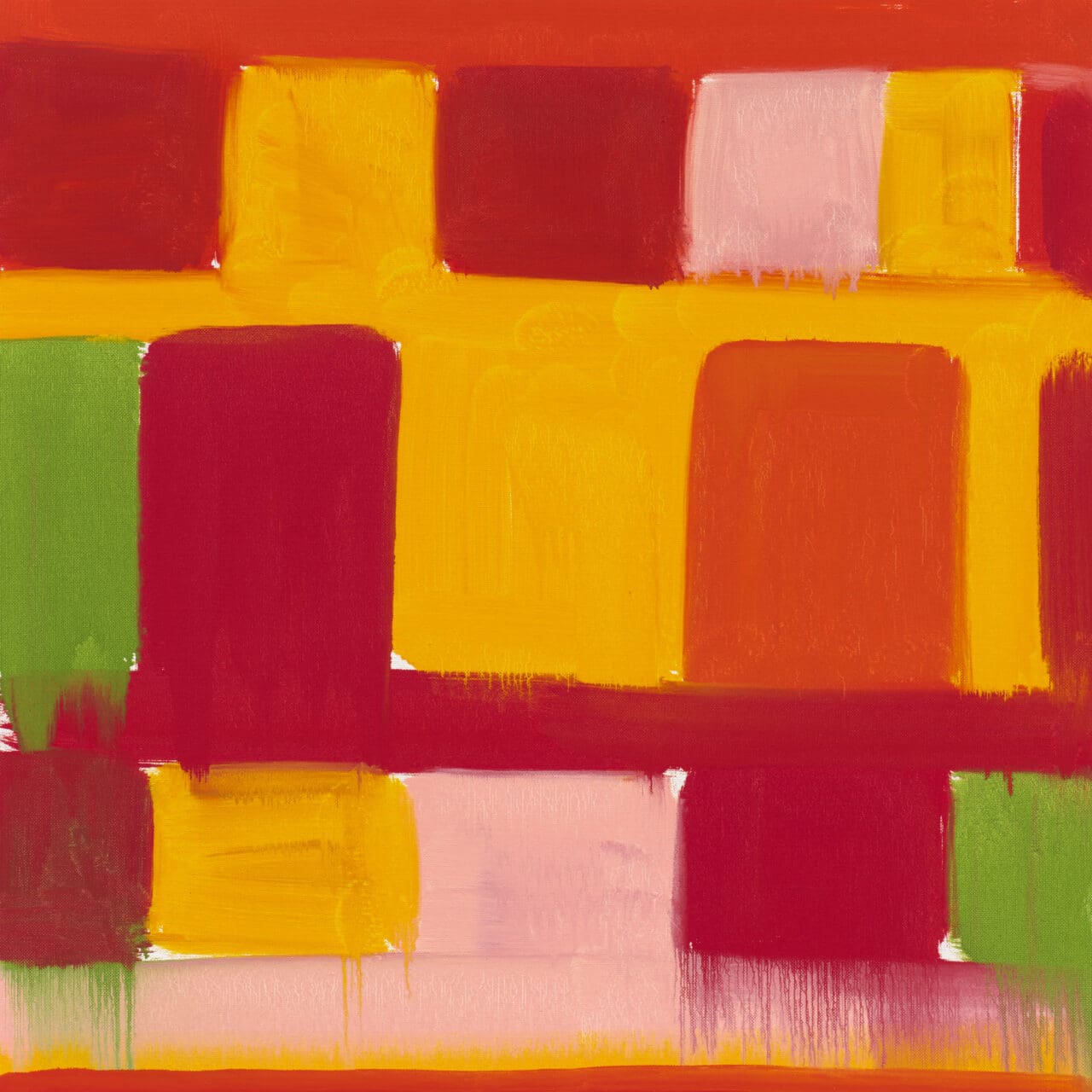
And you said that your colours have more to do with where you are painting. So if you’re in Italy, for instance, you think the colours get a bit more Italian somehow?
Well, that does happen, but it happens very slowly. It wouldn’t happen in a day. It takes a while for that to seep in. When I was in Rome for five years, all of a sudden you got the warm yellows and pinks and different colours, and I can say, all those are Italian pinks. So it doesn’t happen overnight. You have to be there for a while for things to shift. Even the way you dress, everything shifts.
What were you wearing?
I was in New York hanging out with some friends, and they did a little video, and there I was with yellow pants and some kind of shirt and loafers, and they were in jeans. And in this video, you could see I was totally dressed like a Roman. I don’t ever wear yellow pants anymore but in Rome, it made sense.
How do you imagine a city like Hong Kong might influence your palette if you were to paint here?
I don’t know. One thing about Hong Kong is that you think about space. It’s so vertical. And then you have these clusters of trees. Space is so different here. Even though Manhattan has that, because of the islands, you can’t go out. London, you can go out. Paris, you have to go up.
I wouldn’t know, as I only came here for a while. It takes a while for that to seep into you. After a while, you change how you dress, how fashion is. All of a sudden, you shift. You kind of think people go away and they’re going to be totally different. But they’re not totally different. It’s little things that are different. It’s like, little big things. You’re always looking for the little big things.
Because personal experience ties into your paintings, I’m curious whether any particular personal events or realisations at this stage of life inspire the exploration of love in Isn’t love the strangest thing?
It comes down to the music. I’m turning music on all the time, so music is really important to me. So that kind of set me free. I listen to a lot of music, and I think Ivie Anderson sings that in an old Duke Ellington album. My father gave me that one, so I think it comes down to that. But I just thought it was really great, and she sings it so beautifully. I just thought it’s a funny title for paintings. And love is the strangest thing.
You’re trying to really put some love into the world with the painting. I mean, what are paintings really for if not to live with? Especially with abstract paintings, they’re really there to live with. It’s like the things you have in your house that you live with that are important to you, and you want something that opens up space and places to mentally wander. You don’t have to talk or anything like that. So I’m trying to open up space for people to mess with wandering.
What kind of legacy do you want to leave?
Oh, I don’t know. I hope the paintings hold up. (laughs) That’s what I hope, but you never know, because you never know—two or three generations from now—what they’ll want from the world, from literature, from movies. But if you think about computers, science, or what the kids are involved with now, I don’t know what people really want in paintings. You know what I mean? Are paintings dead to these people? You try to really leave something here, but maybe they’ll throw these things in the garbage. But if you look at people like the French artists, and who they liked in the 18th century, it wasn’t Cezanne, so I don’t know. You just try to do your best, and that’s all you can do.
So far painting’s been good to me. I’ve been lucky to paint, been good to paint. I never thought people would like my paintings. Early on, I would go to my studio and say, “Well, you can stop doing this, do something else, or you can keep doing it.” And I chose to keep doing this, whether people were watching or not. It just meant so much to me. So that’s the whole thing.
Editor
Karrie LamCredit
Images couresty of Gagosian and the artist.