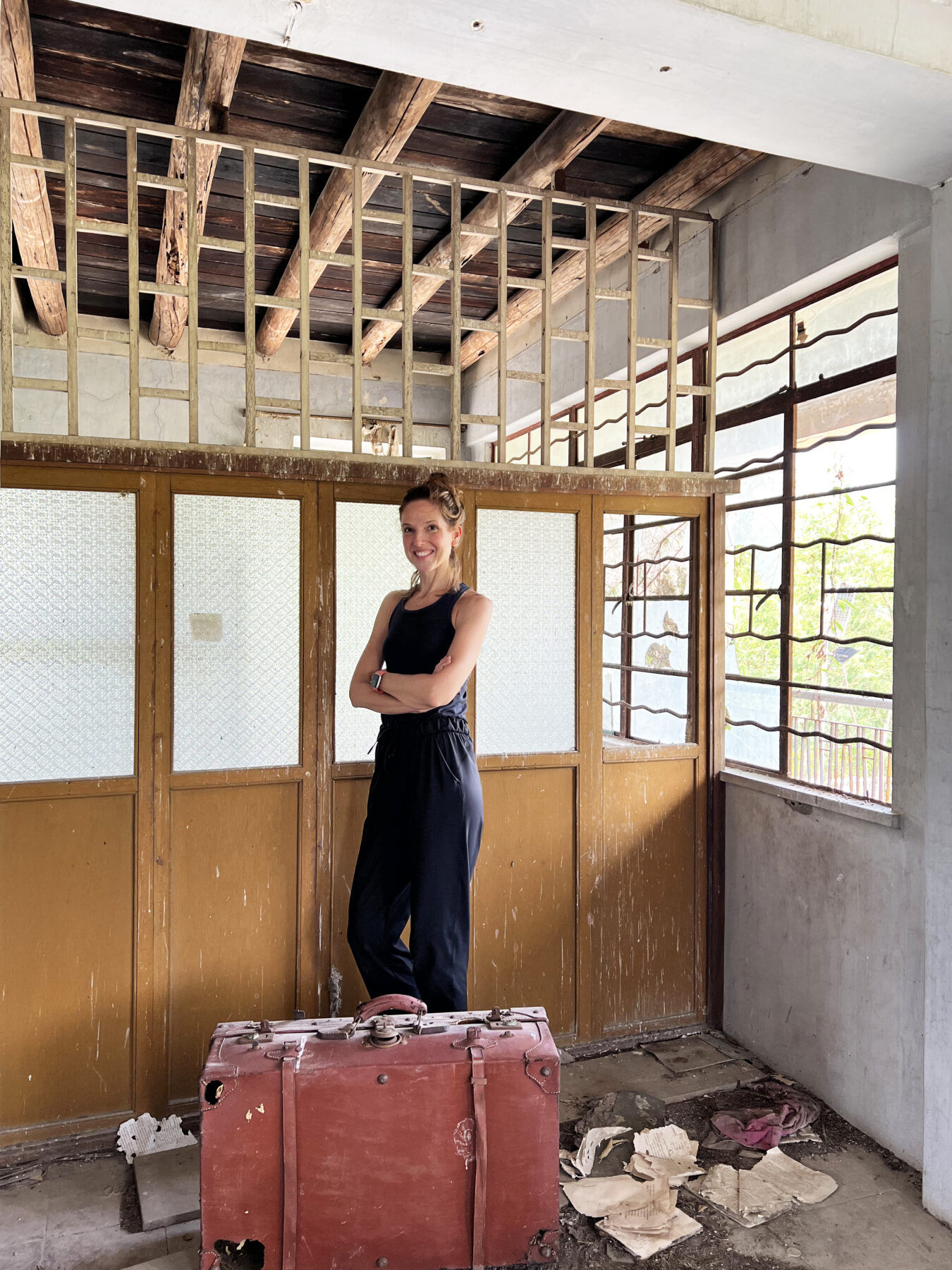


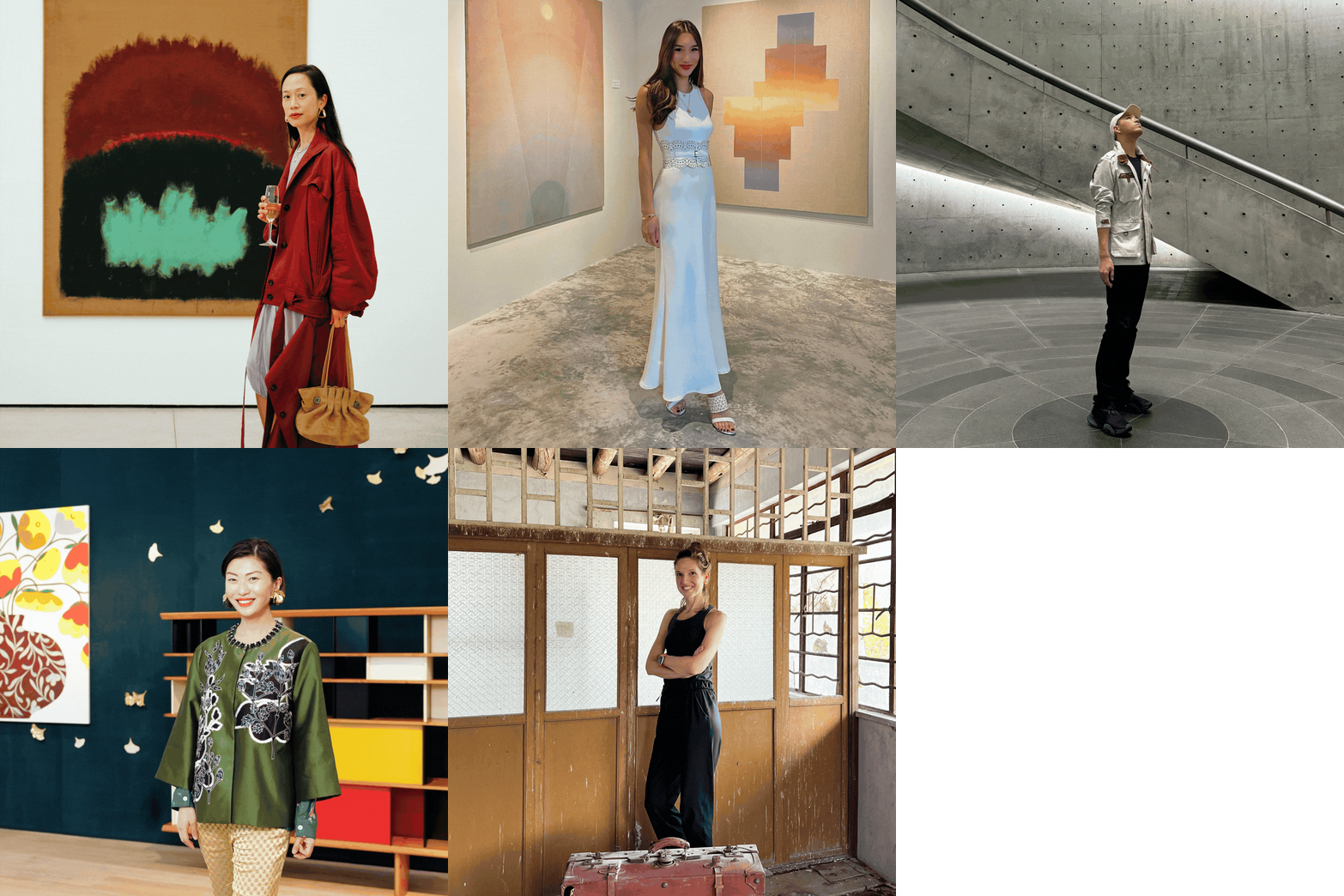
Claudia Cheng, Art Advisor and Curator

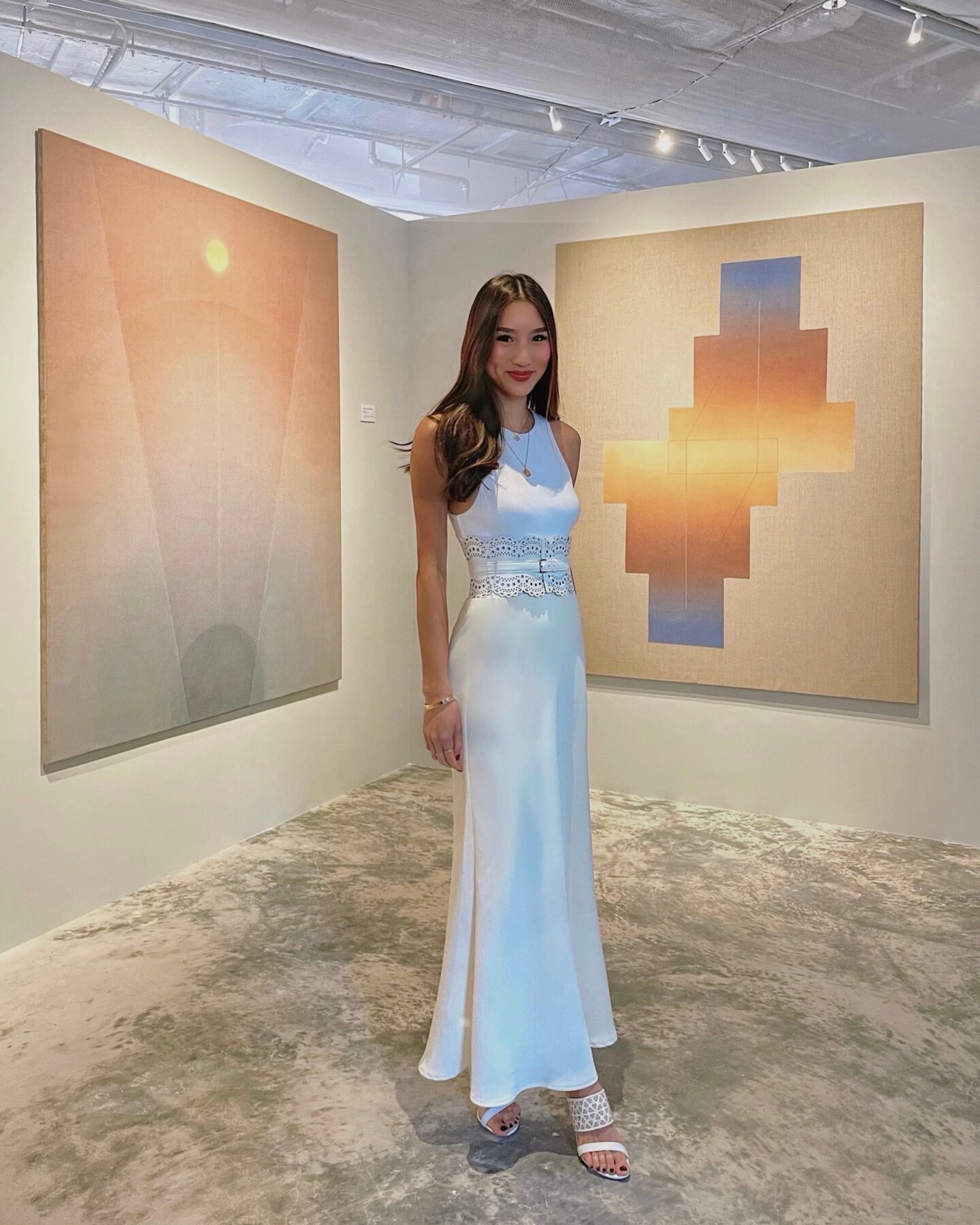
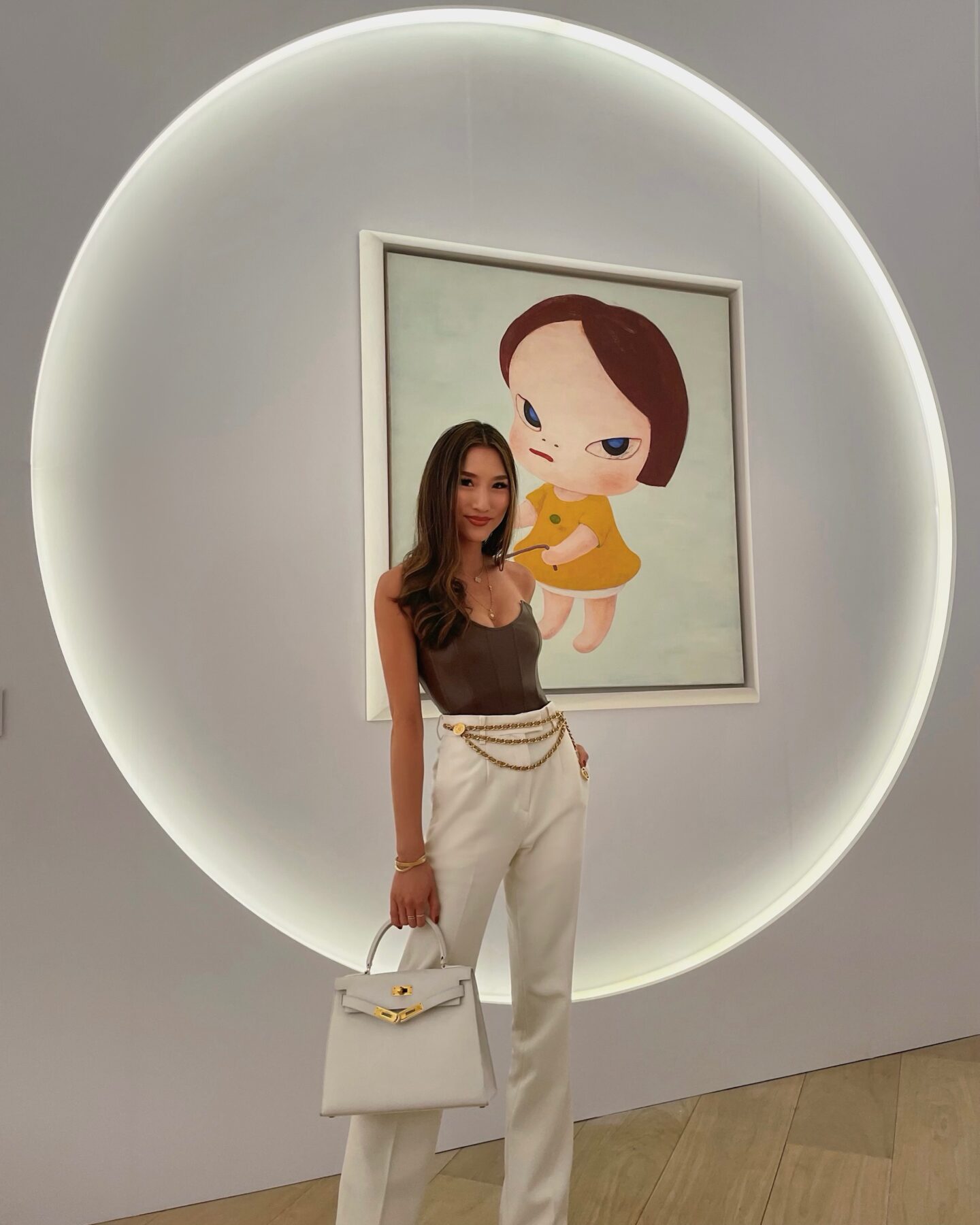
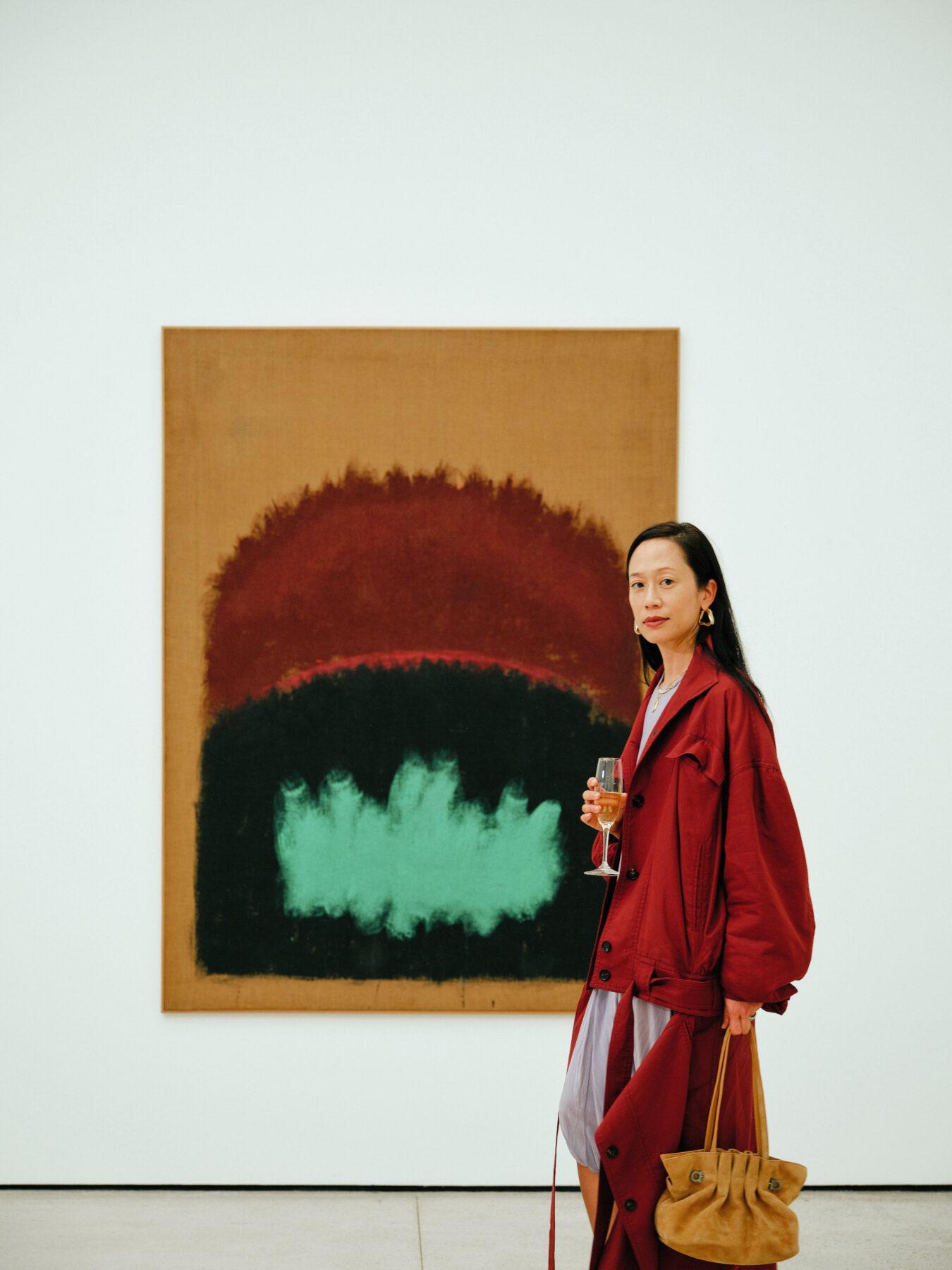
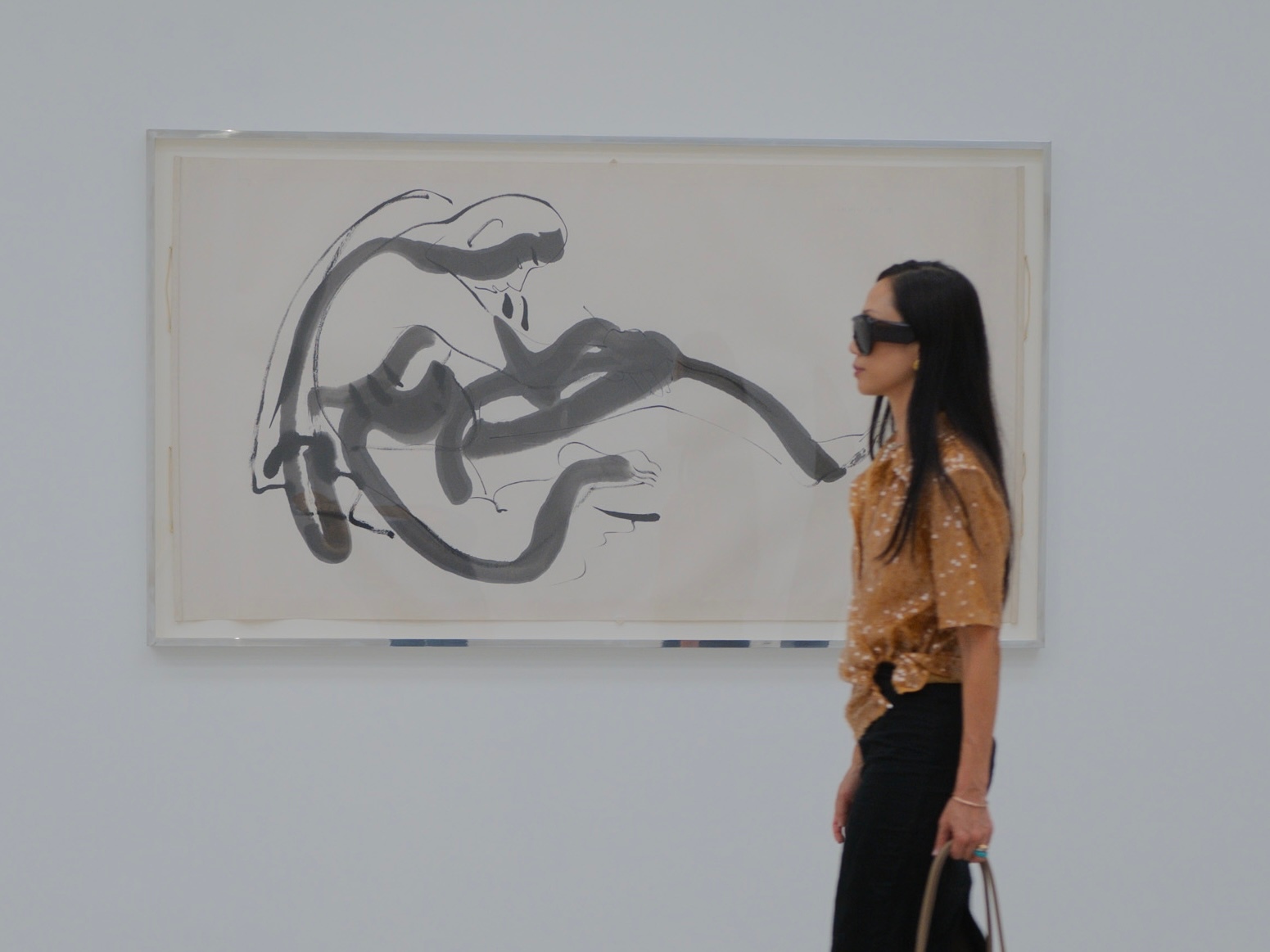
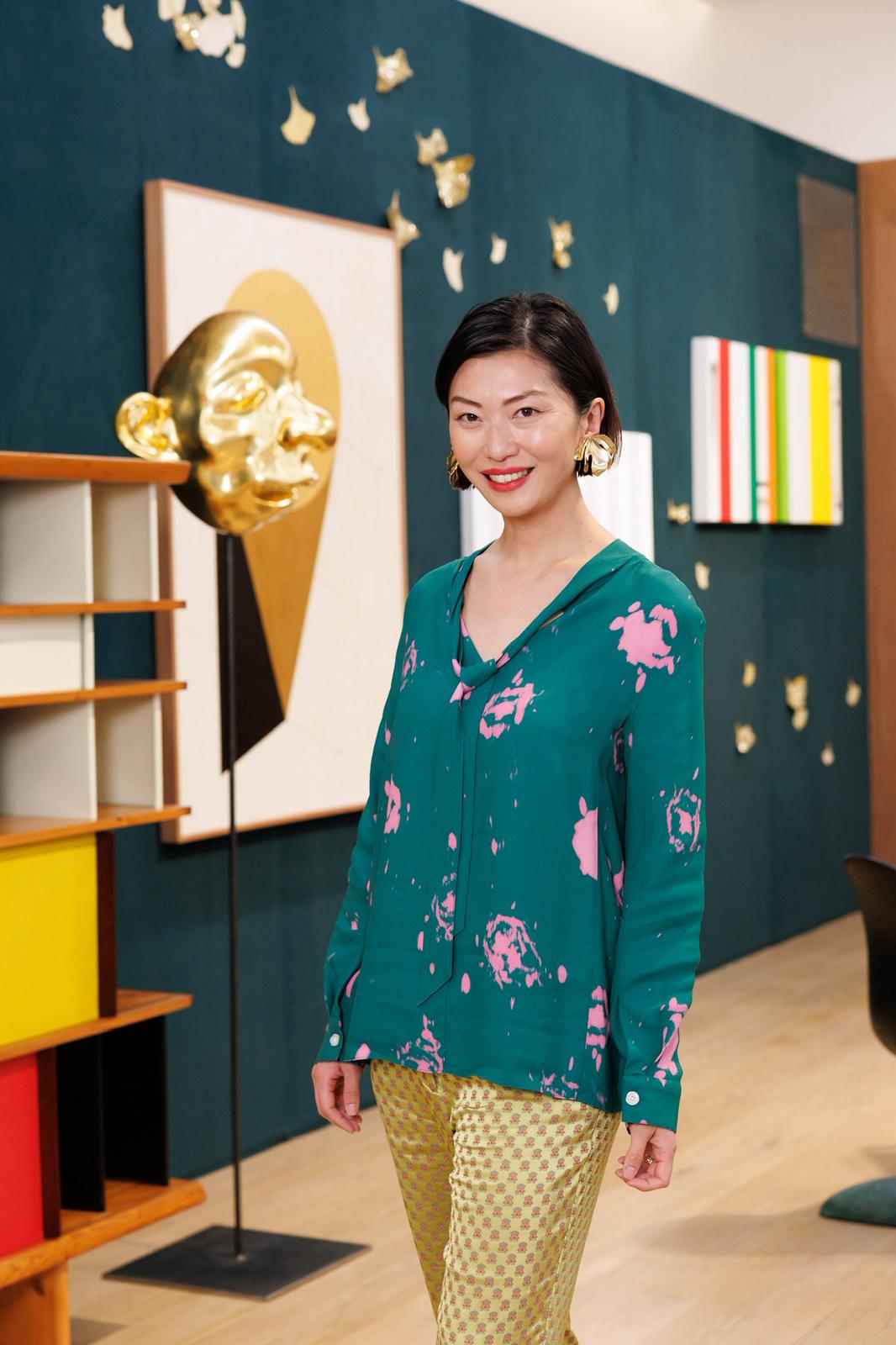
For independent art advisor and curator Claudia Cheng, getting dressed for Art Basel is an exercise in visual storytelling. “Fashion feels like an extension of my visual language as a curator. I approach getting dressed in the same way I approach art – through colour, form, and mood,” she explains. Her Art Basel uniform centres on elegant, understated pieces that photograph beautifully yet feel effortless: flowing dresses paired with walkable boots, or well-tailored pants that transition seamlessly from daytime viewings to evening events. “I’m drawn to clothes that carry quiet intention, with silhouettes that photograph beautifully yet feel effortless,” she notes, choosing outfits that let the art speak while, in her words, still echoing the world she curates: “feminine, dreamy, harmonious”.
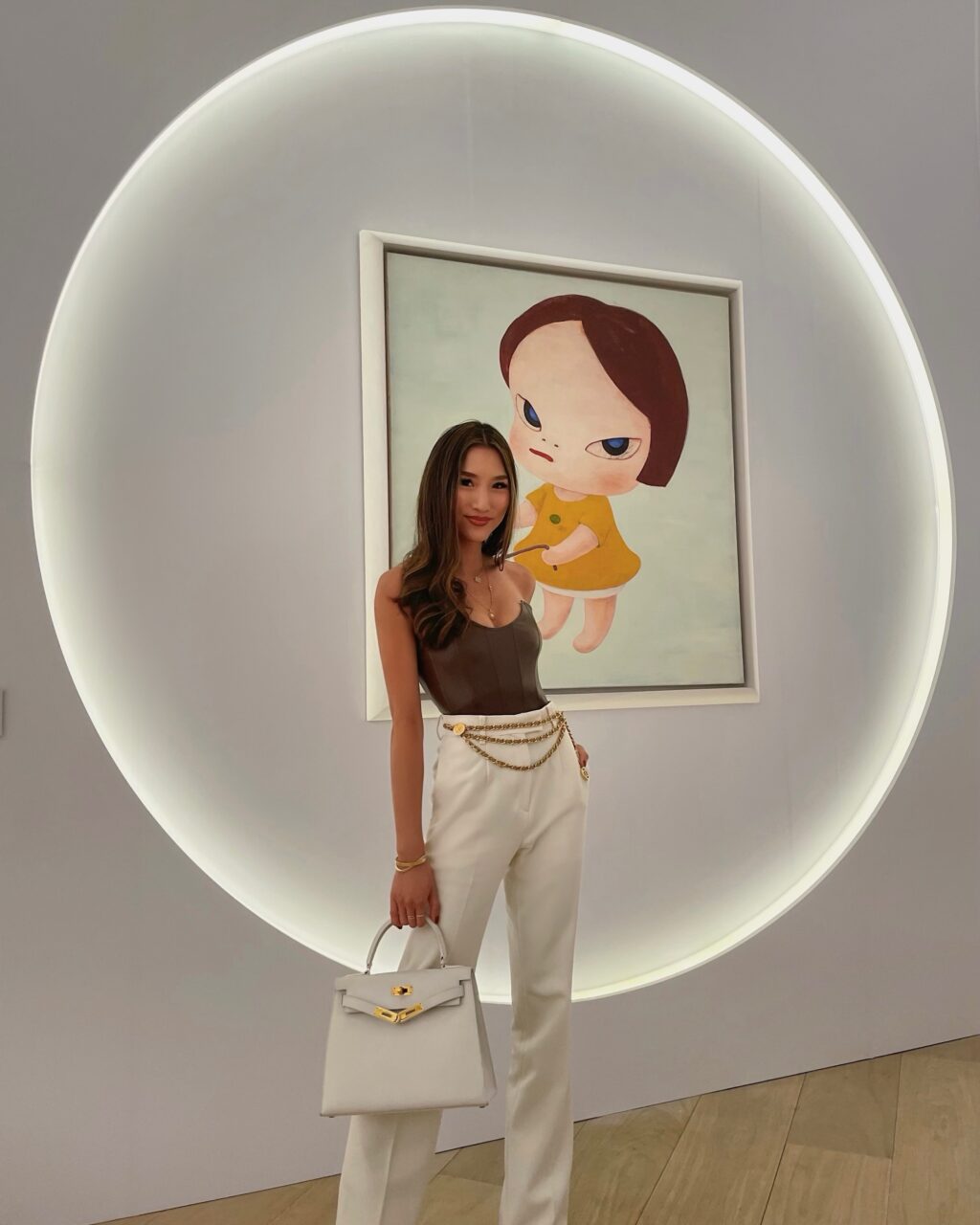
Practicality is paramount during Art Week’s marathon days, when Cheng often logs 20,000 steps navigating the fair. “I always prioritise comfortable shoes that I know I can walk in for hours,” she emphasises. Her strategy for tackling the fair is methodical: she maps out priority galleries and artists in advance, ensuring she hits all her spots in the first walk-through before allowing time for intuitive discovery.
This year, she’s particularly excited about Kwai Fung Hin Gallery. “Their booth consistently presents magnificent paintings by historical figures like Zao Wou-Ki and Lalan alongside compelling works by emerging artists such as Paola Angelini,” she says. She’s also anticipating Hauser & Wirth‘s presentation, which will include some of her favourite artists – Luchita Hurtado and Frank Bowling – as well as Nicole Eisenman’s first solo exhibition in Asia at the gallery.
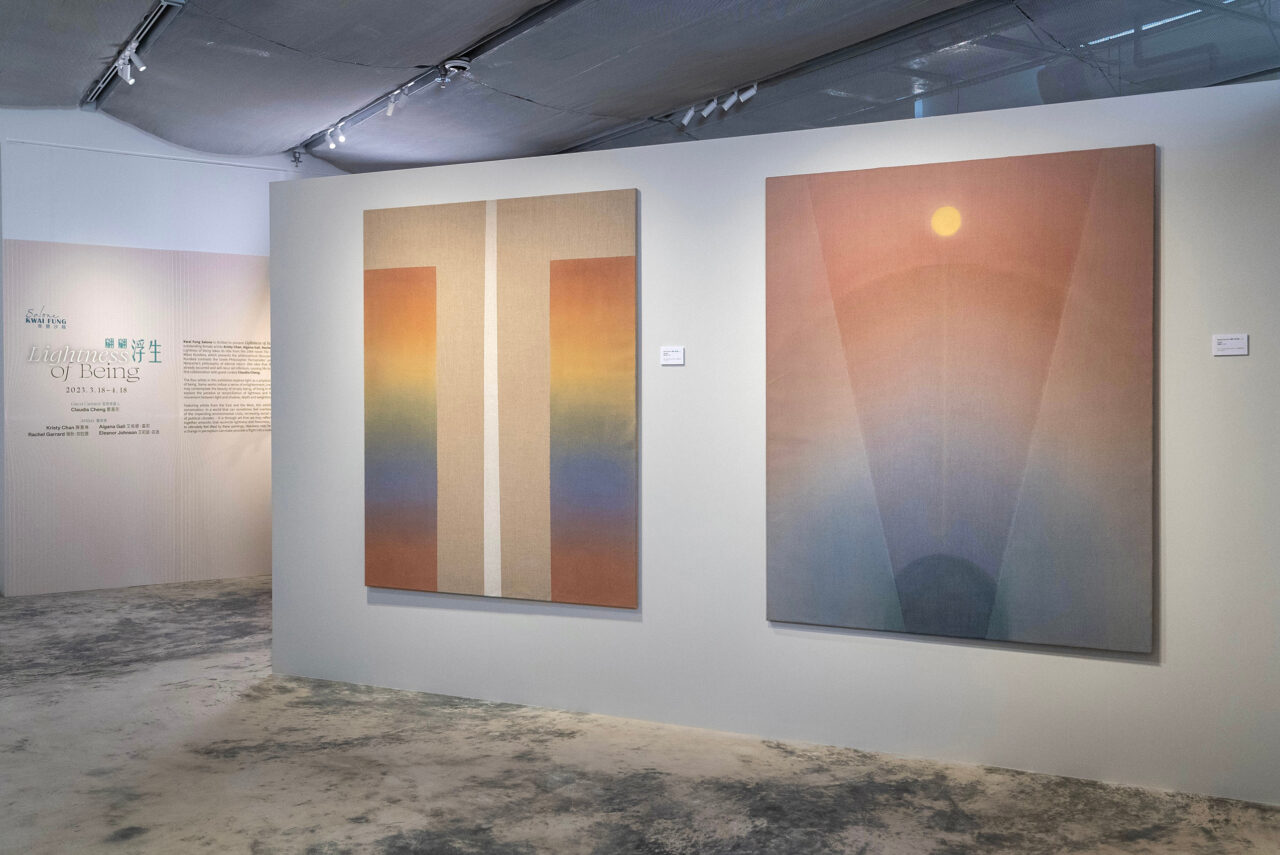
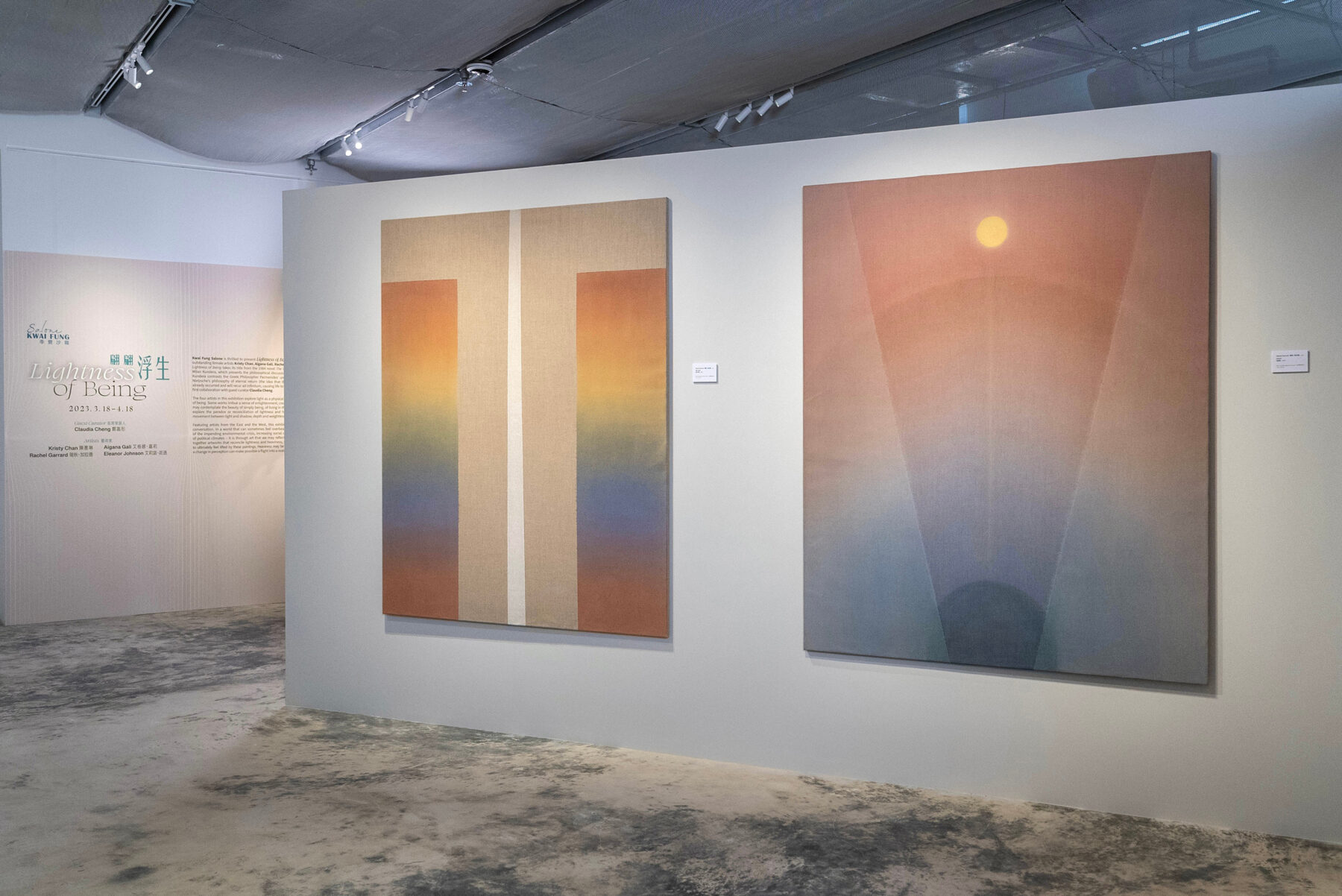
Looking back at past Art Weeks, one of her most cherished memories is from 2023, when she curated an exhibition at Kwai Fung Hin Gallery’s space in the historic Tai Kwun. The show brought together four contemporary female artists – Kristy Chan, Eleanor Johnson, Aigana Gali, and Rachel Garrard – in a presentation that felt deeply personal, successfully bridging her international and Hong Kong art communities in a way she’ll never forget. For Cheng, this moment crystallised what makes Art Basel Hong Kong so special: “Art Basel is as much about discovering compelling new work as it is about exchanging perspectives with the community around it. I love the sense of convergence that art week in Hong Kong creates—the city becomes an extraordinary meeting point for collectors, artists, and curators from different parts of the world.”
Calvin Wang, Co-founder and Managing Director of Pen Mané
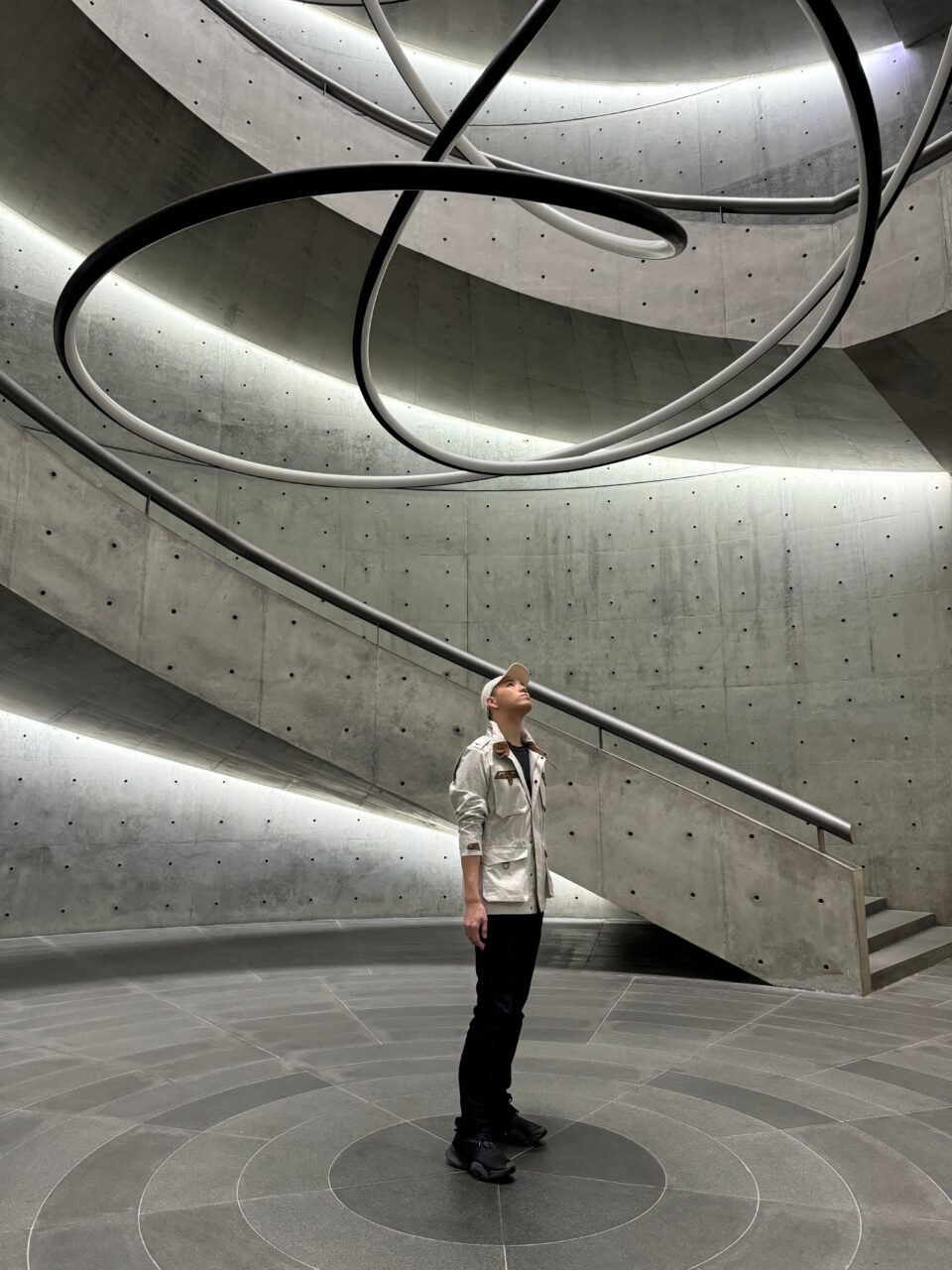
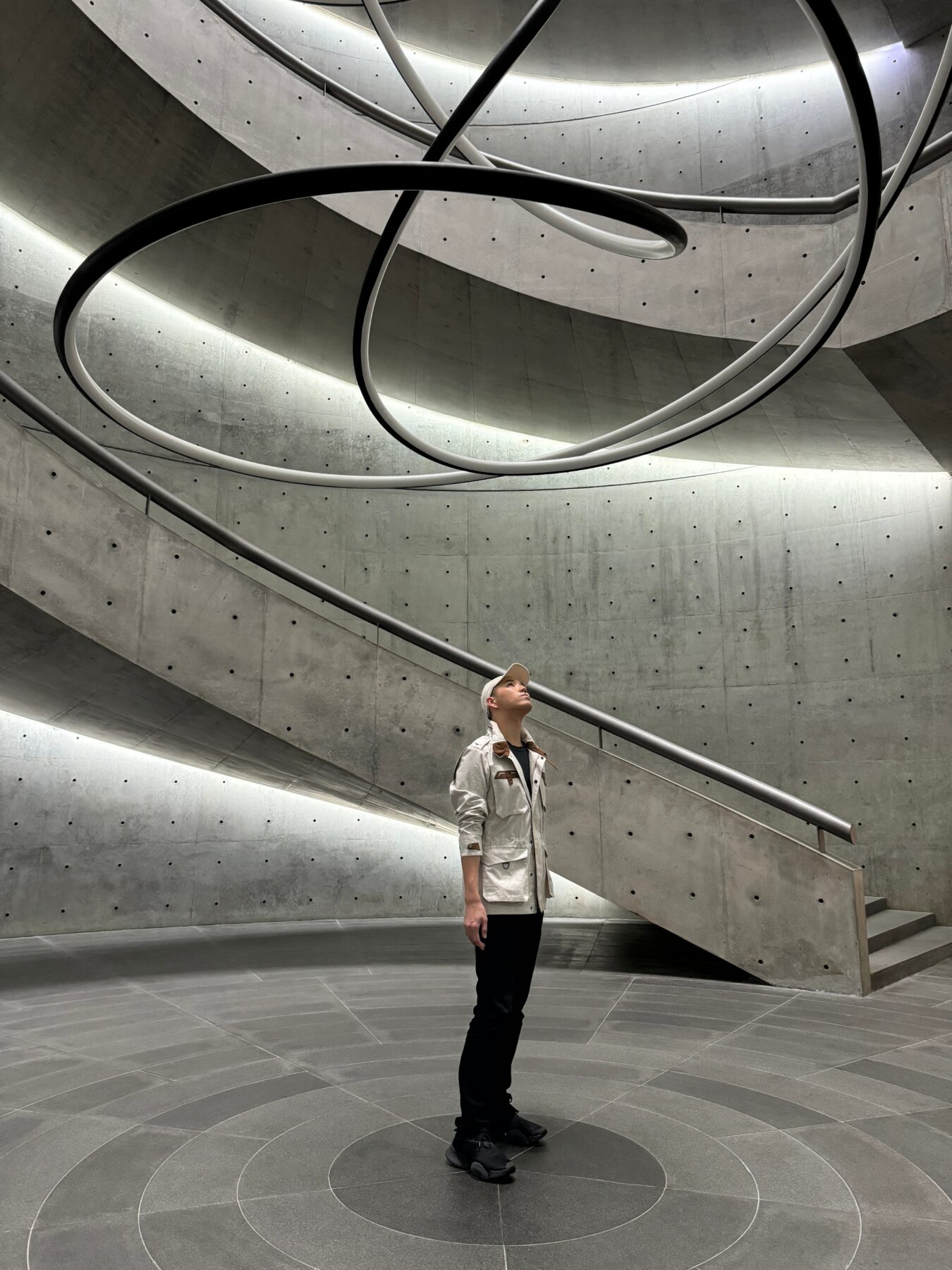
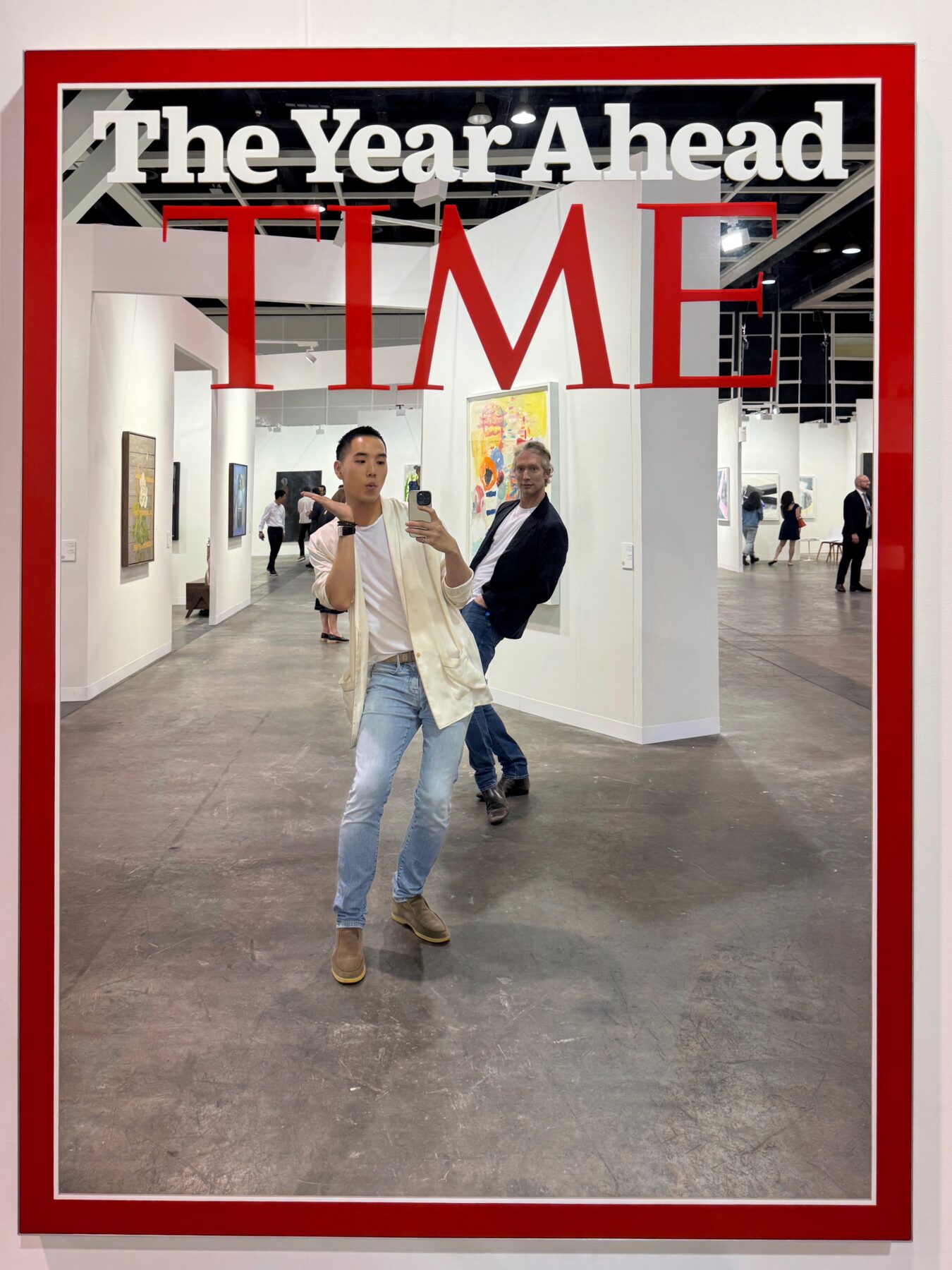
Calvin Wang is a regular of Art Basel’s stylish crowd. But as much as he loves—and excels at—turning a look, the practical demands of Art Week are not lost on him. “My approach to dressing for Basel is highly pragmatic and determined by my itinerary,” he explains. “If my schedule involves back-to-back gallery hopping, I deliberately prioritize comfort and mobility over making a loud sartorial statement.”
His fool-proof formula revolves around easy, yet elevated basics such as his trusty Frame Denim jeans, an airy T-shirt, Lemaire’s Vibram wrap-on sneakers, and a bangle from his brand, Pen Mané, for added shine. His hot tip however, is a lightweight outer layer. “I also never leave without a light jacket; it is an absolute necessity for navigating the drastic temperature shifts between the humid outdoors and the highly air-conditioned exhibition halls.”
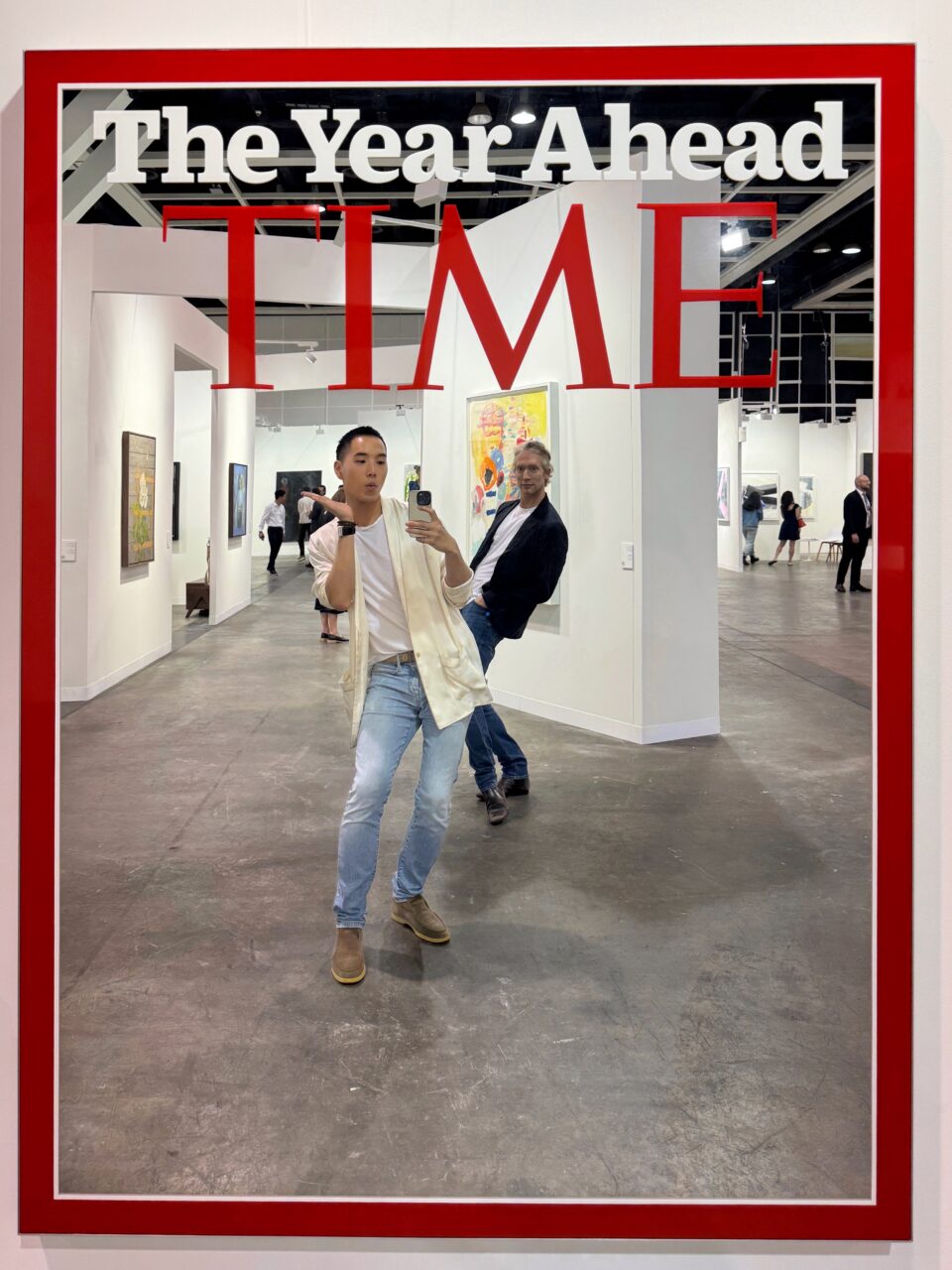
Planning one’s itinerary for Art Week can often pose a challenge, what with all the compelling shows and activations taking place across the city. Wang doesn’t overcomplicate it, leaning into his instincts to guide him. “My focus is always on supporting the local cultural landscape, so powerhouses like Kiang Malingue, Empty Gallery, and Blindspot are must-visits,” he says. “I don’t typically go in with a rigid checklist of artists to track down; I prefer a more organic approach.” This desire for a more liberating art-viewing experience is also why Wang gravitates towards Art Basel’s Discoveries sector, calling it “a fantastic incubator for fresh, exciting projects” and “the perfect place to uncover new talent on your own terms.”
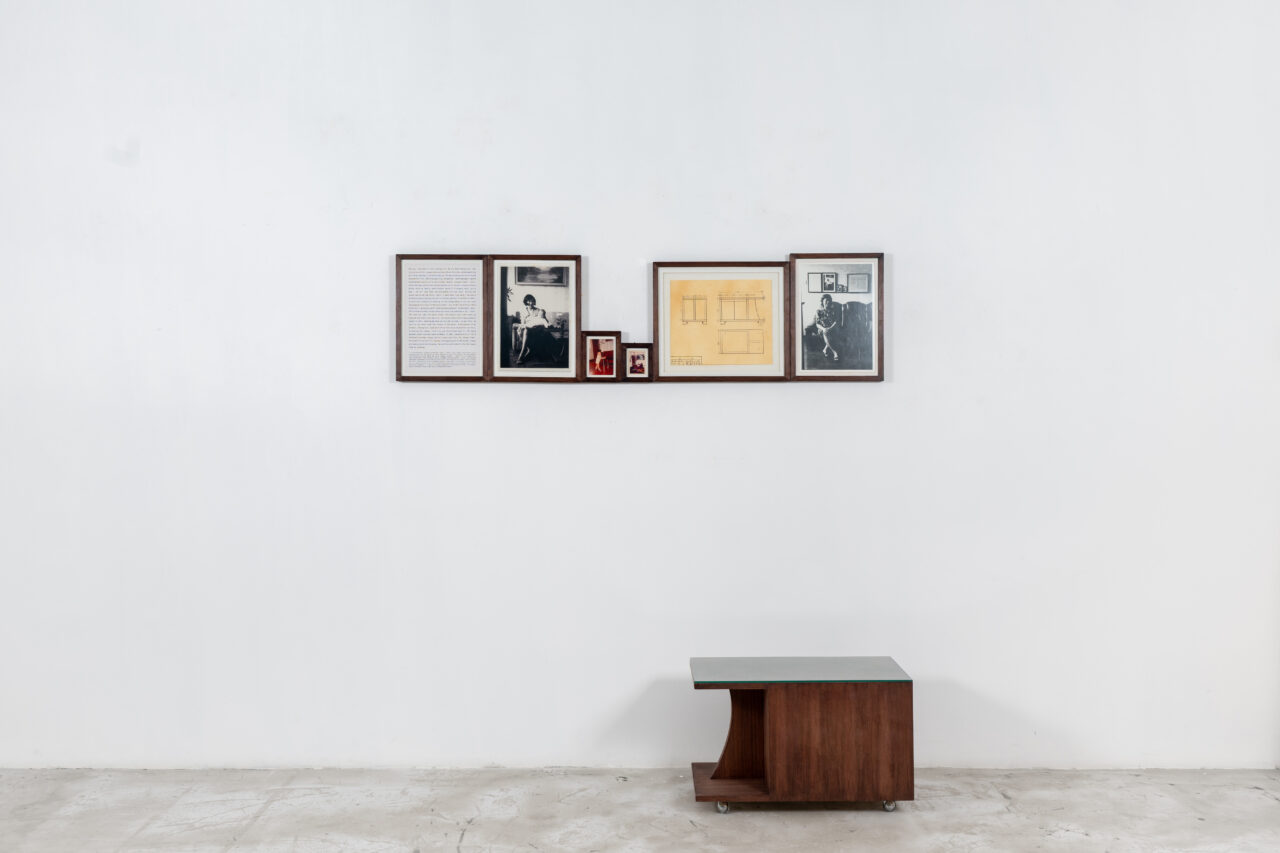
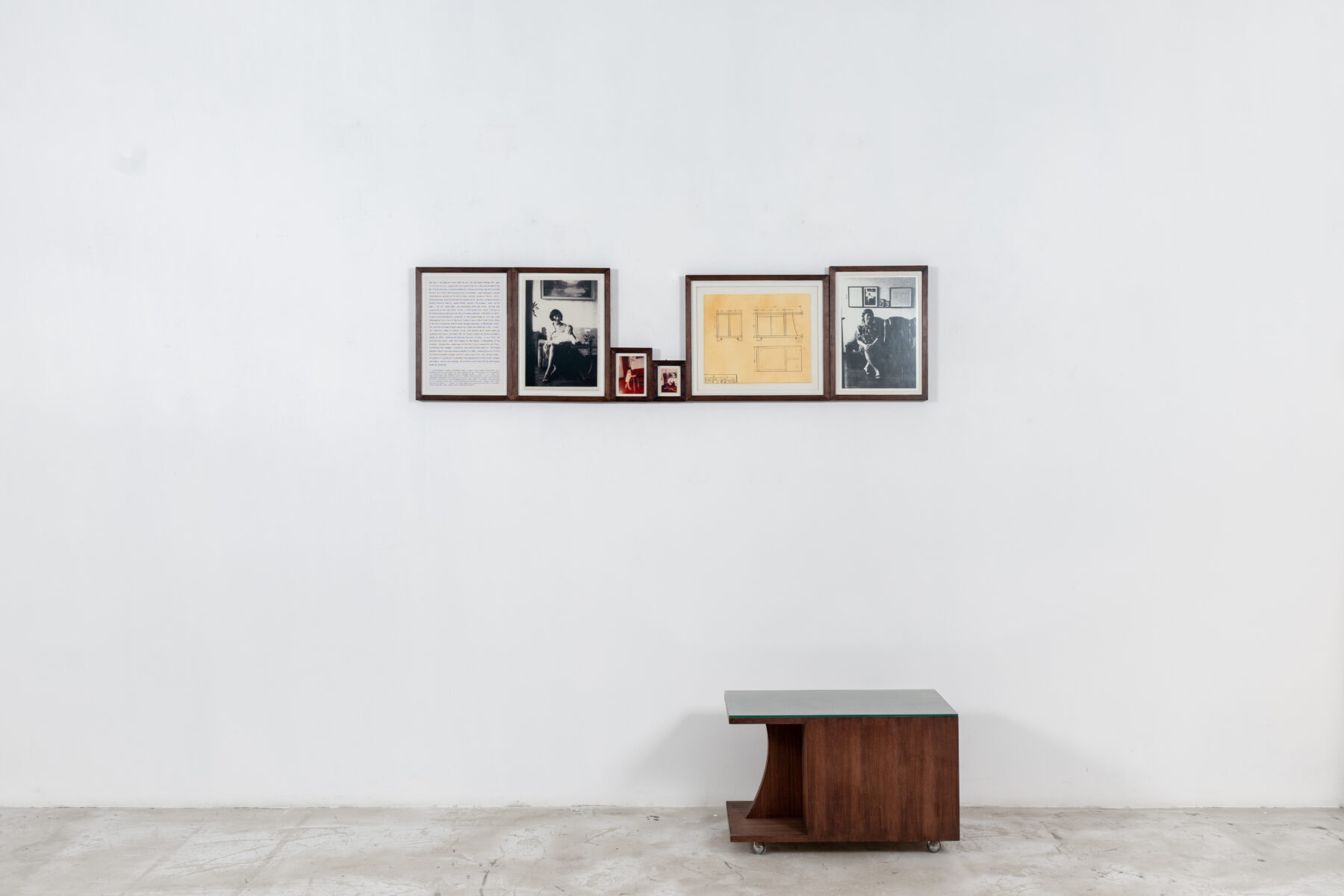
Teapoy (2005) by Kwan Sheung Chi
Photo: Courtesy of Kiang Malingue
At the end of the day, Wang believes it is the community that truly sets Art Basel apart. “Beyond viewing the key galleries and specific artist exhibitions, my ultimate priority is connecting with friends. Art Basel does an incredible job of gathering a curated, global community of like-minded people in one city,” he says. “For me, making the most of the week means taking advantage of that rare opportunity to get quality face time with friends who usually live on the other side of the world.”
Kim Bui Kollar, Stylist and Co-founder of Beaureguards
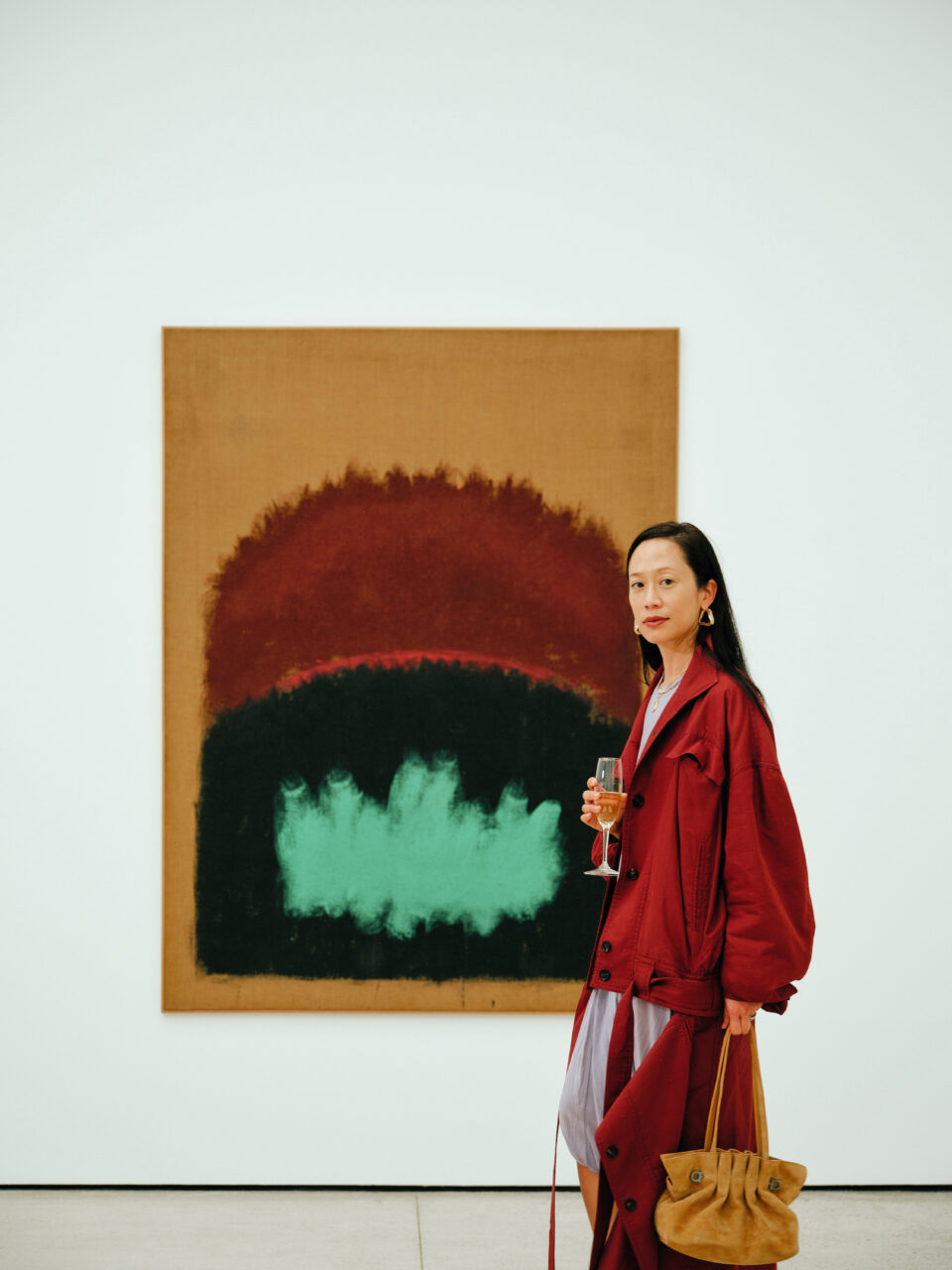
Kim Bui Kollar has got it all figured out. Having attended Art Basel year after year, she has mastered navigating the overwhelming expanse of art that is on show at the fair. “I go to my favourite visiting galleries first and then I allow for time to wander around to discover the galleries from the different cities and countries I haven’t been to,” she says. “I think breaks in-between to chat with people and take in what people are reacting to, are key.”
Visiting more than once if you can, also helps. Vernissage allows Bui Kollar to absorb the sights and sounds of the fair without the typical chaos of public days, but she always makes time to return with her kids. “I love seeing them experience art through their eyes and impressions,” she shares. “Even if they don’t know anything about the artist, it’s beautiful to see how they connect with some of the art. I also love seeing them play next to the art—to me it depicts how rich city life can be.”
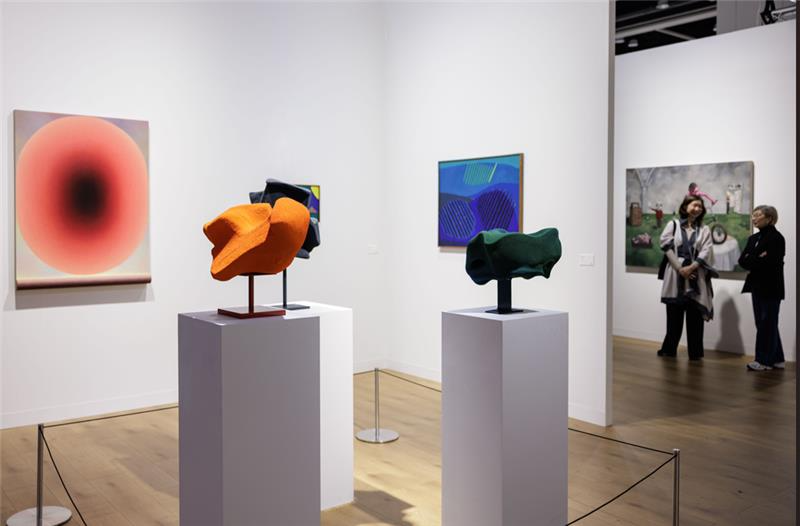
Bui Kollar has a gameplan for the 2026 edition of Art Basel. “I am on a bit of a mission this year. Last year we came across some wonderful artists from the Middle East and Africa that we were really taken by. Now, I want to look for contemporary painters doing interesting things depicting nature scenes, and Impressionist paintings depicting natural elements,” she says. “Outside of that, there are two contemporary artists that do really beautiful explosive things with colour that I have been following: Grace Carney and Zheng Zhou. As for galleries, I look forward to seeing PPOW Gallery and Pace Gallery.”
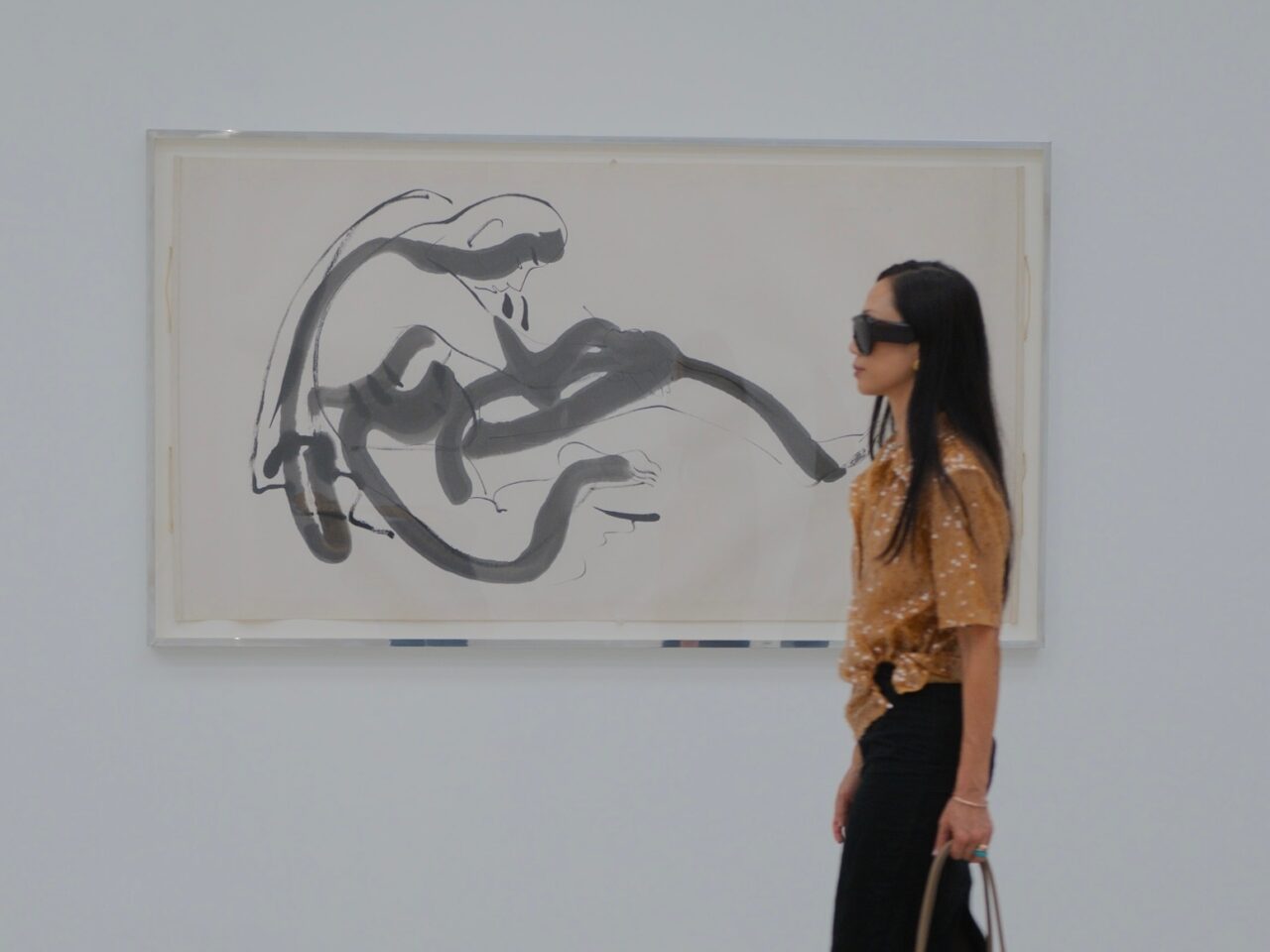
Bui Kollar’s considered approach to art also extends into her wardrobe. “I really consider an intellectual approach to the design of the pieces and the looks I want to wear,” she explains. “It isn’t about what is sexy, glamorous, pretty, or trendy.” For Bui Kollar, that translates into cool pieces with high design value by brands like Phoebe Philo, Bottega Veneta, Sacai, Old Celine, Balenciaga from the Nicholas Ghesquière era, A.W.A.K.E Mode, and Prada. But you’ll never catch her in a full runway look; she mixes designer labels with timeless pieces like a smart tuxedo pant or midi skirt, drawing inspiration from stylish women like Shala Monroque, Natasha Goldenberg, and Carolyn Besette Kennedy (“like when she wore Yoji”).
Comfort, she notes, is of course essential during Art Week. Days are notoriously long, packed, and filled with impromptu catch-ups with other creatives who have flown in from all over the world to catch Hong Kong’s art scene at its peak. “This is the one week that I won’t touch stilettos and a pointy toe heel unless I know that it is just a dinner and then straight home,” Bui Kollar admits. Her process always begins with the shoes to ensure she’ll be comfortable enough to breeze through whatever the day throws at her, but is complete with a “hero” piece. Bui Kollar’s certified Art Week staples are unique skirts with movement, a cool jacket (often layered over a dress), and riding boots that lend high fashion energy to any look.
Laura Cheung, Founder of Lala Curio
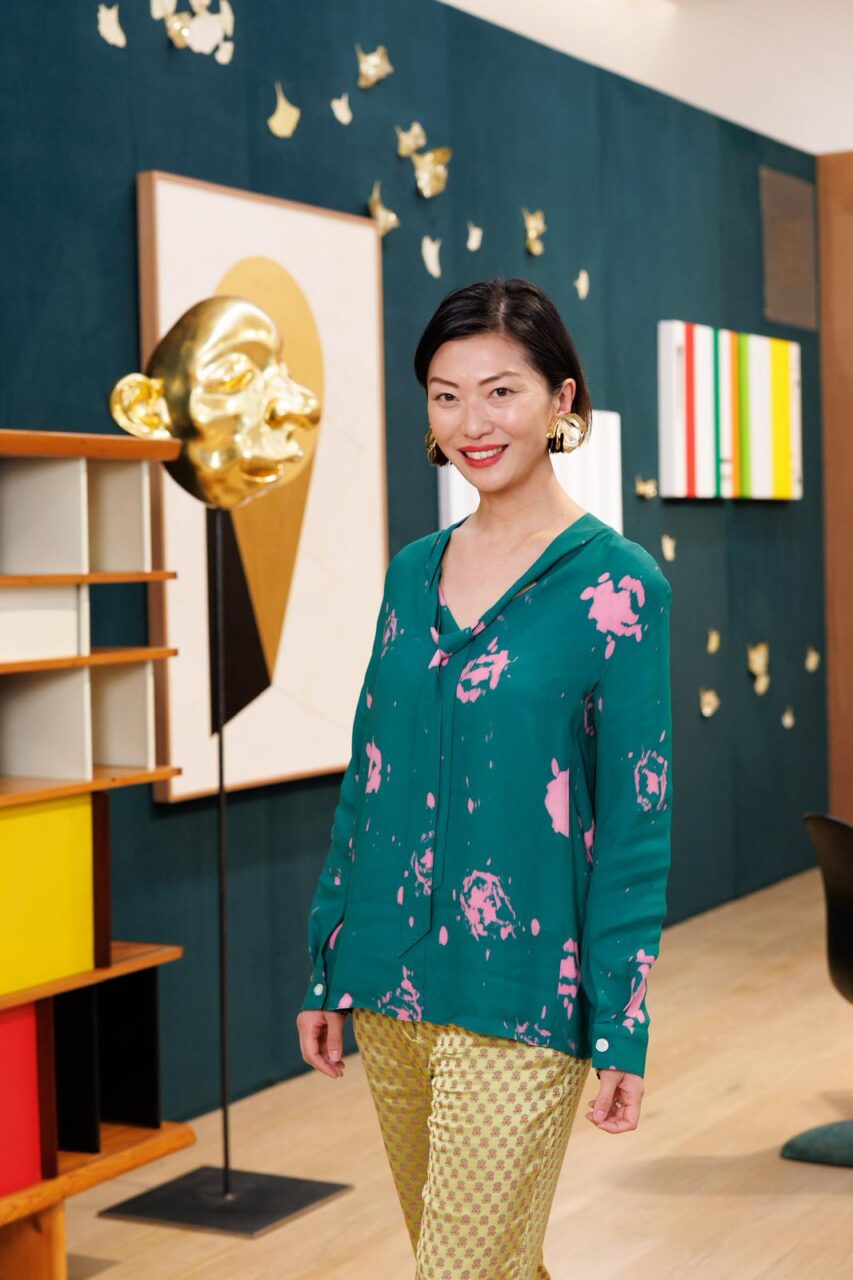
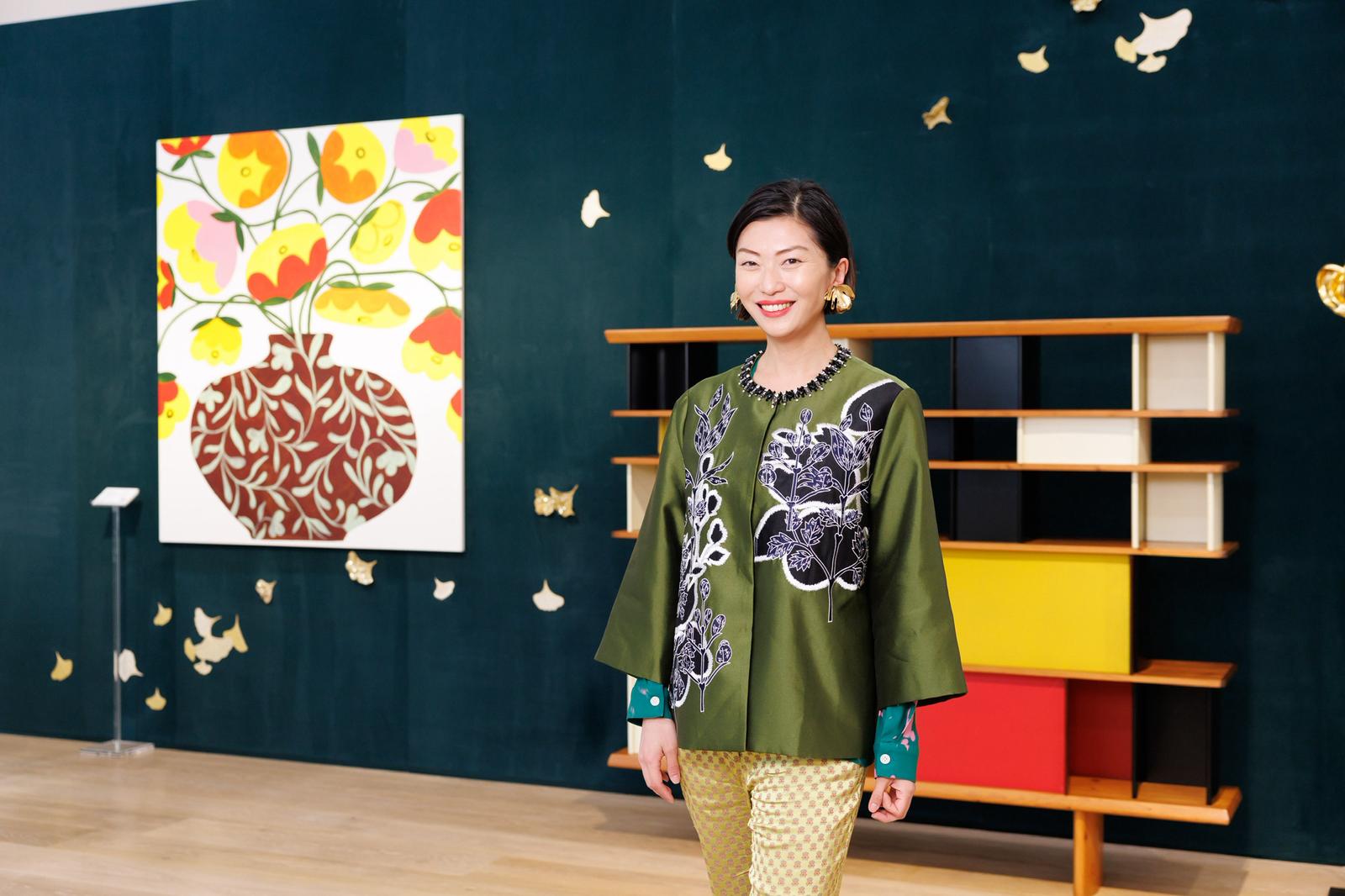
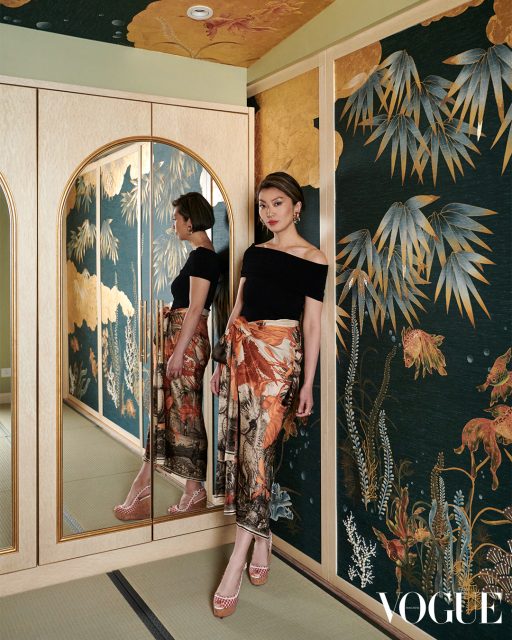
For Laura Cheung, founder of interiors brand Lala Curio, Art Basel Hong Kong is an invitation to dress as expressively as the art on display. “I live for colours and patterns. Nothing ever really goes together—but somehow it always does,” she declares, describing her approach to dressing for Art Week as creating “a walking tapestry.” Drawing from designers like Dries Van Noten, Etro, Zimmermann, and Prada—brands that embrace colour, texture, and craft—Cheung layers unexpected prints and textures with kimono-style pieces and statement clip-on earrings. “Art Week is the perfect moment to dress a little more playfully and artistically,” she notes, channelling the same fresh, glamorous approach that defines Lala Curio’s Chinoiserie-inspired wallpapers and cloisonné tiles.
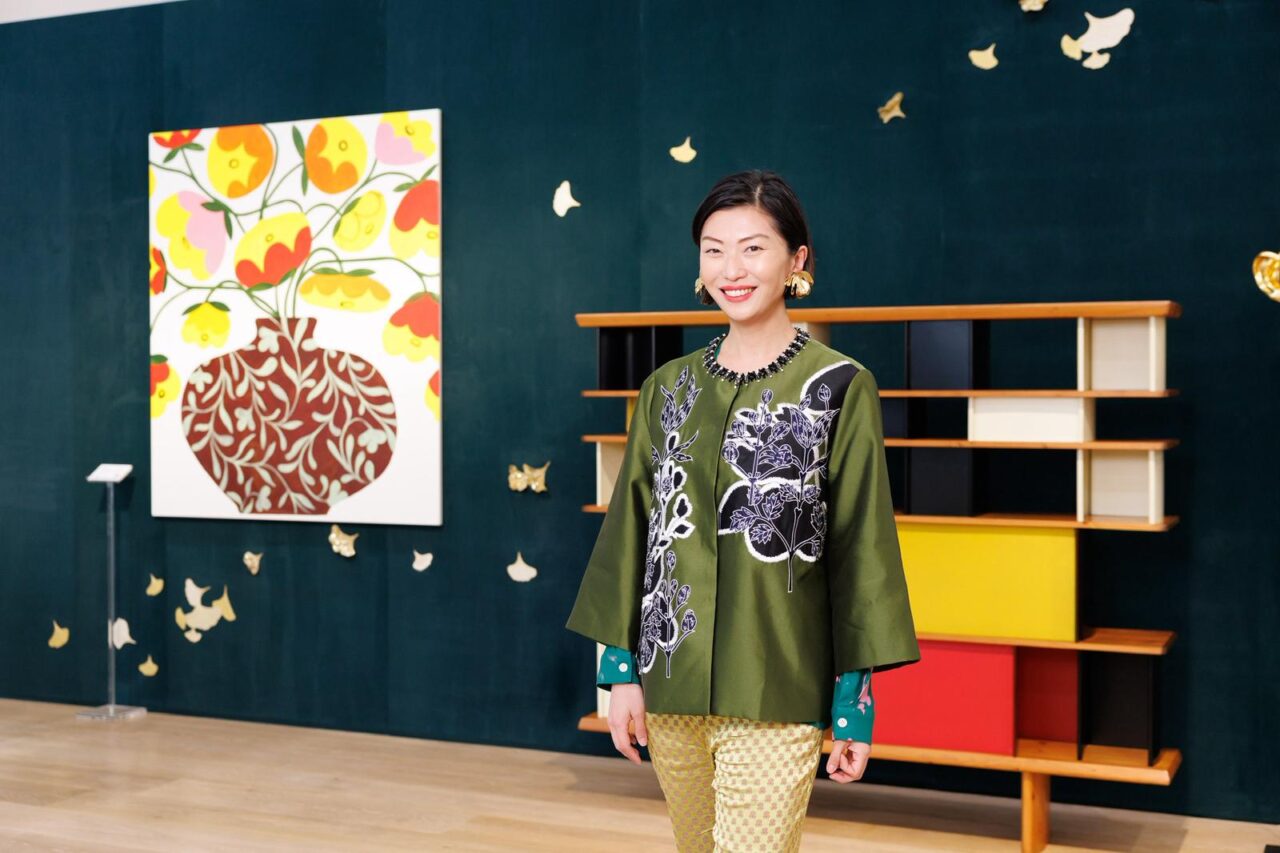
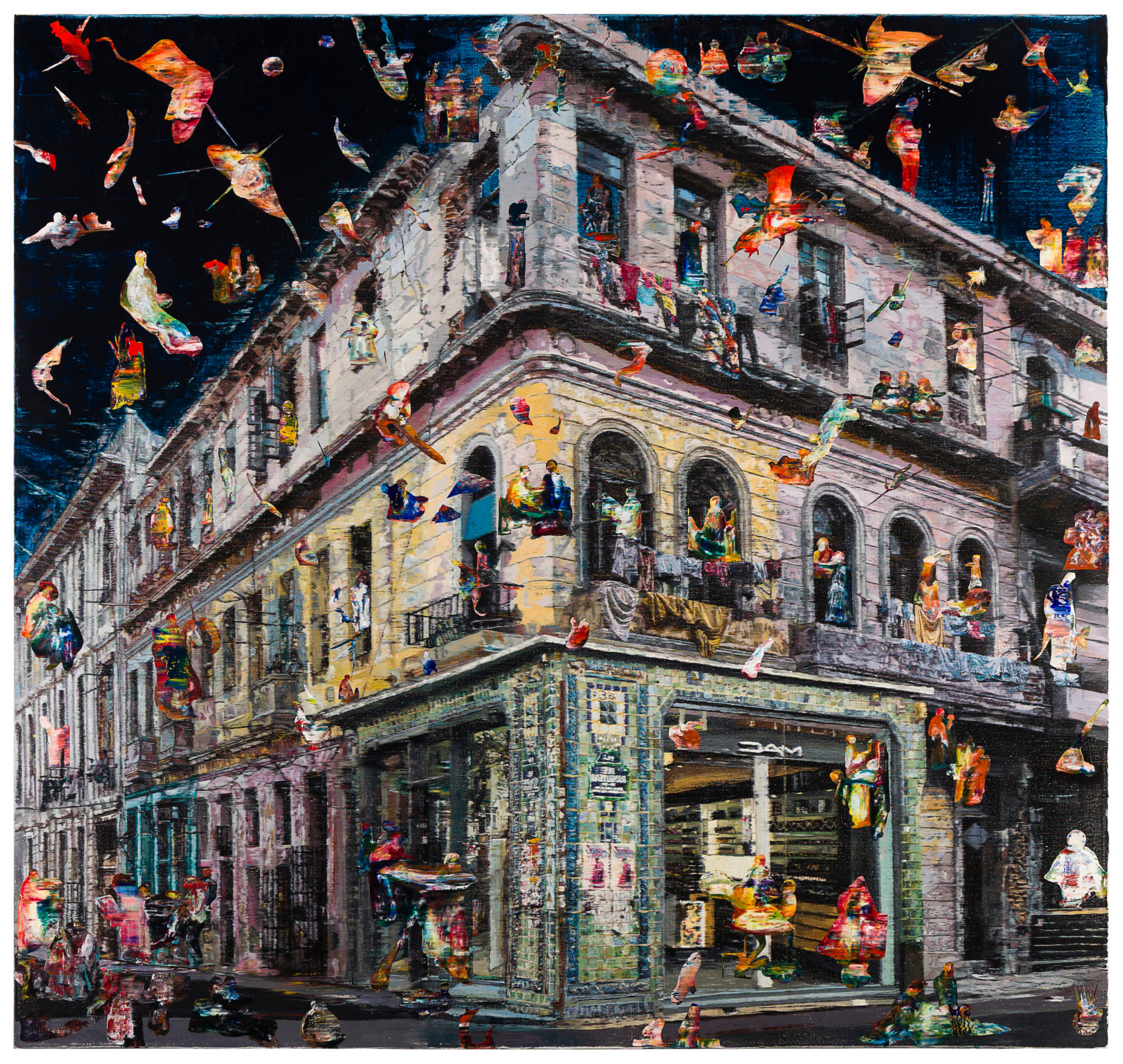
Despite her maximalist sensibility, Cheung prioritises comfort during Art Week’s marathon days. “Comfort is essential because the days are long. I gravitate toward loose silhouettes, beautiful fabrics, and flats so I can move easily between fairs, gallery visits, and evening events,” she explains. Her preferred strategy for navigating the fair reflects her need for quiet contemplation amid the social whirlwind: “I’m usually terribly distracted by social encounters—bumping into friends and rushing from one event to another. My favourite way to experience the fair is actually to go early in the morning alone and wander quietly. That’s when I can really get lost in the art.” This year, she’s particularly excited about what Kiang Malingue Gallery has to offer. “I’m drawn to artists whose work feels poetic and layered with storytelling. I particularly love the cinematic, atmospheric paintings of Yuan Yuan and the richly imaginative worlds created by Sun Xun.”
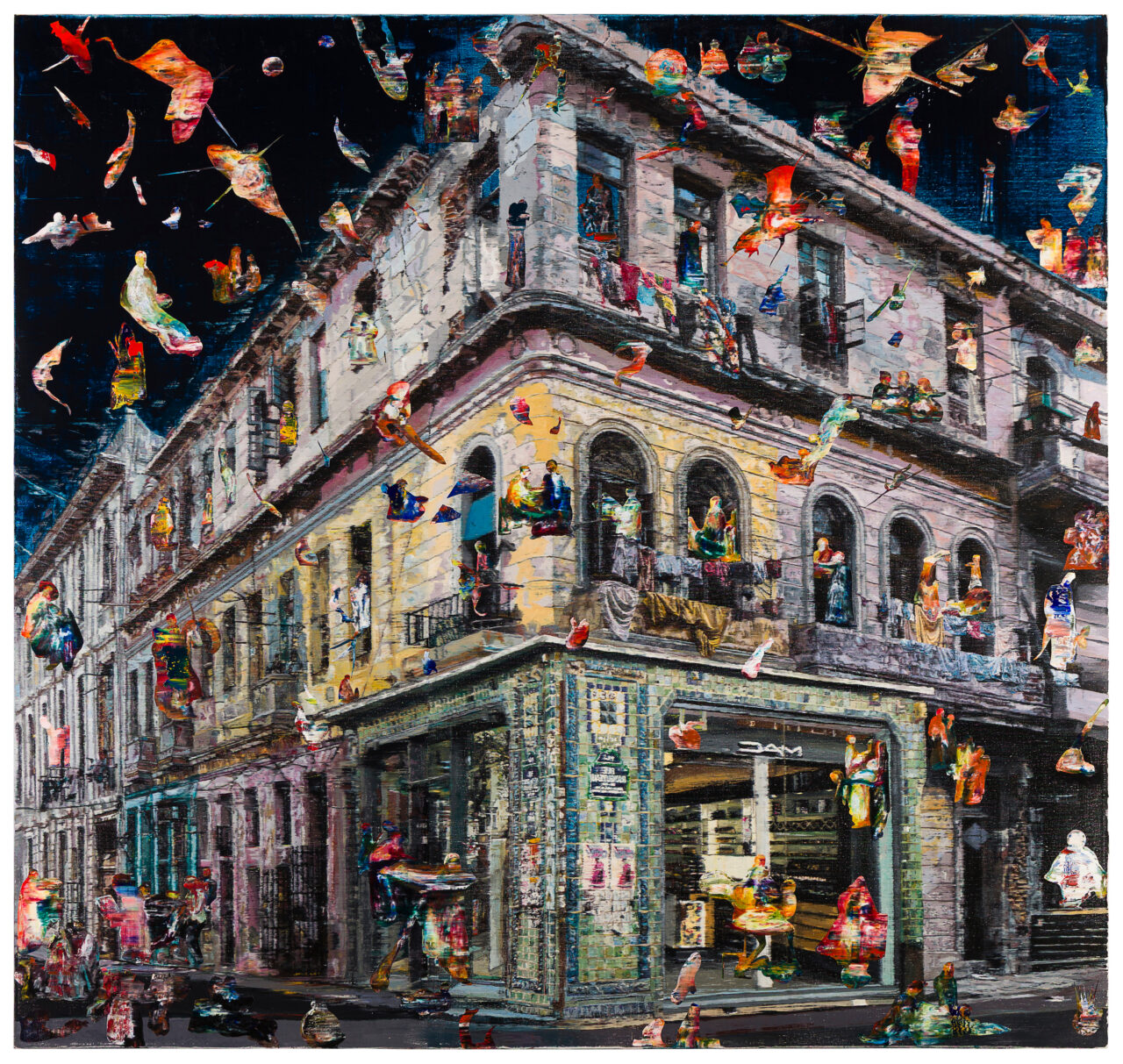
Nourishment of the Mortal Realm (2026) by Yuan Yuan
Photo: Courtesy of Kiang Malingue
As someone who spent three years in rural China working alongside artisans to create her collections, Cheung has a deep appreciation for artists who bridge traditional craftsmanship with modern vision. “The poetic porcelain sculptures of Yee Soo-kyung, the exuberant textile and ceramic installations by Joana Vasconcelos, and the intricate narrative works of Wu Jian’an all beautifully bridge heritage craft with contemporary imagination,” she continues. “At the same time, I always love discovering and supporting artists connected to Hong Kong. Wong Ping brings such a bold visual language and playful storytelling to the global stage, which feels very exciting.”
Daphné Mandel, Artist and Filmmaker
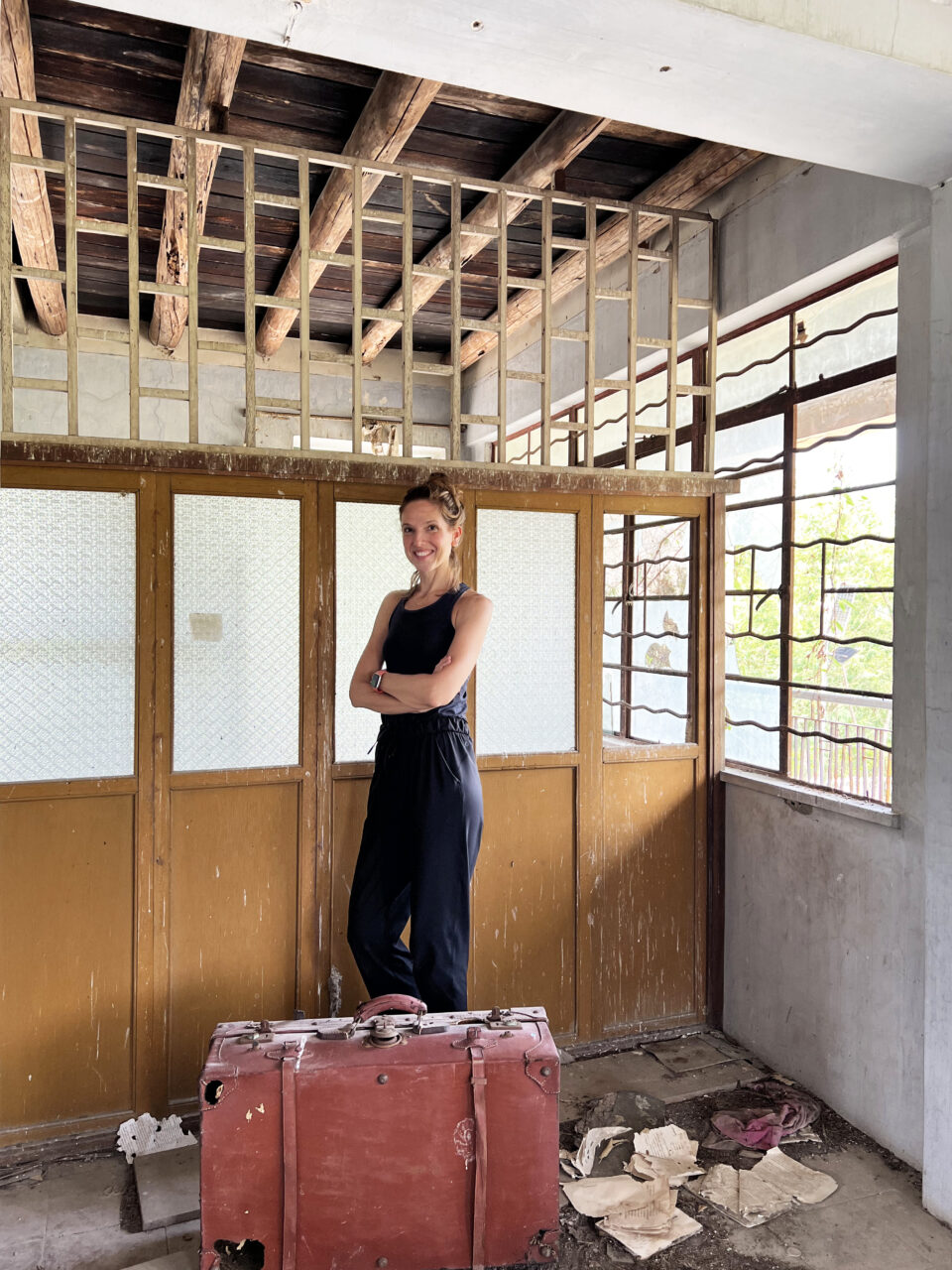
According to Daphné Mandel, getting dressed should be the most effortless aspect of attending Art Basel. The Hong Kong-based French artist is guided by pure instinct; she adheres to a self-imposed rule of no longer than five minutes before she leaves to choose an outfit, always opting for something comfortable, casual and a tad bit cool. For her, “cool” often means a purchase from her native 6th Arrondissement in Paris, and a tote bag from a meaningful project she worked on in a rural Hong Kong village. “It is sentimental and carries cherished memories,” she says. “In my otherwise effortless routine, it’s the one thing that holds a little extra meaning.”
Mandel sees Art Basel as an opportunity to reconnect with the artist community. “We are usually wrapped up in our own creative worlds, racing against deadlines, that we rarely see each other,” says Mandel. “Except maybe at openings or Gallery EXIT’s famous yearly hotpot nights, where 50 of us squeeze around steaming pots sharing food and stories.” It’s moments like these beyond Art Basel that truly demonstrate just how invaluable the fair has become in facilitating invaluable points of connection for all those involved.
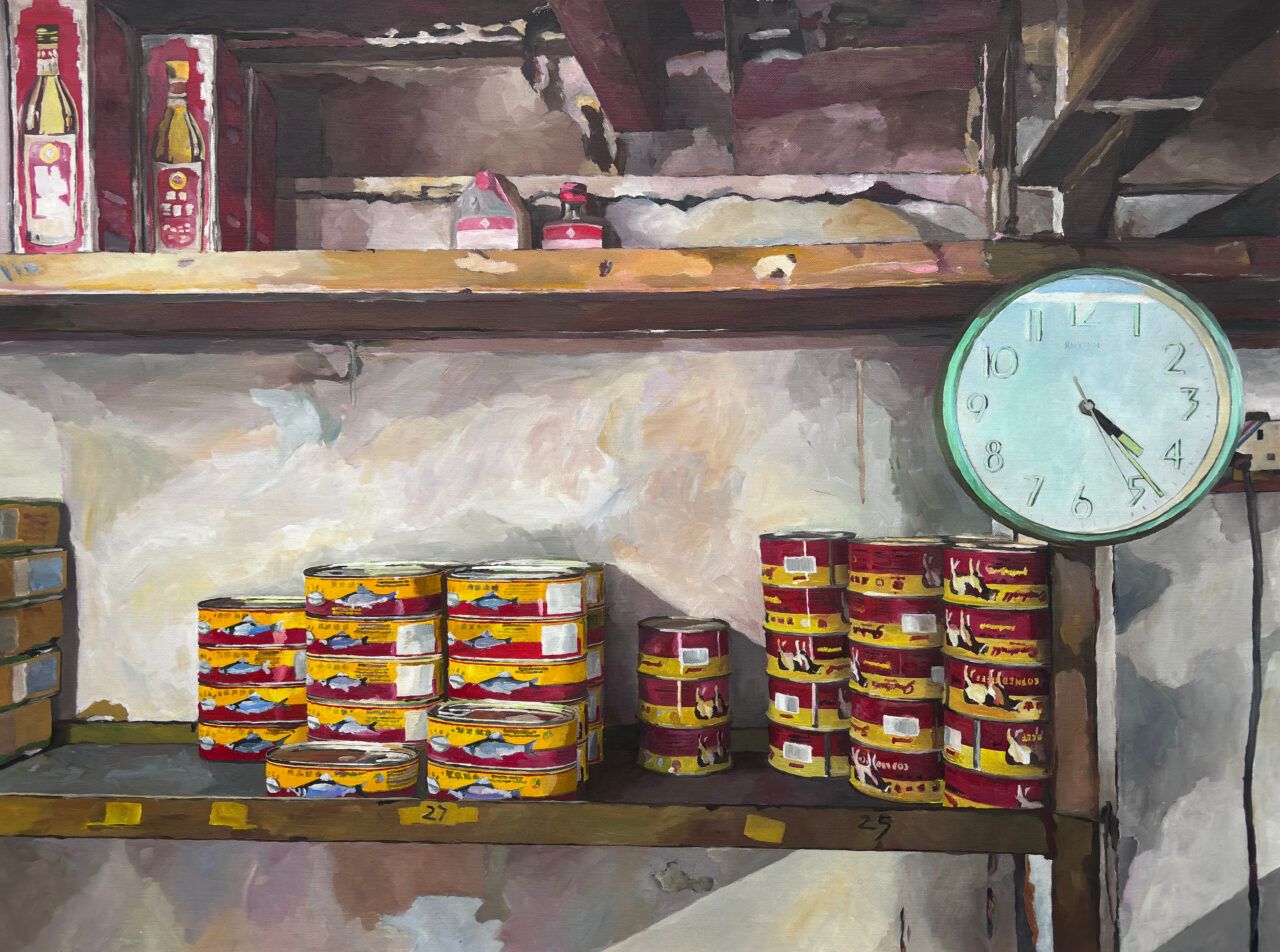
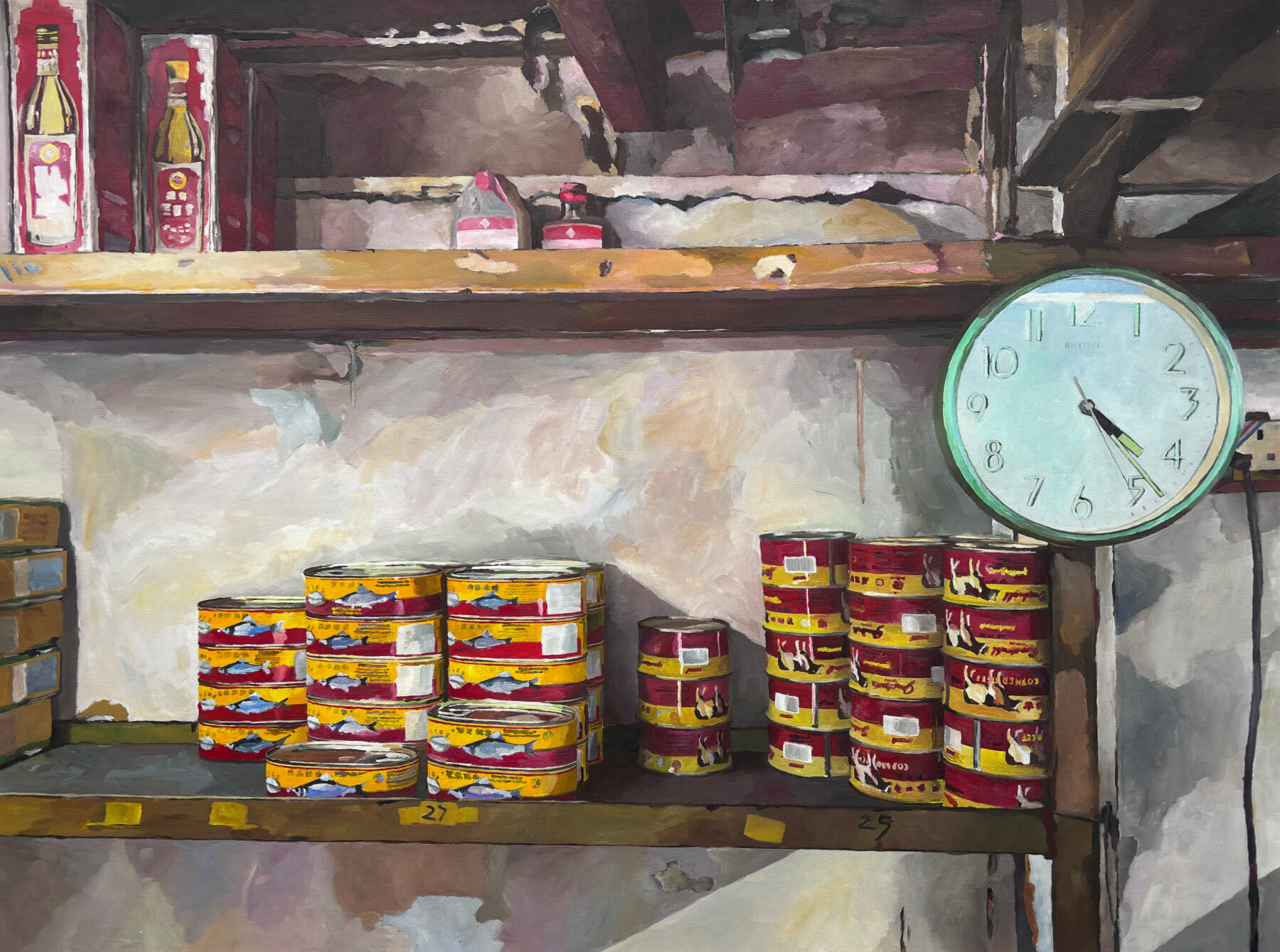
Where it all Started (2026) by Daphné Mandel.
Photo: Courtesy of the artist
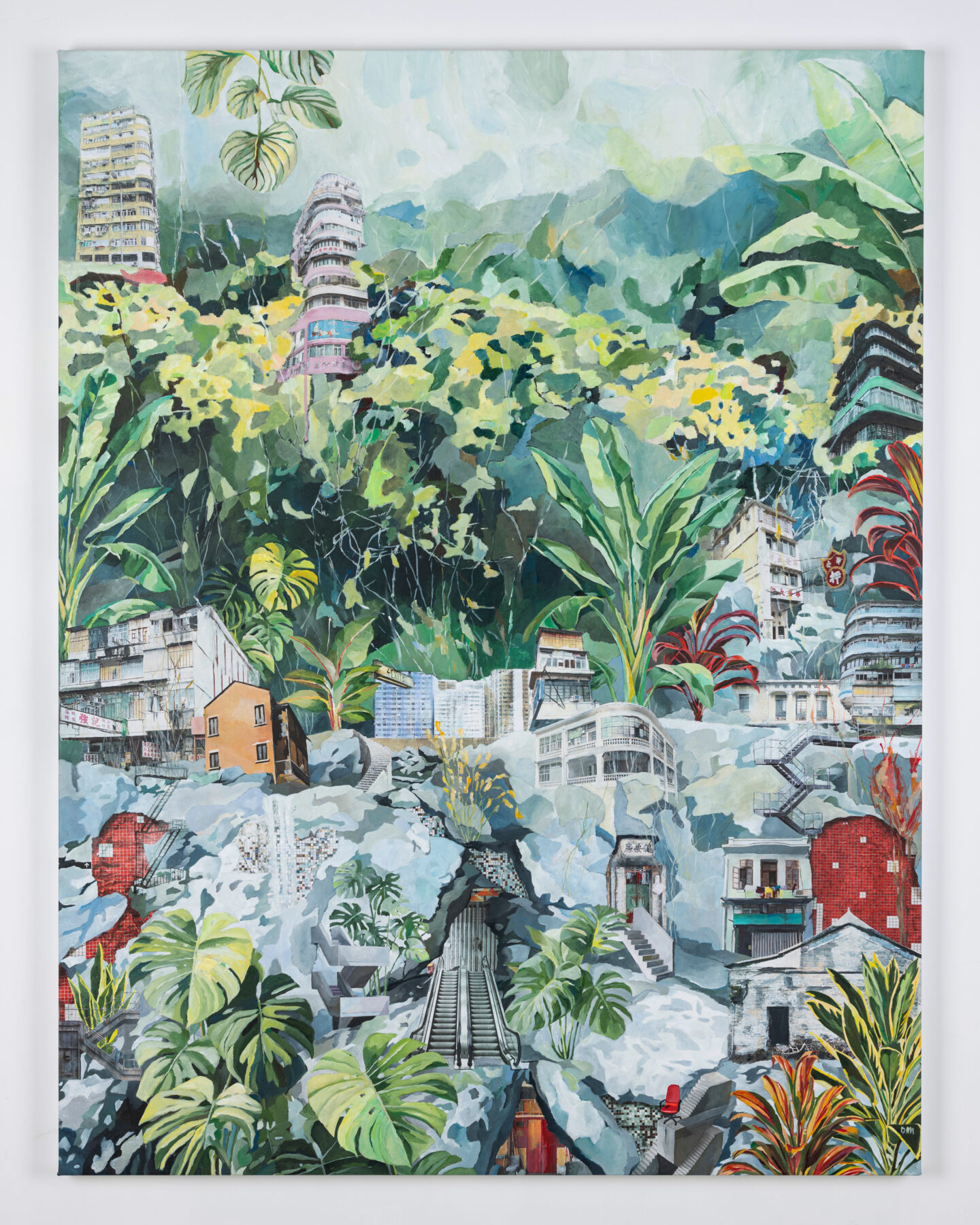
This year, Mandel will be showing her artwork with Gallery EXIT. Moulded by her background as a former landscape architect, Mandel’s upcoming and ongoing projects are deeply rooted in celebrating Hong Kong’s ever-changing landscape. Her works take a particular interest in what she calls the city’s “liminal” zones, spaces that are caught between transformation and memory, toeing the line that separates Hong Kong’s rural past and its urban future. “I want audiences to see the richness of these spaces—not as margins, but as vital parts of Hong Kong’s identity,” she says. “The works frame the city’s contradictions where the ordinary becomes a testament to resilience and change.”
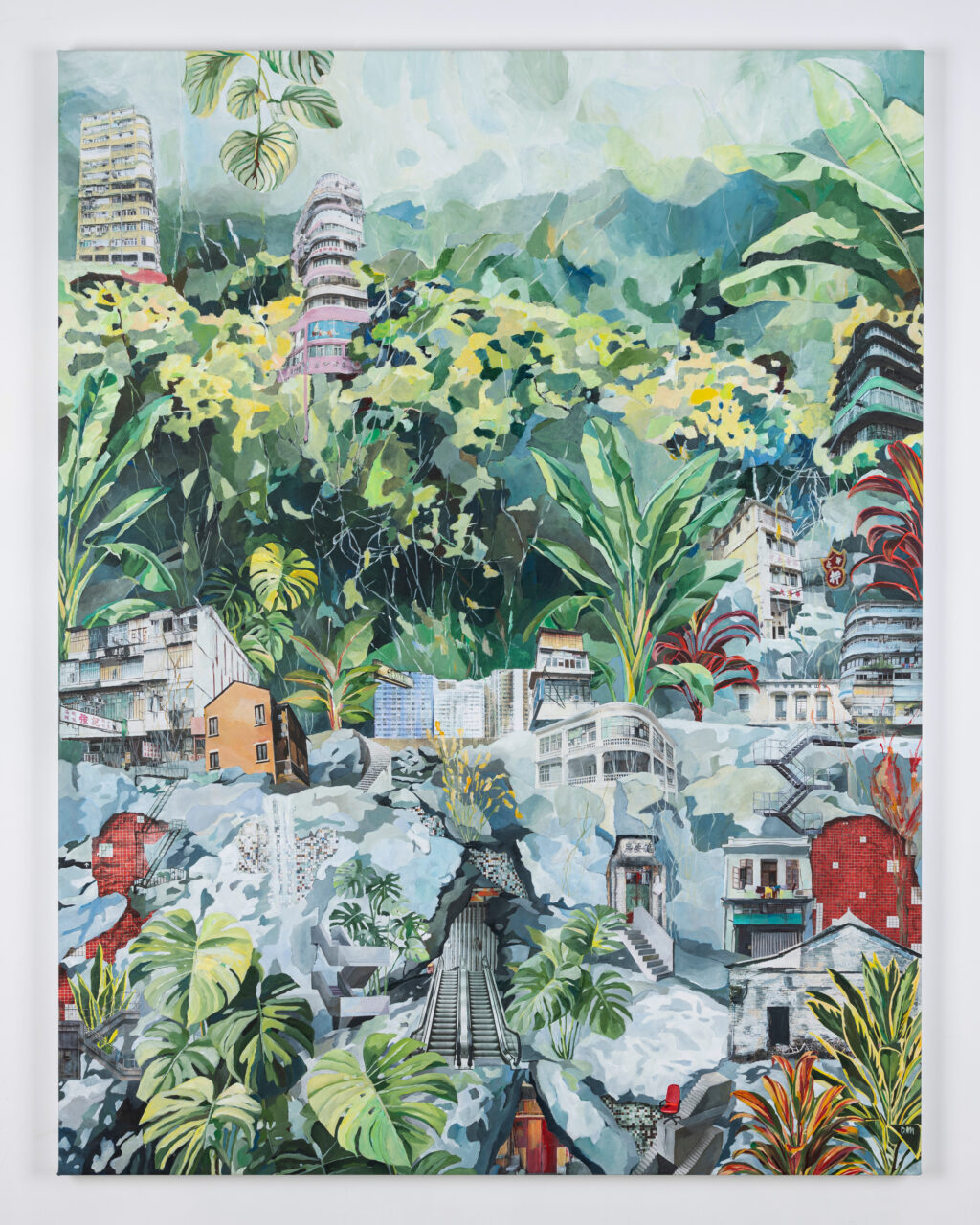
The City is Whispering to Me (2026) by Daphné Mandel.
Photo: Courtesy of the artist
It is this profound appreciation for Hong Kong that also shapes Mandel’s advice for first-time attendees of Art Basel. “As a long-time Hong Kong–based artist, I would encourage first-time visitors to seek out works that resonate with the city’s distinct character,” she says. Yes, the fair is an undoubtedly global display of creative talent, but placed in the context of Hong Kong it poses an entirely new experience. “It also serves as a platform for local voices and perspectives, offering a deeper narrative beyond the city’s usual stereotypes,” Mandel continues. “Art Basel isn’t just about the spectacle; it’s an opportunity to connect with Hong Kong’s cultural heartbeat and uniqueness!”
Editor
Alyanna Raissa J. Payos and Kaitlyn Lai, in editorial collaboration with Art Basel Hong Kong