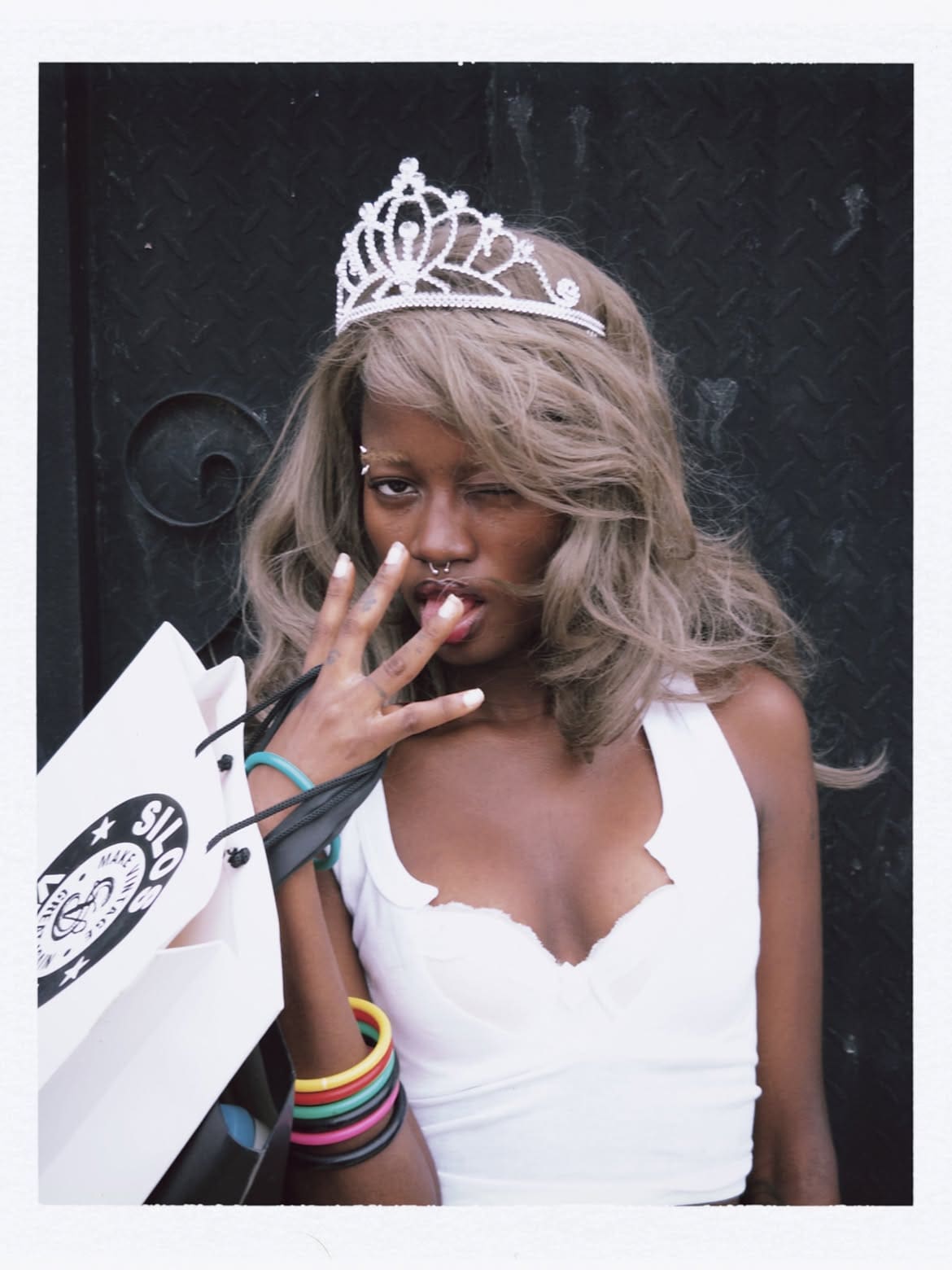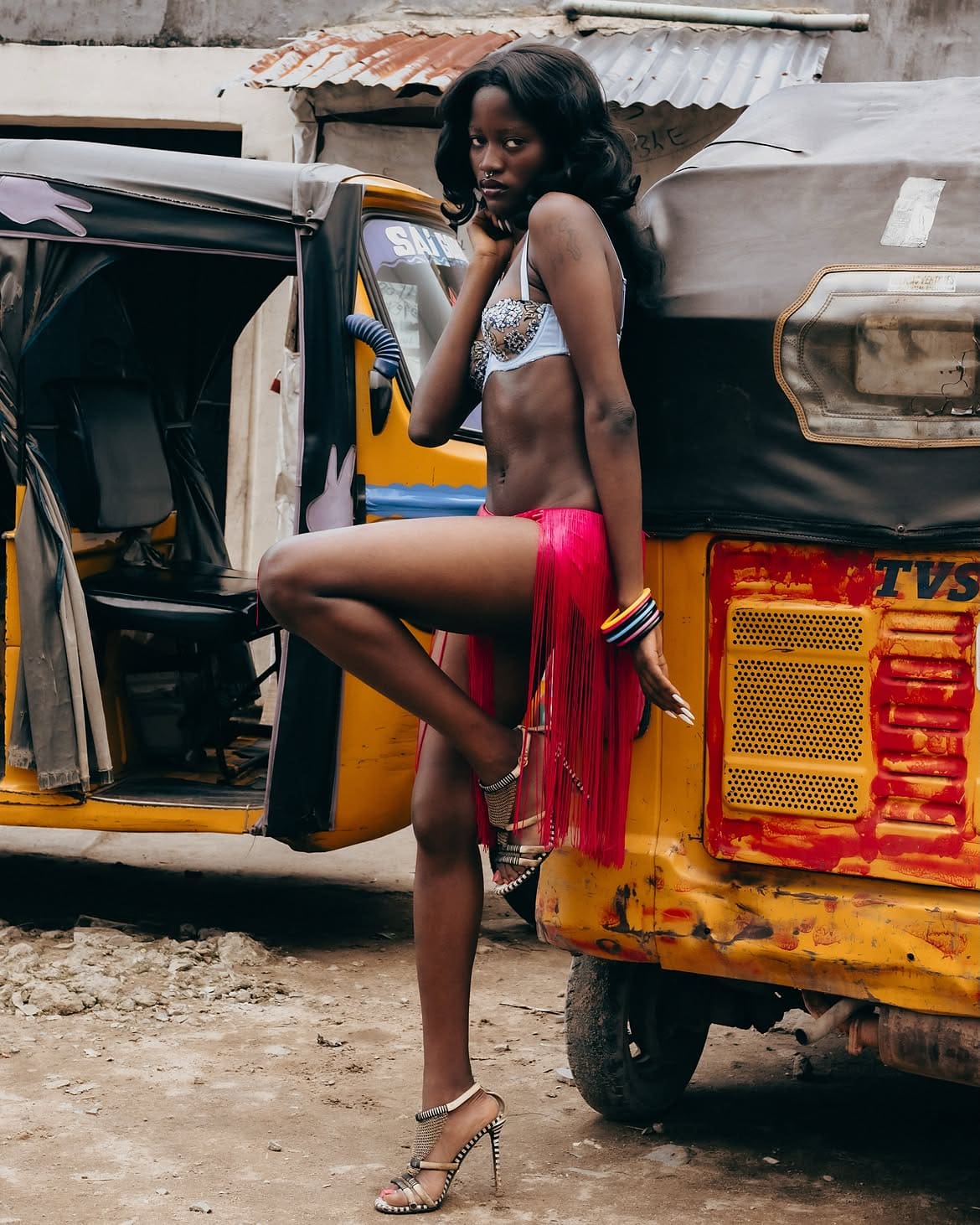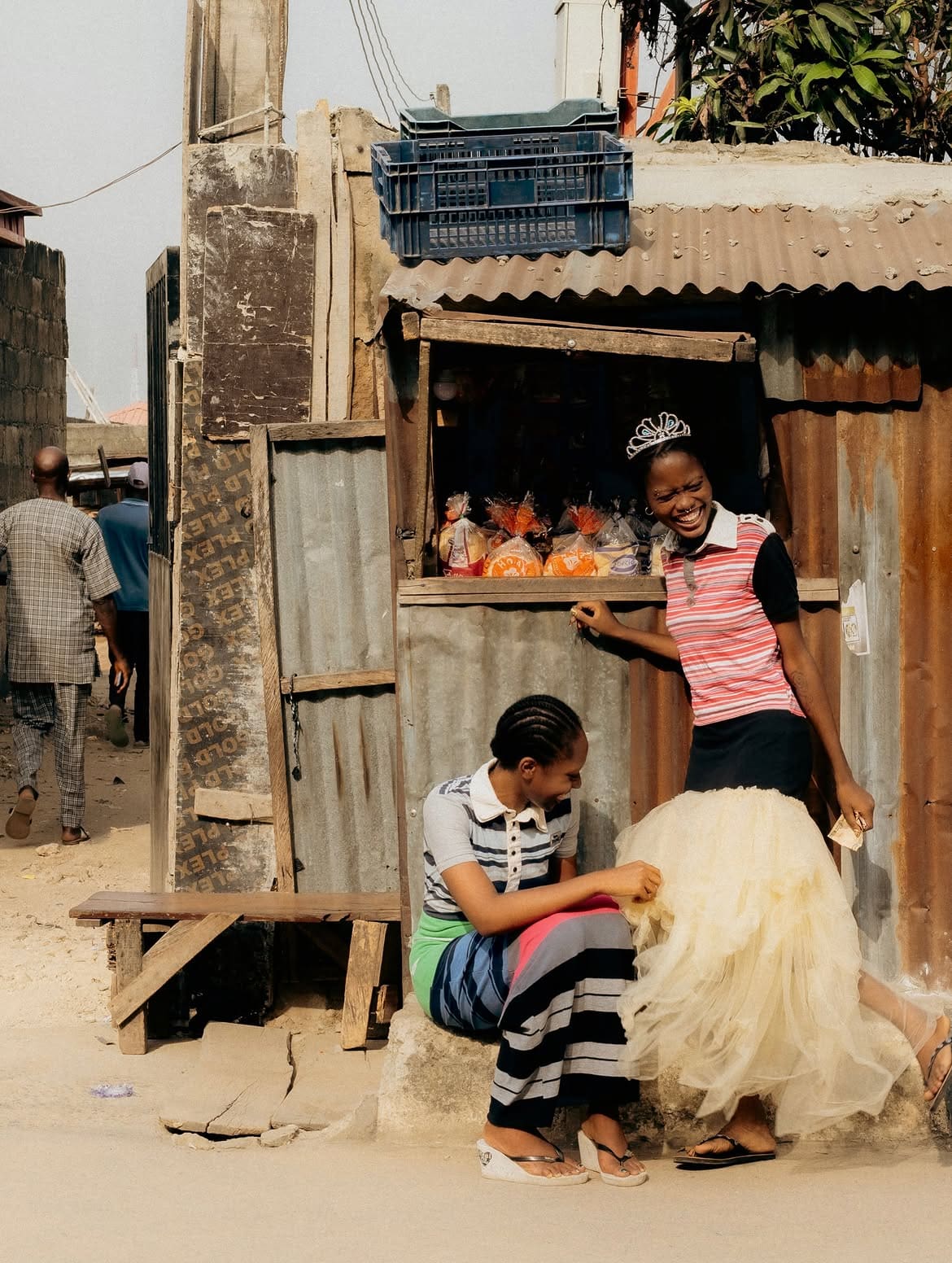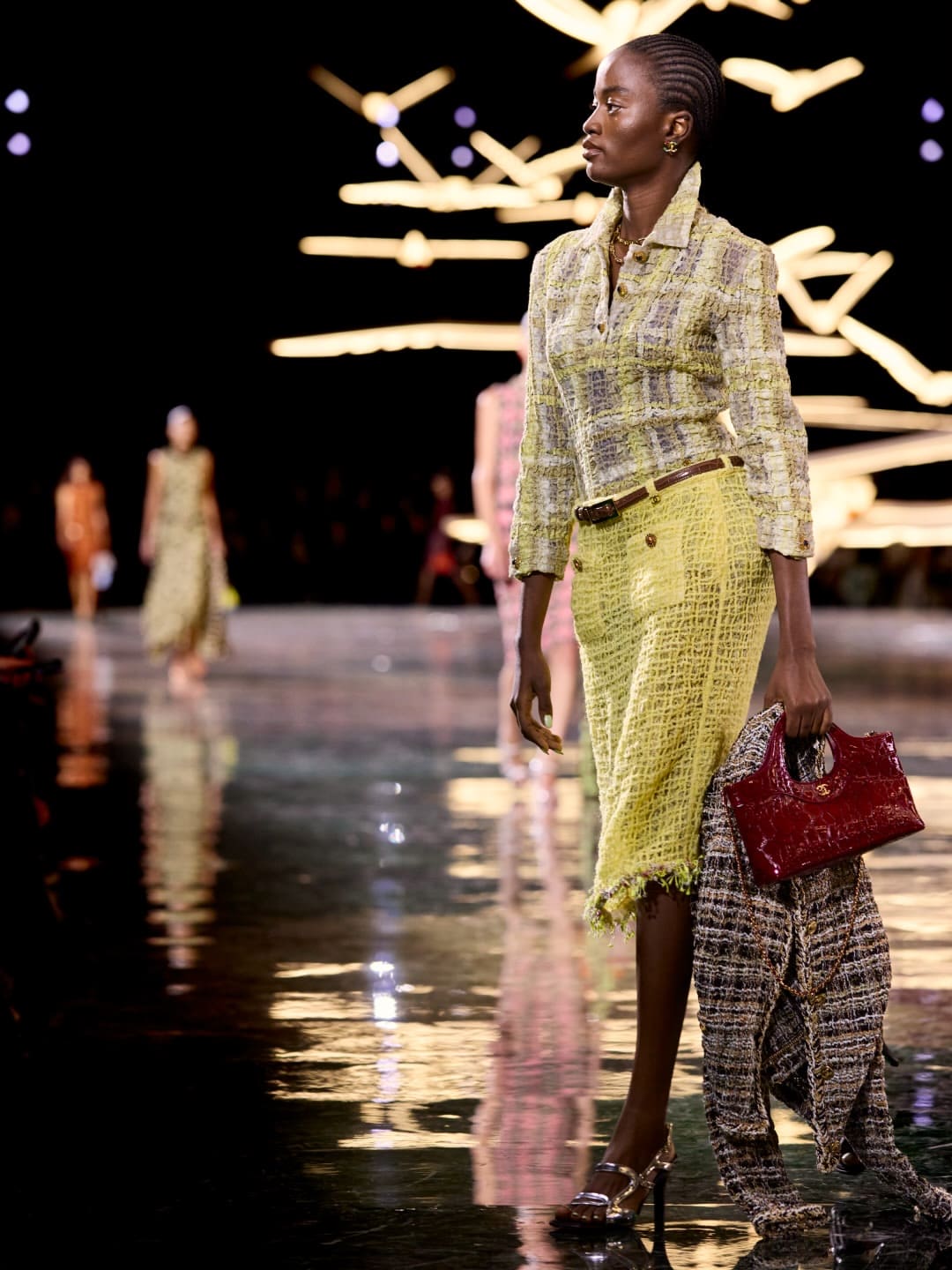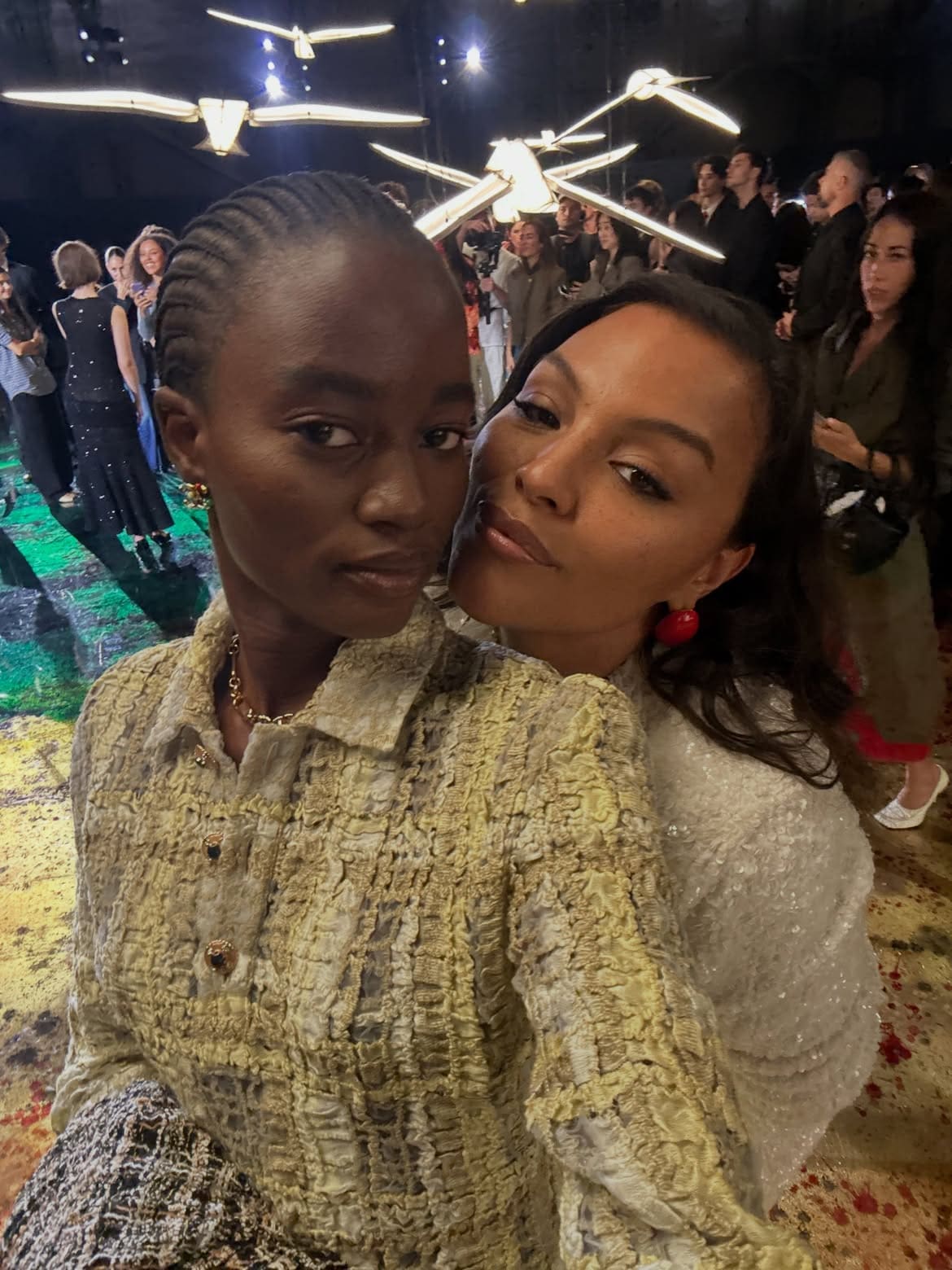


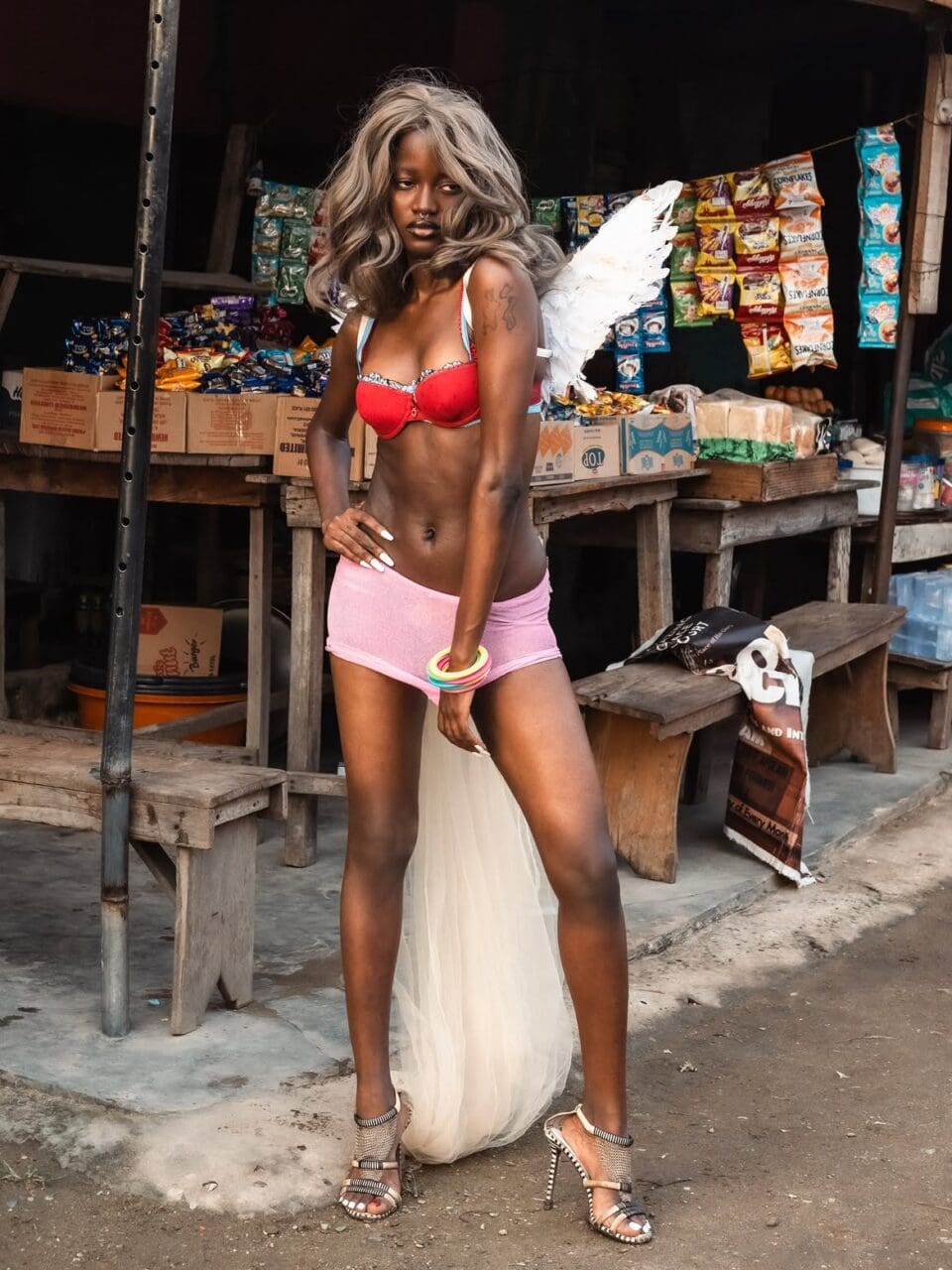
One minute, Rachel Ojuromi was turning Lagos streets into her personal runway. The next, she was walking Chanel in Paris. At 22, Rachel Ojuromi has already had the kind of fashion debut that usually takes years to arrive: stepping onto the Chanel Spring/Summer 2027 runway at the Grand Palais. But before Paris, there was Lagos. Before the casting, there were petrol stations, crossroads and busy streets. And before the agencies, the runway and the fashion-world attention, there was simply Rachel, putting on an outfit that felt authentically herself and making the city her backdrop.
So, how exactly did she get here?
Before The Runway
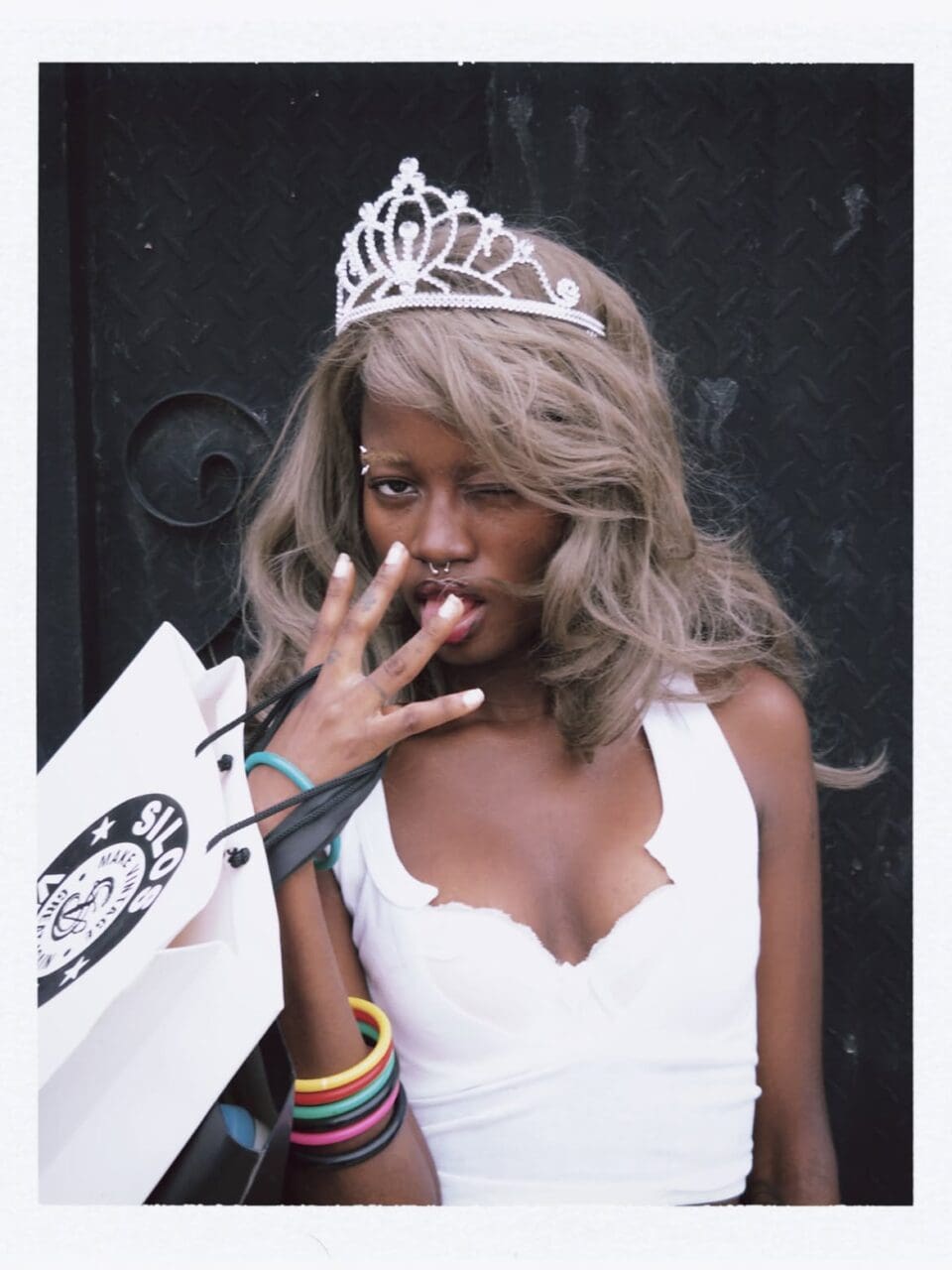
Modelling was never quite the master plan. Ojuromi originally wanted to be a filmmaker, going to film school before her creative interests expanded into fashion and art direction. She also founded The Process Africa, a platform dedicated to documenting young African creatives across fashion, film and visual culture – a reflection of her instinct to build creative worlds rather than simply step into someone else’s. She was interested in making images long before she was the one being photographed in them.
That background goes a long way towards explaining why her fashion content feels so different. Ojuromi isn’t simply putting together outfits and pressing record; she thinks about the world around her. The clothes, the location, the movement, the camera – everything has a role to play. Her videos feel less like the usual ‘OOTD’ and more like tiny fashion films, with Ojuromi somewhere between the protagonist and the director.
It is perhaps why her route into modelling feels unconventional. Long before she stepped into the Grand Palais, Ojuromi was already directing the fantasy around her and, most importantly, doing it on her own terms.
The Lagos Runway
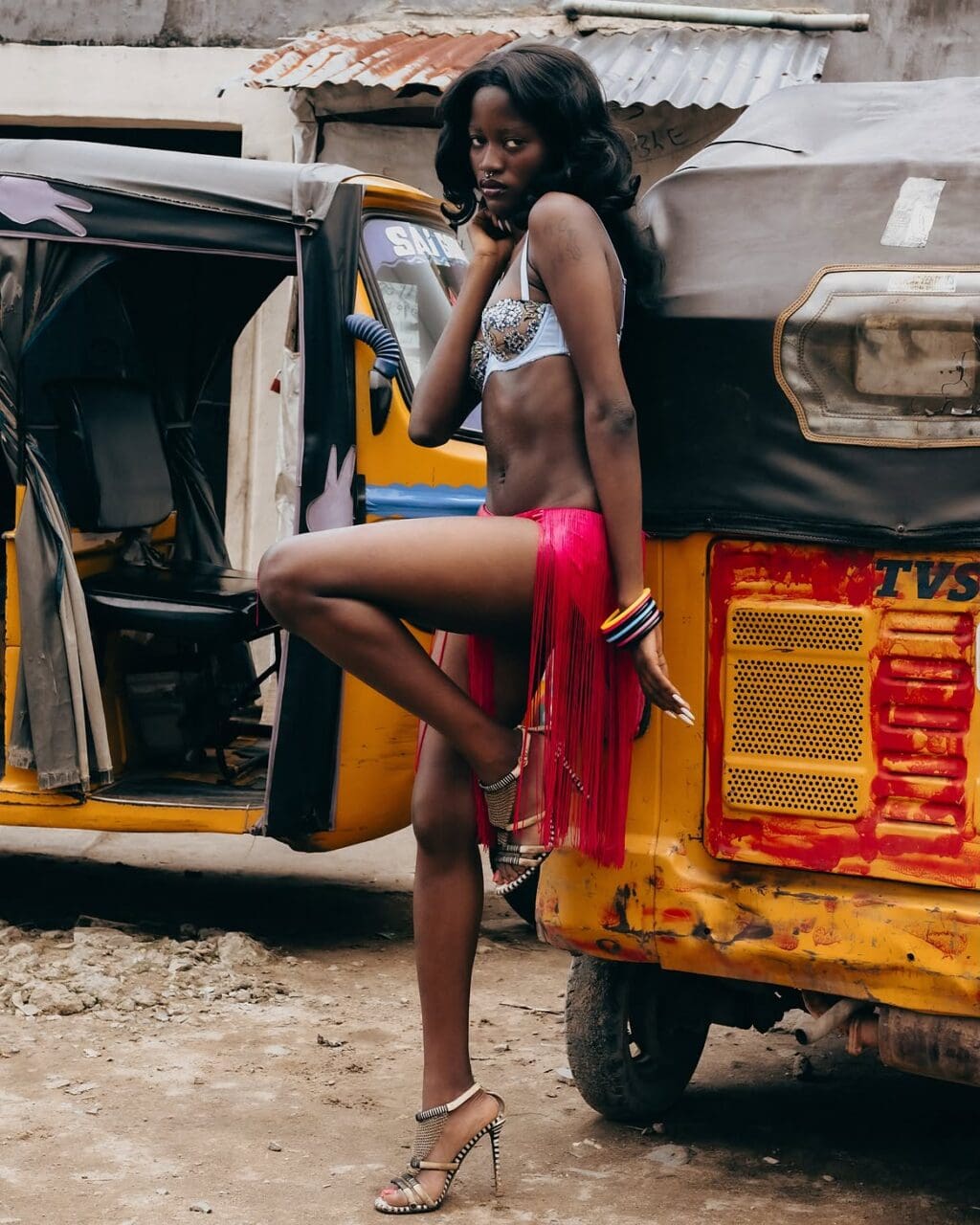
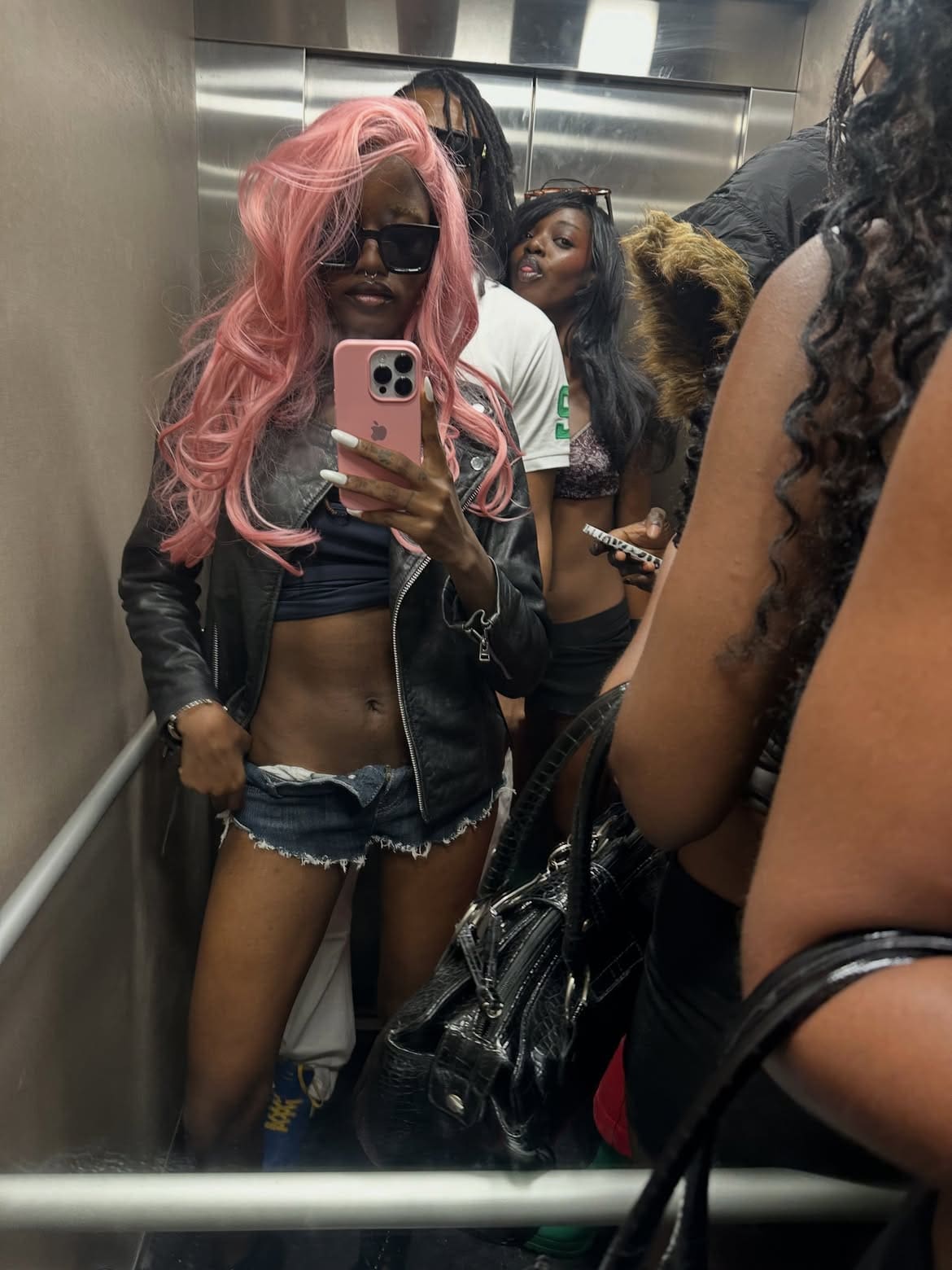
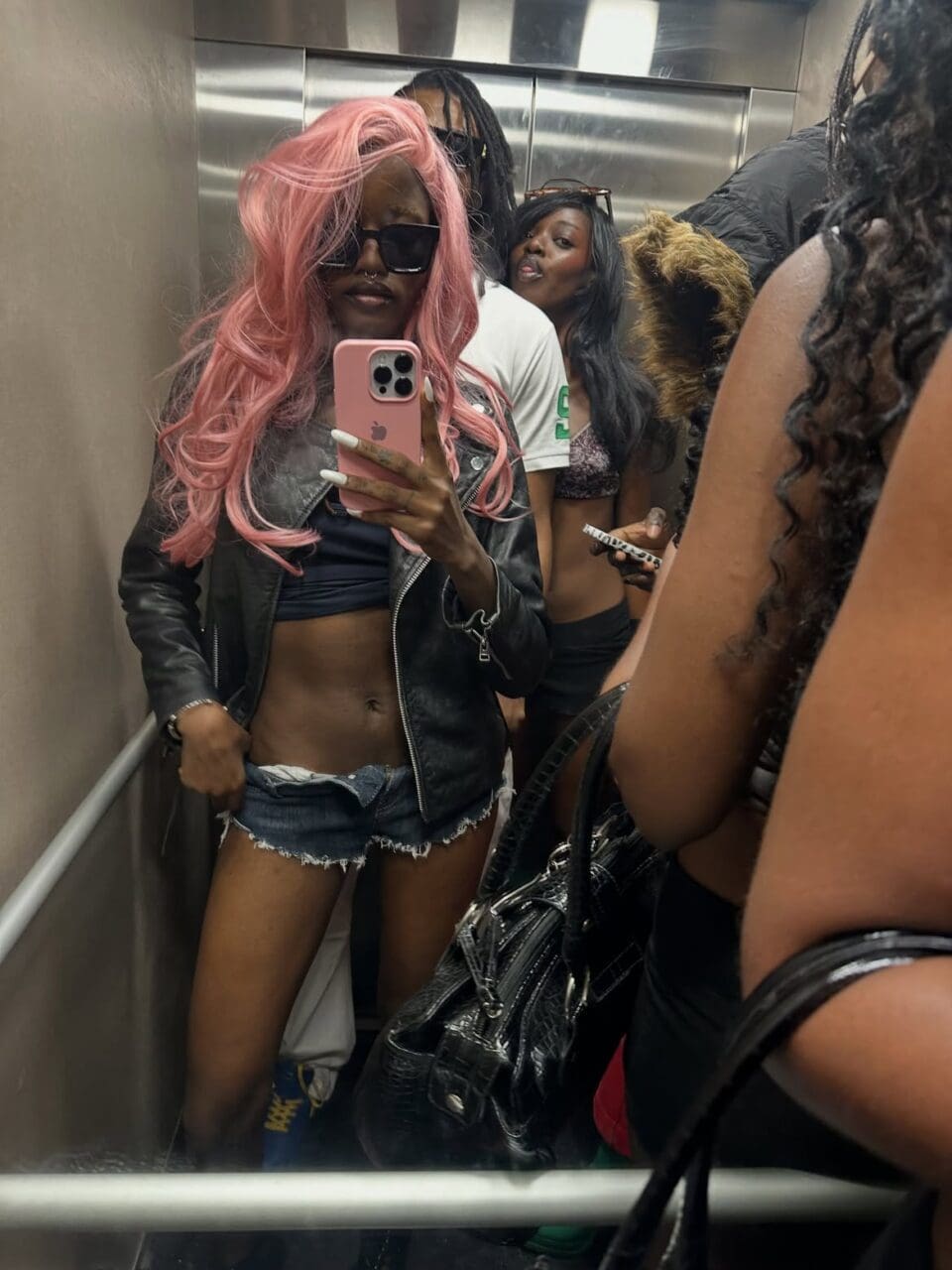
If you have seen Ojuromi’s videos, you already know the formula – although calling it a formula feels almost too neat. She appears in extravagant outfits, steps into the everyday Lagos setting and struts towards the camera with the kind of conviction usually reserved for a fashion-week finale. She can make an ordinary errand feel suspiciously like a fashion editorial. Petrol stations, crossroads, markets and busy streets become unlikely backdrops; the city carries on around her while she walks through it as though the whole thing were a set. Not everything is a fashion show, apparently – although Ojuromi seems determined to test the theory.
Her style is just as eclectic. There are flashes of early-2000s music videos and classic Nollywood, mixed with niche vintage finds, neon highlights, exposed bras, exaggerated silhouettes and plenty of stiletto pumps. She has a particular talent for making pieces that might seem absolutely absurd on a hanger feel completely inevitable once they are on her.
Crucially, the clothes don’t have to come with a famous label attached. Ojuromi has long played with thrifted and secondhand pieces, proving that the fantasy comes from the styling, the attitude and the image – not simply the logo. It’s a refreshing middle ground between logo worship and the kind of niche fashion obsession that requires a 20-minute explanation of who designed your jacket. Somehow, she makes clothes feel less like something she found and more like something everyone else should have been looking for.
Behind The Looks
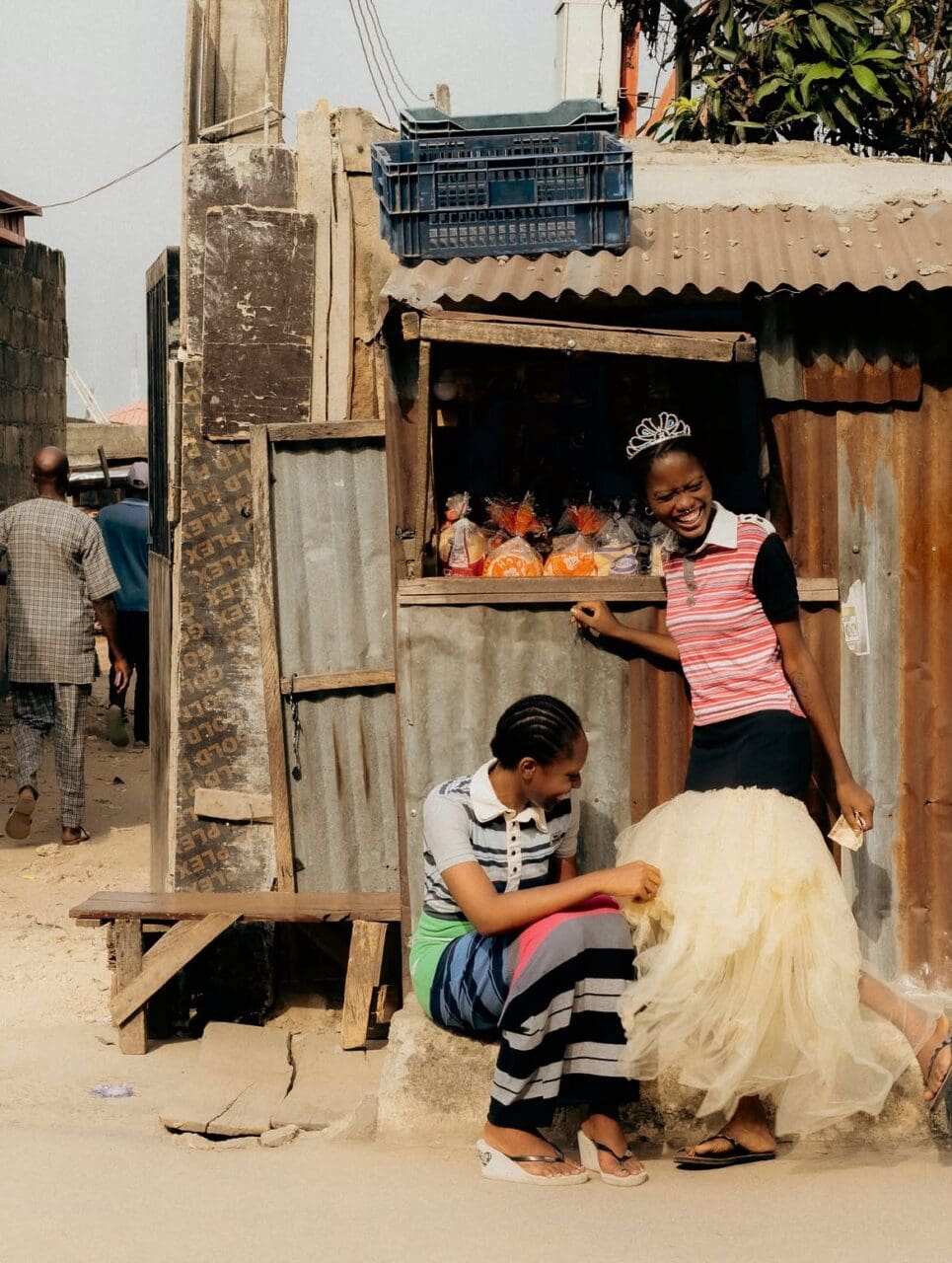
The muse has a muse of her own. For Ojuromi, that’s Debby Fasingha – stylist, designer, close friend and one half of the creative partnership behind many of her now-recognisable fashion moments. The two met after Ojuromi screened a short film and what began as an introduction quickly turned into a friendship and creative partnership.
For Ojuromi, creativity has never been a solo sport. Her work with Fasingha and photographer Odey Ikpa is about bringing different creative instincts into the same picture, rather than treating the person in front of the camera as the whole story. And that same instinct runs through The Process Africa, spotlighting emerging African creatives across corners of the creative industries.
Ojuromi has always looked beyond her own image, constantly drawn to people who are making things, experimenting and figuring out their voice. It is a particularly telling detail about her: even as her own profile has exploded, she remains interested in the wider creative community that has made her work possible in the first place. Maybe that is why her rise has felt less like a solo breakthrough and more like everyone else finally wandering into the creative world she has been building around herself.
And Then, Chanel
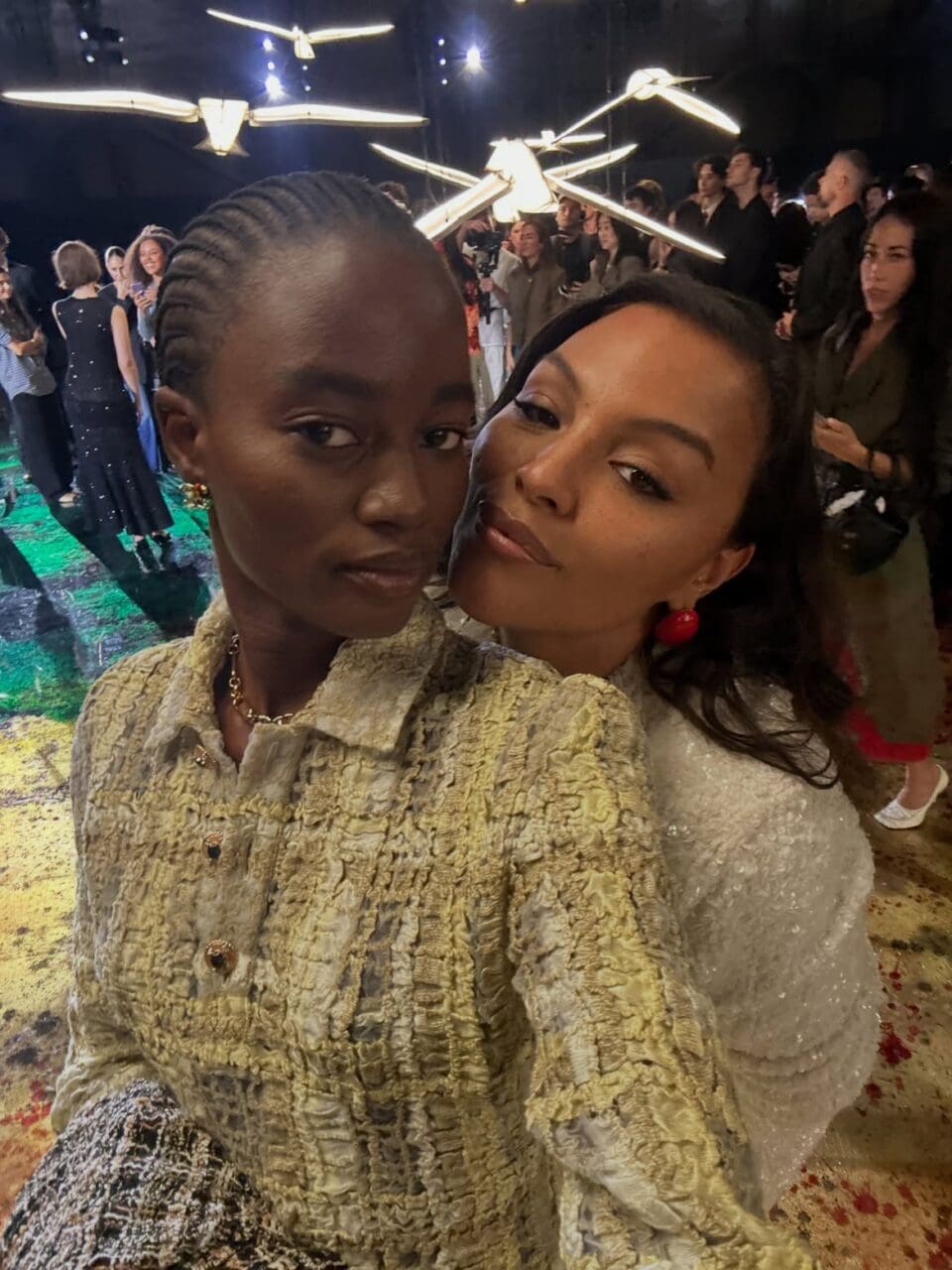
The Chanel moment began with a recreation. Ojuromi and Fasingha reinterpreted Matthieu Blazy’s Chanel Métiers d’Art collection using secondhand pieces and clothes from their own wardrobe, reimagining the collection against the backdrop of Lagos. It was exactly the kind of fashion fantasy she had been creating all along – only this time, the person whose collection they had recreated happened to notice, with Blazy commenting “Everything” with a heart emoji.
Months later, Ojuromi got the call. She was sitting at home in a robe when her team told her she would be walking Chanel, to which she responded with a comically nonchalant, “Oh, of course.” Ojuromi had admired Blazy’s work since his Bottega Veneta days, but nothing could quite prepare her for the surreal full-circle moment of walking for him in Paris. After imagining a moment like this for years, it was hardly surprising that the reality of standing in the Chanel lineup — and then taking her first rehearsal walk — hit a little differently, bringing a few tears with it.
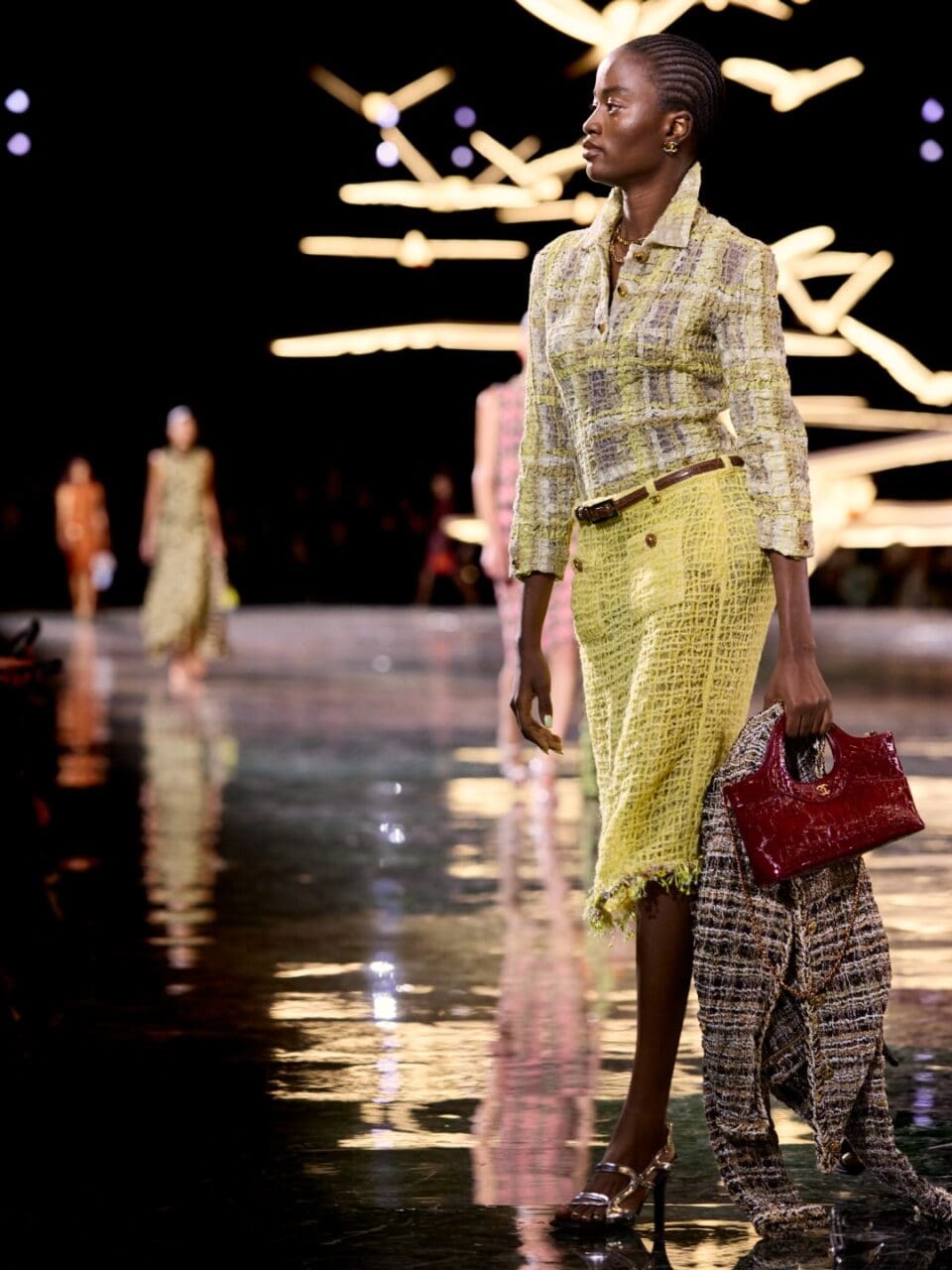
Then came the real thing. Wearing a grey-and-yellow tweed ensemble, with her hair pulled back, Ojuromi stepped onto the runway at the Grand Palais with the same controlled walk she had been practising on Lagos streets. Only now, there was a front row watching.
What Comes Next
The obvious question now is what comes after Chanel. And Ojuromi clearly has no intention of letting modelling become the whole story. Filmmaking remains central to her ambitions, alongside fashion, creative direction and consulting – whether that means behind the camera, in front of it, or somewhere in between.
The fashion world may have finally caught up with Rachel Ojuromi. But she has no intention of standing still. There are films to make, clothes to style and, apparently, runways to conquer. The question now is whether it can keep up with her.
Editor
Noella LeeCredit
Lead Image: @giverachelashot via Instagram