

Presented by the Hong Kong Trade Development Council (HKTDC) and supported by the Cultural and Creative Industries Development Agency of the HKSAR Government (CCIDAHK), CENTRESTAGE – Hong Kong’s premier international fashion showcase – is set to make a grand return from September 2-5, 2026 at the Hong Kong Convention and Exhibition Centre
Hong Kong has come a long way — from a city whose garment industry once fuelled its economic rise to an international centre for fashion design and sourcing. Today, it is turning its attention to circular fashion, rethinking what the lifecycle of a garment can be. The “Circular Fashion Zone” is where that idea takes shape, showing global buyers how independent brands from Hong Kong and beyond are transforming forgotten waste into collectable pieces through upcycling, regenerated fibres, and eco-conscious design.
The path to sustainability, however, is far from smooth. Deconstructing old garments is costly, and upcycled production is notoriously hard to scale — obstacles that remain stubbornly unsolved. The real question, then, is how today’s designers navigate the space between commercial reality and personal conviction. It’s one the fashion world can no longer afford to sidestep.
For this edition, CENTRESTAGE has gathered forward-thinking independent brands from around the world: LE NGOK, rooted in Manila and Shanghai; Korea’s DOUCAN; and Germany’s PAULINA’S FRIENDS. VOGUE Hong Kong spoke with each founder about their creative philosophy, their experience at the fair, and about how, by building emotional bonds between wearer and garment and letting the character of recycled materials lead the way, they’re finding adaptive answers to fashion’s hardest problems..
LE NGOK
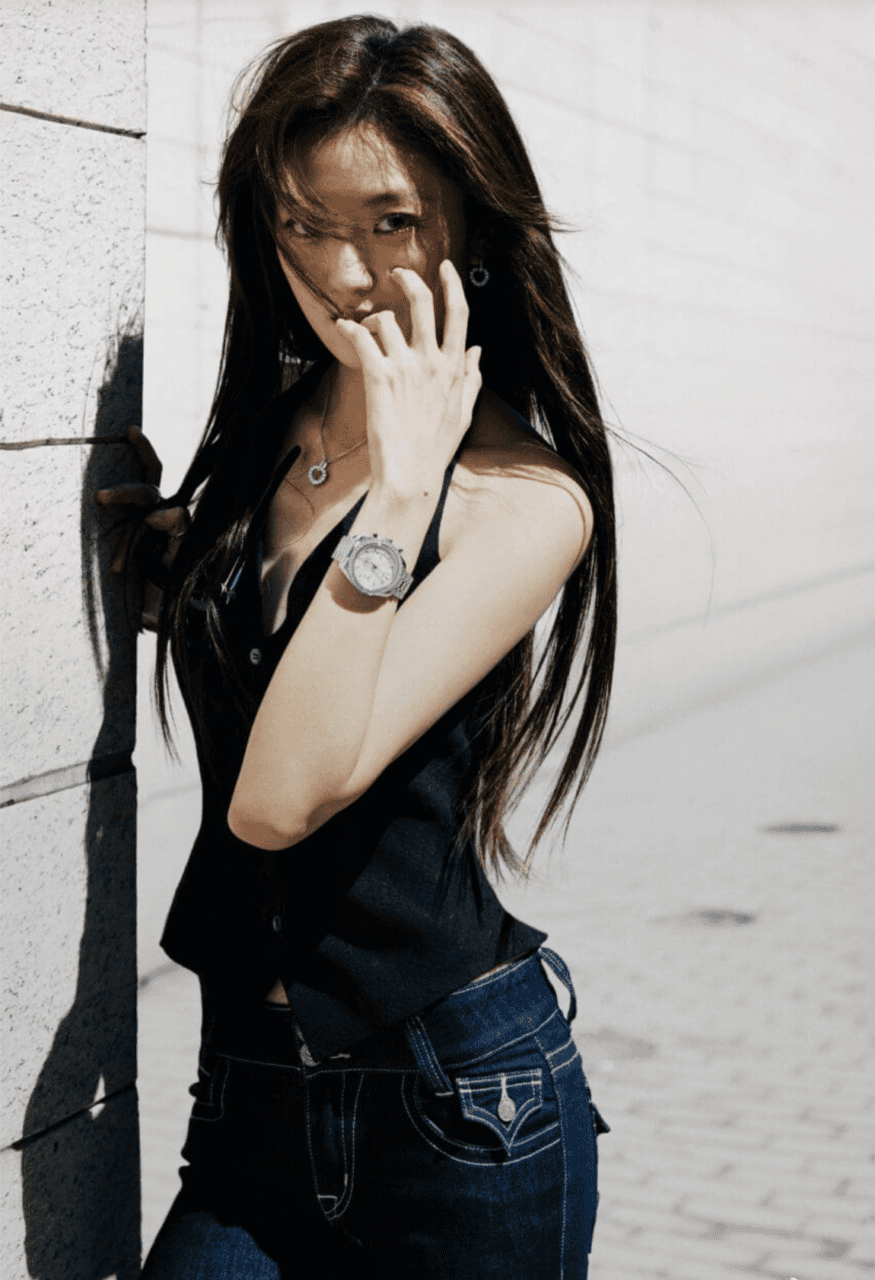
Founded by designer Carla Zhang, LE NGOK was born in Manila in 2023 and expanded to Shanghai in 2025. The brand moves fluidly between experimental fashion, mixed media, and craft, with a strong artistic narrative at its heart. Each seasonal collection reads like a chapter from Zhang’s own life, translating personal experiences and inner thoughts into wearable form. On the sustainability front, LE NGOK works with surplus factory fabrics and upcycled materials, and has developed its own signature “freestyle weaving” technique that gives every piece a unique creative sensibility — elevating clothing into wearable art and extending both its value and its life. This commitment to the environment also earned Carla Zhang an award at the 2025 Redress Design Award.
The upcoming collection, Grass Stains, draws inspiration from the burnout Carla Zhang has felt living in a fast-paced world. Moved by the sharp social critique of Steve Cutts’ animation Happiness, and looking back on the moments of stillness and connection she has found in nature, she hopes the collection will spark a visual dialogue about the pursuit of happiness within the contradictions of modern life.

As an emerging label with a multicultural DNA bridging Manila and Mainland China, what made CENTRESTAGE in Hong Kong the ideal platform for LE NGOK at this stage? How do you plan to physically present the story of your collections within the CENTRESTAGE exhibition space?
Hong Kong feels like the perfect place for LE NGOK because it sits at the intersection of many cultures. As a designer whose creative journey has been shaped by both Manila and
Mainland China, presenting at CENTRESTAGE feels like a meaningful continuation of that dialogue. LE NGOK is rooted in artistic storytelling, and Grass Stains continues that approach. Born from my own experience of burnout, the collection reflects on slowing down in today’s fast-paced world and rediscovering joy through simple moments in nature. It’s a personal story about learning to find happiness at my own pace.
At CENTRESTAGE, I plan to present each garment with a short story or explanation, so visitors can understand the inspiration and emotions behind the piece. I hope people won’t just see the clothes, but also connect with the stories they carry. I’m excited to meet new audiences and share my design journey there!

LE NGOK is renowned for its intricate knitwear and the use of upcycled materials. In your creative process, how do you utilise ‘innovative technology’ to tame these imperfect, eco-friendly materials and transform them into ‘wearable art’?
I love experimenting with different techniques, but freestyle weaving has become my signature. It is a technique I developed using factory surplus and upcycled materials. Instead of following a fixed pattern, I start from a single point and let the weaving grow naturally. The object itself becomes the loom, and the structure gradually evolves from a point to lines, and finally into a form. The materials themselves are already unpredictable. The materials are inherently unpredictable; every piece has its own texture, colour, and character. Rather than trying to control those imperfections, I let them shape the final design. That unpredictability is what makes every piece one of a kind and transforms it into wearable art.
Alongside freestyle weaving, I also use techniques like 3D printing and patchwork. For me, innovation is about finding new ways to combine craftsmanship, materials, and techniques to create my own design language.


LE NGOK has always embraced ‘fashion as storytelling,’ with past collections like Glitch Theory and Cyber Gaze diving into themes such as cyberbullying, anxiety, and mental health. How do you view clothing as a physical medium capable of carrying complex human emotions? How does that emotional resonance help foster a deeper, more permanent bond with the wearer, ultimately driving a more circular and mindful approach to fashion?
For me, fashion has always been about human connection. Clothing becomes a medium for sharing experiences that are often difficult to put into words. Every collection begins with something personal, but I never want it to end with my own story. I hope it creates space for people to connect with their own emotions and experiences. When someone tells me, “I feel the same way,” that’s when I feel the collection is complete. I think that kind of connection gives a garment a longer life.
When people connect emotionally with what they wear, it becomes more than just fashion. It becomes something they want to keep, revisit, and grow with over time. To me, that’s where mindful and circular fashion really begins.


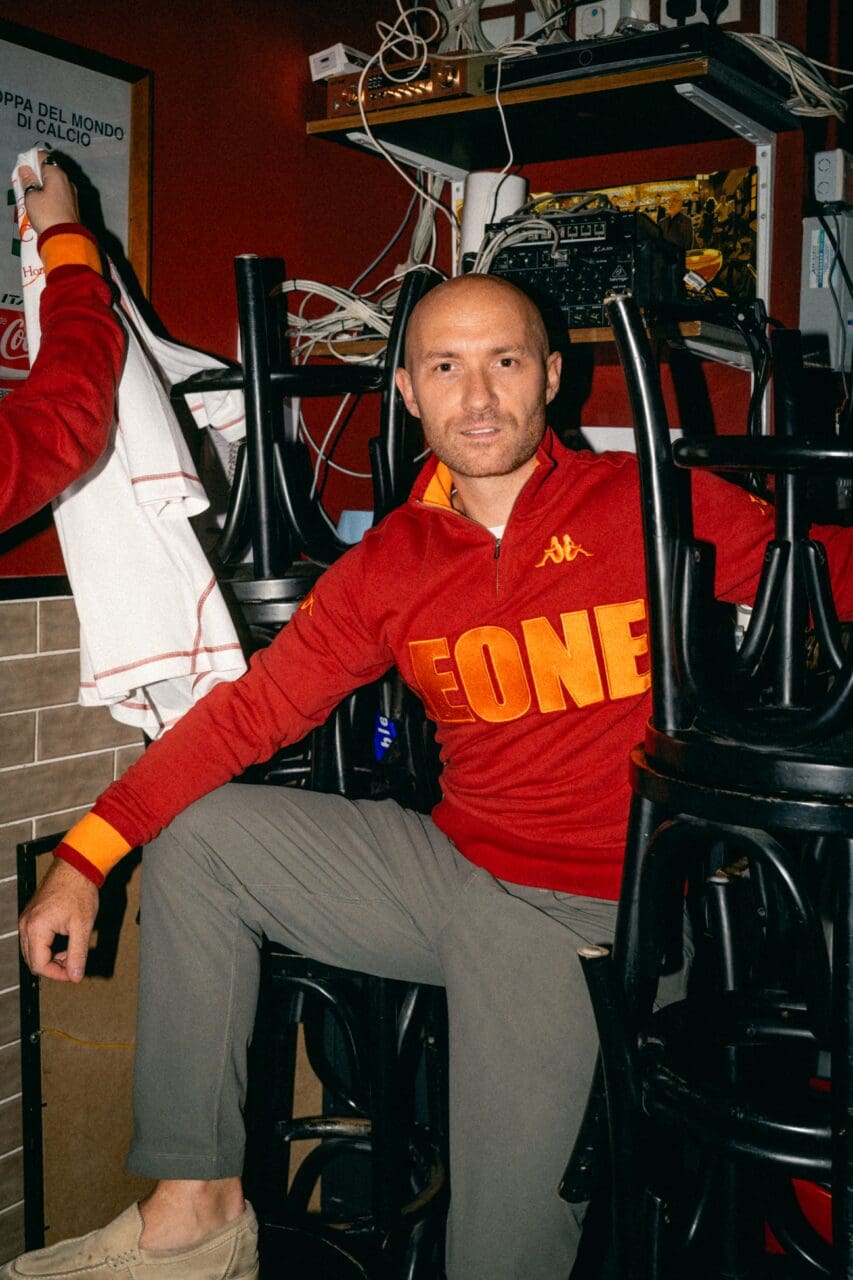
DOUCAN
DOUCAN was founded by Korean designer Choi Chung Hoon, who reimagines the aesthetics of oriental fantasy through a contemporary lens. The brand is known for its original prints — drawn from nature, light, and time — that strike a harmony between tradition and modernity. Before launching DOUCAN, Choi worked in France as a fashion designer, make-up artist, and stylist, collaborating with the likes of CHANEL, Dior, Gucci, Versace, VOGUE, and Elle, and serving as an assistant designer at both CHANEL and KENZO — experiences that sharpened his instinct for colour. That marriage of bold colour and striking graphic design has become his signature, and the way he continually reshapes the fashion imagination.

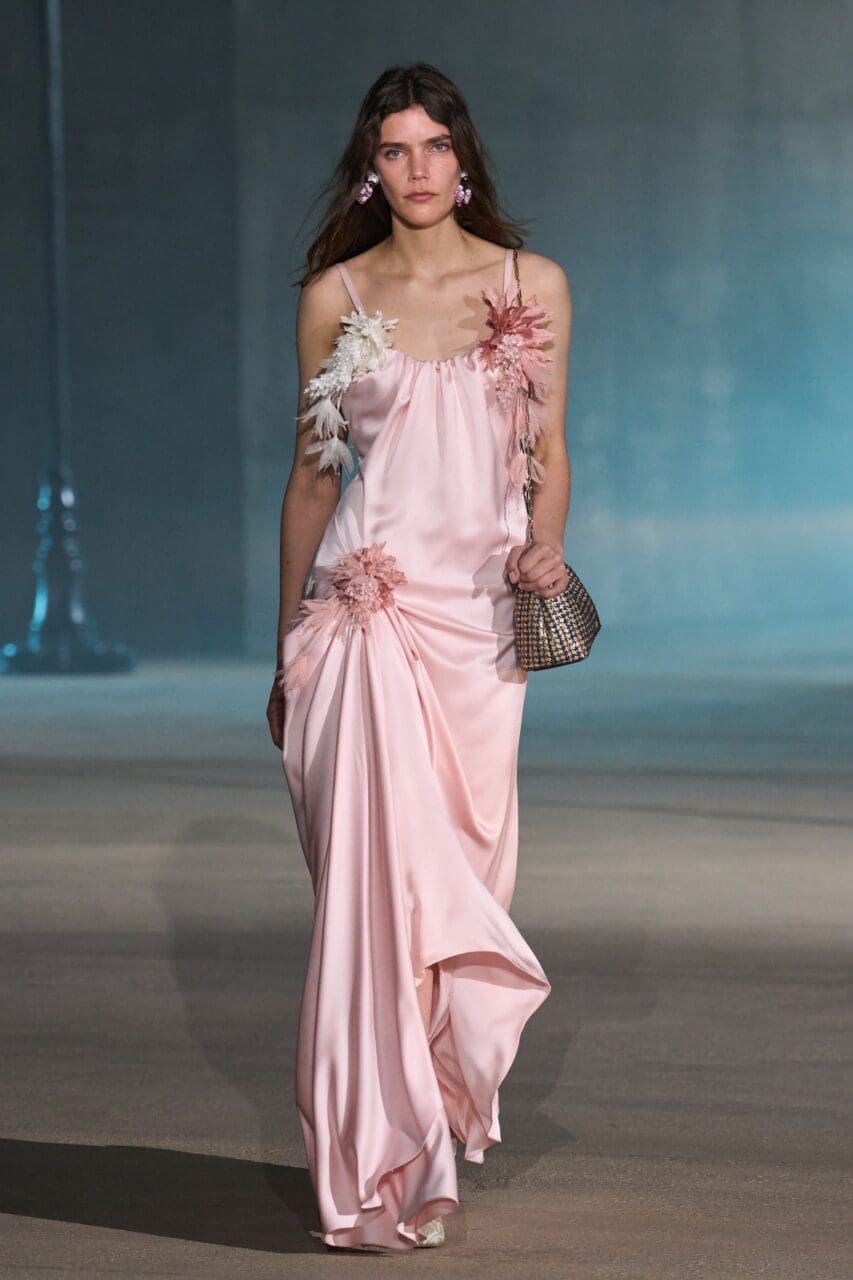
His Spring/Summer 2027 collection, LOOP: The Endless Becoming, takes the cycles of nature as its theme, exploring how form and meaning continually evolve and are reborn. Through draping, chiffon, and pleating, the collection creates a sense of fluid movement, while its original prints — from watercolour-style florals to digital graphics — echo the rhythms and repetitions of the natural world. This season draws widely on recycled polyester, denim, cotton, linen, jacquard, chiffon, and lace, harmoniously combining them to lend deeper resonance to its themes of regeneration and transformation.


As you bring DOUCAN to CENTRESTAGE in Hong Kong, how do you plan to present your signature “oriental fantasy” and vibrant graphic artwork within the exhibition space? What makes Hong Kong the right stage to connect your distinct European-trained sensibility with a broader international audience?
At CENTRESTAGE, I want to present DOUCAN not simply as a collection of garments, but as an immersive visual scene that invites visitors into our world of “oriental fantasy.” Vibrant graphics, bold colours and Eastern-inspired motifs will extend throughout the space, allowing the audience to experience DOUCAN’s energy and storytelling in an immediate and intuitive way.
View this post on Instagram
Hong Kong is a city where Eastern and Western cultures intersect naturally, and an important platform connecting Asian fashion with the global market. It is therefore an ideal stage to introduce DOUCAN’s identity—combining the structured, contemporary sensibility I developed in Europe with a distinctly Eastern imagination—to a broader international audience.
View this post on Instagram
DOUCAN is known for its vivid, eccentric, and original graphic prints. What inspired you to build the brand’s identity around this? In the context of ‘circular fashion,’ large-scale printing is often seen as highly resource-intensive. As a designer, how do you balance delivering that ‘oriental fantasy’ aesthetic with genuine sustainability? How challenging is it to find that sweet spot?
DOUCAN’s graphic identity began with my desire to reinterpret Eastern cultural memories, nature and traditional motifs through a contemporary perspective. I see each garment as a canvas, using vivid colour and original artwork to express DOUCAN’s “oriental fantasy”—a world that moves between reality and imagination.
View this post on Instagram
At the same time, I feel a responsibility to consider the environmental impact behind such expressive visuals. DOUCAN incorporates recycled materials and transforms discarded elements, including waste wigs, into new collection pieces with renewed aesthetic value. We also use digital printing to manage the printing process and production quantities more precisely.
Finding the balance between a strong aesthetic identity and genuine sustainability is never simple, and I do not believe there is one perfect solution. For me, sustainability is not about abandoning creative expression, but about continually questioning and experimenting with how the same beauty can be created more responsibly. I believe that ongoing pursuit of balance is an essential part of being a designer today.
View this post on Instagram
Circularity is also about creating pieces that people cherish forever rather than discard. Your work reinterprets timeless elements like nature, light, and age into premium, individualistic art. How do you view your designs as a counter-movement to fast fashion, and how do you ensure that these distinctive garments retain their ‘freshest sensibility’ and emotional value in a customer’s wardrobe for years to come?
I see DOUCAN as moving in the opposite direction to fashion that is quickly consumed and discarded. By drawing inspiration from enduring elements such as nature, light and time, I aim to create garments that hold personal memory and individuality rather than simply reflecting a seasonal trend. A DOUCAN piece should offer more than an immediate visual impact. It should continue to reveal new details and emotions the longer it is worn. For this reason, I focus on a strong narrative, refined materials and silhouettes, and designs that allow the wearer’s individuality to evolve over time.
View this post on Instagram
To me, the “freshest sensibility” does not come from constantly adding something new. It is the lasting power that makes someone want to return to a garment and wear it again. When a piece gathers memories alongside its owner, it becomes something closer to art—something worth cherishing for years.
PAULINA’S FRIENDS
PAULINA’S FRIENDS is a Berlin-based fashion brand founded in 2016. It began as a concept store within Bikini Berlin before evolving into an exhibition space in Berlin-Mitte. Founder Paulina Tsvetanova — at once a fashion designer, writer, and artist — has built the brand around the idea of a “Serendipity Workshop.” Unlike labels that march to the rhythm of the fashion calendar, PAULINA’S FRIENDS operates more like a travelling circus: no fixed schedule, no geographical boundaries, and none of the constraints of a conventional commercial model.

Bulgarian-born Paulina came to fashion by an unconventional route. Rather than formal design training, she brings a deep grounding in art history, philosophy, and Byzantine archaeology, later complemented by studies in cultural management. Over the years she has worked across gallery management, magazine editing, design, and exhibition curation — a cross-disciplinary path that has kept her creativity from ever settling into a single mould. Guided by an almost archaeological instinct, she delights in unearthing hidden treasures that most people overlook. To date, Paulina has travelled to more than 70 countries, combing through deadstock warehouses, antique markets, museum archives, family collections, and artisan communities around the world. In Japan, she once discovered a piece of antique kimono fabric; in Europe, forgotten haute couture textiles. For her, every search for inspiration is a chance to connect genuinely with others — and a lifelong calling she pursues with tireless joy.

You call your brand a “serendipity workshop” and operate like a “travelling circus”, without rigid calendars or fixed locations. In an industry depending on predictability, production timelines, and seasonal drops, what makes you choose this path? And honestly, what is the hardest part about relying on happy accidents to run a business?
PAULINA’S FRIENDS was never created to fit into the traditional fashion calendar. I founded the brand as a creative laboratory—a Serendipity Workshop—where travel, encounters, unexpected discoveries and cultural exchange become part of the design process. The label grew as an alternative to an industry driven by seasons, gender categories, standard sizes and constant consumption. Our collections are unisex, unisize, uniseason and zero waste. I never wanted to create clothes that expire after six months. I wanted to create pieces that continue collecting stories throughout their lives.
We move from Fashion Weeks to museums, from textile markets to artist studios, from archaeological sites to remote bazaars. Every destination leaves traces in the collection. During my travels through more than seventy countries, Serendipity has become my way of working. I leave enough space for the unexpected because the most meaningful ideas rarely arrive on schedule. That freedom comes with uncertainty. Coincidences cannot be planned, suppliers change, fabrics disappear, and opportunities emerge overnight. It demands flexibility, trust and the willingness to rewrite your own plans. Efficiency has never been my ambition. Authenticity has. Every textile already has a biography. My work is simply to write its next chapter.

With your background in art history, philosophy, and Byzantine archaeology, you have a unique perspective on time and objects. How do you define “circular fashion”? More importantly, how does a nomadic brand like yours champion circularity on its own terms?
That journey shaped the questions I ask long before I begin designing. The first question has never been, “How do I make this?” It has always been, “Why should this object exist?”
My understanding of circular fashion begins with the life of a material. Every fabric carries memories, craftsmanship and cultural heritage. Instead of treating textiles as raw resources, I see them as living archives. As a nomadic brand, we source materials wherever our journeys take us—couture leftovers, deadstock warehouses, vintage markets, museum archives, family collections and artisan communities across the world. The fabrics often determine the design, not the other way around. I listen before I design. The material has a voice. Our customers become part of that dialogue as well, completing every garment with their own personality and story.

To me, sustainability starts with relevance. A garment should deserve to exist. Material responsibility follows naturally, but cultural value comes first. A piece that offers no emotional, artistic or social contribution has little reason to be produced. That is why every PAULINA’S FRIENDS collection is zero waste, unisex, unisize and uniseason. Every rescued textile carries its own history into a new context. Nothing begins from zero. Everything continues.

How do you plan to bring the joyful energy of PAULINA’S FRIENDS into the CENTRESTAGE exhibition? Why is this particular platform in Hong Kong an important opportunity for you to showcase your work right now?
Our new collection, Density, was conceived with cities like Hong Kong in mind. Few places express the beauty of coexistence as powerfully as Hong Kong. Countless cultures, histories, traditions, technologies and ideas occupy the same space without losing their individuality. That extraordinary concentration became the inspiration for the collection.

Presenting this collection at CENTRESTAGE feels incredibly meaningful. Hong Kong already embodies everything Density explores. The city constantly balances heritage with innovation, craftsmanship with technology, local identity with global exchange. I cannot imagine a more inspiring place for this conversation. For PAULINA’S FRIENDS, this exhibition also opens the door to a completely new chapter in Asia. We hope to build lasting relationships with buyers, retailers, museums, universities, collectors, media, influencers and creative collaborators who believe that fashion can connect people, cultures and disciplines.
Fashion can be beautiful, responsible and intellectually curious at the same time. If visitors leave our stand feeling inspired, smiling and perhaps looking at a forgotten piece of fabric with completely new eyes, then we have achieved exactly what PAULINA’S FRIENDS stands for.
Editor
Vogue Hong Kong