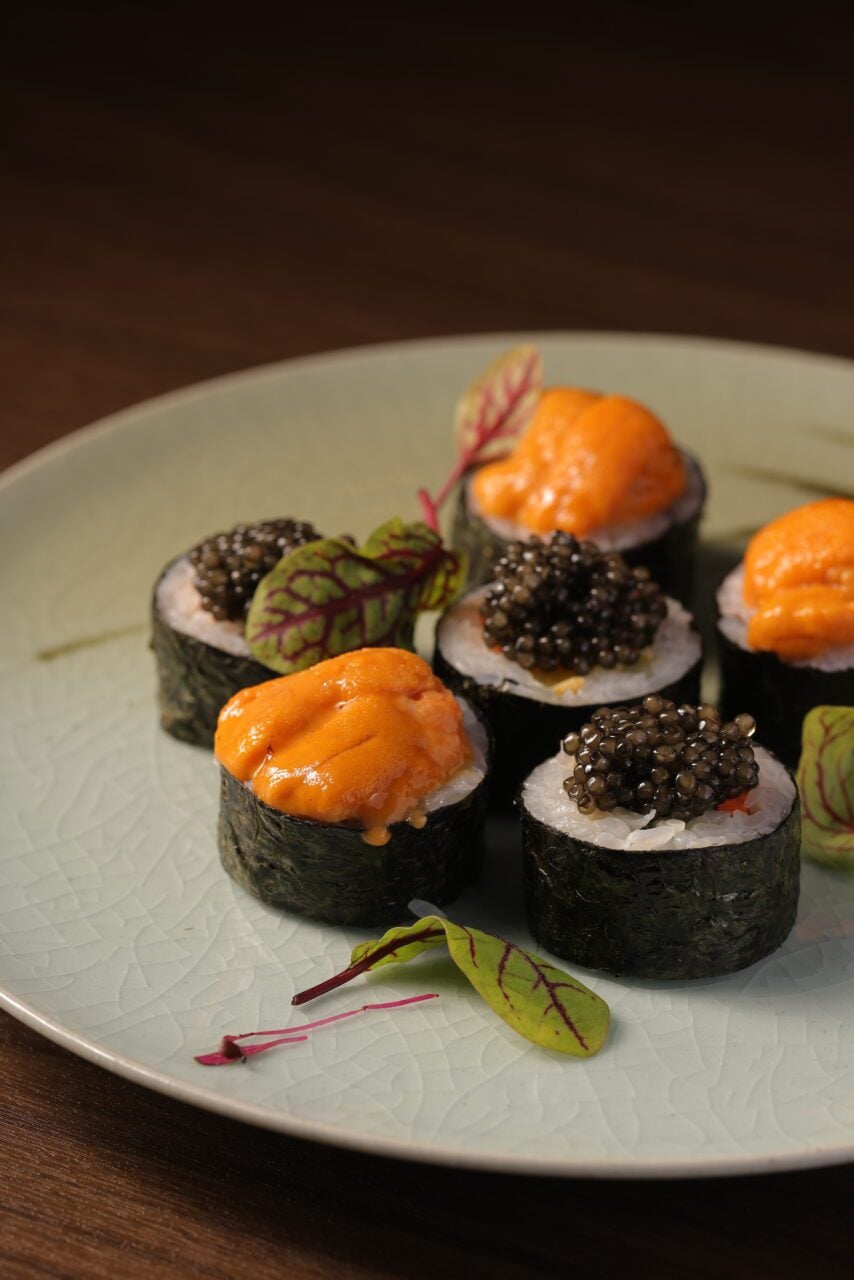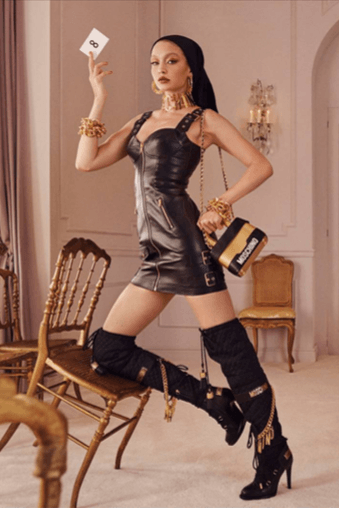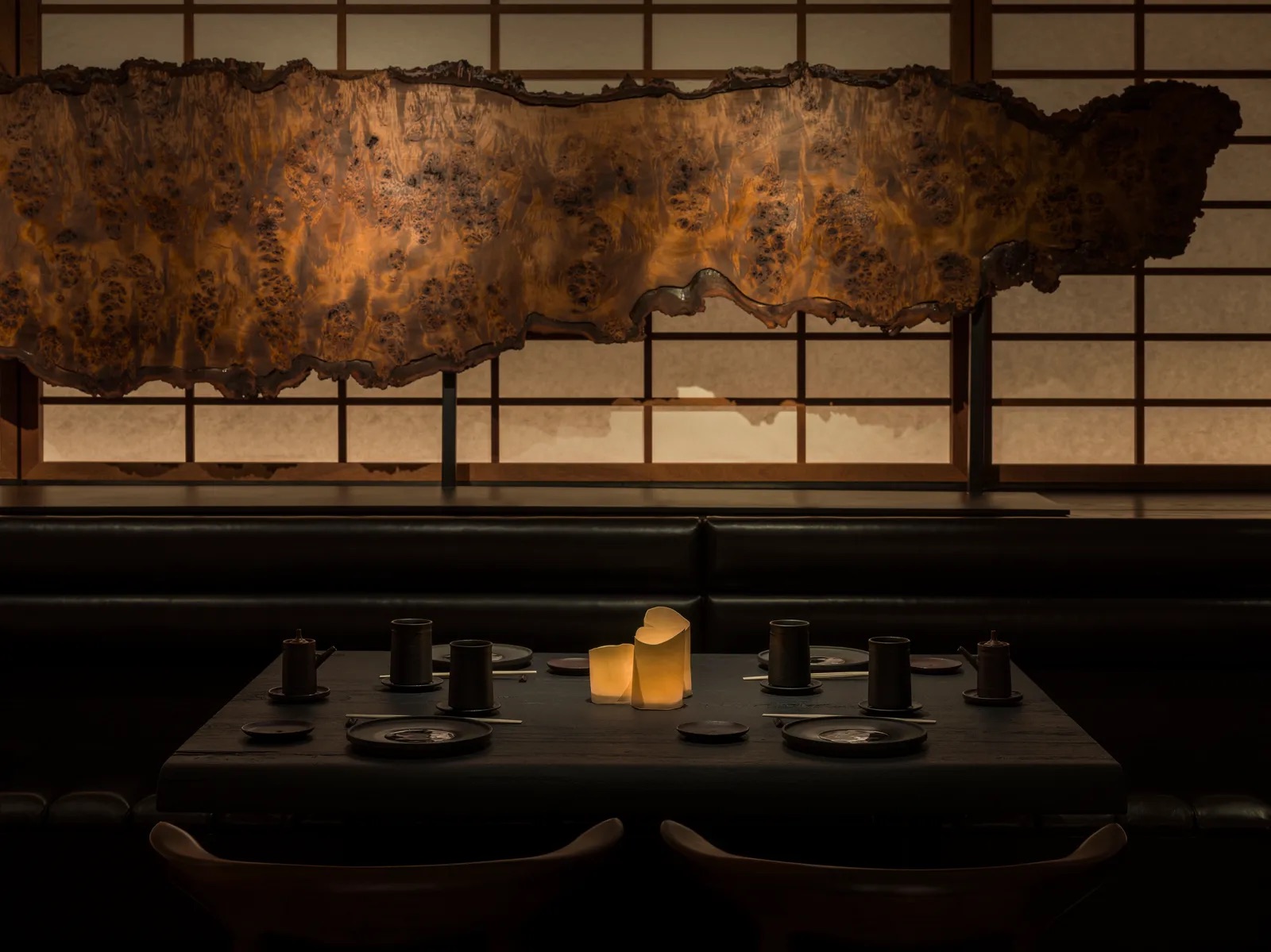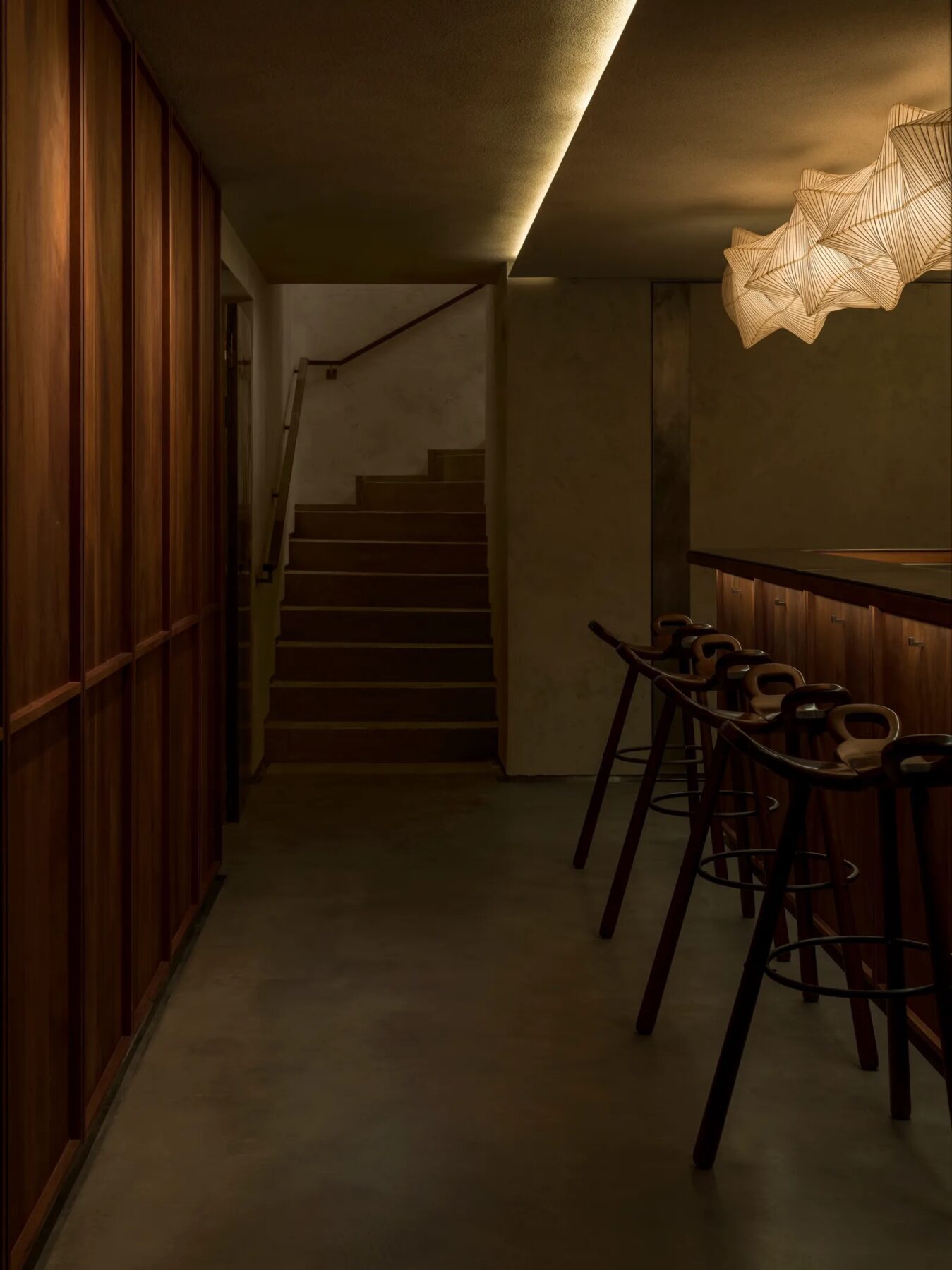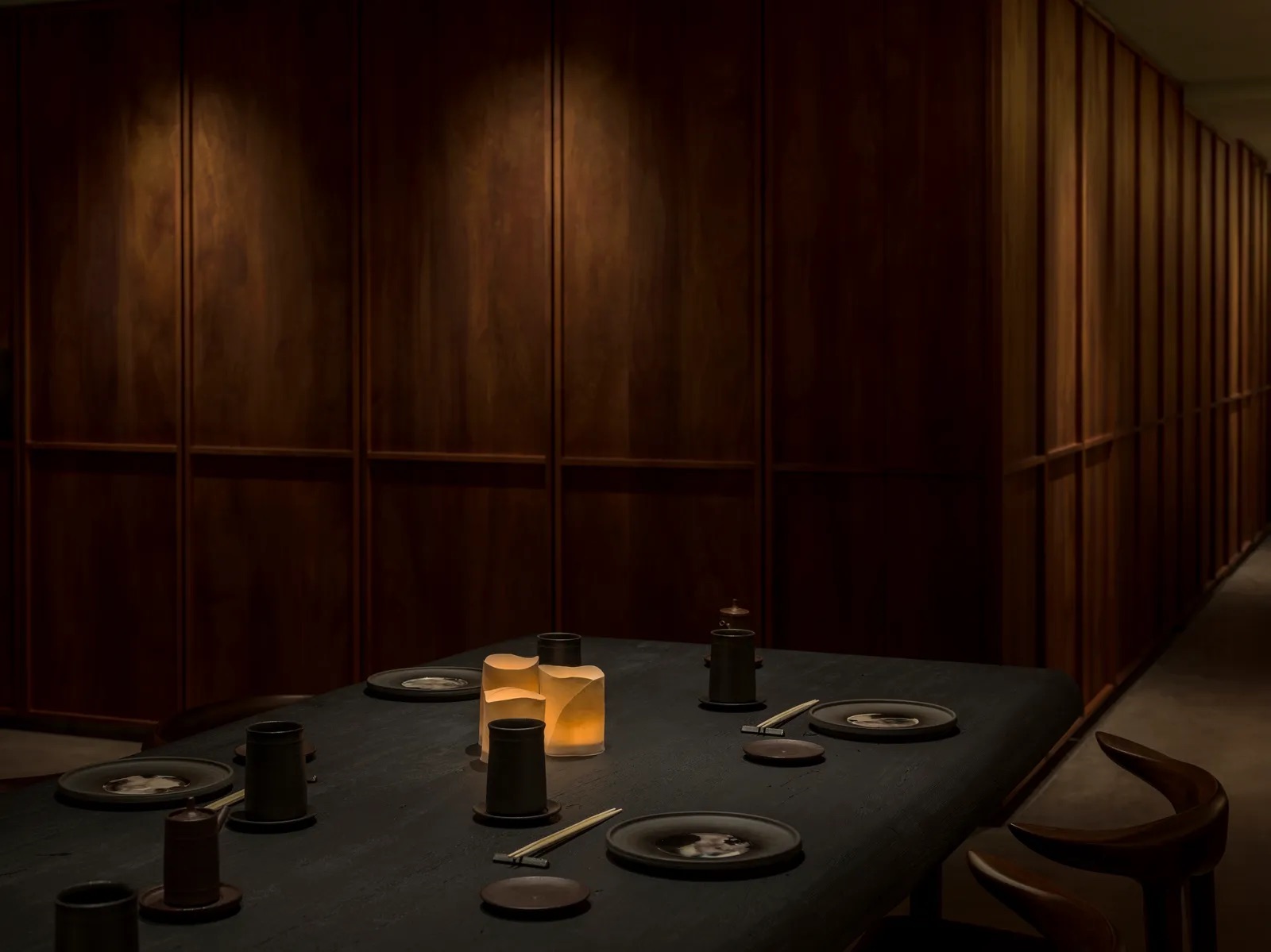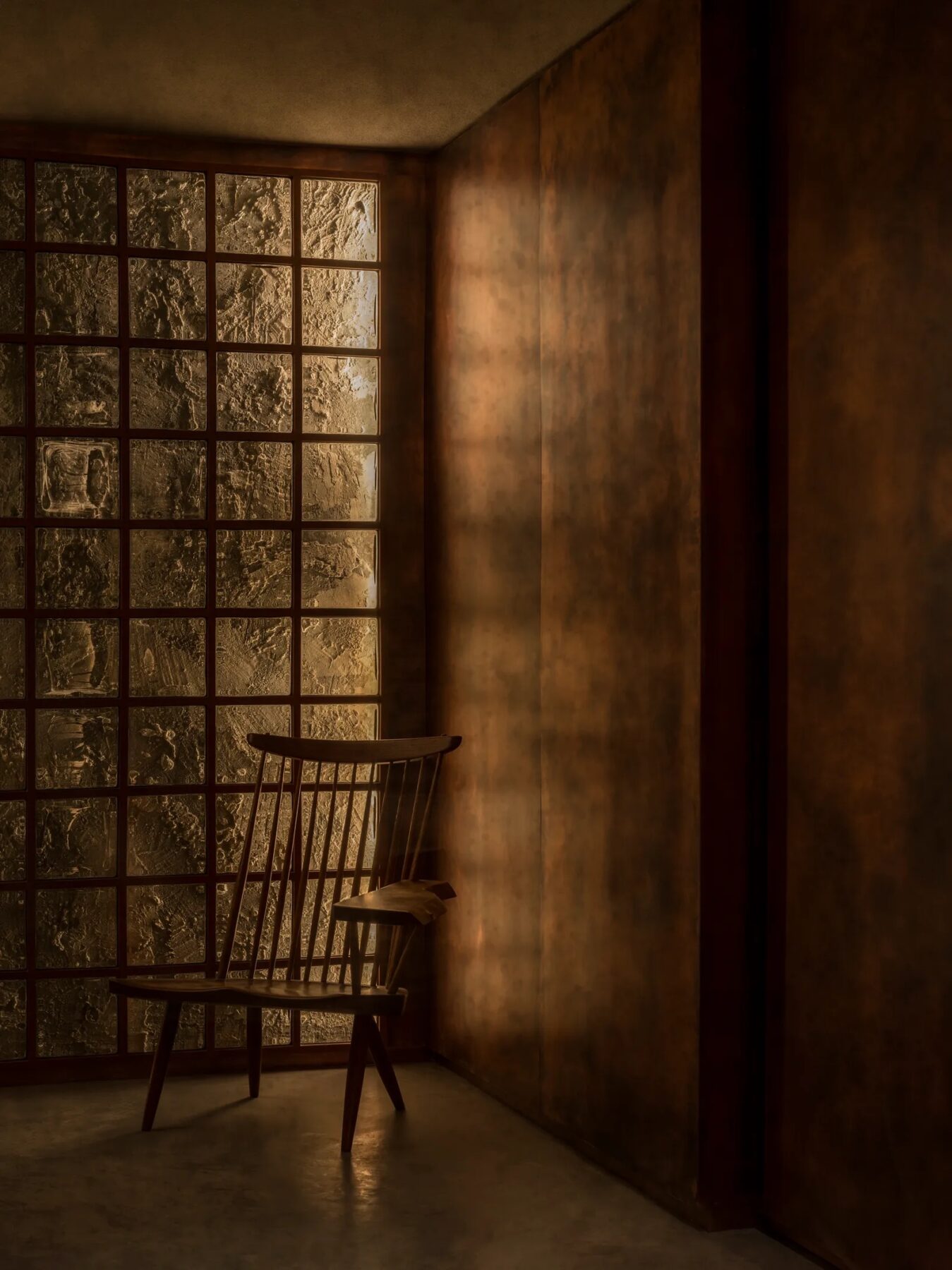


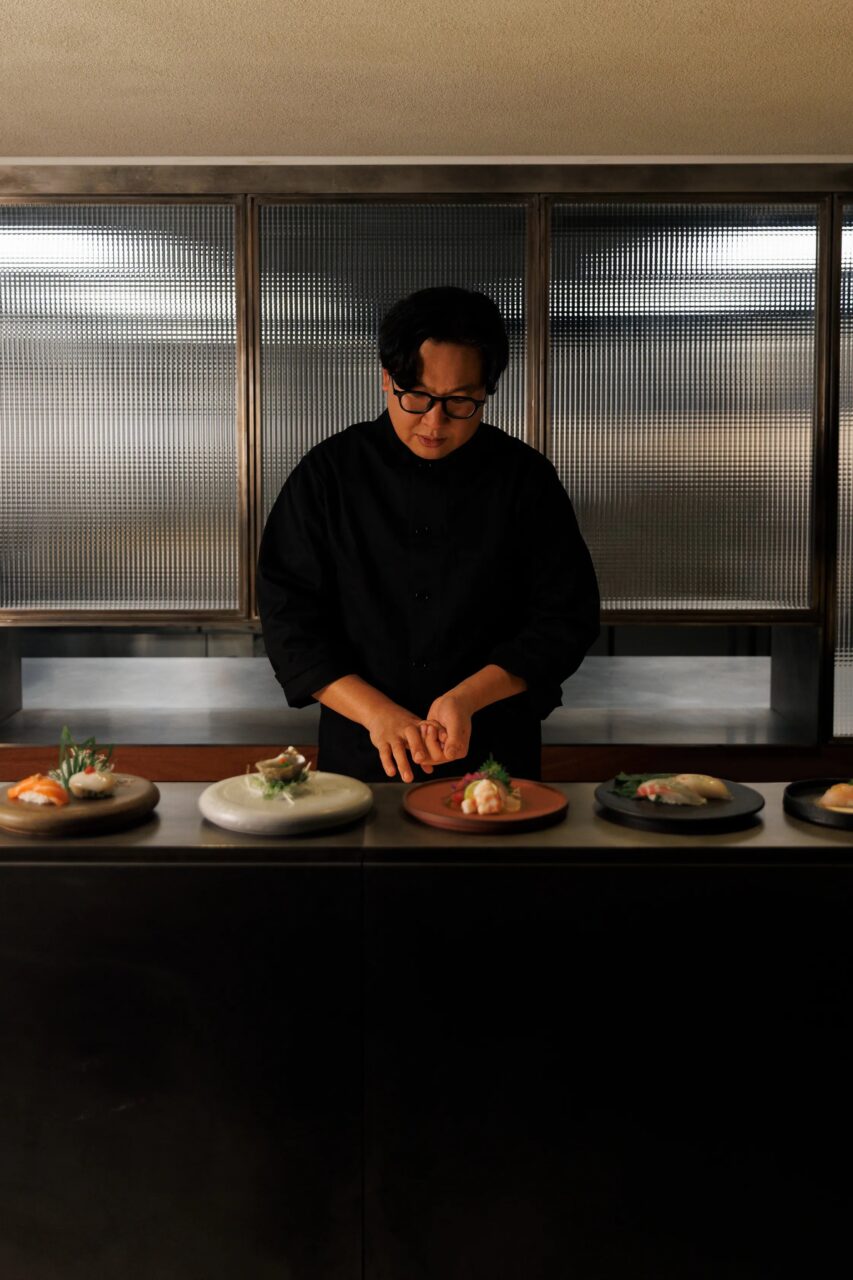
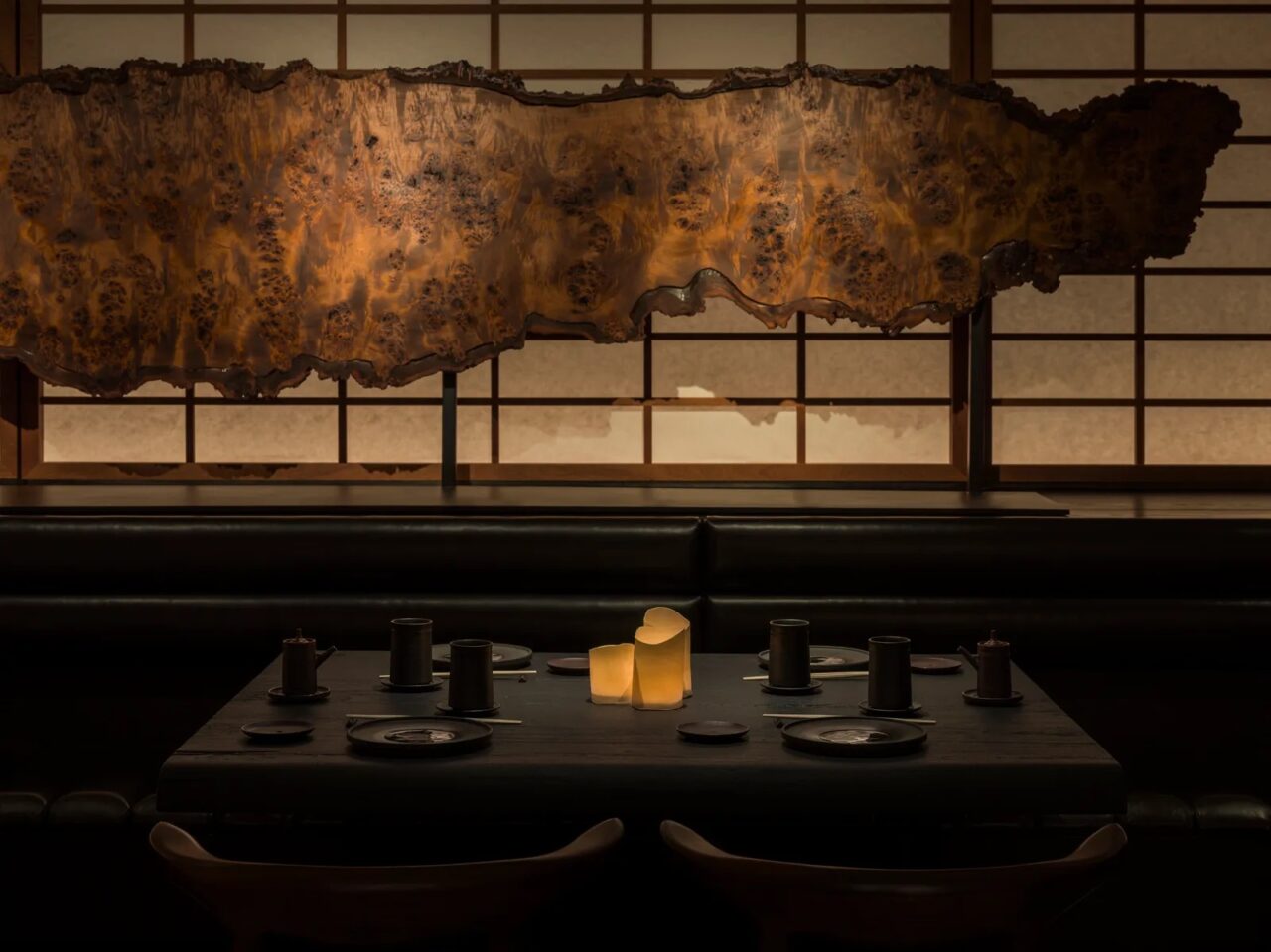
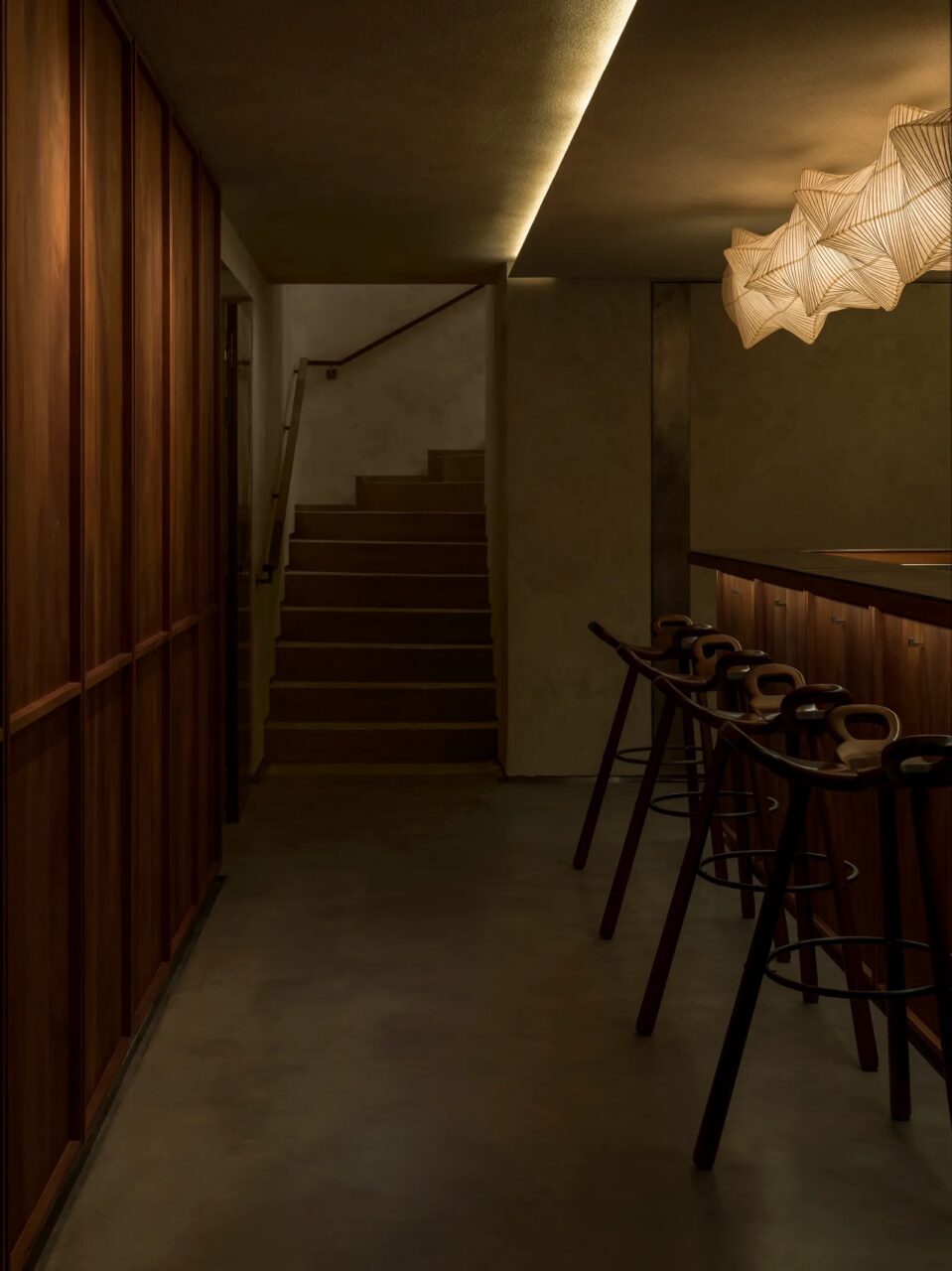
In Los Angeles, many people flock to chef Peter Park’s delicate sushi (including Dua Lipa, Kendall Jenner and Beyoncé), even if it’s in a modest shopping mall in West Hollywood. Even Anthony Vaccarello, Artistic Director of Saint Laurent, was so impressed that he decided to democratize his culinary creations in Paris. After a pop-up in 2022, the French fashion house has permanently installed the first Sushi Park Paris in the basement of its rue Saint-Honoré boutique. This success has prompted the company to open the address at lunchtime this autumn.
Your first culinary memory?
The smell of simmering rice and the rhythmic sound of the knife against the cutting board, which woke me up at dawn as a child. At the time, I thought of it as a simple morning routine, but looking back now, I understand that these moments were filled with love and devotion on my mother’s part. The hot meals she prepared gave me the strength to start my day. It was then that I began to understand the true power of cooking.
Is there a dish from your childhood that immediately brings back a memory, a smell or a person?
When I was sick as a child, my mother would cook me a hot porridge filled with nourishing ingredients. Once I had recovered, she would then prepare one of my favorite dishes – a Korean meat patty called donggeurangttaeng. In those days, it was a special dish that we only ate on holidays or major family events. The promise of tasting it after my recovery gave me the strength to recover faster. This happiness taught me that food isn’t just for filling the belly – it can also comfort, heal and bring joy.
When did you realize that cooking would become your vocation?
My original dream was to become a car designer. I studied design at the Art Center in Los Angeles, but had to leave school for personal reasons. Then I joined the US Army and considered a military career, but a training injury led to my demobilization. While searching for my path, I met my future wife and felt the need to build a stable life for my family. That’s how I entered the world of Japanese gastronomy. Initially, my sole aim was to learn the trade so that I could open my own establishment. I had no intention of becoming a chef. But as I prepared dishes in the kitchen and behind the sushi bar, I saw the faces of my customers light up as they tasted my creations. It changed everything. It reminded me of the warmth of my mother’s table. That’s when I knew I wanted to make a living as a chef.

I believe that food should be like medicine, nourishing both body and mind, and it's this philosophy that has guided the consistency of Sushi Park's flavours over the years.
Peter Park
How would you describe your relationship with cooking today?
I’ve been making sushi for over 20 years, and for me, cooking is much more than a skill. It’s a way of sharing my sincerity and memories with my guests. I’m very grateful to our loyal customers who have been with us for so long. I’ve seen couples who used to date get married, have children, and then come back with their children grown up. The world changes fast, with trends coming and going, but I’ve always believed that the most important thing is to keep the flavour constant. For a new customer, it’s a discovery. For a regular, it’s a return to memories, while creating new ones. I believe that food should be like medicine, nourishing both body and mind, and it’s this philosophy that has guided the consistency of Sushi Park’s flavours over the years.
What do you feel when you prepare sushi?
When I prepare sushi, I clear my mind and concentrate solely on the ingredients and the movement of my hands. The act of shaping it is not a flashy demonstration. It’s a moment of calm, tension, concentration, and the synthesis of all my preparation into a few precise gestures to complete the dish.
How did you design your menu?
The basis of my menu is traditional Edomae-style sushi. While respecting classic Japanese flavors and compositions, my first thought is always: where am I and who is my guest? This reflection influences the design of my menu, then I let myself be guided by the rhythm of the ingredients available. I try to let each ingredient express itself, keeping the preparation as simple as possible, and using just enough seasoning or sauce to bring out its original flavour. My inspiration is always respect for tradition combined with a sincere expression of seasonal flavours for my guests.
Sushi may seem simple, but even the slightest movement or pressure of the finger changes the taste.
Peter Park
What role do silence, gesture and precision play in your approach?
An immense amount of preparation work is required before a single piece of sushi arrives in front of a customer – including the meticulous selection and preparation of the finest ingredients. But when I stand in front of a guest at the sushi bar, everything changes. At that moment, silence, concentration and gesture count more than anything else. Silence allows me to concentrate, gestures show my dedication, and precision determines the final quality of the dish. Sushi may seem simple, but even the slightest movement or pressure of the finger changes the taste. I believe it’s in this combination – silence, concentration and gesture, combined with the intensity of preparation – that a dish is truly finished and becomes an experience for the guest.
Your Los Angeles restaurant is as discreet as it is frequented by major figures in fashion, art and cinema. How do you explain this success?
Honestly, I don’t know exactly why so many people come to Sushi Park. I just think I’ve been lucky for the last twenty years. We’re not a flashy place. Just a simple, modest local restaurant. That’s why I don’t describe Sushi Park as “successful”, but as “consistent”. Since we opened in 2006, we’ve quietly and consistently stuck to our principles. This consistency and sincerity must have resonated with people and created a climate of trust over time. This trust brought in new customers, and that’s what has kept Sushi Park going to this day. But, above all, I think our real strength comes from our regulars, who have supported us from the very beginning.
Why did you choose to open a restaurant in Paris?
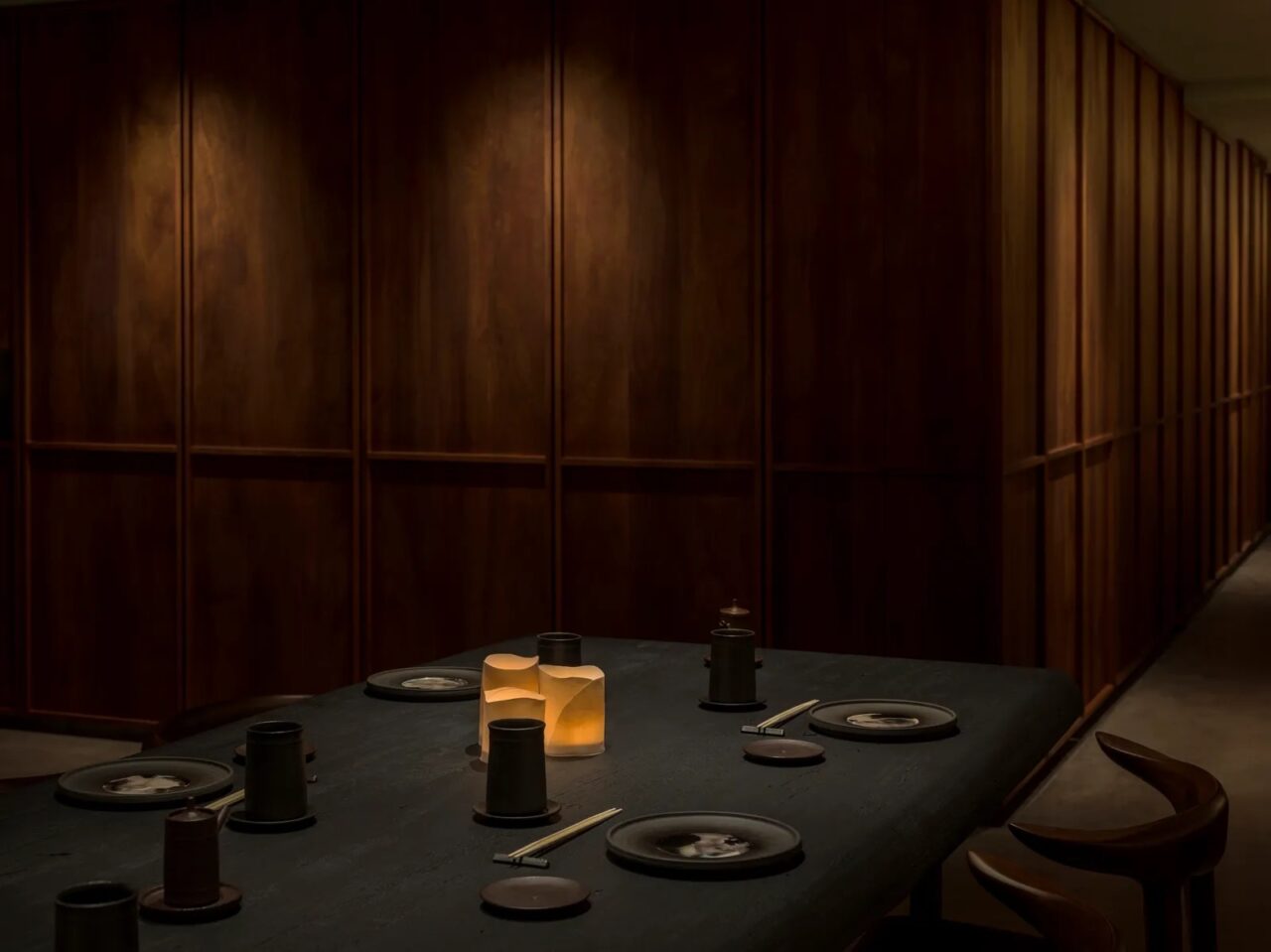
Although I don’t directly operate the YSL Sushi Park Paris restaurant, my role in this project being consultant, I do share the Sushi Park LA philosophy and methods with the local team so that they can offer the same experience to Parisian customers. Paris is a city where fashion, art and many cultures meet, and I thought it was a special place to introduce the Sushi Park tradition and philosophy. I was deeply honored when I received the proposal to collaborate with Saint Laurent, and I gladly accepted, as it meant that my sushi could tell a new story on the Parisian scene.
What does Paris mean to you, personally and as a chef?
Paris has always been a special city for me, ever since my student days, when I dreamed of becoming a car designer. It’s a city where architecture, fashion, art and music all come together. Today, I’m here, not as a designer, but as a chef, and starting a new adventure in the world capital of gastronomy is like realizing a dream in a different way. At the same time, it’s an opportunity to return to my roots, to learn and grow.
How did your collaboration with Anthony Vaccarello come about?
Anthony Vaccarello was a long-standing customer of Sushi Park LA. I always appreciated his respect for my team and myself, as well as his artistic vision. One day, he suggested bringing the Sushi Park experience to Paris to share it with a new audience. I was touched by the idea. The chosen location in Paris has a history as a meeting point for fashion and art, and Anthony wanted to revive that atmosphere. I felt that Sushi Park matched this vision perfectly. The project echoed my childhood dream, which really excited me. This connection led to a successful pop-up in Paris in 2022, my first project outside Los Angeles since opening in 2006. That experience led to this new chapter, where I joined YSL Sushi Park Paris as a consultant in February 2025.
What vision do you share with the House of Saint Laurent?
I believe Saint Laurent and I share the desire to focus on the essentials while maximizing the experience. When I prepare sushi, I seek to reveal the true flavor of the ingredients, but at the same time, I hope that each piece becomes an unforgettable experience for my guest. From what I’ve observed, Anthony Vaccarello removes the superfluous from his creations and uses simplicity to express intensity. He doesn’t just make clothes: he gives the wearer the opportunity to express themselves and experience a new attitude. I believe that food and clothing are more than just eating and dressing. The essence is important, but for it to become gastronomy or fashion, you need a force that goes beyond that. A good culinary experience nourishes the body and mind, while great fashion helps you express your identity and find strength in life. That’s why, from my point of view, Sushi Park and Saint Laurent share the philosophy of honoring the essence while maximizing the experience.
Do you see a link between fashion and gastronomy? How do these two worlds inspire each other in your work?
For me, fashion and gastronomy are both ephemeral artistic expressions, but capable of leaving a strong and lasting impression. Fashion transforms the attitude of the wearer, while food transforms the senses and emotions of the taster. Both are most influential when reduced to essentials. In the same way that a simple, refined outfit can transform a presence, even the simplest ingredients, prepared with sincerity, can deeply touch a guest. Fashion has taught me to see food differently, and I believe that gastronomy, like fashion, also has the power to give people confidence.
Do you feel a different relationship with your customers in Paris than in Los Angeles?
In Los Angeles, I have many regulars with whom I’ve built up a long history. Our relationship is based on trust, comfort and understanding. In Paris, we’re just getting started. I think guests are just discovering the Sushi Park philosophy and sushi tradition. I feel like I’m still learning in Paris. Every customer reaction is like a lesson, and little by little, these lessons turn into relationships.
People don't just remember what was on their plate. They also remember the atmosphere, the emotions and the conversations they shared. The moment doesn't have to be grand or extravagant, nor does it have to be simple or unique: it's the sincerity put into the food that leaves the most lasting impression.
Peter Park
What would you like to pass on to the next generation?
I’d like the next generation of chefs to abandon impatience. Honestly, that’s advice I’d like to give myself too. It’s important to experiment with different culinary genres and learn spectacular techniques, but the priority must be to focus on a specific area in order to develop an eye for the right ingredients, attention to small details and mastery of the basics. Only then can you develop your own style, and that’s what creates depth in the kitchen. So I hope that the new generation will respect the essence of cooking while embarking on their own journey to create their own flavors.
In your opinion, what makes a truly unforgettable culinary experience?
I think an unforgettable culinary experience requires more than just taste. Of course, the flavor of the food is fundamental. But a special moment is only created when the atmosphere, the chef’s attitude and the connection with the guest all come together. Each piece of sushi served involves immense effort and concentration, and the guest’s reaction completes the experience. In the end, I think people remember more than just what was on their plate. They also remember the atmosphere, the emotions and the conversations they shared. The moment doesn’t have to be grand or extravagant, nor does it have to be simple or unique: it’s the sincerity put into the food that leaves the most lasting impression.
Editor
Jade SimonCredit
Courtesy of Peter Park